

Catalonia Travel Guide
SpainLocated in the northeast of France, Catalonia stretches between the shimmering shores of the Mediterranean and the cool peaks of the Pyrenees; a multi-layered region that brings together different spirits under one roof, from Barcelona to Girona, from Tarragona to Lleida. To the north, France and Andorra, Aragon in the west, in the south Valencia In Catalonia, which borders Spain, Catalan and Spanish (Castilian) flow side by side in daily life. While the religious structure largely reflects Catholic traditions, the region's economy is considered among Spain's strongest engines: industry, technology, the service sector, and tourism have a significant share; viticulture, olive cultivation, and local production are also still thriving. Spanning approximately 32 km² and home to a population of 7,5–8 million, Catalonia appeals to those who want "city, nature, and the coast all in one trip."
When is the best time to visit Catalonia?
The most enjoyable times to visit Catalonia are generally spring (April–June) and autumn (September–October): the weather is pleasantly warm, crowds are more manageable, and city walks and coastal towns are perfect. In the summer months, the Costa Brava and Costa Daurada coasts are bustling, but... Barcelona Prices and crowds increase in centers like these. In winter, you can plan a ski trip in the Pyrenees; even though the weather cools down in the cities, the cultural and artistic calendar continues unabated. If you are curious to learn more about its history, festivals, and route suggestions according to the seasons, be sure to check out the article "When to Visit Catalonia?".
How to get to Catalonia?
TurkeyThe most practical option for getting to Catalonia from [location] is often a direct or connecting flight to Barcelona; after that, the train and bus network within the region is quite convenient. Girona and Tarragona Cities like these can also be easily reached via high-speed train connections from Barcelona. If you consider renting a car, you can explore the Costa Brava bays, Pyrenees villages, and wine routes much more freely. To learn about transportation options, ticket tips, and the easiest ways to get between cities, the article "How to Get to Catalonia?" will give you a good route.
What to do in Catalonia?
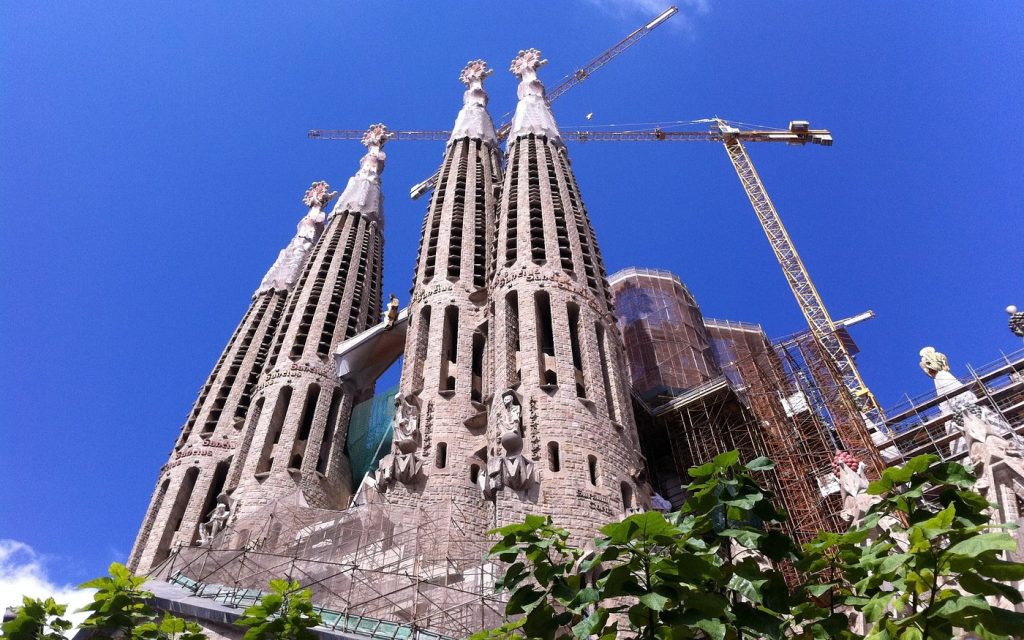
- Follow in Gaudí's footsteps in Barcelona: Transform Sagrada Família, Park Güell, and Casa Batlló into an “architectural walk.”
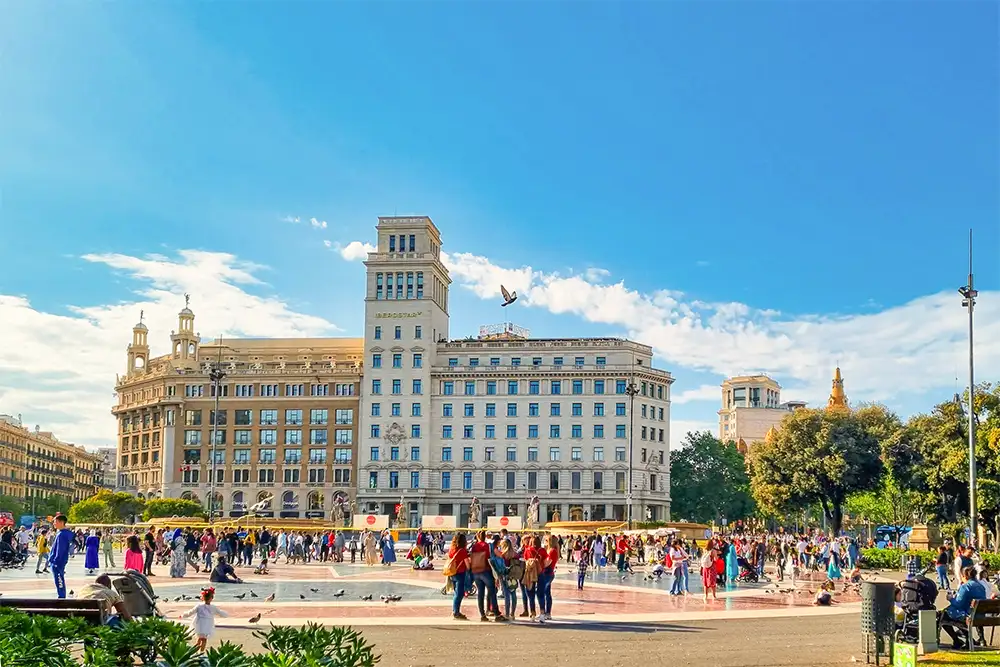
- Get lost in the Gothic streets: The Barri Gòtic features small squares, stone passageways, and surprising courtyards.
- Chase after coves and swim in the sea on the Costa Brava: Combined with small fishing villages and hiking trails, it becomes legendary.
- A day trip to Montserrat: Monastery The scenery and nature walks feel like "a breath of fresh air from the city".
- A medieval atmosphere prevails in Girona: The city walls, bridges, and narrow streets will delight photography enthusiasts.
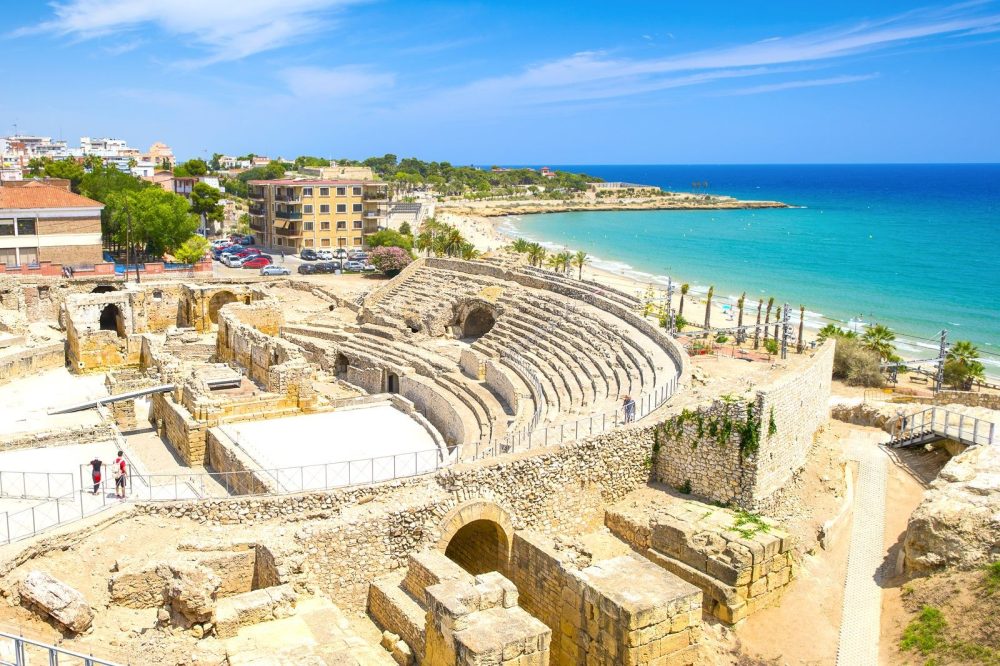
- See Roman heritage in Tarragona: The ancient amphitheater and historical ruins stand out against the backdrop of the sea.
- Get acquainted with nature in the Pyrenees: Change your route; ski in winter, explore lakes and hike in the highlands in summer.
- Create a wine route: Cava tasting in Penedès and vineyard views in Priorat add flavor to the trip. katar.
- Experience the local market culture: In city markets, olives, cheese, deli meats, and fresh seafood take center stage.
What to eat in Catalonia?
Catalan cuisine truly understands the idea of "great flavor with few ingredients": tomato bread pa amb tomàquet, escalivada where roasted eggplant and peppers shine, calçots served with romesco sauce (especially in season), seafood-scented suquet de peix, grilled botifarra sausages, and the classic crema catalana for dessert are just a few examples. Add to that local charcuterie (like fuet), olive oil, and the incredibly fresh seafood from coastal towns, and you'll find yourself wishing you could eat something different every day. For a more appetizing list... What to eat in Catalonia? Check out his article too.
What to buy from Catalonia?
The most reliable souvenirs to take back from Catalonia are generally the "edible" ones: cava (sparkling wine), olive oil, charcuterie such as fuet, local cheeses, and almond sweets. For design enthusiasts, local brand products from Barcelona boutiques, ceramics, and handmade notebooks are a great option; and for those who prefer classics, Gaudí-inspired small objects, espadrille-style shoes, and leather accessories are a perfect match. If you want to finalize your shopping route... What to buy from Catalonia? The article will give you some good suggestions.
Catalonia Nightlife
Catalonia's nightlife doesn't fit into "one style": Barcelona has something for every taste, from tapas bars and cocktail lounges to electronic music clubs and beach bars. You can find more neighborhood-style bars in Gràcia, stylish cocktail spots in Eixample, and a more energetic nightlife around Port Olímpic. If you're looking for a quieter but fun alternative, Sitges is also quite lively in the evenings. For venue areas and night planning... Catalonia Nightlife Don't forget to check out the article.
Catalonia Festivals and Fairs
| Event/Festival | Ay | DESCRIPTION |
|---|---|---|
| Saint Jordi Day | Nisan | One of the most romantic days, with the streets filled with the tradition of books and roses. |
| Primavera Sound (Barcelona) | May/June | A major music festival attended by world-famous artists. |
| Sónar (Barcelona) | Haziran | An iconic festival focused on electronic music and digital art. |
| La Mercè (Barcelona) | Sept | Parades, concerts, "castells," and city-wide celebrations. |
| Santa Tecla (Tarragona) | Sept | Traditional performances, parades, and a busy festival schedule. |
| Sitges Carnival | Şubat | Costumes, street parties, and colorful parades are so much fun. |
| Mobile World Congress (Barcelona) | February/March | The giant trade fair of the technology and mobile world (dates may change every year). |
Important Days and Holidays in Catalonia
| Date | Events |
|---|---|
| January 1 | New Year |
| January 6 | Three Kings Day (Reyes) |
| March/April | Easter period (date variable) |
| 1 May | Labor day |
| 15 August | The Assumption of Mary |
| 11 Eylül | Catalonia National Day (La Diada) |
| 12 October | Spanish National Day |
| 1 November | all saints day |
| 6 Range | Constitution Day |
| 8 Range | Spotless Pregnancy Day |
| 25 Range | Noel |
| 26 Range | Sant Esteve (a popular holiday destination in Catalonia) |
Things to Consider When Traveling to Catalonia
- Plan early during peak season: Accommodation and tickets to popular museums sell out quickly during the summer months.
- Be careful with your belongings in the city: Be cautious with your bag/phone, especially in tourist areas.
- Evaluate your transportation cards: It is possible to use public transportation economically in and around Barcelona.
- Get used to meal times: Dinner might start late; adding a "tapas break" is a good idea.
- Feel comfortable with the language: Spanish is widely spoken, but there are many Catalan signs; basic vocabulary will make things easier.
- Establish a balance between the coast and the city: Catalonia feels so much better when you spend one day in the city and the next in a coastal town.
- Be prepared for weather variations: The Pyrenees can be cool, while the coasts can be warm; layering clothes saves the day.
Catalonia, on the same journey Mediterranean It's one of the rare places that offers both a refreshing atmosphere and a city life full of history, design, and delicious food. Whether you immerse yourself in the energy of Barcelona, chase bays on the Costa Brava, or chart a "slightly calmer" route towards the Pyrenees... In any case, it leaves you with a plan for your next trip. To deepen your itinerary... Places to visit in Catalonia You should definitely check out his article too.
PREVIOUS TOPIC
NEXT TOPIC

Similar Threads
Write a Comment
Visitor Comments - 0 Comments