
Arnavutköy Taverns: Traces of Greek Cuisine in Istanbul
One evening Arnavutkoy'I saw two different kinds of fava on the meze tray. One was the fava we know: made from broad beans, poured into a mold, sliced, and topped with dill. The other was yellow, more liquid, didn't hold its shape, and was topped with onions and capers.
I asked the waiter. "That's Greek fava," he said. "But the ingredients are different."
They're truly different. Turkish fava is made with broad beans. Greek fava, on the other hand, is made with a legume similar to yellow lentils, a product from the pea family. Two different dishes bearing the same name. That evening I realized that the difference between a Greek tavern and a Turkish tavern is deeper than I thought. Looking at the table, they seem similar, but when you delve into the details, two distinct culinary traditions emerge.
This article explains that difference. And why Arnavutköy is a special neighborhood in this regard.
Transparency rating: This content is not sponsored, and I have no commercial ties to the venues. Businesses change hands and concepts, so verify before you go. Also, a note of honesty: there is only one place in Arnavutköy today that can be considered a genuine Greek tavern. I haven't included other places in this category to inflate the list.
The Bosphorus Europe It's a small neighborhood on the other side, between Bebek and Kuruçeşme. Besiktas It belongs to the district.
Note: IstanbulThere are two Arnavutköy districts. This article describes the district on the Bosphorus, not the Arnavutköy district on the airport side.
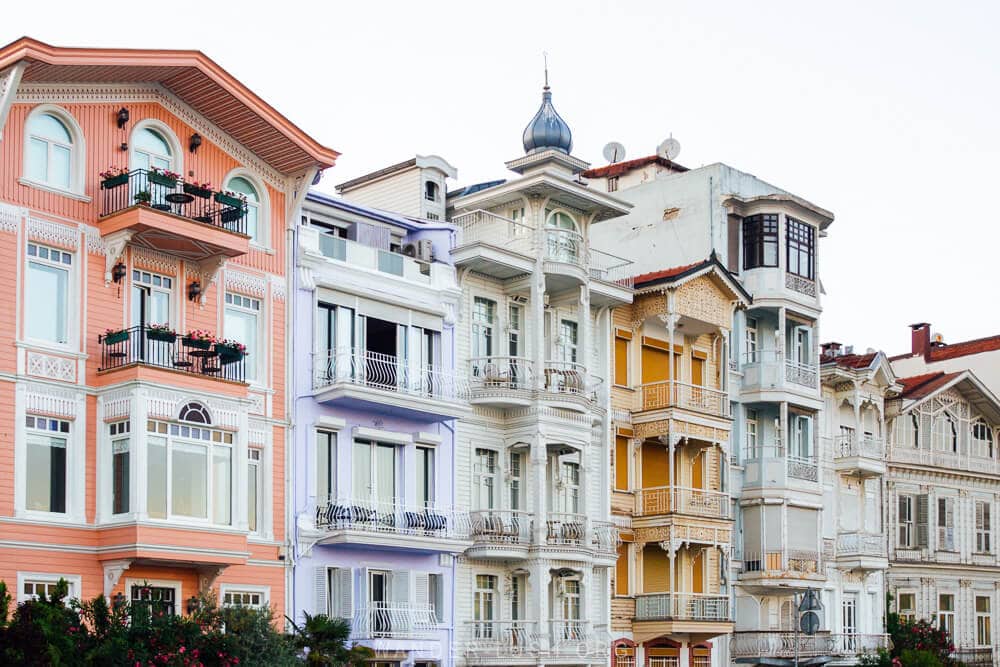
The district was predominantly Greek for centuries. The Greeks initially called it Asomaton, then Megalu Revmatos, meaning "great current." The strong current at this point in the strait was particularly renowned among sailors.
Wooden mansions, church buildings, and narrow streets date back to that period. The neighborhood's vineyards and gardens were famous since the sixteenth century, later transforming into strawberry fields.
Migration waves in the second half of the twentieth century significantly altered the neighborhood's demographic structure. But its architectural and culinary traces remain.
A lasting impact in the kitchen: The approach to seafood, the meze culture, the concept of olive oil-based dishes, and the understanding that a meyhane (traditional Turkish tavern) is not just a meal, but an evening program.
Greek Tavern vs. Turkish Tavern: The Real Differences
This section is the expert part of the article. Place names get old, but this information doesn't.
Fava: Same name, different legumes.
Turkish fava is made from broad beans. They are crushed, poured into a mold, and sliced once cooled. It has a thick consistency. Greek fava is made with a legume from the yellow pea family. It is more fluid and creamy. Raw onions, capers, and olive oil are added on top. It is particularly popular in the Aegean islands, especially Santorini and... SakızIt has its own unique versions.
Two different dishes with the same name. If you see "Mastic fava" or "Greek fava" on the menu, it's the latter.
Cacık and tzatziki
Closely related but not the same. Cacık is more watery, with a consistency similar to soup, and water is added to it. Tzatziki is thicker, made with strained yogurt, generally has a higher garlic content, and its consistency is more suitable as an appetizer.
Htipiti
This is not commonly found in Turkish taverns. The cheese spread meze is generally made with a mixture of several cheeses and chili peppers. Its reddish color and spicy tone are distinct.
If you see it on the menu, try it; it's one of the clearest signs distinguishing a Greek tavern from a Turkish one.
saganaki
It gets its name from the small, two-handled pan in which it's cooked. It's generally used to refer to fried cheese, but there are also variations like shrimp saganaki.
Scanning
An appetizer made from fish roe. It's found in Turkish taverns, but it holds a more central place in Greek cuisine. Note the distinction between white tarama and pink tarama; they are prepared differently.
Cheeses
Another element that distinguishes a Greek tavern is its unique selection of Greek cheeses such as kefalotiri, graviere, and feta. Some of these... TurkeyYou can only find it in certain places because it's imported directly from Greece.
Drink
Rakı, ouzo, and tsipouro are related drinks from the anise family, but they are different. Rakı is grape-based and has a more pronounced anise flavor. Ouzo generally has a lighter anise flavor and a sweeter profile.
Tsipouro is made from grape pomace, and some versions are anise-free. Ouzo is commonly found in Greek taverns. If you'd like to try it, ask about the serving style; the ratio of ice to water can vary.
Music: Bouzouki and rebetiko
This is the least known but most important difference. The bouzouki is a stringed instrument and an icon of Greek music. But the real issue is the type of music played. Rebetiko is a genre that emerged in the port cities of Greece at the beginning of the twentieth century. Its origins are largely rooted in the Greeks who migrated from Anatolia. Izmir The vein of origin is given a separate name.
So, rebetiko is the music of people who left Istanbul and Izmir. Listening to this music in a tavern in Arnavutköy means listening to a genre that has geographically returned home.
UNESCO added rebetiko to its list of intangible cultural heritage in 2017.
Time
The difference isn't just in the food. At a Greek tavern, passing tables isn't the goal. Mezes arrive in rounds, there are breaks, music starts, and the evening drags on. It's not the right place for those who want to eat quickly and leave.
This is the place that keeps this tradition alive in the neighborhood.

Story
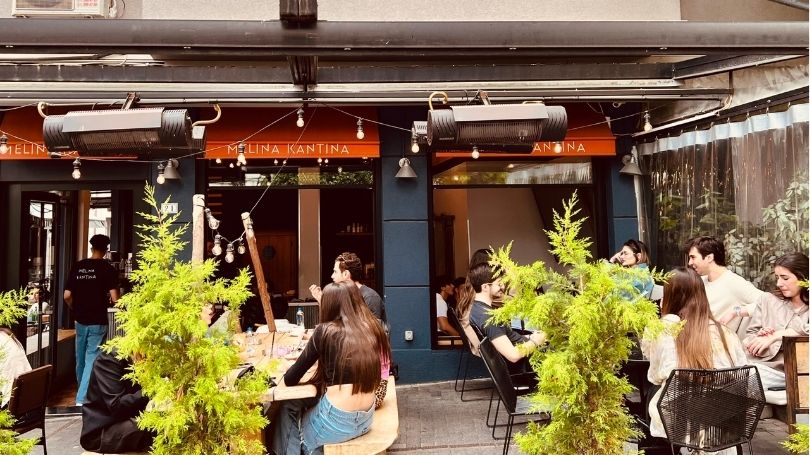
Located in Arnavutköy since 2013, it was founded by Cemal Akyıldız and his son Mehmet Can Akyıldız. The fact that the family grew up in Kurtuluş explains the restaurant's identity. Kurtuluş is one of the neighborhoods in Istanbul where Turkish, Greek, and Armenian cuisines are most intertwined. This shared culinary heritage, combined with trips to Greece, resulted in this concept. The restaurant also has a branch in Thessaloniki. Locals remember the place by its previous name; the same building has been used as a restaurant for many years.
The place is in one of the old buildings on the beach. It consists of several floors, and there are a few tables on each floor. It's a room-by-room structure.
- This means: Capacity is limited. Reservations are absolutely essential, especially on weekends and live music nights.
- Advantage: The noise is dispersed because of the small floors. You can have a conversation.
Tables with Bosphorus views are available, but limited, so specify when making a reservation.
Kitchen
The cold meze section features most of the classic Istanbul mezes: white tarama, bonito lakerda, smoked mackerel, eel, pastrami, and crab leg salad. The standout items come from Greece: tzatziki, Chios fava, and htipiti. The eggplant salad is also prepared in the Greek style. The hot appetizers include grilled octopus, stuffed calamari, grilled calamari, shrimp, and various types of saganaki. On the cheese side, kefalotiri from Greece stands out, served grilled or fried.
Music
There is a live bouzouki program. The program may not be available every day, so call before you go.
honest evaluation
The place is small and cramped. If you go with a large group, you might have trouble finding a seat. The price segment is high. It's in line with the general level of the neighborhood, but it's not a budget-friendly evening out. However, there are few places in Istanbul that maintain this concept with such seriousness. If you're looking for a Greek tavern experience, finding an alternative isn't easy.
Greek Traces in Other Neighborhood Tables
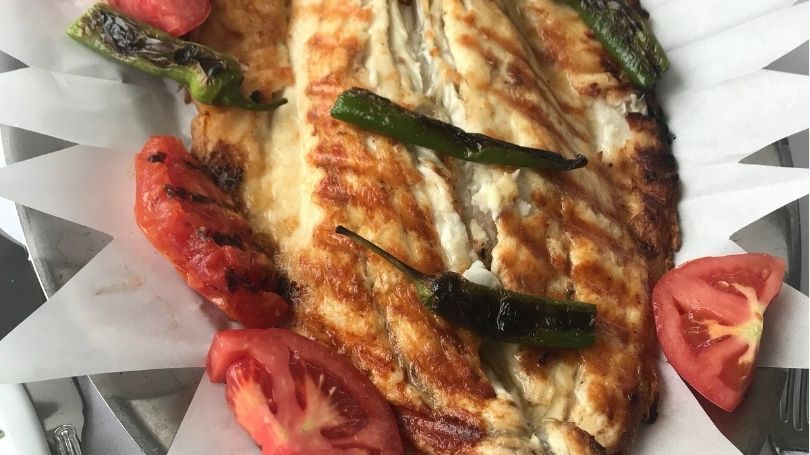
There's only one Greek tavern in Arnavutköy, but traces of Greek cuisine can be found in the neighborhood's fish restaurants. The approach to seafood, the olive oil-based repertoire, the place of lakerda and çiroz on the table, the very concept of meze – all stem from a shared culinary tradition. When you sit down at the neighborhood's fish restaurants, you're essentially part of this tradition; it's just not called by that name.
How to set a table in a Greek tavern?
Ordering order isn't arbitrary; it's about how your palate works.
- First round: Cold and light. Tarama, tzatziki, htipiti, fava. These accompany the first glass of raki or ouzo.
- Second round: Seafood appetizers: Lakerda (cured fish), smoked fish, octopus salad, seafood pastrami.
- Third round: Dishes with olive oil and herbs. Sea beans, artichokes, stuffed grape leaves in olive oil.
- Fourth: Appetizers: Saganaki, grilled calamari, shrimp, and octopus.
- Latest: Fish. At this point, the table will be full; a small portion will suffice.
- Common mistake: Saying everything at once. The table fills up, the appetizers get cold, and by the time the fish arrives, no one has a place to sit.
Practical information
- Reservation: Required. For venues with limited capacity, call a few days in advance for weekend bookings.
- Hour : The evening at the tavern usually starts around eight o'clock. Live music generally starts later, so ask about the schedule.
- Duration : Plan an evening that lasts three or four hours. If you're keeping it short, a fish restaurant is more suitable than a pub.
- Parking lot: This is the biggest problem in the neighborhood. The coastal road is narrow, and the back streets are steep and one-way. If you're going to drink alcohol, don't drive at all; that solves the problem from the start.
- Transport : Buses from Beşiktaş and Kabataş run along the coast. It's about a twenty-minute walk from Bebek.
- There is no ferry pier. Arnavutköy does not have its own ferry pier.
- Return: If you're planning a night out with alcohol, sort out the return trip beforehand. Arrange a taxi or a sober driver.
- Season: Autumn and winter are better for fishing. Summer is for the scenery, but it gets crowded.
Frequently Asked Questions
How many Greek taverns are there in Arnavutköy? There is only one place that operates with the true concept of a Greek tavern. The other establishments in the neighborhood fall into the fish restaurant category, but their cuisine also bears traces of the common Greek culinary tradition.
What is the difference between Greek meze and Turkish meze? Much of the repertoire is shared, as Istanbul's meze culture originated from a common source. The distinct items are fava, tzatziki, htipiti, and saganaki. The cheeses and some cooking methods also differ.
Why are there two types of fava beans? Turkish fava is made from broad beans, while Greek fava is made from a legume from the yellow pea family. They are two separate dishes bearing the same name.
Is bouzouki music played every day? Live music isn't always available every day. I recommend calling ahead to inquire about the day's schedule.
Is a reservation required? Yes. The venue in the neighborhood consists of small floors and has limited capacity. Call a few days in advance for weekend bookings.
What are the price levels? It's in line with the general standard of the neighborhood, meaning it's in the high-end segment. I'm not giving exact figures because prices change rapidly in Istanbul and it would be misleading six months from now. I recommend calling beforehand and asking about the average price per person.
Can a vegetarian go? Absolutely. The main part of the meze section consists of dishes made with olive oil and vegetables. A table full of fava beans, htipiti, tzatziki, and saganaki could be set up.
What is Rebetiko? A musical genre that emerged in the port cities of Greece at the beginning of the twentieth century, largely rooted in Greeks who migrated from Anatolia. It is included in the UNESCO list of intangible cultural heritage.
Sitting at a tavern table in Arnavutköy is more than just a dining experience. The tarama (fish roe dip) on that table was made on both sides of the Bosphorus. The melody played on the bouzouki is the music of people who migrated from Anatolia. The building you're sitting in was once the home of another family. Eating meze in this neighborhood is like sitting at the same table with a city's own past.
Take your time. That's the only rule of a Greek tavern.

Similar Threads

Write a Comment
Visitor Comments - 0 Comments