If you're visiting Barcelona for the first time, it's best to plan your trip by dividing the city into four parts: “Gaudí buildings + Gothic streets + seaside + good food.” I see Barcelona as a city that can be fully enjoyed in two full days, relaxed in three, and explored in Montjuïc, Gràcia, and the seaside in four days. For first-time travelers, accommodation around Eixample, El Born, or Plaça de Catalunya is a lifesaver; you're close to the metro and can explore the city on foot at the end of the day without needing a taxi.
In the 2026 budget, the biggest expense is no longer just the hotel; popular tickets, city tax, and food and drink also affect the plan. I'm allocating €26 for the simplest visit to the Sagrada Família, and €36 for the tower experience; Park Güell is €18, La Pedrera starts at €29, and Casa Batlló starts at €39 for most visitors. Since a single ticket costs €2,90 and a 10-use T-casual pass costs €13, it's wiser to consider public transport with a card system rather than individual tickets for a two- or three-day trip.
Quick and Practical Facts About Barcelona
| Topic |
My practical suggestion is... |
| How many days is enough? |
For first-time visitors, 3 days is ideal; 2 days is busy but possible. |
| Where will we stay the first time? |
Eixample, El Born, Plaça de Catalunya surroundings. |
| The best period |
April-June and September-October; summer is beautiful but hot and crowded. |
| Currency |
Euro. |
| Card or cash? |
Cards are very common; 20-40 € in cash is fine for small bars and markets. |
| Urban transportation |
Metro + walking is the most practical combination. |
| Average daily budget |
Budget 70-100 €, mid-range 130-200 €, comfortable travel 250 €+. |
| Security |
Generally safe; be aware of pickpocketing on La Rambla, the metro, and the beach. |
| Log out |
Catalan and Spanish are used; in tourist areas, English is employed. |
| Power outlet/internet |
Turkey The same type of sockets are used; eSIM Or EU roaming is advantageous. |
When is the best time to visit Barcelona?
I would first recommend visiting Barcelona in spring and autumn. April, May, September, and October are still vibrant outdoors; however, it's not as tiring as the August heat, cruise ship crowds, and beach congestion. The seaside is appealing in the summer, but the Gothic Quarter, Park Güell, and the Sagrada Família get busy around midday. Therefore, a July-August plan should dedicate the mornings to museums and Gaudí buildings, the afternoons to a siesta, and the evenings to tapas and a stroll along the beach.
Barcelona is quieter and more affordable during the winter months. Even in January and February, you can explore the city if you're not expecting a beach holiday; however, some activities and outdoor enjoyment will be more limited. For festival lovers, La Mercè at the end of September is a strong period: in 2026, it was celebrated from September 23-27; with human towers, giant figure parades, and concerts by Correfoc and BAM, the city transforms into an open-air stage for several days.
How to get to Barcelona?
The most practical way to get from Türkiye to Barcelona is by taking a direct flight to Josep Tarradellas Barcelona-El Prat Airport. When getting from the airport to the city center, I usually choose between three options: metro or train if I have little luggage, Aerobús if my accommodation is around Plaça de Catalunya, and a taxi or transfer if it's late at night.
The L9 Sud metro connects to the airport; however, it doesn't go directly to the heart of the city center, requiring a transfer. In 2026, an airport metro ticket cost €5,90. A regular single ticket on the TMB (Tourism Management Center) was €2,90, and a T-casual ticket was €13; however, the T-casual ticket is not valid at airport metro stations. Therefore, to avoid thinking you've gotten a "cheap deal" on your first visit and having to buy an extra ticket at the turnstile, I would consider airport transportation separately.
Aerobús is the most straightforward option, especially for first-time visitors who don't want to deal with luggage. It's a practical route from the terminal to Plaça de Catalunya. The R2 Nord train is a sensible option if you're near Terminal 2 and need to go to places like Sants or Passeig de Gràcia. Taxis are comfortable, but city traffic and hotel location can affect your budget.
Barcelona City Transportation
Barcelona seems like a city best explored on foot, but if you try to do everything on foot, your feet will rebel by the second day. My rhythm is this: the Gothic Quarter, El Born, La Rambla, and Barceloneta are explored on foot; for Sagrada Família, Park Güell, Montjuïc, and Gràcia, I use the metro/bus.
In 2026, a single city ticket will cost €2,90, a 10-use T-casual ticket will be €13, and a T-dia ticket will be €12. If you are traveling with someone, you need to pay attention to the personal usage rules for each ticket type; the T-casual ticket is especially for one person. A common mistake during short city trips is buying a single ticket at every metro station. If you plan to use public transport three or four times a day, a card system is more economical.
For taxis, using the official yellow and black taxis is a good idea when returning from the beach or Montjuïc late at night. Rent a car A car is unnecessary for city center Barcelona; parking, traffic, and narrow streets detract from the enjoyment of sightseeing. I would only consider a car if you have plans outside the city, such as Girona, Costa Brava, or Montserrat.
How many days does it take to visit Barcelona?
- 1 days: You'll only catch the main outlines. In the morning, the Sagrada Família, at noon the facades of Casa Batlló and La Pedrera on Passeig de Gràcia, in the afternoon the Gothic Quarter - El Born, in the evening Barceloneta or El Born tapas.
- 2 days: For first-time visitors, it's intense but rewarding. I would dedicate one day to Gaudí and Eixample, and the other to the Gothic Quarter, El Born, Barceloneta, and Montjuïc.
- 3 days: My ideal travel time for the first day is this: Sagrada Família and Park Güell don't need to be rushed; the third day allows for breathing space for Gràcia, Sant Antoni, Montjuïc, or the Picasso Museum.
- 4 days or more: Barcelona opens up to a more local atmosphere. You could add a coffee in Gràcia, a seaside walk in Poblenou, a day trip to Montserrat, or a beach trip to Sitges.
Where to stay in Barcelona?
When choosing a hotel in Barcelona, before asking "Which is the most central location?", I think about "How will I get back to the hotel in the evening?". The city isn't huge, but the neighborhoods have a very different atmosphere.
| Area |
Who is it suitable for? |
Plus |
Attention |
| Eixample |
First-time visitors, couples, those seeking comfort |
Metro, restaurants, architecture, safe evening return |
Prices may rise above the central average. |
| the born |
Those who like to explore on foot, those who enjoy food and bars. |
Close to the Gothic Quarter, lively in the evening. |
Some rooms in narrow streets might be noisy. |
| Plaça de Catalunya |
Short-term visitors |
Transportation hub, easy airport connection. |
It's very touristy; when choosing a hotel, you should consider the street noise level. |
| Grace |
Those who want a more local atmosphere |
Squares, boutique cafes, evening tranquility. |
It needs a bit more transportation to reach the main tourist attractions. |
| Poble Nou |
Those who love the sea and modern neighborhoods |
Closer to the beach, more spacious. |
For first-time visitors, it may feel far from the city center. |
| Barceloneta |
Beach-focused summer trip |
Sea, fish restaurants, walking |
It can be crowded and expensive in the summer. |
I'm definitely including the city tax in my Barcelona accommodation budget for 2026. From April 1, 2026 to March 31, 2027, the total per-person per-night tourism tax in Barcelona city center is calculated as follows: €12 for a 5-star hotel, €8,40 for a 4-star hotel, €9,50 for a tourist residence, and €6 for a youth hostel. When searching for a hotel, don't just look at the nightly room rate; take the per-person/night tax into account on the final payment screen.
Places to visit in Barcelona
Holy Family
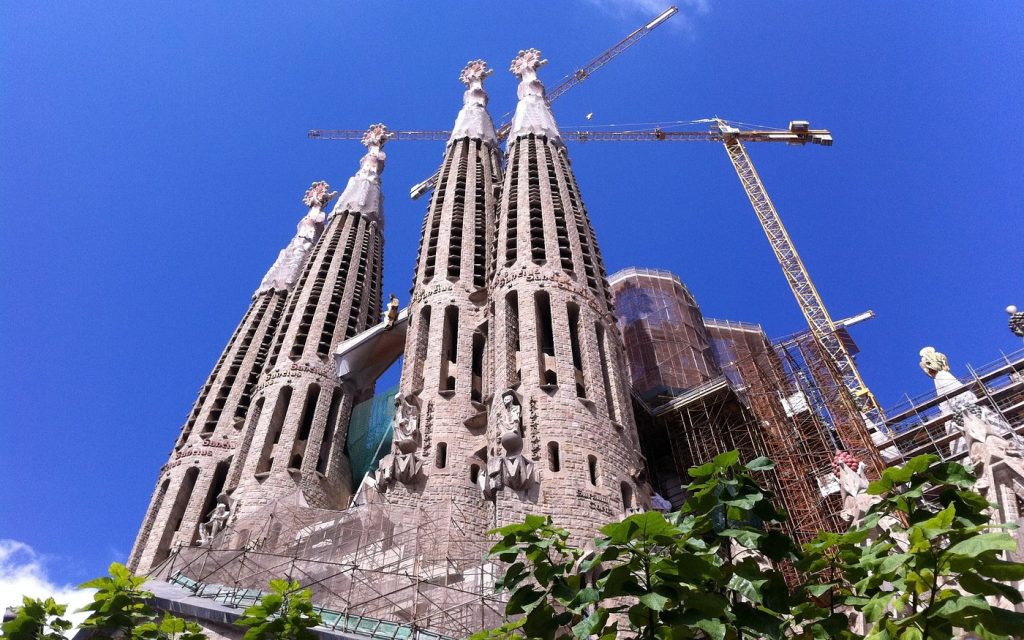
Barcelona's most powerful starting point is still the Sagrada Família. To see it simply as a "church" is an understatement; the light inside, the towering columns, and the symbolism on the exterior instantly change the rhythm of the city. I recommend going early in the morning; the light is better, and you can enter before the day's crowds have dispersed. You should allocate at least 1,5-2 hours. In 2026, the base entrance fee was €26, guided tour €30, tour of the tower €36, and the guided tour plus tower option €40.
Park Güell
Park Güell is much more than just the colorful mosaic terraces in the photos; however, the experience is diminished if you go at the wrong time. I wouldn't go during the midday heat. Early morning or near sunset is better. In 2026, a general ticket for the Monumental Zone was €18, and €13,50 for children aged 7-12 and those over 65. Since tickets are timed, it's a good idea to plan your route in advance.
Casa Batllo
Casa Batlló on Passeig de Gràcia is one of Barcelona's most theatrical Gaudí landmarks. Going inside increases the budget, but if you're interested in modernist architecture, the experience is well worth it. In 2026, a general visit + exhibition started at €39, an overnight visit at €35, and a quieter "Be the First" option in the morning at €65. If I were on a tighter budget, I'd go inside either Casa Batlló or La Pedrera and just browse the facade of the other.
La Pedrera – Casa Milà
The best part of La Pedrera is its rooftop. The stone waves, chimneys, and views of Eixample elevate it beyond a typical museum visit. In 2026, a basic visit started at €29, and an overnight experience at €39,50. Sunset is a great time for photos; however, prices and crowds can increase accordingly.
Gothic Quarter
To experience Barcelona's medieval atmosphere, you can follow a route that includes Plaça Nova, Barcelona Cathedral, Carrer del Bisbe, Plaça Sant Jaume, and Plaça Reial. I like to explore this area early in the morning; the sounds of the cobblestone streets are clearer before the shops open. The cathedral's tourist entrance fee is €16; weekday cultural visits are from 09:30 to 18:30, with different hours on Sundays and religious holidays.
El Born and Santa Maria del Mar
El Born feels a bit lighter and more afternoon-spirited to me than the Gothic Quarter. A short stroll around Santa Maria del Mar, followed by small tapas bars, boutique shops, and a coffee break, flows well. The Picasso Museum is also in this area. The museum is closed on Mondays; in 2026, a collection + temporary exhibition ticket was €14 online, €15 at the box office. Advance reservations are required for the first Sunday free hours.
La Rambla
I wouldn't completely rule out La Rambla, but I wouldn't make extensive meal plans there either. A short walk, a glimpse of La Boqueria, and an escape into the side streets is better. Since it's one of the busiest areas for tourist menus, it's wiser to head towards El Raval, Sant Antoni, or El Born to avoid giving in to paella and sangria signs.
La Boqueria and Sant Antoni Market
La Boqueria is colorful and photogenic, but it gets very crowded around lunchtime. I'd consider it for a quick morning exploration, juice, or a quick snack. For a more local and organized market feel, I prefer Sant Antoni Market; the breakfast and lunch options around it are also more enjoyable.
Montjuïc
Montjuïc is beautiful for viewing Barcelona from above. The cable car, the castle, the Olympic grounds, the Joan Miró Foundation, and the area around the MNAC can all be planned for the same day. I especially recommend putting Montjuïc on the third day; it's a breather after the Gaudí and old city intensity of the first two days.
Barceloneta and the Coastal Line
Barcelona's seaside is lovely for an evening stroll, even if not for swimming in the summer. Walking from Barceloneta to Port Olímpic changes the rhythm of the city after sunset. It's important to be mindful of bag security on the beach; the simplest rule is to avoid leaving valuables unattended, especially when swimming alone.
1, 2 and 3-Day Travel Itineraries for Barcelona
1-Day Barcelona Itinerary
I'll start the morning with the Sagrada Família. Getting tickets for the 9:00-10:00 time slot will save the rest of the day. Afterwards, I'll take a short coffee break and head to Passeig de Gràcia. It would be nice to see Casa Batlló and La Pedrera from the outside and stroll through the streets of Eixample.
In the afternoon, I'll walk down from Plaça de Catalunya to the Gothic Quarter: Barcelona Cathedral, Carrer del Bisbe, Plaça Sant Jaume, then El Born. I plan to have dinner not on La Rambla, but on El Born or Sant Antoni.
2-Day Barcelona Itinerary
- Day 1: Sagrada Família, Casa Batlló, La Pedrera, Passeig de Gràcia, El Born in the evening.
- Day 2: Park Güell, Gràcia, the Gothic Quarter, the Picasso Museum or Santa Maria del Mar, followed by an evening stroll through Barceloneta.
On this route, it's important to visit Park Güell in the morning. After the park, taking a lunch break in Gràcia and then heading back to the city center will give you a more natural feel of the city.
3-Day Barcelona Itinerary
- Day 1: Gaudí day: Sagrada Família, Passeig de Gràcia, Casa Batlló or La Pedrera.
- Day 2: Old Town day: Gothic Quarter, El Born, Picasso Museum, La Boqueria, Barceloneta.
- Day 3: Montjuïc + Sant Antoni + Poble-sec or Gràcia.
I like to dedicate the evening of the third day to the Poble-sec tapas bars. The area around Carrer de Blai is a good place to end the day with small plates and a lively evening atmosphere.
What to eat in Barcelona?
In Barcelona, it would be unfair to base your food plan solely on paella. Yes, paella is available; but the city is much broader with Catalan cuisine, seafood, tapas bars, vermouth culture, and market snacks.
- Bread with tomato: Toast, tomatoes, olive oil, and salt. It looks simple, but with good ingredients, it's suitable for any meal, from breakfast to evening tapas.
- Pumps: Think of them like the potato croquettes you might find, especially in places like Barceloneta; they're filled with meat and topped with sauce.
- Patatas bravas: French fries, each bar having their own unique sauce. A cheap and safe starter.
- Escalivada: Roasted eggplant, peppers, and onions; a good option for those who want a light meal.
- Fideuà: A seafood dish similar to paella, but made with short noodles instead of rice.
- Crema catalana: A dessert related to crème brûlée but with a Catalan character. A perfect ending to dinner.
- Vermouth: A classic local ritual involving tapas before noon or in the late afternoon. For those who don't drink alcohol, sparkling water, coffee, and fresh fruit juice are common options.
Where to Eat in Barcelona? Restaurant Recommendations
| Place |
Area |
What can be tried? |
Price level |
Best time |
Practical note |
| La Cova Fumada |
Barceloneta |
Bomb, fish dishes |
Medium |
Noon |
It's small, busy, and it's best to go early. |
| The Xampanyet |
the born |
Tapas, cava, canned seafood |
Medium/comfortable |
In the late afternoon |
Be prepared for a rhythm of eating and drinking while standing. |
| Quimet & Quimet |
poble-sec |
Montaditos, small plates with salmon/seafood |
Medium |
In the late afternoon |
Seating is limited; a short and delicious break. |
| Bar Canete |
Raval |
Seafood, tapas, sharing plates |
bullshit |
Akşam |
Reservations are a good idea. |
| Granja dulcinea |
Gothic Quarter |
Hot chocolate, churros |
Economic/Middle |
Afternoon |
A classic spot for a sweet treat. |
| Can Paixano |
Barceloneta |
Sparkling wine, sandwiches, tapas |
Economic/Middle |
Midday-afternoon |
It can get very crowded; it's a fast-paced place. |
| Federal Café |
Sant Antoni / Gothic surroundings |
Breakfast, brunch, coffee |
Medium |
(Sabah |
Suitable for those who want a long breakfast. |
For my food and drink budget for 2026, I'm putting the lunch "menu del día" (menu of the day) cost in the city center at around €15-20; in more expensive areas, around €18 is more realistic. A quick breakfast with coffee and a croissant is €5-8, a tapas-heavy dinner is €25-40, and in a better restaurant, a reasonable estimate of €45+ per person including drinks would be appropriate.
What to buy in Barcelona?
The best things to buy in Barcelona are usually small items that don't weigh down your suitcase. Olive oil, sea salt, canned seafood, vermouth, chocolate, small ceramic plates, notebooks with modernist patterns, and designer objects are good options.
For shopping, Passeig de Gràcia is great for luxury brands and window shopping; El Born has design boutiques and small shops; Gràcia has more local shops; and La Boqueria and Sant Antoni are good for looking for food. When buying tourist magnets and jerseys around La Rambla, you need to carefully consider the quality-price balance.
What to do in Barcelona?
In Barcelona, instead of just visiting museums, you need to experience the city's rhythm by breaking it down. A flow of activity—Gaudí in the morning, the market at noon, a neighborhood stroll in the afternoon, and tapas at night—will yield the best results.
My favorite approach to experimentation is this:
Catch the morning light around Sagrada Família, have a coffee in the square in Gràcia, get lost in the afternoon in El Born, have a more local meal in Sant Antoni, see the city from above in Montjuïc, and end the day with a sunset stroll in Barceloneta.
For those wanting to get away from the city, a day trip to Montserrat is a classic option. For a shorter, more seaside getaway, Sitges is also a good choice.
Barcelona Nightlife
Barcelona's nightlife isn't uniform. El Born and the Gothic Quarter are more bars and cocktail areas; Poble-sec offers tapas and small bars; the area around Gràcia Square is more local; Eixample has more regular cocktail and restaurant evenings; and Barceloneta and Port Olímpic are more touristy and club-oriented.
For first-time visitors, I would recommend planning to spend the night in El Born, Poble-sec, or Eixample instead of extending it on La Rambla. Using an official taxi for your return late at night, planning your trip around metro closing times, and avoiding carrying valuables on the beach would be sufficient.
Barcelona Festivals and Events
Barcelona is a city full of events year-round, but one of the most influential periods for travel planning is La Mercè. In 2026, between September 23-27, the city will host concerts, street performances, human towers, and the Correfoc events. Hotel prices and crowds in central areas can increase during these dates, so booking early is a good idea.
In mid-August, Gràcia's street decorations and neighborhood festival offer one of the most colorful city experiences of the summer. In spring, the Sant Jordi period is lovely with its book and rose traditions; however, it's a good idea to check the schedule before traveling as the exact event times are clarified throughout the year.
Barcelona Holidays and Closings
In Barcelona, some small shops may be closed on Sundays; restaurants and souvenir shops in tourist areas operate more flexibly. Museums most commonly close on Mondays. For example, the Picasso Museum is closed on Mondays, January 1st, May 1st, June 24th, and December 25th; some free entry times require reservations in advance.
Church and cathedral visits may have more limited tourist hours on Sundays. At Barcelona Cathedral, cultural visiting hours are reduced to 14.00 PM-17.00 PM on Sundays and religious holidays.
Barcelona Travel Budget and Current Prices
| Expenditure Item |
Economic |
intermediate level |
Comfortable/Luxurious |
Not |
| Breakfast |
5-8 € |
10-16 € |
20 €+ |
Coffee and pastries together remain economical. |
| Lunch |
12-18 € |
18-28 € |
35 €+ |
Menu del día is the most sensible lunch formula. |
| Tapas evening |
20-30 € |
30-45 € |
60 €+ |
Seafood and good wine will boost the bill. |
| One public transport ticket |
2,90 € |
|
|
If you'll be using it frequently, a card is more practical. |
| T-casual |
13 € |
|
|
For 10 uses; should be considered for single-person use. |
| Airport metro ticket |
5,90 € |
|
|
It's not valid on the standard T-casual airport subway. |
| Holy Family |
26 € |
36 € |
40 € |
The tower and guide fees increase the price. |
| Park Güell |
18 € |
|
|
It should be planned with a timed ticket. |
| Casa Batllo |
39 € |
65 € |
65 €+ |
Morning private entry is more expensive. |
| La Pedrera |
29 € |
39,50 € |
120 € |
Night and premium options are increasing. |
| Picasso Museum |
14 € online |
€15 at the box office |
|
Closed on Mondays. |
| City tax |
6-9,50 € |
8,40 € |
12 € |
Number of people/nights varies depending on the type of accommodation. |
The calculations for transportation and museum tickets for 2026 are clear: a single ticket is €2,90, a T-casual ticket is €13, an airport metro ticket is €5,90; Sagrada Família is €26-40, Park Güell is €18, La Pedrera starts from €29, and Casa Batlló from €39. Therefore, in Barcelona, I set separate budgets for "seeing everything" and "seeing from the outside and choosing what to enter." For a three-day first trip, a good balance would be to visit Sagrada Família inside, Park Güell (with a ticket), and only pay for one of Casa Batlló or La Pedrera.TMB)
Barcelona Travel Map
Things to Consider When Traveling to Barcelona
Barcelona isn't a city to be feared, but it quickly catches those who are too relaxed. On La Rambla, at metro turnstiles, in crowded markets, on the beach, and in tourist squares, it's best not to carry your bag open on your back. Don't leave your phone on a restaurant table, don't go into the sea with your bag on the beach, and avoid deserted side streets late at night.
Watch out for touristy menu prints in restaurants. When I see large paella-sangria signs with photos on La Rambla, I escape a few streets away. Barcelona's good food is often found a little further inland, not on the main street.
Don't leave buying tickets for museums and popular attractions until the last minute. Planning ahead, especially for Sagrada Família and Park Güell, can save the day. Families with children should consider stroller and break plans in advance for hilly areas like Park Güell and Montjuïc.
Barcelona is a city that's perfect for a three-day first trip. Two days are enough to see the main landmarks, three days will be the time to truly enjoy the city, and four days or more will allow you to explore the neighborhoods. For first-time visitors, I recommend staying in Eixample or El Born and exploring the Sagrada Família, Park Güell, Gothic Quarter, El Born, Barceloneta, and Montjuïc area in a balanced way. Even considering the cost of tickets for 2026, city tax, and rising food and drink prices, Barcelona is still a very strong city; however, unplanned travel can be expensive and tiring. With the right time, the right neighborhood, and a selective ticket plan, one of the most characterful cities in the Mediterranean still more than pays for itself.