
Spain Travel Guide

What surprised me on my first trip to Spain wasn't that meals were served late, but that the entire day revolved around those meals. IstanbulAs someone accustomed to the fast pace of the kitchen, I quickly embraced the restaurants that started filling up at 2:30 PM, the families still waiting for a table at 10:00 PM, and the pintxos that were devoured in a single bite at the bar counter. My journey, which began with a calamari sandwich in Madrid, extended to scraping the socarrat layer from the bottom of the rice in Valencia, and wandering from bar to bar in San Sebastián with a glass of txakoli.
I'm not trying to see all of Spain in one trip. For starters... Madrid,Valencia, Granada ve Seville I'm allocating 9-10 days to this route. Planning Barcelona as a separate 3-4 day itinerary seems more appropriate. In the north... Bask The Asturias and Galicia region, on the other hand, is a separate trip in itself for its seafood, cheeses, and cooler weather.
General Information About Spain
| Information | My travel notes |
|---|---|
| capital | Madrid |
| Official language | Spanish is spoken throughout the country. Catalan, Basque, Galician, and Aranese are common official languages in some autonomous regions. |
| Currency | Euro |
| Current exchange rate | As of July 30, 2026, 1 € is approximately 54,41 TL. |
| Form of government | Parliamentary monarchy |
| Population | Approximately 49,7 million |
| Area | Approximately 506 km² |
| Time difference | Madrid and Barcelona It is 1 hour behind Istanbul in summer and 2 hours behind in winter. The Canary Islands are 1 hour behind the mainland. |
| Emergency | Call 112 for police, ambulance, and fire services. |
| Electrics | 230 V, TurkeyRound-tipped plugs can be used. |
| Tip | It's not mandatory. Where I'm satisfied, I usually leave 5-10% of the bill as a gift. |
When calculating Euros, in practice I consider €10 to be approximately 544 TL, and €100 to be approximately 5.441 TL. My card is accepted almost everywhere, but I carry €30-50 in cash for markets, small neighborhood bars, and some family-run businesses. ATMs don't accept the amount converted to Turkish Lira on their screens; I continue the transaction in Euros.
When to Go to Spain?
My most comfortable times are between April-May and September-October. Madrid, Seville, Cordoba And Granada gets unbearably hot at midday in July and August. In Seville, instead of planning a walk around 15.00 pm in the middle of summer, I dedicate that time to a long lunch or a visit to an air-conditioned museum.
Although the sea breeze softens the air somewhat in Barcelona and Valencia, humidity is rising. San Sebastián, BilbaoAsturias and Galicia stay cooler in the summer, but short periods of rain aren't surprising. I keep a light raincoat in my bag for the northern route. The Canary Islands, on the other hand, have more balanced temperatures for a winter getaway.
If I'm traveling for a festival, I specifically check the dates. During Semana Santa and Feria de Abril in Seville, accommodation prices are well above normal week prices. In Valencia, those who want to sleep in the city center during Las Fallas need to be prepared for fireworks and street crowds.
How to Get to Spain?
A direct flight from Istanbul to Madrid takes approximately 4 hours and 30 minutes, while a flight to Barcelona takes 3 hours and 45 minutes. For the Madrid route, I encountered Turkish Airlines, Pegasus, and Air Europa as options. For the Barcelona route, Turkish Airlines and Pegasus are the direct options I use most frequently.
By extending my plans for the end of July by a few days, I was able to find round-trip tickets from Istanbul to Madrid for around 11.500 TL, with Turkish Airlines options costing around 16.000 TL. Direct flights to Barcelona started at approximately 16.200 TL. However, when baggage, seat selection, and flexible changes are added, the seemingly low price could increase by several thousand TL.
I take the Airport Express bus number 203 to get from Madrid Barajas Airport to the city center. The line runs 24 hours a day, connects Atocha and Cibeles, the journey takes about 35-45 minutes depending on traffic, and the ticket costs around €5. If I use the metro, I pay an additional €3 airport surcharge on top of my regular ticket.
The L9 Sud metro line from Barcelona El Prat is convenient, but it doesn't go directly to the city center. You need to transfer at stations like Zona Universitària or Torrassa. The airport metro ticket costs €5,90, and the T-casual card used within the city is not valid at the airport metro entrances.
Visa and Entry Requirements in Spain
Turkish citizens holding burgundy passports Schengen visa for Spain They need to get it. There is no e-visa or visa-on-arrival option. I am making the application in person at the BLS center authorized by Spain, by providing my biometric data.
The current fee for an adult visa application is $106 USD for the visa and $20 USD for the service fee, totaling $126 USD. Essential documents include travel health insurance, flight and accommodation documents, bank statements, proof of employment or income, and a travel plan. I bring various payment options with me as fees and exchange rates can change on the day of application.
The passport must have been issued within the last 10 years and remain valid for at least 3 months after the planned departure date from the Schengen area. With a short-stay Schengen visa, you can stay for a maximum of 90 days within a 180-day period.
When I arrive at passport control, I keep my return ticket, hotel reservation, insurance policy, and travel budget readily available. While having them on my phone is usually sufficient, I also carry printed copies of important documents to avoid internet or battery issues. Using previously obtained visas within their validity periods can make it easier to apply for longer-term, multiple-entry visas in future applications.
Cities and Regions to Visit in Spain
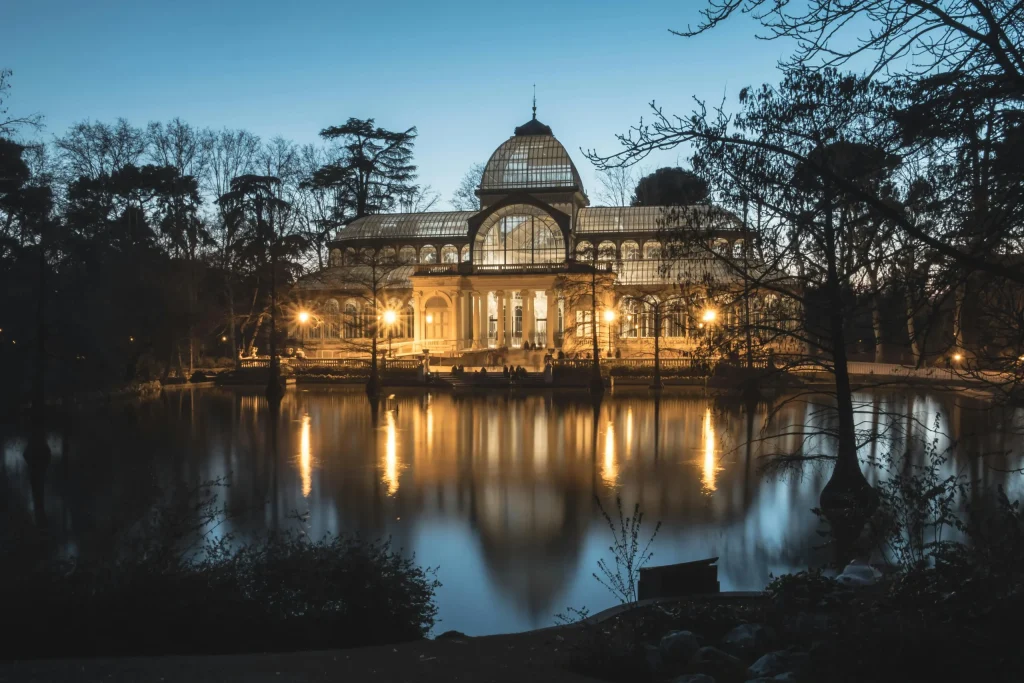
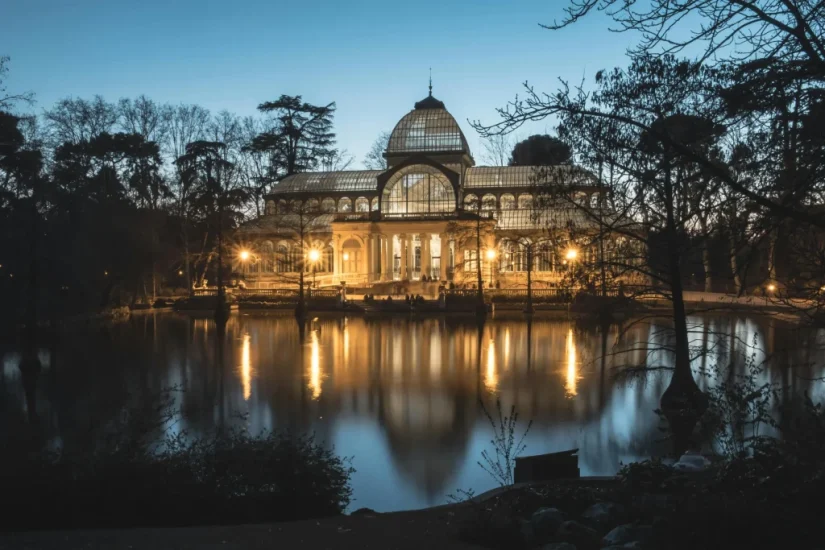
- Madrid: If it's my first time, I walk around Puerta del Sol, Plaza Mayor, Barrio de las Letras, Retiro Park, and the Prado Museum. I pay €15 to enter the Prado at regular hours. The last two hours before closing are free, but I factor in the long queues. For dinner, I head to La Latina or Lavapiés, neighborhoods a few streets away from the main tourist square.
- Barcelona: Eixample's grid layout is easy to explore on foot, but I don't cram the Sagrada Família, Park Güell, and the Gothic Quarter into the same day. I pay around €26 for basic entry to the Sagrada Família, and €36 for a ticket including the tower. Choosing early morning allows me to see the light inside better and arrive before the crowds start. For the evening, Gràcia or Sant Antoni feel more local than the area around La Rambla.
- Seville: The narrow streets of Santa Cruz, Seville Cathedral, the Giralda, the Real Alcázar, and Triana together demand at least two full days. I dedicate one evening to a small flamenco hall in Triana and the other to the tapas bars around Alameda de Hércules. During the Feria period at the end of April, the Los Remedios district stays alive throughout the night.
- Granada: In this city, I plan my entire schedule around the Alhambra's opening hours. A General Alhambra ticket costs €22,27, and it's void if you miss the designated entry time for the Nasrid Palaces. After the visit, I climb the Albaicín slopes to Mirador de San Nicolás and spend the evening exploring the area around Calle Navas.
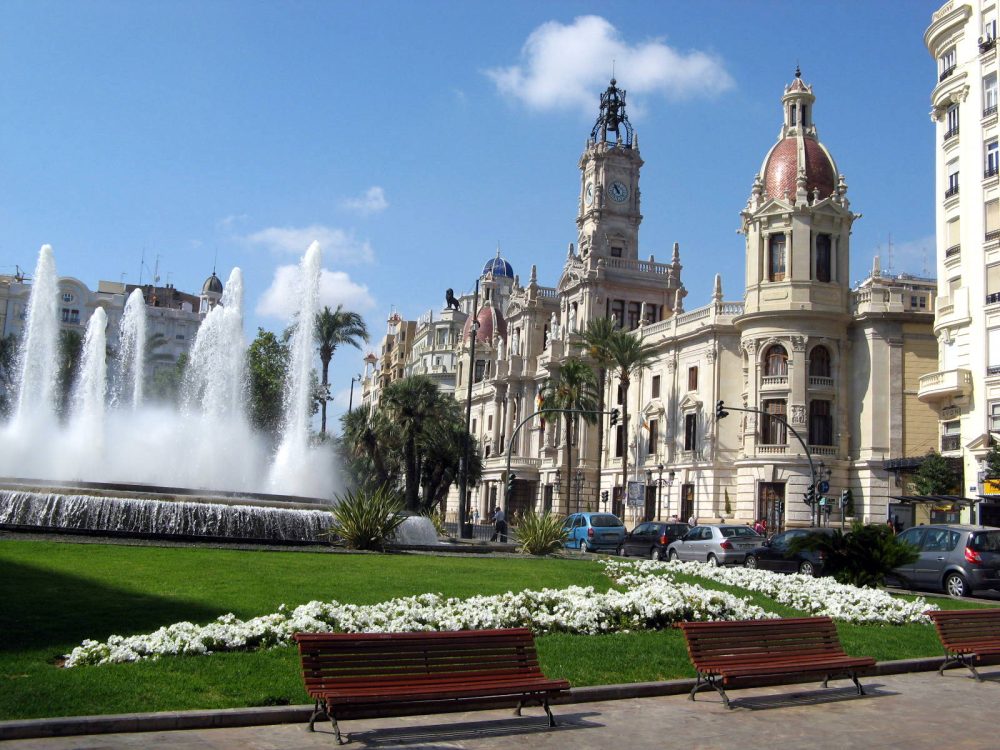
- Valencia: I don't just see Valencia as a coastal city. Mercado Central, Ruzafa, the old Turia River bed, the City of Arts and Sciences, and El Cabanyal give the feeling of being five separate cities. I eat paella for lunch, not dinner, and then go to Albufera to watch the sunset.
- San Sebastián and Bilbao: In San Sebastián, the streets of Parte Vieja are the heart of the pintxo route, while Gros is a good base for quieter bars and Zurriola Beach. I usually pay €3-6 per pintxo. In Bilbao, the river walk connecting Casco Viejo with the area around the Guggenheim comfortably fills half a day.
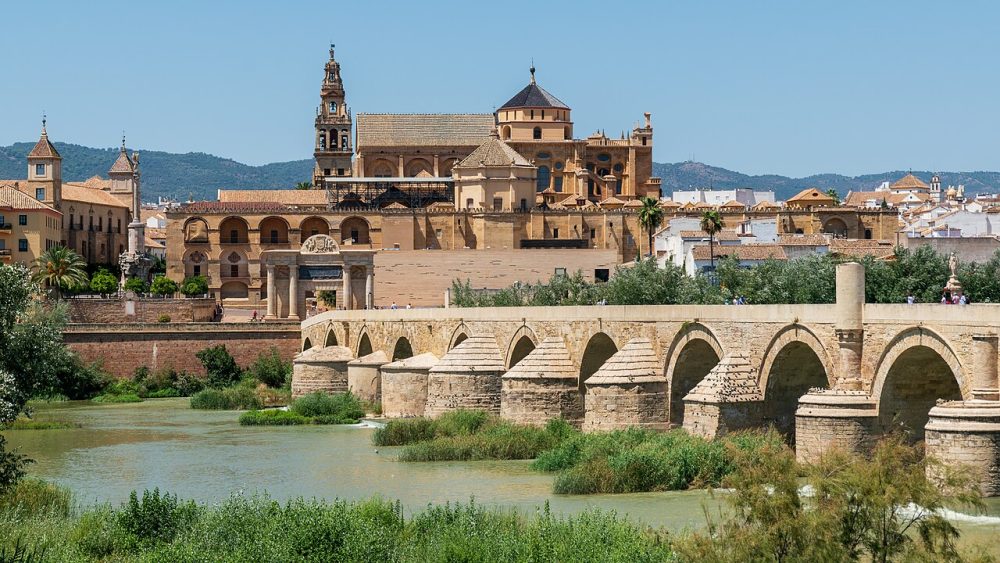
- Cordoba: If I can add a night between Seville and Madrid, I stay in Córdoba. The Mezquita-Catedral is quieter in the early mornings, and the streets of Judería take on a completely different atmosphere after the day-trip groups have left. Finding accommodation becomes difficult during the courtyard festival in May.
- Galicia: I don't see Santiago de Compostela merely as the end of the pilgrimage route. Seafood at Mercado de Abastos, the Atlantic coast in A Coruña, and Albariño wines along the Rías Baixas are reason enough to dedicate a few days to the northwest. The cool air of this region is a welcome escape from the Istanbul summer.
What to Do in Spain?
- Take advantage of the Prado Museum's free hours: On days when I want to cut corners in Madrid, I go to the museum during its last two free hours. I allow 30-45 minutes for the queue and prioritize the Las Meninas and Goya halls. Regular entry is €15, audio guide €5.
- Enter Sagrada Família during the first few hours: Choosing the first available time in Barcelona allows me to appreciate the colorful lights and architectural details inside more calmly. If I'm buying a tower ticket, I check the weather forecast; strong winds can close access to the tower.
- Set the Alhambra program in advance: Before going to Granada, I set the time for the Nasrid Palaces. Since passport or ID checks are possible, I carry the document I used to purchase my ticket. I allocate at least 3-4 hours for the palaces, the Generalife, and walking.
- Watch flamenco in Triana: In Seville, I prefer smaller venues seating 50-100 people to large stage shows. For a solo performance, I usually pay €20-35, while packages including drinks or food cost €45 and up. If I want a front-row seat, I arrive 20 minutes before the doors open.
- In Valencia, leave the paella for lunch: I eat paella in the large pan that's brought to the table, not in separate small pans for each person. At La Pepica, a portion of paella valenciana costs €17,90, the order is prepared for a minimum of two people, and it takes about 45 minutes to cook. Since there's a minimum spending requirement of €30 per person at the table, I also factor in the budget for appetizers and drinks.
- Take a pintxo tour in San Sebastián: I don't sit in one bar for long. I grab a pintxo and a small drink and move on to the next bar. In Parte Vieja, after three or four stops, my total food and drink bill is usually €25-40. Cold pintxos are chosen from the counter, and I tell the waiter which ones are hot.
- Take a day trip from Madrid to Toledo: Taking the high-speed train from Atocha to Toledo is one of the most convenient day trips you can do without renting a car. Since the old town is hilly, I wear comfortable walking shoes instead of thin-soled ones.
What to Eat in Spain?
As a chef, what impressed me most about Spain was how the same product transforms into a different technique as you move from city to city. Tomatoes Andalusia'te salmorejo' becomes pa amb tomàquet in Catalonia. Rice is the main course in Valencia, and on the Basque Country, squid is cooked in its own ink.
| Main | Where am I eating? | Current spending |
|---|---|---|
| Squid sandwich | Madrid, around Plaza Mayor | 4,50-6 € |
| Churros with chocolate | Madrid, San Ginés area | 5-7 € |
| Spanish tortilla | Madrid, Malasaña or La Latina | A slice costs €3-5 |
| Tapas | Seville, Triana or Alameda | €2,50-€5 per cap |
| Valencian paella | Valencia, Malvarrosa beach | At La Pepica, it's €17,90 per person, minimum two people. |
| pintxos | San Sebastián, Parte Vieja | €3-6 per unit |
| Octopus with Feira | Santiago de Compostela or A Coruña | Portion 16-24 € |
| Asturian bean stew | Oviedo or Gijón | Main course 14-22 € |
| Menu del día | Madrid, Valencia and neighborhood restaurants | €13-20 for a starter, main course, dessert, or coffee. |
In San Ginés, I eat churros dipped in hot chocolate; it's more like using the chocolate as a sauce than drinking it. I don't assume tapas are free in every city in Seville. The tradition of free tapas is particularly pronounced in Granada, while in Barcelona and Madrid I usually pay for my food separately. I order paella at lunchtime, as is the local custom.
What to Buy from Spain?
When grocery shopping, I buy saffron and rice from Valencia Mercado Central, canned mussels and sardines from Galicia, pimentón de la Vera from Extremadura, and extra virgin olive oil from Andalusia. When buying saffron, I look not only at the Spanish flag on the packaging but also at the region of origin and the weight.
For ceramics, workshops in Seville's Triana district and Manises near Valencia are good addresses. Packing a small hand-painted bowl in a suitcase is easier than carrying a large decorative plate. During the Christmas season... Alicante Turrón, produced in the Basque Country, sea salt and canned goods, and vacuum-packed cheeses from Asturias are easy-to-carry gifts.
When importing ham or other meat products into Türkiye, I check the current customs and animal product regulations. I do my deli shopping not on the first day, but just before my return.
Transportation in Spain
In Spain, using high-speed trains between major cities like Madrid, Barcelona, Valencia, Seville, Málaga, and Alicante is often more convenient than flying. The central location of the stations eliminates the need for airport transfers and security checks. The Madrid-Barcelona journey takes approximately 2,5-3 hours, while the Madrid-Seville route takes between 2 hours 40 minutes and 3 hours.
I can find tickets for Renfe's AVE and low-cost Avlo trains in the €20-40 range if I book in advance; during peak seasons, the same seat can cost €70-120. Avlo promotions can start from €7. In some cities, the high-speed train ticket may also include a suburban train connection. I arrive at the station at least 30 minutes early because ticket and baggage checks are done at the platform entrance.
On routes where the train does not reach or is too expensive ALSA I use the buses. The Madrid-Granada route takes between 4 hours 30 minutes and 6 hours 15 minutes, and early bird tickets start from €9. The Málaga-Granada journey takes 1 hour 30 minutes on the fastest route, with a starting price of €8. The Seville-Granada bus takes approximately 3 hours.
Canary and Balearic Islands Domestic flights make more sense. I also remember that low-cost airlines charge extra for checked baggage other than small bags. Islands When traveling between these locations, the ferry is a good alternative in terms of scenery and ease of luggage handling.
In Barcelona, a single ticket within the city costs €2,90, and a 10-use Zone 1 T-casual card costs €13. I pay an additional €5,90 for the airport metro. In Madrid, the metro, EMT buses, and the Cercanías network reach all the tourist centers.
Accommodation in Spain
On my first visit to Madrid, I prefer to stay not right on the main street, but in the quieter streets of Barrio de las Letras, Chamberí, or La Latina. I budget €25-45 per night for a clean and well-located hostel bed, or €110-190 for a centrally located private room or a three-star hotel.
Prices are higher in Barcelona. Gràcia, Sant Antoni, and Eixample are well-balanced areas in terms of transportation. Hostel beds mostly cost €30-60, while a well-located three-star hotel room can reach €170-280. Prices increase further during July, August, and major conference weeks. Current hotel searches show that the average price for a three-star accommodation in Barcelona can reach around $259 USD.
In Barcelona, I'm also factoring in the tourism tax added to the room rate. From April 1, 2026, the total nightly tax will be €6 in youth hostels, €7 in other standard hotels, €8,40 in four-star hotels, €9,50 in tourist apartments, and €12 in five-star hotels. The tax applies for a maximum of seven nights.
In Seville and Granada, hostel beds can be found for €18-35, while small hotels or boutique guesthouses with courtyards range from €80-150. In Seville, Santa Cruz is romantic but can be noisy and expensive; Alameda is livelier, and San Vicente is quieter. In Granada, Plaza Nueva is easy to get around, while Albaicín is more suitable for light travelers due to the uphill climbs involved with luggage.
Spain's Currency and Budget Planning
My daily per-person budget calculation for 2026, categorized by city and accommodation period, is as follows:
| Travel style | Daily budget | Approximate equivalent in Turkish Lira. | How do I travel? |
|---|---|---|---|
| Economic | 90-130 € | 4.900-7.100 TL | Hostel, market breakfast, daily menu, public transport, one paid place per day. |
| Intermediate | 180-280 € | 9.800-15.200 TL | Central private room, two restaurant meals, high-speed train, museum and show. |
| Comfortable | €350-€550 and above | 19.000-29.900 TL and above | Good hotels, taxis, tasting menus, flexible high-speed train services, and private tours. |
This account is for Türkiye-Spain. flight ticket Not included. Barcelona, San Sebastián, and Seville during the festival season approach the upper limit of the table. I can find the same comfort in Valencia, Granada, and some northern cities with a lower budget. For families of four, hotel rooms and high-speed train fares significantly alter the total budget. I used approximately 54,41 TL for 1 € in the exchange rate calculation.
Visa and Mastercard are widely accepted. Contactless payment works even for small amounts. When withdrawing money from an ATM, I reject the fixed exchange rate shown by the machine and choose to withdraw the money in euros. I find out my bank's international cash withdrawal commission before traveling.
Festivals and Events in Spain
| Events | 2026 period | City/Region | How do I plan it? |
|---|---|---|---|
| The Fallas | 15-19 March | Valencia | Giant figures, mascletà explosions, and nocturnal burning ceremonies. I'm wearing earplugs. |
| Easter | March 29-April 5 | Seville, Málaga and the rest of the country | Religious processions are blocking the streets. I book the central hotel months in advance. |
| April Fair | 21-26 April | Seville, Los Remedios | Flamenco costumes, horse-drawn carriages, and caseta entertainment. Most of the private tents are off-limits. |
| San Fermin | 6-14 July | Pamplona | Bull runs and nighttime events. Security barriers in the center are altering access. |
| Big week | 8-15 August | San Sebastián | Concerts, fireworks competitions, and street events. Hotel prices are skyrocketing. |
| The Tomatina | 26 August | Bunol, Valencia | A tomato fight with tickets. Early morning train or transfer required from Valencia. |
| Flamenco Biennial | September 9-October 3 | Seville | Flamenco programs ranging from grand halls to courtyards. Tickets for popular artists sell out early. |
Because train and hotel prices rise rapidly due to the festival dates, I'm booking my transportation as early as possible.
Public Holidays and Important Days in Spain
| Date | Importance |
|---|---|
| January 1 | New Year |
| January 6 | Epiphany, Day of the Three Kings |
| April 3 2026 | Good Friday |
| 1 May | Labor day |
| 15 August | Assumption of Mary |
| 12 October | Spanish National Day |
| 1 November | all saints day |
| 6 Range | Constitution Day |
| 8 Range | Feast of Immaculate Conception |
| 25 Range | Noel |
Autonomous regions and municipalities can add their own holidays. While large museums may remain open on official holidays, neighborhood shops, markets, and small restaurants may close.
Things to Consider When Traveling to Spain
- In Barcelona, I don't carry my phone in my back pocket on La Rambla, at metro transfers, or in crowded squares. In restaurants, I place my bag between my legs or on a visible hook, not on the back of the chair.
- In Spain, lunch is usually eaten between 1:30 PM and 3:30 PM, and dinner after 8:30 PM. Instead of looking for a full-service restaurant at 6:00 PM, I'm planning on going to a tapas bar or pastry shop.
- I don't immediately sit down at touristy restaurants that display menus with photos. I can walk a few streets away and find the same dish with better ingredients for a lower price.
- I don't rush my paella order. Preparing a good rice dish can take 35-45 minutes. Paella that arrives in ten minutes is usually pre-prepared or reheated.
- On high-speed trains, tickets are issued by name and photo ID is required. I don't put my passport at the bottom of my suitcase. I leave at least 30 minutes to be at the station before platform control closes.
- In Barcelona, I add the tourism tax, which is printed in small letters under the accommodation price, to my budget. For a four-night stay in a mid-range hotel, the total tax per person can exceed €30.
- In case of an emergency, I call 112. If my phone or passport is stolen, I first get a police report, then I initiate the consulate and insurance procedures.
- Small businesses may close on Sundays and public holidays. I don't leave my shopping until the last minute; I especially check the opening hours of local markets the day before.
In Spain, it's not just tapas, paella, or jamón that keeps drawing me back to the table. The neighborhood bar in Madrid still packed as midnight approaches, the crispy rice I scrape from the pan in Valencia, the sunset I witness as I descend from the Alhambra in Granada, and the crowds in San Sebastián discussing the next pintxo – these are the true rhythms of the country.
For the first trip, I recommend the Madrid, Valencia, Granada, and Seville route. The second route includes Barcelona and the Costa Brava, and the third combines Bilbao, San Sebastián, Asturias, and Galicia. By following this path, I not only see Spain but also truly experience the differences in cuisine, climate, and daily life between regions. The "Places to Visit in Spain" guide and the city articles on Madrid, Barcelona, Seville, and Valencia form the next steps in this route.
PREVIOUS TOPIC
NEXT TOPIC

Similar Threads
Write a Comment
Visitor Comments - 0 Comments