
Seville Travel Guide 2026: Where to Stay, What to Eat, What to See?
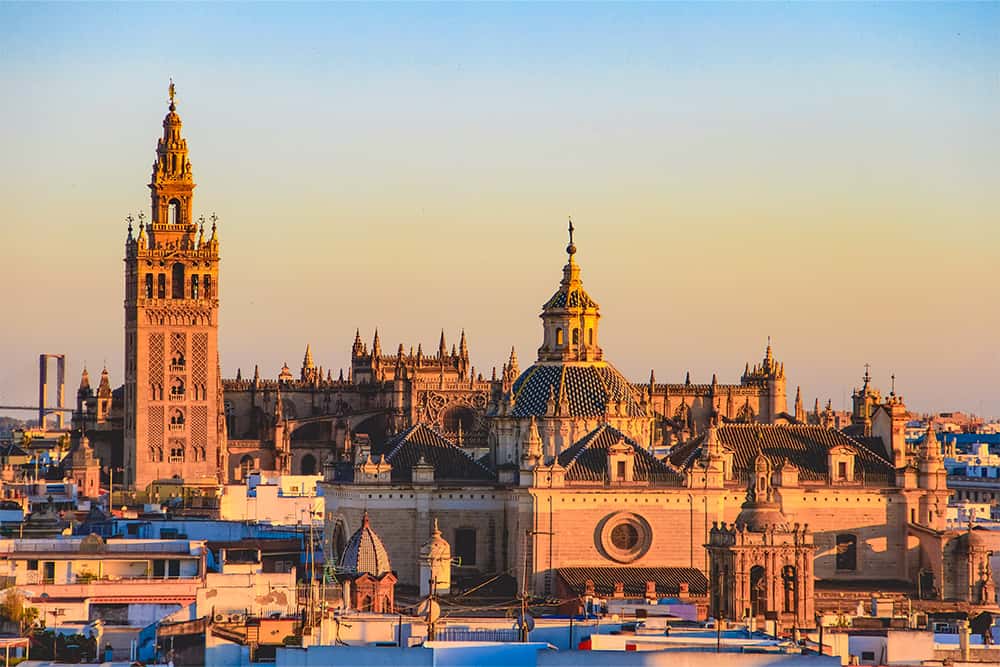
If I'm going to Seville for the first time, I always plan my trip from the same point: first, I choose an area close to the center where I'll stay, then I leave the mornings to the narrow streets, the afternoons to the palaces and squares, and the evenings to the tapas table. IstanbulAs someone who lives in Seville and frequently travels for my culinary profession, Seville always makes me think of two things at once: a good route and good food. The city is very suitable for exploring on foot; however, the summer heat, festival crowds, and ticket queues at some popular attractions can easily spoil your plans.
For first-time visitors, two full days in Seville are sufficient; three days will allow you to comfortably visit the Alcázar, Cathedral, Santa Cruz, and Plaza de España, as well as leave time for a leisurely dinner in Triana. The most practical areas for accommodation are Santa Cruz, El Arenal, Centro, and Alameda. In this guide, I've gathered answers to questions like where to stay in Seville, what to eat, which routes to take, how to budget, and which periods require careful planning, all in one page.
Quick and Practical Information About Seville
| Hood | Short Answer |
|---|---|
| How many days is enough? | 2 days for the first visit, 3 days for a relaxed trip. |
| Where should first-time visitors stay? | Santa Cruz, El Arenal, Centro |
| The best period | March-May and October-November |
| Currency | Euro |
| Card or cash? | Cards are common; small amounts of cash are fine for small tapas bars and markets. |
| Urban transportation | Walking, tram, bus, subway, taxi |
| Average daily budget | Budget 65-90 €, mid-range 110-170 €, comfortable 200 €+ |
| Security | The center is generally relaxed; bags and phones require careful handling in crowded areas. |
| Log out | Spanish is sufficient; in tourist areas, English is enough. |
| Power outlet / internet | Europe type socket; eSIM or local internet access is convenient in the city |
In Seville, I calculate my itinerary based on "distance + temperature + crowds," just like in Istanbul. Two locations that appear close on the map can feel completely different in the midday sun. Therefore, the best rhythm is to walk slowly in the mornings, take a break in the shade and have a meal at midday, and then walk again in the late afternoon.
When is the best time to visit Seville?
Seville is at its best during spring and autumn. In March, April, and May, the city is vibrant with the scent of orange blossoms, outdoor tables, and a festive atmosphere. October and November, on the other hand, are calmer, more walkable, and offer softer light for photography.
Seville gets seriously hot in the summer months, especially July and August. Speaking from a chef's perspective: instead of trying to survive the heat on the streets at lunchtime, it's best to retreat to a well-air-conditioned restaurant, a shady courtyard, or your hotel to enhance your trip. The most sensible approach is to explore between 8:30 AM and 11:30 AM, slow down between 1:00 PM and 5:00 PM, and then go out again after 7:00 PM.
In 2026, Semana Santa coincided with the period from March 29th to April 5th; during this time, the city takes on a completely different atmosphere with ceremonies, closed streets, and high demand for hotels. Feria de Abril was celebrated from April 21st to 26th, 2026; the traditional illuminations began on the night of April 20th. These periods are very impressive, but those visiting for the first time, seeking a quiet trip, and wanting to keep their budget under control require more careful booking.
How to get to Seville?
Turkeyfrom Seville most of the time Madrid, Barcelona, Malaga Or you can go via another European connecting flight. When planning a route, I look at the arrival time as much as the flight price; because although getting to the center of Seville is easy, late-night hotel check-in, taxi congestion, and festival periods can increase the cost.
The most economical way to get from Seville Airport to the city center is the EA airport bus. According to 2026 estimates, a one-way ticket costs around €6, and a round trip around €8; I would consider this option first, especially if traveling alone. The bus connects to Santa Justa, Prado de San Sebastián, and stops near the city center, making it ideal for short city breaks.
A taxi is a convenient option if you have a lot of luggage, arrive late at night, or are traveling in a group of two or three. A fixed airport fare applies between Seville Airport and the city center; therefore, it's a good idea to clarify your arrival area and fare type before getting into a vehicle.
If you are coming from Madrid or Cordoba, Santa Justa Station is very convenient. It's not exactly in the city center, but it's easy to get to El Arenal, Santa Cruz, and Centro by taxi or public transport. Andalusia If I'm planning a route, I often pass through Seville. Cordoba ve Granada I think of it together with others; Seville is one of the cities in this trio that offers the best "slow evening" experience.
Seville City Transportation
Exploring Seville city center on foot is the best option. You can walk through Santa Cruz, the Cathedral, the Alcázar, the Archivo de Indias, El Arenal, and the Metropol Parasol in a single day. Triana, connected to the center by a bridge, also offers a lovely combination for dinner or ceramics shopping.
The metro is more useful when traveling outside the city center. In 2026, single metro rides will be around €1,35-€1,80 depending on the zone/number of hops; traveling with Bonometro becomes more economical. If I'm staying in the city for a few days and will be using public transport frequently, I would consider a multi-ride option instead of buying individual tickets.
The tram is good for short and convenient connections, especially in the center. The bus network is extensive; however, trying to get everywhere in the center by car often doesn't save time when you can enjoy walking through the old town streets. Taxis and app rentals can be practical for evening commutes; however, demand increases during Semana Santa and Feria.
I wouldn't recommend renting a car for Seville city center. The old town has narrow streets, limited parking, and high pedestrian traffic. A car is only suitable for this purpose. RondaIt would make sense if you were planning a trip to Cadiz, Jerez, or the White Villages.
How many days does it take to visit Seville?
- 1 days: I focus on the Cathedral, Giralda, Alcázar, Santa Cruz, and Plaza de España. I leave the evening for the tapas bars Triana or El Arenal.
- 2 days: The first day would focus on the classic city center, while the second day would be more balanced, visiting Plaza de España, Parque de María Luisa, Metropol Parasol, Alameda, and Triana.
- 3 days: This is the time to fully appreciate Seville. I would take my time exploring the Alcázar and the Cathedral, add a flamenco evening, and dedicate time to dining and ceramics shopping in Triana.
- 4 days or more: Cordoba, Jerez, Cadiz, or Ronda can be added as day trips. However, I would recommend that someone visiting Seville for the first time first spend three days there; because the city shows its best side to those who don't rush.
Where to stay in Seville?
When choosing accommodation in Seville, don't be fooled by the "center" designation on the map; walking distance, the possibility of returning home at night, and the chance to sneak back to the hotel during the day are important factors. Especially during the warmer months, a centrally located hotel means not only comfort but also saving time on your route.
| Area | Who is it suitable for? | Plus | Things to pay attention to | Price level |
|---|---|---|---|---|
| Santa Cruz | First-time visitors, couples | Very close to the Cathedral and Alcázar. | Touristy and narrow streets | medium-high |
| El Arenal | Short trip, for hiking enthusiasts. | The center has a good balance of river and tapas. | Expensive during peak season. | medium-high |
| Centro | Those who want shopping, restaurants, and transportation. | Easy access to everywhere. | Some streets are noisy. | Medium |
| Mall | Young travelers, nightlife | Bar, cafe and more local atmosphere | The main buildings are a short walk away. | Middle economy |
| Triana | Food, ceramics, neighborhood feel. | The evening atmosphere is great. | A walk to the cathedral side is required. | Medium |
| Nerve | More modern, families, business travel | The connection between the train station and shopping is good. | The historical atmosphere is weaker. | Medium |
In 2026, when planning your accommodation in Seville, you need to adjust your budget according to the season. During off-season periods, simple double rooms around the city center can range from €90 to €160; well-located boutique hotels can quickly reach €160-250. During Semana Santa and Feria, occupancy rates increase, making the same room significantly more expensive; in the second half of Semana Santa in 2026, hotel occupancy in the city was observed to exceed 90%.
Places to visit in Seville
Royal Alcazar of Seville
If I were to buy tickets to only one place in Seville, my first choice would be the Alcázar. The palace courtyards, ceramics, gardens, and shadow puppet shows are some of the best ways to capture the Andalusian spirit of the city. You should allocate about 2-3 hours for it. In 2026, general admission was estimated at €15,50, and the Cuarto Real Alto additional section at around €5,50. Early morning is quieter and better for photography.
Seville Cathedral and Giralda
The Cathedral and Giralda can be planned for the same day as the Alcázar, but doing them back-to-back can be tiring. I usually prefer to spread one out in the morning and the other in the afternoon. In 2026, a single ticket for the Cathedral will be around €20-21; it's reasonable to expect a visit of around 90 minutes.
Santa Cruz neighborhood
Narrow streets, small squares, orange trees, and white walls… Santa Cruz is Seville's most touristy but also its most enjoyable first-time visit. Here, you need to relax a bit. Walking around without a map, having a coffee at a shaded table, and taking a photo break in the late afternoon truly do justice to the area.
Plaza de España
Plaza de España is one of Seville's most impressive open spaces. Early in the morning, the light is better and it's less crowded. It's also a great stop for families with children; the spacious area, park access, and photo spots are all excellent. It makes sense to include this in the same half-day trip along with Parque de María Luisa.
Maria Luisa Park
Walking in the park after Plaza de España is very refreshing, especially during the cooler months. In a city like Seville, with its cobblestone streets and harsh sun, a break in green space balances the pace of the route.
Metropol Parasol / Setas de Sevilla
Setas de Sevilla is a good stop to see modern Seville. The hours around sunset are beautiful, but it gets more crowded. In 2026, entry starts at €16; this ticket includes a 360-degree view, experience areas, and a light show.
Triana
Triana shouldn't be thought of simply as "the other side of the river." With its ceramics, tapas, river views, and neighborhood feel, it's one of Seville's most characterful areas. A good idea is to go in the late afternoon, stroll along Calle Betis, and then head inside to a more local tapas bar.
Archivo de Indias
It's easy to add to your itinerary as it's next to the Cathedral and the Alcázar. While the content might not appeal to everyone equally, it's meaningful for those interested in history and archives. Those with limited time can see it from the outside and focus more on the Cathedral-Alcázar route.
Torre del Oro and the Guadalquivir Coast
One of my favorite routes for an afternoon stroll is the Guadalquivir riverbank. Walking from Torre del Oro towards the Triana Bridge captures the rhythm of the city's sunset perfectly. During the hottest months, this walk should be done after the sun has set a bit.
1, 2 and 3-Day Trip Itineraries to Seville
1-Day Seville Itinerary
- Morning: I'll start with the cathedral, the Giralda, and the surrounding area. Then I'll wander through the streets of Santa Cruz for a short coffee break.
- Noon: I allocate at least two hours for the Alcázar. If it's hot at midday, a shady tapas break is better than a long walk on the way out.
- Late afternoon: Plaza de España and Parque de María Luisa.
- Evening: Tapas at Triana or El Arenal. I like to start with one or two dishes; in Seville, gradually expanding the table is the best approach.
Map stops: Cathedral, Giralda, Alcázar, Santa Cruz, Plaza de España, Triana.
2-Day Seville Itinerary
- 1 day: Cathedral, Giralda, Alcázar, Santa Cruz, Archivo de Indias, El Arenal.
- 2 day: Plaza de España, Parque de María Luisa, Torre del Oro, Guadalquivir walk, Triana, Metropol Parasol.
Adding flamenco to the evening of the second day would be a good idea. Considering the museum and the show together, combined tickets at the Museo del Baile Flamenco in 2026 reach €33 for adults; it's not just an inexpensive event, but a well-chosen experience that complements the atmosphere of Seville.
3-Day Seville Itinerary
- 1 day: Classic center: Alcázar, Cathedral, Santa Cruz.
- 2 day: Plaza de España, María Luisa Park, river walk, Triana.
- 3 day: Alameda, Calle Feria, Metropol Parasol, shopping, a long tapas lunch, and flamenco in the evening.
If I have three days in Seville, I'll deliberately take a long time to eat one meal. From a culinary perspective, eating in this city isn't just about filling your stomach; it's about reading the city through the speed of service, the crowds outside the bars, the order in which small plates arrive at the table, and the sherry/glass culture.
What to eat in Seville?
In Seville cuisine, what whets the appetite is not so much the fancy plates, but the simple, well-cooked ingredients. And that's what I love about it: small portions, strong flavor, quick service.
- Tapas: Instead of having one main course, starting with a few smaller plates is the truest way to eat in Seville. Patatas bravas, ensaladilla, croquetas, espinacas con garbanzos, carrillada, and tortilla are good starters.
- Salmorejo / Gazpacho: It goes particularly well in hot weather. Salmorejo is denser and creamier, while gazpacho is more drinkable and refreshing.
- Carrillada: Slow-cooked cheek meat. When done well, it falls apart with a spoon. From a chef's perspective, it's one of the dishes I follow most closely in Seville; the sheen of the sauce and the way the meat separates into strands say a lot about the restaurant's cuisine.
- Spinach with chickpeas: A classic Andalusian dish made with spinach and chickpeas. A good option for vegetarian travelers as well.
- Croquettes: They're everywhere, but not everywhere good. If the outer shell is thin, and the filling is runny and delicious, you'll get a second serving at the table.
- Churros with chocolate: It's great for breakfast or a late afternoon snack. It shouldn't be considered a heavy dessert; rather, think of it as a ritual involving hot chocolate and fried dough.
- Jamón ibérico and cheese: It may seem like a snack, but with good ingredients, it can be a meal in itself. It can be expensive; it's important to know that a cheap plate doesn't always mean good jamón.
Where to Eat in Seville? Restaurant Recommendations
Bodega Santa Cruz / Las Columnas – Santa Cruz
One of the classic spots for quick tapas around Santa Cruz. It's crowded, the service is fast, and the atmosphere is touristy but lively. Here, you shouldn't expect a long gourmet evening, but rather a tapas tempo sitting standing up or at a small table. Croquetas, montadito, and classic tapas work well for a short break. The €10-20 per person range is often a realistic price.
Bar El Comercio – Centro
Churros con chocolate are one of Seville's best-known classics. It's more enjoyable to go early in the morning or after breakfast. In places like this, I look at the temperature and turnover of the product rather than the luxury of the table; if the churros come out quickly, the plate will be better.
Casa Morales – Centro / Arenal
A good stop for those seeking an old-fashioned bodega atmosphere. With its wine barrels, standing-room-only tapas setup, and central location, it's especially lovely in the late afternoon. A great option for a quick vermouth or sherry break.
Eslava – San Lorenzo
This is one of the go-to places in Seville for those seeking a more refined tapas experience. It's advisable to arrive early or make a reservation. Go expecting something a little more sophisticated than a typical tapas bar.
Triana Market and surrounding area – Triana
Triana's market and the surrounding bars offer great options for lunch or afternoon. It makes sense to combine ceramics shopping with a meal on the same day. A relaxed meal can include seafood, fried dishes, small tapas, and local wine/beer pairings.
Restaurante de Triana – Triana
Triana is a good option for those who prefer to sit down and enjoy tapas. With some tapas plates costing around €6,50 in 2026, it suggests that a moderately priced meal in Triana could cost between €20-30 per person.
La Bernarda – For those seeking more modern gastronomy.
For those seeking a more contemporary dinner experience beyond classic tapas, places like La Bernarda showcase Seville's new gastronomic scene. In the summer of 2026, a special menu of four courses plus dessert cost €50, while a wine pairing option was around €75; these types of establishments should be considered planned dinners, not just "cheap tapas" deals.
What to buy in Seville?
Among the best things to buy from Seville are Triana ceramics. Plates, small bowls, tiles, coasters, or wall hangings make great gifts. Because they are fragile, they need to be well-packaged in your return luggage.
Fans, shawls, and flamenco accessories are especially common during the Feria period. The difference in quality is significant; very cheap items can feel like mere souvenirs.
Olive oil, sherry vinegar, spices, and canned goods are good choices for culinary enthusiasts. As a chef, I look at the label, place of origin, and shelf life of the bottle/packaging when shopping for food. It's important to remember airplane baggage regulations for liquid products.
Orange-themed products suit the spirit of Seville, but not all orange jams turn out well. Instead of buying quickly in a tourist shop, you'll get better results by browsing small gourmet markets or around the bazaar.
What to do in Seville?
One of the best things to do in Seville is to take an early morning walk in Santa Cruz. The narrow streets, small squares, and doorways are much more appealing before the city gets too hot.
A second great experience is spending the late afternoon in Triana. Browsing the ceramics shops, strolling along the riverbank, and then heading inside to a tapas bar opens up the more neighborhood-oriented side of the city.
I wouldn't be swayed by a random brochure for flamenco. Smaller venues with good acoustics and less of a touristy show feel work better. Places like the Museo del Baile Flamenco can be a safe and central option for first-time visitors; a combined museum + show ticket is envisioned at around €33 in 2026.
A sunset walk along the Guadalquivir riverbank is also a simple but very effective Seville experience. In summer, it's best done in the late afternoon, not at midday.
Seville Nightlife
Seville's nightlife, unlike Barcelona's massive club scene, is more focused on tapas, bars, squares, and late-night conversations. El Arenal and Centro are more classic; Alameda is younger and more alternative; and Triana is more local and food-focused.
In Seville, I usually divide the evening into two parts: first tapas, then a quick drink. Small plates pair well with drinks like caña, vermouth, fino, or manzanilla. Late at night, while navigating the narrow streets away from the crowds, basic city awareness is sufficient; don't leave your phone or bag on the edge of the table.
Seville Festivals and Events
Seville has two major periods: Semana Santa and Feria de Abril. Semana Santa offers a more ceremonial, religious, and intense city experience. Street flows change, walking becomes difficult in some areas, and crowds increase in the center. In 2026, special transportation plans were implemented for the period of March 29th to April 5th.
The Feria de Abril is a much more colorful, musical, and social period. In 2026, it took place between April 21-26. It's necessary to plan your hotel and taxi arrangements well in advance during this time. If you want to see the Feria, the city is very enjoyable; if you're just doing a classic sightseeing trip, you need to carefully consider the balance between price and crowds.
Seville Holidays and Closings
On Sundays, some small shops, markets, and local businesses may have shorter opening hours. Museums may have closing days and changing hours due to special religious/cultural events. The visiting areas of active religious buildings, such as cathedrals, may change depending on liturgical or cultural events; therefore, I don't like leaving large structures until the last minute.
During Semana Santa and Feria, the city doesn't close completely, but the flow of life changes. During these periods, I plan my route section by section, not minute by minute: I choose points close to each other on the same day, leaving alternative streets to areas with busy ceremonies or parades.
Seville Travel Budget and Current Prices
Seville still feels more accessible compared to the more expensive capitals of Western Europe; however, during popular seasons, accommodation, flamenco, and ticketed venues quickly raise the budget.
| Expenditure Item | Economic | Intermediate Level | Comfortable / Luxurious | Not |
|---|---|---|---|---|
| Coffee / Breakfast | 3-7 € | 8-12 € | 15 €+ | Churros and hot chocolate would be more filling. |
| Tapas meal | 12-20 € | 20-35 € | 45 €+ | The number of plates determines the calculation. |
| Dinner | 18-30 € | 35-60 € | 75 €+ | Menu prices increase in modern restaurants. |
| Cathedral + Giralda | 20-21 € | 20-21 € | Higher quality with a guided tour. | 2026 general ticket band |
| Alcazar | 15,50 € | Around €21 | Higher quality with a guided tour. | Adding Cuarto Real Alto costs +€5,50. |
| Seville mushrooms | Around €16 | 16-25 € | The combinations are higher. | Sunset hours are more in demand. |
| Flamenco | 25-35 € | 33-50 € | 60 €+ | Museum + exhibition combinations are increasing. |
| Metro | 1,35-1,80 € | More economical with Bonometro. | It varies depending on the area/number of jumps. | |
| Airport bus | 6 € | €8 round trip | The most sensible option when traveling alone. | |
| Accommodation | 35-90 € | 100-180 € | 220 €+ | It rises rapidly during festival periods. |
When calculating my budget for Seville in 2026, I would base it on this: If you include two main ticketed attractions, a tapas meal, a coffee/dessert break, and a better dinner in the evening, a realistic daily cost per person would be between €110-170. A more budget-conscious traveler who reduces the number of museums and focuses more on tapas bars and walking could get closer to €65-90. With a relaxed trip, good hotels, flamenco, taxis, and upscale restaurants, it's easy to spend over €200.
Seville Travel Map
Things to Consider When Traveling to Seville
In Seville, the heat is the main issue. During the summer months, it's necessary to dedicate the midday hours to being indoors, having a long meal, or taking a break at the hotel. Shade quickly becomes a key part of your itinerary.
During peak seasons, it's a good idea to book your tickets early. Visiting structures like the Alcázar and the Cathedral spontaneously can sometimes mean long waits. Especially for a short two-day trip, booking your tickets well in advance is best to avoid wasting morning hours.
Meal times in restaurants might feel different than in Türkiye. Lunch is later, and dinner, especially at the local pace, is even later. If you look for a good tapas bar very early in the morning, you might arrive before the kitchen is fully open.
Card usage is common, but carrying €20-€40 in cash for small bars, markets, and tips is convenient. Bags and phones require careful handling in tourist areas; it's especially good practice not to leave your phone on the edge of the table when sitting at outdoor tables.
For families with children, Plaza de España, María Luisa Park, and river walks are convenient options. The Alcázar gardens are delightful, but especially in hot weather. çocuklar The pace needs to be carefully managed. Older travelers should take into account the slippery cobblestone streets and hot hours in Santa Cruz.
Seville is a very strong starting city for those visiting Andalusia for the first time. The walkable city center, the magnificent Alcázar and Cathedral, the food and neighborhood feel of Triana, the spaciousness of Plaza de España, and the tapas culture make the city ideal for a 2-3 day trip.
I don't see Seville as a city to rush through. The best rhythm is to explore early in the morning, slow down at midday, and listen to the city from a tapas table in the evening. For a first visit, a three-day plan focusing on Santa Cruz or El Arenal will allow you to experience both the classic architecture and the food and drink side in a balanced way.
