
Basque Travel Guide
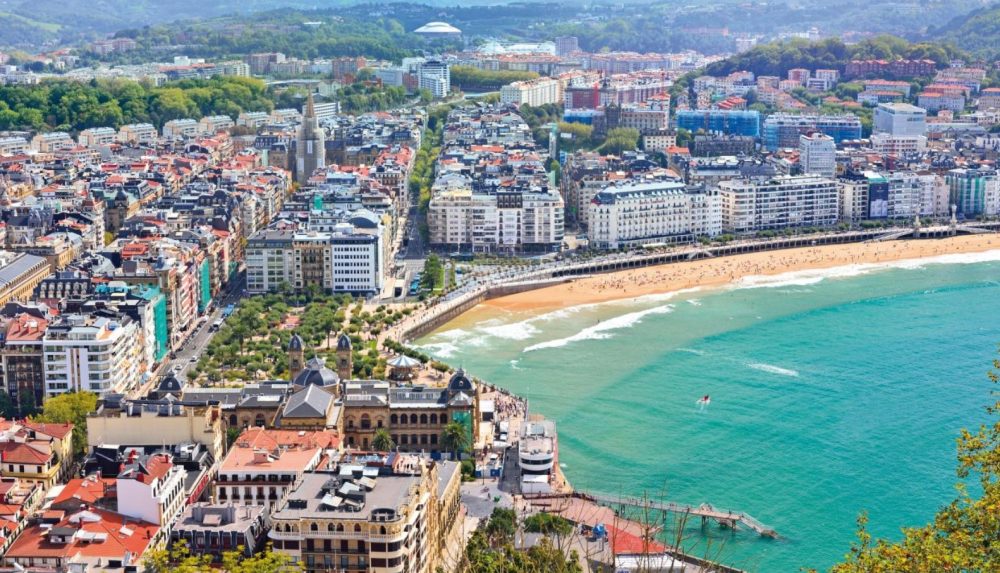
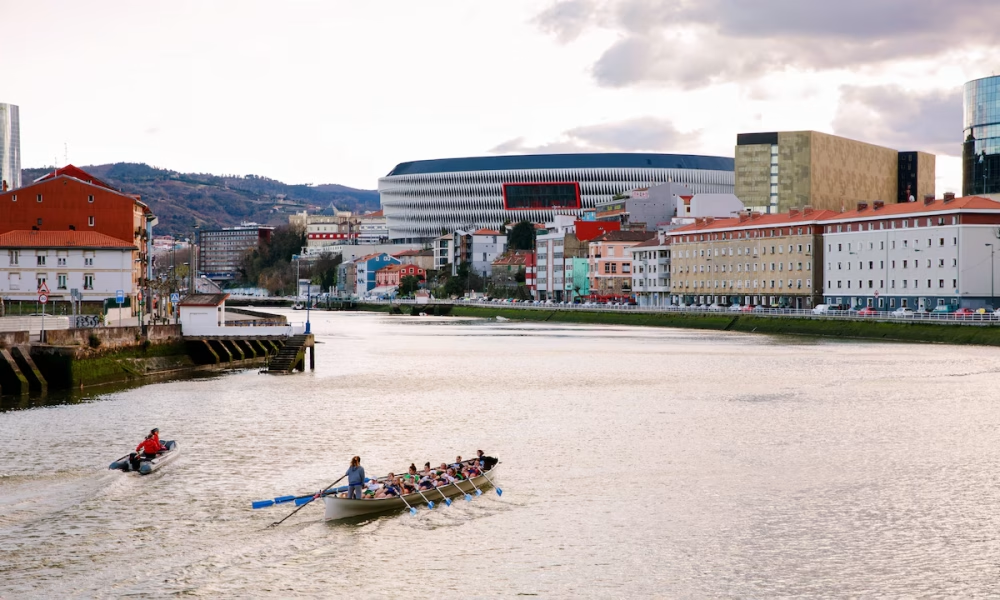
Spainnorth of, to the Atlantic Ocean (Biscay The Basque Country, nestled against the Gulf of Ivory Coast, is a destination that “doesn’t fit in one place” with its lush hills, stone towns, surfing culture along the coast, and the modern architecture rising in its cities. To the east lies Navarra, to the south La Rioja and Castile-León, to the west Cantabria, and to the north, a vast geographical area stretching to the French border. In daily life, Euskara (Basque) is heard alongside Spanish; while traditionally Catholic culture is dominant, contemporary city life is quite cosmopolitan. Economically, industry, technology, and services are strong. Bilbao In centers like these, you can feel this dynamism even on the streets. Spanning approximately 7.200 km² and with a population exceeding 2 million, the Basque Country may seem small, but every day presents you with a new landscape, a new culinary experience.
When is the best time to visit the Basque Country?
The climate in the Basque Country is oceanic: mild, lush greenery, and a bit of a surprise rain shower. The most enjoyable time is generally between May and October. In spring, nature comes alive, and hiking trails are fantastic; in summer, the beaches, pintxos bars, and festival calendar become incredibly lively. September is the "just right" time, with less crowds but still plenty of events. In winter, you'll find a quieter Basque Country; perfect for a gastronomic getaway, exploring Sidra houses and museums. If you want to finalize your plans, be sure to check out our article "When to Visit the Basque Country?", where we consider both the weather and the events calendar.
How to get to the Basque Country?
The most practical way to reach the Basque Country is usually by plane: Bilbao (BIO) and the options around San Sebastián (depending on the route) are the most preferred airports. TurkeyIt's often easy to fly to Bilbao with connecting flights and from there take city and regional trains/buses to coastal towns or inland areas. If you're coming from within Spain... Madrid And train and bus connections from Barcelona are quite extensive; especially to Bilbao and Vitoria-Gasteiz Getting to central locations like these is convenient. Renting a car is a great idea for those who want to explore the smaller stops along the coast at their own pace. To plan your route and transportation options step by step... How to get to the Basque Country? The article contains suggestions that will make your job easier.
What to do in the Basque Country?
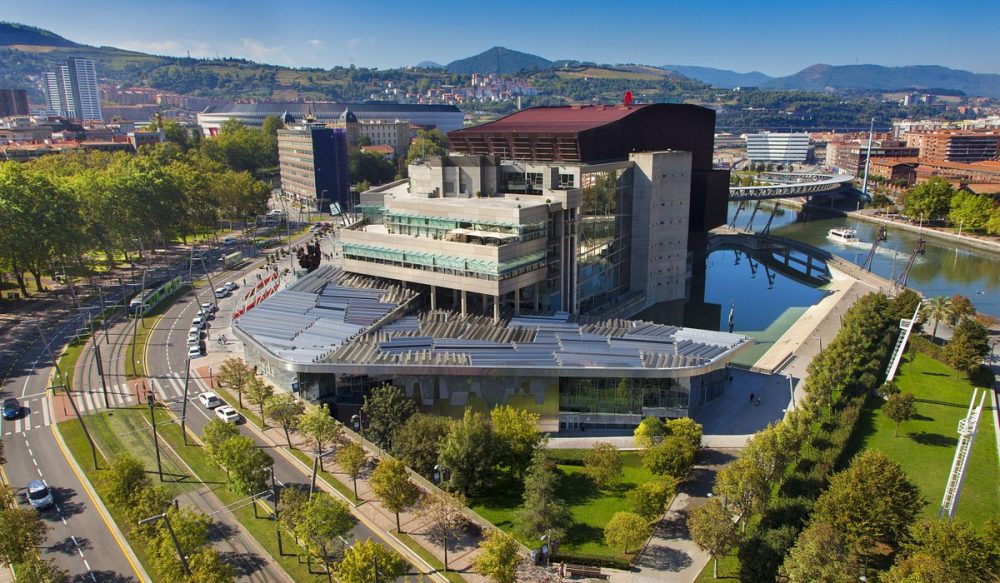
- Take a walk around the Guggenheim in Bilbao: You can experience the modern face of the city by the river.
- Get lost in the streets of Casco Viejo: The old town is a classic scene with pintxos bars, small shops, and cobblestone streets.
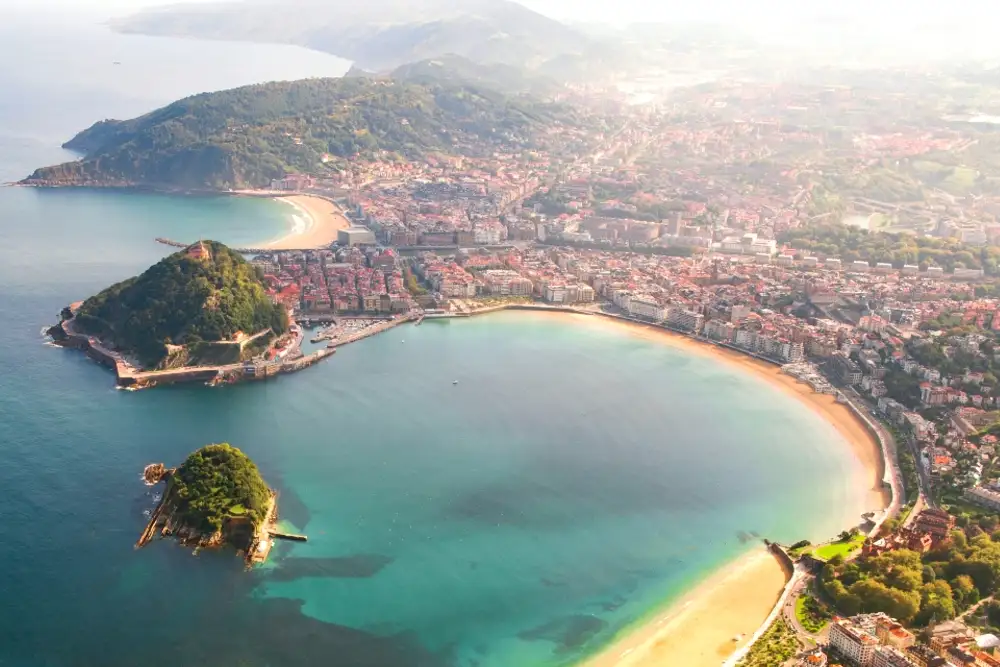
- Watch the sunset on the San Sebastián coast: La Concha coast is one of the places that best offers the balance between "city and sea".
- Do a pintxos tour (txikiteo): Don't get stuck in one place; savor little bits and explore the streets, that's the Basque way.
- Go sightseeing on the Gaztelugatxe side: Wind, cliffs, and ocean… the wild beauty of the Basque Country is here.
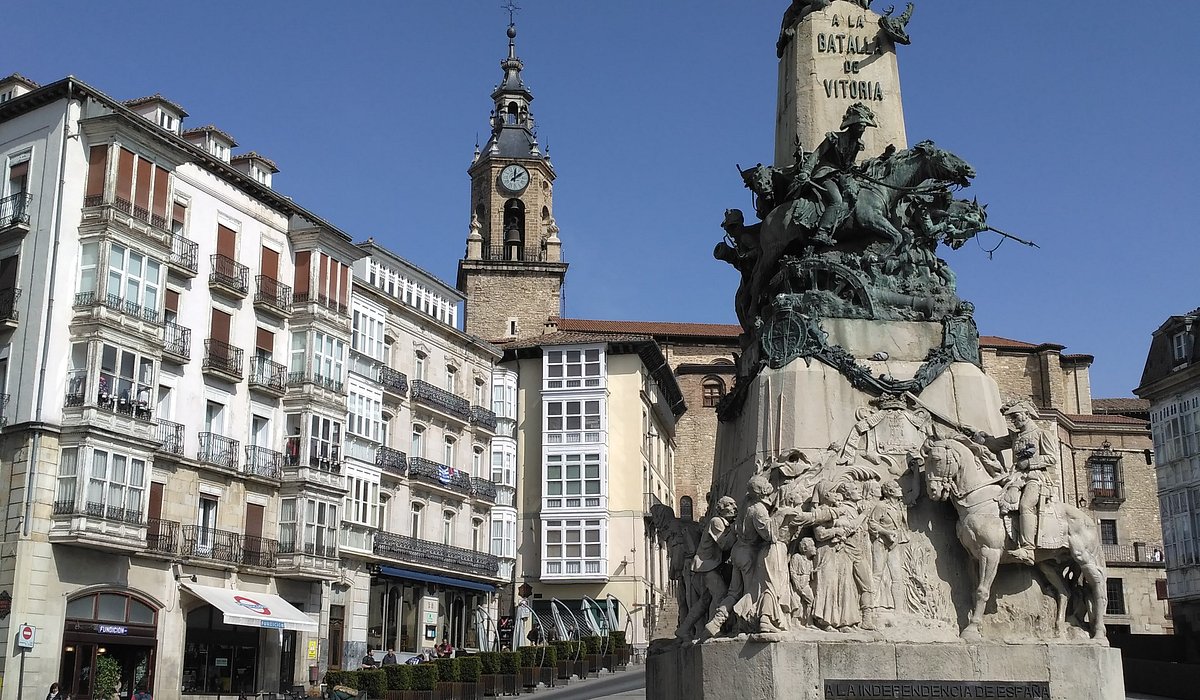
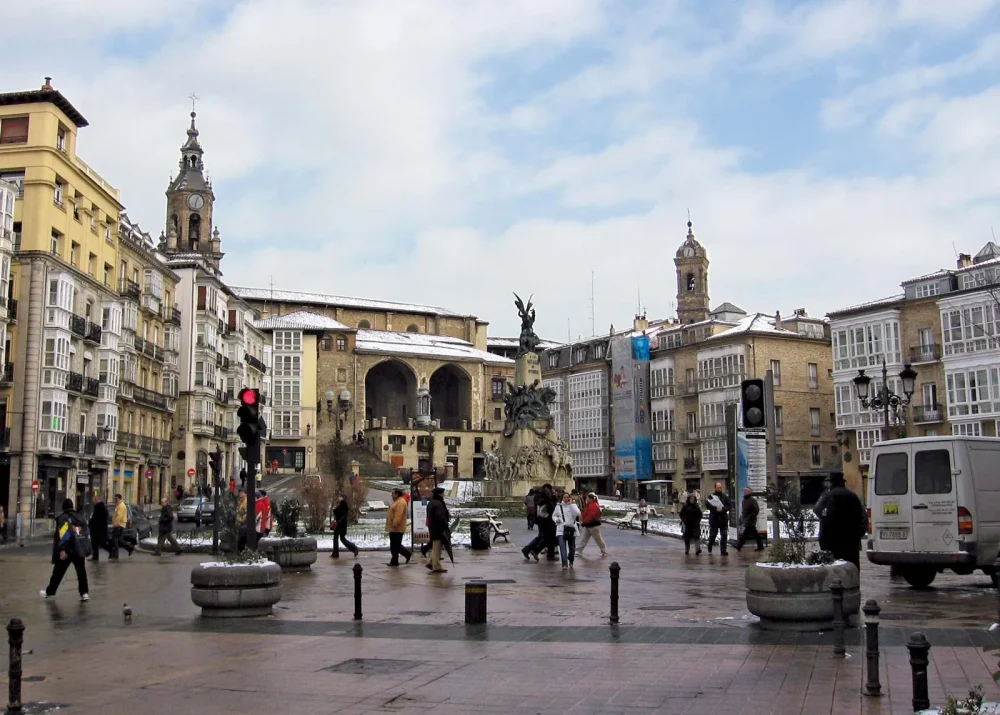
- Experience a relaxed city pace in Vitoria-Gasteiz: If you want to see a more "balanced" Basque Country, this is a good stop.
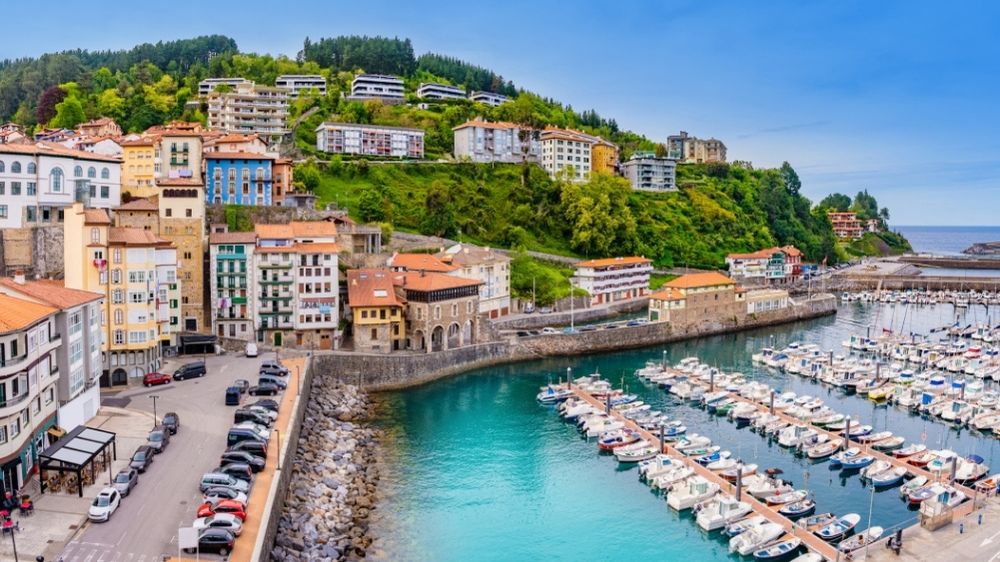
- Get closer to surf culture: You can take lessons in coastal towns or simply watch from the shore.
- Visit local markets: Cheese, wine, preserves, and fresh produce tell the story of the Basque Country's culinary language.
- Plan a mountain hike: Even short trails feel like a reward because of the scenery.
- Create a museum and contemporary art itinerary: Bask integrates art very well into everyday life.
What to eat in the Basque Country?
Basque cuisine takes even seemingly "snack-like" things seriously. Pintxos are the most famous starter; each small plate lined up on the bar counter tells a story. Hot dishes feature interpretations of bacalao (cod), seafood-infused stews, well-cooked meats, and local sauces. On the beverage side, txakoli (a light, highly acidic white wine) and the sidra culture are a world unto themselves. For dessert, there are simple but impressive options, most notably Basque-style cheesecake. To further detail the list of flavors... What to eat in the Basque Country? Don't forget to check out the article.
What to buy from the Basque Country?
When packing your suitcase in the Basque Country, the best items are usually "edible": Idiazabal cheese, high-quality canned goods, local sauces, txakoli wines, and sidra are top choices. Handmade ceramics, local design items, pintxos plates for the kitchen, or small packages of deli meats are great souvenirs. You can also find boutique items reflecting the surf culture in coastal towns. To finalize your shopping route... What to buy from the Basque Country? More ideas await you in the article.
Basque Nightlife
Basque nightlife has an energy that could be described as "streets before clubs": the pintxos tour that starts in the late afternoon already makes the night flow. While Casco Viejo and the riverside are lively in Bilbao, the old town bars in San Sebastián offer a more vibrant atmosphere. Vitoria-Gasteiz, on the other hand, surprises with its quieter but high-quality venues. Be sure to check out our article on Basque Nightlife, which explains how to plan your night and which areas you'll feel most comfortable in.
Basque Festivals and Fairs
| Event/Festival | Ay | DESCRIPTION |
|---|---|---|
| Aste Nagusia (Bilbao Festival) | August | Concerts, street events, and huge celebrations across the city. |
| San Sebastián International Film Festival | Sept | Red carpet events, film screenings, and a growing cultural scene in the city. |
| Vitoria-Gasteiz Jazz Festival | Temmuz | Outdoor concerts and a packed music schedule. |
| Tamborrada (Drum Celebrations) | January | Especially in San Sebastián, there are traditional rhythms and lively processions. |
| Santo Tomás Market | Aralık | Local produce, street food, and the spirit of winter. |
Important Days and Holidays in the Basque Country
| Date | Events |
|---|---|
| January 1 | New Year |
| January 6 | Three Kings Day (Epiphany) |
| March/April (variable) | Easter period and associated holidays |
| 1 May | Labor day |
| 15 August | Assumption of the Virgin Mary (a widely celebrated public holiday) |
| 12 October | Spanish National Day |
| 6 Range | Constitution Day |
| 25 Range | Noel |
Things to Consider During a Trip to the Basque Country
- Definitely bring a raincoat/light jacket: the weather in the Basque Country can change suddenly.
- Carry cash and cards on your pintxos outing: It's practical in smaller establishments.
- Reservations at popular restaurants are lifesavers.
- Dinner times might be late; prepare for the Spanish rhythm.
- Pickpocketing is possible in crowded areas, as it is in any tourist destination, so be careful.
- Don't let the Euskara signs confuse you; in most places you can get by in Spanish/English.
- If you're going to travel by car, take into account the sharp turns and parking issues on the coastal roads.
- On Sundays, things slow down in some places; plan your opening and closing hours flexibly.
The Basque Country is a route where one day you're walking in the ocean breeze, the next day you're searching for the "best bite" at a bar counter, and in between, you're surprised by art and architecture. It can be experienced as a city escape, a nature break, and a gastronomic tour; therefore, even a short trip is full of experiences. If you want to further clarify your route and determine your stops one by one, be sure to check out our guide to Places to Visit in the Basque Country, which will be our next article.
PREVIOUS TOPIC
NEXT TOPIC

Similar Threads
Write a Comment
Visitor Comments - 0 Comments