
Alicante Travel Guide
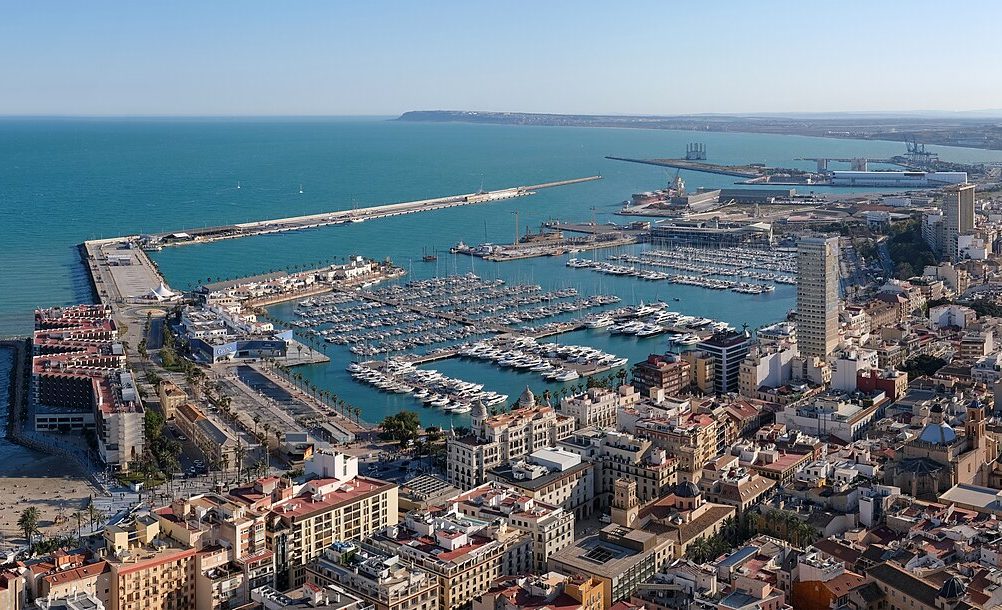
SpainTo the east of, Mediterranean Located on the Costa Blanca coast, Alicante is a port city that immediately captivates visitors with its sunny beaches, palm-lined promenades, and vibrant city life. Part of the Valencian Autonomous Region, Alicante's proximity to Valencia in the north, Murcia in the south, and Castile-La Mancha inland makes it a strong starting point for both coastal and cultural routes. While Spanish is the official language, Valencian is also commonly encountered in daily life; historically, traces of Catholic traditions are still felt, but today the city is quite cosmopolitan. Spanning approximately 200 square kilometers, Alicante has a population of over 300, and its economy is largely based on tourism, port activities, the service sector, trade, and agricultural exports. For those seeking to experience the sea, history, and the Mediterranean spirit all at once, Alicante is one of those special cities that blends pace and tranquility in a single frame.
When is the best time to visit Alicante?
Planning a trip to Alicante is quite easy, as it boasts mild and sunny weather for much of the year. Spring, from April to June, is one of the most enjoyable months, offering both pleasant temperatures and the opportunity to comfortably explore the city. In the summer, Alicante transforms into a true seaside holiday destination; the beaches become lively, the coastline comes alive, and the city stays vibrant until late. For those seeking a quieter trip, September and October are also ideal; the sea is still warm, and the crowds gradually thin out. Winter is not harsh, so Alicante remains attractive for cultural trips and weekend getaways. If you want to choose the best time of year, the article "When to Visit Alicante?" will help you create a great itinerary.
How to get to Alicante?
The most practical way to reach Alicante is by plane. Alicante-Elche Miguel Hernández Airport, which serves the city, has a busy flight network from both within Spain and from many points in Europe. TurkeyDuring periods when you cannot find direct flights from [location/country] Madrid, Barcelona or some Europe It is possible to reach Alicante via connecting flights through various cities. For those traveling within Spain, the train is also a very comfortable option; high-speed train connections from Madrid, in particular, make Alicante an easily accessible city. The bus network is also well-developed and provides economical transportation from surrounding cities. For those who want to explore the Costa Blanca coast by renting a car, Alicante is a very convenient starting point for their journey. If you would like to see more detailed transportation options, How to get to Alicante? This article will clarify the questions you have in mind.
What to do in Alicante?
- Climb up to Santa Bárbara Castle. This castle, considered a symbol of the city, is one of the most impressive spots to view Alicante from above.
- Walk along Explanada de España. With its wave-patterned stone paving and rows of palm trees, this promenade is one of the most photogenic areas in Alicante.
- Go swimming in the sea at Postiguet Beach. Its proximity to the city center transforms even a short break into a vacation feeling.
- Get lost in the old town of El Barrio. With its colorful streets, small squares, and historical texture, this is where you'll see the most characterful side of Alicante.
- Spend some time around the Port of Alicante. The cafes, restaurants, and marina views are particularly enjoyable in the evenings.
- Explore Mercado Central. You can immerse yourself in the daily life of Alicante with local cheeses, seafood, fruits, and regional flavors.
- Take a day trip to Tabarca Island. Accessible by boat, this small island offers an unforgettable experience with its clear sea and tranquil atmosphere.
- Visit the Archaeology Museum. It is a very rich destination for those who want to get to know the history of the city and the region more closely.
- Sit on the beach at sunset. Alicante's slower evenings provide the perfect excuse for a drink by the sea.
- Explore the area around Costa Blanca. You can diversify your trip with nearby routes such as Altea, Villajoyosa, or Benidorm.
What to eat in Alicante?
Alicante's cuisine offers a memorable city experience with its simple yet impressive Mediterranean flavors. Seafood takes center stage; rice-based dishes are particularly popular. Arroz a banda, arroz negro, and various types of paella are must-try dishes in Alicante. Fresh calamari, octopus, shrimp, and fish platters are frequently found in seaside restaurants. Tapas culture is also very strong; setting up long dinner tables with small plates is a natural part of daily life here. On the dessert side, turrón and regional almond-based delicacies stand out. In Alicante, you can feel the scent of the sea, olive oil, and the lightness left by the sun all at once. To discover the best culinary destinations according to your taste... What to eat in Alicante? You should definitely check out the article.
What to buy from Alicante?
Local gastronomic products are at the top of the list of souvenirs to buy from Alicante. Almond-based sweets, various types of turrón (a type of cheese), olive oil, and local wines are particularly popular. Handcrafted ceramics, Mediterranean-themed decorative objects, and unique accessories sold in small design shops also offer great alternatives. In Alicante's markets and boutiques, you can find many small but characterful pieces that reflect the warm spirit of the region. Straw bags typical of coastal cities, summer textiles, and natural cosmetics are also easy souvenirs to pack. For those who don't see shopping as just browsing shops, Alicante offers one of the most enjoyable ways to bring the local flavor home. To find out which products are truly worth buying... What to buy from Alicante? This article will be a good companion.
Alicante Nightlife
Alicante's nightlife is relaxed yet energetic, managing to be fun without being overly flashy. The El Barrio district, in particular, is one of the city's liveliest areas, with its bars nestled in narrow streets and atmosphere that stays alive until late. The venues around the port cater to those seeking a more spacious, modern evening with scenic views. During the summer months, the activity along the coast intensifies; the tempo, which begins at sunset, continues throughout the night. The best part about Alicante's nightlife is that you can find something to suit every mood, whether you want to enjoy wine on a quiet terrace or party in a venue with live music. If you want to get a closer look at the city's evening energy, Alicante Nightlife This article offers many suggestions that will inspire you.
Alicante Festivals and Fairs
| Event/Festival | Ay | DESCRIPTION |
|---|---|---|
| Las Hogueras de San Juan | Haziran | Alicante's most famous festival transforms the city with giant figures, parades, fire shows, and celebrations. |
| Easter | March/April | Religious processions and traditional ceremonies create a strong cultural atmosphere in Alicante. |
| Carnival of Alicante | Şubat | Costumes, street performances, and colorful events particularly appeal to young people. |
| Moros y Cristianos Celebrations | Various dates | Historically themed shows, seen in many settlements in the region, are also followed with interest around Alicante. |
| Alicante Film Events and Cultural Programs | All year round | The city hosts various events focusing on cinema, art, and culture throughout the year. |
Important Days and Holidays in Alicante
| Date | Events |
|---|---|
| January 1 | New Year |
| January 6 | Epiphany / Day of the Three Kings |
| March/April | Holy Week and Easter period |
| 19 March | San José Day |
| end of june | San Juan celebrations |
| 15 August | The Assumption of Mary |
| 12 October | Spanish National Day |
| 1 November | all saints day |
| 6 Range | Constitution Day |
| 8 Range | Spotless Pregnancy Day |
| 25 Range | Noel |
Things to Consider During a Trip to Alicante
- Because the sun is very strong during the summer months, you should definitely have a hat, sunscreen, and water with you.
- Alicante can get hot at midday; it's more comfortable to do long walks in the morning or evening.
- Prices can vary in tourist areas, so it's a good idea to check menu and service charges beforehand.
- In Spain, some businesses may have different lunch and evening opening hours; planning opening hours is especially important for smaller shops.
- It is advisable to pay attention to the safety of basic belongings around the beach and in crowded areas.
- Wearing comfortable shoes is important when exploring the city; some streets may be hilly and cobblestone.
- Dinner hours at restaurants may start later than in Türkiye; it's normal for not everything to be open early.
- Knowing a few basic Spanish words for communicating with locals will make your Alicante experience more welcoming.
Alicante is a multifaceted Mediterranean destination that offers both a relaxing seaside experience and a deep dive into history and urban culture. Here, a holiday isn't just about the beach; the streets, markets, old neighborhoods, culinary delights, and evening strolls transform your trip into a truly immersive experience. For those seeking both relaxation and exploration, Alicante offers a delightful city getaway where you set your own pace. Now, to further clarify your itinerary, you can move on to our article "Places to Visit in Alicante" and explore the city's most special destinations.
