


What to Eat in China?

China is a country worth exploring not only for its temples, bustling cities, Silk Road heritage, and magnificent nature, but also for its cuisine. In China, food culture is at the very heart of daily life; from steaming stalls in backstreets to magnificent family dinners, a distinct ritual is felt everywhere. There is no single answer to the question "What to eat in China?", because the north is known for its pastries, the south for its light and balanced flavors, the west for its spicy dishes, and the east for its seafood and sweet and sour aromas. Chinese regional cuisine varies so much from region to region that you feel like you're embarking on several different culinary journeys within the same country. Therefore, when preparing a Chinese food guide, it's necessary to understand not only the famous dishes but also the spirit behind their preparation.
Pekin Ördeği
Peking Duck is one of the most elegant and renowned dishes of Chinese cuisine to reach the world. Its thin, crispy skin and tender meat are appetizing from the moment it arrives at the table. Traditionally, it is slowly cooked in special ovens and served in thin, flatbread-like doughs filled with duck meat, cucumber, green onions, and a sweet sauce. With the first bite, the crispness of the skin, the juicy texture of the meat, and the balanced aroma of the sauce blend together. When asked what to eat in Beijing, this delicacy is almost always at the top of the list. It is especially considered the star of communal dinners.
For Peking duck, consider visiting duck restaurants in Beijing that have specialized in this dish for many years. Restaurants where the oven is prominently displayed and the duck is expertly sliced before serving offer a more traditional experience. Restaurants serving "old Peking cuisine" are also a good option for trying this dish with a classic presentation. Making a reservation often ensures a more private meal. Checking current reviews beforehand, especially during busy periods, will help you make the right choice.
Chinese Dumplings
Chinese dumplings are a beloved dish, especially in northern China, and a staple of winter meals. Thin dough is filled with ingredients like minced meat, cabbage, green onions, ginger, or shrimp, and the dumplings are served boiled, steamed, or pan-fried. Boiled dumplings offer a softer and simpler flavor, while pan-fried versions provide a more satisfying taste with their crispy bottom. They are usually eaten dipped in a mixture of soy sauce, vinegar, and chili oil. Dumplings hold a special place among Chinese regional cuisine, as they are a dish prepared by families and often featured on festive tables. The warmth of the dough and the steaming aroma of the filling create a comforting feeling on a cold day.
Fire Pot
The fire pot is one of the most enjoyable traditions in China, turning mealtime from simply satisfying hunger into a time for togetherness. Thin slices of meat, vegetables, mushrooms, seafood, and noodles are added to boiling broth placed in the center of the table. It's particularly famous in the Sichuan region for its spicy, oily broth, and the pungent aroma of chili peppers fills the table from the moment it starts. For those who prefer something lighter, plain bone broth or mushroom options are also available. Because everyone cooks their own ingredients, conversation and activity never cease throughout the meal. It's one of the warmest answers to the question of what to eat in China for those seeking both flavor and a unique experience.
One of the most powerful experiences with spicy fire-cooked stew is in Chengdu. The city's spacious halls dedicated to this dish are packed with locals, especially in the evenings. Crowded tables, bubbling cauldrons, and the aroma of chili peppers wafting through the air create an unforgettable atmosphere. For first-time visitors, choosing a stew with a mix of spicy and plain might be a more balanced start. Making your own sauce with sesame paste, garlic, cilantro, and vinegar makes the dish even more personal.
Spicy Sichuan Chicken
Spicy Sichuan Chicken is a powerful dish that demonstrates how spices add not only spiciness but also aroma and depth. Diced chicken pieces are sautéed over high heat with dried chilies, Sichuan peppercorns, garlic, and ginger. The most distinctive feature of this dish is the slightly numbing sensation the Sichuan peppercorns leave on the tongue. The first bite is crispy chicken, followed by the warmth of the chilies and the refreshing effect of the spices. It is usually eaten with rice, and plain rice is a good accompaniment to balance the intense flavor. This dish is a must-try for anyone wanting to include spicy flavors in their Chinese food guide.
Steamed Dumplings with Soup
Buharda çorbalı mantı, özellikle Shanghai ve çevresinde öne çıkan zarif bir lezzettir. İncecik hamurun içine et harcı ve pişince sıvılaşan özel bir et suyu konur. Sepette buharda pişerken mantının içi sıcak, yoğun ve aromalı bir çorbayla dolar. Yerken acele etmemek gerekir, çünkü ilk ısırıkta içinden çıkan sıcak su hem şaşırtıcı hem de çok lezzetlidir. Genellikle sirke ve ince zencefil dilimleriyle servis edilir. Yumuşak hamur, sulu iç harç ve zencefilin ferah kokusu bu yemeği incelikli bir sokak lezzetinden çok daha fazlasına dönüştürür.
In Shanghai, small dumpling houses and traditional tea houses offer excellent options for steamed dumplings with soup. Places where baskets are constantly filled with steam and dumplings are prepared as orders come in provide a fresher experience. These are particularly popular with locals during late breakfast or lunch hours. Dumplings that are not too thick and where the soup filling is clearly discernible are considered well-prepared. Ordering plain Chinese tea alongside this dish balances its rich texture.
Cantonese-Style Steamed Fish
Cantonese steamed fish is one of the best examples of the emphasis on freshness in southern China. The fish is usually steamed with ginger, green onions, and a light soy sauce. Because no heavy spices are used, the fish's own flavor remains prominent. When served, the hot oil drizzled over it releases the aroma of the green onions and gives the dish a glossy appearance. The texture is soft, and the taste is clean and balanced. For those seeking a lighter option among regional Chinese dishes, Cantonese cuisine is a great choice.
Shanghai-Style Fried Noodles
Shanghai-style fried noodles are a practical, filling, and flavorful street food. Thick noodles are sautéed over high heat with soy sauce, vegetables, and often pieces of meat. This cooking method gives the noodles a slightly smoky aroma and a bright, dark appearance. From the first bite, you can taste the sauce emanating from the soft noodles and the warm aroma coming from the pan. It's a good option, especially for those looking for a quick but delicious meal during busy travel days. It's one of the most satisfying street food answers to the question of what to eat in China.
Mapo Cheese
Mapo cheese is a dish originating from Sichuan where soft tofu cubes meet a spicy and flavorful sauce. The sauce, made with ground meat, bean paste, garlic, ginger, and Sichuan black pepper, gives the seemingly simple cheese a strong character. The dish has a silky texture and a layered flavor. First, the salty and spicy aspects of the sauce emerge, followed by the warmth of the chili and the refreshing nuance of the black pepper. It is usually served over hot rice, and the sauce mixing with the rice makes the dish even more enjoyable. It is also available in vegetarian versions within Chinese food guides, catering to diverse palates.
Fried Rice
Fried rice is one of the simplest yet most beloved dishes in Chinese cuisine. Pre-cooked and rested rice is stir-fried with eggs, vegetables, green onions, and sometimes shrimp or meat. Good fried rice is fluffy and separate grains, neither mushy nor dry. Because it's cooked over high heat in the pan, it acquires a slightly smoky aroma. Although it's often served as a side dish with many meals in China, it's quite filling on its own. It's a safe and balanced option, especially when paired with spicy and saucy dishes.
Croissant
Moon cakes are a traditional Chinese dessert, particularly associated with the Autumn Festival. They are covered in a thin, dense dough and filled with various fillings such as lotus paste, red bean paste, nuts, or salted egg yolks. Although small at first glance, their dense texture makes them quite filling. For those with a sweet tooth, they offer a more substantial and flavorful experience than typical cakes. When eaten with tea, the density of the filling becomes more balanced. For those curious about Chinese regional cuisine and dessert culture, moon cakes are a great starting point.
For moon cakes, traditional bakeries and tea houses in big cities are a good stop. Especially during holidays, you'll find numerous options with different fillings in the shop windows. Freshly made moon cakes have a more pronounced dough aroma and a more vibrant filling flavor. Instead of eating them on their own, trying them with a lightly brewed Chinese tea creates a more balanced taste. While packaged products are suitable as gifts, tasting fresh options on-site leaves a better impression on gastronomy enthusiasts.
Sesame Balls
Sesame balls are a warm and delightful option you can easily find on the street among Chinese sweets. Made from rice flour dough, they are usually filled with red bean paste, coated in sesame seeds, and then fried. They have a crispy exterior and a soft, slightly sticky interior. When you bite into them, you first smell the aroma of roasted sesame seeds, followed by the soft sweetness of the filling. They are ideal for those looking for a dessert that isn't too heavy but is memorable. They are especially delicious when freshly made at markets or small shops selling hot snacks.
Chinese Tea
Chinese tea is an integral part of this cuisine and is seen not only as a beverage but also as a cultural element. Varieties such as green tea, jasmine tea, black tea, and oolong tea pair well with different dishes. When drunk alongside oily and fried foods, it leaves a refreshing taste on the palate. Jasmine tea, with its light floral scent, pairs elegantly, especially with steamed dishes. The presentations in tea houses offer a wonderful opportunity to experience the calm and ritualistic side of China. When asking what to eat in China, one shouldn't forget what to drink as well.
For a tea experience, tea houses around Hangzhou and Fujian stand out. Hangzhou is particularly known for its green tea culture, and the tranquil tea gardens around the lake offer travelers a peaceful break. In Fujian, it's possible to encounter more aromatic and layered tea varieties. Places that pay attention to the brewing time, water temperature, and aroma of the tea provide a more refined experience. Taking a short tea break after a meal helps you better digest the intense flavors of Chinese cuisine.
The answer to the question "What to eat in China?" isn't found in a single dish, but in crowded tables, steaming baskets, hot pans, and tranquil tea houses. From Peking duck to Chinese dumplings, from spicy Sichuan dishes to elegant Cantonese fish, each flavor tells a different facet of the country. Chinese regional cuisine offers travelers not only new tastes but also different lifestyles and dining traditions. That's why a Chinese food guide is just as important as the places to visit when planning your trip. To deepen your culinary journey, "China Travel GuideYou can also direct readers to the country's cultural and historical landmarks by including internal links to the articles "Places to Visit in China" and "Things to Do in China".
PREVIOUS TOPIC
NEXT TOPIC

Similar Threads

Some gestures made in the name of love around the world are merely special, while others are legendary. A story hidden in China's Shenlongjia mountains transcends these boundaries: a 6000-step handcrafted staircase… This staircase is not just a means of transportation, but a lifetime's worth of patiently and lovingly crafted memory. In this article, we will take you on a journey, step by step, through a story woven with love…
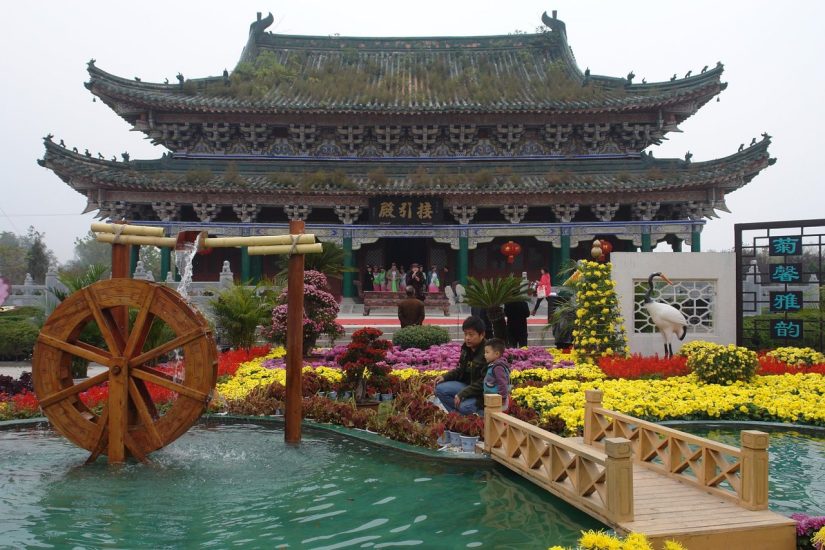
China, the heart of Asia, is a vast landscape where the legacy of ancient empires stands alongside modern skyscrapers, and the dust of the Silk Road can still be felt today in street food, tea houses, and temple courtyards. Beijing's history-laden hutongs, Shanghai's neon-lit Bund, Guilin's fairytale limestone mountains, Harbin's ice palaces... China offers culture, nature, and gastronomy all in one trip...
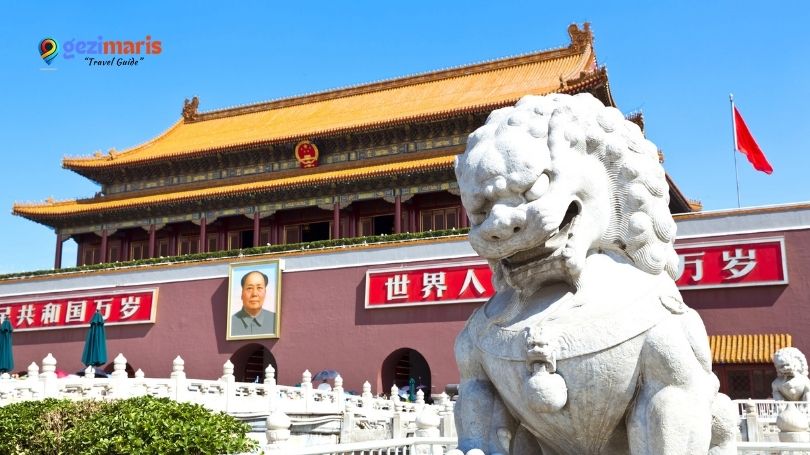
I don't approach Beijing as a short city break. When I want to fit the courtyards of the Forbidden City, the hutong streets, the temples, the local food, and the Great Wall of China into one itinerary, I allocate at least 3 full days, or 4 days for a more relaxed trip. For first-time visitors, I recommend staying around Dongcheng, Wangfujing, Dengshikou, or Qianmen. These areas are both historically...

In Beijing, sometimes the best view comes from the most modest hilltop. As you approach Jingshan Park, the streets suddenly fall silent. Tree shadows leave a cool pattern on the stone pavements. Upon entering, the city noise seems to retreat a few curtains. Inside, there are people running, practicing tai chi, and elderly people chatting. A gentle breeze from above carries the scent of pine...
Beijing mornings are sometimes misty, sometimes bright and sunny. As you approach the Temple of Heaven park, the sounds of the city fade away. Your steps slow as you walk under the large plane trees. On one side, you see locals exercising. On the other, the scent of incense mixes with the wind. Then, the blue tiles begin to gleam in the distance. Rounded lines stand side by side with square courtyards. This contrast...
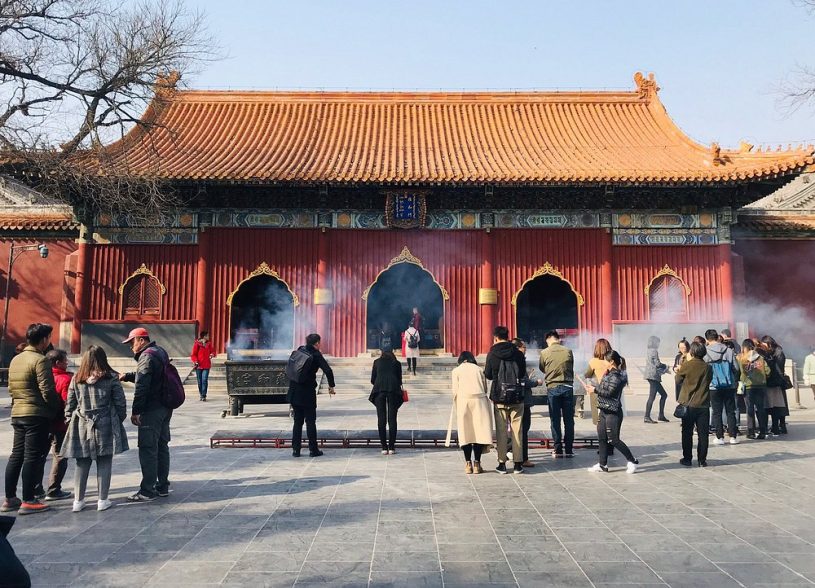
In Beijing's fast-paced city, sometimes all it takes is stepping through a door. As you approach the Lama Temple, the street noise softens, your steps become calmer. The scent of incense lingers in the air outside. Once inside, the red walls and gold details catch your eye. In the courtyards, people silently make wishes, their hands clasped together. In one corner, you hear a monk chanting, the rhythm settling in your heart. When you look up...
Write a Comment
Visitor Comments - 0 Comments