
Shinjuku Gyoen National Park
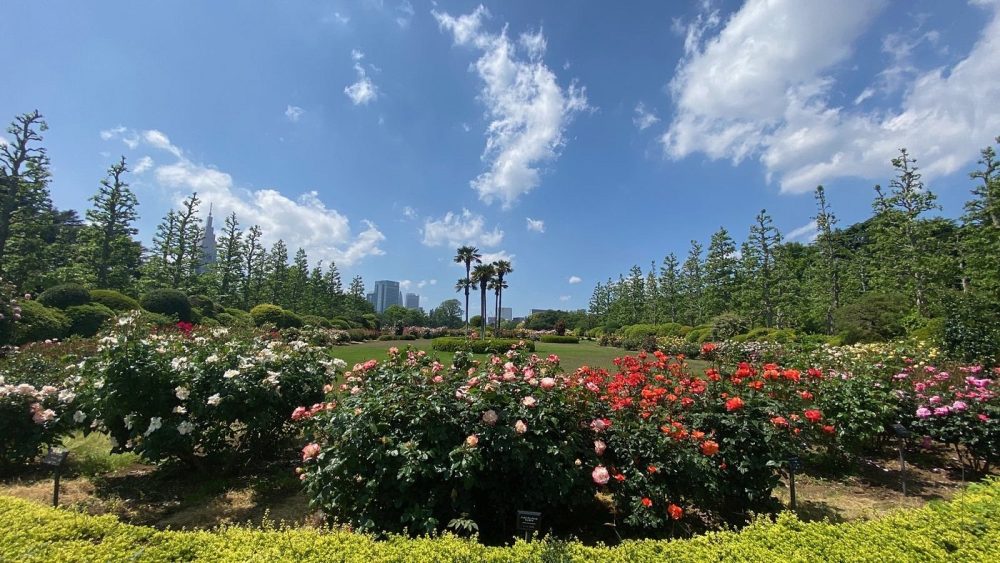
Escaping Tokyo's neon lights sometimes only takes a few steps. In the heart of Shinjuku, Shinjuku Gyoen stretches out like a world of its own. As you step through the gate, the city noise softens, and the trees take center stage. Suddenly, you find yourself surrounded by expansive lawns, ponds, and winding paths. This isn't just a park; it's a well-designed garden museum. In spring, the cherry blossom breeze blows, and in autumn, the crimson leaves accompany you. As you walk, you'll experience the aesthetics of a Japanese garden. Europe You can observe them side by side in a harmonious way. Some come for photos, others for picnics. Shinjuku Gyoen National Garden balances the list of places to visit in Tokyo. Even on crowded days, you can always find a quiet corner. With this guide, you'll find the best entrances, routes, and viewpoints.
Where and How to Get There?
Shinjuku Gyoen National Garden is located in the Shinjuku district of Tokyo. It's most easily accessible by subway and train. The area around Shinjuku Station might seem confusing, but the directions are helpful. The garden's different entrances offer different walking routes. The Shinjuku side provides a good transition after the shopping and skyscrapers. The Sendagaya side is quieter, and you'll encounter fewer crowds at the entrance. Allow time for a walk; there are pleasant side streets around. It gets busier around midday on weekends, so going early is a good idea. Even on rainy days, it's enjoyable, and the trees enhance the scent.
Brief History
Shinjuku Gyoen's history is intertwined with Tokyo's transformation. The area was initially known for its feudal-era residential gardens. Then, the idea of a public garden gained traction, and systematic landscape plans were created. Over time, it transformed into a green space for recreation and representation. Different garden styles were consciously combined. This diversity distinguishes the park from an ordinary city garden. The war years shook Tokyo, and the garden took its toll. In the following period, reconstruction and maintenance work accelerated. The texture you see today is the result of this long process of improvement. Shinjuku Gyoen is modern. Tokyo It's like a living archive. Walking here is a brief respite from the city's pace.
Architectural and Artistic Features
Shinjuku Gyoen showcases multiple garden languages in a single walk. The Japanese garden section stands out with its ponds and stone arrangement. Bridges offer wonderful photo opportunities for those seeking reflections on the water. Pine trees clearly demonstrate the art of pruning. Sitting by the lake, the city view disappears from sight. Symmetry is more pronounced in the European-inspired, orderly areas. The expansive lawns are a favorite resting spot, especially for families. The variety of tree species makes the changing seasons more dramatic here. In spring, cherry blossoms completely transform the park's rhythm. In autumn, maple hues turn the walk into a veritable tour of color. The covered area, resembling a greenhouse, is a lifesaver on rainy days. Plant collections can keep botanical enthusiasts occupied for a long time. Benches and viewing points are positioned to allow visitors to follow the scenery. The paths are wide, but at times the flow feels one-way.
Visit Information
A visit to Shinjuku Gyoen becomes much more comfortable with small details.
- There is an entrance fee, so having cash with you will make things easier.
- Hours may vary depending on the season, please check the door panels.
- The early hours are quieter, which is advantageous for photography.
- Crowds increase during the cherry blossom season, so it's best to choose a weekday.
- Windless days are more impressive for autumn leaves.
- Sitting on the grass is pleasant; bring a light blanket.
- It will be a long walk, so choose comfortable shoes.
- Trash cans may be limited, so carrying a small bag is helpful.
- A tripod can be difficult to use in a crowded area; smaller equipment is more practical.
- Lowering your tone of voice in quiet areas is good etiquette.
Photography Tips and Tricks
The strongest start is made in the tree tunnels near the entrance. Morning light makes the leaf texture appear softer. By the lake, try a low angle close to the water. Include the bridges in the frame, placing the reflection in the center. In the Japanese garden section, create compositions that follow the lines of the stones. If you are shooting portraits, wide grass in the background adds a sense of spaciousness. White balance is important during cherry blossom season; be careful of excessive brightness. In cloudy weather, flowers appear more pastel, which is a great advantage. In autumn, reds are saturated, but detail is lost in the shade. Increasing the exposure slightly in shaded areas helps. There may be reflections on the glass in the greenhouse; bring the lens closer to the glass. For a sharp shot in a crowd, choose a fixed point and follow the flow. For short videos, slow down your walking speed to reduce camera shake. Hours close to sunset make tree shadows appear longer.
Other Nearby Places to Visit
The energy of Shinjuku immediately returns as you step out of the garden. The Shinjuku area is famous for its observation points and bustling streets. There are plenty of options for a cafe break around the station. If you're planning an evening out, the illuminated streets offer a different Tokyo. The Meiji Jingu area is suitable for those seeking a deeper green route. The Harajuku area attracts those who want to see fashion and street culture. Yoyogi Park is a good continuation for continuing an outdoor walk. For museum enthusiasts, there are strong collections within the city. Bookstores and record shops are among Shinjuku's surprise corners. At the end of the day, you strike a nice balance between the garden and the city.
Shinjuku Gyoen National Garden can be the most relaxing stop on your Tokyo trip. It's good to return here when you feel the hustle and bustle of the city. If you go to Tokyo, be sure to visit, especially during the right season. For more ideas, see “Places to visit in TokyoYou can also read our article "...".
PREVIOUS TOPIC
NEXT TOPIC

Similar Threads

While strolling through the bustling streets of Tokyo, you might suddenly stumble upon a charming surprise: a coffee experience accompanied by capybaras, with their docile gazes, soft fur, and calm demeanor! Capybara Cafe, which holds a special place in Japan's unique themed cafe culture, offers an unforgettable break for both animal lovers and travelers seeking a different experience...
The first thing I learned when I flew from Istanbul to Tokyo was this: In this city, if you plan your itinerary well, even the crowds don't scare you. Tokyo is huge; but if you organize areas like Asakusa, Ueno, Shibuya, Shinjuku, Ginza, and Roppongi in the right order, you can satisfyingly explore both classic Tokyo and the neon-lit, fast-paced, modern Tokyo in just 3 days. For first-time visitors...
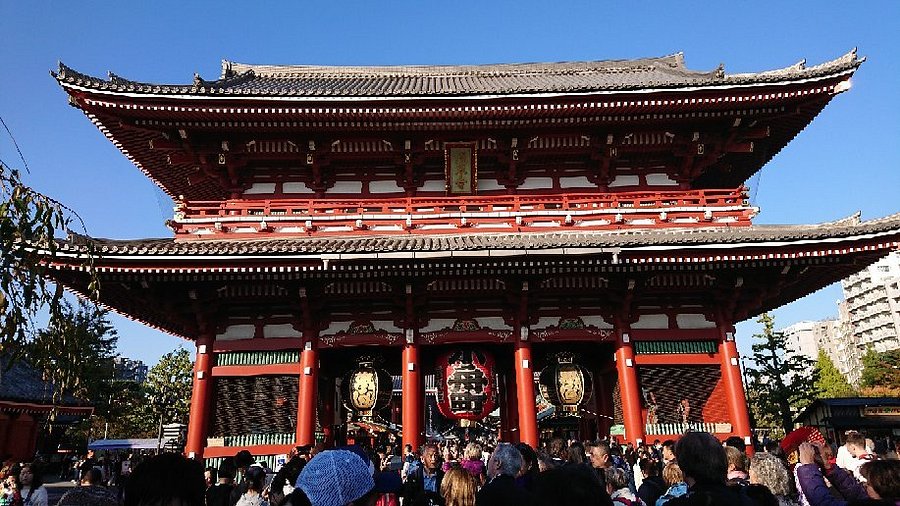
One of the best places to visit in Tokyo early in the morning is Asakusa. The scent of incense wafting through the streets is immediately noticeable. The crowds haven't dispersed yet, but the rhythm is calmer. At this point, Senso-ji Temple appears before you. It's one of the most well-known temples in Japan. The lantern of the Kaminarimon gate is visible even from afar. Shops line the Nakamise-dori, offering little surprises. One...
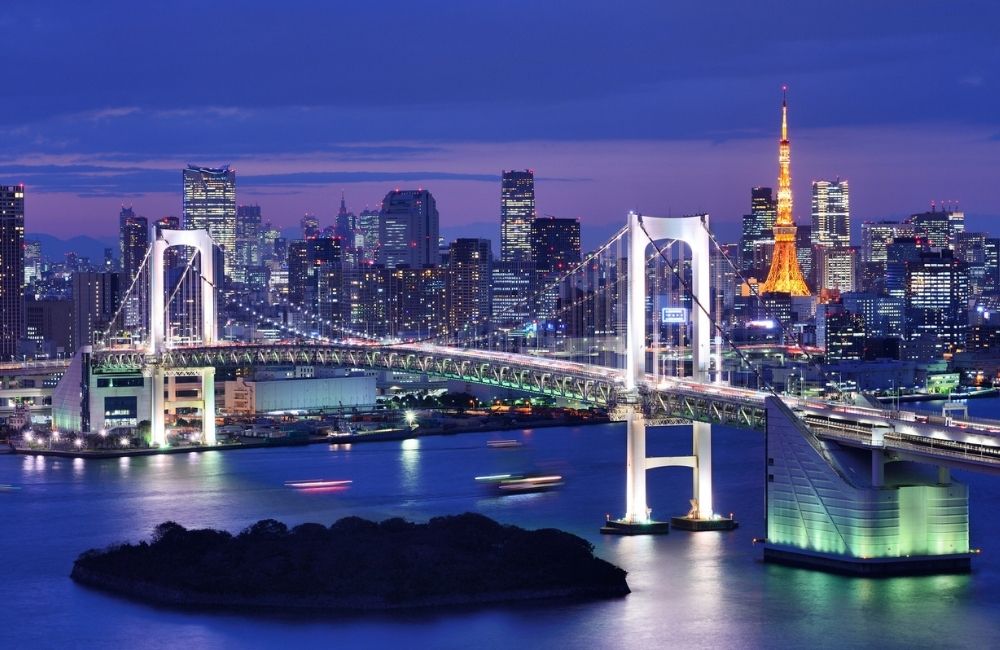
Tokyo is not only the capital of Japan; it is also a vast area of discovery where traditional temples, neon-lit streets, contemporary art spaces, peaceful gardens, and neighborhoods with diverse characters intertwine. This guide has excluded restaurants, tour companies, cafes, spas, and purely commercial establishments; instead, it focuses on the cultural, historical, natural, architectural, and urban experience...
Write a Comment
Visitor Comments - 0 Comments