
Lama Temple
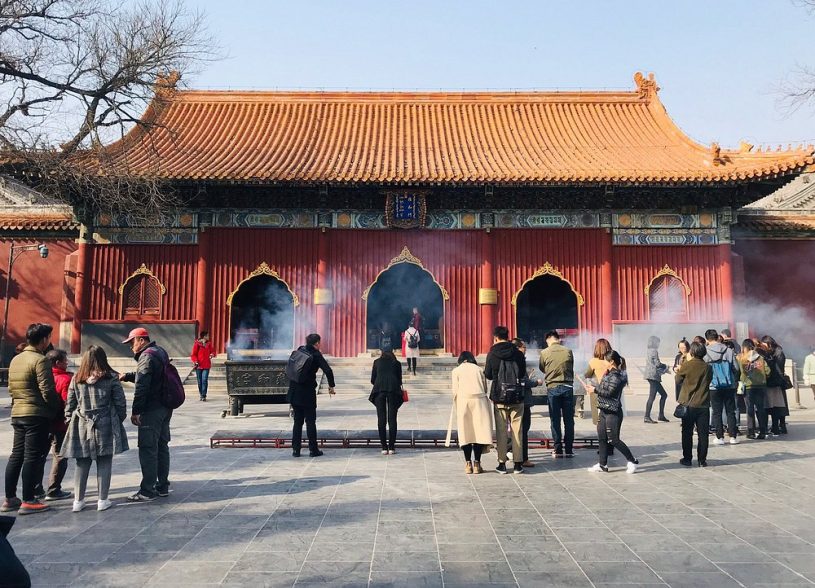
In Beijing's fast-paced city, sometimes all it takes is stepping through a door. As you approach the Lama Temple, the street noise softens, your steps become calmer. The scent of incense lingers in the air outside. Inside, the red walls and gold details catch your eye. In the courtyards, people silently make wishes, their hands clasped together. In one corner, you hear a monk chanting, the rhythm settling in your heart. When you look up, the eaves of the roof cast shadows upon you. The wind blows through the bells, leaving a delicate sound. It's surprising to see such a serene space in Beijing. Because this is not just a temple, but a living place of worship. A visit to the Lama Temple allows you to experience the city's cultural heritage up close. After a while, you realize you're collecting details, not just taking photographs.
Where and How to Get There?
The Lama Temple is located in the Dongcheng district of Beijing. It is known locally as Yonghegong, and this name is displayed on signs. The metro is the most convenient option for getting around the city. The walk from the station to the temple is very short. Bus lines also run frequently in the area and are economical. Taking a taxi can be convenient, but traffic increases during peak hours. Early mornings significantly reduce the queue at the entrance. The crowds increase towards midday, and the courtyards appear fuller. In winter, the air is harsh, and the wind blows in your face in the courtyard. In summer, the humidity increases, so it's a good idea to bring water. You can find small cafes and snack places in the surrounding area.
Brief History
The Lama Temple's history is rooted in the powerful narratives of the imperial era. The complex was initially planned as a princely residence, later transforming into a significant Buddhist monastery. During the Qing dynasty, the temple's status steadily increased, particularly highlighting the strong representation of Tibetan Buddhism. This clearly demonstrates Beijing's multifaceted culture. Imperial support ensured the long-lasting preservation of its structures and rituals. Over time, some areas were renovated, while others remained in their original state. Today, the temple serves as both a place of worship and a site of pilgrimage. This dual identity enhances the atmosphere of a visit. The Lama Temple is considered one of the most impressive religious structures in Beijing.
Architectural and Artistic Features
The first thing that catches the eye at the Lama Temple is the courtyards that run along its axis. As you pass through the doorways, the language of the space changes, but the rhythm remains the same. Green and gold tones create a strong contrast on the roofs. The wooden columns are red, and colorful decorations are visible on top. Cloud, lotus, and infinity knot motifs are frequently used in the decorations. Han style dominates in some halls, while Tibetan influence is prevalent in other corners. The gleam of gold leaf on the sculptures is further accentuated by the dim light. The incense smoke softens the light and makes the scene cinematic. The bronze cauldrons and altars in the courtyards stand out strongly in photographs. In the inner halls, you can see prayer wheels, rosaries, and ritual objects. The most talked-about work is the giant Maitreya statue. This statue is famous for being carved from a single piece of sandalwood. Its height is impressive, instantly changing the scale of the hall. The ceiling decorations also exhibit equally eye-catching craftsmanship. Therefore, a trip to Yonghegong will delight art history enthusiasts.
Visit Information
For a comfortable visit to the Lama Temple, small plans make a big difference.
- Go early in the morning, the courtyards will be quieter.
- Choose a weekday; the crowds will be noticeably smaller.
- Visiting hours may vary depending on the season; please check at the entrance.
- Ticket prices may change seasonally; please check the announcements at the ticket office.
- There may be photography restrictions in indoor areas, please check with staff.
- If you wish to burn incense, please follow the rules.
- Clothing that covers the shoulders is a respectful choice.
- Wear comfortable shoes, as the ground is full of stones and thresholds.
- Carry water with you in the summer; the humidity and crowds can be tiring.
- The wind is strong in winter, so layering is helpful.
- Please speak quietly; this is an active worship area.
- Allow at least two hours for the tour; don't rush.
Photography Tips and Tricks
The best results for photographs of the Lama Temple are obtained in morning light. Shadows form around the door arches, increasing the sense of depth. Look for symmetry in the courtyards; lines immediately strengthen the composition. Capturing the incense smoke adds soul to the photograph. Shoot bronze incense burners at a low angle to enhance their grandeur. Zoom in on the eaves; details appear like jewels. In a crowd, hold still for a few minutes to find an empty space. The flow of people is like a wave; a sudden opening appears. The light is low in the interior halls; a steady hold is crucial. Night mode works well when shooting with a phone, but reduce movement. If you are shooting portraits, include red walls in the background. This will make the colors appear warmer and cleaner. Try framing upwards to see the sandalwood sculpture. However, do not use flash; it would be disrespectful and over-bright. You can find calmer shots in corners near the exit.
Other Nearby Places to Visit
The area around the Lama Temple is ideal for exploring on foot in Beijing. Nearby are hutong districts with a traditional streetscape, and small teahouses and local snacks complement this walk. Palace Museum This direction provides a strong continuation for those planning on the same day. Jingshan ParkIt offers a lovely break for those who want a view from above. Temple of HeavenIt would be a good alternative for those who want to see ritual architecture. Yiheyuan Summer Palace The lake is a more distant stop, but it only takes half a day. Museum lovers have many exhibition options in the city center. Evening walks around the lake reveal a different side of the city. Don't try to cram this area into a single day; the pace can get tiring quickly. Peking It's always easier to divide your list of places to visit into regions.
The Lama Temple is a stop in Beijing that captures both spirit and aesthetics at the same time. Wander slowly through the courtyards, pause in the halls to examine the details. If you go to Beijing, you absolutely must visit the Lama Temple. Also, for more routes, check out “Places to visit in Beijing"You can read my writing."
PREVIOUS TOPIC
NEXT TOPIC

Similar Threads
I don't approach Beijing as a short city break. When I want to fit the courtyards of the Forbidden City, the hutong streets, the temples, the local food, and the Great Wall of China into one itinerary, I allocate at least 3 full days, or 4 days for a more relaxed trip. For first-time visitors, I recommend staying around Dongcheng, Wangfujing, Dengshikou, or Qianmen. These areas are both historically...
In Beijing, sometimes the best view comes from the most modest hilltop. As you approach Jingshan Park, the streets suddenly fall silent. Tree shadows leave a cool pattern on the stone pavements. Upon entering, the city noise seems to retreat a few curtains. Inside, there are people running, practicing tai chi, and elderly people chatting. A gentle breeze from above carries the scent of pine...
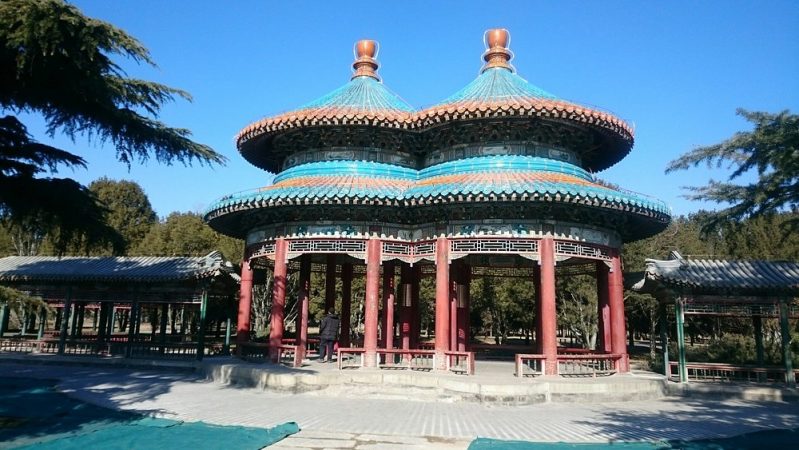
Beijing mornings are sometimes misty, sometimes bright and sunny. As you approach the Temple of Heaven park, the sounds of the city fade away. Your steps slow as you walk under the large plane trees. On one side, you see locals exercising. On the other, the scent of incense mixes with the wind. Then, the blue tiles begin to gleam in the distance. Rounded lines stand side by side with square courtyards. This contrast...
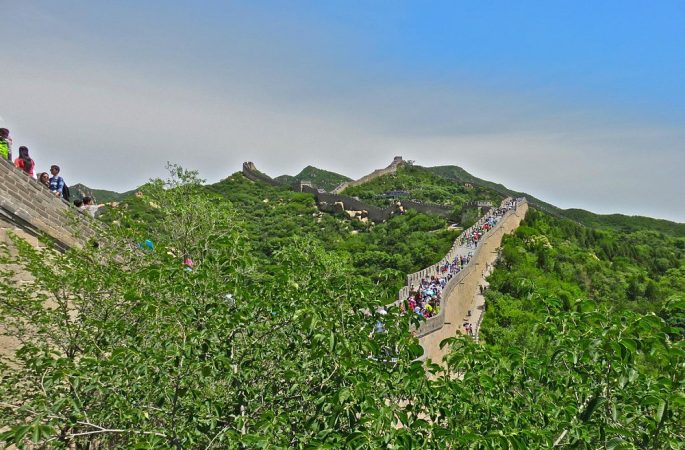
As you set off towards Badaling on the Great Wall of China, the city slowly recedes into the distance. Beijing's wide boulevards give way to hilly roads. Mountain lines become more distinct as you look out the window. After a while, a thin strip of stone becomes a faint outline on the horizon. As you get closer, you realize that this outline is actually a massive wall. Badaling is the best-known and most accessible part of the Great Wall of China...
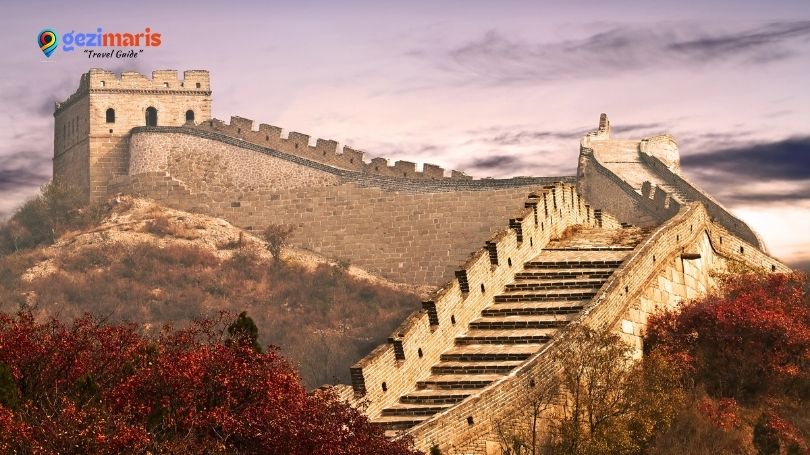
Beijing, the capital of China, is one of Asia's most magnificent cities with a history spanning over three thousand years. It offers a diverse range of attractions, from palaces where emperors once sat on their thrones to sections of the Great Wall nestled against the mountainside, and from tranquil temple courtyards to modern art districts. In this guide, we've explored the most popular destinations that travelers are most curious about, and each one...
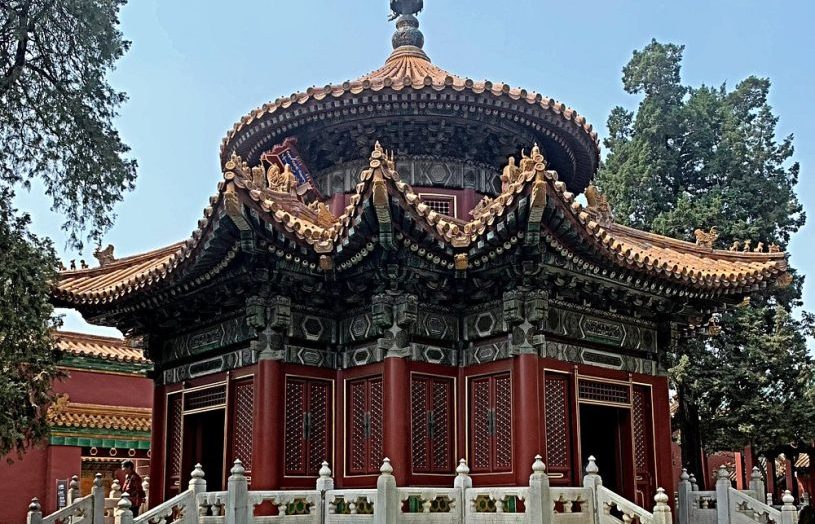
There are some places in Beijing where the sounds change the moment you step through the door. The Beijing Palace Museum is exactly one such place. While you hear car horns outside, inside you hear footsteps. The red walls soften the chaos of the city. The brightness of the yellow roofs is further enhanced by the sun. The courtyards are large, but they don't feel suffocating. Each passage through a door is like a new scene...
Write a Comment
Visitor Comments - 0 Comments