
Places to visit in China
ChinaChina is a country of breathtaking diversity, stretching from the Great Wall in the north to the tropical coasts of the south, from the desert oases of the west to the modern metropolises of the east. Its millennia-long history, sacred mountains, ancient water towns, magnificent palaces, and breathtaking natural wonders make it one of the richest travel destinations in the world. In this guide, we've compiled 250 of the most popular destinations scattered across the country, each with a brief introduction to make it easier to plan your itinerary. Whether you're seeking history and spirituality or nature and adventure, you'll find plenty to suit your taste within China's wealth of offerings.
Historical Places to Visit in China
Mutianyu Great Wall of China
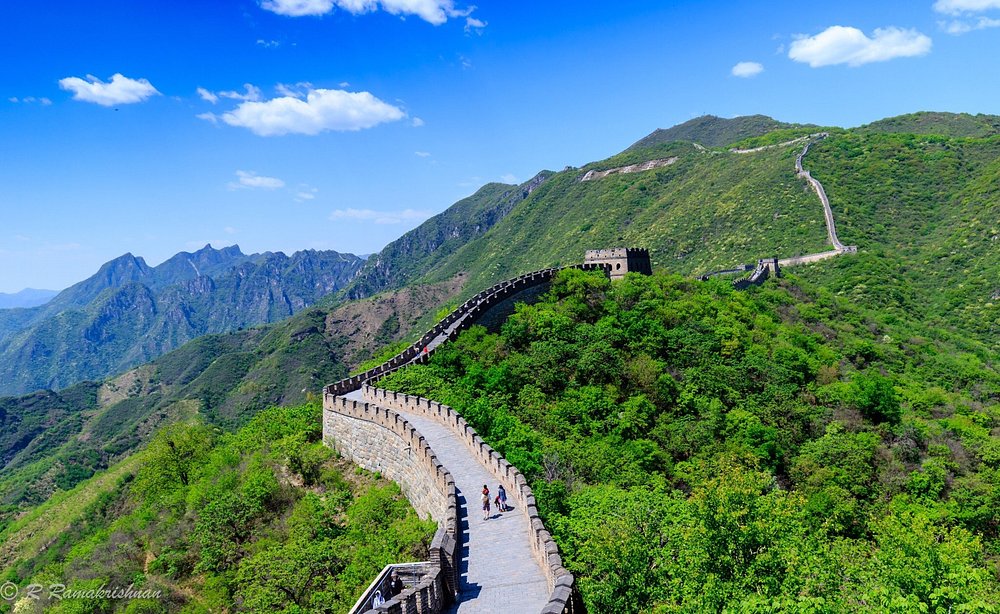
Rising northeast of Beijing, about two hours from the capital, Mutianyu is one of the best-preserved and most visually stunning sections of the Great Wall of China. Winding through wooded hills, the wall winds through a landscape that changes color with the seasons, and a new tower greets you at every turn along the way. It's possible to ascend the wall by cable car or chairlift; those who prefer the sled-like rail line on the descent will have an unforgettable experience. Its relative lack of crowds, unlike Badaling, is a great advantage for those who want to take photos and experience the true atmosphere of the wall. This section, restored during the Ming Dynasty, showcases the intricacies of defensive architecture. Arriving early in the morning is wise to take advantage of the cool air and enjoy the tranquility. It's considered an almost mandatory stop for first-time visitors to China.
Yiheyuan Summer Palace
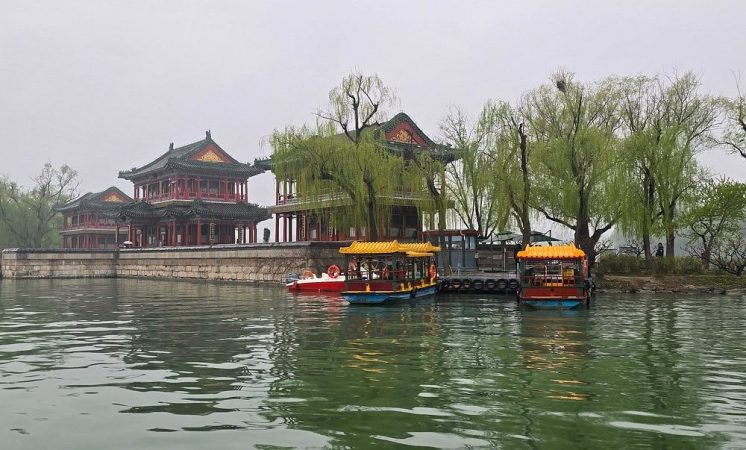
The Summer Palace, located northwest of Beijing, is a vast palace and garden complex where Chinese emperors sought refuge from the summer heat. Shaped around Lake Kunming and Longevity Hill, the area is considered a masterpiece of classic Chinese garden art, skillfully blending water, architecture, and nature. The famous Long Corridor along the lake captivates visitors with its thousands of hand-painted murals on the wooden beams. A stroll through the marble boats, bridges, and pavilions offers a different view from every angle. A UNESCO World Heritage site, the palace is particularly dazzling in spring and autumn. A short boat trip on the lake is a delightful way to experience the vastness of the area. For those wishing to experience history and nature together, it is one of Beijing's most peaceful destinations.
Oriental Pearl Tower
ShanghaiRising in Shanghai's Pudong district, the Pearl of the Orient Tower is one of the most iconic structures defining the city's modern skyline. With its pink spheres and steel body, it looks as if it has descended from space; at the time of its opening, it was one of the tallest buildings in Asia. The glass-floored observation deck offers a breathtaking view of Shanghai at your feet. Its revolving restaurant and city history museum make a visit versatile. Viewed from across the Huangpu River, it's an indispensable part of the Bund panorama. Nighttime illumination transforms the tower into different colors each evening. Symbolizing Shanghai's forward-looking face, this structure is a favorite among photography enthusiasts.
Zhujiajiao Ancient Water Town
Located west of Shanghai, Zhujiajiao offers an untouched water town atmosphere with its canals, stone bridges, and wooden houses. With over a thousand years of history, the town is known as the "Venice of Shanghai." As you glide along the narrow canals by boat, you'll get a close look at the traces of the old life built on the water. The arched Fangsheng Bridge is the town's most recognizable and photographed spot. The small shops in the side streets are filled with traditional handicrafts and local delicacies. Finding such a tranquil escape right next to the modern metropolis surprises visitors. It's an ideal stop for a half-day trip, easily accessible from Shanghai.
Badaling Great Wall of China
Badaling, the closest and most easily accessible section of the Great Wall of China to Beijing, is a world-renowned landmark. Its wide and sturdy structure makes it relatively easy to climb, making it popular with first-time visitors. The wall, stretching along the ridges of hills, rises at regular intervals with watchtowers. A cable car option offers a convenient solution for those hesitant to climb steep slopes. This section, visited by many statesmen throughout history, has been carefully preserved through restoration. The view from the highest points, where the wall curves and stretches to the horizon, is breathtaking. Going early in the morning is recommended for a more comfortable experience, as it can get crowded.
Xi'an City Walls
The ancient city walls surrounding Xi'an are one of the most well-preserved medieval defensive structures in China. Built during the Ming Dynasty, the walls form an uninterrupted ring approximately fourteen kilometers long. Renting a bicycle and cycling around the entire perimeter is both enjoyable and the best way to get a feel for the city's atmosphere. The wide pedestrian platform offers the opportunity to observe the street life below from above. The gates, towers, and battlements meticulously reflect the military architecture of the period. In the evenings, the illuminated walls take on a completely different atmosphere with lanterns. In this city, the starting point of the historic Silk Road, it offers a tangible touch of the past.
Ruins of St. Paul's Church
The ruins of St. Paul's Church in Macau's historic center are the city's most recognizable landmark. The magnificent stone facade of the 17th-century church, remaining after a fire, stands alone atop a staircase. Its delicate carvings display an unusual blend of Eastern and Western motifs. A small museum behind the facade displays religious artifacts and relics. Portekiz It is one of the structures that most concretely reflects its colonial past. The surrounding cobblestone streets complement the historical fabric of the city. It is located in the heart of the historic center, which is on the UNESCO World Heritage list.
Tiananmen Square
Tiananmen Square, in the heart of Beijing, is one of the world's largest city squares and has witnessed many turning points in China's modern history. Extending in front of the southern gate of the Forbidden City, the square forms a magnificent whole with the surrounding monumental structures. The Monument to the People's Heroes and the grand public buildings reflect the political weight of the area. The morning flag ceremony is a ritual that visitors watch with interest. Its vast scale offers a different perspective as one walks through the square. It is a natural starting point for a visit to the Forbidden City and a symbolic stop for those who want to understand China's capital.
Lijiang Ancient City
Lijiang Ancient City in Yunnan Province is a captivating settlement that has preserved its millennia-old character with its cobblestone streets and water canals. Wooden houses, reflecting the culture of the Naxi minority, are connected by small bridges over the canals. Wandering through the labyrinthine streets offers the pleasure of discovering a new courtyard and shop around every corner. The snow-capped Jade Dragon mountain provides a magnificent backdrop to the city. In the evenings, the streets, illuminated by lanterns, take on a romantic atmosphere. The city, a UNESCO World Heritage site, is also known for its traditional music and handicrafts. It is an indispensable stop for those wishing to explore southwestern China.
Peak Tram (Summit Funicular)
The Peak Tram, one of Hong Kong's oldest transportation lines, is a historic funicular that climbs a steep slope to the summit of Victoria Peak. Operating since 1888, the line creates an interesting illusion as it ascends, making the surrounding skyscrapers appear to lean sideways. The short but steep journey is the most enjoyable and nostalgic way to reach the summit. The city and harbor views from the windows gradually widen along the ascent. Arriving early is advisable as long queues can form during peak hours. The renovated carriages combine a classic atmosphere with modern comfort. Victoria peak It is considered an integral part of the trip.
Jinshanling Great Wall of China
Located northeast of Beijing, Jinshanling is one of the least restored and most authentic sections of the Great Wall of China. Its wild and untouched nature attracts travelers who want to experience the true atmosphere of the wall. The wall, winding along the hills, is adorned with numerous watchtowers of varying designs. The low crowds allow for peaceful moments during the walk. For photographers, the softened morning and evening hours offer captivating shots. The walk is of moderate to challenging difficulty and requires good preparation. It is an ideal section for those who want to see the wall in its natural state, away from the crowds.
Potala Palace
Rising in Lhasa, the capital of Tibet, the Potala Palace is one of the highest-altitude palaces in the world and the most sacred symbol of Tibetan Buddhism. Built in stages on a hilltop, the massive structure, with its white and red sections, inspires awe even from afar. For centuries, it served as the winter residence of the Dalai Lamas. Its halls are filled with precious religious artifacts, sculptures, and frescoes. Due to its high altitude, it is recommended to acclimatize the body before visiting. A UNESCO World Heritage site, the palace is unique both architecturally and spiritually. It is the structure that most powerfully represents the spirit of Tibet.
Chen Clan Ancestral Hall
The Chen Clan Ancestral Hall in Guangzhou houses one of the richest examples of traditional Chinese wood and stone craftsmanship. Built in the nineteenth century, the structure was established to commemorate and educate the ancestors of the Chen family. The intricate carvings adorning the roof beams, walls, and columns showcase the pinnacle of mastery. Today, the hall serves as a folk art museum, showcasing traditional crafts. Wandering through the courtyards allows you to closely observe the intricacies of Southern Chinese architecture. The roofs, decorated with ceramic figures, offer rich detail for photographers. It is one of the most fulfilling stops for exploring Guangzhou's cultural heritage.
Phoenix Ancient Town (Fenghuang)
In Hunan province Phoenix The Ancient Town, with its wooden houses built on stilts along the Tuojiang River, offers a fairytale-like appearance. Stone bridges and ancient towers over the river give the town an untouched, historical feel. katarAt night, the riverside houses, illuminated by lights, create a captivating scene reflected in the water. The culture of the Miao and Tujia minorities shapes the town's colorful identity. Taking a boat trip on the river is the most enjoyable way to explore the town. Handicrafts and traditional clothing can be discovered in the narrow stone streets. It is considered one of the most beautiful ancient towns in China.
Juyong Pass Great Wall of China
Juyong Pass, near Beijing, is one of the most strategically important sections of the Great Wall of China. Situated in a narrow valley between two mountains, the pass has historically served as a critical defensive point protecting the capital. The U-shaped wall encircling the valley creates a visual unity with the surrounding mountains. The pass's historic gate and towers reflect the military architecture of the era. Its proximity to Beijing provides a practical advantage for day trips. The steepness of the slopes makes the climb an enjoyable exercise. It is one of the sections where the defensive function of the Great Wall is most tangibly felt.
Pingyao Ancient City
Pingyao in Shanxi province stands out as one of China's best-preserved ancient cities. With its walls, streets, and houses dating back to the Ming and Qing dynasties, the city evokes a sense of time travel. Throughout history, it played a significant commercial role as one of China's first banking centers. Walking along the city walls offers a panoramic view of its geometric layout. Old inns, shops, and temples preserve its authentic atmosphere. At night, the streets, illuminated by lanterns, take on a romantic ambiance. A UNESCO World Heritage site, the city captivates with its faithful adherence to the past.
Simatai Great Wall of China
Simatai, northeast of Beijing, is one of the most authentic and rugged sections of the Great Wall of China. Its wild texture and steep slopes attract those who want to experience the wall in its true form. It's special because it's the only section of the wall illuminated at night; evening visits offer a unique atmosphere. The nearby Gubei Su Town is a pleasant stop before or after your visit. A cable car makes the steep climb easier. Walking between the watchtowers allows you to get a close look at the wall's defensive structure. It's ideal for those who want to see the wall in a different and dramatic way.
Senado Square (Macau)
Senado Square in Macau's historic center is a vibrant area reflecting Portuguese heritage with its undulating stone pavement and colorful colonial buildings. The square is one of the city's busiest meeting and sightseeing spots. The surrounding pastel-colored buildings offer rich photo opportunities for photographers. The historic church and fountainIt adds a cultural depth to the area. The narrow streets starting from the square lead to Macau's historic center. The fusion of Eastern and Western cultures is most concretely felt in this square. It is located in the heart of the historic center, which is on the UNESCO World Heritage list.
Huanghuacheng Great Wall of China
Huanghuacheng, north of Beijing, is a unique and poetic section where the Great Wall of China meets a lake. In some sections, the wall submerges in the water, creating an extraordinary harmony with nature. This waterside scenery offers a special beauty not seen anywhere else on the wall. The surrounding slopes are covered in yellow flowers in spring, giving the area its name. The sparse crowds allow for a peaceful walk. It's also possible to view the wall from the lake by boat. It's an ideal spot for those who want to see the wall from a different perspective, surrounded by nature.
Tian'anmen Gate
Tian'anmen Gate, located in the heart of Beijing, is a historic structure forming the magnificent southern entrance to the Forbidden City. With its red walls and golden roof, the gate is one of China's most recognizable landmarks. Once the point from which emperors announced important events to the public, it holds deep historical significance. Looking down on Tian'anmen Square from its upper platform allows one to grasp the scale of the area. It is a natural starting point for a tour of the Forbidden City. Its architectural details reflect the symbolism of the imperial era. It is a central stop for those wishing to experience Beijing's historical axis.
Hongcun Ancient Village
Hongcun in Anhui is a historic village showcasing the finest examples of traditional Huizhou architecture with its white-walled, black-tiled houses. Planned in the shape of an ox, the village boasts a unique design with its pond and canal system. The reflections of the houses in the water around the Moon Pond create unparalleled photographic opportunities. The village is also known as a filming location for a famous movie. Carved wooden details and courtyards reflect the finesse of past craftsmanship. A UNESCO World Heritage site, the village offers a tranquil and picturesque atmosphere. It is a fascinating stop for those wishing to see China's rural architectural heritage.
Xidi Ancient Village
Xidi in Anhui is a well-preserved village showcasing Huizhou architecture with over four hundred-year-old residences. Narrow stone streets, carved door arches, and courtyard houses reflect the elegant life of the past. The village is filled with magnificent mansions left behind by wealthy merchant families. The finesse of wood and stone carving is evident at every turn. Along with Hongcun, it is a UNESCO World Heritage site. Its tranquil atmosphere offers a peaceful getaway away from the crowds. It is a meaningful stop for those interested in traditional Chinese village life.
Shuhe Ancient Town
Shuhe, near Lijiang, is a tranquil and authentic Naxi water town, though less crowded than Lijiang itself. Cobblestone streets, canals, and traditional wooden houses create a peaceful atmosphere. Its historical role on the Silk Road's tea-horse route adds cultural depth to the town. Cafes lining the canals are delightful spots to relax. The snow-capped Yulong Mountains offer a majestic backdrop to the town. Naxi culture and handicrafts come alive in the streets. It's a peaceful alternative for those seeking to escape the hustle and bustle of Lijiang.
Bell and Drum Towers (Beijing)
The Bell and Drum Towers in Beijing's historic center are magnificent structures that once announced the time to the city. The two towers, positioned opposite each other, define the axis of old Beijing. The traditional drum performance at the Drum Tower offers visitors a historical experience. From the top of the towers, one can enjoy views of the surrounding hutong neighborhoods. The surrounding narrow streets offer an old-world charm. Peking It bears the traces of its history. The historical architecture and local atmosphere make the area unique. It is a pleasant stop for those who want to experience the traditional fabric of Beijing.
Sun Yat-sen Mausoleum
The Sun Yat-sen Mausoleum in Nanjing is a magnificent memorial dedicated to the founding leader of modern China. Nestled at the foot of Purple Mountain, the mausoleum is accessed via a long staircase leading to the main hall at the summit. Its blue-tiled roof and white marble details showcase elegant architecture. The view stretching across Nanjing from the top of the stairs is breathtaking. The surrounding forest adds a tranquil atmosphere to the visit. It is a significant point for those interested in China's recent history and an important stop for those wishing to experience both the historical and natural beauty of Nanjing.
Xinghai Square (Dalian)
Xinghai Square in Dalian, one of Asia's largest city squares, offers a spacious open environment. Its seaside location creates a refreshing atmosphere. The monuments and sculptures in the square reflect the city's history. The surrounding coastal promenade provides a pleasant stroll with sea views. Illuminated in the evenings, the square transforms into a lively meeting point. It's a popular spot for families and kite flyers. It's a delightful stop for those wishing to experience Dalian's modern and maritime identity.
Huaqing Palace
Huaqing Palace near Xi'an is a historic imperial summer resort complex famous for its hot springs. The hot pools, frequented by emperors and courtiers during the Tang Dynasty, are central to the complex. Associated with a famous imperial love story, the palace holds romantic historical significance. Gardens and ponds at the foot of Mount Lishan add a serene beauty to the area. The evening light and dance shows impressively present the historical narrative. Its proximity to the Terracotta Army makes sightseeing easy. It's a delightful stop for those wishing to experience Xi'an's imperial past.
Xi'an Bell Tower
Located in the heart of Xi'an, the Bell Tower is a magnificent historical structure considered a symbol of the city. Dating back to the Ming Dynasty, the tower rises at the intersection of the city's four main streets. Its traditional architecture and woodwork reflect the aesthetics of the era. When illuminated at night, it offers an impressive view. Along with the nearby Drum Tower, it forms the historical axis of the city. From its upper floors, one can enjoy views stretching across the center of Xi'an. Its proximity to the Muslim Quarter makes sightseeing easy. It is a central stop for those who want to experience Xi'an's history.
Long Corridor (Summer Palace)
The Long Corridor at Beijing's Summer Palace, stretching over seven hundred meters, is the world's longest ornate gallery. Its ceiling and beams are adorned with thousands of hand-painted murals depicting scenes from Chinese history, literature, and nature. The corridor stretches along the shores of Lake Kunming, offering shade and scenic views to those strolling through. Each panel is a masterfully crafted work of art. It's one of the most beloved parts of a Summer Palace tour, a captivating stop for those wishing to experience both Chinese art and the palace's elegance.
Yellow Dragon Cave
The Yellow Dragon Cave in Zhangjiajie is one of China's most impressive caves, with its vast halls and underground rivers. The stalactites and stalagmites inside create fascinating forms shaped over millions of years. A boat tour on the underground river is a delightful way to explore the cave. The lighting dramatically highlights the rock formations. The massive columns and expansive galleries showcase the power of nature. A visit to Zhangjiajie is completed with this natural wonder. It's an impressive stop for those wishing to explore the underground world.
Maijishan Caves
Maijishan in Gansu is a historic site famous for its Buddhist statues carved into a rock face resembling a haystack. Wooden walkways suspended on the rock face lead visitors to the statues. Hundreds of caves and thousands of statues reflect the religious art of different periods. The elevated location makes both the statues and the surrounding landscape impressive. It is one of the religious art centers on the Silk Road. The craftsmanship of the clay and stone sculptures is awe-inspiring. It is an impressive stop for those who want to see China's religious art heritage in an extraordinary setting.
Daming Palace Ruins
Daming Palace in Xi'an is a vast historical park containing the remains of the magnificent imperial palace of the Tang Dynasty. The traces of what was once one of the world's largest palaces reveal the scale of the site. The ruins and reconstructions offer insight into the grandeur of the era. The park offers a wide range of attractions, resembling an open-air museum. Exhibits and models depict the palace's original form. It's a rich resource for those interested in Tang Dynasty history and a meaningful stop for those wishing to experience Xi'an's imperial past.
Guia Castle (Macau)
Guia Castle in Macau is a historic defensive structure rising on the highest hill in the city. Dating back to the seventeenth century, the castle is notable for its white lighthouse and chapel. One of Asia's oldest lighthouses is a symbol of the castle. The historical fresco details in the chapel reflect the art of the period. Panoramic views stretching across Macau can be enjoyed from the top. A cable car makes accessing the summit easy. A UNESCO World Heritage site, it embodies Macau's multicultural past and is a delightful stop for those wishing to experience history and scenery simultaneously.
Wuhan Yellow Crane Tower
The Yellow Crane Tower in Wuhan is a legendary tower rising on the banks of the Yangtze River, inspiring Chinese poetry. Rebuilt several times after its destruction, its current magnificent form is a symbol of the city. Its five-story structure reflects the elegance of traditional Chinese architecture. From its upper floors, one can enjoy views stretching across the Yangtze River and the city of Wuhan. The tower has been featured in the works of famous poets throughout the centuries. The surrounding parks and gardens add tranquility to the visit. It is a meaningful stop for those wishing to experience China's literary and architectural heritage.
Yueyang Tower
Yueyang Tower in Hunan is a historic tower rising on the shores of Dongting Lake, synonymous with a famous literary work. Its traditional wooden architecture is notable for its elegant construction, built without the use of nails. The expansive view stretching from the tower towards Dongting Lake has inspired poets for centuries. The surrounding park and historical structures add a cultural depth to the visit. Along with the Yellow Crane and Tengwang Towers, it is one of the three famous towers of southern China. Traditional architecture and literary heritage intertwine here. It is a meaningful stop for those interested in Chinese culture.
Tengwang Pavilion (Nanchang)
Tengwang Pavilion in Nanchang, Gan It is a magnificent tower rising on the riverbank, immortalized in a famous poem. Rebuilt numerous times, its current splendor is a symbol of the city. Its multi-story structure reflects the elegance of traditional Chinese architecture. Views of the river and city can be enjoyed from its upper floors. The exhibits inside tell the story of the tower's history and literary significance. Illuminated in the evenings, the tower captivates with its reflection in the water. As one of the three famous towers of South China, it carries a literary legacy. It is an elegant stop for those interested in history and culture.
Mingxiaoling Mausoleum
Mingxiaoling in Nanjing is a magnificent mausoleum dedicated to the founding emperor of the Ming Dynasty. Nestled at the foot of Purple Mountain, the mausoleum is an impressive complex spread over a vast area. A sacred pathway adorned with sculptures leads visitors to the tomb. Ancient trees and stone sculptures add a deep historical atmosphere to the site. A UNESCO World Heritage site, it is a prime example of imperial tomb architecture. Its proximity to the Sun Yat-sen Mausoleum makes sightseeing easier. It is a significant stop for those interested in China's imperial history.
Daju Ancient Town (Dali)
The ancient town of Dali, with its traditional Bai minority architecture and vibrant atmosphere, is one of Yunnan's most beloved historical settlements. Stone-paved streets, traditional houses, and city gates offer an authentic feel. Its location between the Cangshan Mountains and Erhai Lake gives the town a magnificent view. Local handicrafts, batik, and silverwork come alive in the streets. Cafes and workshops make strolling a pleasant experience. In the evenings, the town comes alive, offering a lively atmosphere. It's a delightful stop for those wishing to experience Yunnan culture.
Jianshui Ancient Town
Jianshui in Yunnan is a well-preserved ancient city with historical structures and traditional architecture. The magnificent city gate reflects the city's historical grandeur. The Temple of Confucius, one of the largest temples in China, is at the heart of the site. Historic mansions and courtyard houses evoke the elegant life of the past. The Double Dragon Bridge is an impressive example of regional architecture. Local delicacies and handicrafts make the trip enjoyable. It is a meaningful stop for those wishing to explore one of Yunnan's lesser-known historical cities.
Norbulingka Palace
Norbulingka in Lhasa is a vast garden and palace complex that served as the summer residence of the Dalai Lamas. Meaning "Jewel Garden," the area offers a peaceful atmosphere with palaces, ponds, and lush gardens. The magnificent halls are adorned with exquisite examples of Tibetan art. Traditional Tibetan festivals transform the gardens into a vibrant celebration. A UNESCO World Heritage site, it is considered alongside the Potala Palace. The gardens offer a relaxing escape from the city and are a significant stop for those wishing to experience Tibetan culture and palace life.
Hakka Tulou Round Houses
Hakka Tulou in Fujian are a unique example of traditional residential architecture, characterized by their massive, circular earthen structures. Designed like fortresses, these buildings house hundreds of families in a single circular structure. Thick earthen walls provide both defense and climate control. Inner courtyards and common areas reflect traditional communal living. These UNESCO World Heritage sites embody the culture of the Hakka people. Some tulou also offer accommodation for visitors. They are a fascinating destination for those wishing to experience China's extraordinary architectural heritage.
Penglai Pavilion
Penglai Pavilion in Shandong is a historic coastal structure associated with the mythical "land of immortals." Perched on a cliff overlooking the sea, the pavilion boasts impressive architecture. The area is also famous for its mirage phenomenon, which is sometimes seen there. Historic forts and temples add to the area's cultural depth. The sea view gives the pavilion a poetic atmosphere. Holding a significant place in Chinese mythology, the site is steeped in legends. It's an attractive destination for those wishing to experience history, the sea, and mythology all together.
Langzhong Ancient City
Langzhong in Sichuan is one of China's important ancient cities, with its well-preserved historical fabric and traditional architecture. Stone-paved streets, courtyard houses, and historic buildings evoke the atmosphere of the past. The city is also known for its traditional fortune-telling and astrology culture. Its location surrounded by a river adds a serene beauty to the area. The historic examination hall and temples offer a cultural exploration. Local delicacies and handicrafts make the trip enjoyable. It is a meaningful stop for those who want to experience one of China's lesser-known ancient cities.
Ciqikou Ancient Town
Ciqikou in Chongqing is a historic port town that was once a center of the porcelain trade. Its narrow, cobblestone streets, traditional wooden houses, and vibrant atmosphere preserve traces of the past. Handicrafts, traditional goods, and local delicacies can be discovered in its alleyways. The town is an authentic corner reflecting the fabric of old Chongqing life. Its riverside location offers scenic walks. With its bustling markets and historic temples, it boasts a vibrant cultural atmosphere. It's a delightful stop for those wishing to explore Chongqing's past.
Religious Sites to Visit in China
Great Buddha (Tian Tan Buddha)
Perched atop the hills of Lantau Island, part of Hong Kong, the Big Buddha, nearly 34 meters tall, is one of the world's most impressive outdoor bronze Buddha statues. Reaching the statue requires climbing a 268-step staircase; this ascent is both a spiritual preparation and a journey into the breathtaking scenery of the surrounding green hills. The Ngong Ping 360 cable car offers the most visually stunning views of the island's landscape. The nearby Po Lin Monastery, with its fragrant incense and serene atmosphere, completes the visit. The Buddha's hand is raised in a gesture of seeking protection and peace. On foggy days, the statue's appearance amidst the clouds creates an almost mystical sight. It's an ideal spot for those seeking a spiritual respite from the hustle and bustle of the city.
Temple of Heaven
South of Beijing Temple of HeavenIt was built as a sacred complex where emperors prayed to heaven for a bountiful harvest. The circular Hall of Harvest Prayers at its center is awe-inspiring with its wooden architecture, constructed without a single nail. The expansive park surrounding the temple is a vibrant gathering place where locals come together for morning exercise, dancing, and music. The conscious use of round and square forms in the design symbolizes the harmony between heaven and earth. The Echo Wall, famous for its acoustic properties, is an unusual detail that captivates visitors. A UNESCO World Heritage site, the structure offers a rich experience both architecturally and philosophically. Arriving early in the morning is an ideal time to see the temple immersed in local life.
Lama Temple (Yonghegong)
Yonghegong, north of Beijing, is the most important Tibetan Buddhist temple in the Chinese capital. Once an imperial palace, it was later converted into a monastery and remains an active center of worship today. The courtyards, shrouded in incense smoke, exude a vibrant atmosphere filled with the prayers of devout worshippers. The temple's most magnificent feature is the colossal Maitreya Buddha statue, carved from a single sandalwood trunk. As you move from hall to hall, you encounter the rich colors and details of Tibetan art. The architecture showcases an elegant blend of Han Chinese and Tibetan styles. It is a tranquil and impressive stop for those seeking to experience Beijing's spiritual fabric.
Nanshan Temple (Sanya)
Located near Sanya on Hainan Island, Nanshan Temple rises at the heart of a vast Buddhist cultural area. Situated on the seafront, the temple captivates visitors with its spiritual atmosphere. The colossal Guanyin statue nearby stands out with its three faces reaching towards the sea. Extensive gardens, ponds, and pavilions offer a peaceful stroll throughout the grounds. Tropical vegetation adds natural beauty to the spiritual setting. The temple is a significant point for both worship and tourism, enriching Sanya's seaside holiday with a cultural touch.
Ten Thousand Buddha Monastery
This in Hong Kong's New Territories region monasteryThe monastery takes its name from the thousands of small Buddha statues that adorn its corridors. Along the path leading up to the monastery, golden Buddha figures in various poses greet visitors. Upon reaching the top, the pagoda and temple structures offer a peaceful atmosphere amidst the surrounding greenery. The facial expression and posture of each statue have been carefully differentiated. The climb is a short but enjoyable nature walk, offering a tranquil break away from crowded tourist spots. It is an interesting stop for those wishing to explore the spiritual side of Hong Kong.
Jade Buddha Temple
The Jade Buddha Temple in Shanghai's Putuo district is famous for its two exquisite Buddha statues carved from white jade. These statues were brought from Burma in the nineteenth century and have become the temple's most prized treasure. An active center of worship, the temple exudes a vibrant atmosphere filled with the scent of incense and praying visitors. The courtyards and halls showcase elegant examples of traditional Chinese temple architecture. It's like an island of spiritual tranquility in the heart of modern Shanghai. Its vegetarian section is particularly popular with visitors. It's an ideal spot to experience the city's spiritual fabric.
Great Wild Goose Pagoda
The Great Wild Goose Pagoda, one of Xi'an's landmarks, was built during the Tang Dynasty to protect Buddhist texts brought from India. This seven-story brick structure, with its simple yet magnificent architecture, has stood for over thirteen hundred years. Climbing to the upper floors of the pagoda offers a sweeping view of Xi'an. The surrounding gardens and square come alive in the evenings with fountain shows accompanied by music. The structure is a tangible testament to the cultural exchange that took place in China via the Silk Road. It is associated with the story of the Buddhist monk Xuanzang and is an indispensable stop that completes Xi'an's historical fabric.
Lingyin Temple
Lingyin Temple in Hangzhou is one of the oldest and most important Buddhist temples in China. Situated in a lush valley, the temple captivates visitors with its spiritual atmosphere and deep historical depth. Hundreds of ancient Buddha reliefs carved into the surrounding rocks add a unique visual richness to the site. The scent of incense and the prayerful visitors reflect the temple's vibrant spirituality. The enormous Buddha statue in the main hall is a magnificent example of woodcarving. Paths winding through the valley offer a serene stroll through nature. It is an ideal cultural stop to complete a trip to West Lake.
Wong Tai Sin Temple
Wong Tai Sin Temple in Hong Kong's Kowloon district is one of the most vibrant places of worship, believed to grant wishes. Combining Taoism, Buddhism, and Confucianism, the temple boasts striking colorful architecture. Visitors seek signs of the future with traditional divining wands. The courtyards, shrouded in incense smoke, are constantly bustling with activity. Its gardens and prayer halls offer a spiritual atmosphere in the heart of the city. The temple attracts large crowds, especially during the New Year period. It's a colorful stop to explore Hong Kong's traditional belief system.
Jing'an Temple
Jing'an Temple, located in the heart of Shanghai, is a Buddhist temple with a golden roof rising amidst modern skyscrapers. With a history spanning over a thousand years, it is one of the city's oldest religious structures. Its gold-plated details and magnificent halls create a dazzling and impressive appearance. The traditional architecture of the temple contrasts sharply with the surrounding glass towers. Inside, silver and jade Buddha statues attract visitors. It is easily accessible thanks to its proximity to the metro station. It is a place that blends Shanghai's past and present in a single frame.
Hanging Temple
The Hanging Temple in Shanxi Province is an extraordinary structure built as if clinging to the sheer face of a cliff. Supported by wooden poles and niches carved into the rock, the temple hangs tens of meters above the ground. With a history of nearly fifteen hundred years, it is one of the boldest examples of Chinese architecture. It is also unique for combining Buddhism, Taoism, and Confucianism in a single structure. Narrow wooden walkways and bridges make touring the temple a thrilling experience. Looking down into the abyss provides visitors with an unforgettable feeling. It is unique for those who want to witness a striking meeting of engineering and spirituality.
Wenshu Monastery
Wenshu Monastery, located in the heart of Chengdu, is one of the city's best-preserved and most vibrant Buddhist temples. Its quiet courtyards, centuries-old trees, and the scent of incense exude an atmosphere of spiritual tranquility. The monastery is dedicated to the wise bodhisattva Wenshu and boasts a rich collection of religious artifacts. Its traditional tea house offers visitors a chance to experience local Chengdu culture. Also renowned for its vegetarian cuisine, the monastery is ideal for a serene respite. Its central location makes it easily accessible. It's a tranquil stop for those wishing to explore Chengdu's spiritual and cultural fabric.
Yungang Cave Temples
The Yungang Caves in Shanxi Province are one of China's most important ancient Buddhist art sites, with thousands of Buddha statues carved into the rocks. Dating back to the fifth century, the caves are a vast gallery of carvings stretching along a mountainside. The largest statues reach tens of meters in height, impressing visitors. The details in the carvings reflect the artistic and religious interactions of the period. Cultural influences from the Silk Road are visible in the style of the figures. A UNESCO World Heritage site, it is one of the pinnacles of Chinese sculpture and an extraordinary stop for those interested in ancient art.
Po Lin Monastery
Po Lin Monastery on Lantau Island is a significant Buddhist place of worship, rising right next to the Big Buddha. With its magnificent halls and colorful details, the monastery offers visitors a deeply spiritual atmosphere. The scent of incense and the prayerful visitors reflect the vibrant spirituality of the place. The monastery's vegetarian cuisine is renowned among visitors. The surrounding mountain scenery adds a serene beauty to the place of worship. It is a popular destination, accessible via the Ngong Ping cable car, and offers a comprehensive stop for those wishing to explore the spiritual side of Hong Kong.
Longhua Temple
Longhua, one of Shanghai's oldest and largest Buddhist temples, represents the city's spiritual roots with its history spanning over a thousand years. The ancient pagoda next to the temple is one of Shanghai's most recognizable historical structures. The courtyards and halls showcase elegant examples of traditional Chinese temple architecture. In spring, blooming peach trees add a colorful beauty to the temple. The scent of incense and the sound of bells create a spiritual atmosphere. The ringing of the temple bell during the New Year period is an important tradition. It is a gateway to history and spirituality in the heart of modern Shanghai.
Leshan Giant Buddha
The Leshan Giant Buddha in Sichuan is the world's largest stone Buddha statue, carved into a rock face at the confluence of three rivers. Standing seventy-one meters tall, the statue was completed in approximately ninety years during the Tang Dynasty. The path leading from the base to the summit allows visitors to truly experience the statue's immense scale. Boat tours on the river offer the opportunity to view the statue in all its glory. Along with the surrounding Mount Emei, it is a UNESCO World Heritage site. Its centuries-old craftsmanship inspires deep admiration in visitors. It is an unmissable stop for those wishing to see one of the most impressive examples of Chinese religious art.
Shaolin Temple
Shaolin Temple in Henan is world-renowned as the legendary birthplace of both Zen Buddhism and kung fu. Nestled at the foot of Mount Song, the temple boasts a deep spiritual heritage spanning over fifteen hundred years. The monks' martial arts demonstrations offer visitors an unforgettable experience. The Pagoda Forest consists of hundreds of stone structures erected in memory of past masters. The temple's halls are filled with examples of traditional architecture and religious art. The surrounding mountain scenery adds a serene atmosphere to the area. It is a unique destination for those interested in martial arts and spiritual history.
Confucian Temple (Qufu)
Located in Qufu, Shandong, the Confucius Temple is a magnificent monument rising in the birthplace of the great philosopher. The temple complex spans a vast area, expanded over centuries in memory of Confucius. Ancient cypress trees, stone tablets, and grand halls create a profound historical atmosphere. The nearby Confucius Mansion and Forest preserves the family legacy to this day. A UNESCO World Heritage site, it is central to the history of Chinese thought. Traditional architecture and philosophical heritage are intertwined here. It is a meaningful stop for those seeking to understand the roots of Chinese culture.
Songzanlin Monastery
Songzanlin Monastery, near Shangri-La, is a magnificent spiritual center and the largest Tibetan Buddhist monastery in Yunnan. Perched on a hilltop and adorned with golden roofs, it's known as the "Little Potala Palace." Home to hundreds of monks, the monastery offers a vibrant religious life. Its prayer halls are decorated with colorful frescoes and sculptures. The pond opposite creates captivating scenes with the monastery's reflection in the water. The surrounding mountain scenery adds to the tranquil atmosphere. It's an impressive stop for those wishing to experience Tibetan spirituality and architecture.
Jokhang Temple
Jokhang Temple, located in the heart of Lhasa, is considered the most sacred place of worship in Tibetan Buddhism. With a history spanning thirteen hundred years, the temple is regarded as the spiritual heart of Tibet. Pilgrims circling the Barkhor road around it reflect the vibrant religious atmosphere of the area. The sacred Buddha statue inside the temple holds deep significance for pilgrims. Tibetan, Indian and Nepal Architectural elements come together in the structure. The view of Potala Palace from its roof is unparalleled. The temple, a UNESCO World Heritage site, is a sacred stop for those wishing to understand Tibetan culture.
Labrang Monastery
Labrang Monastery in Gansu stands out as one of the most important Tibetan Buddhist monasteries outside of Tibet. Home to thousands of monks, the monastery is a vibrant religious and educational center. The world's longest prayer wheel corridor encircles the monastery, where pilgrims pray by turning the wheels. Golden-roofed halls and colorful fresco details create a magnificent atmosphere. Traditional Tibetan festivals fill the monastery with colorful celebrations. The surrounding grasslands and mountains add to the natural beauty of the area. It is a meaningful stop for those who want to experience Tibetan culture authentically.
Wuhou Temple
Wuhou Temple in Chengdu is a historical monument dedicated to Zhuge Liang, a renowned strategist of the Three Kingdoms period. The temple is filled with statues and inscriptions honoring the heroes of that era. The adjacent Jinli ancient street adds a cultural and vibrant dimension to the visit. Red walls and lush gardens give the area a serene beauty. It's a rich resource for those interested in the history of the Three Kingdoms. Traditional architecture and landscaping lend the temple an elegant atmosphere. It's a delightful stop for those wishing to experience Chengdu's history and culture.
Man Mo Temple (Hong Kong)
Man Mo Temple in Sheung Wan, Hong Kong, is a historic place of worship dedicated to the gods of literature and war. Spiral incense sticks hanging from the ceiling give the temple a unique atmospheric appearance. The dense incense smoke and dim light create a spiritual and mysterious ambiance. The 19th-century structure bears the traces of old Hong Kong. Once a place where students prayed before exams, the temple holds traditional significance. It is a window into history in the heart of the modern city and a meaningful stop for those wishing to see the traditional face of Hong Kong.
Bingling Cave Temples
The Bingling Caves in Gansu are a historical site filled with Buddhist sculptures and frescoes carved into the cliffs of a valley. Accessible by boat via the Yellow River, the journey itself is an experience. The sculptures, crafted over centuries, reflect the art of different eras. The largest Buddha statue is impressively carved into the rock face. The surrounding canyon scenery adds dramatic beauty to the site. It carries the religious art legacy of the Silk Road. It is an impressive stop for those who want to experience history and nature together.
Putuoshan Monasteries
The historic monasteries on Mount Putuo offer a profound spiritual atmosphere with their sanctuaries dedicated to Guanyin. Puji, Fayu, and Huiji monasteries are among the island's most important centers of worship. Their sea views add a serene beauty to the places of worship. The scent of incense and the praying pilgrims reflect the vibrant spirituality of the monasteries. Traditional architecture and sculptures enrich the area. Walking paths between the monasteries blend nature and spirituality. It is a meaningful stop for those wishing to experience China's spiritual sanctuary on the sea.
Drepung Monastery
Drepung Monastery near Lhasa is a magnificent Tibetan Buddhist center that once housed thousands of monks and was considered the world's largest monastery. It gets its name from its white structures perched on a mountainside, resembling a pile of rice from afar. Its spacious prayer halls are adorned with colorful frescoes and sculptures. The annual opening ceremony of the giant tank (tanka) transforms the monastery into a vibrant celebration. The structures stretching along the hillside offer a comprehensive tour. The views extending towards Lhasa city add a refreshing atmosphere to the area. It is an important stop for those wishing to experience Tibetan spirituality.
Sera Monastery
Sera Monastery in Lhasa is a significant Tibetan Buddhist educational center renowned for its monks' lively philosophical discussions. The daily debate sessions in the courtyard, with their gestures and enthusiastic style, captivate visitors. The monastery's prayer halls and sacred statues offer a profoundly spiritual atmosphere. Its white structures and golden roofs reflect traditional Tibetan architecture. The surrounding mountain scenery adds a serene beauty to the setting. As one of Lhasa's three major monasteries, it holds a prominent position and is an attractive destination for those wishing to experience Tibet's religious educational tradition.
Temple of Confucius (Nanjing)
The Confucian Temple in Nanjing is located in the heart of the vibrant historical district on the banks of the Qinhuai River. The temple blends seamlessly with the bustling streets and traditional architecture surrounding it. At night, the illuminated river and buildings create a romantic atmosphere. Traditional boat tours allow visitors to explore the Qinhuai River. Local delicacies and handicraft shops enhance the experience. Historic examination halls reflect the region's educational heritage. It's a delightful stop for those wishing to experience Nanjing's historical and vibrant atmosphere.
Ganden Monastery
Ganden Monastery near Lhasa is one of the most magnificent Tibetan monasteries, perched on a mountaintop. It holds deep historical significance as the first monastery of the Gelug school. Its white structures, clinging to the hillside, create a striking spectacle from afar. The surrounding pilgrimage path offers breathtaking panoramas stretching into the valley. The prayer halls and sanctuaries create a spiritual atmosphere. Tours from Lhasa make visiting the monastery easy. It's an impressive stop for those wishing to experience Tibet's mountain monasteries and spiritual heritage.
Nanchan Temple
Nanchan Temple in Shanxi is a historical treasure housing one of China's oldest surviving wooden structures. The main hall, dating from the Tang Dynasty, is an extraordinary architectural heritage with over twelve hundred years of history. Its simple yet elegant structure showcases the wood craftsmanship of that era. The Tang Dynasty sculptures inside are rare works of art. Its location in the Mount Wutai region makes the visit a spiritual journey. The low crowds offer a peaceful experience. It is a valuable stop for those wishing to see China's oldest wooden architecture.
Museums to Visit in China
Qin Terracotta Warriors and Horses Museum
The Terracotta Army near Xi'an is considered one of the most striking archaeological discoveries of the 20th century. Thousands of soldiers, horses, and chariots, crafted from terracotta to protect the tomb of Qin Shi Huang, the first emperor of China, lay buried underground for nearly two thousand two hundred years. Each figure differs in facial features, hairstyle, and posture; these details reveal the craftsmanship of the era. Lined up in vast pits... armyIt boasts a scale that is astonishing at first glance. Its accidental discovery by villagers digging a well in 1974 makes the story even more compelling. The museum comprehensively displays the excavation sites and restored figures. This UNESCO World Heritage site is one of China's most visited historical landmarks.
Palace Museum (Forbidden City)
The Forbidden City, located in the heart of Beijing, is the world's largest palace complex, having served as the residence of Chinese emperors for five centuries. With over nine thousand rooms, you can witness the splendor of the Ming and Qing dynasties firsthand as you walk through its red walls and golden roofs. Entering from Tiananmen Square and proceeding north along the main axis, you'll see the throne rooms, courtyards, and imperial gardens in sequence. Every door and roof detail is imbued with the strict protocol and symbolism of the dynastic era. Due to its vastness, exploring it takes several hours, so comfortable shoes are essential. Its museum collection houses exquisite examples of imperial treasures. This structure, summarizing the power of Chinese history in a single place, is the undisputed symbol of the capital.
Shanghai Museum
Located in People's Square in Shanghai, the Shanghai Museum houses one of China's richest collections of ancient art. Bronze artifacts, porcelain, calligraphy, and classical paintings comprehensively showcase the country's millennia-old cultural heritage. Its round and square architecture, reminiscent of an ancient bronze cauldron, alludes to the traditional "round sky, square earth" concept. The galleries are organized by period, allowing visitors to trace the development of Chinese art step by step. The jade and furniture sections showcase exquisite examples of craftsmanship. Free admission makes the museum even more accessible. It is one of Shanghai's most fulfilling stops for those interested in Chinese culture.
Hong Kong History Museum
In Tsim Sha Tsui Hong Kong The History Museum comprehensively tells the story of the city, from its natural formation to its transformation into a modern metropolis. The “Hong Kong Story” exhibition brings to life local culture, colonial history, and urban development, starting from geological periods. Reconstructed traditional streets and shops vividly illustrate the past. Sections on fishing communities and ethnic groups reflect the city's multifaceted identity. Its interactive layout engages visitors of all ages. The museum is ideal for getting to know Hong Kong beyond just being a shopping city. It is a rich starting point for those curious about the city's roots.
Nanjing Massacre Memorial Museum
This memorial museum in Nanjing was established to honor the tragic events of World War II. Its simple yet striking architecture evokes an atmosphere of profound respect and sorrow for visitors. The exhibits document the history of the period through documents, testimonies, and photographs. The museum carries a powerful message reminding us of the value of peace. The memorial areas and sculptures deepen the emotional weight of the visit. It is a meaningful stop for those wishing to understand the painful pages of history and an important point for grasping Nanjing's modern history.
Shaanxi History Museum
The Shaanxi History Museum in Xi'an houses one of China's richest collections of antiquities. The fact that the region served as the capital for numerous dynasties throughout history makes the museum exceptionally valuable. Bronzes, ceramics, and frescoes from the Tang Dynasty reflect the splendor of those eras. The exhibits are presented chronologically, allowing visitors to trace the development of Chinese civilization step by step. The museum's architecture is inspired by the traditional Tang style. Sections dedicated to the Silk Road illuminate the city's cosmopolitan past. It is an essential stop for those wishing to gain a deeper understanding of Xi'an's history.
Shanghai Jewish Refugee Museum
Located in Shanghai's Hongkou district, this museum tells the little-known story of Jewish refugees who sought shelter in the city during World War II. At a time when many cities around the world were closing their doors, Shanghai welcomed thousands of refugees. The museum recreates the living conditions of that era through documents, photographs, and artifacts. The restored old synagogue building is the centerpiece of the visit. The exhibits powerfully explore themes of solidarity and humanity. It's a special place that sheds light on Shanghai's multifaceted history and a meaningful stop for those curious about the lesser-known pages of history.
Shanghai Museum of Natural History
The Shanghai Natural History Museum in Jing'an appeals to visitors of all ages with its modern and interactive exhibits. Dinosaur skeletons, animal specimens, and ecosystem reconstructions visually convey natural history. Its architecture, inspired by a spiral shell form, makes the museum a work of art in itself. The exhibits comprehensively explore themes of evolution and biodiversity. It offers a fun and educational trip for families with children. The garden and water features in the inner courtyard enrich the atmosphere. It is a delightful stop for those interested in science and nature in Shanghai.
Sanxingdui Museum
The Sanxingdui Museum in Sichuan displays astonishing artifacts from a mysterious three-thousand-year-old civilization. Enormous bronze masks, golden scepters, and statues point to a culture distinct from known Chinese history. Bronze masks with protruding eyes are among the museum's most striking exhibits. The finds reveal the advanced metalwork of the ancient Shu kingdom. The exhibits reveal the still largely unsolved mysteries of this extraordinary civilization. The modern museum design presents the artifacts impressively. It is a fascinating stop for those wishing to explore China's little-known ancient history.
Qingdao Beer Museum
The Beer Museum in Qingdao is a fascinating place that tells the history and production process of China's most famous beer brand. Housed in a century-old factory building, the exhibits showcase the stages of beer production and the brand's German origins. A tasting offered at the end of the visit enhances the experience. Old production equipment reflects the industrial heritage of the era. Qingdao's connection to its German colonial past adds a cultural depth to the museum. It's a delightful stop for those interested in industrial history and culture.
Hong Kong Science Museum
The Hong Kong Science Museum in Tsim Sha Tsui is an educational venue that appeals to visitors of all ages with its interactive exhibits. Hundreds of touch-screen exhibits convey science and technology in a fun way. The multi-story energy machine is one of the museum's most striking features. Sections themed around physics, biology, and technology offer a comprehensive exploration. It provides both an entertaining and educational experience for families with children. It can be visited together with the nearby Space Museum. It is a delightful stop for visitors interested in science in Hong Kong.
Guangdong Museum
The Guangdong Museum in Guangzhou is a modern cultural center showcasing the region's history, art, and nature in a comprehensive manner. Its contemporary, box-like architecture is one of the city's iconic landmarks. Exhibitions offer a wide range of subjects, from ancient artifacts to natural history. Traditional handicrafts and painting collections reflect the region's rich cultural heritage. The exhibitions, organized with a modern museum approach, make visiting them a pleasant experience. Its location in Guangzhou's new city center makes it easily accessible. It is a rich destination for those interested in the region's culture and history.
Gulang Island Piano Museum
Located on Gulangyu Island off the coast of Xiamen, the Piano Museum is a unique venue reflecting the island's musical heritage. The island is known as the "piano island" due to its rich piano culture dating back to the past. The museum displays historical pianos from all over the world. The colonial architecture and narrow streets of the island make strolling around enjoyable. Being a car-free island, it offers a calm and pedestrian-friendly atmosphere. Sea views and lush gardens add to the tranquility. It's a delightful stop for those interested in music and architectural heritage.
Parks and Natural Areas to Visit in China
Victoria Peak (The Peak)
Victoria Peak, the highest point on Hong Kong Island, is a legendary viewing platform that offers a panoramic view of the city's skyscraper jungle and harbor. The most enjoyable way to reach the summit is via the historic Peak Tram funicular, which climbs a nearly steep slope. Upon reaching the top, the Sky Terrace 428 platform offers a 360-degree panoramic view, and the city illuminated by its lights, especially at sunset, is breathtaking. The surrounding walking trails are ideal for those who want to escape the crowds and enjoy a peaceful stroll amidst tropical vegetation. When the weather is clear, the view extends to the Kowloon peninsula and the distant islands. Since evening is the busiest time, it's advisable to arrive a little early for a comfortable view. This iconic Hong Kong spot is the best way to read the rhythm of the city from above.
Bund (Wai Tan) Beach
The Bund, stretching along the Huangpu River in Shanghai, is a magnificent promenade that blends the city's past and future in a single view. On one bank, neoclassical and art deco buildings from the colonial era line the shore, while on the opposite bank, the futuristic skyscrapers of Pudong rise. As evening falls, both banks are brightly lit, and the river reflects these lights, creating a second sky. Walking along the promenade is the best way to get a close look at the impressive facades of the old banks and shops. During the day, you can appreciate the architectural details, while at night, you can experience the magic of the skyline. Boat tours offer a different perspective from the river, but the pleasure of walking along the shore is unparalleled. If you had to choose one photograph that perfectly captures Shanghai, it would most likely be taken from the Bund.
Yu Garden
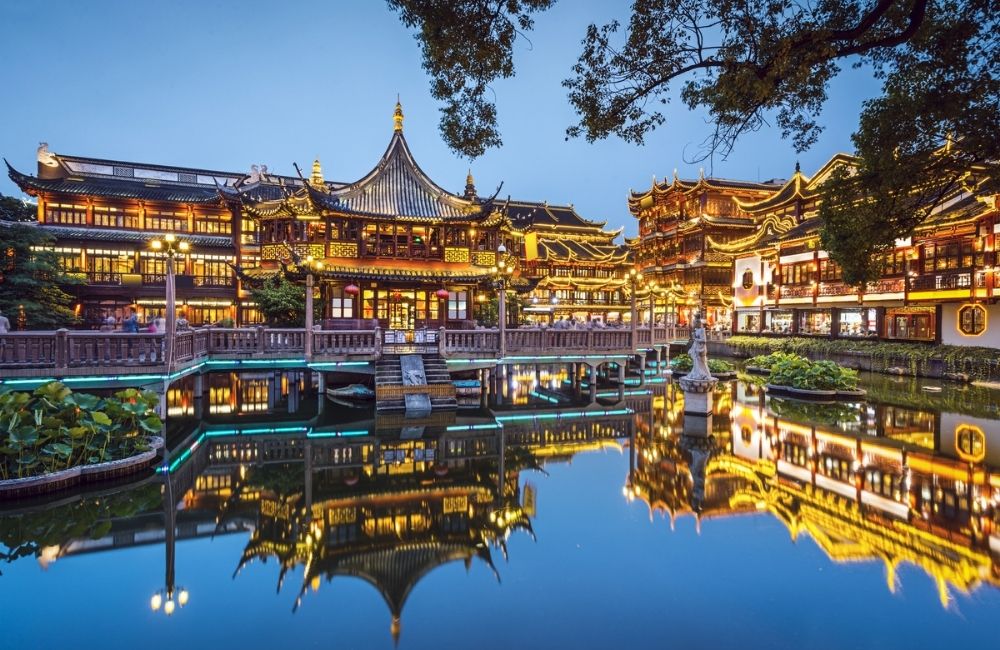
Hidden within Shanghai's Old City, Yu Garden is one of the finest examples of a classic Chinese garden from the Ming Dynasty. Filled with winding corridors, carved stone walls, lotus ponds, and miniature bridges, this space boasts over four centuries of history. Every turn reveals a different composition; the garden artists have managed to make a limited space appear infinite. The famous Dragon Wall and carefully placed rocks are imbued with traditional symbolism. The bazaar surrounding the garden offers a lively atmosphere with traditional handicrafts and snacks. Arriving early is best to capture the garden's tranquility before the crowds arrive. It's like a quiet gateway to the past in the heart of modern Shanghai.
Chengdu Giant Panda Breeding and Research Base
Located just outside Chengdu, the capital of Sichuan province, this base is a special area established for the conservation and breeding of endangered giant pandas. In their vast habitat resembling bamboo forests, it's possible to observe the pandas behaving naturally. The mornings are particularly active and the animals are at their peak during feeding periods. The nursery where newborn cubs are cared for is a major attraction for visitors. The base also houses red pandas, and these adorable creatures can be seen roaming in the tree branches. Educational centers explain the scientific work being done to protect the species. It offers a truly unforgettable experience in Chengdu for nature and animal lovers.
Zhangjiajie National Forest Park
Zhangjiajie in Hunan province is a unique natural wonder, with thousands of sandstone pillars rising towards the sky. The sight of mist swirling between the pillars is famous for inspiring the floating mountains in the movie Avatar. The park can be explored by cable cars, glass-floored platforms, and elevators carved into the mountain slopes. Hiking trails wind along the slopes, leading to different valleys and cliffs at every turn. The ever-changing vegetation adds new colors to the landscape. China's first national forest park, it is also part of the UNESCO global geopark network. These landscapes are well worth seeing for nature photographers and adventure enthusiasts.
Ocean park
Ocean Park, located on the south coast of Hong Kong Island, is a massive complex combining a marine life-themed aquarium with an amusement park. A cable car stretching between the hilltop and coastal sections makes the ride itself an experience. In the giant aquarium, sharks, stingrays, and colorful fish can be observed up close. For thrill-seekers, roller coasters and adrenaline-pumping rides are balanced with more tranquil areas for families. The park is also home to pandas and other exotic animals. Its approach, combining nature education and entertainment, makes it particularly appealing to families with children. It's a comprehensive destination for those looking to spend a full day exploring.
Jiuzhaigou Nature Reserve
Jiuzhaigou, located in the mountainous north of Sichuan, is a fairytale valley with turquoise lakes, cascading waterfalls, and vibrant forests. Thanks to the mineral composition of the water, the lakes take on mesmerizing colors ranging from blue and green to turquoise. Wooden walkways stretching throughout the valley allow visitors to explore without harming the natural environment. The scenery reaches its peak in autumn as the trees turn red and yellow. Villages bearing traces of Tibetan culture add a unique depth to the area. A UNESCO World Heritage site, the valley is one of China's most awe-inspiring natural areas. This beauty, too good to capture in photographs, deserves to be seen in person.
West Lake (Xi Hu)
West Lake, located near Hangzhou, is a legendary landscape that has inspired Chinese poets and painters for centuries. The willows, arched bridges, and pagodas lining the lake seem to have sprung from a traditional Chinese painting. A boat trip on the lake is the most enjoyable way to see the islets and the historic buildings lining the shore. The full moon reflected on the water creates a famous spectacle known as the "moon reflected in three pools." Lotus fields and plum blossoms, changing with the seasons, make the lake unique with each visit. This UNESCO World Heritage site is ideal for both walking and cycling. A visit to Hangzhou without exploring the shores of West Lake is a great omission.
Tianmen Mountain National Forest Park
Tianmen Mountain, near Zhangjiajie, is a breathtaking natural wonder with its dramatic peak rising above the clouds. The cable car extending to the summit is known as one of the longest cable lines in the world. Glass-floored walkways carved into the cliff edge offer an unforgettable feeling to those who dare to look into the depths. In the very center of the mountain is a gigantic, naturally formed rock formation. Kemer The Gate of Paradise, located at the top of the mountain, is the most striking landmark of the area. The 999-step staircase leading up to this gate offers both a physical and spiritual climb. The winding path leading to the mountain, with its ninety-nine sharp turns, is an experience in itself. It is a unique stop for those seeking both adventure and scenery.
Huangshan Mountain (Yellow Mountain)
Huangshan Mountain in Anhui Province is one of China's most famous mountains, with its jagged granite peaks, twisting pines, and seas of clouds. For centuries, it has been one of the most depicted landscapes in painting and poetry, deeply inspiring traditional art. At dawn, the peaks appear to float above the clouds, offering the most magical view of the mountain. Stone-carved paths and cable cars offer hiking opportunities of varying difficulty levels. The ancient pines clinging to the rocks are iconic elements symbolizing nature's resilience. Hot springs are ideal for resting after long hikes. This UNESCO World Heritage site is a top choice for nature lovers.
Beihai Park
Beihai Park, located in the heart of Beijing, right next to the Forbidden City, is one of the oldest and most elegant gardens from the imperial era. The white dagoba (a type of garden) rising on Jade Island in the middle of the expansive lake has become the park's symbol. Boat trips along the lake shore are a delightful activity enjoyed by locals. Bridges, pavilions, and centuries-old trees create a peaceful atmosphere throughout the stroll. With over a thousand years of history, the park embodies the finer points of imperial garden art. The vegetation, changing with the seasons, makes each visit unique. It's an ideal green space to escape the hustle and bustle of the capital and take a breather.
Shamian Island
Shamian Island, located on the banks of Guangzhou's Pearl River, is a tranquil and elegant area where colonial-era architecture has been preserved. Europe With its vintage buildings, tree-lined boulevards, and tranquil streets, the island has a completely different atmosphere from the rest of the city. Once a British and French concession area, it is now a peaceful walking route. Restored facades offer rich photo opportunities for photographers. It is a pleasure to observe local life in the shade of the benches along the riverbank. Small churches and statues offer clues to the island's past. It is a corner waiting to be discovered for those seeking a blend of history and tranquility in Guangzhou.
Nan Lian Garden
In Kowloon, next to Chi Lin Monastery, Nan Lian Garden is a classic Chinese garden meticulously designed in the Tang Dynasty style. Every tree, rock, and water feature is placed with a specific harmony in mind. Its golden pavilion and elegant bridges create a serene contrast against the shadow of modern skyscrapers. Paths winding through the garden lead visitors step by step to different compositions. Free entry makes it an accessible haven of peace within the city. The waterfall and bonsai collection reflect the subtleties of traditional aesthetics. It is an ideal place to escape the hustle and bustle of Hong Kong and spend a few quiet hours.
Jingshan Park
Jingshan Park, located just north of the Forbidden City, boasts one of the capital's most beautiful viewpoints. From the pavilion atop the artificially elevated hill, you can enjoy a bird's-eye view of the Forbidden City's golden roofs. This spot is one of Beijing's most popular locations for photography, especially at sunset. The park was designed during the imperial era as a protective ridge for the palace. The paths leading up the hill are lined with centuries-old trees and resting areas. Locals gather here for morning exercises and music. It's an ideal continuation to complete a visit to the Forbidden City.
Lantau Island
Lantau, Hong Kong's largest island, offers a completely different face from the bustling city life, with its green hills and tranquil coastline. The island is home to significant landmarks such as the Big Buddha, Po Lin Monastery, and Ngong Ping village. Hiking trails take nature lovers to wooded hills and viewpoints. Tai O fishing villageIt preserves traces of traditional life with its houses built on wooden stilts. Its secluded beaches are ideal for those who want to escape the crowds. The cable car is both a practical and enjoyable way to reach the island. It is an ideal island to explore the natural and spiritual side of Hong Kong.
Dragon's Back
Dragon's Back, located on the southeast of Hong Kong Island, is one of the city's most beloved nature trails. The path winds along the ridge, offering views of the blue sea on one side and green valleys on the other. The approximately ten-kilometer route promises a pleasant day out for nature lovers with its moderate difficulty. The Big Wave Bay beach, reached at the end of the hike, is an ideal spot to cool off. Visitors are surprised to find such a piece of nature so close to the city's skyscrapers. On clear days, the visibility extending to distant islands is impressive. With comfortable shoes and sufficient water, it offers an unforgettable experience.
Mount Huashan
Huashan in Shaanxi province is one of China's most rugged sacred mountains, with its steep granite peaks and challenging trails. Its five summits have long been an important pilgrimage site in Taoist tradition. The famous trail, consisting of wooden steps carved into the cliff edge, is considered one of the world's most thrilling hiking trails. A cable car offers a safer and faster ascent option. Ancient temples and viewpoints at the summits are the reward for the climb. When the clouds envelop the peaks, the view takes on a mystical aura. It is an unforgettable mountain for those seeking a combination of adventure and spirituality.
Qingcheng Mountain
Qingcheng Mountain near Chengdu is considered one of the most sacred centers where Taoism originated. Covered in lush forests, the mountain offers profound tranquility with its serene temples and tranquil trails. It deserves the nickname "the quietest mountain" for its dense vegetation and calm atmosphere. Ancient Taoist temples on its slopes bear the traces of centuries-old traditions. Hiking and cable car options suit visitors of different preferences. It is a UNESCO World Heritage site, along with the neighboring Dujiangyan irrigation system. It is an ideal stop for those who want to experience nature and spirituality together.
Gulangyu Island
Gulangyu, off the coast of Xiamen, is a peaceful island with quiet streets free of motor vehicles. Colorful colonial-era villas line the island, nestled within gardens. It's also known as the "Piano Island," having been home to many musicians throughout history. The seaside paths offer short, pleasant walks. The views stretching across Xiamen city and the sea from the island's summit are breathtaking. The absence of traffic makes strolling exceptionally serene. A UNESCO World Heritage site, the island is ideal for a leisurely day on the coast.
Tsim Sha Tsui
Tsim Sha Tsui, located at the southern tip of the Kowloon Peninsula, is one of Hong Kong's most vibrant and scenic areas. Its promenade along the coast offers the best views of Victoria Harbour and the island skyline. Museums, shopping areas, and cultural venues are concentrated in this district. The evening light show is best viewed from here. The Avenue of Stars honors famous names in Hong Kong cinema. Its bustling yet energetic atmosphere reflects the city's pulse. It's a versatile district that can be placed at the heart of any Hong Kong trip.
Hongya Cave
Rising on the riverbank of Chongqing, Hongya Cave offers a captivating sight with its traditional diaojiaolou-style wooden structures perched on the hillside. This multi-story complex, illuminated at night, looks like something out of an animated film. Traditional architecture and modern city life are strikingly intertwined here. Wandering between the floors offers opportunities to explore handicrafts and local culture. From the terraces, one can admire the Jialing River and the surrounding skyscrapers. Evening hours, in particular, offer the most impressive views of the area. It is an iconic spot symbolizing Chongqing's mountainous and layered urban structure.
Hong Kong Park
Hong Kong Park, located in the heart of Hong Kong Island, offers a verdant oasis in the middle of a city surrounded by skyscrapers. Its giant birdcage provides a magnificent observation point where tropical birds fly freely. Waterfalls, ponds, and gardens create an ideal setting to escape the hustle and bustle of city life. The old colonial building within the park has been transformed into a tea museum. Walking paths offer a tranquil atmosphere for short breaks. The contrast between the surrounding office towers and the green space is striking. It's a practical and enjoyable stop for those seeking a breath of fresh air in the city center.
Chimelong Paradise
Chimelong Paradise in Guangzhou is one of China's largest and most exciting amusement parks. World-class roller coasters and adrenaline-pumping rides attract adventure seekers. The park successfully balances thrilling sections with more tranquil areas geared towards families. Its spacious and modern layout ensures a smooth ride even on crowded days. It's part of a large entertainment complex that includes a nearby safari park and circus area. Colorful themed zones appeal to visitors of all ages. It's ideal for those looking for a fun-filled day out in Guangzhou.
Tsim Sha Tsui Beach Promenade
The Tsim Sha Tsui Promenade, stretching along the Kowloon coastline, is a favorite stroll for enjoying Hong Kong's unique harbor views. As you walk along, the skyscraper jungle on the opposite bank unfolds in all its glory. The nightly light show is best viewed from here. The Avenue of Stars features handprints of famous names from Hong Kong cinema. Outdoor sculptures and resting areas make for a pleasant stroll. Sunset offers the perfect moment for photography. It's an ideal spot for those who want to enjoy the Hong Kong skyline comfortably and for free.
Luhuitou Park
Luhuitou Park in Sanya is situated on a hilltop and offers panoramic views of the Hainan coast. The legend of the deer from which the park takes its name is embodied in the large deer statue at the top of the hill. The slopes, covered with tropical vegetation, are ideal for nature walks. From the top, the city of Sanya and the bay are visible in their entirety. It is popular among couples due to its romantic atmosphere. In the late afternoon, it is an ideal spot to watch the sunset. It is a delightful experience for those who want to combine a seaside holiday in Sanya with a scenic excursion.
Yalong Bay Tropical Paradise Forest Park
This forest park in Sanya is a lush tropical area spread across the hills overlooking Yalong Bay. Suspension bridges and glass-floored platforms offer visitors breathtaking views of the bay. As you walk along the trails, you'll encounter tropical vegetation and giant rocks. From the hills, you can see the turquoise waters of Yalong Bay from a bird's-eye view. The park is ideal for hiking and landscape photography. Due to the warm climate, visiting early in the morning is more comfortable. It's a delightful option for those who want to combine a seaside holiday with nature exploration.
Chimelong Ocean Kingdom
Chimelong Ocean Kingdom in Zhuhai is one of the world's largest marine life themed amusement parks. Its giant aquariums offer the opportunity to get a close look at rare marine creatures. Tanks filled with sharks, stingrays, and colorful fish captivate visitors. The park combines entertainment with education through water shows and exciting mechanisms. Its vast area and diverse activities make for a full-day visit. The evening light and water shows spectacularly cap off the day. It's an unforgettable stop for families and marine life enthusiasts.
Olympic Park (Beijing)
Olympic Park, located north of Beijing, houses iconic structures built for the 2008 Summer Olympics. The Bird's Nest Stadium, famous for its steel mesh, and the Water Cube, with its distinctive bubble facade, are landmarks. Extensive green spaces and walking paths serve as daily recreational areas for locals. The structures, illuminated in the evenings, reflect the architectural prowess of modern Beijing. The park is a significant stop for those interested in sports history. Exploring the vast area by bike or on foot is a pleasant way to discover the area. It's ideal for those who want to see symbolic structures of contemporary Chinese architecture all in one place.
Mount Emei
Mount Emei in Sichuan Province holds great spiritual significance as one of China's four sacred Buddhist mountains. Its summit, exceeding three thousand meters, is home to the Golden Peak, which rises above the clouds and is the most magnificent point in the area. Ancient temples and trails on the slopes bear the marks of pilgrimage. Wild monkeys inhabiting the mountain can be encountered by visitors along the way. Moments when a sea of fog envelops the summit create a mystical atmosphere. A UNESCO World Heritage site, the mountain offers a blend of nature and spirituality. It is an important destination, along with the nearby Leshan Giant Buddha.
Huangpu River
The Huangpu River, which divides Shanghai in two, blends the city's history and modernity in the same current. River tours offer the opportunity to see the classic Bund buildings on one side and the futuristic skyscrapers of Pudong on the other. Especially in the evening, the lights of both banks reflect on the water, creating a captivating sight. River traffic, from cargo ships to tourist boats, reflects the city's vibrant economy. The promenades stretching along the shore provide a pleasant setting for strolling. A boat trip is the best way to see Shanghai's skyline, ideal for those who want to feel the city's pulse from the water.
Lamma Island
Lamma Island, part of Hong Kong, is an ideal escape from the city with its tranquil and natural environment free of motor vehicles. After arriving by ferry, you can explore the walking trails that wind between the villages. Paths along the hills and coast offer pleasant walks with sea views. Small fishing villages preserve traces of traditional life. The beaches are perfect for cooling off and relaxing. The absence of traffic gives the island an exceptionally serene atmosphere. It is ideal for those who want to experience the natural and slow-paced side of Hong Kong.
Tiger Jump Pass
Tiger Leap Gorge in northern Yunnan is known as one of the deepest river canyons in the world. The Jinsha River rushes exuberantly through this gorge, winding through snow-capped mountains, showcasing the power of nature in all its glory. It takes its name from a legend about a tiger leaping across the river in a single leap. The hiking trail that winds through the canyon is very popular among adventurous hikers. Views from the high points offer a breathtaking view of the river's frothy flow. The surrounding villages provide an opportunity to experience local culture. It is one of the most impressive routes in China for nature lovers.
Mount Tai
Mount Tai in Shandong Province is the most revered of China's five sacred mountains. Throughout history, emperors have climbed the mountain to offer sacrifices to heaven, giving it deep cultural significance. The thousands of stone steps leading to the summit symbolize both a physical and spiritual climb. Along the way, ancient temples, inscriptions, and gates greet visitors. The sunrise viewed from the summit has inspired poets and artists for centuries. A cable car makes the ascent easier. A UNESCO World Heritage site, the mountain is one of the symbolic centers of Chinese civilization.
Dujiangyan Panda Base
The Dujiangyan Panda Base near Chengdu is a special area where giant pandas are protected in conditions close to their natural habitat. Being quieter and less crowded than the main Chengdu base, it makes it easier to observe the animals comfortably. In their habitat, reminiscent of bamboo forests, the pandas go about their daily routines. The base is a rehabilitation center that pays special attention to the care of sick and elderly pandas. Volunteer programs offer visitors the opportunity to get closer to the pandas. The natural and tranquil environment provides an animal-friendly experience. It is an ideal option for those who want to see pandas in a peaceful atmosphere.
Lianhuashan Park (Shenzhen)
Lianhuashan Park in the heart of Shenzhen is an ideal green space for observing the city's development from above. From the hilltop, Shenzhen's modern skyscrapers and wide boulevards offer panoramic views. The expansive grassy areas are popular with locals for kite flying and picnics. Seasonal flower fields add a colorful touch to the park. Walking paths provide a relaxing nature break within the city. The monument on the hilltop is an important symbol of the city's history. It's a delightful spot for those who want to watch Shenzhen's rapid transformation from a scenic location.
Universal Beijing Resort
Universal Beijing Resort, located east of Beijing, is one of China's newest and largest theme parks. Inspired by world-famous film and entertainment brands, its themed zones transport visitors into the world of cinema. High-tech rides and immersive simulations offer thrills for visitors of all ages. The park's spacious and modern layout provides a full day of entertainment. Themed shows and parades keep the atmosphere vibrant, and evening shows bring the day to a spectacular conclusion. It's Beijing's newest attraction for amusement park enthusiasts.
Tongli Water Town
Tongli in Jiangsu province is an elegant example of a classic Chinese water town with its canals and stone bridges. With a history spanning over a thousand years, the town captivates visitors with its tranquil atmosphere and well-preserved architecture. Bridges over the canals connect the waterways winding between traditional houses. Short boat trips offer the opportunity to explore the town from the water. Its classical gardens reflect the finesse of Chinese garden art. Its proximity to Suzhou makes it ideal for day trips. It's a perfect stop for those seeking to experience the peaceful rhythm of the past.
Kowloon Park
Kowloon Park in Hong Kong's Tsim Sha Tsui district offers a spacious green space amidst the dense urban fabric. With its ponds, bird garden, and other gardens, the park is ideal for walking and relaxing. A striking contrast exists between the park's greenery and the surrounding skyscrapers. Its open-air sculpture garden blends art and nature. Locals gather here for morning exercise and tranquility. Children's playgrounds and swimming pools make it convenient for families. It's a practical stop for a short break between shopping and sightseeing.
Shanghai Happy Valley
Happy Valley, located in Shanghai's Songjiang district, is a large amusement park with various themed areas. Roller coasters and adrenaline-pumping rides offer thrilling moments for adventure seekers. The park balances exciting sections with more tranquil areas suitable for families. Its spacious and colorful layout makes it easy to have a full day of fun. Seasonal events and shows keep the visit constantly lively. It's conveniently located from the city center and is an attractive option for families looking for a fun day out in Shanghai.
Tianzi Mountain
Tianzi Mountain in Zhangjiajie offers one of the most spectacular views of sandstone pillars rising towards the sky. The moments when clouds drift between the pillars give the mountain a dreamlike atmosphere. The cable car makes reaching the summit easy, offering impressive views along the way. High viewpoints provide a bird's-eye view of the rock forest in the valley. The vegetation, changing with the seasons, constantly adds new colors to the landscape. Hiking trails provide different routes for nature lovers. It is an ideal spot to experience the fascinating geology of Zhangjiajie.
Yulong River
The Yulong River in Guangxi province is one of China's most picturesque riversides, with its calm waters and landscape surrounded by karst hills. Gliding along the river on bamboo rafts offers a chance to closely observe the peaceful scenery of the surrounding green hills. It is one of the best examples of the rural beauty of Yangshuo region. The villages and rice fields along the riverbank reflect traditional rural life. A bike ride along the river is a delightful way to explore nature. The moments when the morning mist envelops the hills add a poetic atmosphere to the scenery. It is an ideal stop for those who want to relax in nature.
Zhangjiajie Grand Canyon
The Grand Canyon in Zhangjiajie offers breathtaking scenery with its deep valleys and lush greenery. The most famous feature of the area is one of the world's highest and longest glass-bottomed bridges, connecting the two sides of the canyon. Crossing this bridge provides an unforgettable thrill for those who dare to gaze into the depths. Trails winding along the canyon offer a tranquil walk amidst waterfalls and crystal-clear waters. Boat trips on the lake at the bottom of the canyon are also possible, offering the opportunity to experience the magnificence of nature from different perspectives. It's an attractive destination for those seeking both adventure and stunning views.
Yulong Snow Mountain (Jade Dragon)
Yulong Snow Mountain in Yunnan provides a magnificent backdrop to the Lijiang Plain with its snow-capped peaks. Resembling a dragon, the mountain range is an impressive massif, its highest point exceeding five thousand meters. A cable car takes visitors close to the glacier, offering breathtaking high-altitude views. The Blue Moon Valley at the foot of the mountain creates a fairytale scene with its turquoise lakes. Due to the high altitude, caution is advised before the ascent. Naxi culture and legends add deep meaning to the mountain. It is an unforgettable stop for those who want to experience the splendor of nature up close.
Shanghai Ocean Aquarium
The Shanghai Ocean Aquarium in Pudong is a comprehensive marine life center boasting one of the world's longest underwater tunnels. Sharks, stingrays, and schools of colorful fish swim overhead as you pass through the glass tunnel. The aquarium displays aquatic life from different parts of the world in thematic sections. It offers a fun and educational experience for families with children. Its proximity to the Oriental Pearl Tower makes planning a trip easy. Interactive exhibits provide an opportunity to get a close look at marine life. It's a delightful stop for those who want to add some excitement to their Pudong trip.
Yangtze River
The Yangtze, Asia's longest river, is a magnificent waterway that has shaped China's geography and history. River cruise tours starting from Chongqing offer the opportunity to admire the famous Three Gorges scenery. Flowing through steep cliffs, the river strikingly showcases the power and beauty of nature. Villages and historical sites along the river add cultural depth to the journey. The Three Gorges Dam, one of the world's largest hydroelectric projects, can be seen along the way. Multi-day river cruises offer the chance to explore China from a different perspective, unique for those who want to experience nature and engineering together.
Zhongyang Pedestrian Street (Harbin)
Zhongyang Street in the heart of Harbin is the city's most elegant pedestrian area, boasting European-inspired architecture. The long, cobblestone street is lined with buildings in neoclassical, baroque, and Russian styles, reflecting Harbin's rich multicultural past. In winter, when covered in snow, the street transforms into a fairytale setting. Local ice cream and traditional delicacies make strolling a delight. The riverbank at the end of the street is ideal for an outdoor walk. It's a central stop for those wishing to experience Harbin's unique cultural fabric.
Tiger Hill
Tiger Hill in Suzhou, with its two-thousand-five-hundred-year history, is one of the city's most important historical sites. The leaning pagoda at the summit, with its slightly tilted stance, is known as "China's Leaning Tower." The area offers a rich history with ancient tombs, gardens, and rock formations. Walking paths lead visitors to places filled with mysterious legends. The landscaping reflects Suzhou's tradition of garden art. The view stretching across the city of Suzhou from the hill is breathtaking. It is ideal for those who want to experience Suzhou's history and nature together.
Tianya Haijiao
Tianya Haijiao in Sanya takes its name from the poetic phrase meaning "edge of the sky, corner of the sea." Giant rocks scattered along the coast, with ancient inscriptions carved into them, create a romantic atmosphere. Once considered a symbol of distance and separation, this spot is now popular among couples. The clear sea and tropical vegetation add a peaceful beauty to the beach. Walking along the shore and taking photos among the rocks is delightful. Many legends of Hainan culture are associated with this area, enriching a Sanya seaside holiday with a meaningful touch.
Yunnan Stone Forest
The Stone Forest in Yunnan is an extraordinary geological wonder, with giant limestone pillars shaped over millions of years. The sharp rock towers rising towards the sky create the appearance of a forest of stone. Paths wind through these pillars, offering visitors a labyrinthine exploration. Legends of the Sani minority add cultural depth to the area. Wandering among the pillars means encountering a new rock formation at every turn. A UNESCO World Heritage site, it is one of China's most unusual natural landscapes and a unique destination for those interested in geology and nature.
Li River
The Li River in Guangxi province, with its scenery flowing through misty karst hills, is one of China's most famous natural wonders. A boat trip from Guilin to Yangshuo offers views reminiscent of traditional Chinese paintings. Green hills, bamboo groves, and riverside villages create a captivating passage along the river. This scenery is even featured on one of the Chinese currencies. The moments when morning mist envelops the hills offer the most precious shots for photographers. Short tours on bamboo rafts provide an opportunity to experience the river up close. It's an unforgettable stop for those who want to witness the poetic beauty of nature.
Crescent Moon Lake and Mingsha Sand Dunes
Crescent Moon Lake near Dunhuang is a crescent-shaped oasis miraculously situated amidst desert sand dunes. The surrounding Mingsha dunes are known as the "singing sands" due to the sounds they make as they sway in the wind. Sunsets viewed from the dune tops offer one of the most impressive moments of the desert landscape. Camel rides recreate the experience of Silk Road travelers. A traditional pavilion on the lake shore adds an elegant touch to the scenery. This extraordinary combination of desert and oasis creates unique photographic opportunities. It is a captivating stop for those wishing to experience the desert landscapes of China.
Detian Falls
Detian Falls in Guangxi, China. Vietnam Located on the border, it is Asia's largest transboundary waterfall. The water cascades down in several stages, creating a magnificent spectacle amidst lush karst hills. It is possible to approach the base of the waterfall using bamboo rafts. The surrounding tropical vegetation adds a paradisiacal beauty to the area. The waterfall reaches its most spectacular form during periods of abundant rainfall. The border stone and local market add a cultural dimension to the visit. It is an impressive stop for those who want to experience the splendor of nature along with the border landscape.
huang long
Huanglong in Sichuan is a unique valley where nature has sculpted a work of art with its cascading travertine pools. Mineral-rich waters create terraced pools that shimmer in shades of turquoise and gold. This colorful landscape at the foot of snow-capped mountains offers a fairytale-like view. A walking path leads visitors along the pools to the valley's summit. Due to the high altitude, slow walking is recommended. Its proximity to Jiuzhaigou allows for the opportunity to visit both natural wonders at once. This UNESCO World Heritage site is an exceptional stop for nature lovers.
Zhangye Danxia Colorful Mountains
Zhangye Danxia in Gansu is a unique geopark where nature has sculpted an extraordinary painting with its layered, colorful rock formations. The hills, in shades of red, yellow, orange, and green, are formed from mineral layers that have developed over millions of years. The colors reach their most vibrant state at sunrise and sunset. Observation terraces offer the opportunity to view this colorful landscape from different angles. It is one of China's most captivating natural spots for photographers. This UNESCO World Heritage site is a geological marvel and an unforgettable stop for those who want to witness the vibrant colors of nature.
Wuyi Mountains
The Wuyi Mountains in Fujian, with their winding rivers and reddish cliffs, offer a wealth of natural and cultural riches. A bamboo raft ride on the Nine Bends River offers breathtaking scenery. The region is also known for its tea plantations where the famous oolong tea is grown. Ancient rock inscriptions and temples add a historical dimension to the area. Hiking trails take visitors to peaks and hidden valleys. This UNESCO World Heritage site combines nature and culture, making it an ideal destination for those seeking peaceful landscapes and an experience of tea culture.
Kanas Lake
Kanas Lake in northern Xinjiang is one of China's most remote and captivating corners, with its changing colors and pristine nature. Surrounded by snow-capped mountains and forests, the lake takes on shades ranging from turquoise to emerald green depending on the season. The surrounding Tuva villages add a unique cultural character to the region. In autumn, the forests turn golden, creating a unique landscape. The lake is associated with a mysterious creature in local legends. The panorama viewed from the observation deck offers a breathtaking view of nature's pure beauty. It is a remote but unforgettable stop for those wishing to explore the wilderness.
Lake Erhai
Erhai Lake in Yunnan is a large, ear-shaped alpine lake stretching alongside the city of Dali. The surrounding Cangshan Mountains provide a magnificent backdrop to the lake. Bike paths along the shore offer a pleasant way to explore the lake. The villages of the Bai minority and their traditional architecture add cultural richness to the region. The colors reflected on the water at sunset create a romantic atmosphere. Boat tours offer the opportunity to see the small islands in the middle of the lake. It is a peaceful stop for those who want to experience nature and local culture together.
Shangri-La
Shangri-La, located in northern Yunnan province at the foot of the Tibetan Plateau, is a captivating city named after a famous novel. Vast grasslands, snow-capped mountains, and Tibetan monasteries add a serene beauty to the region. Songzanlin Monastery, known as the "little Potala," is a magnificent Buddhist center. The old town offers an authentic atmosphere with its traditional wooden houses and spinning prayer wheels. The high altitude requires caution for visitors. The surrounding valleys and lakes are ideal for hiking. It's a unique stop for those wishing to experience Tibetan culture and the breathtaking mountain scenery.
Slender West Lake (Yangzhou)
Slender West Lake in Yangzhou is a prime example of classic Chinese landscaping, with its elongated, slender form and elegant gardens. Willow trees, pavilions, and bridges lining the lake create a poetic landscape. The Five Pavilion Bridge is the most recognizable landmark of the area. In spring, blossoming trees add a colorful beauty to the lake. Boat tours offer a peaceful cruise on the lake. Traditional garden design skillfully blends water, plants, and structures. It is an elegant stop for those wishing to experience classic Chinese garden art.
Suzhou Classical Gardens
Suzhou's classical gardens represent the pinnacle of Chinese garden art, skillfully blending water, rocks, and plants. Historic gardens, such as the Humble Administrator's Garden, enchant with their meticulous designs, offering a new landscape at every turn. Pavilions, bridges, and ponds poetically recreate nature in a small space. Designed centuries ago by scholars and officials, the gardens reflect an aesthetic of serenity. A UNESCO World Heritage site, these gardens offer varying beauty with each season, making Suzhou the "Venice of the East." They are an unmissable stop for those wishing to experience the Chinese garden tradition.
Hangzhou Songcheng
Songcheng in Hangzhou is a themed cultural park that recreates the Song Dynasty era. Ancient streets, performers in traditional costumes, and reenactments transport visitors back centuries. The park's magnificent stage show is an impressive production that tells Chinese history through music and dance. Traditional games, handicrafts, and street performances keep the area alive. It offers a fun and educational experience for families. Song Dynasty architecture makes the park's atmosphere unique. It's a delightful stop for those who want to experience Chinese history in an entertaining way.
Du Fu Pavilion
Du Fu Pavilion in Chengdu is a tranquil garden space commemorating the life of one of China's greatest poets. Bamboo groves, ponds, and traditional structures create a poetic atmosphere. A recreation of the poet's simple hut gives visitors insight into his life. The gardens are meticulously arranged as a tribute to Chinese literature. Exhibitions showcase Du Fu's works and his era. Its serene setting, far from the hustle and bustle of the city, is ideal for relaxation. It is a meaningful stop for those interested in Chinese literature and culture.
Mount Lu
Mount Lu in Jiangxi, with its peaks rising from mist-shrouded clouds and its waterfalls, has inspired poets for centuries. Its cool climate has also made it a popular summer retreat in the past. European-style villas reflect the mountain's multicultural past. The sea of clouds and dramatic landscapes add to the enchanting atmosphere. Waterfalls and valleys offer rich routes for hiking. A UNESCO World Heritage site, the mountain embodies both nature and culture. It is an inspiring stop for those wishing to experience China's poetic mountain landscapes.
Lake Lugu
Lake Lugu, located on the border of Yunnan and Sichuan provinces, is a peaceful highland lake with clear waters and pristine nature. The Mosuo people living around it add a unique cultural character to the region with their distinctive traditions. Lake tours in traditional canoe-like boats offer a serene experience. Snow-capped mountains provide a magnificent backdrop to the lake. The villages along the shore reflect authentic highland life. The colors reflected in the water at sunset create captivating scenes. It is a tranquil stop for those seeking a blend of nature and local culture.
Blue Moon Valley
Blue Moon Valley, nestled at the foot of Yulong Snow Mountain, is a fairytale natural area with turquoise lakes and snow-capped peak views. The mineral-rich waters take on vibrant blue hues in the sunlight. The interconnected lakes are fed by glacial meltwater flowing down the mountain. The surrounding pine forests and snow-capped mountain add to the area's captivating beauty. Hiking trails offer a tranquil stroll along the lakes. It's one of Yunnan's most stunning natural spots for photographers and a captivating stop for those wishing to complete their Yulong Mountain trip.
Sun Island (Harbin)
Sun Island in Harbin is a vast park and recreation area stretching across the Songhua River. In summer, its green parks and ponds offer a peaceful stroll. In winter, it hosts the world-famous snow sculpture festival, transforming the area into an open-air art gallery with giant snow sculptures. The squirrel park and gardens provide a delightful experience for families. The river view adds a refreshing atmosphere. It's a pleasant stop for those who want to experience Harbin with a different face in every season.
Houhai Lakes
Houhai, in the heart of Beijing, is a district offering lakes surrounded by historic hutongs and a vibrant waterfront atmosphere. Lakeside cafes and bars create a lively atmosphere in the evenings, while rickshaw tours and lake views offer a peaceful stroll during the day. The surrounding narrow streets bear traces of old Beijing life. In winter, the frozen lake comes alive with ice skaters. Historic mansions and traditional architecture add cultural depth to the area. It's a delightful stop for those who want to experience both the historical and modern faces of Beijing.
Lingering Garden (Suzhou)
The Lingering Garden in Suzhou has gained renown as one of the finest examples of classic Chinese garden art. Pavilions, ponds, and ornamental rocks create a masterfully arranged landscape. Views framed by windows and doorways offer a new perspective at every turn. The giant ornamental rock in the garden is one of the most famous elements of the area. Designed centuries ago, the garden reflects an aesthetic of tranquility. It is among the UNESCO World Heritage sites and is an elegant stop for those wishing to experience Chinese garden tradition.
Nanshan Buddhist Cultural Park
Nanshan Buddhist Cultural Park in Sanya is a comprehensive spiritual area famous for its giant Guanyin statue overlooking the sea. Standing 18 meters tall, the statue is one of the largest depictions of Guanyin in the world. Rising on a platform above the sea, the statue offers a magnificent view. The park creates a peaceful atmosphere with temples, gardens, and ponds. Tropical vegetation adds a paradise-like beauty to the area. Combining spiritual and natural beauty, the park offers a comprehensive excursion. It is an impressive stop for those wishing to experience spirituality and nature together in Sanya.
Mount Wutong
Mount Wutong in Shenzhen, the city's highest point, is a popular destination for hikers. The trails leading to the summit offer lush forests and panoramic views. On clear days, the view from the summit stretches all the way to Hong Kong. Its tranquil atmosphere, far from the hustle and bustle of the city, is ideal for relaxation. Trails of varying difficulty levels cater to hikers of all levels. The vegetation, changing with the seasons, enriches the nature exploration. It's a refreshing stop for those who want to spend time surrounded by nature in Shenzhen.
Songhua River (Harbin)
The Songhua River, flowing through Harbin, is a vital waterway shaping the city's life and landscape. In summer, the parks along the banks and boat tours offer a refreshing stroll. In winter, the frozen river comes alive with ice skating and snow activities. The riverbank blends seamlessly with Harbin's European-inspired architecture. Stalin Park provides a peaceful stroll along the riverside. Sun Island is accessible via the river, making it a delightful stop for those wishing to experience Harbin's ever-changing atmosphere throughout the year.
Dujiangyan Irrigation System
Dujiangyan in Sichuan is an extraordinary ancient irrigation engineering marvel that has been functioning for over two millennia. Managing the river's flow without using dams, the system distributes the waters of the Min River across the plain. Reflecting the engineering genius of its time, the structure still functions today. The surrounding bridges, temples, and river views add to the rich atmosphere of the area. A UNESCO World Heritage site, the system is fundamental to the fertility of the Chengdu plain. Walking paths allow visitors to view this engineering marvel from different angles. It is an attractive stop for those interested in history and engineering.
Cheung Chau Island
Cheung Chau, off the coast of Hong Kong, is a peaceful island getaway with its fishing village atmosphere and tranquil beaches. Its narrow streets, seafood stalls, and traditional temples offer an authentic feel. The absence of motorized vehicles on the island creates a calm and pedestrian-friendly environment. The annual traditional donut festival brings colorful celebrations to the island. Cycling around the island is a delightful way to explore. The beaches and walking paths are ideal for relaxing. It's a pleasant stop for those who want to experience the tranquil side of Hong Kong.
Renmin Park (Chengdu)
Renmin Park, located in the heart of Chengdu, is the social heart of the city, with its traditional tea houses and vibrant atmosphere of local life. The open-air tea gardens within the park best reflect Chengdu's relaxed lifestyle. Ponds, gardens, and bridges offer a peaceful stroll. It's a lively gathering place where locals practice tai chi, dance, and chat. Traditional ear-cleaning masters are a distinctive feature of the park. Weekend events add to the atmosphere. It's a delightful stop for those who want to experience Chengdu's daily life.
Longji Rice Terraces
The Longji Rice Terraces in Guangxi are an extraordinary example of human labor meeting nature, with their stepped fields covering the mountain slopes. Known as the "Dragon's Backbone," the terraces have been hand-shaped over centuries, presenting a constantly changing tableau that takes on waterlogged, lush green, or golden hues depending on the season. Minority villages on the slopes add a unique cultural character to the area. Observation points offer panoramic views of the terraces' grandeur. Walking trails allow visitors to explore the fields and villages. It's a captivating stop for those wishing to witness the labor-intensive beauty of the Chinese countryside.
Yandang Mountain
Yandang Mountain in Zhejiang is an impressive natural area known for its extraordinary rock peaks and waterfalls. Steep cliffs, caves, and valleys create a dramatic landscape. One of the region's highest waterfalls cascades majestically from the cliffs. Nighttime light shows present the rock formations in a different atmosphere. Hiking trails lead visitors to the peaks and hidden spots. Seasonally changing vegetation enriches the nature exploration. It is a worthwhile stop for those who want to see one of China's lesser-known natural wonders.
Gubei Su Town
Gubei Su Town, near Beijing, is a resort town nestled at the foot of the Great Wall of China, notable for its canals. It offers an authentic atmosphere with traditional northern Chinese architecture, stone streets, and waterways. Its location overlooking the Great Wall makes the town unique. At night, the town and the Great Wall, illuminated, create a romantic scene. Traditional workshops, tea houses, and hot springs make for a delightful stroll. Simatai can be combined with night visits. It's a pleasant stop for those who want to complement their Great Wall tour with comfortable and atmospheric accommodation.
Zhujiajian Island
Zhujiajian in Zhejiang is a popular holiday destination in the Zhoushan archipelago, known for its beaches and sea views. Its wide sandy shores are ideal for enjoying the sea and water sports. The island's sand sculpture festival transforms the beach into an open-air art space. Seafood is a highlight of the local cuisine. Its proximity to Mount Putuo allows for a combination of spiritual and seaside relaxation. The walking paths along the coast are perfect for unwinding. It's a delightful stop for those seeking a seaside holiday on China's east coast.
Heaven Lake (Mount Changbai)
Paradise Lake, atop Mount Changbai in Jilin, is a fascinating volcanic lake formed within a crater. It is located in China and... North Korea Located on the border, the lake offers a breathtaking view with its deep blue water. Snow-capped peaks and mist add a mysterious atmosphere to the lake. Surrounding waterfalls and hot springs add to the natural richness of the region. The panorama viewed from the observation point reveals the magnificence of nature. Weather conditions may affect the visibility of the lake. It is an extraordinary stop for those who want to experience the unspoiled nature of northeastern China.
Mount Lao (Qingdao)
Mount Lao, near Qingdao, is a sacred mountain known for its peaks overlooking the sea and its Taoist temples. It holds a unique position as China's highest coastal mountain. The combination of mountain and sea views offers stunning panoramas. Historic Taoist temples add a spiritual depth to the area. Hiking trails and a cable car transport visitors to different peaks. The region's famous mineral water originates from the mountain. It's an impressive destination for those seeking to experience nature, the sea, and spirituality all at once.
East Lake (Wuhan)
East Lake in Wuhan, one of China's largest urban lakes, offers a vast natural and recreational area. Walking and cycling paths along the lake shore provide a peaceful stroll. Cherry blossoms in spring transform the lake into a colorful landscape. Gardens, pagodas, and ponds add to the elegant atmosphere. Boat tours allow you to explore the lake's expansive surface. Seasonal vegetation enriches the nature exploration. It's a refreshing stop for those who want to spend time surrounded by nature in Wuhan.
Qiandao Lake (Lake of a Thousand Islands)
Qiandao Lake in Zhejiang is a fascinating artificial lake with a vast surface dotted with hundreds of small islands. The lush islets are scattered across the lake, creating a picturesque landscape. Boat tours, Islands It allows you to explore the lake by wandering among its surroundings. Its clear waters are the source of the region's famous spring water. Some islands are open to visitors with theme parks and nature trails. The surrounding mountains provide a tranquil backdrop to the lake. Its proximity to Hangzhou makes planning a trip easy. It is a fascinating stop for those seeking nature and tranquility.
Mount Jiuhua
Mount Jiuhua in Anhui, one of China's four sacred Buddhist mountains, is home to hundreds of temples. Its lush peaks and mist-shrouded landscapes combine spiritual and natural beauty. Historic temples are scattered throughout the mountain. A major pilgrimage site, the mountain offers a vibrant religious atmosphere. Cable cars and hiking trails make access to the peaks easy. Ancient trees and a sea of clouds add to the enchanting ambiance. It is a tranquil haven for those seeking a blend of spirituality and nature.
Hukou Falls
Hukou Falls on the Yellow River is a magnificent natural wonder, known as the world's largest yellow waterfall. The way the river cascades down through a narrow gorge creates an impressive spectacle. The power of the muddy yellow water has become the symbol of the Yellow River. The sound and mist of the waterfall offer visitors an unforgettable experience. The water flow, which varies according to the season, makes the view different. Located on the border of Shanxi and Shaanxi provinces, the waterfall is easily accessible. It is an impressive stop for those who want to see one of China's most powerful natural landscapes.
Hua Mountain Boardwalk
The famous wooden walkway of Mount Hua in Shaanxi, with its narrow planks mounted along the cliff edge, is one of the world's most thrilling trails. Hundreds of meters high, this path offers an unforgettable experience requiring courage. The harnessed path stretches along breathtaking scenery. The mountain temple at the end of the trail connects the climb to a spiritual goal. The steep peaks of Mount Hua add dramatic beauty to the area. It is one of China's most adrenaline-pumping spots for adventure seekers and an unforgettable stop for those looking for an extraordinary mountain experience.
Yellow River Scene (Lanzhou)
The Yellow River embankment in Lanzhou is a vibrant promenade stretching along the river that flows through the city. The "Mother of the Yellow River" statue symbolizes the river's place in Chinese civilization. Walking paths along the embankment offer a peaceful stroll. Traditional watermills and a historic bridge add cultural depth to the area. Raft tours provide an up-to-date experience of the river. Lanzhou is one of the major cities through which the Yellow River flows, making it a delightful stop for those wishing to experience China's great river with an urban atmosphere.
Tianzhu Mountain
Tianzhu Mountain in Anhui is an impressive natural area with its column-like peak and extraordinary rock formations. Its name, meaning "Sky Pillar," comes from its main peak that seems to reach the sky. Granite rocks, pine forests, and a sea of clouds create dramatic landscapes. Hiking trails and cable cars transport visitors to the peaks. Historical rock inscriptions add a cultural dimension to the area. The low crowds allow for a peaceful exploration. It is a worthwhile stop for those who want to see one of China's lesser-known mountain wonders.
Beijing Zoo
The zoo in the center of Beijing is one of the oldest and largest zoos in China, famous for its giant pandas. The panda enclosure is the most popular attraction for visitors. The zoo is home to hundreds of animal species from different parts of the world. Its spacious green areas and ponds offer a peaceful stroll. It provides an enjoyable and educational experience for families with children. The nearby aquarium adds variety to the visit. It is a pleasant stop for those who want to experience nature and animal love in Beijing.
Tai Lake (Wuxi)
Lake Tai in Wuxi, one of China's largest freshwater lakes, offers expansive natural scenery. Gardens, pagodas, and walking paths along the lakeshore provide a peaceful stroll. The Yuantouzhu (Turtle Head) peninsula is one of the lake's most beautiful viewpoints. Cherry blossoms in spring transform the shore into a colorful tableau. Boat tours allow you to explore the islands on the lake. Its proximity to the Lingshan Big Buddha enriches any travel plans. It's a delightful stop for those seeking nature and tranquility.
Elephant Trunk Hill (Guilin)
Elephant Trunk Hill in Guilin is a landmark of the city, with its unusual shape resembling an elephant's trunk extending into the sea. Located on the banks of the Li River, the hill forms a natural arch with a gap between rock and water. This form is the most recognizable example of Guilin's karst landscape. Climbing to the top offers stunning views of the surrounding river and city. In the evenings, the illuminated hill's reflection in the water is captivating. Boat tours offer the opportunity to see the hill from the river. It is a stop that symbolizes Guilin's natural beauty.
Seven Star Park (Guilin)
Seven Stars Park in Guilin is the city's largest and most comprehensive nature reserve, featuring caves, hills, and gardens. It takes its name from its seven hills, which resemble the Big Dipper constellation. The Seven Stars Cave within the park is filled with impressive rock formations. Gardens, bridges, and ponds offer a peaceful stroll. The panda and other animal enclosure is a delight for families. Walking paths provide opportunities for exploration immersed in nature. It's a refreshing stop for those seeking a combination of nature and relaxation in Guilin.
Baishuitai Travertines
Baishuitai in Yunnan is a captivating area where nature has sculpted a work of art with its stepped white travertine terraces and blue pools. Mineral-rich waters create white terraces that cover the hillside. This unique landscape is considered sacred in the local Naxi culture. Its location on the Shangri-La road enriches the travel plans. Wandering among the terraces allows you to experience the power of nature up close. The surrounding villages add a cultural authenticity to the region. It is an impressive stop for those who want to see one of China's lesser-known natural wonders.
Tiger Leaping Gorge Hike
The Tiger Leap Pass trekking route in Yunnan is a magnificent nature trail winding through one of the world's deepest canyons. The gorge, where the Jinsha River flows between two giant mountains, offers breathtaking views. Trails along the slopes guide hikers along alongside cascading rivers and snow-capped peaks. The higher sections of the route offer the most impressive panoramas. Accommodation options along the way allow for multi-day treks. It's one of the places where you can experience the majesty of nature most intensely. An unforgettable stop for adventure and nature enthusiasts.
Dongchuan Red Earth
Dongchuan Red Earth in Yunnan is a favorite spot for photographers, with its crimson fields and vibrant colors. The iron-rich soil, combined with the cultivated fields, creates striking color contrasts. The crops, changing with the seasons, constantly add new hues to the landscape. The colors reach their most vivid state at sunrise and sunset. The fields spread across the slopes offer a wide and captivating panorama. Observation points allow for viewing the landscape from different angles. It is an extraordinary stop for those who want to see nature's color palette.
Yamdrok Lake
Lake Yamdrok in Tibet is one of the region's three sacred lakes, boasting turquoise waters and snow-capped mountain scenery. Its scorpion-shaped, curved form creates a captivating sight when viewed from a high pass. Its clear waters take on varying shades depending on the season and light. The surrounding snow-capped peaks provide a majestic backdrop to the lake. Day trips from Lhasa make visiting the lake easy. However, the high altitude necessitates caution. It's an exceptional stop for those wishing to experience the sacred and enchanting nature of Tibet.
Lake Namtso
Lake Namtso in Tibet, one of the world's highest salt lakes, offers a breathtaking natural landscape. Its deep blue waters and the surrounding snow-capped mountains create a captivating contrast. Considered sacred, the lake is a major pilgrimage site. The rock formations and prayer flags along its shores create a spiritual atmosphere. Stretching under a clear sky, the lake offers exceptional photo opportunities. The high altitude makes the visit challenging but unforgettable. It is a unique stop for those wishing to experience the pure and majestic nature of Tibet.
Pingtan Island
Pingtan in Fujian is a fascinating island famous for its bioluminescent phenomenon known as the Blue Tear Sea. During certain seasons, waves crashing against the shore shimmer with a blue glow, creating a fairytale-like spectacle. Traditional villages of stone houses add an authentic feel to the island. Its beaches and rocky shores are ideal for enjoying the sea. Being the closest Chinese point to Taiwan gives the island a strategic location. Wind turbines add a modern touch to the coastal landscape. It's a captivating stop for those wishing to witness China's extraordinary marine phenomenon.
Mount Laojun
Mount Laojun in Henan is a captivating sacred mountain with mist-shrouded peaks and golden Taoist temples. Associated with the founder of Taoism, the mountain holds deep spiritual significance. The golden temples at the summit offer a majestic view rising above the clouds. A glass viewing terrace provides breathtaking panoramas stretching down into the valley. A cable car comfortably transports visitors to the summit. The sea of clouds and rock formations add dramatic beauty to the area. It is an impressive stop for those wishing to experience spirituality and nature on a grand scale.
Kaifeng Millennium Park
Located in Kaifeng, Henan, this theme park is a comprehensive cultural space that recreates the Song Dynasty era. Inspired by a famous historical painting, the park meticulously recreates the urban life of that period. Performers in traditional costumes and reenactments transport visitors back centuries. Ancient streets, bridges, and shops offer an authentic atmosphere. Traditional shows and handicrafts keep the area vibrant. It provides an enjoyable and educational experience for families. It's a delightful stop for those who want to experience Chinese history in an entertaining way.
Yuntai Mountain
Yuntai Mountain in Henan is an impressive nature park with waterfalls, valleys, and red rock canyons. One of China's highest waterfalls cascades majestically from the cliffs. The Red Stone Valley offers a captivating hike through its narrow gorges and colorful rocks. Clear streams and ponds add a serene beauty to the valley. Hiking trails guide visitors along waterfalls and canyons. A UNESCO Global Geopark, the area boasts a rich geological diversity and is an impressive destination for nature and hiking enthusiasts.
Mount Mogan
Mount Mogan in Zhejiang, with its bamboo forests and cool climate, has been a popular highland refuge for centuries. Lush bamboo groves give the mountain a peaceful and cool atmosphere. Stone houses, originally built as summer villas, have now been transformed into boutique accommodations. Waterfalls, streams, and hiking trails offer rich routes for nature exploration. Its proximity to Shanghai and Hangzhou makes it an easy getaway. Its tranquil atmosphere is ideal for escaping the hustle and bustle of the city. It is a peaceful destination for those seeking a combination of nature and relaxation.
Wenzhou Yandang Waterfalls
The waterfalls in the Yandang region of Zhejiang offer a breathtaking natural spectacle with water cascading down from towering cliffs. The region's most famous waterfall creates a majestic sight as water falls from hundreds of meters high. The surrounding, unusual rock peaks add a dramatic dimension to the landscape. Nighttime light shows bring the rocks to life in various forms. Hiking trails wind along the waterfalls and valleys. The varying water flow depending on the season makes the scenery different with each visit. It's an impressive stop for those wishing to discover one of China's natural wonders.
Liugong Island (Weihai)
Liugong Island in Shandong, off the coast of Weihai, is a prominent tourist destination known for its historical and natural beauty. The island is home to museums and ruins that bear witness to 19th-century maritime history. Its lush forests and coastal paths offer a peaceful stroll. Accessible by boat, the island provides a delightful escape with stunning sea views. Historic defensive structures add cultural depth to the area. It's possible to experience nature and history together. It's a pleasant stop for those wishing to enrich their Weihai trip.
Xiamen University and the Coast
Xiamen University in Fujian is considered one of China's most beautiful universities, boasting a campus overlooking the sea and elegant architecture. Its buildings, blending traditional and modern styles, attract visitors. The adjacent coastal promenade offers a pleasant stroll with stunning sea views. Surrounding tunnels and ponds add a tranquil atmosphere. The nearby Nanputuo Temple completes the experience with a spiritual dimension. The cafes lining the waterfront are ideal for relaxing. It's a delightful stop for those wishing to experience Xiamen's youthful and vibrant atmosphere.
Sanya Wuzhizhou Island
Wuzhizhou Island in Hainan offers a tropical paradise with its clear turquoise waters and coral reefs. Accessible by boat, the island is one of China's best spots for diving and snorkeling. Its white sandy beaches and palm trees provide a relaxing seaside experience. The underwater richness is teeming with colorful fish and corals. Water sports make the island attractive for adventure seekers. Walking paths along the coast offer scenic views. It's a captivating stop for those wishing to experience the tropical beauty of Hainan.
Daocheng Yading
Daocheng Yading in Sichuan is one of the most captivating natural areas of the Tibetan Plateau, with its snow-capped sacred peaks and glacial lakes. Three sacred snow mountains add a majestic landscape and spiritual significance to the region. Colorful alpine lakes, meadows, and forests offer a fairytale-like natural setting. The high altitude requires caution from visitors. Hiking trails lead visitors to the lakes and viewpoints. Its pristine nature has earned it the title of "the last Shangri-La." It is an exceptional stop for those wishing to experience China's purest mountain scenery.
Mount Siguniang
Mount Siguniang in Sichuan is a magnificent natural area known as the "Four Sister Mountains" with its four snow-capped peaks. With its highest peak exceeding six thousand meters, it's an attractive destination for alpinists and nature enthusiasts. Valleys, meadows, and streams offer rich hiking routes. The snow-capped peaks add a breathtaking landscape to the region. Tibetan villages and culture add to the unique character of the area. Seasonal vegetation enriches nature exploration. It's an impressive stop for those wishing to experience the alpine nature of China.
Hailuogou Glacier
Hailuogou in Sichuan offers a unique nature experience with one of the rare glaciers accessible from a low altitude. Located at the foot of Mount Gonggga, the glacier captivates with its magnificent ice waterfalls and blue ice formations. Hot springs near the glacier provide a relaxing experience amidst the snowy landscape. A cable car takes visitors to points close to the glacier. The surrounding forests and mountains add to the rich natural beauty of the area. The combination of glacier and hot springs creates an extraordinary contrast. It is an impressive stop for those wishing to experience China's glacial landscapes.
Bipenggou Valley
Bipenggou in Sichuan is a captivating natural valley with autumnal colors and snow-capped mountain scenery. The forests, transformed into shades of gold and red in autumn, create a fairytale landscape. Clear streams, ponds, and waterfalls add a serene beauty to the valley. Hiking trails guide visitors through the forests and mountains. The low crowds provide a peaceful exploration opportunity. It offers a tranquil nature experience as an alternative to Jiuzhaigou. It is a fascinating stop for those wishing to experience China's autumn landscapes.
Libo Karst and Waterfalls
Libo in Guizhou is a captivating natural area with lush karst forests and cascading waterfalls. The waterfalls and clear streams in the Little Seven Holes area create a fairytale landscape. Turquoise waters flow through limestone formations, creating picturesque scenes. Hiking trails offer a peaceful exploration between forest and water. This UNESCO World Heritage site boasts a geological richness. Its untouched nature creates a relaxing atmosphere. It is a fascinating stop for those wishing to experience the southern nature of China.
Interesting Places to Visit in China
Star Ferry
The Star Ferry, which has been operating between the two sides of Hong Kong for over a century, is one of the city's most nostalgic transportation experiences. During the short journey across Victoria Harbour, it's possible to admire the unique skyline of skyscrapers from the sea. The classic green and white ferries carry the warmth of the past in the heart of the modern city. Especially in the evening, crossing between the two sides illuminated by lights offers a captivating view. The ticket price is extremely affordable, making it popular with both tourists and daily commuters. The route between Tsim Sha Tsui and Central Piers is the most popular. To visit Hong Kong and not take this ferry is to miss out on the city's soul.
Yalong Bay
Yalong Bay, near Sanya on Hainan Island, is one of China's most popular tropical beaches, boasting fine white sand and clear turquoise waters. Stretching for approximately seven kilometers, the coastline offers a tranquil holiday atmosphere surrounded by palm trees. The water temperature is suitable for swimming year-round, and the calm waves are ideal for families. Snorkelers can explore coral formations near the shore. Luxury resorts coexist with pristine stretches of coastline. The tropical climate attracts those who want to enjoy the sun even in winter. Dubbed China's "Eastern Hawaii," this coastline is an attractive option for those planning a seaside vacation.
Nanjing Street (Nanjing Lu)
Nanjing Lu, one of Shanghai's most famous pedestrian streets, is a long boulevard stretching through the vibrant heart of the city. It brings together all kinds of shop windows, from historic stores to modern shopping malls. Illuminated by neon lights in the evenings, the street is one of the places where you can most intensely feel Shanghai's energy. The route, stretching all the way to the Bund, offers a natural flow for exploring the city on foot. The tourist mini-trains that run along the street are a practical alternative for those who get tired. Observing the crowds and the pace of city life is an experience in itself. It's an indispensable stop for those who want to feel the pulse of Shanghai at street level.
Canton Tower (Guangzhou Tower)
With its elegant curve, Canton Tower, one of the tallest television towers in the world, leaves its mark on Guangzhou's skyline. Its slender, spiraling design has earned it the nickname "Slender Waist." The observation decks at the top offer panoramic views of the Pearl River and the city's vast expanse. For adventurous visitors, there's an open-air staircase and gondola-like cabins at the top of the tower. At night, the lighting transforms the tower into a giant sculpture that constantly changes color. Viewed from the opposite bank of the river, it symbolizes the modern face of the city. It's a popular spot for visitors to Guangzhou to watch the sunset.
Tian Zi Fang
Tucked away in Shanghai's former French Concession, Tian Zi Fang is an artist-filled neighborhood of narrow alleyways. Old shikumen-style stone houses have been transformed into boutique galleries, design studios, and small cafes. Getting lost in the labyrinthine streets offers the pleasure of discovering a new shop window around every corner. Works by local artists and handcrafted goods are attractive for those seeking souvenirs. It blends Shanghai's traditional neighborhood fabric with creative contemporary style. It offers a tranquil stroll during the day and a lively atmosphere in the evening. It's a colorful stop for those who want to experience the bohemian side of the city.
Shanghai World Financial Center
The Shanghai World Finance Center, piercing the Pudong skyline, has earned the nickname "bottle opener" due to its trapezoidal aperture at the top. The glass-floored observation deck on the hundredth floor offers visitors a breathtaking view of the city stretching out below. On clear days, the vast scale of Shanghai is clearly visible, extending to the horizon. The skyscraper houses offices, a hotel, and observation decks. Along with the adjacent Jin Mao Tower and Shanghai Tower, it forms an impressive triple silhouette. Sunset and the days after are the best time to watch the city lights come on. It is one of the structures that symbolizes the engineering prowess of modern China.
Hong Kong Skyline
The forest of skyscrapers rising around Hong Kong's Victoria Harbour is considered one of the world's most impressive city skylines. Viewed from the Tsim Sha Tsui coastline, the hundreds of towers on the island side form a dense and majestic wall overlooking the sea. Every evening at eight o'clock, the "Symphony of Lights" light and laser show illuminates the buildings to the accompaniment of music. The promenade along the coast is the best spot to comfortably view this spectacle. The constantly changing light throughout the day makes the skyline look different at every hour. Boat tours from the harbour offer a completely different perspective. For photographers, this is where you can find the perfect shot of Hong Kong.
hong kong disneyland
Located on Lantau Island, Hong Kong Disneyland is one of Asia's beloved theme parks and a particularly attractive day-trip destination for families with children. In addition to classic Disney characters, the park is enriched with locally themed areas. Colorful parades, shows, and evening fireworks displays make a visit unforgettable. Exciting rides and fairytale-like areas suitable for younger children are combined in the park. The park's compact size allows you to see most of it in a single day. Its proximity to the airport makes it an option even for long layovers. With its atmosphere that combines fun and nostalgia, it pleases visitors of all ages.
Shanghai Disneyland
Located in the sprawling Pudong district, Shanghai Disneyland is China's largest Disney resort. The Enchanted Storybook Castle, the world's tallest Disney castle, forms the park's magnificent centerpiece. Specially themed areas adapted to Chinese culture enrich the experience with a local touch. High-tech rides and interactive shows appeal to visitors of all ages. Spacious walkways and a well-organized layout ensure a comfortable visit even on busy days. The evening light and fireworks show crowns the day with an unforgettable finale. It offers a full-day entertainment stop in Shanghai for families.
Victoria Harbour
Victoria Harbour, separating the two sides of Hong Kong, is a natural waterway where the heart of the city beats. Its deep and sheltered structure has transformed Hong Kong into a major port city throughout history. Ferries, yachts, and the classic sailboat Aqua Luna add dynamism to the scenery. The skyscrapers on both sides are reflected in the water, creating a magnificent composition. The evening light show transforms the harbour into a colorful scene every night. The waterfront promenades offer the opportunity to observe the scenery at a leisurely pace. It is an indispensable natural landmark at the heart of the Hong Kong experience.
Ngong Ping 360 Cable Car
Ngong Ping 360, extending to the Big Buddha on Lantau Island, is a scenic cable car offering a bird's-eye view of the island's mountainous landscape. During the approximately twenty-five-minute journey, views of the sea, green hills, and the airport unfold before your eyes. The glass-floored cabin option provides an extra thrill for those who appreciate depth. The village of Ngong Ping at the destination, with its temples and shops, is worth exploring. The cable car naturally complements a visit to the Big Buddha and Po Lin Monastery. On foggy days, the cabin passing through the clouds creates a unique atmosphere. It's an experience in itself, both in terms of transportation and scenery.
Former French Concession
Shanghai's Old French Concession is one of the city's most elegant neighborhoods, with its tree-lined boulevards and colonial-era villas. Walking along the streets shaded by sycamore trees is like touching Shanghai's European-inspired past. Restored old mansions now house boutique shops, cafes, and galleries. The neighborhood forms a tranquil and nostalgic island in the heart of the modern metropolis. Historic architecture and contemporary life are elegantly intertwined here. Wandering aimlessly is the best way to explore this district. It's an ideal route for those who want to see Shanghai's romantic side.
798 Arts District
The 798 Art District in northeastern Beijing was created by transforming an abandoned factory complex into a contemporary art center. The raw texture of the industrial architecture creates a creative contrast with galleries, workshops, and sculptures. Both classical Chinese art and avant-garde contemporary works are displayed side-by-side on the same streets. Periodic international exhibitions keep the area constantly vibrant. Murals and street sculptures make a stroll an exploration in itself. Cafes and design shops offer art lovers a chance to take a break. It's a rich stop for those who want to experience Beijing's modern cultural pulse.
Harbin Ice and Snow World
The Ice and Snow World, set up every winter in Harbin, northern China, is an extraordinary festival area adorned with giant ice sculptures. Artists build palaces, towers, and statues from blocks of ice cut from the river. At night, these structures, illuminated from within, create a captivating spectacle with colorful lights. Ice slides and activities make visiting fun. Despite the harsh cold, the atmosphere of the area is captivating. The festival is considered one of the world's largest winter ice events. Those who come dressed warmly will experience an unforgettable winter fairytale.
Window of the World
Window of the World in Shenzhen is an interesting themed area that brings together miniature replicas of famous structures from around the world in a single park. From the Eiffel Tower to the pyramids, from the Taj Mahal to... Rome Many landmarks, including ruins, have been recreated with scale models. The park can be explored in sections organized by continent. Cultural shows and parades make the visit lively. It's a fun day out for families and photography enthusiasts. The idea of traveling the world in a day is particularly appealing to children. It is one of Shenzhen's most visited entertainment areas.
Muslim Quarter (Xi'an)
The Muslim Quarter in the heart of Xi'an is a vibrant and colorful historical district where the Hui community has lived for centuries. With its narrow streets, traditional architecture, and bustling atmosphere, it's one of the city's most authentic corners. Bearing the traces of the Silk Road's past trade, the quarter is a melting pot of cultures. The historic Grand Mosque showcases an elegant blend of Chinese and Islamic architecture. Wandering the streets is ideal for observing local handicrafts and daily life. In the evenings, the neighborhood comes alive with lanterns. It's a rich destination for those who want to experience Xi'an's cosmopolitan past.
Kuanzhai Streets
Kuanzhai Street in the heart of Chengdu consists of three parallel historic streets where traditional courtyard houses are preserved. These streets, known as Wide, Narrow, and Sirat, reflect the texture of old Chengdu life. Restored houses now house tea houses, art shops, and cultural venues. Wandering through the streets evokes the relaxed and pleasant spirit of Sichuan culture. Traditional ear-cleaning masters and street performers create an authentic atmosphere. Architectural details offer rich photo opportunities for photographers. It's an ideal starting point to experience Chengdu's slow and leisurely lifestyle.
Shanghai Urban Planning Exhibition Hall
This exhibition hall in People's Square visually illustrates Shanghai's breathtaking urban transformation. Its most striking feature is a gigantic model that brings the entire city to life on a miniature scale. This model allows one to grasp Shanghai's size and the scale of its urban planning at a glance. The city's vision, stretching from the past to the future, is conveyed through interactive exhibits. It is a rich source of information for those interested in architecture and urbanism. Photographs of old Shanghai concretize the changes the city has undergone. It is an interesting stop for those curious about how a modern metropolis takes shape.
Jin Mao Tower
The Jin Mao Tower in Shanghai's Lujiazui financial district stands out with its elegant design inspired by pagoda form. At the time of its opening, it was the tallest building in China, successfully blending traditional and modern architecture. Its observation deck on the upper floors offers panoramic views of Shanghai. The hotel lobby inside features a breathtaking atrium that makes the tower impressive from the inside as well. Along with neighboring skyscrapers, it is an integral part of the Pudong skyline. Its architectural details are adorned with elegant references to Chinese aesthetics. It is an important stop for those wishing to see Shanghai's modern landmarks.
Repulse Bay Beach
Repulse Bay, located on the south of Hong Kong Island, is one of the city's most beloved beaches, with its golden sand and calm waters. The crescent-shaped coastline offers surprising tranquility right next to the skyscraper-filled city. Colorful sculptures and a small temple at one end of the beach add a cultural touch. It is heavily favored by locals for swimming and sunbathing during the summer months. The surrounding cafes and recreation areas make it easy to stay all day. Its proximity to the city center makes it ideal for a short seaside break. It's a pleasant stop for those who want to discover Hong Kong's relaxing side.
Pudong New District
Pudong, on the east bank of Shanghai's Huangpu River, is a striking district that has transformed from farmland into a modern financial center in a few decades. Its skyline is defined by iconic skyscrapers such as the Oriental Pearl, Jin Mao, and Shanghai Tower. With its wide boulevards and modern architecture, Pudong is a symbol of China's economic power. The Lujiazui financial district offers a magnificent view created by soaring towers. Looking at the historic buildings of the Bund from the riverbank blends the past and the future in a single frame. The evening lights transform the area into a futuristic scene. It is a must-see for those wishing to witness the showcase of modern China.
Sea World (Shenzhen)
Sea World in Shenzhen is a vibrant entertainment and sightseeing area centered around a historic ship moored ashore. The once-margined vessel is now the symbol and focal point of the area. The surrounding square boasts a lively atmosphere with fountains, cafes, and shops. In the evenings, the illuminated area comes alive with music and water shows. Its spacious layout, perfect for strolling, offers a comfortable experience. The nautical-themed decor gives the area a unique identity. It's a popular spot for those looking for an enjoyable evening in Shenzhen.
Pingjiang Street
Pingjiang Street in Suzhou is a historic walkway that runs along a canal, preserving the fabric of the ancient city. The cobbled street, with the water canal flowing alongside it, offers a classic Suzhou scene. Traditional houses now house tea houses, boutiques, and art shops. Small bridges over the canal make the stroll picturesque. The street is one of the most authentic reflections of Suzhou's identity as a "city of water." A short boat trip on the canal completes the atmosphere. It's ideal for those who want to experience the tranquility of the past alongside the modern city.
Jiefangbei Square
Jiefangbei Square in the heart of Chongqing is the city's most vibrant and modern area. Surrounding skyscrapers and giant screens give the square a lively metropolitan atmosphere. The pedestrian zone is an ideal spot for shopping, strolling, and people-watching. The Liberation Monument in the center of the square is a symbolic structure reflecting the city's history. Illuminated by neon lights in the evenings, the area is one of the places where you can most intensely feel Chongqing's energy. The surrounding layered urban fabric reflects the city's mountainous landscape. It's a central stop for those who want to experience Chongqing's modern pulse.
Water Cube
The Water Cube in Beijing Olympic Park is an iconic swimming center built for the 2008 Olympics. Its transparent, bubble-like facade shimmers in shades of blue when illuminated at night, creating a captivating spectacle. Its innovative architecture is inspired by the molecular structure of water. Part of the structure has been converted into a water park, offering entertainment options. Along with the Bird's Nest Stadium, it forms a iconic duo within the Olympic Park. It is one of the most recognizable examples of contemporary Chinese architecture and a fascinating stop for those interested in architectural and sports history.
Wuzhen Water Town
Wuzhen in Zhejiang is one of China's best-preserved water towns, with its canals and stone bridges. Centuries-old wooden houses line the waterfront, creating a scene that seems to have frozen in time. Traditional boats gliding along the canals add an elegant touch to the town. At night, the buildings reflected in the water create a captivating sight. Traditional handicraft workshops and historic bridges offer an opportunity for cultural exploration. The eastern and western districts greet visitors with their distinct atmospheres. It is one of the best places for those who want to experience the old water town life of China.
Zhouzhuang Water Town
Zhouzhuang, near Shanghai, is known as China's most famous water town, with a history spanning nine hundred years. Historic stone bridges over the canals have become a symbol of the town. Traditional houses and narrow streets along the waterfront transport visitors to another era. Short boat tours on the canals offer the best views of the town. Local delicacies and handicrafts make the trip enjoyable. The lights reflecting on the water at sunset create a romantic atmosphere. It's an ideal stop for those wishing to experience China's water culture and architectural heritage.
Longmen Caves
The Longmen Caves in Henan are one of China's most magnificent religious art sites, with thousands of Buddha statues carved into the rocks. Over one hundred thousand statues and carvings are found in the cliffs along the Yi River. The largest Buddha statue, exceeding seventeen meters in height, captivates visitors. The sculptures were crafted over centuries during different dynasties. The caves, stretching along both banks of the river, offer a comprehensive tour. A UNESCO World Heritage site, it represents the pinnacle of Buddhist art and is an unmissable destination for those wishing to experience China's religious and artistic heritage firsthand.
Mogao Caves
Located near Dunhuang in Gansu, the Mogao Caves house one of the most valuable Buddhist art treasures along the Silk Road. Hundreds of caves carved into the rocks are adorned with unique frescoes and sculptures. Artworks accumulated over more than a thousand years depict the beliefs and life of the era. The vibrancy of the colorful frescoes remains awe-inspiring despite the passage of centuries. A UNESCO World Heritage site, it restricts visitor access to ensure its preservation. It tangibly reflects the cultural richness of the Silk Road and is an extraordinary stop for art and history enthusiasts.
Mount Wutai
Mount Wutai in Shanxi holds deep spiritual significance as one of China's four sacred Buddhist mountains. Known for its five flat peaks, the mountain is home to hundreds of temples and monasteries. A pilgrimage site for centuries, it offers a vibrant religious atmosphere. The historic temples showcase architectural styles from different eras. The cool climate at high altitude makes it ideal for visits during the summer months. A UNESCO World Heritage site, the mountain offers both nature and spirituality, and is a sacred stop for those wishing to experience China's religious traditions firsthand.
Mount Putuo
Mount Putuo, off the coast of Zhejiang, is a sacred island dedicated to Guanyin, the goddess of mercy, and one of the four Buddhist mountains. This island in the middle of the sea offers a peaceful spiritual sanctuary with its temples and beaches. The colossal statue of Guanyin, overlooking the sea, is the island's symbol. The scent of incense and praying pilgrims reflect the island's vibrant spirituality. Walking paths between the temples blend nature and spirituality. Accessible by boat, the island offers tranquility far from the hustle and bustle of the city. It's a unique destination for those seeking a spiritual escape.
Mount Wudang
Mount Wudang in Hubei is one of the most sacred centers of Taoism and the legendary birthplace of tai chi. Ancient temples and monasteries scattered across the peaks create a profound spiritual atmosphere. The bronze temple on the Golden Peak offers a captivating sight rising from the morning mist. The mountain has been a training ground for Taoist martial arts masters for centuries. Stepped paths lead visitors to the summit through forests and clouds. The UNESCO World Heritage sites reflect the elegance of Chinese architecture. It is an extraordinary destination for those seeking a blend of spirituality and nature.
Mount Sanqing
Mount Sanqing in Jiangxi is one of the sacred mountains of the Taoist tradition, with its mist-shrouded granite peaks and extraordinary rock formations. Needle-like rocks rising from among the clouds create a mysterious landscape. Walking paths built along the cliff edges offer breathtaking panoramas. Taoist temples and statues add a spiritual depth to the mountain. Pine trees and a sea of clouds give the area a picturesque beauty. The UNESCO World Heritage site combines nature and spirituality. It is a unique stop for those who want to experience China's captivating mountain landscapes.
Fei Lai Feng
Fei Lai Feng in Hangzhou is a limestone hill famous for its hundreds of Buddhist statues carved into the rocks. Its name, meaning "flying hill," comes from a local legend. The caves and rock faces are filled with carvings from different periods. It is a popular destination along with the nearby Lingyin Temple. Walking paths wind among the statues in a shady and cool atmosphere. The Smiling Buddha carving is one of the most beloved figures in the area. It is an interesting stop for those who want to see Chinese religious art in a natural setting.
West Street (Yangshuo)
West Street in Yangshuo is a vibrant historic pedestrian street surrounded by karst hills. Cafes, handicraft shops, and traditional buildings line the cobbled street, attracting both local and international visitors with its blend of Eastern and Western cultures. The surrounding green hills provide a unique natural backdrop. Coming alive in the evenings, the street offers a lively nightlife atmosphere. It's a central starting point for Li River tours and cycling routes, and a pleasant and vibrant stop for those exploring the Guilin region.
Bird's Nest Stadium
The Bird's Nest Stadium in Beijing Olympic Park is an iconic architectural structure that symbolized the 2008 Olympics. Its design, composed of interlocking steel beams, resembles a giant bird's nest. It is one of the rare stadiums to have hosted both the Summer and Winter Olympics. It presents a spectacular sight when illuminated at night. Along with the Water Cube, it forms a symbolic duo of the Olympic Park. Its innovative engineering reflects the power of contemporary Chinese architecture. It is a must-see for those interested in architectural and sports history.
Sanya Bay
Sanya Bay in Hainan is a popular holiday destination with its long sandy beach and palm-lined coastal promenade. Its soft sand and warm waters are ideal for enjoying the sea. The promenade along the beach is perfect for watching the sunset. The tropical climate allows for year-round beach holidays. Compared to Yalong Bay, it has a more lively atmosphere and is closer to the city center. In the evenings, the illuminated palm trees along the beach create a romantic ambiance. It's a delightful stop for those wishing to experience Hainan's tropical beach.
Stanley (Hong Kong)
Stanley, located on the south of Hong Kong Island, is a peaceful neighborhood with a seaside atmosphere and an open-air market. The waterfront promenade and cafes offer a pleasant setting for relaxation. Stanley Market is a popular area for souvenirs and handicrafts. Historic Murray House and the beaches add variety to the neighborhood. It has a spacious atmosphere, far from the hustle and bustle of the city center. Dining options with sea views add to the enjoyment of a trip. It's a nice stop for those who want to experience Hong Kong's relaxed, coastal side.
M50 Arts District
Shanghai's M50 is a vibrant creative hub where former factory buildings have been transformed into contemporary art galleries. Located along the Suzhou River, the area is home to studios and exhibitions for independent artists. Murals and graffiti add a colorful atmosphere to the streets. The galleries showcase works reflecting the pulse of contemporary Chinese art. The fusion of industrial architecture and modern art gives the area a unique feel. It's considered the Shanghai equivalent of the 798 Art District and a worthwhile stop for those interested in contemporary art.
National Center for the Performing Arts
The National Center for the Performing Arts in Beijing is a striking example of contemporary architecture, notable for its massive dome. Rising in the center of a pool of water, the structure is nicknamed the "water drop" due to its reflection in the water. With its opera, ballet, and concert halls, it is one of China's leading cultural centers. Its glass and titanium facade creates a captivating spectacle when illuminated at night. Its proximity to the Forbidden City highlights the striking contrast between traditional and modern architecture. Its interior also boasts impressive designs and is open to visitors. It is a must-see for those interested in contemporary architecture and art.
Nathan Road (Hong Kong)
Nathan Road, Kowloon's main thoroughfare, is one of Hong Kong's busiest streets, with its illuminated signs and vibrant atmosphere. Known as the "Golden Mile," it's packed with shops, hotels, and restaurants. At night, the neon signs create an iconic sight unique to the city. Stretching from Tsim Sha Tsui to Mong Kok, the street is a rich route for shopping and exploration. The surrounding side streets lead to traditional markets. It's one of the places where you can feel the city's energy most intensely. It's a central stop for those wanting to experience Hong Kong's vibrant city life.
Causeway Bay (Hong Kong)
Causeway Bay on Hong Kong Island is one of the city's most vibrant areas, with its bustling shopping atmosphere and lively street life. Shops, restaurants, and illuminated signs add to the area's energetic vibe. The historic cannon fired daily at noon is a unique tradition of the district. Victoria Park offers a green breath of fresh air in the midst of the bustling city. The surrounding streets are rich in local flavors and cultural exploration. It's one of the places where you can most intensely feel Hong Kong's crowded and dynamic spirit. It's a lively stop for those who want to experience the pulse of city life.
Taipa Village (Macau)
Taipa Village in Macau is a charming neighborhood reflecting Portuguese heritage with its pastel-colored colonial buildings and narrow streets. Traditional structures offer an authentic atmosphere in the heart of modern Macau. Historic temples and small squares add cultural depth to the village. The streets are filled with local delicacies and bakeries. The fusion of Eastern and Western cultures is evident in the architecture and way of life. Colorful facades offer rich photo opportunities for photographers. It's a delightful stop for those wishing to experience the historical and authentic face of Macau.
Lingshan Great Buddha
The Lingshan Big Buddha near Wuxi is a significant Buddhist site, featuring a massive bronze statue eighty-eight meters tall. Rising atop a hill, the statue is visible from a wide area. Steps leading up to the statue offer visitors a spiritual climb. Surrounding temples, gardens, and performance areas provide a comprehensive exploration. A bronze lotus statue surrounded by water is another impressive feature of the site. Its proximity to Lake Tai complements the natural beauty. It is an impressive stop for those wishing to experience Buddhist art and spirituality on a grand scale.
Putuo Mountain, South Sea Guanyin
The Guanyin statue of the South Sea on Mount Putuo, with its majestic stance overlooking the sea, is one of the island's most sacred symbols. The giant golden statue holds deep spiritual significance for pilgrims and visitors. Its location overlooking the sea creates an impressive atmosphere. The platform surrounding the statue is used for prayer and ceremonies. The scent of incense and the sea breeze add a peaceful ambiance to the area. Along with the island's temples, it offers a comprehensive spiritual journey. It is a meaningful stop for those wishing to experience both spirituality and sea views.
City of the Young Devil (Kanas)
This extraordinary area in Xinjiang offers a mysterious landscape with bizarre rock formations shaped by wind and water. The rocks, bathed in red at sunset, add a dramatic atmosphere to the region. The sounds of the wind rustling through the rocks have given the area an eerie reputation. The rugged terrain strikingly showcases the erosive power of nature. Kanas is an interesting stop on any trip, offering spectacular photo opportunities for photographers. It's an impressive destination for those wishing to explore the remote and mysterious nature of China.
Mount Heng (Hunan)
Mount Heng in Hunan holds deep spiritual significance as the southernmost of China's five sacred Taoist mountains. With its lush peaks and historic temples, it offers both nature and spirituality. Temples scattered throughout the mountain are important pilgrimage sites. The sea of clouds and sunrise are among the most impressive sights viewed from the summit. Hiking trails and cable cars cater to varying difficulty levels. Ancient trees and a religious atmosphere add tranquility to the area. It is a meaningful stop for those wishing to experience China's sacred mountain tradition.
Wuyuan Villages
Wuyuan in Jiangxi is known as one of China's most beautiful rural areas, with its canola fields and traditional Huizhou villages. In spring, the fields, covered in yellow canola blossoms, create a fairytale landscape. Villages with white walls and black tile roofs are scattered among green hills. Historic bridges, streams, and courtyard houses offer an authentic atmosphere. In autumn, drying red peppers add color to the village courtyards. Walking routes provide a peaceful exploration between the villages. It's a captivating stop for those wishing to experience the serene beauty of the Chinese countryside.
Beijing Duck Palace Hutongs
Beijing's historic hutong districts, with their narrow streets and traditional courtyard houses, offer a unique fabric that keeps the city's past alive. These streets preserve the rhythm and atmosphere of old Beijing life. Rickshaw tours are a delightful way to explore the hutongs. The courtyard houses bear the traces of traditional family life. Local cafes, workshops, and shops add vibrancy to the streets. It's a window into history in the middle of a modern city, a meaningful stop for those who want to experience Beijing's traditional identity.
Reed Flute Cave
Reed Flute Cave in Guilin is a fascinating underground world with its colorfully illuminated stalactites and stalagmites. Rock formations, shaped over millions of years, create diverse forms and landscapes. The colorful lighting transforms the cave into a fairytale setting. The formations reflected in the underground pool offer symmetrical and captivating views. A walking path leads visitors to the most impressive points of the cave, enriching a Guilin trip with a natural wonder. It's an impressive stop for those wishing to explore underground beauties.
Shilin Yi Village
The Yi villages, located in the Stone Forest region of Yunnan, are authentic settlements that preserve minority culture and traditions. Traditional clothing, music, and dances offer visitors a vibrant cultural experience. The colorful festivals of the Yi people bring lively celebrations to the villages. Traditional handicrafts and local delicacies reflect the rich cultural heritage, complementing a Stone Forest tour with a cultural dimension. Village life provides an opportunity to get to know the region's minority traditions up close. It is an attractive stop for those who want to experience Yunnan's cultural diversity.
Weihai Beach
Weihai in Shandong is one of China's most livable coastal cities, known for its clean air and long coastline. Parks and promenades along the coast offer a refreshing stroll with stunning sea views. Liugong Island combines the city's historical and natural beauty. The clear sea and sandy beaches are ideal for enjoying the sea. The illuminated coastline in the evenings creates a romantic atmosphere. Local seafood is a highlight of the culinary culture. It's a delightful stop for those seeking relaxation on China's northern coast.
Zhaoxing Dong Village
Zhaoxing in Guizhou is a charming village distinguished by the traditional architecture and culture of the Dong minority. Its famous drum towers and covered "wind-rain bridges" are iconic landmarks. Wooden houses and narrow streets create an authentic atmosphere. The polyphonic songs of the Dong people create a unique cultural experience. The surrounding rice terraces add natural beauty to the village. Traditional festivals bring colorful celebrations to the village. It is an attractive destination for those wishing to experience China's minority culture authentically.
China is not just a country to be included in a list of places to see; it's a vast discovery route that opens the door to a different era, a different culture, and a completely different natural landscape at every turn. From the majestic peaks of the Great Wall of China to the illuminated skyline of Shanghai, from the breathtaking harbor of Hong Kong to the fairytale mountains of Zhangjiajie, this country promises travelers an unforgettable experience. Whether you want to trace the footsteps of history, find tranquility in sacred temples, feel the energy of modern metropolises, or relax on tropical coasts, there is definitely a destination to discover in China. Therefore, a trip to China means not just seeing new places; it means getting to know one of the world's oldest civilizations in all its colors. When you plan your route correctly, China will leave you with a new story in every city, a powerful awe in every landscape, and a desire to return on every journey.
PREVIOUS TOPIC

Similar Threads
Some gestures made in the name of love around the world are merely special, while others are legendary. A story hidden in China's Shenlongjia mountains transcends these boundaries: a 6000-step handcrafted staircase… This staircase is not just a means of transportation, but a lifetime's worth of patiently and lovingly crafted memory. In this article, we will take you on a journey, step by step, through a story woven with love…
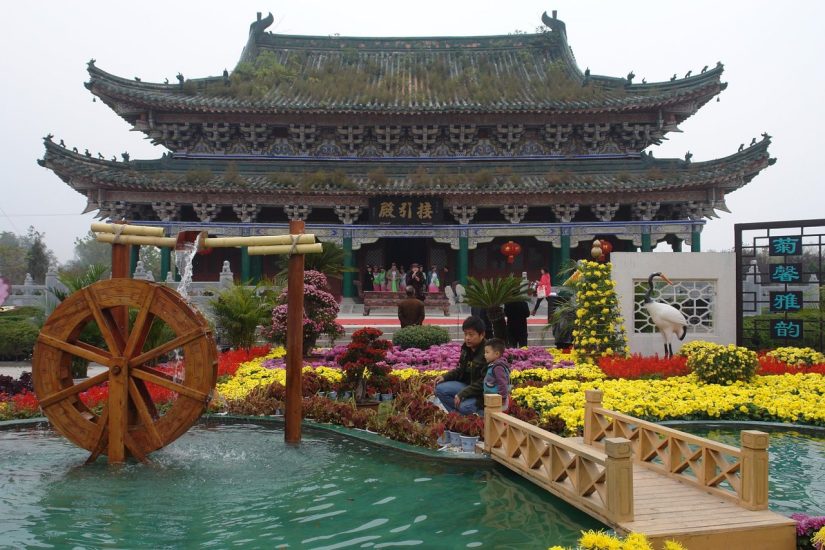
China, the heart of Asia, is a vast landscape where the legacy of ancient empires stands alongside modern skyscrapers, and the dust of the Silk Road can still be felt today in street food, tea houses, and temple courtyards. Beijing's history-laden hutongs, Shanghai's neon-lit Bund, Guilin's fairytale limestone mountains, Harbin's ice palaces... China offers culture, nature, and gastronomy all in one trip...
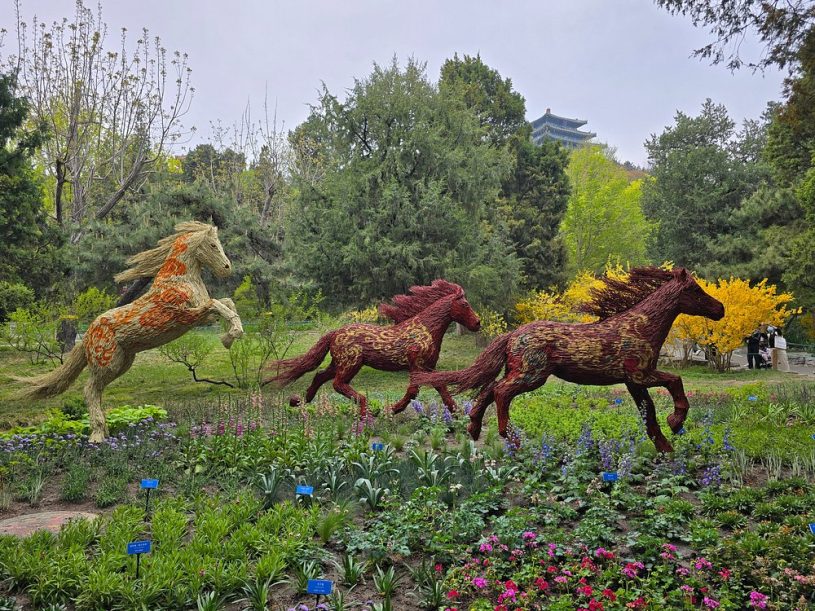
In Beijing, sometimes the best view comes from the most modest hilltop. As you approach Jingshan Park, the streets suddenly fall silent. Tree shadows leave a cool pattern on the stone pavements. Upon entering, the city noise seems to retreat a few curtains. Inside, there are people running, practicing tai chi, and elderly people chatting. A gentle breeze from above carries the scent of pine...
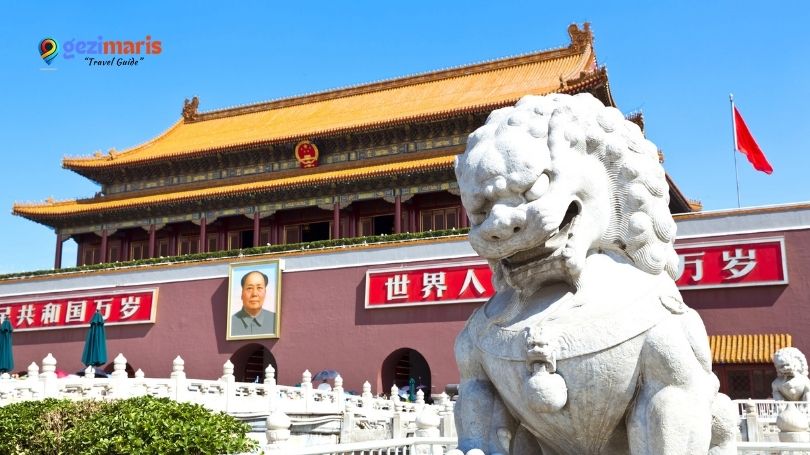
I don't approach Beijing as a short city break. When I want to fit the courtyards of the Forbidden City, the hutong streets, the temples, the local food, and the Great Wall of China into one itinerary, I allocate at least 3 full days, or 4 days for a more relaxed trip. For first-time visitors, I recommend staying around Dongcheng, Wangfujing, Dengshikou, or Qianmen. These areas are both historically...
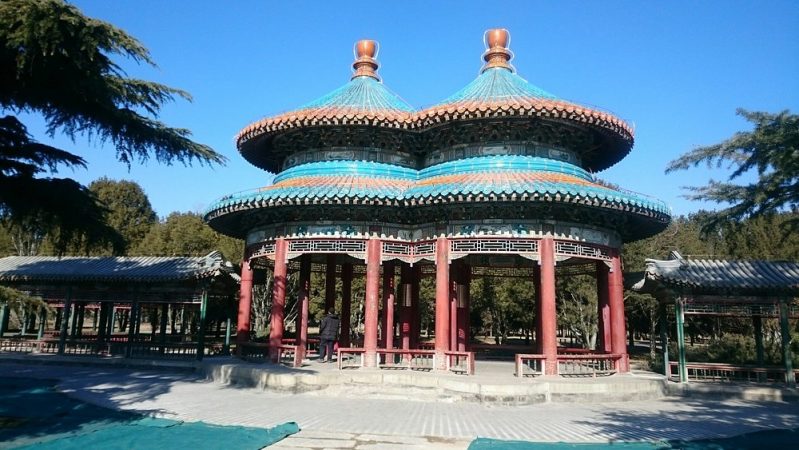
Beijing mornings are sometimes misty, sometimes bright and sunny. As you approach the Temple of Heaven park, the sounds of the city fade away. Your steps slow as you walk under the large plane trees. On one side, you see locals exercising. On the other, the scent of incense mixes with the wind. Then, the blue tiles begin to gleam in the distance. Rounded lines stand side by side with square courtyards. This contrast...
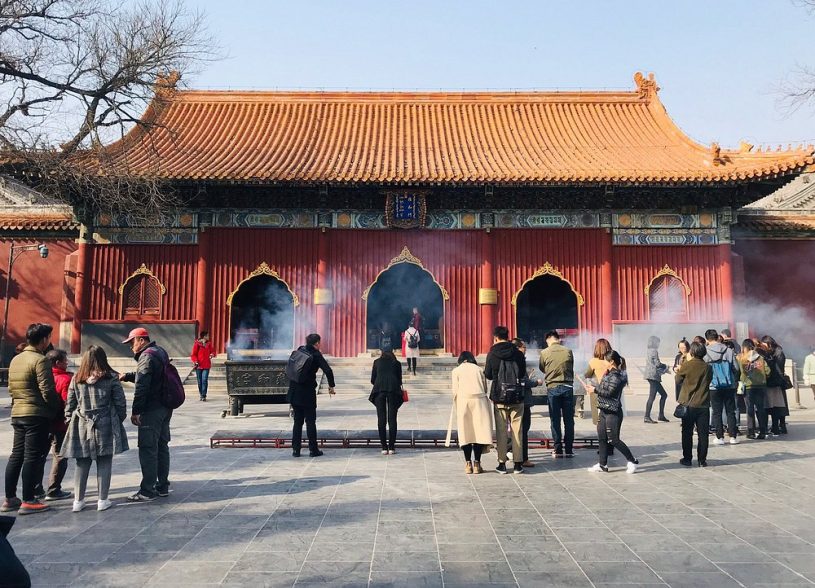
In Beijing's fast-paced city, sometimes all it takes is stepping through a door. As you approach the Lama Temple, the street noise softens, your steps become calmer. The scent of incense lingers in the air outside. Once inside, the red walls and gold details catch your eye. In the courtyards, people silently make wishes, their hands clasped together. In one corner, you hear a monk chanting, the rhythm settling in your heart. When you look up...
Write a Comment
Visitor Comments - 0 Comments