
Temple of Heaven
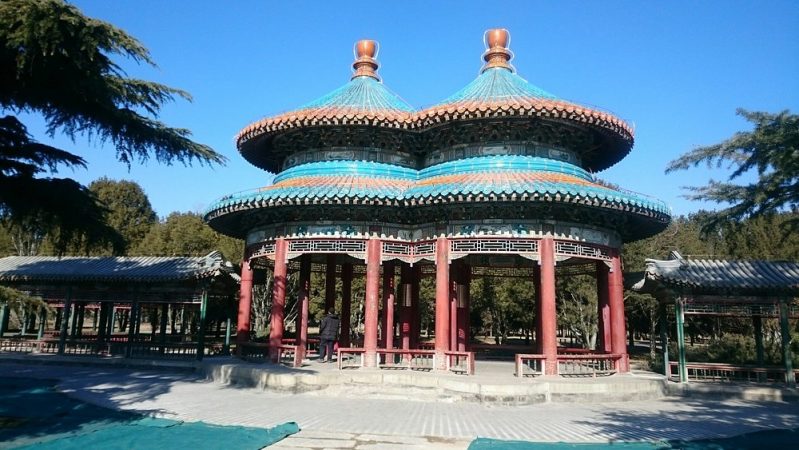
Peking The mornings are sometimes hazy, sometimes bright. As you approach the Temple of Heaven park, the sounds of the city fade away. Your steps slow as you walk under the large plane trees. On one side, you see locals exercising. On the other, the scent of incense mixes with the wind. Then, the blue tiles begin to gleam in the distance. Rounded lines stand side by side with square courtyards. This contrast gives one a strange sense of peace. The Temple of Heaven is not just a structure, but a system of thought. The relationship between sky and earth is transformed here into stone and wood. Even as the crowds increase, the place rarely loses its tranquility. Places to visit in Beijing This particular stop is memorable in every season.
Where and How to Get There?
The Temple of Heaven is located in a large area near the south of Beijing. The park where it is situated is a great breath of fresh air amidst the city's hustle and bustle. The subway is usually the most convenient option for transportation; the walk from the station to the entrances is short. Bus lines also run frequently and are budget-friendly. Taking a taxi is possible, but the journey time may be longer during peak hours. The park has multiple entrances, so plan your route accordingly. Entering early in the morning is both cooler and quieter. Finding shade becomes difficult in the middle of the day, so plan accordingly. You can find small snack options nearby on your way out.
Brief History
The Temple of Heaven is a sacred complex built during the Ming Dynasty. Emperors performed prayer and offering rituals to the heavens here, seeking intercession for bountiful harvests and regular seasons. These ceremonies were an important part of the state's legitimacy. The Qing Dynasty continued this tradition in subsequent centuries. The complex was one of the most magnificent stops on the ritual calendar. Over time, some sections deteriorated, and various repairs were carried out. In the modern era, the area was opened to the public and transformed into a cultural park. Today, a visit to the Temple of Heaven offers both history and city life. As you explore, you gain a better understanding of how the ritual is woven into the space.
Architectural and Artistic Features
In the Temple of Heaven's design, symbols speak louder than architecture. Square forms represent the earth, round forms the sky. This idea is felt everywhere, from the courtyards to the terraces. The most iconic structure is the circular hall on top of the three-tiered terrace. The blue roof reinforces the connection with the sky. Painted motifs in the woodwork are carefully preserved. Cloud patterns and geometric ornaments are frequently seen on the beams. Balustrades on the stone terraces provide rhythm, as you ascend step by step. Marble surfaces gleam in the sun, appearing cooler in the shade. In some places, sound reverberation creates an interesting acoustic sensation. The arrangement of the gates is designed to guide ceremonial processions. Long passages almost compel the visitor to slow down. The park's tree cover acts as a natural backdrop framing the structures. This is why the Temple of Heaven in Beijing stands out so powerfully in photographs. The name Temple of Heaven represents this symbolic language in the world.
Visit Information
Small details matter for a comfortable visit to the Temple of Heaven.
- Come early in the morning; the park will be cooler then.
- Choose a weekday; the crowds will be noticeably smaller.
- The area is large, allow at least a few hours.
- Ticket types may vary depending on the section; check at the ticket office.
- There may be security checks, so keep your bag simple.
- Always wear a hat and sunscreen in the summer.
- The wind gets stronger in winter, so layering your clothing is helpful.
- Wear comfortable shoes; the cobblestone terrain requires a long walk.
- Although there is water available in the park, carry a bottle with you.
- Rain makes the ground slippery, so choose shoes with sturdy soles.
- Proceed cautiously indoors, as the flow may become constricted.
- Bring a map; the distances between entrances can be confusing.
Photography Tips and Tricks
The best light is usually captured in the morning. Blue tiles appear richer in soft light. Look for symmetry in terrace steps; the framing immediately strengthens. Shooting a rounded structure at a diagonal angle makes the layers more prominent. A wide-angle lens better captures the scale of the terrace. Panorama mode is ideal for large courtyards when shooting with a phone. Hold still in a crowd; after a few minutes, space will open up. Capture the silhouette of the structure by "framing" it through the trees. At midday, there are fewer shadows in the harsh light; adjust the exposure carefully. In cloudy weather, colors soften, and details are more easily visible. For afternoon park walks, backlighting creates a beautiful silhouette. If you're carrying a tripod, you'll find it easier to set it up in less crowded corners.
Other Nearby Places to Visit
After visiting the Temple of Heaven, it's easy to transition to Beijing's historic center. The nearby hutong streets offer a more local atmosphere. The grand square area in the city center blends modern history with the historical setting. The Palace Museum area is a powerful stop that complements the imperial narrative. The Jingshan area is a good break for walking and sightseeing. The Qianmen district is bustling with shopping and street food. Museum enthusiasts will find great collections in the center. In the evenings, the lakeside parks feel more peaceful. If you have time, don't cram the temple itineraries into a single day. This will balance both walking and sightseeing. This area integrates very well with a list of places to visit in Beijing.
The Temple of Heaven is one of the best stops that captures the spirit of Beijing. The life in the park beautifully complements the solemnity of the temple. If you go to Beijing, you should definitely visit the Temple of Heaven. Also, for your itinerary... Places to visit in Beijing You can read our article.
PREVIOUS TOPIC
NEXT TOPIC

Similar Threads
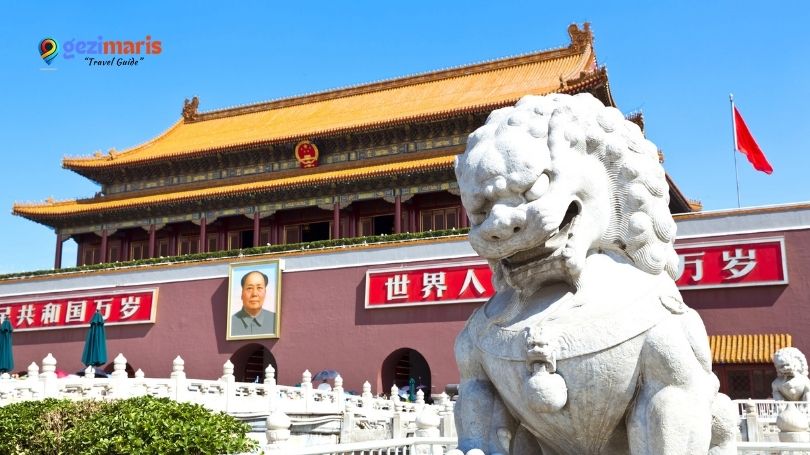
I don't approach Beijing as a short city break. When I want to fit the courtyards of the Forbidden City, the hutong streets, the temples, the local food, and the Great Wall of China into one itinerary, I allocate at least 3 full days, or 4 days for a more relaxed trip. For first-time visitors, I recommend staying around Dongcheng, Wangfujing, Dengshikou, or Qianmen. These areas are both historically...
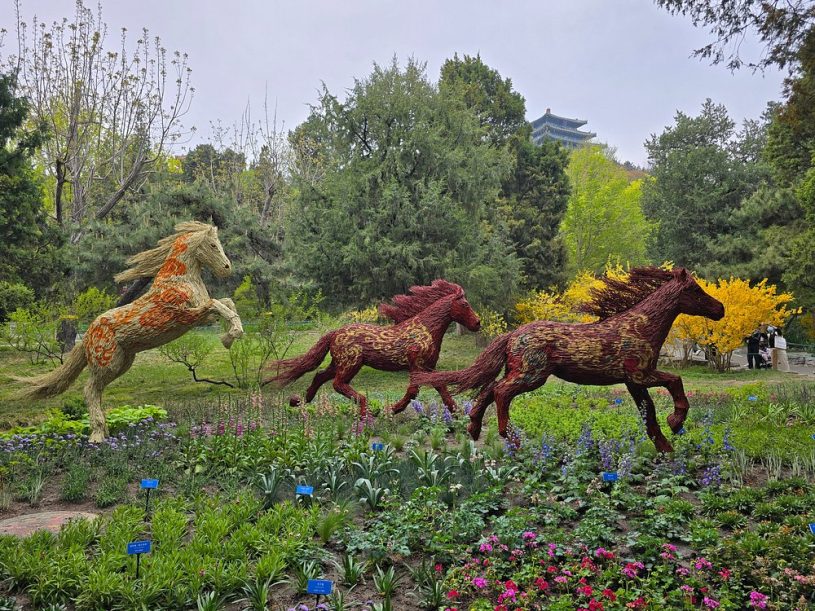
In Beijing, sometimes the best view comes from the most modest hilltop. As you approach Jingshan Park, the streets suddenly fall silent. Tree shadows leave a cool pattern on the stone pavements. Upon entering, the city noise seems to retreat a few curtains. Inside, there are people running, practicing tai chi, and elderly people chatting. A gentle breeze from above carries the scent of pine...
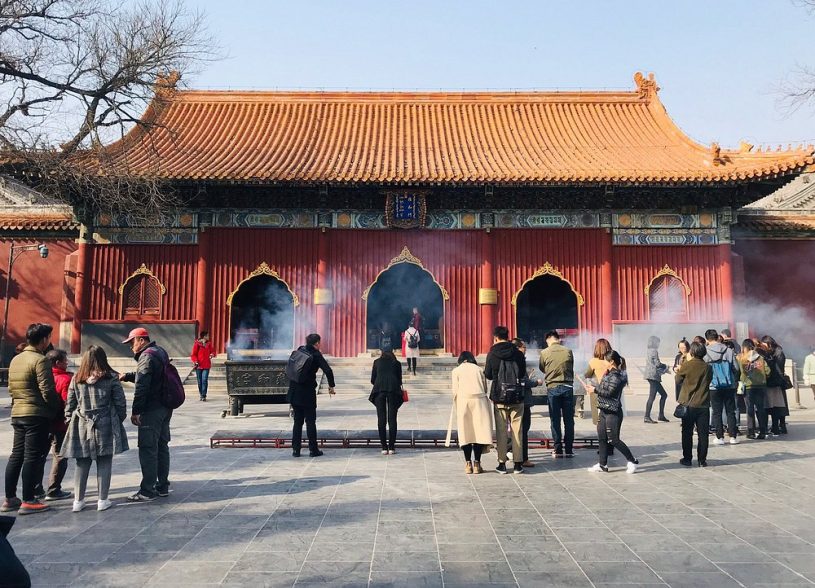
In Beijing's fast-paced city, sometimes all it takes is stepping through a door. As you approach the Lama Temple, the street noise softens, your steps become calmer. The scent of incense lingers in the air outside. Once inside, the red walls and gold details catch your eye. In the courtyards, people silently make wishes, their hands clasped together. In one corner, you hear a monk chanting, the rhythm settling in your heart. When you look up...
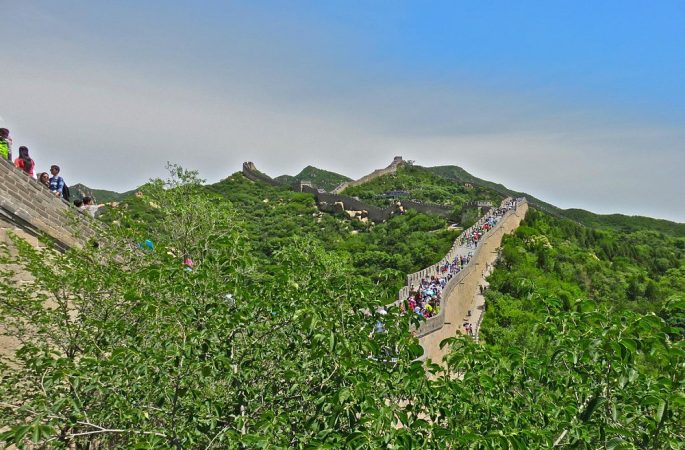
As you set off towards Badaling on the Great Wall of China, the city slowly recedes into the distance. Beijing's wide boulevards give way to hilly roads. Mountain lines become more distinct as you look out the window. After a while, a thin strip of stone becomes a faint outline on the horizon. As you get closer, you realize that this outline is actually a massive wall. Badaling is the best-known and most accessible part of the Great Wall of China...
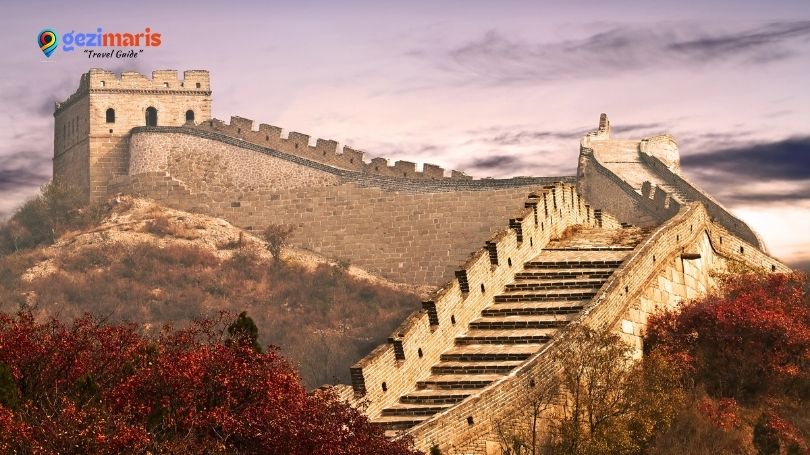
Beijing, the capital of China, is one of Asia's most magnificent cities with a history spanning over three thousand years. It offers a diverse range of attractions, from palaces where emperors once sat on their thrones to sections of the Great Wall nestled against the mountainside, and from tranquil temple courtyards to modern art districts. In this guide, we've explored the most popular destinations that travelers are most curious about, and each one...
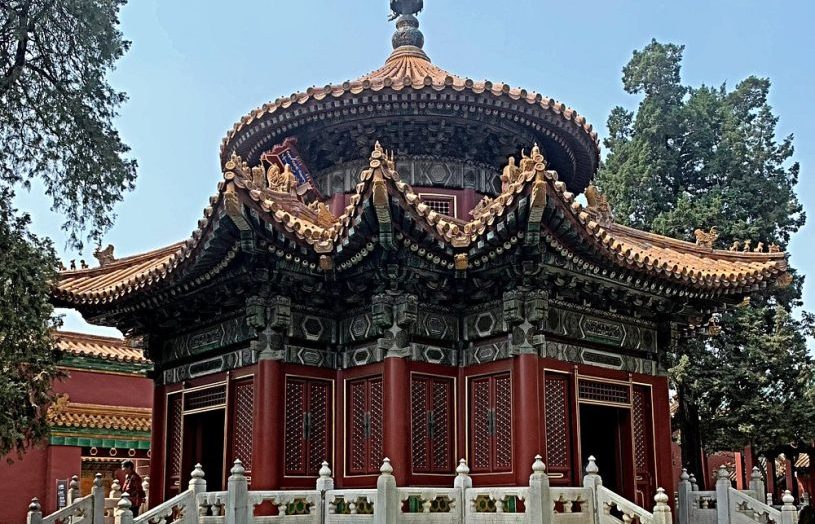
There are some places in Beijing where the sounds change the moment you step through the door. The Beijing Palace Museum is exactly one such place. While you hear car horns outside, inside you hear footsteps. The red walls soften the chaos of the city. The brightness of the yellow roofs is further enhanced by the sun. The courtyards are large, but they don't feel suffocating. Each passage through a door is like a new scene...
Write a Comment
Visitor Comments - 0 Comments