

Asia Travel Guide
AsiaA continent of sky-high temples, neon-lit metropolises, rice terraces, and tropical islands flirting with the ocean. ChinaThis vast region, stretching from India to Japan and Thailand, offers the chance to combine ancient rituals, street food, and modern city life into a single trip. Cultural diversity, diverse climate zones, and experiences to suit every budget make Asia appealing year-round.
When to Go to Asia?
When planning a trip to Asia, it's best to consider the climate zones. Southeast Asia (Tayland, Vietnam , Cambodia, Malezya) is generally the most comfortable period from November to March, the dry season; be prepared for increased humidity and rain from April onwards. Japonya For us, spring (March–May) is sakura time, while autumn (October–November) is enchanting with the red feast of leaves. Hindi Stan and Sri Lanka, the monsoon schedule varies from region to region, with October–March being more comfortable in the north. Central Asia (Uzbekistan, Kazakhstan, Kyrgyzstan) April–June and September are ideal. The clearest weather on Himalayan trekking routes is between October–November and March–May.
How to Get to Asia?
TurkeyThere are direct and connecting flights from to many cities in Asia. Istanbulabout Tokyo, Alone, Bangkok, Singapore, Kuala Lumpur, directly to centers such as Delhi; Dubai, Doha, Abu Dhabi You can reach almost any point on the continent via connecting flights. For travel within Southeast Asia, low-cost airlines, ferry networks in island nations, high-speed trains like the Shinkansen in Japan, and advanced metro systems in major cities make things easier.
What to Do in Asia?
- Dive into street markets: Night markets in Bangkok, the Old Quarter in Hanoi, and night markets in Taipei offer an explosion of flavour and colour.
- Take the temple route: See Fushimi Inari in Kyoto, sunrise at Angkor Wat, Akshardham in Delhi and Wat Arun in Bangkok.
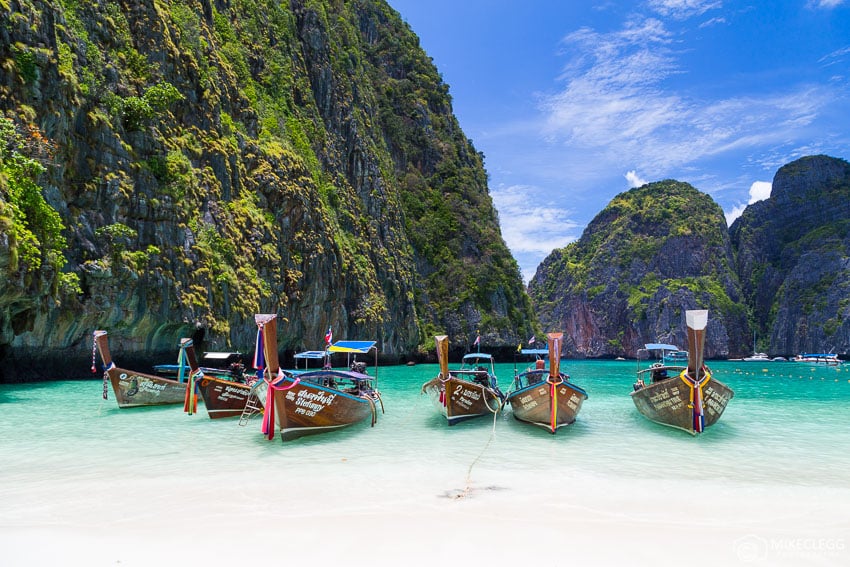
- Nature and beach getaways: Palawan in the Philippines, Krabi–Phi Phi in Thailand, and Nusa Penida in Indonesia are perfect for diving and swimming.
- Watch the city lights: Tokyo Shibuya Crossing, Hong Kong Victoria peak And Singapore's Marina Bay is iconic for night photos.
- Local cuisine workshops: Try pho-making in Hanoi, a curry course in Chiang Mai, or a sushi workshop in Tokyo.
- Trekking & outdoor: Annapurna circle in Nepal, Ala Archa in Kyrgyzstan, hiking trails in the Japanese Alps.
- Tea & spice route: Tea plantations in Sri Lanka, spice markets in India, tea ceremonies in China.
- Cultural ceremonies: Tea ceremony in Japan, hanbok experience in Korea, temple rituals in Bali.
- Museum and contemporary art: Mori Art in Tokyo, Leeum in Seoul, M+ in Hong Kong and the Museum of Islamic Art in Doha.
- Thermal & spa experience: Onsen in Japan, jjimjilbang in Korea, traditional spa massage in Thailand.
What to Eat in Asia?
Asian cuisine is a travel-friendly experience. Try sushi and ramen in Japan, bibimbap and kimchi in Korea, dim sum and Sichuan cuisine in China, pad thai and tom yum in Thailand, pho and banh mi in Vietnam, laksa, Hainanse chicken rice in Malaysia and Singapore, masala dosa and butter chicken in India, and fresh skewers, soups, and desserts from street stalls. For desserts, be sure to try mango sticky rice, mochi, and gulab jamun, and for drinks, bubble tea, masala chai, and matcha. For more delicious suggestions, check out our article on What to Eat in Asia?
What to Buy from Asia?
Gifts that add character to your suitcase when returning from Asia: Japanese ceramics and knives, Thai silk, spices and hand-woven fabrics from India, Sri Lanka and teas from China, handcrafted wood carvings from Bali, skin care products from Korea, Mongolian wool products, Nepal Tibetan-style craftsmanship, tech accessories from Hong Kong. In markets where haggling is common, research prices first. For more unique shopping ideas, explore our What to Buy in Asia guide.
Asian Nightlife
Nightlife in Asia begins with neon lights and street food, and continues with rooftop bar scenes. Izakaya culture awaits in Tokyo's Shinjuku and Shibuya, street parties in Bangkok's Sukhumvit and Khao San, bar crawls in Hong Kong's Lan Kwai Fong, live music in Seoul's Hongdae and Itaewon, riverside bars in Singapore's Clarke Quay, beach clubs in Goa, and glamorous rooftops in Dubai. For detailed nightlife itineraries, visit our Asia Nightlife article.
Asian Festivals and Fairs
| Event/Festival | Ay | DESCRIPTION |
|---|---|---|
| Lunar New Year | January/February | Parades, dragon dances, fireworks in China, Hong Kong, Singapore and surrounding areas. |
| Holi | Mart | Colour festival in India and Nepal; streets are filled with powder paint and music. |
| Nowruz | 21 March | IranThe arrival of spring from Central Asia; tables, rituals and folk dances. |
| Songkran | Nisan | Thailand water festival; cities transform into massive water fights. |
| vesak | Mayıs | In Buddhist countries, the birth and enlightenment of Buddha are commemorated. |
| naadam | Temmuz | MongoliaNational sports festival with wrestling, archery and horse racing. |
| Obon | August | In Japan, ancestral spirits are commemorated with dances and torchlight processions. |
| Diwali | October/November | A festival of lights in India and South Asia, with lamps, sweets and family gatherings. |
| Harbin Ice and Snow Festival | January | Giant ice sculptures and light shows in northern China. |
Asian Important Days and Holidays
| Date | Events |
|---|---|
| Variable | Eid al-Fitr (public holiday in many Muslim countries) |
| Variable | Eid al-Adha (public holiday in many Muslim countries) |
| January/February | Lunar New Year |
| 21 March | Nowruz (Iran, Central Asia, Caucasus) |
| Late April–early May | Golden Week (Japan) |
| Mayıs | Vesak (Buddhist countries) |
| October/November | Diwali (India and South Asia) |
Things to Consider When Traveling to Asia
- Visa & passport: The visa regime varies depending on the country of destination; check the current conditions from official sources.
- Vaccination & health: Necessary vaccinations and precautions when traveling to tropical areas travel insurance have it done, be careful about tap water.
- Climate & monsoon: Follow the rainy season, typhoon probability and humidity levels on a route-by-route basis.
- Money & payment: Cash is still important, but contactless payments are common in major cities. Carry loose change for small businesses.
- Transportation: Metro cards (such as Octopus, Suica) make getting around the city easier; using apps in taxis gives confidence.
- Clothing & culture: In temples and sacred areas, choose clothes that cover your shoulders and knees; pay attention to the etiquette of removing your shoes.
- Bargaining & fraud: Compare prices in tourist areas and be wary of overly pushy offers.
- Connection: Get local eSIM/SIM and download offline maps.
- Security: Carry your bag first in crowds; avoid deserted streets late at night.
- Respect for the environment: Reduce single-use plastics and leave no trace on nature walks.
Asia is a vast continent where you can collect hundreds of stories in one trip, where every corner is a land of different cultures and flavors. Whether it's neon-lit metropolises or tropical IslandsWhether you're looking for ancient temples or a place to explore, your Asia itinerary will provide you with unforgettable memories. For route ideas, be sure to check out our Places to Visit in Asia guide.
PREVIOUS TOPIC
NEXT TOPIC

Similar Threads




Write a Comment
Visitor Comments - 0 Comments