
Paris Bars and Nightlife Districts: A Guide from Marais to Belleville

I spent my first night in Paris on the Champs-Élysées. I'm writing this as a confession, because that's the most typical mistake someone who doesn't know the city at all would make.
I walked down that street, looked at the shop windows, sat in an expensive bar, drank a fifteen-euro beer, and on the way back to the hotel I asked myself, "Was this what a Parisian night was like?" The answer was no. But it took me three trips to find out.
Paris's nightlife isn't concentrated in one place. The city is divided into twenty arrondissements, each with its own distinct character. Drinking in the Marais is not the same as drinking in Belleville. The prices are different, the crowds are different, and the hours are different.
In this guide, I'll go neighborhood by neighborhood. I'll explain which area suits whom, when to go, how much it costs, and what to watch out for. Finally, I'll provide three different overnight itineraries you can use as a ready-made plan.
First, learn the clockwork logic of the Parisian night.
TurkeyThis is what surprises those who go there the most. In Paris, the nightlife operates at a different rhythm than it does here.
- 18:00 PM to 20:00 PM: Apéro time. Parisians leave work and go for a drink. Every cafe with a terrace is packed. This is also happy hour, the time when drinks are cheapest.
- 20:00 PM to 22:00 PM: Dinner time. Restaurants fill up during this time. If you go to dinner before eight, you'll be the only one in the dining area.
- 22:00 to 00:30: Bar hours. The real night starts here. If you're going to be bar-hopping, this is the time.
- After 00:30: Club time. The clubs are usually empty before this time. Going at 1:30 is even considered early.
- The subway problem. The subway runs its last services around midnight, extending a bit on weekends. So, when you get to the club, there's no subway to get back. Plan this out in advance.
Then there's the matter of the day of the week. Thursday, Friday, and Saturday are the main nights. Monday and Tuesday are mostly quiet in the city. Wednesday has special programs at some venues.
Le Marais: Cocktails and Mixed Crowds
The 3rd and 4th arrondissements. The medieval streetscape is preserved, with narrow streets and stone buildings. It's Paris's most walkable nightlife district, where tourists and Parisians mingle most harmoniously. The character of this area is cocktails. Small bars, good ingredients, and talented bartenders. Wine bars are also strong. Furthermore, it's the center of Paris's LGBTQ+ nightlife, around Rue des Archives and Rue Sainte-Croix de la Bretonnerie.
- Suitable for whom: For cocktail lovers, those who enjoy drinking and chatting, and first-time visitors to Paris.
- Not suitable for: Those who want to dance. Club culture is weak in Marais.
- Price range: Cocktails cost between fourteen and twenty euros. At wine bars, a glass is more reasonably priced.
- My note: The real beauty of the Marais lies in its streets. Walking from one bar to another, wandering through those narrow alleys, is half the experience. Don't confine yourself to a single place.
Oberkampf and Ménilmontant: Where Parisians Really Go
District 5. If you asked me, "I'm going to spend a night in Paris, where should I go?", this would be my answer.
Rue Oberkampf stretches for almost two kilometers and is lined with bars. You'll find everything from cheap pubs to decent cocktail bars. Rue Jean-Pierre Timbaud and Rue de la Roquette are part of the same network.
The difference here is: there's almost no entrance fee, beer is cheaper, and the crowd is genuinely local. Nobody stares at anyone, you're not singled out at the door. Ménilmontant is a bit further up and a bit quieter. It has a strong musical and artistic scene, and the crowd is a bit older and more discerning.
- Suitable for whom: Those on a limited budget, those who love live music, and those who want to avoid tourist crowds.
- Not suitable for: Those seeking a quiet and elegant evening. This place is noisy.
- Price range: Beer costs between six and nine euros. They also have cocktails, but the main focus is on beer and wine.
- My note: Get off at Metro Parmentier, walk up Rue Oberkampf. Pick up a place you like, have a drink, leave, and keep going. It's one of the best bar routes in the city and requires no planning.
Security note: On weekends, between midnight and 3 AM, it gets very crowded and noisy, especially around Rue de Lappe. There are usually no problems, but stick with your group.
Bastille: Crowded and Energetic
The southern end of the 11th arrondissement. The area around Rue de Lappe and Rue de Charonne is full of bars and small clubs. It was once the Bastille. Paris It used to be the center of the nightlife, now it's a bit more subdued, but its energy is still high. Young crowds, dance floors, places open late. Badaboum is in this area and is one of the best places in the city for electronic music. The door policy is relaxed; if you buy tickets in advance, there's no problem.
- Suitable for whom: Those who want to dance, those looking for a young crowd.
- Price range: Club entry fees range from ten to thirty euros, often including a drink.
Canal Saint-Martin and District 10: Best for a Car-Free Night Out
The area along the canal. Sitting and drinking by the canal in the summer is one of Paris's favorite habits, and if the weather is nice, the shore is completely packed. The advantage here is the density. Bars, concert venues, and clubs form a grid within walking distance. If you want to visit three or four places in one night and don't want to spend money on taxis, this is ideal. Converted industrial buildings like Point Éphémère are located here. They function as cafes during the day and concert venues in the evening.
- Suitable for whom: Those looking for an alternative nightlife, those who want to explore on foot, and those on a mid-range budget.
- Not suitable for: Those who go in the winter months. The canal bank loses its meaning in the cold.
- My note: Sitting by the canal with a bottle of wine on a summer evening is more enjoyable than sitting in a bar for the same price. Don't forget to bring a corkscrew.
Pigalle and SoPi: The Transforming Zone
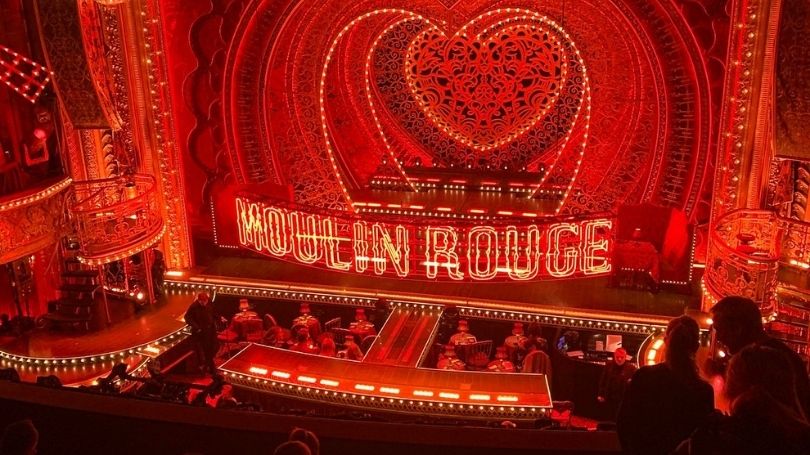
The intersection of the 9th and 18th arrondissements. Formerly a red-light district, it's now one of Paris's liveliest cocktail districts. The southern part is called SoPi, meaning South Pigalle. It's located on Boulevard de Clichy. Moulin Rouge It stands still and is surrounded by a high concentration of tourists. But when you turn a street off the boulevard, a completely different area begins: small cocktail bars, jazz cellars, rock venues.
- Suitable for whom: For those who want to see cabaret, for cocktail lovers, for those who want to stay out late at night.
- Important warning: On Boulevard de Clichy, there are bars that attract customers at the door, and some of them are traps. When you go inside, they'll make you buy a drink for someone accompanying you, and the bill will skyrocket. Don't go into any place that beckons you in at the door. Also, around Moulin Rouge, there are street swindlers; the games are rigged, don't even bother looking.
Don't take this warning lightly. This is where tourists suffer the most in Paris.
My note: Go to Pigalle, but don't stay on the boulevard. Go inside and explore Rue des Martyrs and the surrounding area. That's the real district.
Belleville: The Least Touristy One
The hill where the 19th, 20th, and 11th arrondissements intersect. Paris's most multicultural, least polished nightlife district. The crowds here are truly diverse. Cezayir, Vietnam , West Africa Second and third generations of families with roots in the area, artists, students, locals. Alongside taverns that haven't changed their decor since 1975, there are natural wine bars.
- Suitable for whom: Those seeking a non-touristy experience, natural wine lovers, and those on a limited budget.
- Not suitable for: Those looking for a stylish evening, and those visiting Paris for the first time who want to see the city center.
- Price range: One of the cheapest areas in the city. Beer and wine are remarkably affordable.
- My note: Take a stroll along Rue de Belleville and Rue de Ménilmontant. Also, visit Parc de Belleville; it offers panoramic views of Paris from above and is one of the best free spots in the city for watching the sunset.
Saint-Germain and the Quartier Latin: Jazz and Classical Paris
The 5th and 6th arrondissements. Where Paris's intellectual past stands. Jazz clubs are here, some operating since the 1940s. The cellar clubs are particularly interesting. Live music in stone-vaulted basements, small rooms, seating close to the stage. This is one of Paris's most authentic nightlife experiences, and you won't find it anywhere else. The Quartier Latin side is student-oriented and more affordable. The area around Rue Mouffetard is lively.
- Suitable for whom: For jazz and live music lovers, those seeking a more relaxed evening, and those looking for classic Paris.
- Price range: Jazz clubs have an entrance fee, usually including a drink. Saint-Germain Bars are expensive, but the student bars in Quartier Latin are cheap.
Champs-Élysées and the 8th arrondissement: Luxury Circuit
I'm including this area on the list, but not as a recommendation. The clubs here operate on table reservations, bottle service, and strict door policies. Getting in by queuing from the street is difficult; the person at the door chooses who they serve. Prices are the highest in the city. A cocktail can cost over twenty-five euros, and with bottle service, the price goes up to another level.
- Suitable for whom: Those who specifically seek out places like this are those who don't have budget constraints.
- My honest opinion is: The same concept in Dubai, in London, IstanbulYou can find it there too. But this isn't what's unique to Paris. If you're going to dedicate an entire evening to this, think twice.
- Warning: In this area too, there are people who approach you on the street and try to take you to a specific bar. If a stranger recommends a place to you, it's a setup, don't go.
Remote Regions: For Serious Tech
The 19th arrondissement and the northern edge of the city. These are venues set up in converted warehouses and industrial spaces. Also, in the 2nd arrondissement, there's Rex Club, operating since the eighties and considered a hub of the Paris electronic music scene. Here, you're expected to avoid ostentation. Dressing smartly is a disadvantage, not an advantage. Black, simple, comfortable.
- Suitable for whom: Those who take electronic music seriously.
- Not suitable for: Those who set out saying, "Let's go to a nightclub." This isn't one of them.
Three Ready-Made Overnight Routes
Route 1: For first-time visitors to Paris
18:30 PM Apéro, a glass of wine in the Marais 20:00 PM Light dinner in the same area 22:00 PM Two cocktail bars in the Marais 00:30 AM Walk to the Bastille, if you want to dance
Budget: Average. Short walking distances, no need for the metro.
Route 2: For those with a limited budget
6 PM Happy hour in Oberkampf, cheapest time 8 PM Sandwich from the bakery or a cheap place 9:30 PM Bar hopping along Rue Oberkampf 12 AM Walking back
Budget: Low. You can refer to our budget guide for a detailed plan.
Route 3: Those who came for the music
19:00 PM Early dinner at Quartier Latin 21:00 PM Jazz cellar in Saint-Germain 05:00 AM Rex Club or Badaboum (tickets purchased in advance) 00:00 AM Taxi
Budget: Upper mid-range. Ticket and return taxi fare should be factored in.
Where should we stay?
If nightlife is a priority for you, your choice of accommodation determines your evening.
- Marais (3rd and 4th districts): The most central and walkable option. Prices are high.
- Bastille and the Republic (district 11): It's part of the Oberkampf network. In my opinion, it's the best in terms of price-performance ratio.
- SoPi (Region 9): It's close to Pigalle and Montmartre, and not far from the city center.
- Canal Saint-Martin (district 10): It's quieter, more alternative, and the prices are reasonable.
Staying in the outskirts of the city seems cheap, but the taxis that take you back home at night make up for it. Take that into account.
Nighttime Transportation and Security
- The metro stops around midnight, a little later on weekends. It won't be running when you leave the club.
- The Noctilien night bus line covers the city. It's cheap but slow.
- Taxis and taxi apps are the most practical way. Night rates apply. Don't try to hail a car on the street, call one through the app.
- General security: Central areas are considered safe at night. Points to note: train station areas become deserted late at night, don't lose sight of your drink in crowded bars, and don't walk around with your phone in your hand. These aren't warnings specific to Paris; they apply to any major city.
- If you're curious about the door policy, I've explained the club entry process in detail in a separate guide, so check there.
Frequently Asked Questions
- What is the average cost of a night in Paris? If you sit at a bar and have a few drinks, it's around thirty to forty euros. If you go into a club and have drinks, it's sixty to eighty euros. A cheap night out in places like Oberkampf or Belleville is possible for under twenty euros. In the luxury segment, the price jumps to hundreds of euros.
- Which day should I go out? Thursday, Friday, and Saturday. Thursday is generally more relaxed and there are fewer problems at the door. Monday and Tuesday are mostly quiet or closed.
- Is it safe to go out alone? Generally yes, in central areas. Crowded areas like Oberkampf and Marais are comfortable for solo travelers. Plan your return trip in advance.
- Will it be a problem if I don't speak French? Most bars and clubs speak English. Using a few words of French, especially as a greeting, can soften the other person's attitude.
- How can I protect myself from tourist traps? There's only one rule: don't go into any place that invites you in at the door. Don't go with a stranger who recommends a place to eat on the street. These two rules encompass almost all nighttime scams in Paris.
- Do clubs have a dress code? It completely depends on the type of venue. Luxury clubs have a strict code, while dressing up can backfire in electronic music venues. There are no rules in neighborhood bars.
Most people looking for nightlife in Paris are asking the wrong question. They ask, "Which is the best club?" The right question is: What kind of person do I want to be tonight?
If you want to chat while sipping a cocktail, go to Marais. If you want to get lost in the noise, go to Oberkampf. If you want to dance until dawn, go to the 19th arrondissement. If you just want to sit by the river and watch the city, go to Canalside, and it doesn't cost you anything.
I've had my best Paris nights in places not on any list. In bars I'd stumbled upon while walking down a street, drawn in by the music. So use this guide as a starting point, not a plan.
You will find the actual location yourself.
My name is Salihcan Yiğit. After living in Yozgat for many years, I moved to Paris in 2024. After years spent in Anatolia, moving to a different country opened up a new perspective on cities and daily life. Today, I live in Paris and travel to various European countries whenever I have the opportunity. In my travel writings, instead of describing a city solely through its must-see structures, I try to understand the life there. The streets, local cuisine, neighborhoods, and the small details of the journey form the pieces of the story I want to tell. By combining the perspective I gained in Yozgat with my life in Paris and my European travels, I aim to offer the reader a personal perspective. For me, travel writing means sharing information in an understandable way that will be useful to the reader when planning their own journey. In my writings, I prioritize separating personal impressions from practical information, controlling for changeable details, and clearly stating the limitations of my experience. In each piece, I aim to provide sincere and concrete answers to the questions of someone curious about the place I'm describing.
Similar Threads
Write a Comment
Visitor Comments - 0 Comments