
Iran Travel Guide
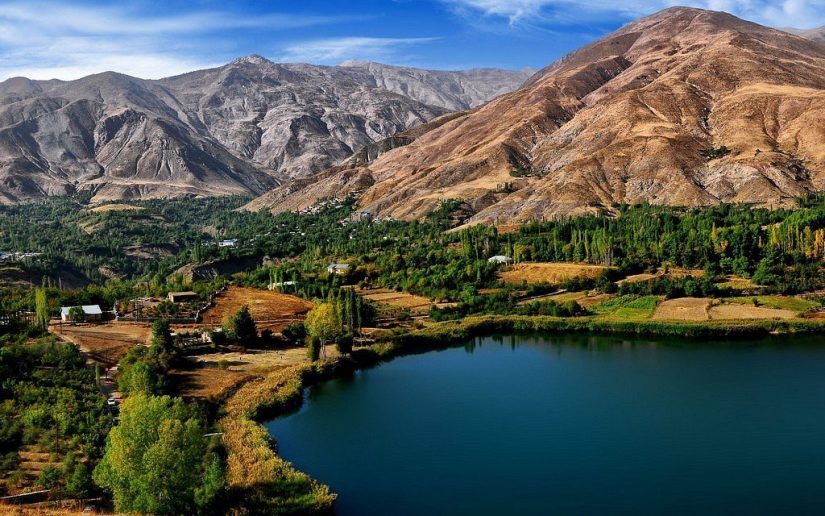
Iran is a fascinating country, blending the legacy of ancient Persian civilization with modern life, combining the warm tones of the desert with tile-blue domes. It offers a rich and varied route, from the vibrant boulevards of Tehran to the imperial monuments of Isfahan, from the poetic gardens of Shiraz to the wind towers of Yazd. In Persian-speaking Iran, the bazaar culture, rich with hospitality, tea conversations, and bargaining, will add a unique touch to your journey. katar.
When to Go to Iran?
The ideal times to travel to Iran are spring (April–May) and autumn (September–October). Temperatures are moderate during these seasons, making city excursions and desert tours comfortable. In summer, the south and inland regions are quite hot, while winter snowfall can occur in Tehran and the north. Nowruz (late March) is the country's most vibrant time; however, prices can increase and it can be crowded. If you're looking for flowering gardens, early April in Shiraz is ideal, while cooler nature trails along the Caspian coast (Gilan–Mazandaran) are ideal in summer.
How to Get to Iran?
TurkeyThere are direct/connecting flights from Tehran (IKA), Shiraz, Mashhad and Tabriz. By road Pain Entry is possible via the Gürbulak–Bazargan border gate; buses and private vehicles offer a long but enjoyable route. Air, train, and bus transportation are common within the country; intercity VIP buses are comfortable and economical. Passport, health, and customs regulations, as well as visa/exemption requirements, are subject to change, so be sure to check current regulations before traveling.
What to Do in Iran?
- Museum and palace tour in Tehran: Get a historical introduction to the Golestan Palace, Persian Carpet Museum, and Saadabad Complex.
- Naqsh-i Jahan Square in Isfahan: With the Imam Mosque, Sheikh Lotfullah Mosque and Ali Kapu Palace, live up to the saying “Isfahan is the best place in the world”.
- Get lost in the adobe texture of Yazd: Towers of Wind, Zoroastrian Temple of Fire And the Old Town with its narrow streets is a UNESCO World Heritage site.
- Shiraz and Persepolis: The poetic gardens of Hafez and Sadi; the splendor of ancient Persia with Persepolis and Naqsh-i Rustam.
- Traditional mansions in Kashan: Borujerdi and Tabatabaei houses, Fin Garden and rose water workshops.
- Tabriz Grand Bazaar: One of the largest historical covered bazaars in the world, famous for its carpet, spice and coppersmithery.
- Holy atmosphere in Mashhad: The Imam Reza Shrine complex is impressive architecturally and spiritually (pay attention to dress and photography rules).
- Desert experience: Sunset on the dunes, stargazing and caravanserai accommodation in Varzaneh or Marnjab.
- Islands and colors: Red soil, mangrove forests and local cuisine on the islands of Qeshm and Hormuz.
- Trekking in Alamut Valley: Day trekking through fortress ruins, mountain paths and impressive views.
What to Eat in Iran?
Iranian cuisine, with its unique blend of saffron, pomegranate molasses, and dried fruits, offers flavors that linger on the palate. Chelo kebab (along with buttered rice), ghormeh sabzi (herb stew), fesenjan (meat in a walnut-pomegranate sauce), dizi/abgoosht (stone bowl kebab), zereshk polo (cranberry pilaf), tahchin (saffron-baked rice), aş-e reşte (bean and pasta soup), and çırı tahdig are among the main dishes. Bastani sonnati (saffron ice cream), gaz (Isfahan), sohan (Kum), and various dates are among the most popular desserts. On the streets, mint/tarragon sherbets, fresh lavash, and tandoori bread are a must-try. For a more detailed culinary itinerary, check out our article "What to Eat in Iran?"; a mouthwatering list awaits you.
What to Buy from Iran?
Persian carpets and rugs are works of art in themselves; hand-woven pieces become lifelong keepsakes. Jewelry with turquoise stones (Nishapur), minakari (enameled copper), khatamkari (mother-of-pearl inlay), ceramics and tiles, rosewater (Kashtan), saffron, pistachios (Kerman), spice blends, dates, and keikhan biscuits are popular. The bazaars of Isfahan, Tabriz, and Tehran are ideal for shopping; bargaining is customary. For more ideas, visit our article "What to Buy in Iran?" and save some space in your suitcase now.
Iranian Nightlife
Nightlife in Iran is more relaxed and social due to legal and cultural frameworks. While there are no venues serving alcohol, traditional teahouses, restaurants with live music (in a family atmosphere), cafes, and, especially in Tehran, art galleries and concert halls are lively in the evenings. The area around Tabiat Bridge and Milad Tower are good spots to watch the city lights. Respecting local rules and dressing modestly also applies to nighttime activities. Read our Iran Nightlife guide for detailed recommendations and safe route tips, and let's plan your evening together.
Iranian Festivals and Fairs
| Event/Festival | Ay | DESCRIPTION |
|---|---|---|
| Newroz Celebrations | Mart | The arrival of spring; family visits, picnics and colorful events in the cities. |
| Wednesday Suri | Mart | A tradition celebrated with the ritual of jumping over the fire before Nevruz. |
| Sizdah Bedar (Nature Day) | Early April | On the 13th day of Nevruz, a group picnic takes place; parks and gardens are filled with joy. |
| Fajr Film Festival | January–February | The country's most prestigious cinema event, based in Tehran. |
| Fajr Music/Theater Festivals | January–February | Classical, traditional and contemporary performances. |
| Tehran International Book Fair | April–May | One of the largest publishing gatherings in the Middle East. |
| Tehran Carpet Fair | August–September | A major trade fair where hand-woven carpets take centre stage. |
| Isfahan Handicrafts Festival | Variable | Events where minakari, hatemkari and local handicrafts are exhibited. |
Iran Important Days and Holidays
| Date | Events |
|---|---|
| March 20/21 | Newroz (New Year's Eve) |
| 1 April | Islamic Republic of Iran Day |
| 2 April | Nature Day (Sizdah Bedar) |
| 11 February | Revolution Day (Bahman 22) |
| Variable (Hijri) | Eid al-Fitr (Eid al-Fitr) |
| Variable (Hijri) | Eid al-Adha (Eid al-Adha) |
| Variable (Hijri) | Ashura and Tasua (Muharram) |
| 20 March | Petroleum Nationalization Day |
| Last Friday (Ramadan) | Quds Day |
Things to Consider When Traveling to Iran
- Clothing and cultural sensitivity: For women, a headscarf and clothing that covers the knees/elbows are the norm, while for men, shorts and sleeveless clothing are the norm.
- Money and payment: International cards are limited; cash (EUR/USD) Bring it and exchange it at the money changers.
- Communication and internet: Getting a SIM card is easy; some sites/apps may be limited, connection speeds vary.
- Photography and security: Avoid shooting official buildings/military areas; be careful with your belongings in crowds.
- Transportation: City taxi/"Snapp"-like apps are practical; intercity VIP buses and trains are comfortable.
- Health: Water, a scarf, and a hat against the sun and desert winds; choose bottled water instead of local water.
- Food culture: The spices and herbs are intense; try it gradually if you have a sensitive stomach.
- Bargaining and courtesy: Bargaining is common; observe the culture of “ta’arof” (polite withdrawal).
- Legal rules: Alcohol and some imported goods are prohibited; carry a prescription for medications.
- Public holidays: Institutions may be closed during Newroz and religious holidays; keep plans flexible.
Iran, where poetry meets stone, reeds meet tiles, is an unforgettable destination with its fragrant gardens, deserts, and historic cities. Whether you're looking for culture and architecture, or nature and flavor, traveling to Iran offers a new surprise at every turn. To help refine your itinerary and explore city by city, be sure to check out our article on Places to Visit in Iran; we've compiled the most beautiful destinations for you.
