
Paris's Best Bistros: Places Parisians Go
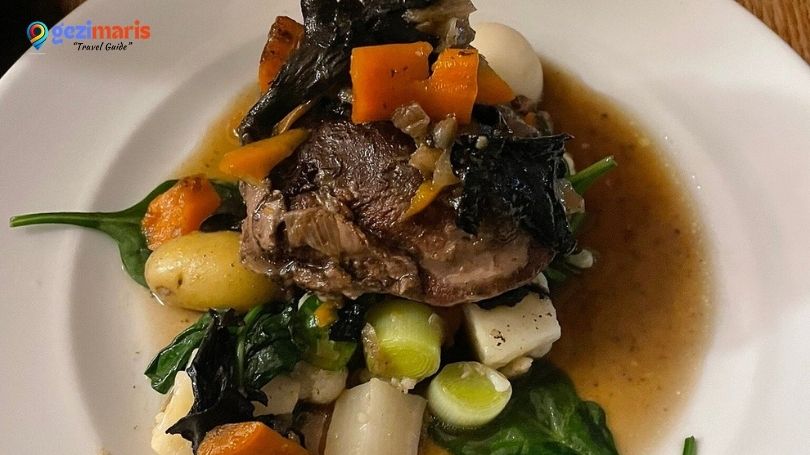
In Paris, the word "bistro" describes more than just a type of restaurant; it's a way of life. Red and white checkered tablecloths, tables close together, the day's menu written in chalk on a blackboard, and the aroma of butter wafting from the kitchen. Over the years, each time I've visited Paris, I've added a couple of new bistros to my list, and eliminated just as many, because the number of tourist-driven establishments disguised as bistros outnumbers the actual bistros. The distinction is simple: In a real bistro, the menu is short, the waiter isn't in a hurry, and French is spoken at the next table. In this article, I'll describe, neighborhood by neighborhood, the places that have passed that filter – places frequented by Parisians among themselves.
District 11: The Beating Heart of the Bistro Tradition
The 11th arrondissement, often overlooked on tourist maps, is the neighborhood where Parisians take the metro to eat. Located in the triangle between Bastille and Père Lachaise, this area boasts some of the city's best bistros, with prices slightly more reasonable than in the city center.
Bistrot Paul Bert
This 1950s-style decorated space on Rue Paul Bert, Paris One of the first names that comes to mind when you think of a classic bistro. People come here for one dish in particular: steak au poivre, or steak with black pepper sauce. The sauce is truly the best in town, and the homemade fries that accompany it solidify its reputation. For dessert, the soufflés of the day are legendary; order them at the beginning of your meal because they are freshly baked. Reservations are still largely done by phone, a stubbornly old-fashioned approach that speaks volumes about the character of the place. Closed on Sundays and Mondays.
Aux Bons Crus
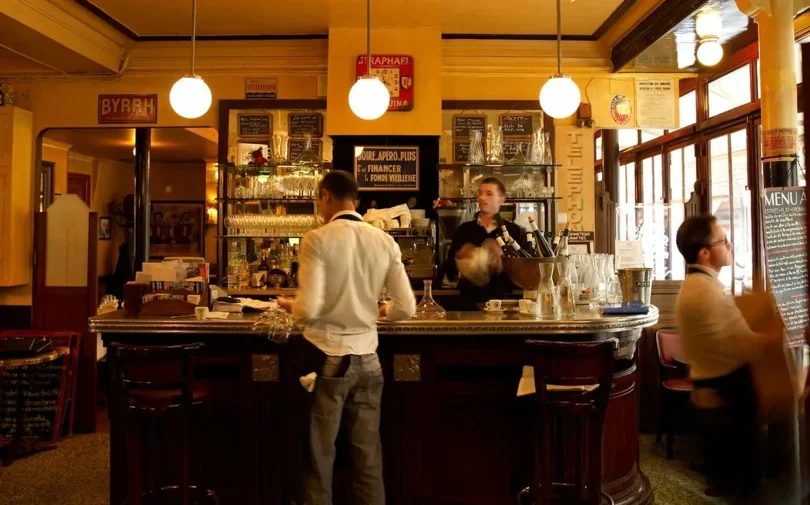
Aux Bons Crus on Rue Godefroy Cavaignac is the kind of place you'd walk past with its unassuming facade, and that's precisely why it's valuable. Inside, it has the feel of an old-fashioned workers' canteen, and the kitchen doesn't try to reinvent the wheel: textbook classics like escargots, cabbage stew, and veal cheeks are served at prices below the Paris average. Leave the wine selection to the staff; their cellar, true to its name (meaning good quality wines), is extensive. For those curious about authentic everyday French cuisine, this is my first choice.
Reserve
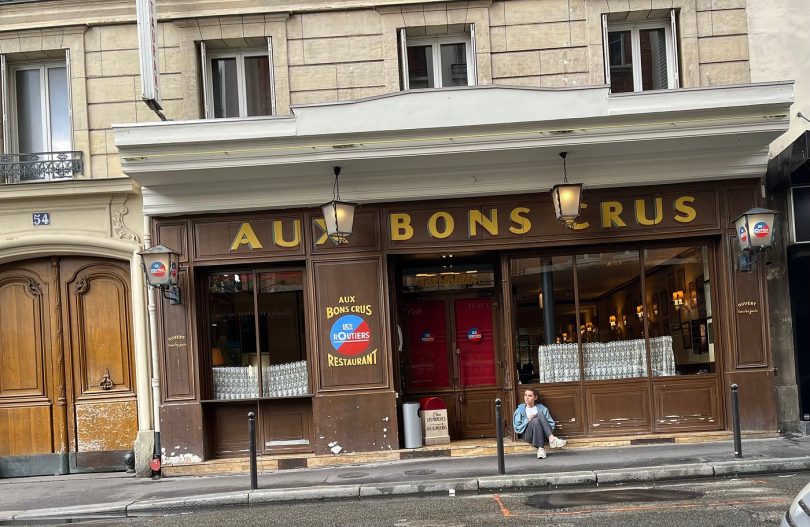
This tiny bistro on Rue Léon Frot is the kind of place the locals don't want to tell anyone about. The menu is on a chalkboard and constantly rotates according to the season, and the vegetarian options are surprisingly extensive for a bistro. The owner walks among the tables recommending wine, and you only pay for what you drink from the bottle. It's only open Saturday evenings, closed Sundays and Mondays. It promises a Parisian evening completely off the beaten path of the tourist route.
Marais: Provence Wind
At Janou's
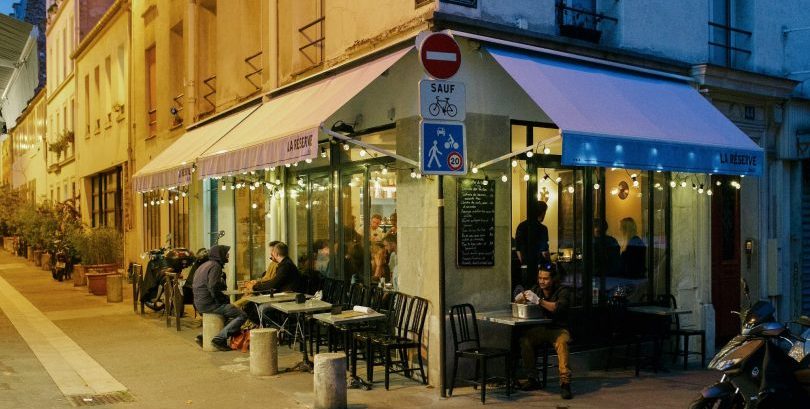
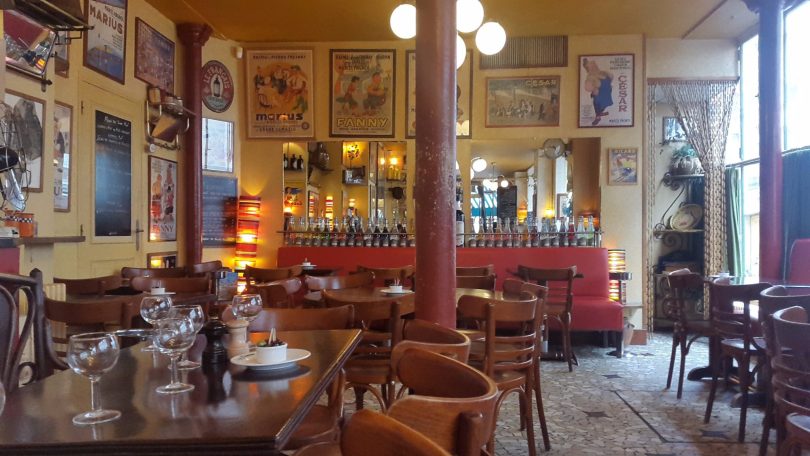
Chez Janou, located in a back street off Place des Vosges, is a cheerful corner bistro that brings Provençal cuisine to Paris. Duck breast and fiery gambas are excellent choices, but its real fame lies in its desserts: a huge bowl of chocolate mousse served at the table, with you dipping your spoon in yourself. Because it's become so famous on social media, going without a reservation is risky; either book weeks in advance or wait until 12:00 noon when the doors open. The bar, stocked with a variety of anise liqueurs, is also part of the Provençal spirit.
Belleville: The Hill Where Natural Wine Was Born
The Bullshit
Le Baratin, located on Belleville Hill, is a bistro that has made its mark on Paris's gastronomic history. The cuisine of Argentinian chef Raquel Carena has been a school admired by even the city's best chefs for decades. The menu is in French and displayed on a blackboard; the service is unpretentious, even seemingly distant at first glance; this is a kitchen that focuses on the food, not on flattering the customer. The natural wine list is a benchmark in the city. Note that it's only open in the evenings on Tuesdays and Thursdays, and closed on Sundays and Mondays. For those who want to see what unpretentious grandeur means.
The Left Bank: A Saint-Germain Classic
Brasserie des Prés
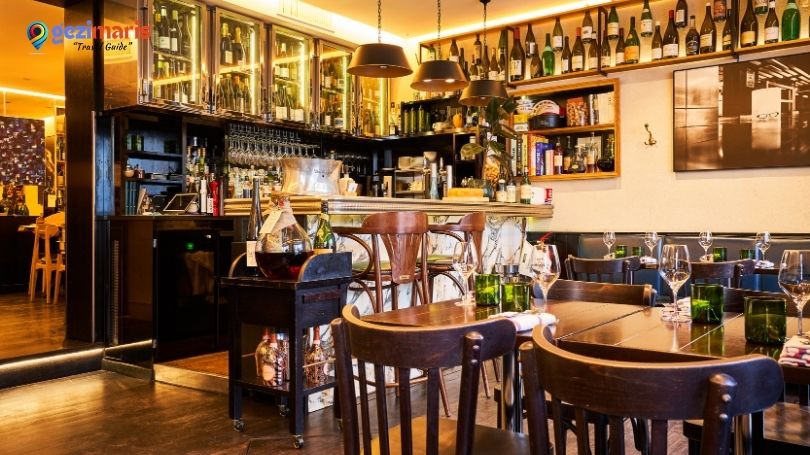
Located in Saint-Germain's historic Cour du Commerce Saint-André passage, this restaurant is one of the rare addresses in the touristy bustling Left Bank that truly delivers on its culinary excellence. The onion soup is rich and cheesy, and the bourguignon-style veal is reliable. If you sit in the dining area overlooking the kitchen, watching the rhythm of the service is a pleasure in itself. On weekday lunchtimes, the plat du jour on the blackboard is usually the smartest order. It's a busy place, so be prepared to wait if you go without a reservation.
The New Generation: The Neo Bistro Movement
In recent years, young chefs have been reinventing the bistro from within: the same intimate decor, the same chalkboard, but bolder touches on the plate. This trend, known as bistronomie in Paris, aims to bring fine dining quality down to bistro prices.
Deux Bistrot de Chefs: Humble in the Michelin Guide
Located on Rue de la Fontaine au Roi in the 11th arrondissement, this restaurant, as its name suggests, is a joint kitchen of two chefs and has earned a Michelin-listed place. Their seven-hour-cooked beef confit and modernized fish dishes are prepared with an approach that lets the ingredients speak for themselves without being overwhelmed by sauce. The lunch menu offers some of the best value for money in the area. The wine bars across the street are also run by the same team, making it possible to plan an evening out at both locations. Closed on Sundays and Mondays.
Orgueil: The New Star of the Sharing Table
Orgueil on Rue Popincourt is a shining example of the new generation blending bistro tradition with sharing plates and cocktail culture. Tables are set with shared plates, the kitchen operates on the principle of minimal food waste, and unexpected dishes like mushroom salad are memorable. The price range is slightly higher than classic bistros, but it's perfect for a large group wanting to try the entire menu. Closed on Sundays, reservations are essential for weekend evenings.
Bistro Etiquette: Things You Need to Know Before Sitting Down at a Table
In a true bistro, reservations are still made by phone; most places that use English-language online systems cater to tourists anyway. The plat du jour on the chalkboard is always the safest and freshest choice, as it's whatever the kitchen cooked that day. Get used to the close-knit tables; in a Parisian bistro, elbow space isn't a flaw, it's the nature of the place, and it can even turn into a conversation with the next table. Service charge is included in the bill, and rounding up a few euros for a tip is a very polite gesture. A waiter's slow pace isn't a sign of indifference; a bistro meal isn't rushed, and no one will bring the bill unless you ask for it. Finally, remember that most established bistros are closed on Sundays and Mondays, so planning your Paris trip for bistro evenings in the middle of the week is the safest option.
Going to a bistro in Paris is more than just ordering a meal; it's about immersing yourself in a rhythm: first a glass of wine, then a long gaze at the blackboard, interspersed with conversation, a leisurely flow of food. The eight places on this list best capture that rhythm, but every neighborhood in Paris has its own bistro, and the best part is discovering it for yourself. When you see a corner with a red awning, a blackboard visible through the glass, and the sound of French murmuring emanating from inside, stop and walk in. If you're on a budget, don't forget the formula tactic at lunchtime; the same kitchens operate at half price. The real cuisine of Paris is found at these tables, not in flashy display windows.
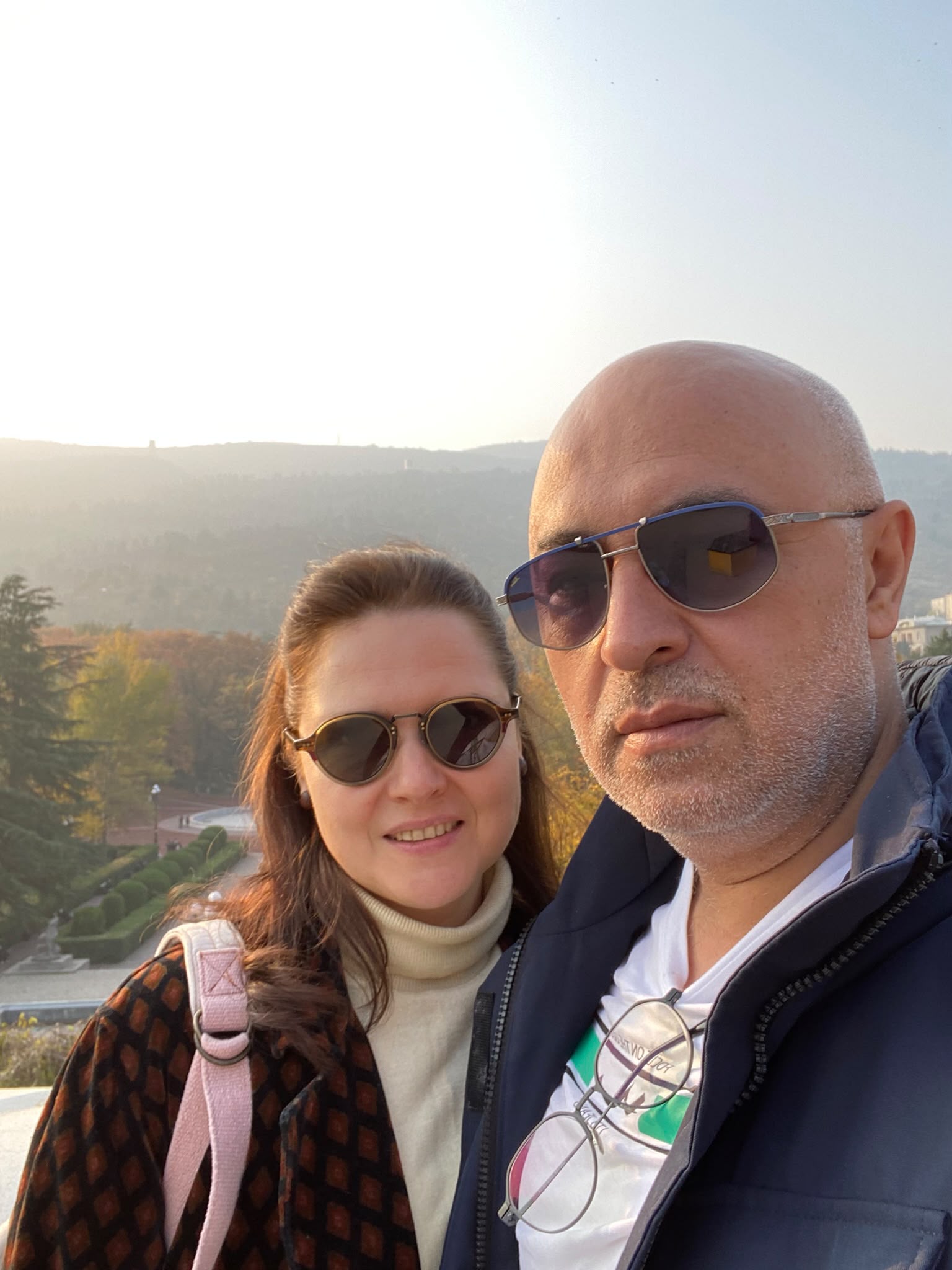
My wife Olga and I have made exploring new places whenever we get the chance a major part of our lives. For us, traveling isn't just about going from one city to another; it's about getting to know different cultures, getting lost in the streets, experiencing local life, and especially witnessing history in historical places. Our biggest motto in life is to travel, see, and accumulate what we learn. In every city we visit, we love tracing the castles, ancient cities, museums, old streets, and historical buildings. Because, in our opinion, every stone, every square, and every old building has a story to tell. On our trips with Olga, we enjoy following these stories the most. Sometimes in the quiet streets of a small town, sometimes on the walls of a castle that has defied centuries, and sometimes in an ancient city left behind by old civilizations, we find ourselves on a journey between the past and the present. For us, travel means creating memories together, seeing new places, touching history, and living life more meaningfully. Each trip gives us a new perspective and increases our desire to get to know the world more closely.
Similar Threads

Write a Comment
Visitor Comments - 0 Comments