Places to Visit in Paris
ParisParis is one of the world's most impressive cities, not just about the Eiffel Tower, but a place where every street holds a different era and every square a unique story. With its art museums, Gothic cathedrals, elegant bridges, historic neighborhoods, grand parks, and scenic views along the Seine River, the city offers travelers a rich itinerary that can last for days. This guide lists the most popular destinations in Paris according to category hierarchy; restaurants, tours, and commercial establishments have been excluded.
Iconic and Historic Places of Paris
Eiffel Tower
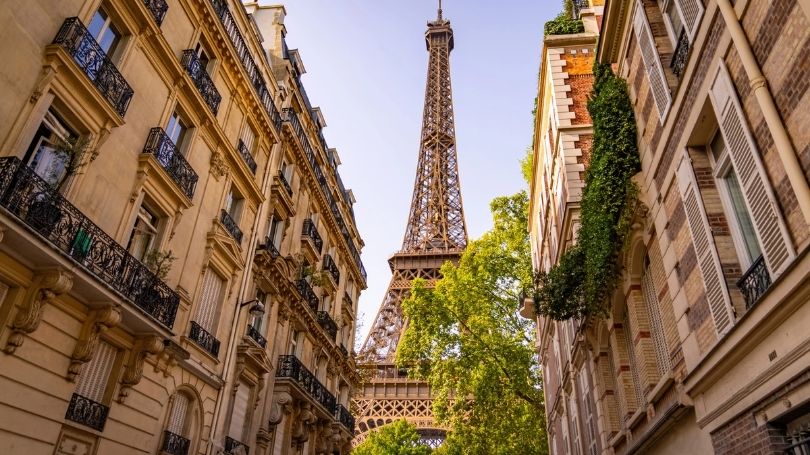
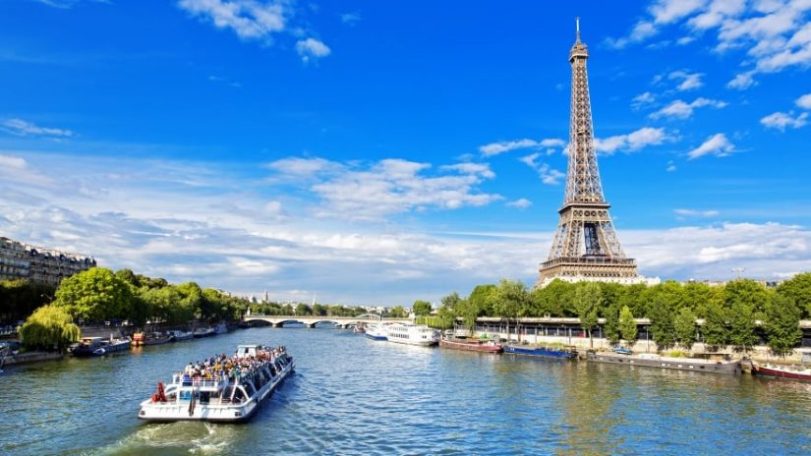
Eiffel TowerThe Seine Tower is the first symbol that comes to mind when Paris is mentioned, and it gives the city's skyline a unique character. Its location between the Champs de Mars and the Seine River makes the tower an impressive photo spot both during the day and in the evening. For first-time travelers to Paris, this structure is one of the strongest starting points for getting to know the city.

Triumphal arch
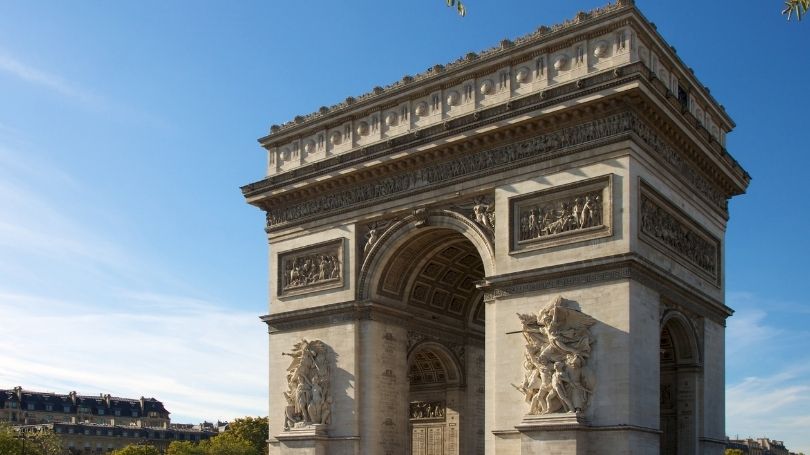
The Arc de Triomphe is a magnificent monument rising at the western end of the Champs-Élysées. Representing the military and national memory of French history, the structure, with its extensive network of intersections, offers a remarkable example of Parisian urban planning. From its highest point, the radial streets of Paris are impressively visible.
Notre Dame Cathedral
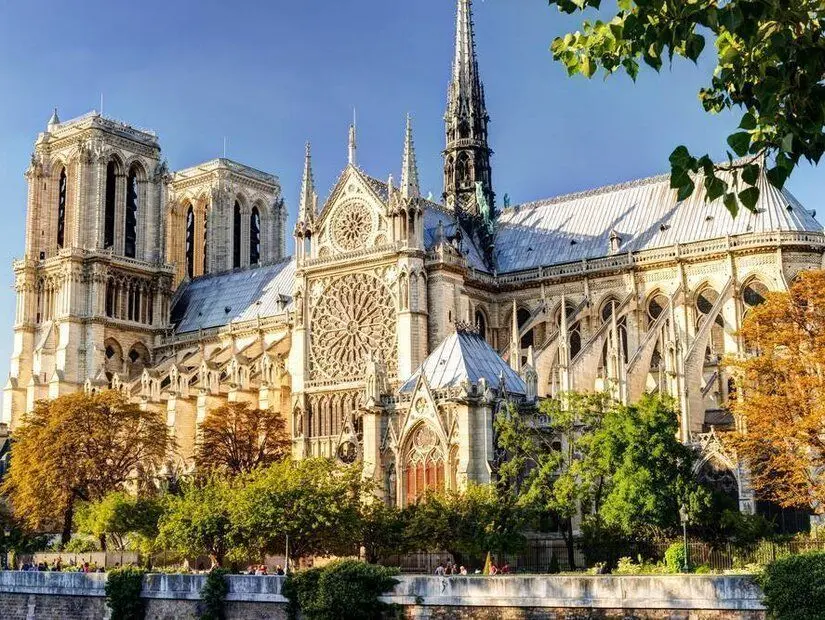
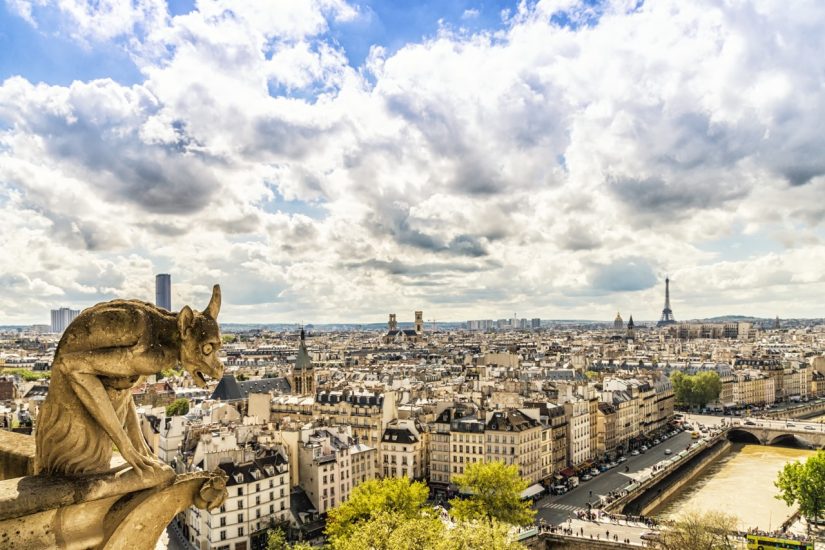
Notre Dame Cathedral, located on Île de la Cité, is one of Paris's most powerful Gothic landmarks. Its stonework, rose windows, and facade details showcase some of the city's most impressive examples of medieval architecture. It's a must-see stop on a stroll along the Seine.
Holy Chapel
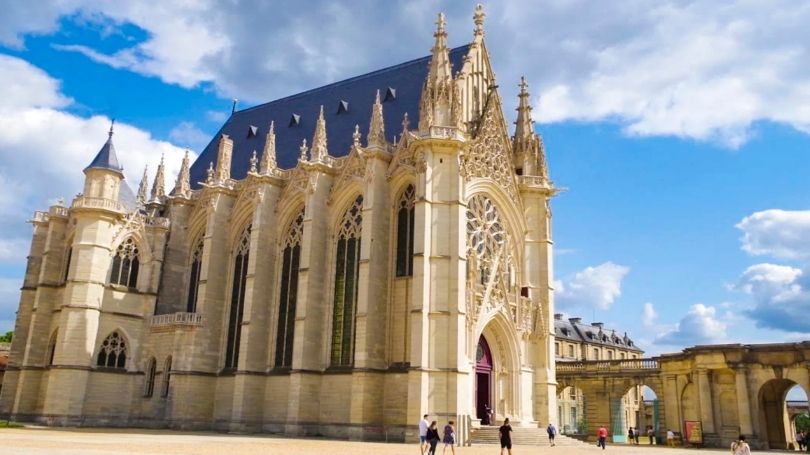
Sainte Chapelle is one of Paris's most magnificent historical buildings showcasing stained-glass art. Upon entering, the light filtering through the colorful glass creates an almost mystical atmosphere. It is a particularly special stop on a Paris itinerary for those interested in art, architecture, and religious history.
Concierge Service
The Conciergerie, located on Île de la Cité, is an important building that has witnessed dramatic periods of French history. Bearing traces of medieval palace architecture, the building is particularly associated with the French Revolution. Along with Notre Dame and Sainte Chapelle, it is a powerful historical landmark that can be visited on the same day.
Pantheon
The Panthéon, with its neoclassical architecture rising in the Latin Quarter, is one of Paris's most revered monuments. This structure, which commemorates figures who left their mark on France's intellectual, scientific, and literary history, is as impressive inside as it is outside. Its large dome and monumental atmosphere evoke a sense of Paris's intellectual side in visitors.
Hôtel de Ville
The Hôtel de Ville, as the City Hall of Paris, holds a central place in the city's public life. Its magnificent Gothic-inspired facade, along with its spacious square, is particularly striking for those wishing to take photographs. Located between Le Marais and the Seine riverbank, it's easily accessible on walking routes.
Navy Hotel
The Hôtel de la Marine is an elegant and historic building located on Place de la Concorde. With its atmosphere rooted in French royal and state history, it offers one of Paris's most magnificent interior experiences. It's an ideal cultural stop for those strolling along the square, the Tuileries Gardens, and the Champs-Élysées.
Palais de Chaillot
The Palais de Chaillot is a magnificent building located in the Trocadéro district, opposite the Eiffel Tower. Its spacious terraces offer one of the most famous Eiffel Tower views in Paris. Its striking architectural appearance and the surrounding square create a particularly impressive atmosphere, especially at sunset.
Grand Palais
The Grand Palais, with its glass roof and monumental architecture, is one of the most striking buildings on the Champs-Élysées. It has long held a significant place in Paris's exhibition, art, and cultural life. Even its exterior is elegant and magnificent enough to be seen on its own.
Petit Palais
The Petit Palais stands out not only for its identity as an art museum but also for its architectural elegance. With its spacious courtyard, ornate facades, and tranquil atmosphere, it offers a delightful cultural break around the Champs-Élysées. It is a strong contender for those who want to experience both art and architecture simultaneously in Paris.
Garnier
The Palais Garnier is one of Paris's most magnificent opera houses. Its marble staircases, ceiling decorations, and gold details offer visitors a theatrical splendor. It is an unforgettable stop on any Paris trip, not only for its performing arts but also for its architectural richness.
Opéra Bastille
Opéra Bastille, as one of Paris's modern opera houses, offers a different experience from the classic Garnier atmosphere. Its location around Bastille Square makes it a bridge between historical and contemporary Paris. With its architectural simplicity and cultural function, it complements the city's performing arts heritage.
Palais Royal
The Palais Royal, located around the Louvre, stands out with its elegant courtyards and historic architecture. Its tranquil gardens, colonnaded galleries, and balanced urban layout offer a peaceful retreat in the heart of Paris. It's ideal for a short but impressive stroll before or after a visit to the Louvre.
Domaine National du Palais-Royal
Domaine National du Palais-Royal, with its historic palace grounds, gardens, and courtyard layout integrated with art, is one of Paris's most elegant spots. Here, classic French architecture meets modern public art in one space. It's a central yet tranquil haven for those seeking to escape the city's hustle and bustle.
Luxembourg Palace
Luxembourg The palace is the magnificent architectural focal point of the Luxembourg Gardens. The gardens surrounding the palace form one of Paris's most peaceful open spaces. It's a great stop for those wanting to take photos, stroll, and experience the classic Parisian atmosphere.
National Assembly
The National Assembly is one of the most important buildings representing the political life of France. Its location near the Seine and its monumental facade make it particularly appealing to architecture enthusiasts. It's a noteworthy stop to add to your itinerary when traveling along the Invalides and Concorde routes.
Sorbonne University
Sorbonne University is one of the most important buildings representing the academic identity of the Latin Quarter. Its historic facade reminds us that Paris is not only a city of art and romance, but also of knowledge and thought. When explored together with the surrounding bookstores, squares, and narrow streets, it creates a more meaningful route.
Cite Internationale Universitaire
The Cité Internationale Universitaire is a large campus area in Paris reflecting the city's international student and cultural life. Architectural structures representing diverse countries set it apart from classic tourist routes. Its location near Parc Montsouris offers a tranquil and unique Parisian experience.
Bibliothèque Nationale de France – Richelieu
The Richelieu campus of the Bibliothèque Nationale de France is an impressive stop for those interested in library architecture. Its reading rooms and historic atmosphere evoke the intellectual heritage of Paris. It is valuable for those planning a cultural route around the Opéra and Palais Royal.
Bibliothèque Nationale de France – François Mitterrand
The François Mitterrand complex, with its modern architecture, represents the contemporary face of Paris. Its location on the banks of the Seine makes the building remarkable in terms of architecture and urban planning. It is suitable for those seeking a modern cultural hub outside the classic Parisian setting.
Gare de Lyon
Train station of LyonAmong Paris's historic train stations, it stands out with its architectural character. Its clock tower and magnificent facade reflect the aesthetic traces of the city's travel culture. It is a worthwhile transportation heritage for those traveling around Bercy and the Bastille.
Gare Saint-Lazare
Gare Saint-Lazare, one of Paris's historic train stations, has also left its mark on art history. Its atmosphere, which has been the subject of Monet's paintings, elevates the station beyond being just an ordinary transportation hub. It can also be considered an architectural landmark when exploring the Opéra district.
Gare de Paris-Est
Gare de Paris-Est is one of Paris's most important historical train stations. Its facade design and bustling location within the city offer a unique perspective for those wishing to explore Paris's transportation history. It can be explored in conjunction with the Canal Saint-Martin and the area around the 10th arrondissement.
Esplanade des Invalides
Esplanade des Invalides, with its wide open space and monumental perspective, is one of Paris's most impressive square layouts. Extending towards the Invalides, this area is a powerful landmark both historically and visually. It overlooks the Seine embankment, the Alexandre III Bridge, and... exploring When planned together with its museum, it makes for a very enjoyable route.
Le Dôme des Invalides
The Dome of the Invalides, with its golden dome, is a magnificent structure easily recognizable in the Paris skyline. Associated with Napoleon's tomb, it is one of the most powerful symbols of French military history. It is a must-see within the Invalides complex.
Army Museum
The Army Museum, located within the Invalides complex, is a significant museum that comprehensively covers France's military history. Armor, weapons, war memorabilia, and period objects offer a powerful narrative for history enthusiasts. It appeals to those seeking a different historical experience in Paris, beyond the classic art museums.
Memorial des Martyrs de la Déportation
The Memorial des Martyrs de la Déportation is a monumental site that keeps the painful memory of World War II alive with quiet and impressive architecture. Its location on Île de la Cité makes it easily accessible within central routes. It is an unassuming yet deeply meaningful stop.
Shoah Memorial
The Shoah Memorial is one of the most poignant landmarks in Paris. Located in the Le Marais area, the structure offers visitors a unique experience. Europe It offers an opportunity to reflect on one of the most difficult periods in its history. Its quiet atmosphere and documentary nature require a respectful visit.
Paris Catacombs
The Paris Catacombs are a unique stop for those wishing to explore the city's extraordinary underground history. The galleries, filled with bones, reveal the dark memory hidden behind Paris's glamorous facade. It's an unforgettable experience for travelers seeking something different, impressive, and somewhat eerie.
Montmartre Cemetery
Montmartre Cemetery transcends the classic perception of a cemetery with its atmosphere associated with artists and writers. Tree-lined avenues, sculptural tombstones, and a quiet texture add a melancholic depth to a visit to Montmartre. katarIt's a great option for a peaceful break after the bustling streets of the area.
Montparnasse Cemetery
Montparnasse Cemetery is one of Paris's most important cemeteries, carrying the city's intellectual and artistic memory. The traces of many figures from the world of philosophy, literature, and art can be seen here. It can be added as a thoughtful and tranquil stop while exploring the Montparnasse area.
Père-Lachaise Cemetery
Père-Lachaise Cemetery is one of Paris's most famous and impressive cemeteries. Historic tombs, sculptural monuments, and tree-lined avenues make it feel like an open-air museum. It's a powerful route for those seeking a meaningful and culturally enriching walk away from the crowds in the city.
Dalida's Tomb
Dalida's tomb, located within the Montmartre Cemetery, attracts the attention of those interested in art and music history. Its monumental layout and symbolic value make it a frequent stop for visitors. It's a perfect destination for those wishing to add a nostalgic and emotional touch to their Montmartre experience.
Statue of Liberty
The Statue of Liberty in Paris, a smaller version of the iconic statue in New York, stands on the banks of the Seine. Its location around Javel makes it a delightful spot for exploration, especially during river walks. It attracts attention as one of Paris's symbols in the context of Franco-American friendship.
Luxor Obelisk
The Luxor Obelisk is a historic monument rising in the center of Place de la Concorde. Misir This structure, originating from a bygone era, demonstrates how Paris incorporates traces of different civilizations into its urban fabric. The Concorde is a striking focal point on the line between the Tuileries and the Champs-Élysées.
Carrousel Triumphal Arch
The Carrousel Arc de Triomphe is an elegant monument located between the Louvre and the Tuileries Gardens. While not as massive as the Great Arc de Triomphe, its architectural details and location make it quite impressive. It's a lovely crossing point for those walking towards the Tuileries after visiting the Louvre.
Saint-Jacques Tower
Tour Saint-Jacques is a historic tower that stands alone in the heart of Paris. Its Gothic details and the small park surrounding it make it remarkable amidst the bustling city. It's a must-see landmark when exploring the Châtelet and Hôtel de Ville areas.
Roland Garros Stadium
Roland Garros Stadium is one of the most important venues in tennis history. For travelers interested in sports culture, it adds a different dimension to Paris's classic art and architecture routes. For those wandering around the 16th arrondissement, it is a remarkable landmark representing the sporting heritage.
Parc des Princes
Parc des Princes is one of the most important stadiums representing Paris's football culture. Its architectural form and sporting atmosphere appeal to a different interest within the city. It can be a special stop on a Paris itinerary for sports enthusiasts.
Accor-Arena
Accor Arena is one of the modern event and sports facilities in the Bercy district. Its exterior architecture, along with the surrounding park and Seine riverside layout, reflects a contemporary Parisian atmosphere. Even without an event taking place, it's a structure worth seeing while exploring the Bercy area.
Museums and Art Centers of Paris
Louvre Museum
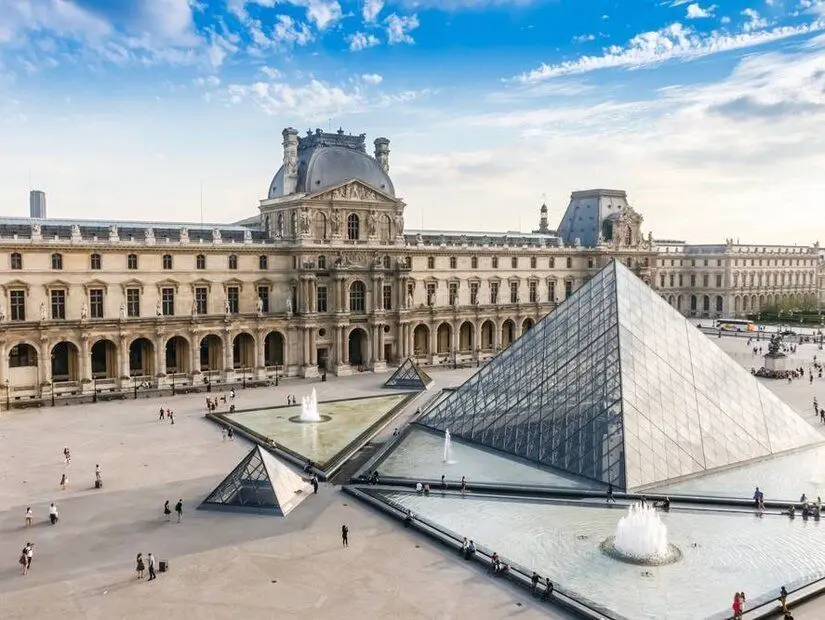
The Louvre Museum is one of Paris's greatest and most famous art treasures. With its vast collection spanning from ancient civilizations to the Renaissance, from sculpture to painting, it is more than just a museum; it is a world in itself. Even if you have limited time for art in Paris, you should plan a special section for the Louvre.
Louvre Pyramid
The Louvre Pyramid is an iconic structure that blends historical palace architecture with modern glass design. Rising in the museum's courtyard, this pyramid brings together old and new aesthetic sensibilities of Paris in a single frame. It is a particularly impressive photo spot, especially under the evening lights.
Orsay Museum
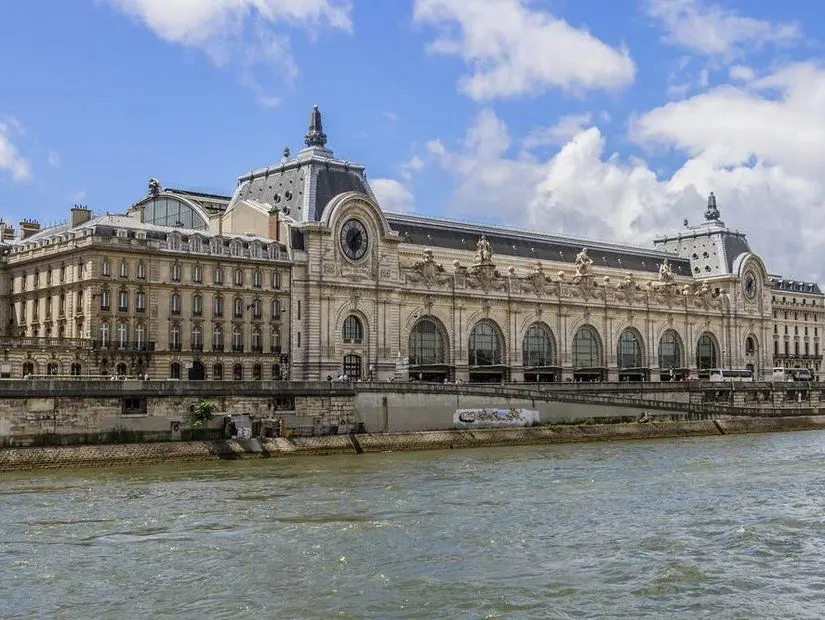
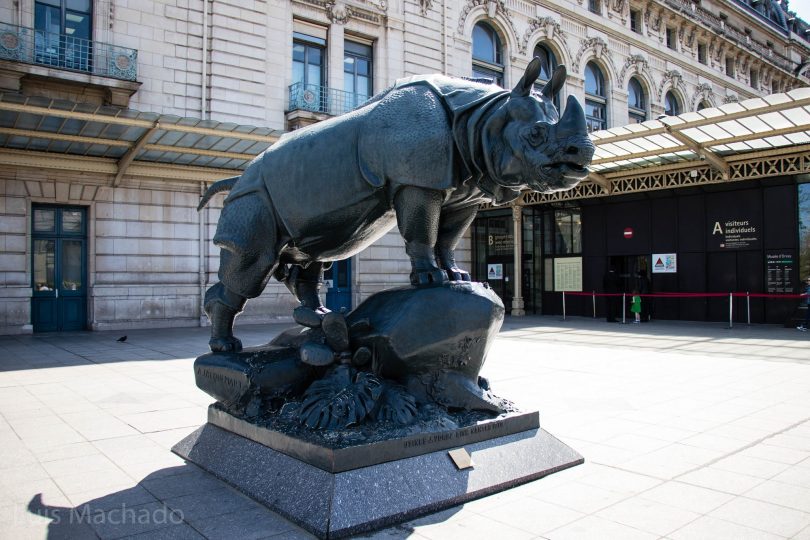
Orsay MuseumWith its atmosphere transformed from a former train station, it is one of Paris's most impressive art venues. Featuring Impressionist and Post-Impressionist works, it's a must-visit destination for art lovers in the city. Its location on the banks of the Seine makes it easily accessible via the Louvre and Tuileries routes.
Orangerie Museum
The Orangerie Museum, particularly known for Monet's Water Lilies series, is a tranquil yet intensely impactful art destination. Its location within the Tuileries Gardens combines a museum visit with a pleasant park stroll, offering a more focused art experience away from the crowds of larger museums.
Rodin Museum
The Rodin Museum is one of Paris's most special destinations for those interested in sculpture. Its gardens and historic building create a serene atmosphere alongside Rodin's works. Famous pieces such as The Thinker are among the memorable moments of a visit.
Picasso Museum
The Picasso Museum, located in Le Marais, is an important museum that offers a close look at the artist's creative world. The collection provides rich content for understanding Picasso's different periods and forms of expression. When explored alongside the streets of Marais, the atmosphere of art and the city merges powerfully.
Marmottan Monet Museum
The Marmottan Monet Museum is one of Paris's most valuable museums for Monet and Impressionism enthusiasts. Its quieter location is an advantage for those seeking an art experience away from the crowds. It is a must-see stop, especially for travelers interested in the history of art.
Jacquemart-André Museum
The Jacquemart-André Museum presents a private collection atmosphere within an elegant mansion setting. Both the artworks and the interior decoration are an important part of the visit. It's ideal for those who want to experience art alongside glamorous lifestyles in Paris.
Nissim de Camondo Museum
The Nissim de Camondo Museum, housed in an elegant mansion, offers an opportunity to experience French decorative arts. The furnishings, interior design, and period atmosphere transport visitors to old Parisian life. When planned together with the surrounding Parc Monceau, it creates a delightful cultural route.
The Carnavalet Museum is one of the most important museums in Paris for those who want to understand the city's history. Its historic building in Le Marais forms a strong whole with the narrative of its collection. It is a must-see for those who want to not only explore Paris but also grasp its past.
Cluny Medieval Museum
The Cluny Medieval Museum, located in the Latin Quarter, is a valuable stop on Paris's medieval heritage exhibit. Gothic art, textiles, sculptures, and historical artifacts add depth to the museum. Its impact is enhanced when viewed in the context of the district's academic and historical atmosphere.
Centre Pompidou
The Centre Pompidou is one of the most remarkable centers of modern and contemporary art in Paris. Its industrial design facade makes it instantly recognizable within the city's fabric. It's a strong contender for those seeking a Parisian experience different from classical art forms.
Paris Museum of Modern Art
The Paris Museum of Modern Art presents contemporary and modern art from a broad perspective. Its location near Trocadéro makes it easy to combine a museum visit with a stroll overlooking the Eiffel Tower. It appeals to those seeking a more tranquil art experience alongside its extensive collections.
Palais de Tokyo
Palace of TokyoWith its experimental and contemporary art atmosphere, it is one of Paris's innovative cultural destinations. It stands out with its more free and up-to-date exhibition approach, outside of the classic museum format. It's an impressive spot for those who want to see the living and evolving face of art.
Petit Palais Museum of Fine Arts
Petit Palais offers an elegant cultural break around the Champs-Élysées with its fine art collection. Its architectural ornamentation, courtyard, and interior atmosphere enhance the museum experience. It's a must-visit for travelers who appreciate free or accessible art stops in Paris.
Quai Branly – Jacques Chirac Museum
The Quai Branly Museum is a unique museum focusing on world cultures and the arts of different civilizations. Eiffel Tower Its proximity makes it an easy addition to classic Paris itineraries. For travelers interested in non-European cultures, it offers a rich field of discovery.
Guimet Museum of Asian Arts
Guimet Museum, Asia With its significant collection focusing on the arts, it showcases the cultural diversity of Paris. Sculptures, religious objects, and decorative works introduce the aesthetic sensibilities of different geographies. It is a good choice for those seeking a more unique museum experience around Trocadéro.
Museum of Decorative Arts
The Museum of Decorative Arts offers a strong selection of exhibits for those interested in design, fashion, furniture, and lifestyle. Its location near the Louvre makes it easy to incorporate into an art and design-focused day trip. It's valuable for those who want to understand Paris's aesthetic through everyday objects.
Bourdelle Museum
The Bourdelle Museum is a tranquil and impressive space focusing on the world of sculptor Antoine Bourdelle. The studio atmosphere allows visitors to see his works in a more intimate context. It's ideal for those seeking an art retreat away from the crowds around Montparnasse.
Montmartre Museum
The Montmartre Museum is an important stop that tells the story of the neighborhood's artistic past and bohemian spirit. Its gardens and historic house evoke the old atmosphere of Montmartre. When visited together with Sacré-Cœur and Place du Tertre, the identity of the area is better understood.
Dalí Museum in Paris
The Dalí Museum in Paris presents Salvador Dalí's surrealist world within the atmosphere of Montmartre. Sculptures, drawings, and original forms offer visitors a perspective beyond the usual art experience. It's a delightful stop for those exploring an art-focused route in Montmartre.
Atelier des Lumieres
Atelier des Lumières offers a different atmosphere from the classic museum experience with its digital art projections. Images projected onto giant surfaces create an immersive experience that draws the visitor into the art world. It is ideal for those seeking an innovative and visually powerful cultural destination in Paris.
Louis Vuitton Foundation
The Fondation Louis Vuitton is a prominent building in the Bois de Boulogne area, known for its contemporary architecture and art exhibitions. Its architectural form, designed by Frank Gehry, transforms a museum visit into a visual experience. It is particularly appealing to those wishing to explore modern art and architecture together.
Arab World Institute
The Arab World Institute represents the multicultural face of Paris with its architecture and cultural programs. Its facade design and location on the banks of the Seine make it architecturally appealing. It can be considered a unique cultural hub in the Latin Quarter and the Jardin des Plantes area.
Music Museum
The Music Museum offers a rich cultural narrative through instruments and music history. Its location within Parc de la Villette combines a museum visit with an outdoor stroll. It's one of Paris's more exclusive and thematic destinations for music enthusiasts.
City of Science and Industry
The Cité des Sciences et de l'Industrie is one of Paris's largest cultural areas focusing on science and technology. Located within Parc de la Villette, it offers a route that allows for ample time, especially for families and curious travelers. Its interactive and educational nature provides a different experience from traditional museums.
Natural History Museum
The Natural History Museum, located around the Jardin des Plantes, stands out with its scientific collections. It offers a rich field of discovery focusing on animals, plants, minerals, and evolution. It is a strong stop for travelers interested in natural sciences in Paris.
Great Evolution Gallery
The Great Evolution Gallery is one of the most impressive sections of the Natural History Museum complex. The animal specimens and display layout convey the diversity of nature visually in a powerful way. It offers an unforgettable museum experience in Paris for families with children and science enthusiasts.
Curie Museum
The Curie Museum is a significant stop in Paris for those interested in the history of science. Marie Curie's work and scientific legacy are presented in a simple yet compelling narrative. It's a good addition for those planning an academic route around the Latin Quarter.
Arts et Métiers Museum
The Arts et Métiers Museum is an impressive museum focusing on the history of technology, engineering, and invention. Collections of mechanical objects, scientific instruments, and industrial history create a fascinating atmosphere. It's a strong option for those seeking an experience different from classic art museums in Paris.
Paris Sewer Museum
The Paris Sewer Museum is an unusual museum that tells the story of the city's unseen infrastructure history. Its location near the Seine and its unique theme attract curious travelers. It helps us understand how Paris developed not only as an aesthetically pleasing city but also as a functioning one.
Gustave Moreau Museum
The Gustave Moreau Museum offers a unique experience in the atmosphere of the artist's home and studio. For those interested in Symbolist paintings, the museum boasts a very strong collection. It appeals to those seeking a quieter and more in-depth art retreat around the Opéra.
Hunting and Nature Museum
The Museum of Hunting and Nature in Le Marais offers an experience beyond the usual museum themes. It constructs an intriguing narrative between nature, animals, art, and symbols. For those who appreciate unique and distinctive museums, it's a worthwhile stop in Paris.
Fashion Museum – Palais Galliera
Palais Galliera is one of Paris's most important museums focusing on the history of fashion. Its elegant building and thematic exhibitions allow visitors to see the city's fashion identity within a cultural framework. It's a hub in the Trocadéro area that combines art, architecture, and fashion.
Choco-Story Paris
Choco-Story Paris is a thematic museum focusing on the history and production culture of chocolate. It's a delightful option for those who want to experience Paris's gastronomic side through a cultural narrative outside of a restaurant setting. It's an especially enjoyable stop for families and travelers interested in dessert culture.
Halle Saint Pierre
Halle Saint Pierre is an art-focused alternative cultural space located in Montmartre. It offers a unique experience, especially for those interested in unusual and naive art works. It is ideal for those who want to add a creative stop to the classic route around Sacré-Cœur.
59 Rivoli
59 Rivoli is a creative space that embodies the more independent and alternative spirit of Paris. Its artist studios and vibrant atmosphere offer a different experience from a classic museum setting. It's ideal for those seeking an original, lively, and unexpected art destination in the city center.
La Galerie Dior
La Galerie Dior is a special stop that tells the story of Paris's fashion heritage in an elegant exhibition atmosphere. It provides a powerful experience for those interested in fashion history, design, and aesthetic presentation. Unlike classic museums, it highlights Paris's stylistic identity.
Gainsbourg House
Maison Gainsbourg is a special stop for those wishing to understand Serge Gainsbourg's artistic identity and his place in Parisian culture. Its museum-house atmosphere offers visitors a personal and nostalgic experience, adding a unique musical and life dimension to the cultural routes around Saint-Germain.
Victor Hugo House
The Victor Hugo House, located near Place des Vosges, is an important stop for literature enthusiasts. Traces of the author's life and works make Paris's literary memory more visible. It is ideal for those who want to enrich their Le Marais trip with a cultural perspective.
Liberation Museum
The Paris Liberation Museum is a significant museum focusing on the history of World War II and the Resistance. It tells the story of the city's recent history through figures such as General Leclerc and Jean Moulin. It's a valuable resource for those wishing to explore a history-focused route around Montparnasse.
National Archives Museum
The National Archives Museum appeals to those interested in France's documentation, memory, and national history. Its historic building in Le Marais enhances the atmosphere of the collection. It's a good stop for those seeking a deeper understanding of Paris's political and social past.
Religious Buildings of Paris
Sacré-Cœur Basilica
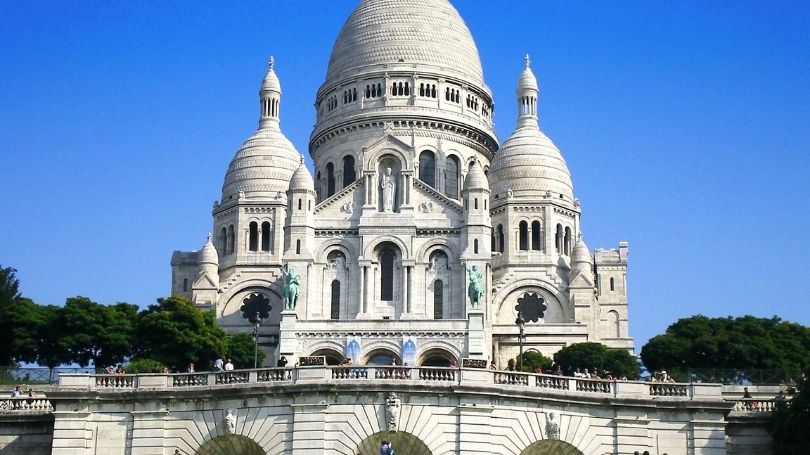
The Sacré-Cœur Basilica, with its white domes, is one of Paris's most impressive religious buildings on Montmartre hill. Its commanding position over the city offers a powerful experience, both architecturally and panoramically. At sunset, the area around the basilica transforms into one of Paris's most unforgettable atmospheres.
Saint-Sulpice Church
Saint-Sulpice Church is one of the most important religious buildings in the Saint-Germain area. With its spacious interior, elegant details, and historic atmosphere, it ranks among Paris's quieter yet impressive churches. It can easily be combined with the route through the Latin Quarter and the Luxembourg Gardens.
Church of Saint-Germain-des-Prés
Saint-Germain-des-Prés Church, one of Paris' oldest religious buildings, is a powerful symbol that gave the district its name. Its architecture, bearing Romanesque and Gothic influences, evokes a sense of the city's early history. Along with its surrounding intellectual café culture, it complements the classic left-bank atmosphere of Paris.
Madeleine Church
Madeleine Cathedral, with its neoclassical facade resembling an ancient temple, is one of Paris's most striking religious buildings. Its location near the Opéra and Concorde makes it a natural part of central routes. Both its exterior architecture and interior atmosphere captivate visitors.
Saint-Eustache Church
Saint-Eustache Church is a magnificent religious building located in Les Halles. Its architecture, combining Gothic and Renaissance influences, makes it one of Paris's most distinctive churches. It's ideal for those seeking a historical respite amidst the hustle and bustle of the city center.
Church of Saint-Étienne-du-Mont
Saint-Étienne-du-Mont Church is an elegant and historic building located near the Panthéon. The details in its interior are particularly noteworthy for those interested in Gothic architecture. Along with the Panthéon, it's a special stop on a route through the Latin Quarter.
Saint-Séverin Church
Saint-Séverin Church stands out with its Gothic atmosphere amidst the narrow streets of the Latin Quarter. Its stained glass windows and interior design offer visitors a serene and historic experience. It's a good stopover when passing through the Latin Quarter from the Notre Dame area.
Saint-Pierre de Montmartre Church
Saint-Pierre de Montmartre Church is one of the older and quieter religious buildings near Sacré-Cœur. It is an important addition for those wishing to understand the historical depth of Montmartre, offering a more serene atmosphere after the bustling basilica surroundings.
The Chapel of the Miraculous Medal
The Chapel of the Miraculous Medal is a special stop for visitors seeking to experience the spiritual side of Paris. Its simple yet profound atmosphere offers a religious experience different from the ostentatious buildings. It's a short but meaningful stop for those exploring the Bon Marché and Saint-Germain areas.
Great Mosque of Paris
The Great Mosque of Paris, located near the Jardin des Plantes, is an important religious and cultural structure. With its Moorish architectural details, courtyards, and ornamentation, it offers a unique aesthetic world in Paris. It is a valuable stop for those wishing to experience the city's multicultural identity.
Parks, Gardens and Natural Areas of Paris
Luxembourg Gardens
The Luxembourg Gardens are one of Paris's most beloved green spaces. Sculptures, pools, tree-lined paths, and meticulous landscaping evoke a classic Parisian tranquility. They are ideal for relaxation and photo breaks for those exploring the Latin Quarter and Saint-Germain.
Tuileries Garden
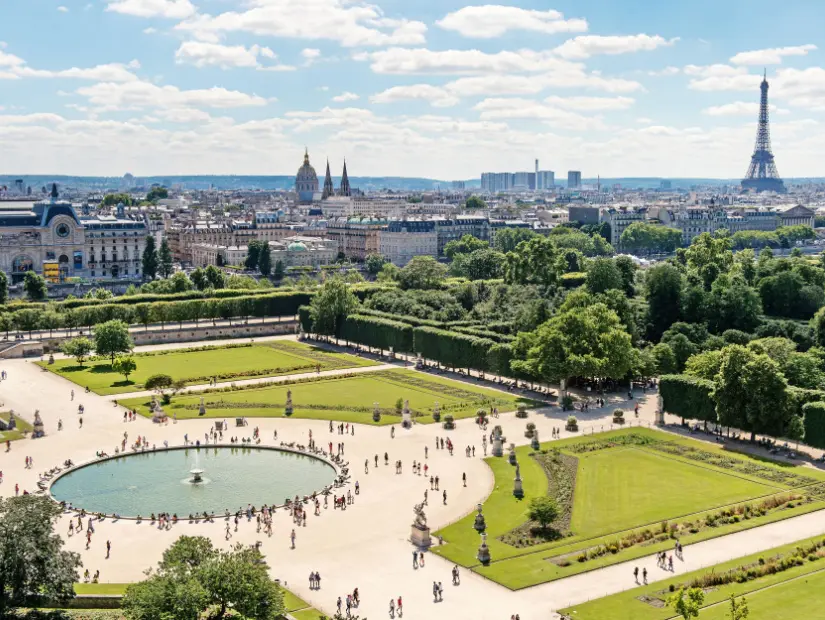
The Tuileries Garden is a historic city park stretching between the Louvre and the Concorde. Sculptures, walkways, and expansive views make it one of Paris's most elegant open spaces. It's a must-see stop on the Louvre, Orangerie, and Champs-Élysées route.
Palais Royal Garden
The Palais Royal Gardens stand out in the heart of Paris with their calm and orderly atmosphere. Their tree-lined avenues and surrounding historic galleries offer a brief escape from the city crowds. They are ideal for those seeking a tranquil break near the Louvre.
Champ de Mars
The Champs de Mars is a large green area stretching in front of the Eiffel Tower. It's a popular spot for taking photos and picnics, offering one of the best views of the tower. It's indispensable for those who want to experience Paris's iconic atmosphere outdoors.
Trocadéro Gardens
The Trocadéro Gardens offer one of the best viewpoints overlooking the Eiffel Tower. Pools, staircases, and spacious terraces make it particularly impressive at sunrise and sunset. It's one of the most popular open spaces on Paris photography routes.
Parc Monceau
Parc Monceau, with its elegant landscaping and romantic atmosphere, is one of Paris's most delightful parks. Classical sculptures, small bridges, and tranquil pathways make it a peaceful escape within the city. It's an ideal stop for those exploring the 8th and 17th arrondissements.
Buttes-Chaumont Park
Parc des Buttes-Chaumont, with its rocky landscape, lake, and elevated viewpoints, is one of Paris's most distinctive parks. Its natural appearance offers a different atmosphere from classic French gardens. It's a delight for those who want to discover a more local and refreshing side of the city.
Montsouris Park
Parc Montsouris is one of the tranquil and expansive green spaces in southern Paris. With its lake, lawns, and walking paths, it's particularly suitable for those seeking relaxation. When planned in conjunction with the route around the Cité Universitaire, it provides a wonderful outdoor experience.
Bagatelle Park
Parc de Bagatelle is an elegant garden area located within the Bois de Boulogne. With its rose gardens, small bridges, and romantic landscaping, it is one of Paris's more refined natural havens. It's a good option for travelers who want to get away from the bustling city center.
Bois de Boulogne
Bois de Boulogne, west of Paris, offers a vast natural escape. With its lakes, walking paths, and parks, it's ideal for those seeking to get away from the hustle and bustle of the city center. Along with the Fondation Louis Vuitton and Bagatelle, it makes for a rich day trip.
Bois de Vincennes
Bois de Vincennes is one of the large green spaces located east of Paris. With its lakes, walking trails, and open spaces, it appeals to those who want to spend time in nature. It offers a beautiful alternative route, especially when combined with explorations around Bercy and Vincennes.
Bercy Park
Parc de Bercy is a delightful park that combines green space with a modern urban layout. Gardens, walkways, and tranquil corners are ideal for relaxing, especially around Bercy. It can be planned in conjunction with the Seine embankment and the Viaduc des Arts route.
Parc de la Villette
Parc de la Villette is one of Paris' largest parks, combining culture, science, and open space. Its modern landscaping, museums, and expansive open areas set it apart from the classic park concept. It's a strong contender for families, science enthusiasts, and those seeking a contemporary urban experience.
Coulée Verte René-Dumont
Coulée Verte René-Dumont is an elevated green walkway created on the former railway line. Offering a different perspective on Paris, this route provides a tranquil city escape surrounded by plants. It's a delightful experience for those wishing to walk east from the Bastille.
Jardin d'Acclimatation
Jardin d'Acclimatation is a large area around the Bois de Boulogne that appeals to families and outdoor enthusiasts. Its gardens, walking paths, and fun outdoor layout make it particularly attractive for travelers with children. Located near the Fondation Louis Vuitton, it's a great place to plan a visit on the same day.
Jardin des Plantes
The Jardin des Plantes, with its identity as a botanical garden and scientific institutions, is one of Paris's most valuable green spaces. When visited alongside attractions such as the Natural History Museum and the Great Gallery of Evolution, it offers a rich cultural and nature route. With its plants, walking paths, and tranquil atmosphere, it provides a breath of fresh air within the city.
Medici Fountain
The Medici Fountain is an elegant corner within the Luxembourg Gardens, distinguished by its romantic atmosphere. Its shaded area, the sound of water, and classical sculptural composition offer visitors a tranquil respite. It's a must-see, especially for photos and relaxation, while exploring the gardens.
Paris Zoological Park
The Paris Zoological Park offers a unique experience within the city for those interested in nature and animal life. Its location near the Bois de Vincennes makes it easy to plan a trip to include the park. It provides a day trip alternative for families, different from the classic museums of Paris.
Menagerie – Jardin des Plantes Zoo
The Menagerie in the Jardin des Plantes retains one of the oldest zoo atmospheres in Paris. Its appeal is further enhanced by the scientific context surrounding the Natural History Museum. It's an accessible stop in the city center for families with children and nature enthusiasts.
The Seine River, Bridges and Islands
Seine River
The Seine River flows through the heart of Paris and is the city's most important natural element, defining its identity. Walks along the banks are filled with views of bridges, historic buildings, and museums. It's the essential route for those who want to experience Paris in all its romantic, historical, and visual aspects simultaneously.
City Island
Île de la Cité is the island district considered the historical core of Paris. Its impressive structures, such as Notre Dame, Sainte Chapelle, and the Conciergerie, make it the heart of the city's history. Its location on the Seine makes it ideal for walking routes.
Saint-Louis Island
Île Saint-Louis offers a calmer and more elegant island atmosphere compared to Île de la Cité. Its narrow streets, historic mansions, and views of the Seine evoke the romantic side of Paris. It's one of the best spots for a short stroll away from the crowds.
Pont Neuf
Despite its name, Pont Neuf holds a special place in Paris' history as one of the city's oldest bridges. Its location connecting the two banks of the Île de la Cité makes it an indispensable part of central walking routes. The views of the Seine are quite impressive at different times of the day.
Pont des Arts
The Pont des Arts, a pedestrian bridge connecting the Louvre with the left bank, is one of Paris's romantic landmarks. Its location on the Seine offers stunning views of both the museum and the river. It's a delightful stop for a short stroll at sunset.
III. Alexandre Bridge
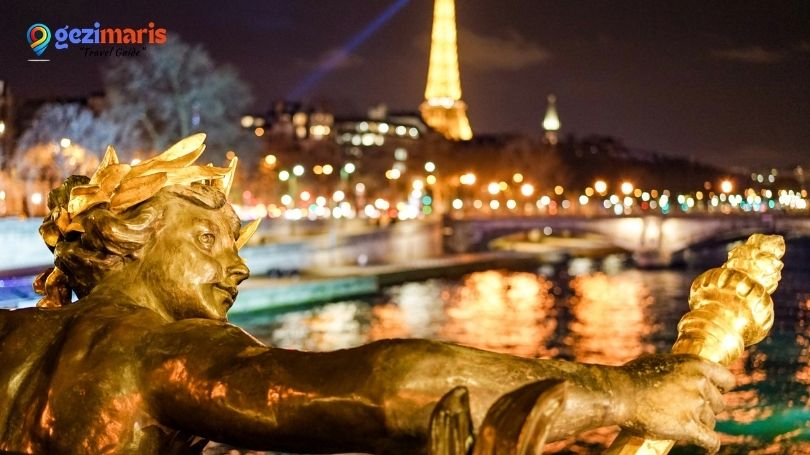
The Alexandre III Bridge is one of Paris's most magnificent and elegant bridges. Its golden details, sculptures, and perspective over the Seine make it a prime photographic spot. It's a must-see along the line between the Grand Palais, Petit Palais, and the Invalides.
Bir Hakeim Bridge
Pont de Bir-Hakeim, with its Eiffel Tower view and two-tiered structure, is one of Paris's most photogenic bridges. It particularly appeals to photography enthusiasts due to its cinematic atmosphere. It can easily be added to walks along the Trocadéro and the Seine.
Arts Viaduct
The Viaduc des Arts, a transformation of a former railway viaduct, gives Paris a unique urban fabric. The arched architecture below and the green walkway above give the area its distinctive character. It's a pleasant crossing point for those planning a walk between the Bastille and Bercy.
Canal Saint Martin
Canal Saint-Martin is a lovely area for those who want to experience a more local and tranquil side of Paris. With its bridges, waterways, and tree-lined banks, it offers a different atmosphere from the classic Seine landscape. It's a particularly pleasant option for walking and photography.
Bouquinistes de Paris
The bouquinistes along the Seine are iconic elements that bring Paris's book and printing culture to life in the open air. The green-boxed secondhand book stalls add a nostalgic character to the riverbank. They are details that evoke the spirit of Paris while walking around Notre Dame, the Louvre, and Pont Neuf.
Squares, Avenues and Walking Routes
Champs-Élysées
The Champs-Élysées, one of Paris's most famous boulevards, stretches from the Concorde to the Arc de Triomphe. Its wide pavements, tree-lined layout, and monumental perspective make it a classic route for city walks. It's an iconic route that first-time visitors to Paris absolutely must experience.
Place de la Concorde
Place de la Concorde is one of Paris' largest and most historic squares. The Luxor Obelisk, the monumental buildings surrounding it, and its location between the Tuileries and the Champs-Élysées give the square a strong character. It is a crossroads for major pedestrian routes in the city center.
Place des Vosges
Place des Vosges is one of the most elegant and orderly squares in Le Marais. Its arched galleries, red-brick facades, and central green space reflect the classic Parisian urban aesthetic. Its cultural value is further enhanced when visited alongside the Victor Hugo House.
Place Vendôme
Place Vendôme, with its elegant architecture and central column, is one of Paris's most stylish squares. Located on the route between the Louvre, Opéra, and Tuileries, it's easily included in any itinerary. It's a truly impressive stop in terms of architectural symmetry and urban aesthetics.
Place Dauphine
Place Dauphine offers a tranquil square atmosphere hidden away on Île de la Cité. Its location near Pont Neuf makes it a lovely resting point during Seine walks. It's ideal for those seeking a more serene corner in the bustling center of Paris.
Place de la Bastille
Place de la Bastille holds a very important place in Parisian history, with its memory of the French Revolution. Today, it is notable for its spacious square layout and the vibrant urban fabric surrounding it. Bastille is a strong point of passage between the Marais and Canal Saint-Martin routes.
Republic Square
Place de la République is an important meeting and expression space in Paris's public life. Its central monument and spacious square layout reflect the city's modern social memory. It's easily accessible while strolling around Canal Saint-Martin and the Marais area.
Place du tertre
Place du Tertre is one of the squares that most intensely embodies the artistic spirit of Montmartre. Painters, portrait drawings, and the historic street atmosphere make the square lively and colorful. It is one of the most characterful stops on a tour around Sacré-Cœur.
Place des Abbesses
Place des Abbesses is a charming square reflecting the daily life and bohemian atmosphere of Montmartre. The surrounding streets, staircases, and small details make exploring the area a pleasure. It can be planned in conjunction with walks to the Trevi Wall and Montmartre.
Trocadero Square
Trocadéro Square is one of the most impressive spots in Paris for those wanting to see the Eiffel Tower from across the water. Its spacious terraces and symmetrical layout make it particularly attractive for photography. Early morning hours offer a better experience, away from the crowds.
Le Trocadéro and Esplanade
Le Trocadéro and its esplanade are classic Parisian stops offering panoramic views of the Eiffel Tower. A walk along the steps, terraces, and gardens creates one of the city's most iconic panoramas. It's a must-see open space for travelers visiting Paris.
Rivoli Street
Rue de Rivoli is a historic avenue stretching along the Louvre and Tuileries line. Its arched passageways, orderly facades, and central location offer one of the most elegant examples of Parisian urban planning. It forms a strong axis that is naturally explored as one walks between museums and squares.
Rue Saint-Honore
Rue Saint-Honoré is one of the characterful walking routes stretching through the historic center of Paris. Its location near the Louvre, Palais Royal, and Place Vendôme makes the avenue architecturally interesting. While it has a shopping identity, its historical texture makes it valuable on city exploration routes.
Rue du Faubourg Saint-Honoré
Rue du Faubourg Saint-Honoré is one of Paris's most distinguished streets, known for its elegant architectural facades and historic urban fabric. Its location around the Champs-Élysées connects it to central pedestrian routes. It's particularly appealing to those who want to experience Paris's chic and orderly urban atmosphere.
Boulevard Saint Germain
Boulevard Saint-Germain is one of the most important boulevards, embodying the intellectual and cultural atmosphere of the left bank. It forms a strong link between Saint-Germain-des-Prés, the Latin Quarter, and the Seine. It's a classic route for those who want to explore Paris on foot.
Martyrs Street
Rue des Martyrs is a vibrant and characterful street stretching between Montmartre and the Opéra area. Its historic facades, neighborhood atmosphere, and hilly terrain make it ideal for experiencing the urban fabric. It offers a pleasant stroll for those who want to see a more local side of Paris.
Lepic Street
Rue Lepic is one of Montmartre's most characterful streets. Its winding structure, historic atmosphere, and neighborhood feel perfectly capture the bohemian spirit of the area. It's a lovely stop to add to a walk around Place du Tertre and Sacré-Cœur.
Rue Crémieux
Rue Crémieux, with its colorful houses, is one of the most photogenic streets in Paris. Unlike the classic Parisian stone facades, it offers a calm and charming atmosphere with pastel tones. It's ideal for those looking for a different kind of photo spot around Bercy and Gare de Lyon.
Rue Daguerre
Rue Daguerre is one of the walking spots around Montparnasse that stands out with its local neighborhood atmosphere. Its street layout offers a more intimate feel of everyday Parisian life. It appeals to those seeking a quieter route away from the major tourist attractions.
Huchette Street
Rue de la Huchette reflects the narrow and lively street atmosphere of the Latin Quarter. Its historic texture and bustling structure evoke the young and energetic character of the area. It offers a short but colorful walk between Notre Dame and the Latin Quarter.
Avenue Montaigne
Avenue Montaigne is a wide and elegant avenue representing the sophisticated urban fabric of the Champs-Élysées area. While known for its luxury, its architectural layout and tree-lined appearance make it aesthetically pleasing. It's a great addition to any itinerary for those seeking a more refined side of Paris.
Cour du Commerce Saint-André
The Cour du Commerce Saint-André is a short but impressive stroll through the Latin Quarter, offering a historic passageway atmosphere. Its cobblestone structure and old Parisian feel make it seem as if it's stepped away from time. It's a hidden gem that's a must-see when exploring Saint-Germain and the Odéon area.
Passage Jouffroy
Passage Jouffroy is one of the elegant buildings reflecting Paris's covered passageway culture. With its glass ceiling, historic flooring, and nostalgic atmosphere, it evokes the feeling of 19th-century Paris. It's a delightful stop for those exploring the area around the Opéra and the Grands Boulevards.
Green Passage
Passage Verdeau is one of the quieter and more nostalgic links in the chain of covered passageways. Old books, galleries, and the glass-roofed passageway atmosphere make it attractive for photography and strolling. Exploring it alongside Passage Jouffroy provides a better understanding of Paris's historic passageway culture.
Vivienne Gallery
Galerie Vivienne is one of Paris's most elegant historic arcades. Its mosaic floors, glass roof, and classical decor make it an architecturally impressive stop. It's a must-see when exploring the Palais Royal and the Bourse.
Grands Boulevards
The Grands Boulevards are a vibrant area of Paris that combines theatre, arcades, and historic street culture. Wide avenues, old facades, and covered passageways enrich a city walk. It's a good route for those wishing to explore eastward from the Opéra area.
Quartier de l'Opéra
The Quartier de l'Opéra is notable for its magnificent urban fabric that developed around the Palais Garnier. Wide boulevards, historic buildings, and a lively atmosphere evoke the urbanism of 19th-century Paris. It is a district with strong architectural and urban aesthetics.
Les Halles
Les Halles is one of Paris's central and vibrant districts, transformed from an old market area. Today, it's a place where modern urban fabric and historical surroundings coexist. It forms a natural transition zone when walking along the Saint-Eustache Church and Centre Pompidou line.
Viaduc des Arts Walking Line
The area around Viaduc des Arts is a beautiful example of how Paris's industrial heritage has been transformed into a creative urban fabric. The rhythm of the arched buildings and the green walkway at the top give the area its unique character. It's ideal for those seeking a quiet yet characterful route after the Bastille.
Districts and Neighborhoods of Paris
Montmartre
Montmartre is one of the neighborhoods that best embodies the bohemian spirit of Paris. Its winding streets, artist squares, and views of the Sacré-Cœur make it one of the city's most special spots. It's indispensable for those who want to experience a romantic, artistic, and local atmosphere all at once in Paris.
Marsh
Le Marais, with its historic mansions, narrow streets, and cultural diversity, is one of Paris's most delightful neighborhoods. It offers a rich itinerary with stops like Place des Vosges, the Carnavalet Museum, and the Jewish Quarter. It's a strong option for those seeking both history and a vibrant neighborhood atmosphere in the city.
Latin Quarter
The Latin Quarter represents Paris' academic and intellectual identity. The Sorbonne, the Panthéon, Saint-Séverin, and the narrow streets give the area a historical depth. With its young, vibrant, and cultural atmosphere, it's one of those neighborhoods best explored on foot.
Saint-Germain-des-Prés
Saint-Germain-des-Prés is a classic Parisian district synonymous with literature, art, and intellectual life. Its church, boulevard, and Left Bank atmosphere offer an elegant stroll through the city. It's an ideal stop for those seeking to experience Paris's intellectual romanticism.
Montparnasse
Montparnasse is an important district bearing the traces of 20th-century artists and writers. The tower, cemetery, museums, and wide avenues give the area a distinct Parisian character. It is valuable for those who want to experience the quieter and more cultural side of the Left Bank.
Defense
La Défense, as Paris's modern business and architectural district, offers a completely different atmosphere from the classic urban fabric. With its skyscrapers, wide pedestrian areas, and contemporary art installations, it presents a futuristic view of Paris. It is attractive for those who want to see a different perspective of the city than the historic center.
Butte quail
Butte-aux-Cailles is one of Paris's more local and tranquil neighborhoods. With its colorful street art, small squares, and village-like atmosphere, it stands apart from the classic routes. It's a district worth exploring for travelers seeking a different Parisian experience.
Left Bank
Rive Gauche, on the left bank of the Seine, is a vast area embodying Paris's intellectual, artistic, and historical identity. It includes key landmarks such as Saint-Germain, the Latin Quarter, and Montparnasse. It's a powerful concept for those who want to explore Paris not just through its landmarks, but through its intellectual and cultural trajectory.
Paris 1th District
Paris's 1st arrondissement is home to some of Paris's most central landmarks, including the Louvre, the Tuileries, and the Palais Royal. History, art, and elegant urban planning are intensely felt in this area. It's an ideal starting point for first-time visitors to Paris.
Paris 3th District
Paris's 3rd arrondissement represents the quieter, more cultural side of Le Marais. Art galleries, museums, and historic streets are concentrated in this area. It's ideal for those seeking a break from the crowds but still a central location for exploration.
Paris 4th District
Paris's Fourth Arcade encompasses landmarks such as Notre Dame, Hôtel de Ville, the Marais, and Île Saint-Louis. Here, the historic center of Paris and its vibrant neighborhoods intertwine. It's an area that absolutely must be explored during short trips to Paris.
Paris 5th District
Paris's 5th arrondissement, the Latin Quarter, and the Jardin des Plantes stand out with their academic and historical atmosphere. The Sorbonne, the Panthéon, and numerous museums define the area's character. It's ideal for those wishing to experience Paris's student, academic, and historical identity.
Paris 6th District
Paris's 6th arrondissement, encompassing Saint-Germain-des-Prés and the Luxembourg Gardens, embodies the elegant atmosphere of the Left Bank. Literature, art, and classic Parisian life are strongly felt in this area. It's an ideal neighborhood for a quiet yet central exploration.
Paris 7th District
Paris's 7th arrondissement, encompassing the Eiffel Tower, the Invalides, and the Orsay, is one of the city's most iconic areas. Its monumental buildings, museums, and wide boulevards make it a strong tourist destination and a must-see for first-time visitors.
Paris 8th District
Paris's 8th arrondissement, encompassing the Champs-Élysées, Grand Palais, Petit Palais, and the area around Concorde, represents the magnificent face of Paris. Wide avenues and monumental squares give the district a strong urban aesthetic. It is ideal for those wishing to experience the classic splendor of Paris.
Paris 9th District
Paris's 9th arrondissement, particularly the area surrounding the Opéra, stands out for its rich architecture and vibrant cultural life. The Palais Garnier, arcades, and historic streets define the district's character. It's a great place to experience Paris's opulent and bustling urban fabric.
Paris 10th District
Paris's 10th arrondissement, with its Canal Saint-Martin and historic train stations, offers a more local and dynamic side of Paris. It's appealing to those seeking an atmosphere different from the classic tourist center. Waterfront walks and the unique neighborhood atmosphere make the area worth exploring.
Paris 11th District
Paris's 11th arrondissement is known for its vibrant urban fabric around the Bastille and the République. Historical memory, modern city life, and a youthful atmosphere all come together here. It's ideal for those who want to experience the more contemporary and dynamic side of Paris.
Paris 13th District
Paris's 13th arrondissement represents one of the city's diverse facets with its modern architecture, street art, and multicultural fabric. It's enriched by landmarks like Butte-aux-Cailles and the Bibliothèque François Mitterrand. It's a great option for those looking to venture outside the classic Parisian routes.
Paris 14th District
The 14th arrondissement of Paris brings together stops with diverse characteristics, such as Montparnasse, the catacombs, and Parc Montsouris. It offers both a historical and tranquil neighborhood atmosphere. It appeals to those seeking a less crowded but richer route in Paris.
Paris 15th District
Paris's 15th arrondissement is a good area for those who want to experience a more casual, local side of Paris. The Seine waterfront, the area around Javel, and the neighborhood offer a more tranquil experience. It's valuable for travelers who want to escape the tourist crowds.
Paris 16th District
The 16th arrondissement of Paris, with its Trocadéro, Bois de Boulogne, and elegant residential fabric, is one of the most prestigious areas of Paris. It boasts a rich array of museums, parks, and Eiffel Tower views. It's ideal for photography and leisurely city walks.
Paris 17th District
Paris's 17th arrondissement, particularly the area around Parc Monceau, stands out with its elegant neighborhood atmosphere. It offers a more local, orderly, and tranquil Parisian experience. It's a great alternative for those who want to get away from the city's tourist center and experience a neighborhood feel.
Paris 18th District
The 18th arrondissement of Paris, with its Montmartre, Sacré-Cœur, and artist streets, is one of the most characterful areas of Paris. The hills, staircases, and panoramic views add a romantic atmosphere. It's a must-see for those wanting to discover the bohemian and photogenic side of Paris.
Points of Interest and Architectural Landmarks of Paris
Wall of Love
The Love Wall is a romantic spot located in Montmartre, designed with "I love you" phrases in different languages. Its small but symbolic structure particularly appeals to couples. It adds a lovely touch to a walk around Place des Abbesses.
Montparnasse Tower Viewpoint
The observation deck of the Montparnasse Tower is a great option for those who want to see Paris from above. The panoramic view, which includes the Eiffel Tower, makes it a great photo opportunity. It is recommended for those who want to view the city skyline from a different perspective.
City of Architecture and Heritage
The Cité de l'Architecture et du Patrimoine stands out around Trocadéro with its content focused on architecture and cultural heritage. It is an educational and visually rich stop for those interested in French architectural history. It provides cultural depth within a route that offers views of the Eiffel Tower.
Montorgueil Street
Rue Montorgueil is a historic pedestrian street around Les Halles that stands out for its vibrant street atmosphere. Regardless of its restaurant or shopping focus, it's worth seeing for its street texture and neighborhood energy. It's a pleasant stroll for those who want to experience the everyday rhythm of Paris.
Rue Cler
Rue Cler is a characterful street around the Eiffel Tower, offering a local neighborhood atmosphere. It stands out with its tranquil stroll, orderly facades, and details reflecting Parisian life. It's perfect for a short exploration break between the Invalides and the Champs de Mars.
Avenue des Champs-Élysées Perspective
The long perspective created along the Champs-Élysées is one of the most powerful visual axes of Parisian urban planning. This line, stretching from the Concorde to the Arc de Triomphe, is even more impressive when experienced on foot. It's a significant experience for travelers who want to feel the scale of the city.
Tuileries – Concorde Walking Trail
The walking route from the Tuileries Gardens to Concorde Square is one of Paris's most elegant outdoor routes. The Louvre, the Orangerie, the gardens, and the square converge on the same axis. It's ideal for those who want to experience numerous iconic landmarks in a short time.
Louvre – Palais Royal Line
The route from the Louvre to the Palais Royal combines art, palace architecture, and a tranquil garden atmosphere. Despite being in the city center, this route offers short breaks away from the crowds. It's ideal for those who want to experience the classic elegance of Paris within a short distance.
Notre Dame Towers
The Notre Dame Towers are a crucial element for understanding the cathedral's Gothic architecture and city views. With their gargoyle details and high facade, the towers enhance the dramatic impact of the structure. Even from the outside, they are details that deserve careful observation when touring the cathedral grounds.
Samaritane Building
The Samaritaine building, with its location near the Seine, is one of the striking structures representing Paris's historic department store architecture. Regardless of its commercial function, its facade and renovated architectural design are worth seeing. It can be considered an architectural stop during walks around Pont Neuf and the Louvre.
Covered Passages of Paris
Paris's covered passageways carry the elegant traces of 19th-century city life to the present day. Glass ceilings, mosaics, and narrow passages offer visitors a nostalgic atmosphere. This culture is best understood when Galerie Vivienne, Passage Jouffroy, and Passage Verdeau are visited together.
Marais Jewish Quarter
The Marais Jewish Quarter is one of the most important areas reflecting Paris's multicultural history. Narrow streets and religious and cultural traces give the neighborhood its unique identity. It's a must-see for those who want to make their Le Marais tour more in-depth.
Bercy Village Historic Site
Bercy Village, with its architectural fabric transformed from former wine cellars, is one of the characteristic points of the Bercy region. Although it has commercial functions, its historical building layout and pedestrian atmosphere are interesting for observing the transformation of the city. It can be planned together with Parc de Bercy and the Seine riverbank.
Bastille surroundings
The area around Bastille blends the memory of the French Revolution with contemporary Parisian life. The square, the opera house, and the surrounding streets make the area both historic and dynamic. It's a good transit point for those taking a walking route between the Marais and the Canal Saint-Martin.
Odéon Surroundings
The area around the Odéon is a cultural crossroads between Saint-Germain and the Latin Quarter. Theatrical tradition, narrow streets, and classic left-bank atmosphere give the area an elegant identity. When explored alongside the Luxembourg Gardens and Saint-Sulpice, it forms a powerful itinerary.
Madeleine Circle
The Madeleine area, with its neoclassical church, spacious square layout, and proximity to the Opéra, is one of Paris's most elegant centers. It offers an architecturally rich transition between the Concorde and Grands Boulevards lines. Many historical buildings are easily accessible within short walking distance.
Trocadéro – Passy Line
The route from Trocadéro towards Passy evokes the quieter and more upscale west side of Paris. Eiffel Tower views, museums, and wide avenues give this area a strong character. It's ideal for those who want to experience a different Parisian atmosphere without straying too far from the bustling center.
Javel and the Seine Bank
The Javel area offers a more modern and tranquil Parisian experience along the Seine. Views of the Statue of Liberty and the river make the area attractive for short walks. It's a valuable option for those seeking a different coastal atmosphere from the classic city center.
Quartier Asiatique
The Quartier Asiatique, located in the 13th arrondissement, is a vibrant district showcasing Paris's multicultural character. Modern residential blocks, street art, and diverse cultural influences set it apart from the classic Parisian aesthetic. It's an interesting discovery point for travelers seeking alternative city routes.
Gobelins Surroundings
The Gobelins area is one of Paris's districts that combines craftsmanship, history, and neighborhood character. It forms a quieter transitional area between the Latin Quarter and the 13th arrondissement. It's ideal for those who want to get away from the big landmarks and experience the local Parisian atmosphere.
Enfants-Rouges Surroundings
Enfants-Rouges is a characterful area within Le Marais, retaining its vibrant yet historic character. The streets, small squares, and neighborhood scale evoke a more intimate side of Paris. It can be added to your itinerary to ensure your Marais tour isn't limited to just the main sights.
Saint-Merri area
The Saint-Merri area, situated between the Centre Pompidou and the Tour Saint-Jacques, is one of Paris's central yet creative districts. Here, medieval traces coexist with a contemporary art atmosphere. It's ideal for those who want to experience different eras within a short distance of the city center.
Louvre – Seine Bank
A walk between the Louvre and the Seine bank is one of Paris's most elegant scenic routes. The museum facade, the bridges, and the river perspective all converge along the same route. The city appears calmer and more photogenic, especially in the early morning hours.
Invalides – Seine Line
The route stretching from the Invalides to the Seine beautifully showcases Paris's monumental and open urban layout. The Army Museum, the Esplanade des Invalides, and the Alexandre III Bridge form a powerful whole along the same route. It's a highly effective walk for travelers seeking history and scenery.
Montmartre Stairs
The Montmartre steps are among the best ways to experience the hilly topography and romantic street atmosphere of the area. Each step offers a different view, street, and photo opportunity. For those who want to walk up to Sacré-Cœur, it's a tiring but unforgettable experience.
Sacré-Cœur Terrace
The Sacré-Cœur terrace is one of the most impressive open-air spots in Paris for those who want to admire the city from above. Thanks to its hilltop location in Montmartre, it offers a wide panorama. At sunset, the atmosphere can be both romantic and crowded.
Place du Tertre Artists' Area
The artists' area around Place du Tertre is one of the key points keeping Montmartre's bohemian identity alive. The atmosphere of painters and street art connects the area to Paris's creative memory. It can be reached with a short walk from Sacré-Cœur.
Île Saint-Louis Docks
The Île Saint-Louis quays are perfect for peaceful and romantic walks along the Seine. Historic buildings, river views, and a less crowded atmosphere make the island special. It's a must-see spot for those who enjoy a slower pace of life in Paris.
Vert-Galant Square
Square du Vert-Galant is a small, peaceful green space at the end of Pont Neuf, extending towards the Seine. Its proximity to the river level offers a unique view of Paris. It's a short but very pleasant stop around Île de la Cité.
Square Jean XXIII
Square Jean XXIII is a tranquil garden area located behind Notre Dame. It's a beautiful spot for those who want to see the cathedral's Gothic architecture from a different perspective. It's ideal for a short escape from the crowds during a trip to Île de la Cité.
Square Louise Michel
Square Louise Michel forms the main green space and staircase leading up to Sacré-Cœur. The perspective rising towards the basilica is one of Montmartre's most recognizable views. It's a beautiful starting point for those who want to take photographs and slowly approach the view.
Square des Batignolles
Square des Batignolles is a quiet, local park located in the 17th arrondissement. With its small pond, tree-lined paths, and neighborhood atmosphere, it evokes the everyday life of Paris. It's ideal for those seeking a peaceful open space away from tourist crowds.
Parc André Citroën
Parc André Citroën offers a unique park experience in Paris with its modern landscape design. It stands out with its expansive lawns, themed gardens, and proximity to the Seine. It's a modern and spacious resting place in the 15th arrondissement.
Georges Brassens Park
Parc Georges Brassens is a characterful open space where a former industrial area has been transformed into a green park. The surrounding landscape, sculptures, and tranquil walking paths give the area a local identity. It's a non-touristy but pleasant stop within the 15th arrondissement.
Parc Clichy-Batignolles – Martin Luther King
Parc Clichy-Batignolles is a large, modern green space reflecting Paris's contemporary park concept. Its sustainable landscaping, water features, and open spaces appeal particularly to those wishing to experience local life. It offers a lovely break from exploring the 17th arrondissement.
Promenade Pereire
Promenade Pereire offers a tree-lined and tranquil walking route within the 17th arrondissement. It's ideal for those seeking a peaceful route on a neighborhood scale. When planned together with the area around Parc Monceau, it evokes a more refined, local Parisian atmosphere.
Parc Sainte-Périne
Parc Sainte-Périne is one of the lesser-known, tranquil green spaces within the 16th arrondissement. Its tree-lined avenues and local character offer a peaceful respite for those seeking to escape the crowds. It's a valuable addition for those looking for an alternative park in West Paris.
Jardin Atlantique
Jardin Atlantique is an unusual urban garden located above Montparnasse Station. Its elevated position and modern design offer a different experience from classic Parisian parks. It is interesting for those who want to discover an unexpected green space around Montparnasse.
René Viviani Square
Square René Viviani is a small but impressive green space located around Notre Dame and Saint-Julien-le-Pauvre. It's perfect for short breaks with views of the Seine and the cathedral. It can also be considered a peaceful stop before heading into the Latin Quarter.
Church of Saint-Julien-le-Pauvre
Saint-Julien-le-Pauvre Church, located across the river from Notre Dame, is one of Paris's oldest religious buildings. Its small scale and historic atmosphere make it a different experience from the larger cathedrals. It is recommended to visit it together with Square René Viviani.
Church of Saint-Gervais-Saint-Protais
Saint-Gervais-Saint-Protais Church is a historic religious building located near the Hôtel de Ville and the Marais district. Its architecture, incorporating Gothic and classical elements, enhances the historical fabric of the area. It is ideal for those seeking a tranquil and meaningful stop along their Marais itinerary.
Saint-Roch Church
Saint-Roch Church is one of the important religious buildings located around the Louvre and Rue Saint-Honoré. Its facade design and interior atmosphere appeal to those who want to see church architecture in the center of Paris. It is easily accessible from the Tuileries and Palais Royal line.
Val-de-Grâce Church
The Val-de-Grâce Church, located south of the Latin Quarter, is a historic building notable for its magnificent dome. Its Baroque influences and monumental appearance showcase the diversity of Paris's religious architecture. It is a valuable option for those seeking an alternative route around the Panthéon and Port-Royal.
Saint-Augustin Church
Saint-Augustin Church is a remarkable building in the 8th arrondissement, distinguished by its unique architectural style. Its combination of metal construction and traditional church form makes it architecturally interesting. It can be seen while strolling along the Madeleine and Parc Monceau route.
Notre-Dame-de-Lorette Church
Notre-Dame-de-Lorette Church is a neoclassical religious building located in the 9th arrondissement. It forms a cultural crossroads between the Opéra and Pigalle, offering a tranquil stop that shows the area is more than just theaters and boulevards.
Saint-Vincent-de-Paul Church
Saint-Vincent-de-Paul Church stands out with its high position and impressive facade near Gare du Nord. Its stepped approach and classical appearance give the building a monumental feel. It is a worthwhile religious stop on any exploration of the 10th arrondissement.
Saint-Alexandre-Nevsky Cathedral
Saint-Alexandre-Nevsky Cathedral is a special stop for those wishing to see Orthodox architecture in Paris. Its onion domes and diverse religious aesthetics reflect the city's multicultural character, offering an unusual architectural experience in the 8th arrondissement.
Sainte-Trinité Church
Sainte-Trinité Church is one of the magnificent religious buildings with a striking facade located around the Opéra. Its square layout and tall tower make it stand out within the city fabric, adding an elegant architectural stop to the walks of the 9th arrondissement.
Batignolles District
Batignolles is one of Paris's quieter, more local, and greener neighborhoods. Square des Batignolles and the surrounding streets offer a pleasant atmosphere of life outside the tourist center. It's a good alternative for travelers who want to experience Paris in a more local way.
Passy Neighborhood
Passy offers a calm and elegant neighborhood atmosphere around Trocadéro and the 16th arrondissement. Wide avenues, stylish buildings, and proximity to the Seine make the area delightful. It's ideal for a more peaceful stroll after the classic route with Eiffel Tower views.
Belleville
Belleville offers a different Parisian experience with its street art, multicultural life, and views from its high points. Far from the classic tourist center, it has a more vibrant and alternative atmosphere. It's valuable for those who want to see the creative and local side of Paris.
Ménilmontant
Ménilmontant is a characterful neighborhood located around Belleville and Père-Lachaise. It stands out with its hilly streets, local character, and art-related atmosphere. It's a friendly area worth considering for alternative Parisian itineraries.
Père-Lachaise Area
The area around Père-Lachaise stands out not only for its cemetery route but also for its tranquil neighborhood atmosphere. Tree-lined streets and fewer touristy structures transform the area into a unique place to explore. When planned together with Belleville and Ménilmontant, it creates a rich eastern Paris route.
La Villette Canal Area
La Villette, with its canal surroundings, modern park layout, and waterside promenades, is one of Paris's contemporary open spaces. Along with science and music-focused cultural institutions, the area offers a vibrant atmosphere. It's ideal for those seeking a spacious and airy route outside the classic city center.
La Villette basin
Bassin de la Villette is a delightful spot for waterside walks in northeastern Paris. Its wide canal basin, combined with the surrounding modern life, creates a unique urban landscape. It's ideal for those wishing to connect the Canal Saint-Martin and Parc de la Villette areas.
Ourcq Canal
The Canal de l'Ourcq offers a tranquil waterway atmosphere stretching eastward from the La Villette area. It provides an alternative to the classic Seine route for walking, cycling, and enjoying the city views. It's a valuable resource for those wishing to experience Paris's local and modern outdoor culture.
Butte Bergeyre
Butte Bergeyre, one of Paris's hidden hills, offers a tranquil and local exploration. Its narrow streets and elevated position create an unexpected neighborhood atmosphere within the city. It's ideal for those seeking a more intimate Parisian experience, away from the crowded tourist spots.
Temple Square
Square du Temple offers a peaceful green space around Le Marais and République. With its small pond, trees, and neighborhood atmosphere, it's ideal for short breaks. It's a lovely option for those seeking a quieter stop on their Marais tour.
Anne-Frank Garden
Jardin Anne-Frank is a small but meaningful garden space around the Marais. Its quiet atmosphere creates a respite from the area's historical memory. It's a great place to take a peaceful break between the Centre Pompidou and the Marais.
Square des Vosges Garden Area
The green space within Place des Vosges forms a peaceful centerpiece that complements the square's architectural layout. Trees, benches, and symmetrical facades evoke a classic Parisian tranquility. It's an ideal spot for a short break during a stroll through Le Marais.
View of Square du Vert-Galant
The endpoint of Square du Vert-Galant, extending into the Seine, offers one of Paris's most romantic little views. The Pont Neuf, river boats, and both banks can be observed simultaneously. It's invaluable for those seeking a peaceful moment in the heart of the city.
Paris is a multifaceted city that reveals a different face to each traveler. While some visitors are captivated by the Eiffel Tower and the Louvre, others capture the true spirit of the city on the steps of Montmartre, in the narrow streets of the Latin Quarter, among the booksellers on the banks of the Seine, or on the green hills of Buttes-Chaumont. Therefore, a Paris itinerary should be considered not just a "list of places to see," but a personal journey of discovery that brings together art, history, architecture, nature, and city life.
To strike the right balance among the sights in Paris, the most efficient approach is to dedicate the first few days to landmarks, and the following days to museums, neighborhoods, and more tranquil parks. As you explore the city on foot, the small squares nestled between grand monuments, hidden gardens, historic passages, and neighborhood details become some of the most unforgettable moments of your trip. This is precisely what makes Paris special: offering a new story at every turn, a new view from every bridge, and a beauty to be rediscovered on every street.