
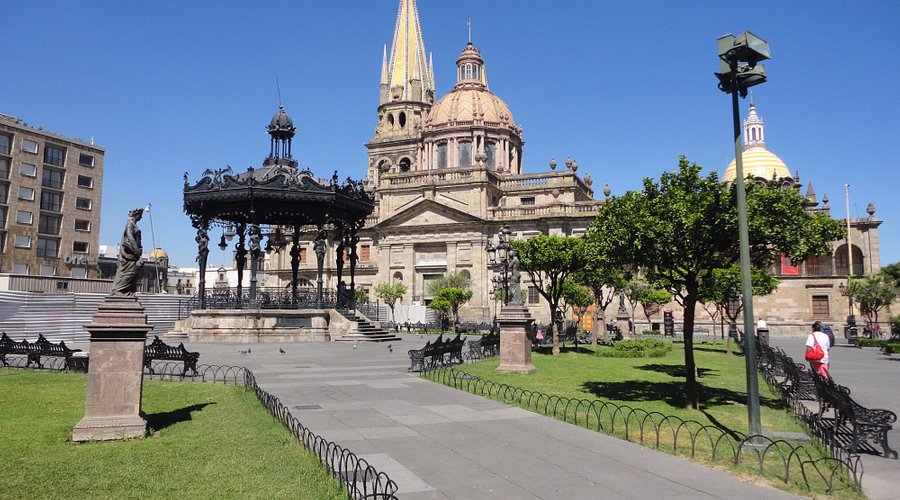
Castile-La Mancha Travel Guide
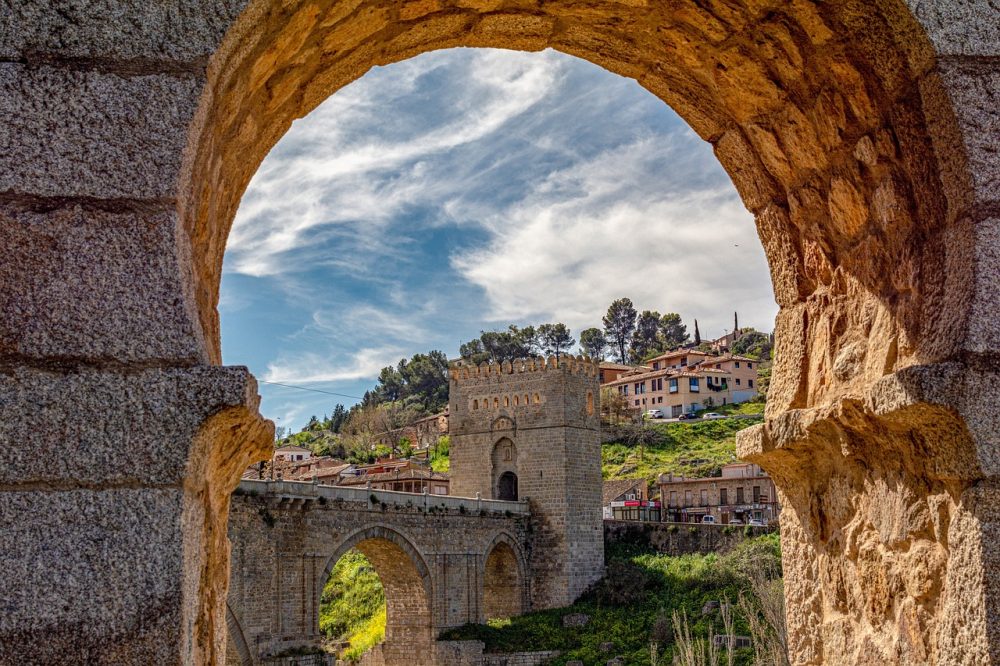
SpainLocated in the very heart of Castile-La Mancha, this region, with its vast steppes, historic towns, windmills, and deep-rooted agricultural culture, is simple at first glance but fascinating upon closer inspection. Situated south of Madrid, this autonomous community comprises Castile and León. Madrid, Aragon, Valencia, Murcia, Andalusia It is surrounded by Extremadura. Covering an area of over 79 square kilometers, Castile-La Mancha is known for its tranquil settlements despite its vast territory, and its population is around 2 million. The official language is Spanish; historically, Catholic tradition holds a strong place in religious life. The region's economy is shaped by vineyards, olive groves, grain production, Manchego cheese, saffron, livestock farming, ceramics, winemaking, and a growing rural tourism industry. Bearing the traces of Don Quixote, this land offers the history of Toledo, the postcard-perfect scenery of Cuenca, and the tranquility of the La Mancha plains all within the same route. To plan your trip more effectively, be sure to check out the "When to Visit Castile-La Mancha?" section.
When is the best time to visit Castile-La Mancha?
The most enjoyable times to visit Castile-La Mancha are generally spring and autumn. From April to June, nature is more vibrant, the towns are livelier, and the weather is much more suitable for long walks. In September and October, the grape harvest season approaches, temperatures drop, and strolling through the region's stone streets becomes more comfortable. Summer months are particularly... Toledo, Ciudad Real ve Albacete It can be quite warm in the surrounding areas; however, the mornings and evenings are cool in winter, and some days the harsh continental climate takes its toll. Spring and early summer are particularly beautiful for those who want to catch the festival seasons. If you want to make detailed plans according to the seasons, the article "When to Go to Castile-La Mancha?" will offer you a great starting point for your itinerary.
How to get to Castile-La Mancha?
TurkeyThe most practical way to get from Castile to La Mancha is usually to plan a trip via Madrid. IstanbulAfter finding a direct flight from Toledo to Madrid, you can easily get to the region by high-speed train, bus, or rental car. Toledo is conveniently located near Madrid, making it easy to visit even on a day trip. The high-speed train connection to Cuenca is very useful; it's also possible to reach places like Albacete and Ciudad Real via the rail network. For those who want to see the region's countryside, wine routes, and small towns, renting a car is one of the most liberating options. To compare transportation alternatives and make your travel plan easier, How to get to Castile-La Mancha? You should definitely check out the article as well.
What to do in Castile-La Mancha?
- Wander through Toledo's historic center; the narrow streets, old synagogues, churches, and stone buildings immediately give you a sense of the area's cultural depth.
- See the windmills around Consuegra; this scenery, reminiscent of famous scenes from Don Quixote, is one of the most iconic sights of the region.
- Visit the Hanging Houses in Cuenca; these structures clinging to the edge of the cliffs are among the most memorable stops on a trip to Castile-La Mancha.
- Explore the La Mancha wine routes; taste wines at small producers and get to know the region's viticulture traditions up close.
- Take a nature walk in Tablas de Daimiel National Park; it's a wonderful option for birdwatching and a relaxing day out.
- Trace the footsteps of classic Spanish theatre in Almagro; its historic square and theatrical tradition offer a unique atmosphere.
- Explore the rural areas where Manchego cheese is produced and seek out local flavors; the region's culinary culture will be one of the most enjoyable parts of your trip.
- Guadalajara Explore the surrounding medieval towns; castles, monasteries, and quiet squares will appeal to those who enjoy a leisurely stroll.
- Visit the local markets; from ceramics to charcuterie board, you'll get a closer look at the daily life of Castile-La Mancha.
- Watch the steppe landscape at sunset; the region's simple yet striking spirit is most evident at this time of day.
What to eat in Castile-La Mancha?
Castile-La Mancha cuisine is characterized by its unpretentious yet strong-charactered flavors. One of the region's most famous delicacies is, of course, Manchego cheese; it leaves a much more impressive taste when enjoyed with local wines. Migas, pisto manchego, ajoarriero, cordero asado, and game meats are frequently found in the region's traditional cuisine. Dishes made with saffron, country breads, and olive oil-based recipes are also cornerstones of Castile-La Mancha tables. On the dessert side, marzipan is particularly famous in Toledo. To get a closer look at the regional cuisine... What to eat in Castile-La Mancha? Be sure to check out the article.
What to Buy in Castile-La Mancha?
When returning from Castile-La Mancha, some of the best things to buy include Manchego cheese, regional wines, and saffron. Toledo-made steel products, handcrafted knives, and traditional ceramics are also very popular. Olive oil, locally produced jams, almond sweets, and handcrafted souvenirs sold in the region's small towns are also great options to pack. Ceramics and decorative objects are particularly noteworthy around Toledo and Talavera de la Reina. To better plan your shopping route... What to Buy in Castile-La Mancha? By browsing through the article, you can discover the region's most unique products.
Castile-La Mancha Nightlife
Castile-La Mancha nightlife, Madrid or Barcelona While not as intense and fast-paced, it offers a more intimate and local experience. In cities like Toledo, Albacete, and Ciudad Real, tapas bars, live music venues, and local pubs come alive in the evenings. Especially during the summer months, cafes around the squares and outdoor events create a more vibrant atmosphere. In smaller towns, nightlife revolves more around long dinners, conversations over wine, and local celebrations. To get a closer look at the region's evenings, the article "Castilla-La Mancha Nightlife" might surprise you with some delightful experiences.
Castile-La Mancha Festivals and Fairs
| Event/Festival | Ay | DESCRIPTION |
|---|---|---|
| Semana Santa Toledo | March / April | Toledo is known for its sacred week celebrations, which feature religious ceremonies, processions, and a historic atmosphere. |
| Corpus Christi Toledo | Haziran | It is one of the city's most important religious and cultural events; the streets transform into a spectacular visual display. |
| Almagro International Classical Theatre Festival | Temmuz | It is considered one of the most important gatherings of Spanish classical theatre. |
| Albacete Fair | Sept | With concerts, fairgrounds, local delicacies, and entertainment, it is one of the liveliest fairs in the region. |
| Vendimia Events | September / October | These are wine-themed celebrations and tasting events held during the grape harvest season. |
| Festivities of San Mateo Cuenca | Sept | In Cuenca, traditional celebrations create local events and intense social activity. |
Important Days and Holidays in Castile-La Mancha
| Date | Events |
|---|---|
| January 1 | New Year |
| January 6 | Epiphany / Day of the Three Kings |
| March / April | Holy Week and Easter period |
| Variable date in June | Corpus Christi celebrations are particularly important in Toledo. |
| 31 May | Castilla-La Mancha Day |
| 15 August | The Assumption of Mary |
| 12 October | Spanish National Day |
| 1 November | all saints day |
| 6 Range | Spain Constitution Day |
| 8 Range | Mary's Immaculate Conception |
| 25 Range | Noel |
Things to Consider During a Trip to Castile-La Mancha
- Since temperatures rise considerably during the summer months, pay particular attention to your water intake, especially during midday.
- If you plan to visit small towns, check public transport schedules beforehand; some lines may be infrequent.
- Renting a car in rural areas offers great convenience; it's especially advantageous for those who want to visit multiple towns.
- Keep in mind that some small businesses may be closed at lunchtime; Spain's eating and leisure habits may differ from those in Türkiye.
- In historic religious buildings, it is always a good approach to dress more simply and behave quietly.
- Keep in mind that dinner hours can start late in restaurants.
- While basic English is understandable in tourist areas, knowing a few simple Spanish phrases will make things easier in smaller towns.
- Places like Toledo and Cuenca have many cobblestone streets and hills, so choose comfortable shoes.
- When shopping for local produce, be sure to check labels and origin information to choose genuine regional products.
Castile-La Mancha is a unique route in Spain that initially appears tranquil but offers a multifaceted experience in terms of history, literature, cuisine, and rural life as you delve deeper. If you're looking to escape the crowds of big cities and seek a simpler, more characterful, and more local trip, this region will more than satisfy you. From windmills to medieval streets, from vineyards to stone squares, this journey is perfect for further exploring. If you'd like to elaborate on your itinerary, the article "Places to Visit in Castile-La Mancha" will be your next inspiring destination.
NEXT TOPIC

Similar Threads
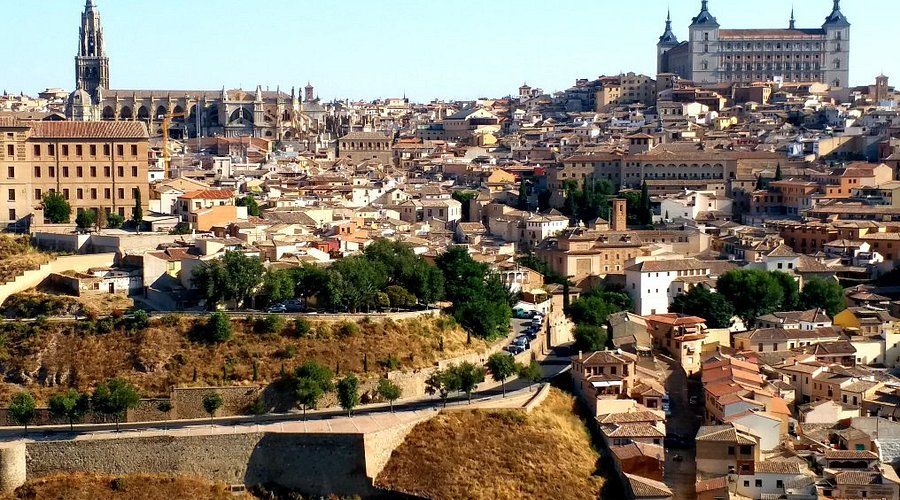
Located in the autonomous region of Castile-La Mancha in Spain, Toledo is an impressive historical city nestled among the bends of the Tagus River, southwest of Madrid. This unique settlement, where Christian, Muslim, and Jewish communities have lived together for centuries, stands out today as one of Spain's most remarkable destinations, both for its architecture and cultural fabric. The official language...
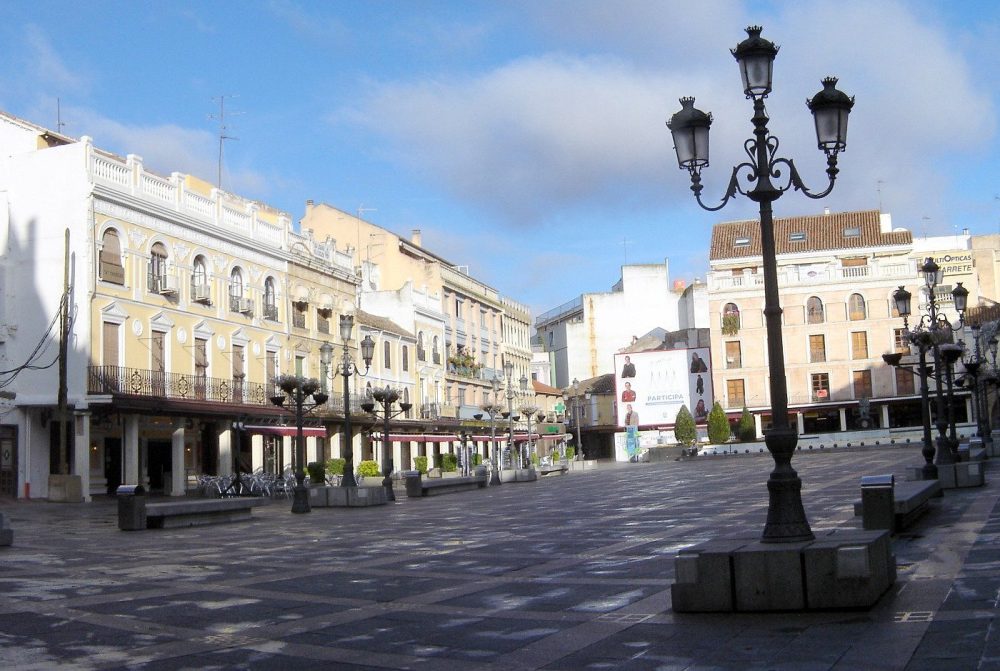
Located in the interior of Spain, in the Autonomous Region of Castile-La Mancha, Ciudad Real stands out as a destination known for its vast plains, cultural fabric bearing the traces of Don Quixote, and tranquil city pace. Situated south of Madrid, the city is part of a region surrounded by important areas such as Toledo, Cuenca, Albacete, Jaén, Córdoba, and Badajoz. Spanish is the official language of Spain...
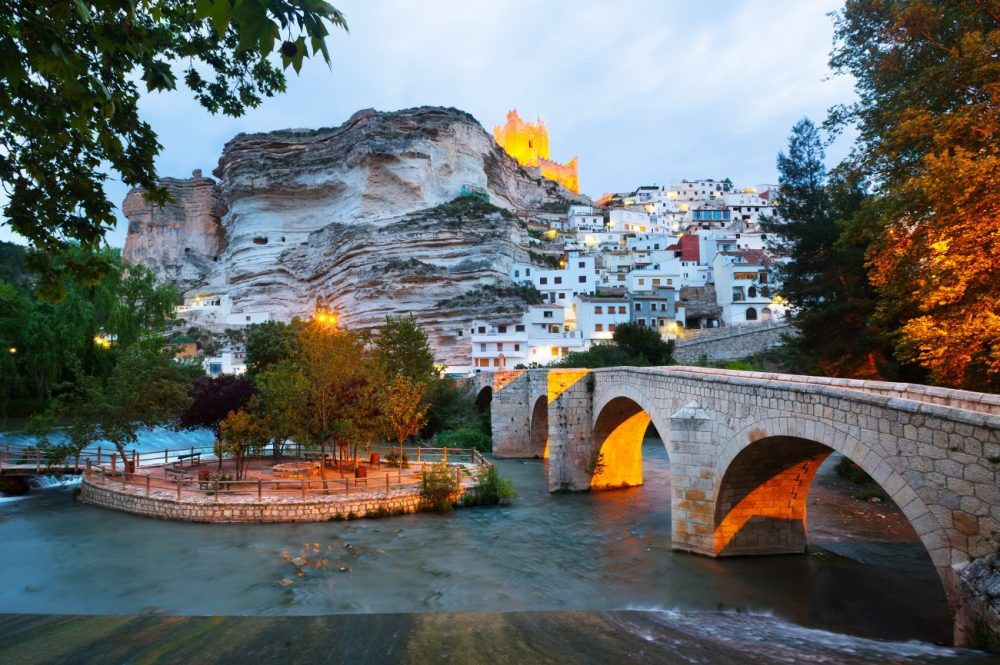
Located in the Castile-La Mancha region of Spain, Albacete is a stop in the interior of the country, known for its vast plains and tranquil city life. Strategically situated between Madrid and Valencia, the city is geographically bordered by Portugal to the west, France and Andorra to the north, and Africa via the Strait of Gibraltar to the south...
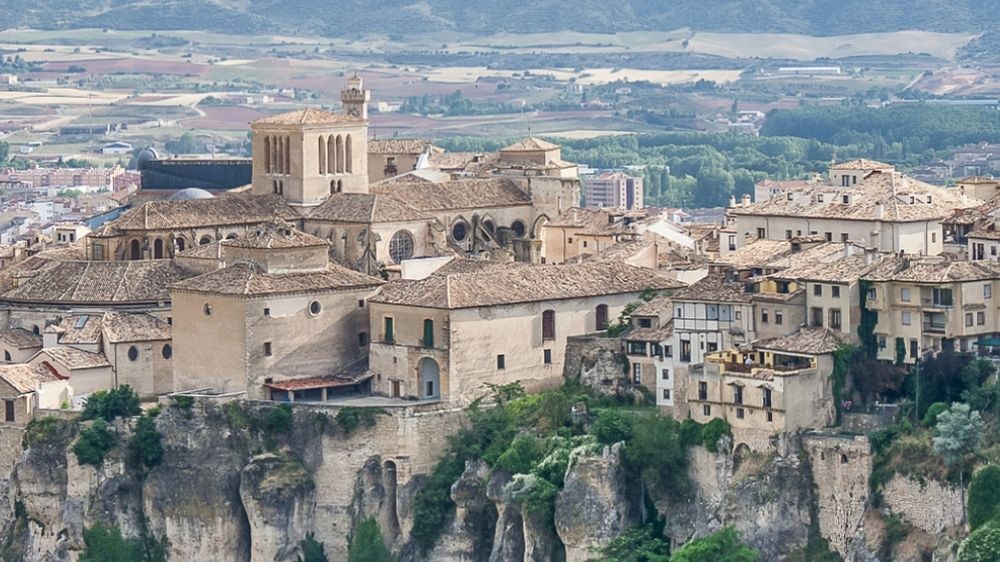
Located in the Castile-La Mancha autonomous region of Spain, Cuenca is an impressive city situated between Madrid and Valencia, distinguished by both its historical texture and natural beauty. Built on the deep valleys carved by the Huécar and Júcar rivers, Cuenca, with its medieval streets, houses clinging to the cliffs, and tranquil atmosphere, is one of Spain's most special...
Located in the autonomous region of Castile-La Mancha in Spain, Guadalajara is one of the country's quiet yet characterful cities situated in the interior, northeast of Madrid. Spain borders Portugal to the west, France and Andorra to the northeast, its official language is Spanish, and Catholic culture has historically held a strong place in the country. With an area of approximately 505 square kilometers and a population approaching 48 million...
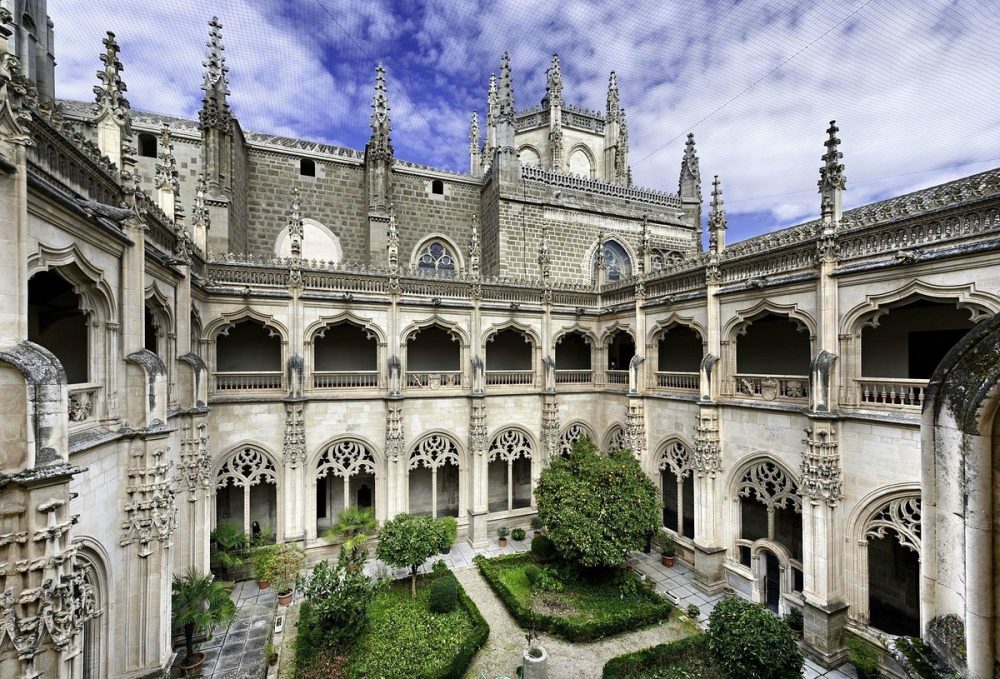
Walking through the streets of Toledo, you can feel the layers of time. Stone walls soften the sunlight, shadows lengthen. Turning a corner, a sudden monastic silence descends. And then, the San Juan de los Reyes Monastery appears before you. Dignified from the outside, surprisingly elegant from the inside. The sound of water from the courtyard drowns out the city noise. Gothic arches compel you to look up…
Write a Comment
Visitor Comments - 0 Comments