











What to Eat in Japan?
JaponyaJapan is an unforgettable country not only for its temples, cherry blossoms, and orderly city life, but also for the care it shows at the dinner table. Eating here is often not just about quickly satisfying hunger, but about experiencing the season, simplicity, and mastery all in one dish. Rice, fish, noodles, soy sauce, seaweed, and fermented flavors hold a very important place in Japanese cuisine. As you travel from north to south of the country, the ingredients, cooking techniques, and presentation styles change. Therefore, the question "What to eat in Japan?" is too rich a culinary journey to be answered with a single response. The most important point highlighted in preparing this Japanese food guide is that patience, balance, and tradition lie behind every dish.
Headlines
sushi
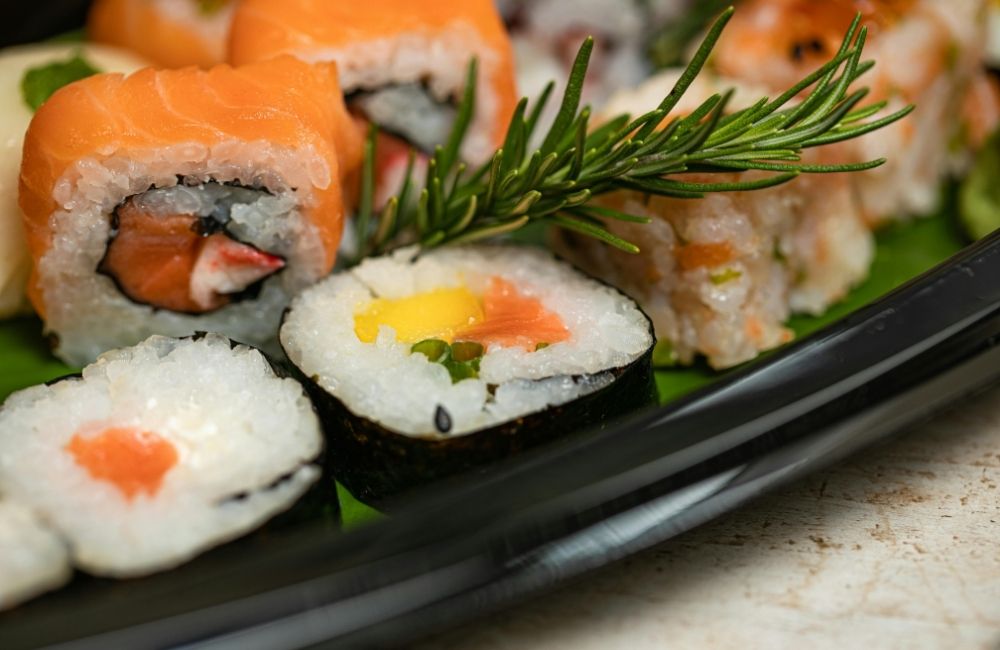
Sushi is one of the first things that comes to mind when thinking of Japanese regional cuisine, and it is based on the elegant combination of rice and seafood. Rice, seasoned with vinegar, is prepared with raw fish, shrimp, eggs, seaweed, or vegetables. In the best sushi, the texture of the rice is as important as the freshness of the fish; a texture that is separate but not falling apart is expected. It is usually served with soy sauce, pickled ginger, and a small amount of wasabi. First, the slightly tart aroma of the rice is felt in the mouth, followed by the silky texture of the fish. Eating sushi in Japan, especially when it's prepared by a master chef at the counter, becomes an experience in itself.
In Japan, there are many established addresses around Tokyo, Osaka, and Kyoto for trying different flavors. For sushi, Sukiyabashi Jiro and Kyubey are frequently mentioned by travelers seeking a traditional sushi experience. For noodle soup, Ichiran is a popular stop known for its simple method and rich broth flavor. For tempura lovers, Tsunahachi stands out with its crispy coating and light frying technique. In Osaka, Mizuno is a classic option frequently added to the itinerary for those wanting to try okonomiyaki.
Ramen
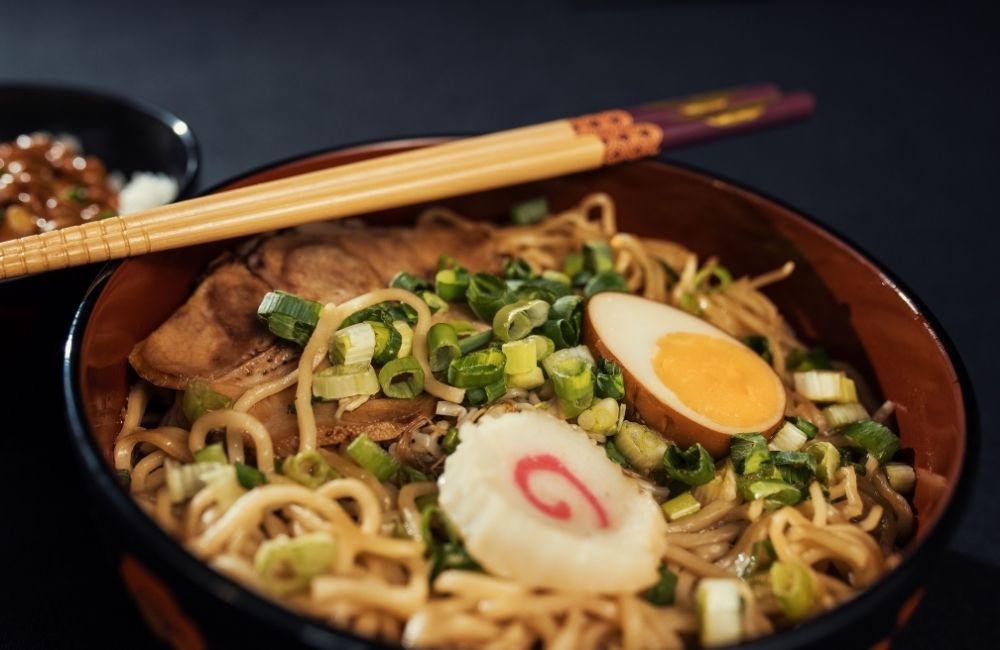
Ramen is one of the most satisfying answers to the question of what to eat in Japan. It's essentially a rich, flavorful soup made with meat, chicken, fish, or vegetable broth, served with noodles. Toppings can include hard-boiled eggs, thinly sliced meat, scallions, seaweed, and bamboo shoots. The broth can be saltier, thicker, oilier, or lighter depending on the region. When the bowl arrives at the table, the rising steam immediately reveals the deep aroma of soy sauce and broth. In Japan, ramen is usually eaten quickly, but a well-prepared bowl leaves a lasting impression.
Tempura
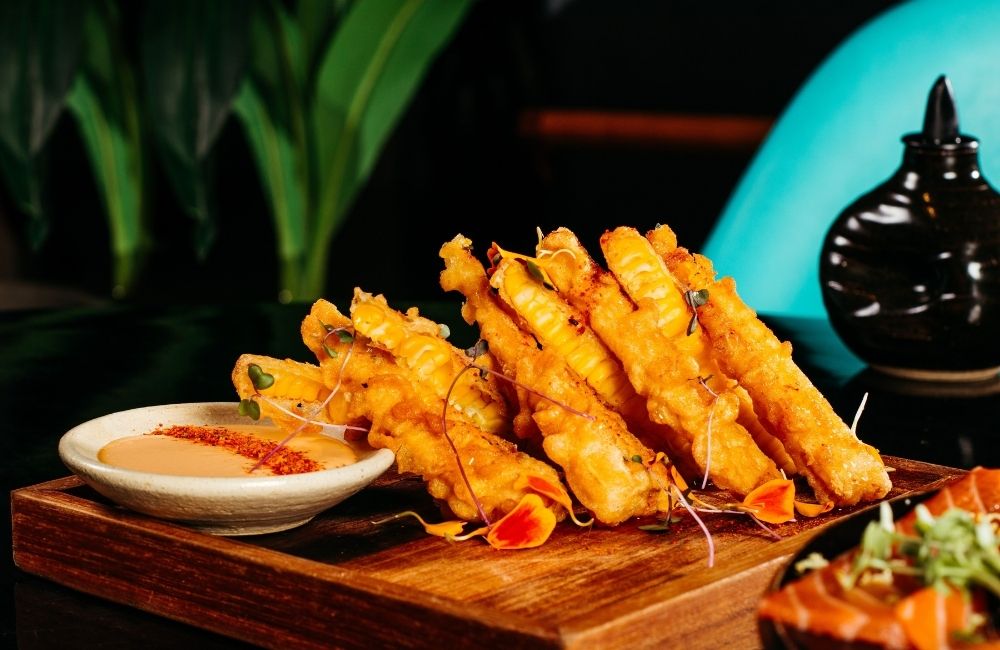
Tempura is an elegant Japanese dish prepared by coating vegetables and seafood in a thin batter and then frying them. Shrimp, fish, eggplant, zucchini, mushrooms, and sweet potatoes are among the most commonly used ingredients. A good tempura coating should not be thick and greasy, but rather light, dry, and crispy. It is usually served with a special sauce, grated radish, and sometimes rice. The first bite is a crispy outer layer, followed by the soft inner texture of the vegetable or seafood. In Japanese culinary guides, tempura is one of the finest examples of creating elegant flavor from simple ingredients.
Okonomiyaki
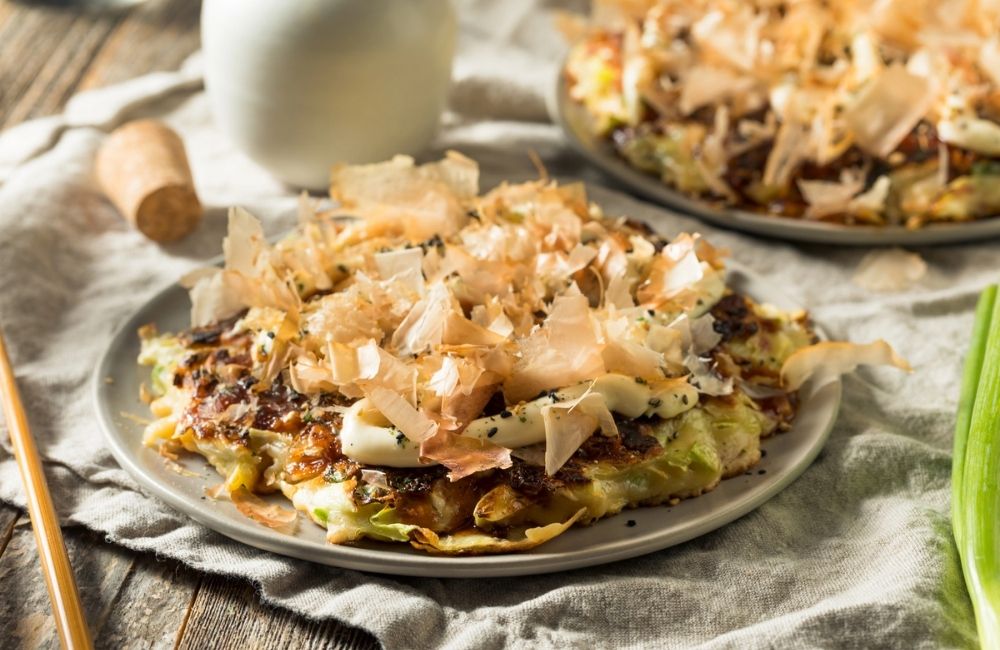
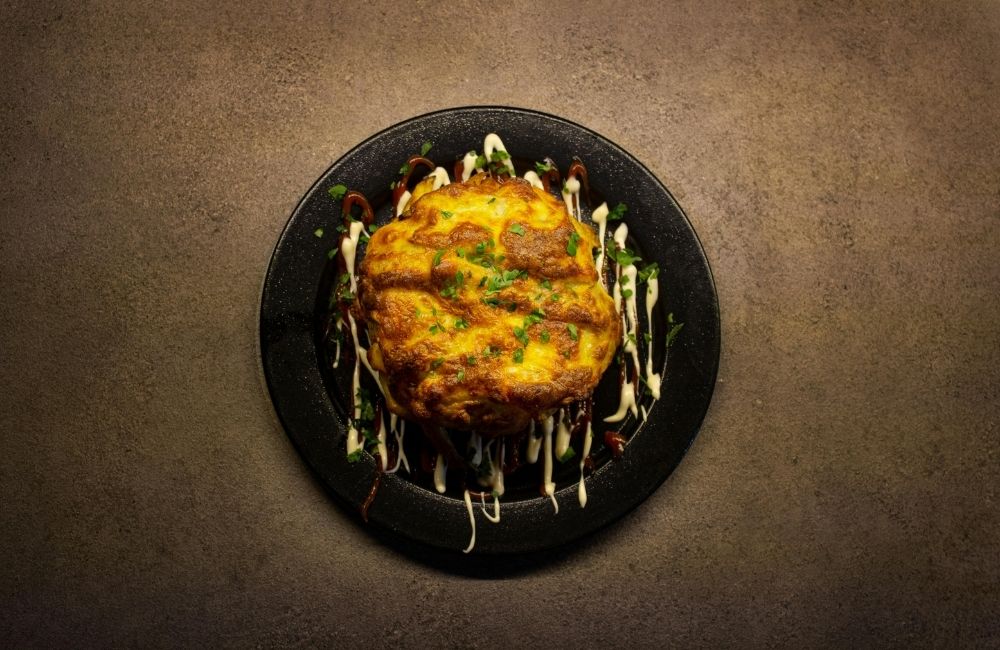
Okonomiyaki, a hearty, cabbage-based Japanese dish particularly associated with Osaka, is made by filling dough with cabbage, eggs, meat, seafood, or vegetables and cooking it on a hot griddle. It's then topped with a thick, special sauce, mayonnaise, dried bonito pieces, and seaweed. When served hot, the slight movement of the bonito pieces on top gives the dish a lively appearance. Its taste is both sweet and salty, and its texture is slightly browned on the outside and soft on the inside. It would be a great oversight to try this delicacy while exploring Osaka's streets looking for something to eat in Japan.
takoyaki
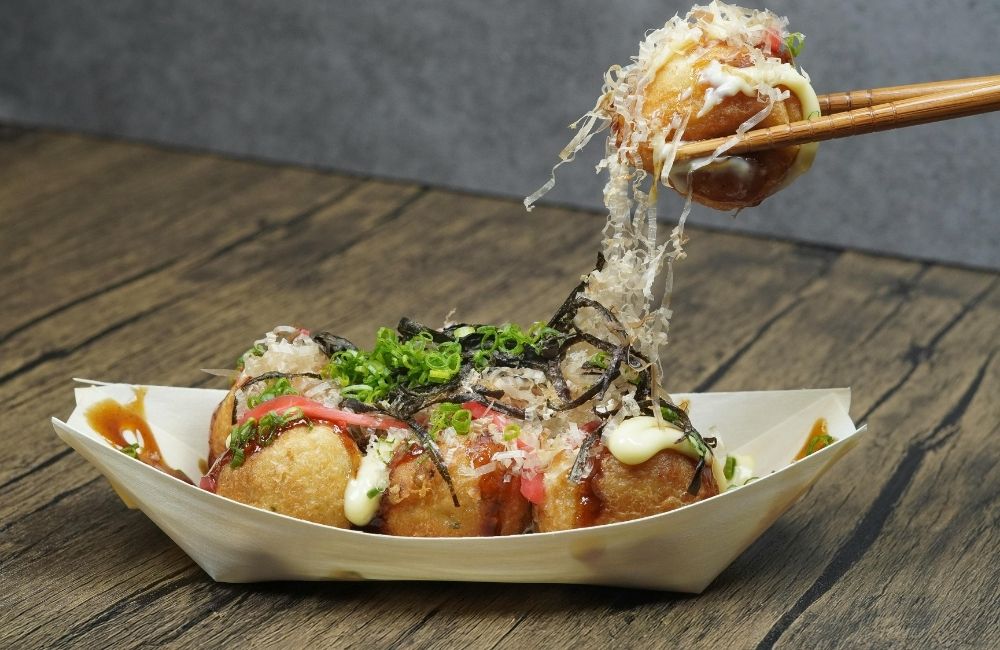
Takoyaki is a famous street food made by filling small, round dough balls with pieces of octopus. It's cooked in a specially molded pan, turning it frequently until the outside is lightly browned and the inside remains soft and tender. Takoyaki sauce, mayonnaise, seaweed powder, and dried bonito are sprinkled on top. With the first bite, the thin outer shell cracks, revealing the warm, soft filling. The slightly firm texture of the octopus beautifully balances the sweet and salty flavors of the sauces. It's one of the most enjoyable options among Japanese regional dishes, especially for a quick bite to eat on the go.
Yakitori
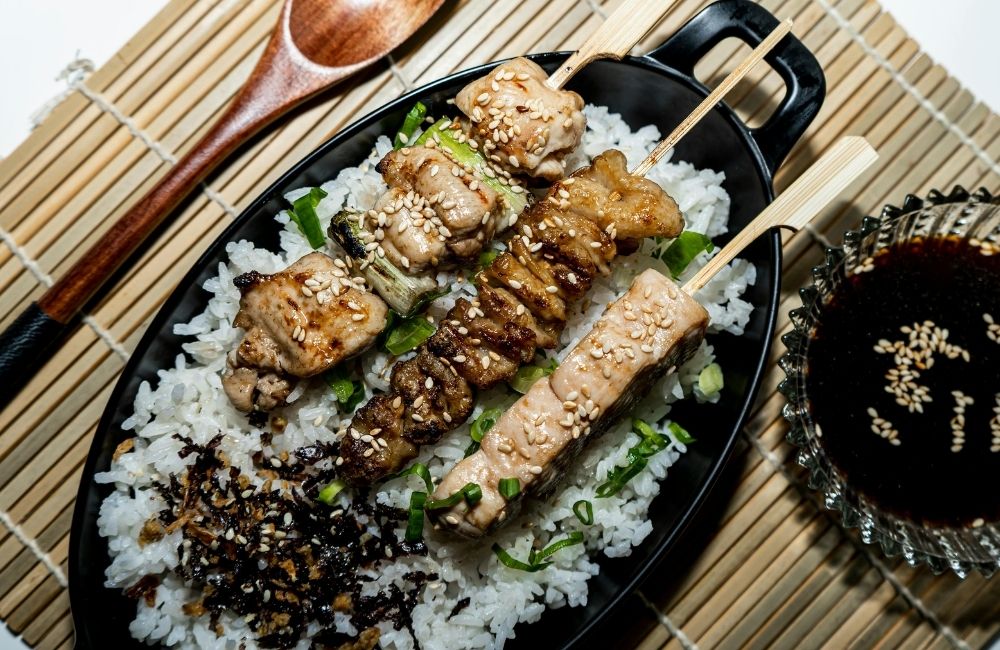
Yakitori is a traditional Japanese delicacy prepared by skewering small pieces of chicken and cooking them over charcoal. Chicken thighs, breasts, wings, skin, and sometimes even organs are served in different skewers. During cooking, either only salt is used, or it is flavored with a special sweet and salty sauce. The charcoal fire gives the meat a slightly smoky aroma and a pleasant caramelized flavor on the surface. It is usually enjoyed in small restaurants in the evenings, accompanied by hot drinks and conversation. For those who want to experience the intimate side of Japanese food culture, yakitori is an excellent choice.
Tonkatsu
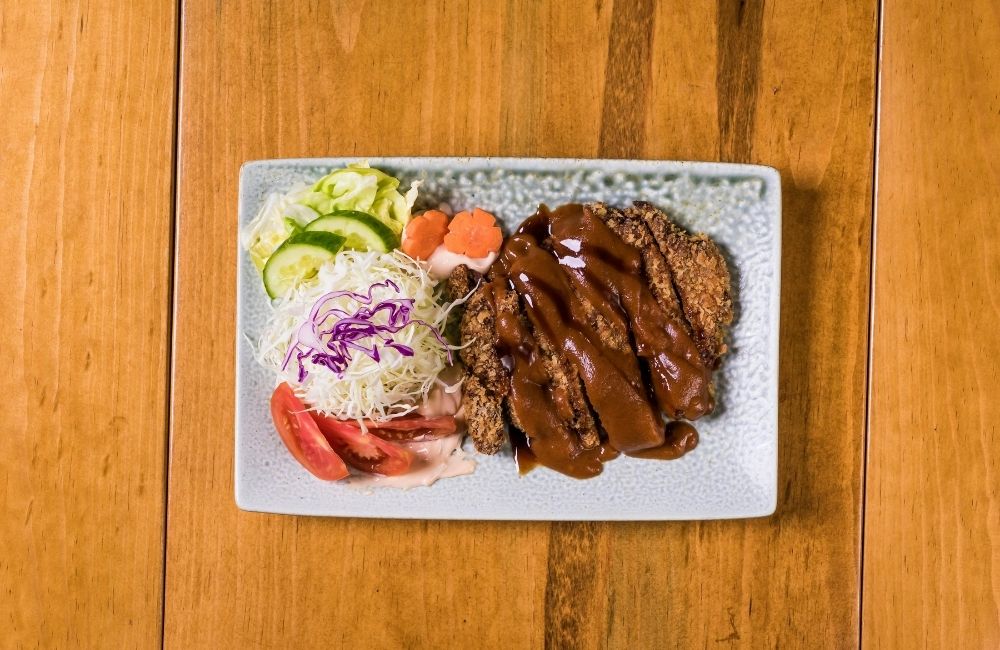
Tonkatsu is a hearty dish made by coating thick slices of pork in breadcrumbs and frying them. They are cooked until golden brown and crispy on the outside, and tender and juicy on the inside. It's served with finely chopped cabbage, rice, miso soup, and a rich, creamy sauce. The sweet and sour taste of the sauce balances the fatty texture of the fried meat. With each bite, you first feel the crispy coating, followed by the warm, tender texture of the meat. For meat lovers wondering what to eat in Japan, tonkatsu is a very satisfying option.
Sukiyaki
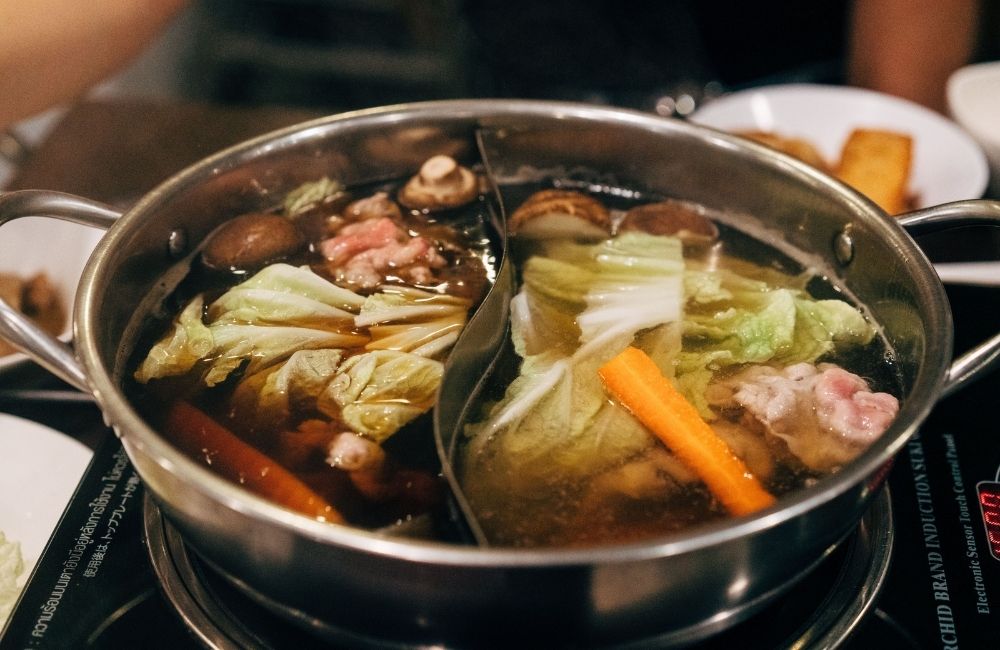
Sukiyaki is prepared by cooking thinly sliced meat, tofu, mushrooms, vegetables, and noodles in a sweet and savory sauce. It is usually cooked in a pot in the center of the table, and everyone takes their portion from there. The sauce may contain soy sauce, sugar, and aromatic ingredients similar to a traditional rice drink. As the ingredients cook, the fat from the meat, the juices from the vegetables, and the aromas of the sauce mingle. In some places, a hot piece of meat is dipped in beaten raw egg before eating. In Japanese food guides, sukiyaki is one of the dishes that best illustrates the culture of sharing and the serene ritual at the table.
Shabu Shabu
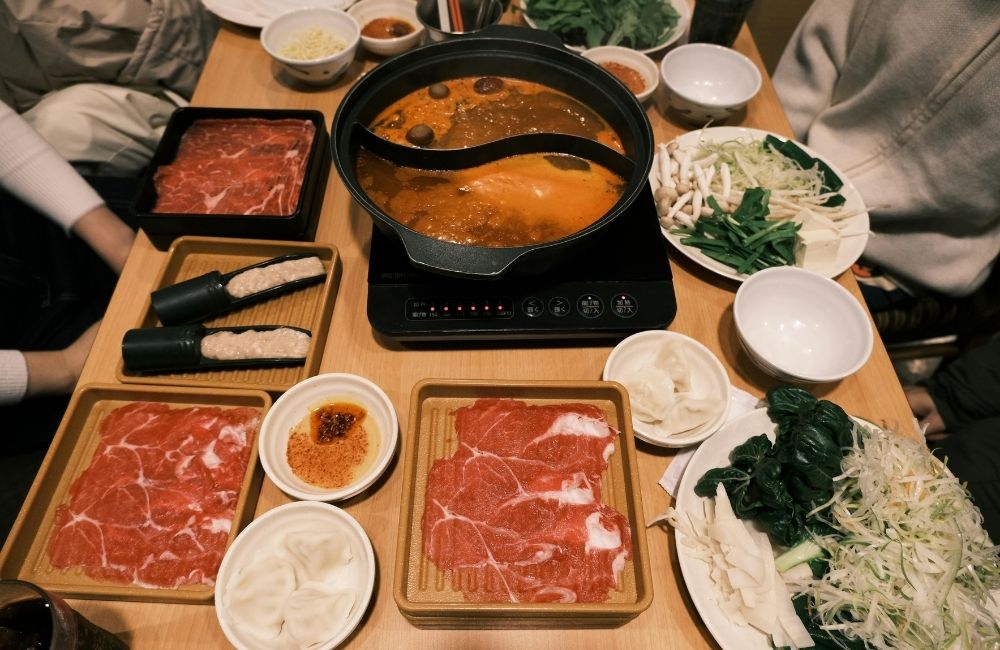
Shabu shabu is a traditional dish where thinly sliced meat is briefly cooked in hot water or a mild broth, stirring constantly. It's said to get its name from the sound the meat makes as it sways in the pan. Mushrooms, cabbage, tofu, carrots, and various greens are often cooked alongside the meat. The cooked ingredients are then dipped in sesame or citrus-flavored sauces before eating. It has a lighter, cleaner, and simpler taste than sukiyaki. For those seeking a more balanced and elegant answer to the question of what to eat in Japan, shabu shabu is an ideal choice.
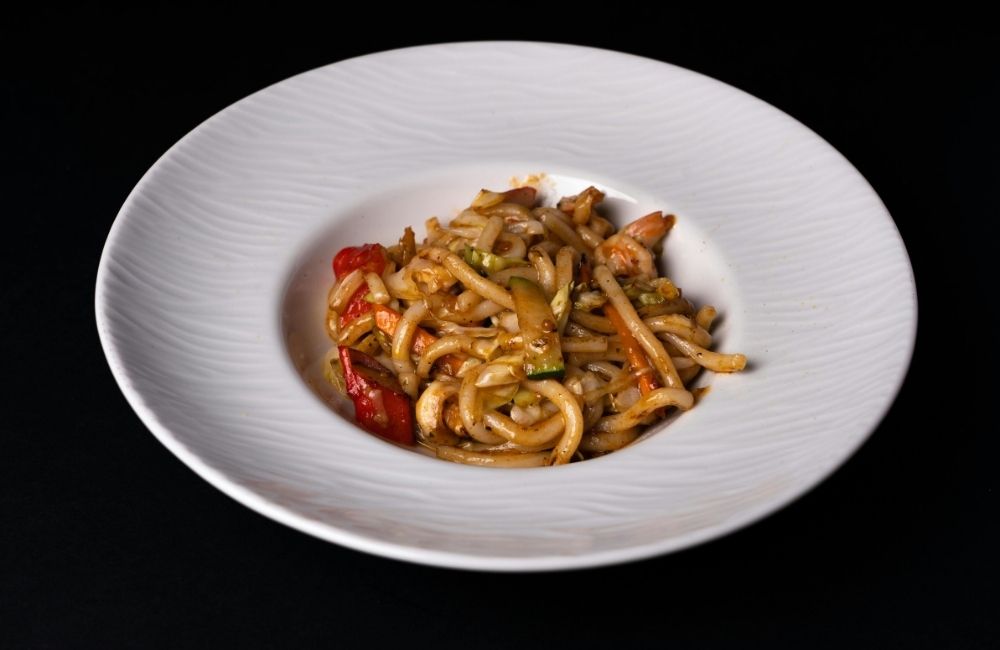
Udon
Udon is a dish made with thick wheat noodles and is loved in many regions of Japan. It can be served hot in soup or cold with sauce. The broth of hot udon is usually light, clear, and has a delicate seafood aroma. Fresh scallions, tempura, eggs, tofu, or meat can be added on top. The soft yet firm texture of the noodles is the dish's most distinctive feature. Despite its simple appearance, it holds a special place among Japanese regional dishes due to its satisfying and comforting taste.
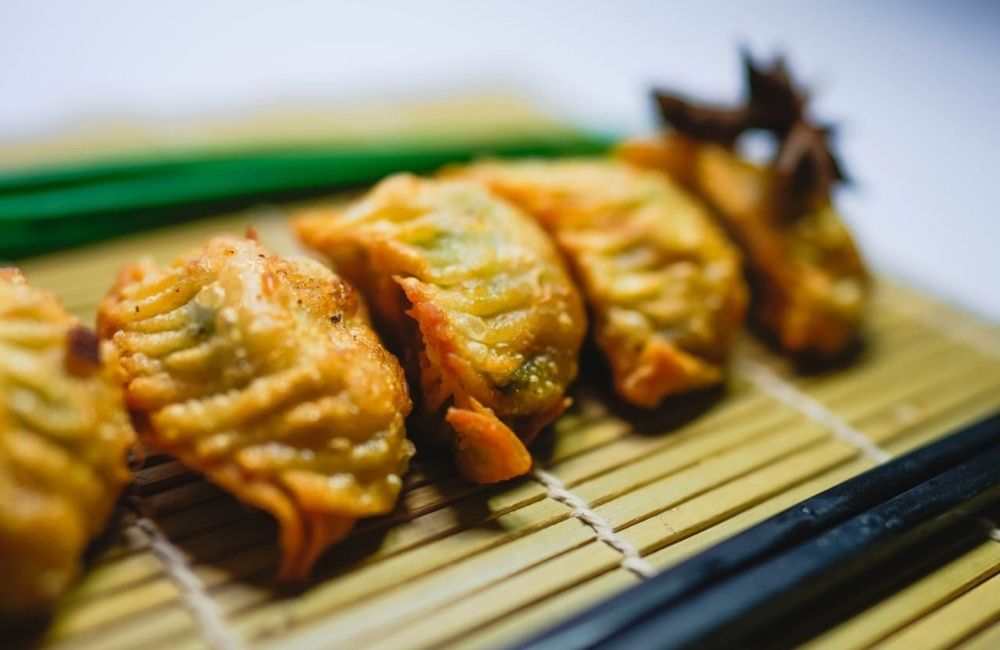
Gyoza
Gyoza is a Japanese dumpling made by filling a thin dough with minced meat, cabbage, garlic, ginger, and scallions. It's usually pan-fried on one side, then steamed to keep the inside juicy. This method results in a crispy bottom and a soft top. It's eaten dipped in a mixture of soy sauce, vinegar, and chili oil. Its aroma, with the warm flavor of garlic and ginger, immediately whets the appetite. In Japan, ordering gyoza alongside ramen is a common and enjoyable custom in local restaurants.
Moçi
Mochi is prepared by pounding sticky rice into a flexible and soft dough. It can be filled with red bean paste, strawberries, sesame seeds, chestnuts, or ice cream. Its texture sets it apart from typical desserts; it leaves a slightly chewy, supple, and silky feel. It has a strong connection to Japanese culture, especially during Christmas and special occasions. Its sweetness is generally not overly sweet, making it a balanced pairing with tea. When considering what to eat in Japan, mochi is one of the best options for experiencing the traditional flavor of desserts.

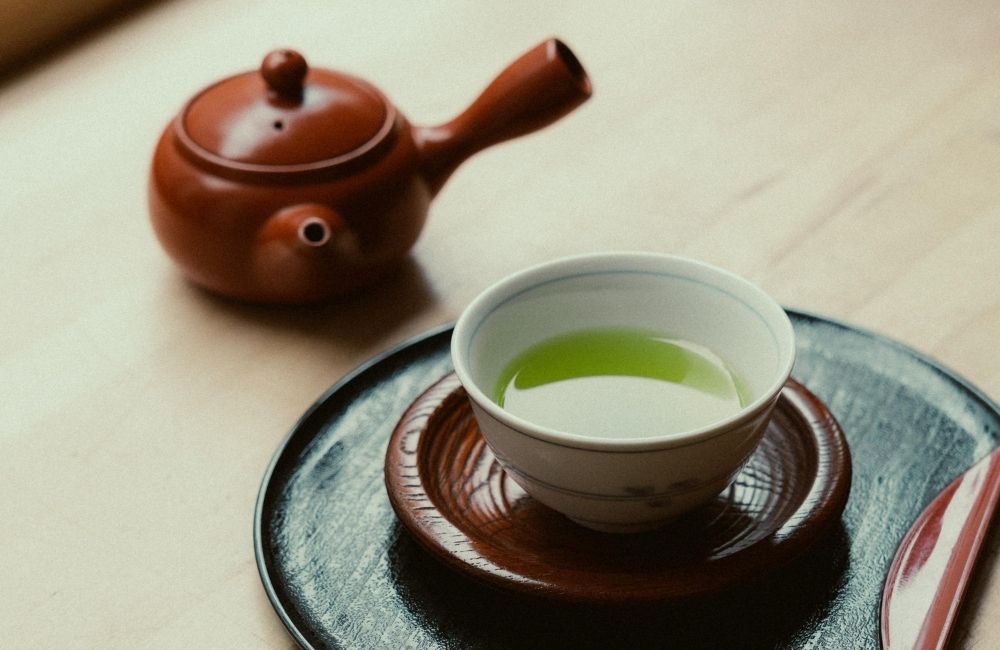
Matcha Tea
Matcha tea is a highly aromatic beverage made from finely ground green tea leaves. It holds a significant place in Japanese tea ceremonies, and its preparation is a ritual requiring tranquility. Its taste is slightly bitter, herbal, and deep; it may seem quite different to first-timers. When enjoyed with desserts, it beautifully balances the sweetness of mochi, dorayaki, or rice flour pastries. Its frothy surface, vibrant green color, and aroma reminiscent of fresh grass leave a lasting impression. In Japanese culinary guides, matcha tea is not just a beverage, but a cultural element reflecting the country's sense of elegance.
Eating in Japan is a special journey where every bite reflects the country's order, simplicity, and refined taste. From sushi to ramen, okonomiyaki to mochi, this rich culinary scene is filled with both traditional and surprising flavors. The answer to the question "What to eat in Japan?" lies not only in famous dishes but also in small eateries, market stalls, and quiet alleyways. If you want to broaden your exploration of these flavors, consider this:Japan Travel Guide” and ”Places to visit in JapanYou can direct your readers to the country's cultural landmarks by adding internal links to your articles. Because Japan is not just a country to see, but an experience to be savored slowly.
PREVIOUS TOPIC
NEXT TOPIC

Similar Threads


Write a Comment
Visitor Comments - 0 Comments