

Senso-ji Temple
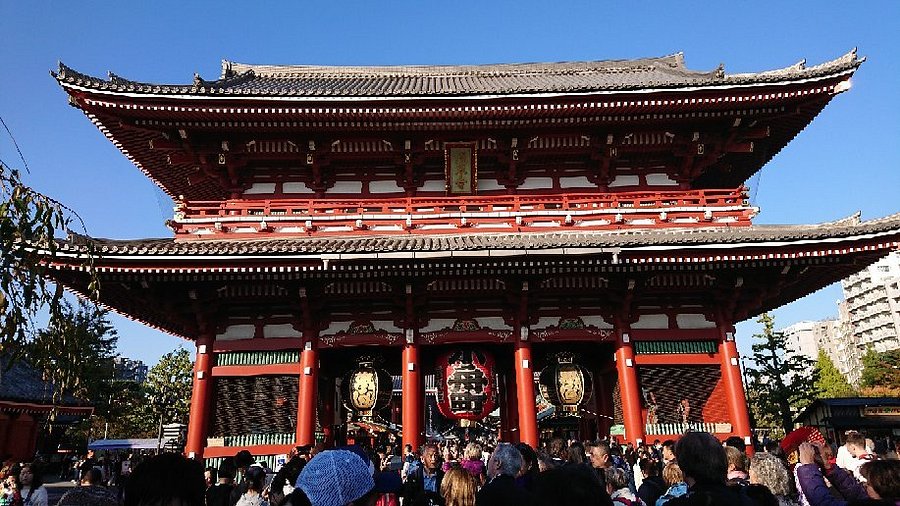
Asakusa is one of the best places to visit in Tokyo early in the morning. The scent of incense wafting through the streets is immediately noticeable. The crowds haven't dispersed yet, but the pace is calmer. At this point, Senso-ji Temple appears before you. Japonya It is one of the best-known stops among the temples. The lantern of the Kaminarimon gate is visible even from afar. Shops line Nakamise-dori, offering little surprises. On one side tradition, on the other modern. Tokyo It flows. You want to take photos, but first you listen to the atmosphere. Senso-ji captivates both first-time visitors and repeat visitors. I can't access the page you shared, but I've written an updated travel guide. This guide contains every detail you need for a trip to Senso-ji.
Where and How to Get There?
Senso-ji Shrine is located in the Asakusa district of Tokyo's Taito prefecture. The most convenient way to get there is by subway. You can get off at Asakusa Station on the Ginza Line. The Asakusa Line also connects to the same area. The Tsukuba Express is also a nearby option. Walking from the station usually takes five to ten minutes. The streets can be crowded, but the route is very clear. Kaminarimon signs are everywhere. If you prefer a walk along the riverbank, the Sumida side is pleasant. Boat tours to Asakusa are also common. In the evenings, the lights create a beautiful atmosphere.
Brief History
Senso-ji is considered one of the oldest Buddhist temples in Tokyo. Traditional accounts trace its founding back to the 7th century, centering on the figure of Kannon, a symbol of compassion. Legend says two fishermen found the statue in the river. Its sacredness quickly spread, and a small shrine was built, which later grew. For centuries, the temple became the heart of Asakusa, where commerce and worship flourished side-by-side. It is said to have suffered significant damage during wartime, followed by reconstruction efforts. Its current appearance reflects this rebirth. Therefore, Senso-ji is not only a religious but also a cultural icon.
Architectural and Artistic Features
The first major stop upon entering Senso-ji is the Kaminarimon Gate. The giant red lantern is a symbol of Tokyo, flanked by guardian figures. Following this is the Nakamise-dori shopping arcade, famous for its traditional souvenirs. Sweets, fans, and small amulets are frequently sold. At the end of the arcade rises the Hozomon Gate, where a heavier, more imposing atmosphere prevails. A large incense burner is located in the temple courtyard, and those who believe the smoke brings healing run their hands over it. Watching those praying in front of the main hall is impressive. Note that there may be limitations on photography inside. The five-story pagoda within the complex is also worth seeing. The pagoda's proportions and color balance are highly photographic. The curves of the roof reflect the aesthetics of Japanese woodwork well. Gold accents and traditional motifs are chosen for the details.
Visit Information
Senso-ji looks completely different at different times of the day. Knowing the basics will make your plan easier.
- The temple grounds are generally open to visitors throughout the day and remain lively at night as well.
- Main hall hours may vary seasonally, please check the entrance doors.
- Early morning is the most convenient time in terms of crowds and queues.
- The New Year period is very busy, so plan your travels in advance.
- Nakamise-dori shops generally close late in the morning and early in the evening.
- Omikuji fortune-telling cards and omamori amulets are popular souvenirs.
- Be respectful in the yard, pay attention to quiet areas.
- Using a tripod can be difficult in crowded areas; choose smaller equipment.
- Rain makes the ground slippery, so choose comfortable shoes.
Photography Tips and Tricks
Senso-ji offers plenty of options for photography, but timing is crucial. Morning light is softer in front of Kaminarimon. If there are fewer people, you can center the lantern perfectly. In Nakamise-dori, the frame remains clear before the shops open. Frame the main hall from below the Hozomon gate. This angle creates a strong sense of depth. Capturing the incense smoke with backlighting produces impressive results. If you are shooting portraits, you can spread the crowd out in the background. It's difficult to fit the pagoda into the same frame as the main hall. Try a slightly side angle; it will look more balanced. In the evening, the tone of the lanterns appears warmer. Increasing the ISO may be necessary for night shots. However, be mindful of camera shake when shooting handheld. For short videos, plan a walk and set stopping points. The best detail photos are captured in the door carvings. Close-up mode works well for small motifs.
Other Nearby Places to Visit
A trip to Senso-ji is greatly enriched by surrounding stops. Explore the streets of Asakusa from the Nakamise-dori exit. Traditional sweet shops are ideal for short breaks. A walk along the Sumida River is also a nice complement. The Tokyo Skytree view appears along the river. Bridges are convenient if you want to cross to the Skytree side. The Asakusa Cultural Tourist Center is valuable for its views. You can observe the Kaminarimon area from the upper floors. There are also small temples and tranquil courtyards nearby. Those who want to escape the crowds will love these side streets. The Kappabashi district is famous for its kitchenware. It's a good route for chef's knives and ceramics. The Ueno Park area is also close by subway. The plan easily expands if you want to add a museum visit.
Senso-ji Temple should be a staple on your list of places to visit in Tokyo. It's the perfect starting point to understand the rhythm of Asakusa. If you go to Tokyo, you absolutely must visit. If you want to expand your trip, you can also visit...Places to visit in TokyoAlso check out our article "...".
PREVIOUS TOPIC
NEXT TOPIC

Similar Threads
While strolling through the bustling streets of Tokyo, you might suddenly stumble upon a charming surprise: a coffee experience accompanied by capybaras, with their docile gazes, soft fur, and calm demeanor! Capybara Cafe, which holds a special place in Japan's unique themed cafe culture, offers an unforgettable break for both animal lovers and travelers seeking a different experience...
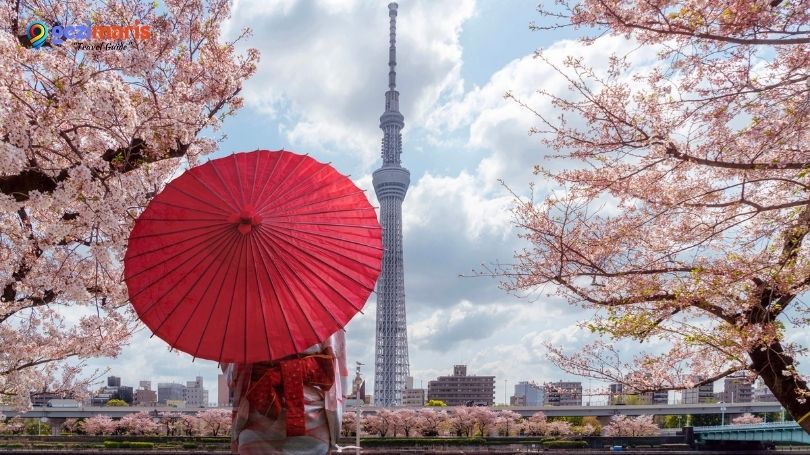
The first thing I learned when I flew from Istanbul to Tokyo was this: In this city, if you plan your itinerary well, even the crowds don't scare you. Tokyo is huge; but if you organize areas like Asakusa, Ueno, Shibuya, Shinjuku, Ginza, and Roppongi in the right order, you can satisfyingly explore both classic Tokyo and the neon-lit, fast-paced, modern Tokyo in just 3 days. For first-time visitors...
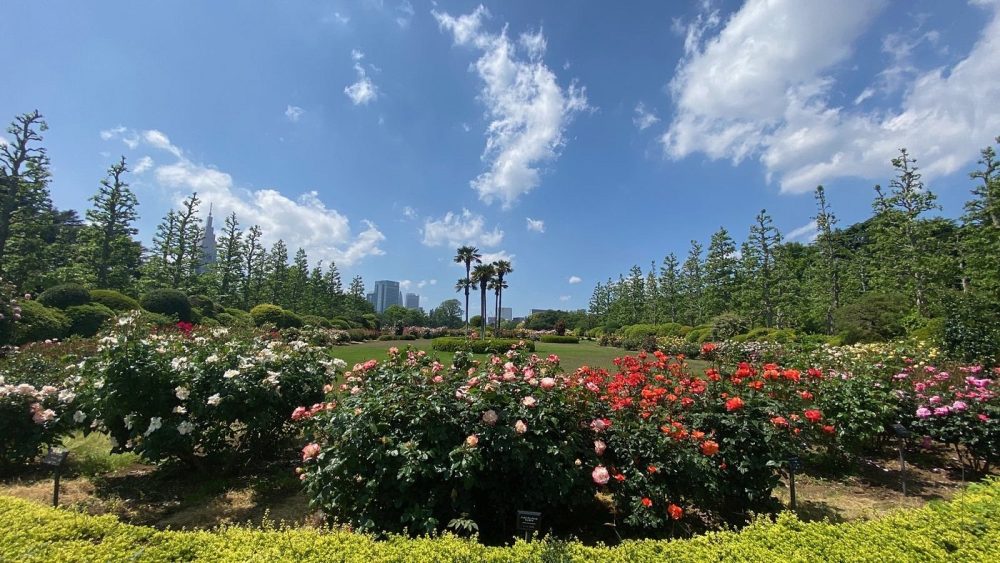
Escaping Tokyo's neon lights sometimes only takes a few steps. In the heart of Shinjuku, Shinjuku Gyoen stretches out like a world of its own. As you step through the gate, the city noise softens, and the trees take center stage. Suddenly, you find yourself surrounded by expansive lawns, ponds, and winding paths. This isn't just a park; it's a well-designed garden museum. In spring, the cherry blossoms blow, in autumn, the crimson hues...
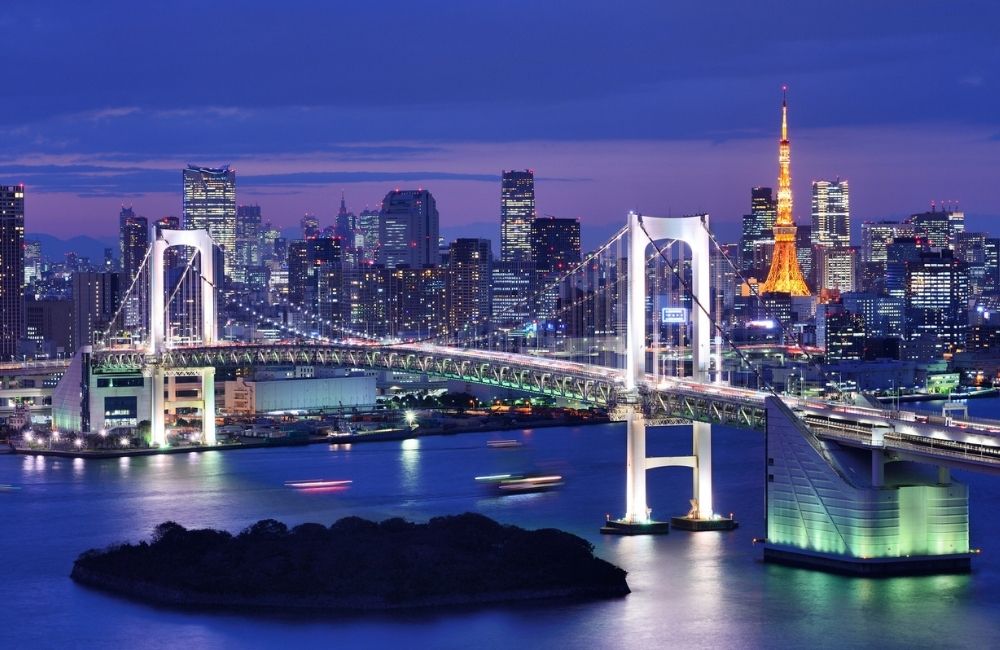
Tokyo is not only the capital of Japan; it is also a vast area of discovery where traditional temples, neon-lit streets, contemporary art spaces, peaceful gardens, and neighborhoods with diverse characters intertwine. This guide has excluded restaurants, tour companies, cafes, spas, and purely commercial establishments; instead, it focuses on the cultural, historical, natural, architectural, and urban experience...
Write a Comment
Visitor Comments - 0 Comments