
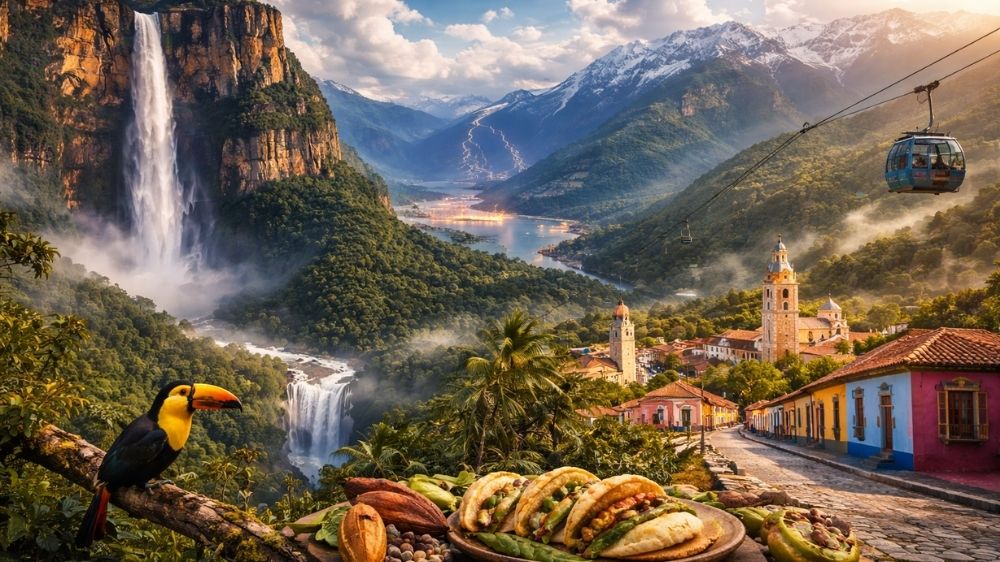
Venezuela Travel Guide
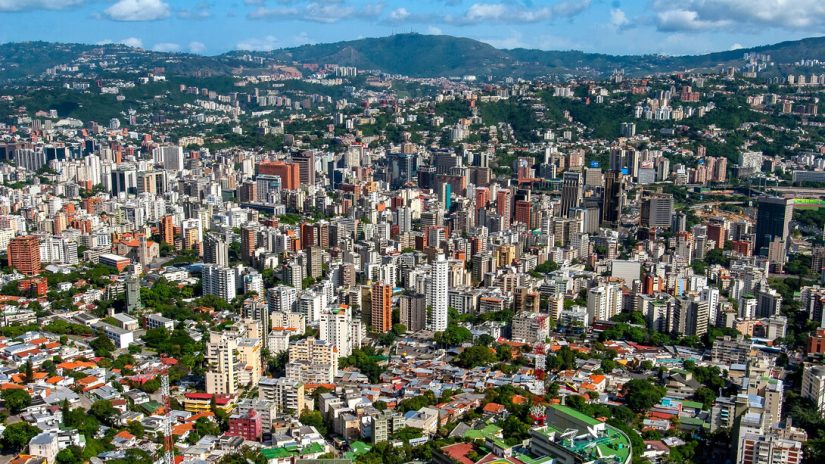
Offering the blue of the Caribbean and the lush greenery of the Amazon, Venezuela offers a packed route, stretching from the world's tallest waterfall, Angel Falls (Salto Ángel), to the modern face of Caracas, from the cool highlands of the Andes to the sands of Margarita Island. In this Spanish-speaking country, energy is high, rhythm is fast, and salsa and merengue are a constant presence on the streets. With its rich cuisine, cocoa and coffee, vibrant markets, and welcoming people, Venezuela travel plans... South AmericaIt is a strong candidate for both experienced travelers and those who want to take their first step in .
When to Go to Venezuela?
Venezuela has a tropical climate. December–April is generally the dry season; the best time for city excursions, beach holidays, and road conditions. May–November is the rainy season; Canaima and Angel Falls are more spectacular as water levels rise, but some routes and flights are subject to weather conditions. Margarita Island is warm year-round; the winter months are ideal for wind sports. The Andean region (Mérida) is cooler; the higher altitude brings cool nights. Major religious festivals and carnival periods (February/March) can increase traffic and prices in cities.
How to Get to Venezuela?
TurkeyFrom Venezuela, connecting flights are usually via Caracas (CCS – Maiquetía). Europe (e.g. Madrid) or America hubs on the continent (e.g. Panama City, Bogotá). While crossing the border by bus from neighboring countries is theoretically possible, most travelers prefer to fly because security and procedures change frequently. Domestic flights to destinations like Margarita (Porlamar), Maracaibo, Valencia, Mérida, and Canaima are practical; for long distances, flying instead of bus offers greater convenience. Don't forget to check official visa, health (vaccination), and security announcements before travel.
What to Do in Venezuela?
- Angel Falls & Canaima National Park: Explore pink granite tepuis, lagoons, and the world's tallest waterfall on a boat/trek combination.
- City break in Caracas: Plaza Bolívar, colonial streets of El Hatillo, Museo de Arte Contemporáneo and cable car The Avila city view from the summit.
- Sea & wind on Margarita Island: Surf at Playa El Yaque, swim at Playa Parguito; sunset at the seaside chiringuitos.
- Andean spirit in Mérida: Ride the Teleférico to the top, browse the markets, and sample local cheeses and jams.
- Los Roques Archipelago: Boat tour in the clearest waters of the Caribbean, snorkeling coral reefs.
- Nature in the Orinoco Delta: Quiet kayaking through mangrove channels; search for pink dolphins and birds.
- Colonial towns: Chorus's UNESCO-listed adobe architecture and wind.
- Culture & music in Maracaibo: Gaita rhythms, sunsets on the lake shore and lively squares around La Chinita.
- Cocoa and coffee route: Immerse yourself in the aromatic world of Venezuelan cocoa with visits to local farms.
- Get into the rhythm: Take salsa/merengue classes and try it out at bars with live music in the evenings.
What to Eat in Venezuela?
The heart of Venezuelan cuisine is the arepa: Egypt Try this round bread made from whole wheat flour with fillings like cheese, meat, avocado, or “reina pepiada.” Pabellón criollo (rice, black beans, stringy meat, and fried plantain) is the country’s classic dish, while cachapa (sweet corn pancakes) pairs well with fresh cheese. Snack on empanadas and tequeños (cheese sticks) on the street. Quesillo and tres leches for dessert, and papelón con limón (sugarcane molasses and lemon) for drinks are refreshing. The local rum and premium cocoa/chocolate are a must-try. If you’d like to delve deeper into Venezuelan cuisine, check out our article on What to Eat in Venezuela to whet your appetite even more.
What to Buy from Venezuela?
The most valuable gifts from Venezuela are premium cocoa and handmade chocolates, premium rum (gift bottles are a good option), aromatic coffee beans, and local handicrafts (hammocks/chinchorros, ceramics, and natural fiber textiles). You can find small designer collections in the markets of Caracas and Mérida. Wayuu-style handcrafted bags (in the west of the country) are striking in their vibrant colors. Check customs regulations for food items and transportation limits for alcoholic beverages. For more shopping ideas, be sure to visit our What to Buy in Venezuela guide.
Venezuelan Nightlife
Venezuelan nightlife is synonymous with rhythm and excitement. Caracas, Las Mercedes, and its surrounding areas are renowned for lounge bars, rooftop bars, and live music venues. Gaita and tropical tunes are prevalent in Maracaibo; hip bars and salsa clubs are common in coastal cities. For safety, use a registered taxi/hailing app, even for short distances, at night and avoid carrying large amounts of cash. If you enjoy dancing, take a local lesson or social gathering; even if you're not a fan of rhythm, you're guaranteed to have fun. For detailed recommendations, visit our Venezuela Nightlife article.
Venezuelan Festivals and Fairs
| Event/Festival | Ay | DESCRIPTION |
|---|---|---|
| Carnival | February/March | Parades, costumes, street entertainment throughout the country. |
| El Callao Carnival | February/March | Afro-Caribbean roots; colorful masks and drums (UNESCO). |
| Feria Internacional de San Sebastián (San Cristóbal) | January | Concerts, exhibitions, cultural events. |
| La Feria de la Chinita (Maracaibo) | Kasım | Religious celebrations, gaita music and festivities in honor of La Chinita. |
| Semana Santa (Holy Week) | March/April | Commemoration throughout the country with processions and religious ceremonies. |
| Festival de la Orquídea | Variable | A popular culture event with music and television shows. |
| Festival del Sol (Mérida) | Şubat | Andean culture, exhibitions and city festivals. |
Venezuelan Important Days and Holidays
| Date | Events |
|---|---|
| January 1 | New Year |
| 19 April | Day of the beginning of the independence movement |
| 5 July | Independence Day |
| 24 July | Simón Bolívar's Birthday |
| 1 May | Labor and Solidarity Day |
| February/March | Carnival (public holidays vary) |
| March/April | Good Friday (Easter period) |
| 25 Range | Noel |
Things to Consider When Traveling to Venezuela
- Security: Be careful with your pocket items in crowded places in big cities; avoid deserted streets at night. registered taxi/app use.
- Cash & payment: official currency bolivar even though USD Common; carry small denominations; loose change is a lifesaver. Card payments may be limited in some areas.
- Health: If you are going to tropical areas, get medical advice about mosquito protection, clean water consumption, and necessary vaccinations (e.g., if you are going to a yellow fever area).
- Climate & equipment: Lightweight, quick-drying clothing for the Amazon/Orinoco; a light jacket for the evenings; sun protection and a raincoat are essential for the Andes.
- Transportation: Flights and park admissions are subject to change due to weather conditions; allow flexibility in your schedule.
- Cultural sensitivity: Ask permission before taking photos; maintain a respectful distance during religious processions and ceremonies.
- Connection: SIM card and mobile internet options may be limited; download offline maps.
- Official announcements: Check current visa/entry regulations and security alerts before travelling.
Venezuela is a land of contrasts, from Caribbean beaches to waterfalls, colonial streets to soaring mountains. It offers an unforgettable itinerary for nature-loving travelers captivated by the rhythm and savoring local flavors. If you've already made your plans, discover the next inspiration: Detail your itinerary with our article on Places to Visit in Venezuela.
PREVIOUS TOPIC
NEXT TOPIC

Similar Threads
Write a Comment
Visitor Comments - 0 Comments