
Panama Travel Guide
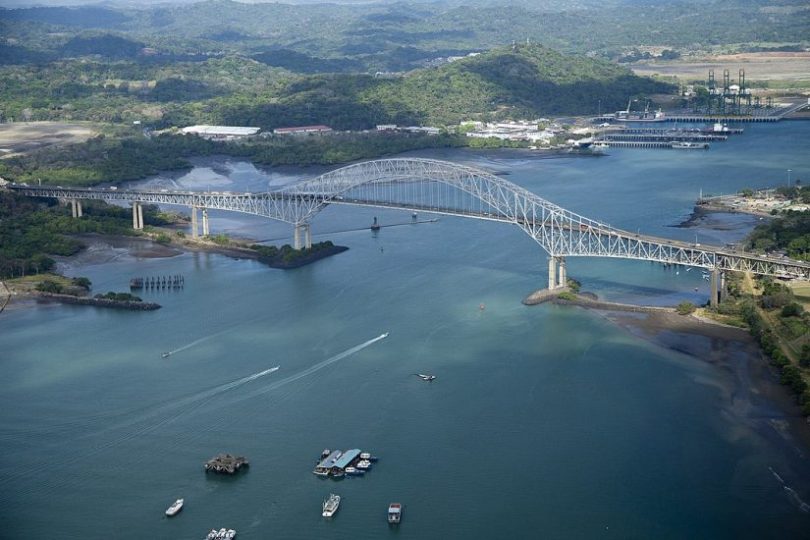
Panama City, caribbean Rising where the Pacific meets the Pacific, it's a dynamic capital where skyscrapers and tropical forests blend seamlessly into one. The Panama Canal's central role in world trade, its Spanish colonial heritage, and its cosmopolitan character make the city unique. History mingles in the cobblestone streets of Casco Viejo, sunsets in Cinta Costera, and nature and Frank Gehry's signature at the Biomuseo. Escape to the Pacific islands with a short flight and experience fine dining in the city all in the same day in Panama.
When to Go to Panama?
With its tropical climate, Panama boasts year-round temperatures ranging from 24–31°C. The dry season, from December to April, is ideal for exploring the outdoors, escaping to the Pacific coast, and capturing the festival atmosphere. The rainy season, from May to November, is typically short and intense, with the subsequent light providing stunning photographs. The Panama Jazz Festival in January and Carnival in February/March bring the city's energy to a peak.
How to Get to Panama?
IstanbulThere are no direct flights from; Madrid, Amsterdam, Paris You can reach Tocumen International Airport (PTY) via connecting flights from the US or the US. It takes 25–35 minutes from PTY to the city center; you can easily reach the city center by official taxi, app-based vehicles, or express buses. Medium America Internal connections are quite strong, with frequent flights from hubs such as San José, Bogotá, Medellín, and Mexico City. For transportation within the city, you can use the metro (two lines), a modern bus network, and affordable taxis.
What to Do in Panama?
- Panama Canal & Miraflores/Agua Clara Visitor Centers: Watch ships rise through the locks and marvel at the engineering in the interactive museum.
- Casco Viejo (Historical District): It's an Instagrammable world of colonial balconies, pastel facades, cathedrals, and boutique cafes. Sunsets from rooftop bars are unmissable.
- Cinta Costera & Amador Causeway: A walking/biking route with a view of the bay; a breathing space extending to the Biomuseo, marinas and fish market.
- Biomuseo: A live experience depicting Panama's biological bridge in a Frank Gehry-designed building.
- Metropolitan Natural Park: 10 minutes from the city center; chance to spot toucans and admire the Panama City skyline from above.
- Mercado de Mariscos (Fish Market): The perfect home for fresh ceviche. Fuel up with local flavors during lunch.
- Shopping & Design: Global brands in shopping malls like Soho Mall and Multiplaza; local designer boutiques in Casco Viejo.
- San Blas or Pearl Islands day trip: Swim in the aquarium-like waters and return to Panama City in the evening.
- Street Art Tour: A colorful route with street art and coffee stops around El Cangrejo and San Felipe.
- Warming up for the night on rooftops: When the city lights and the bay view combine, Panama City is something else entirely.
What to Eat in Panama?
Panama City cuisine blends Caribbean influences with Latin influences. Be sure to try ceviche (especially corvina), sancocho (a local soup with chicken and cilantro), arroz con mariscos (rice with seafood), ropavieja (fiber-wrapped beef), patacones (fried plantains), carimañola (yuca patties), and hojaldras (fried dough). Tres leches and cocada are favorites for dessert, and chicheme and fresh fruit juices are favorites for drinks. Try classic ceviche with lemon and onion at the Fish Market or a contemporary Panamanian twist in Casco Viejo. For a detailed gourmet itinerary, check out our article on What to Eat in Panama, which offers surprising locations and price tips.
What to Buy from Panama?
Molasses (Guna Yala handcrafted textiles) from Panama City, Panama hat (originally Ecuador Although it's originated in Panama, there are quality workshops in the city), cocoa and coffee (from the Chiriquí region), tagua (vegetable ivory) embroidery, and local rum and craft beer make great souvenirs. Browse the designer boutiques, Avenida Central, and handicraft markets in Casco Viejo. Bargaining is polite, and credit cards are accepted in most places. For more tips and addresses, be sure to read our What to Buy in Panama guide.
Panama Nightlife
Panama City turns up the heat when night falls: live music bars, salsa-bachata clubs, rooftops with DJ sets in Casco Viejo; Calle Uruguay and San Francisco, where more sophisticated cocktail venues stand out. On tropical evenings, outdoor terraces, craft beer bars, and speakeasies are quite popular. The dress code at entrances is close to "smart casual"; don't forget to check your ID. For lists of the best venues and route suggestions, beam into our Panama Nightlife article.
Panama Festivals and Fairs
| Event/Festival | Ay | DESCRIPTION |
|---|---|---|
| Panama Jazz Festival | January | The festival that hosts world stars and drowns the city in music with workshops and concerts. |
| Macro Fest | Mart | A city festival focused on design, fashion, creativity and music. |
| IFF Panama (International Film Festival) | Nisan | Latin America Selected screenings centered around cinema. |
| ExpoComer | March/April | One of the region's largest trade fairs; a major event for business travel. |
| Panama Carnival | February/Mar. | A street festival with processions, concerts, water fights and colorful costumes. |
| Panama Book Fair (FIL) | August | Local and international writers, signings and panels. |
Panama Important Days and Holidays
| Date | Events |
|---|---|
| January 1 | New Year |
| January 9 | Martyrs' Day (Día de los Mártires) |
| February/Mar. | Carnival Monday–Tuesday & pre-Ash Wednesday period |
| Variable | Good Friday (Viernes Santo) |
| 1 May | Labor day |
| 3 November | Separation Day from Colombia |
| 4 November | Flag Day |
| 5 November | Colon Day |
| 10 November | Call for Independence in Villa de los Santos |
| 28 November | SpainIndependence Day from |
| 8 Range | Mother's Day |
| 25 Range | Noel |
Things to Consider When Traveling to Panama
- Visa & Entry: Short-term for many passports visa free or easy check-in; return ticket and hotel reservations can be requested.
- Health: Tropical climate: Light clothing, raincoat, insect repellent, and sun protection are essential. Choose bottled water over tap water.
- Security: Tourist areas are generally safe; avoid deserted streets and dark areas at night. When taking a taxi, discuss the meter or price upfront.
- To: Balboa (PAB) and US dollars (USD) are used together; small change will do. Cards are common, but carry cash in markets.
- Transportation: You'll need a card for the metro and bus; plan for rush hour traffic.
- Clothes: Humidity is high; wear breathable fabrics. In religious/public areas, a combination of shoulders and knees covered is respected.
- Contact: Basic Spanish phrases make it easy; English is understood in tourist areas.
- Tip: A 10% service charge may be added in restaurants; if not, 10% is appropriate.
- Electricity: Type A/B socket, 110V. Good idea to bring a converter.
- Nature Getaways: Check weather conditions and boat safety regulations on island tours.
Panama, with its canal, historic neighborhoods, tropical getaways, and vibrant nightlife, is one of Central America's most versatile capitals. Even a short getaway offers a blend of city and nature. When planning your itinerary, explore our detailed itinerary: Our article on Places to Visit in Panama offers an inspiring itinerary.
