

Tbilisi Travel Guide 2026: Where to Stay, What to Eat, What to See?
If you're going to Tbilisi for the first time, I think the best way to understand the city isn't to immediately wander through the streets of Old Tbilisi; it's to first plan where you'll stay, which hill you'll climb each day, and where you'll have dinner. I'm from Donetsk. St. Petersburg Having lived in Moscow for many years, and now accustomed to a slower, sunnier life in Marmaris, I found Tbilisi both very familiar and very different. While exploring with Serdar, we were sometimes caught between the post-Soviet city feel, sometimes the old houses with balconies, and sometimes the aroma of warm flatbread and cilantro arriving at the table.

Two full days are ideal for Tbilisi, three days is more relaxing. For first-timers, Freedom Square, Rustaveli, Sololaki, Avlabari, and the area around Aghmashenebeli are practical. We stayed at the Ibis Tbilisi Stadium; it was conveniently located for transportation, but the staff... Russian We were not pleased with the sometimes rude and distant attitude towards visiting guests. Conversely, when I spoke Russian in the city, especially among older Georgians, I encountered a warmer, more familiar, and more sympathetic approach. Tbilisi is a bit like that: you can experience both distance and hospitality in the same day.
Quick and Practical Information About Tbilisi
| Topic | My note |
|---|---|
| How many days is enough? | Two days is short but enough, three days is much more enjoyable. |
| Where will we stay the first time? | Freedom Square, Rustaveli, Sololaki, Avlabari, Aghmashenebeli |
| Currency | Georgia Larisi, GEL |
| Card or cash? | Cards are accepted in many places, but cash is better for small shops and taxis. |
| Urban transportation | Metro, bus, cable car, Bolt, and walking. |
| Average budget | Someone traveling on a budget should aim for 80-120 GEL per day, while someone seeking moderate comfort should budget around 150-250 GEL. |
| Log out | Georgian is the main language; English is useful in tourist areas, and Russian in some places. |
| Security | Walking around the city center is comfortable, but it's wise to be cautious in the side streets late at night. |
| Power point | Turkey Most sockets of the same type are compatible. |
| Internet | eSIM or local SIM card option; Wi-Fi is common in cafes. |
Turkish citizens can enter Georgia with the new type of identity card. visa free Turkish citizens can travel to Georgia; depending on the type of passport, there is a visa exemption for up to one year. As of January 1, 2026, Turkish citizens traveling to Georgia with an identity card or ordinary passport are required to have travel health and accident insurance; the policy must cover the entire duration of stay and have a minimum coverage of 30.000 GEL.
When is the best time to visit Tbilisi?
I loved Tbilisi most in spring and autumn. April, May, September, and October are milder for walking. In summer, the city can be hot and dry; Marmaris Even though I'm used to the heat, the midday hours on Tbilisi's stone streets can be tiring. In winter, the city is quieter, prices are more reasonable at times, but the grey skies and early sunsets change the rhythm of sightseeing.
For first-time visitors, I recommend late September or early October. It's both the grape harvest season and you can better experience the spirit of Tbilisi cuisine. If you happen to be there during Tbilisiba, the city will be more crowded but very lively. Tbilisiba, with its grape pressing around Rike, concerts, dances, and open-air celebrations, is one of the city's most characteristic events.
How to get to Tbilisi?
The most practical way to travel from Türkiye to Tbilisi is by plane. IstanbulFinding a direct flight from Tbilisi is usually easy; after your flight, you can use buses, taxis, or app-based taxis to get to the city center. In my opinion, the number 337 municipal bus from Tbilisi Airport to the city center is the most economical option. The airport bus offers a 90-minute journey for 1 GEL; a taxi can cost between 30-50 GEL depending on traffic. The airport train costs 0,50 GEL one-way, but its schedule is limited, so it doesn't always suit your plans.
For those traveling by road from Türkiye Batum It's also possible to travel to Tbilisi via air travel. However, if you're only going to see Tbilisi, flying is much less tiring. Those traveling with only an ID card should remember not to lose their entry and exit forms, be aware that you cannot continue to third countries with just an ID card, and check the consent requirement beforehand if traveling with children.
Tbilisi City Transportation
The best way to get around Tbilisi is actually on foot. But the city isn't entirely flat; climbing the slopes of Narikala, Mtatsminda, and Sololaki will eventually give you a kick in the knees. That's why the metro and buses are so useful.
On the metro, buses, minibuses, and some cable car lines, you get 90 minutes of free transfers for 1 GEL. The MetroMoney card costs 2 GEL; paying with a debit card is also practical for short trips. The cable car from Rike Park to Narikala costs 2,5 GEL one way. For me, this cable car was one of the most enjoyable small expenditures in Tbilisi; it's short but it's wonderful to pass over the city's rooftops.
Using Bolt is more convenient than hailing a taxi from the street. Especially for airport and nighttime departures, knowing the price upfront gives you peace of mind. There's no need to rent a car in Old Tbilisi; the streets are narrow, parking is difficult, so walking is much more sensible.
How many days does it take to visit Tbilisi?
- 1 days: If you only have one day, finish the day with a visit to Old Tbilisi, the Peace Bridge, Rike Park, the Narikala Cable Car, Abanotubani, and dinner.
- 2 days: The first day's itinerary includes Old Tbilisi and Narikala, while the second day's route covers Rustaveli, the Dry Bridge Market, Sameba Cathedral, and Aghmashenebeli.
- 3 days: Take a slower pace on the third day. You could add Mtatsminda, the Georgian National Museum, cafes, a bathhouse, and perhaps a half-day trip to Mtskheta.
For me, Tbilisi is more beautiful in three days. Because the city is not just about "places to visit"; looking out from a balcony, drinking coffee, getting something warm from the bakery, walking down the same street a second time – these things change the experience of the city.
Where to stay in Tbilisi?
When choosing accommodation in Tbilisi, you shouldn't just look at whether it's "close to the center." Some areas of the city are lively in the evenings, some are quieter, and some are convenient because they are close to the metro.
- Freedom Square and Rustaveli: This is the safest area for first-time visitors. Museums, restaurants, cafes, metro, and Old Tbilisi are easily accessible. Those who don't want to waste travel time on a short trip can stay here.
- Sololaki: It's a more characterful, boutique area, and pleasant to explore on foot. I really enjoyed the old apartment entrances, balconies, and small cafes. However, the hilly streets might be tiring for the elderly and families with children.
- Avlabari: More economical options can be found near Sameba Cathedral. There's the advantage of the metro. It's possible to walk to Old Tbilisi, but not every point is considered centrally located.
- Aghmashenebeli : Having stayed at the Ibis Tbilisi Stadium, I observed this situation more closely. The hotel is located at 178 Aghmashenebeli Avenue, within walking distance of Station Square, close to Tbilisi Central, and conveniently situated for bus access from the airport. The rooms are functional, the location is good for transportation, and there are restaurant and bar options nearby. However, during our stay, the staff's approach to Russian-speaking guests felt cold and at times hostile. I wanted to mention this specifically because, having lived in Donetsk, St. Petersburg, and Moscow for many years, I immediately notice this tone. Nevertheless, the overall picture isn't uniform; in the streets, in the markets, and especially when speaking with older Georgians, I also felt a warmer, more traditional affinity towards Russian.
How Many Days to Stay in Tbilisi and Where to Stay? A Complete Plan for Your First Visit In our article, you can discover the best region for you.
Places to visit in Tbilisi
Old Tbilisi
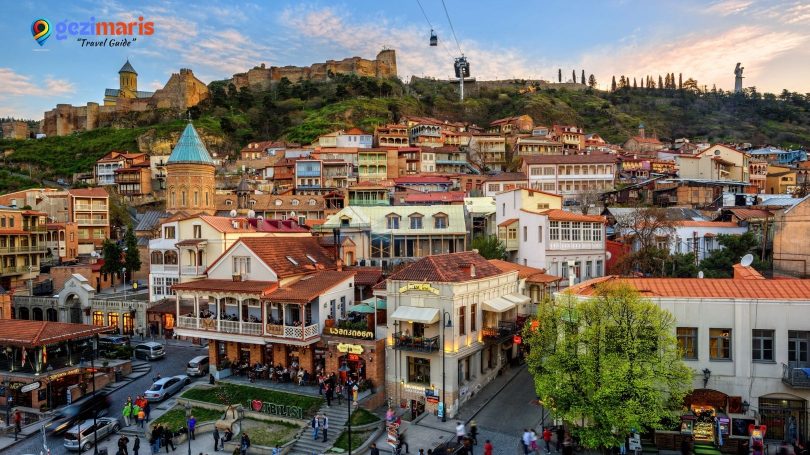
In my opinion, the best part of Tbilisi is the streets of Old Tbilisi. Colorful balconies, crooked walls, courtyards, cats, staircases… Here, getting lost is more effective than planning. If you walk early in the morning, the streets are quieter and it's easier to take photos.
Peace Bridge and Rike Park
A good starting point for seeing modern Tbilisi. The bridge is even more impressive with the evening lights. The most practical route from here is to take the Narikala Cable Car.
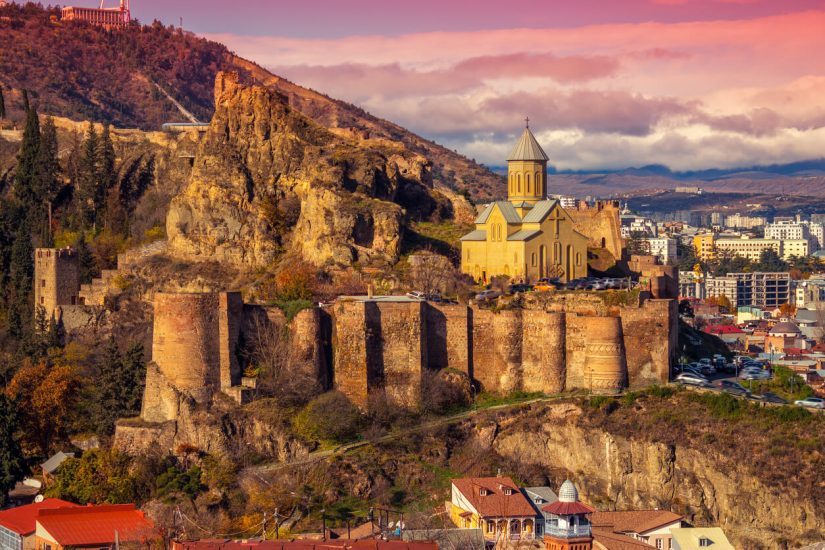
Narikala Castle and Kartlis Deda
Taking the cable car up and walking towards the fortress is one of Tbilisi's classic but truly essential experiences. The view is stunning. Comfortable shoes are essential; the cobblestone streets don't tolerate high heels or slippery soles.
Abanotubani and Sulfur Baths
I felt the oldest spirit of Tbilisi here. The domed baths, the smell of sulfur, the narrow streets, and the small waterfall route should all be done on the same day. Prices for private rooms for the bath experience vary considerably depending on the establishment and room type; prices rise rapidly in more touristy and comfortable places. I found that extra services like scrubbing cost around 10 GEL in Chreli Abano; it's a good idea to ask about the budget upfront for private room experiences.
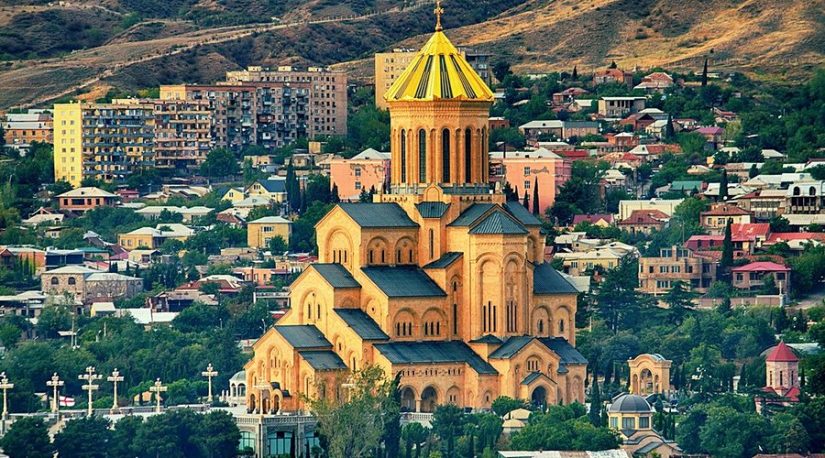
Sameba Cathedral
Sameba is impressive in its width and height. It's important to be quiet inside, mindful of your attire, and respectful when taking photos. The light is beautiful near sunset.
Rustaveli Avenue
I love walking around Rustaveli for its museums, theaters, wide sidewalks, and more classic city feel. If you plan to visit the National Museum of Georgia, set aside time; a foreign adult ticket is 40 GEL.
Dry Bridge Market
Antiques, Soviet-era objects, old cameras, badges, paintings, and quirky little souvenirs… Moskova And as someone who loves the market culture in St. Petersburg, I can spend a long time here. Bargaining is possible, but it's important to be respectful and calm.
Mtatsminda
It's great for those who want to see the city from above. If the weather is clear, you get a better understanding of Tbilisi's layers. The park area can be fun for families with children, but it gets crowded on weekends.
1, 2 and 3-Day Travel Itineraries for Tbilisi
1-Day Tbilisi Itinerary
Start your morning with a walk in Old Tbilisi. Take in the views from around the Metekhi Church, cross the Peace Bridge to Rike Park. Around noon, take the cable car up to Narikala, and stop for photos on the Kartlis Deda side. On your way down, pass through Abanotubani and hike to the waterfall. Plan dinner in Old Tbilisi or Aghmashenebeli.
2-Day Tbilisi Itinerary
- Day 1: Old Tbilisi, Rike Park, Narikala, Abanotubani, sulfur baths, and dinner.
- Day 2: Rustaveli, Georgian National Museum, Dry Bridge Market, Sameba Cathedral, Aghmashenebeli evening walk.
It's best to keep lunch light on this route; Georgian cuisine is delicious, but the dough, cheese, and meat are so heavy that you get full quickly.
3-Day Tbilisi Itinerary
- Day 1: Old Tbilisi and Narikala.
- Day 2: Rustaveli, museum, Dry Bridge, Sameba.
- Day 3: Mtatsminda, Sololaki cafes, hammam, or a half-day getaway in Mtskheta.
The approach Serdar and I enjoyed the most was finishing the tourist core on the first day and walking more slowly on the second day. Rushing through Tbilisi leaves you with a bit of a superficial view of the city.
What to eat in Tbilisi?
In Tbilisi, the food alone could be a reason to travel. Georgian cuisine is rich in dough, cheese, walnuts, cilantro, meat, and wine.
- Khachapuri: Cheese bread, but don't think of it as just "cheese flatbread." The Ajar-style version is heavier, with eggs and butter. It's better for breakfast or lunch.
- Hinkali: Georgian dumplings. It's important to eat them without discarding the liquid inside. There are varieties with meat, mushrooms, and potatoes.
- Badrijani: Walnut-stuffed eggplant rolls. It's served as a cold appetizer, lightening the meal.
- Harcho: Spicy, thick, soup or stew-like in character. Perfect for cold weather.
- Lobio: Bean stew. Served with... Egypt Simple but filling, served with bread.
- Churchkhela: A dessert made with walnuts and grape paste. It can also be bought as a gift.
- Georgian wine: Georgian wine is not just a drink, it's a culture. For those who don't drink it, lemonade, tarragon-flavored soda, and Borjomi are good alternatives.
Where to Eat in Tbilisi? Restaurant Recommendations
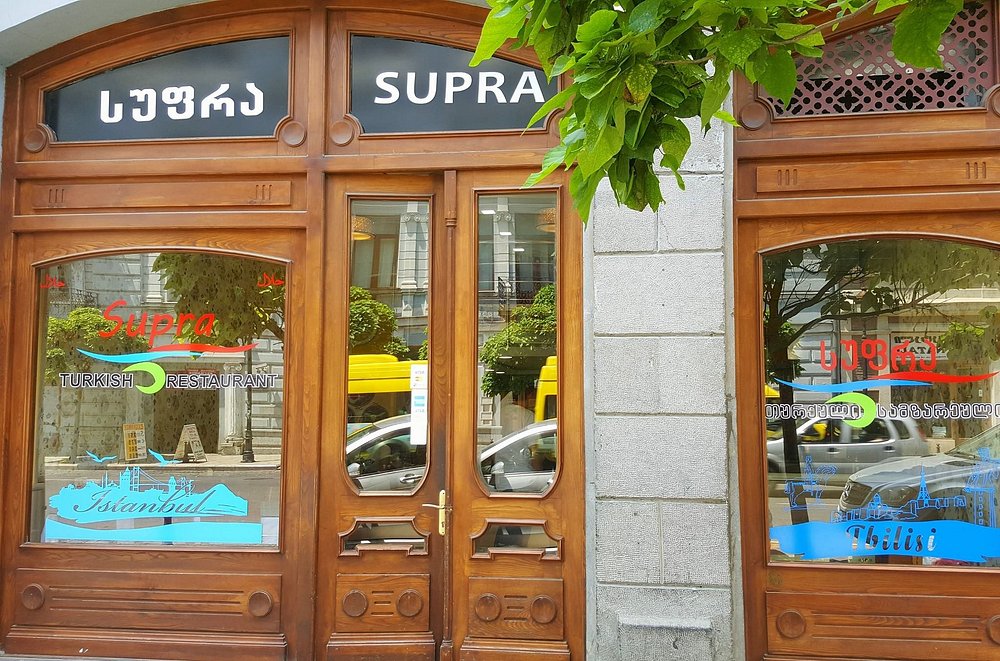
Supra Turkish Restaurant
For those seeking Turkish cuisine in Tbilisi, Supra Turkish Restaurant was one of the most convenient dining experiences of our trip. Located on Aghmashenebeli Street, it boasts a central location. Upon entering, we were most pleased by the rich menu and the friendly approach of the staff. In Tbilisi, the tone of service can sometimes be distant; at Supra, however, we experienced a warmer, more familiar level of service.
The menu includes lentil soup for 8 GEL and lahmacun (Turkish pizza) for 10 GEL. Adana Kebab is around 25 GEL, doner wrap 20 GEL, Iskender 35 GEL, baklava 12-20 GEL, ayran 3 GEL, and Turkish coffee around 4 GEL. These prices seemed reasonable to me for a meal in Tbilisi where two people can leave feeling full, especially for a meal that's similar to Turkish cuisine.
I would especially recommend Supra to families with children, those looking for halal food, those wanting a short break from Georgian cuisine, and those who say, "Let me have a familiar soup today." Serdar also felt comfortable because there were so many options on the menu. It's not like a single kebab shop; it's more accurate to think of it as a restaurant with a long menu including soup, pide, kebabs, stews, desserts, and coffee. Location
Traditional Georgian restaurants
In Tbilisi, you absolutely must dedicate an evening to a Georgian meal. Enjoying khinkali, khachapuri, walnut-based appetizers, and local wine at the table truly captures the city's essence. Around Old Tbilisi and Sololaki, there are many touristy but charming restaurants. Prices vary depending on the restaurant; for two, a mid-range Georgian meal, including drinks, should cost between 80-150 GEL.
Cafes and bakeries
Coffee culture is well-developed in Tbilisi. In third-wave cafes, coffee prices sometimes feel similar to Türkiye, sometimes slightly higher. You can take an economical break with small pastries and coffee at more local bakeries. Getting warm khachapuri from the bakery in the morning can be a more intimate experience than going to a tourist restaurant.
What to buy in Tbilisi?
In my opinion, the best things to buy from Tbilisi are the small, local items.
- Georgian Wines and Spirits: Georgia is considered the cradle of wine production, and in Tbilisi, traces of this rich tradition can be found on every corner. Amber wines, especially those made in traditional earthenware jars called qvevri, have gained worldwide fame. Boutique wines from brands such as Telavi Wine Cellar, Khareba, Shumi, or homemade options from local producers await you on the shelves.
Georgian raki, also called Chacha, is distilled from grape pomace and is usually sold in miniature bottles as a gift. Although it is high in alcohol, this drink reflects Georgia's harsh hospitality and will be an original gift.
- Local Spices: Georgian cuisine stands out with its unique flavors and aromas. Behind this richness lies, of course, spices. Especially khmeli suneli (a type of Georgian spice mix), utskho suneli (blue fenugreek) and red pepper-based ajika sauce are ideal for adding a Caucasian touch to your cuisine. You can find these spices at affordable prices in local markets such as Dezerter Bazaar or Meidan Bazaar in Tbilisi, and you can buy them carefully packaged in glass jars.
- Traditional Georgian Jewelry and Silverwork: Tbilisi is a city that has kept its tradition of jewelry alive for centuries. Especially in the workshops in the old city area, you can find rings, bracelets and earrings decorated with Georgian symbols. Silver jewelry with Georgian crosses, grape motifs and ancient ornaments will be both an elegant accessory and a cultural souvenir.
- Handmade Ceramic and Wooden Objects: In the workshops you come across on the streets of Tbilisi, handmade ceramic tea cups, jugs and plates stand out. Decorated with Georgian alphabets and bearing traditional patterns, these products will both add color to your kitchen and take their place on your shelves with elegance. In addition, wooden carved boxes, masks and ornaments bring together natural materials and cultural art.
- Georgian Carpets and Rugs: Traditional carpets and rugs brought from the mountain villages of Georgia attract attention with their colorful motifs and natural dyes. Especially the patterns from the Kazbegi and Tusheti regions have an authentic character. Carpet shops on Rustaveli Avenue or places like Elene Akhvlediani Gallery are ideal stops for these products.
- Books, Postcards, and Notebooks Written in Georgian: Tbilisi bookstores stock books, diaries and notebooks written in the aesthetically pleasing Georgian alphabet. Even if you don’t know Georgian, these products have artistic value due to their cover designs and interior design. For book lovers, independent bookstores like Shakespeare & Co. or Soviet-era book markets are worth exploring.
- Clothing and Accessories from Local Fashion Designers: Tbilisi has become a city that has made a name for itself in the fashion world in recent years. Young designers known for Tbilisi Fashion Week blend modern lines with traditional touches. You can find products from brands such as MATÉRIEL, Situationist and Lako Bukia in boutiques on Rustaveli Boulevard or in the Vake district. Cashmere scarves and handmade leather bags are among the stylish gifts.
- Soviet Antiques and Nostalgic Objects: Some shops in Tbilisi have Soviet-era medals, badges, posters and even gramophones. Flea Market (a flea market on the banks of the Kura River) is a great place to find these items. If you’re looking for a small but meaningful piece, a Stalin-era bookmark or USSR badge might be an interesting option.
- Georgian Sweets; Churchkhela, Sweet Fruit Leather, Turkish Delight: Churchkhela, walnut sweets dipped in grape molasses strung on strings on the streets of Tbilisi, are encountered at every step. In addition, almond sweets, fruit pastes and Georgian Turkish delights are perfect for those looking for both light and natural sweets. A beautifully packaged box of Churchkhela can be a delicious and authentic gift for your loved ones.
- Natural Soaps, Fragrances and Skincare Products: Soaps and essences obtained from plants such as lavender, rose, juniper offered by Georgian nature attract the attention of organic product lovers. Local brands such as Rustaveli Natural or BioCos in Tbilisi offer natural care products without parabens and chemicals. Mud masks and lotions with grape seed oil are especially suitable for both yourself and as a gift.
- Tbilisi-themed magnets, keychains, and souvenirs: Magnets and key chains decorated with traditional balconies, Narikala Fortress or Georgian inscriptions can be nice little gifts that symbolize your trip. You can find plenty of these products especially in the souvenir shops in the Abanotubani area.
- Electronic Products and Tech Gifts: Although Tbilisi doesn't compete with the big electronics stores in Europe, it is possible to find interesting accessories in local chains. Wireless speakers from Georgian brands, USB sticks with wooden coating or designer phone cases are nice gifts for tech-savvy friends.
Not everything that looks "old" in Dry Bridge is an antique. I like to take my time looking around there, not immediately agreeing to the first price I see.
What to do in Tbilisi?
Visiting museums and the fortress in Tbilisi isn't enough. Here are some of the best things to do, in my opinion:
Take a walk through the streets of Old Tbilisi early in the morning. Take the cable car from Rike to Narikala. Experience a Turkish bath in Abanotubani. Browse antique objects at the Dry Bridge Market. Enjoy a Georgian meal one evening. Go for a walk in Aghmashenebeli. If the weather is clear, climb Mtatsminda. If time permits, dedicate half a day to Mtskheta.
Now, take a look at the city. In Tbilisi, old Soviet-era apartment buildings, new cafes, Orthodox churches, Turkish restaurants, Russian-speaking immigrants, tourists, and local elders all come together in the same frame. This mix is the city's true story.
Tbilisi Nightlife
Tbilisi nightlife isn't just about bars. The city has a strong electronic music culture, with clubs like Bassiani being particularly well-known in this genre. Around Aghmashenebeli, Rustaveli, and Old Tbilisi, you'll find quieter bars, wine bars, and live music venues.
My advice is not to stay out too late on the first night. The streets in the center generally feel relaxed, but it's better to use a taxi app than to walk alone through the side streets late at night. If you plan to drink wine, Georgian wines can be quite strong; it's best to take your time.
Affordable Entertainment in Tbilisi: A Guide to Budget-Friendly Bars and Nightclubs You can plan an economical evening by reading our article.
Tbilisi Festivals and Events
In Tbilisi, wine, jazz, art, coffee, and city celebrations stand out throughout the year. Tbilisoba, a two-day city festival, features concerts, dancing, grape pressing traditions, and outdoor celebrations around Rike. There are also more modern city events such as the Tbilisi Coffee Festival at the end of September; September 26-27 is highlighted for 2026.
Hotel prices and restaurant occupancy may increase during the festival. It's a good idea to book your reservations promptly, especially if you're planning a weekend.
Tbilisi Holidays and Closures
In Georgia, official and religious holidays can affect travel plans. The country has 17 official holidays a year; notable dates include January 1-2, Orthodox Christmas on January 7, March 8, April 9, Independence Day on May 26, August 28, October 14, and November 23. Government offices and banks may close, but most restaurants, cafes, and nightlife venues remain open.
If you plan to visit museums, it's a good idea to check Monday closing times and special days. Spontaneous walks in Tbilisi are nice, but being unplanned for museums and hammams can sometimes waste time.
Tbilisi Travel Budget and Current Prices
Tbilisi is still more accessible than many European capitals, but it shouldn't be considered a "very cheap" city anymore. Good restaurants, centrally located hotels, and popular hammam experiences, in particular, raise the budget.
| Spending | Economic | intermediate level | bullshit |
|---|---|---|---|
| Breakfast | 10-20 GEL | 25-40 GEL | 50 GEL and above |
| Coffee | 4-8 GEL | 8-12 GEL | 12 GEL and above |
| Public transport | 1 GEL | 3 GEL daily package | A taxi costs 10-25 GEL for short distances. |
| Rike-Narikala cable car | 2,5 GEL one way | 5 GEL round trip | Same |
| Museum | 15-40 GEL | 40 GEL | Higher quality with a guided tour. |
| Georgian restaurant | 30-50 GEL per person | 60-90 GEL | 100 GEL and above |
| Supra Turkish Restaurant | Soup 8 GEL, lahmacun 10 GEL | Kebab 25-35 GEL | Large meat platters are taller. |
| Bath | More suitable in simpler places. | Private room budget varies. | High quality in tourist rooms. |
| Daily total | 80-120 GEL | 150-250 GEL | 300 GEL and above |
The biggest advantage in transportation is the 90-minute system for 1 GEL. Paying 2,5 GEL for the cable car to see Tbilisi from above was very valuable to me. For the museum, a 40 GEL ticket for foreign visitors is no longer a small expense. As for food, finding soup for 8 GEL, lahmacun for 10 GEL, and kebab for 25 GEL at places like Supra balanced the budget for two people.
Tbilisi Travel Map
Things to Consider When Traveling to Tbilisi
Tbilisi is a relaxed city, but there are a few things to keep in mind. First of all... travel insurance This is now an important entry requirement for Turkish citizens. If you are entering with your ID card, do not lose your entry-exit form. If you are carrying a very large amount of cash, check the declaration rules beforehand; amounts of 30.000 Lari or more are subject to declaration.
Use an app for taxis. Service in restaurants might not be as fast as in Türkiye. If you speak Russian, the reaction isn't the same everywhere; there were moments in our hotel when we felt distant, but we also saw a warmer approach on the street, especially from older people. Therefore, it's not fair to judge Tbilisi based on a single experience.
Comfortable shoes are essential for the uphill climbs. If you're going to a Turkish bath, ask about the price of a private room, towels, and scrub beforehand. Be mindful of attire and silence in churches. For families with children, the cable car, Mtatsminda, and Rike Park are enjoyable; however, the cobblestone, hilly streets of Old Tbilisi can be tiring with a stroller.
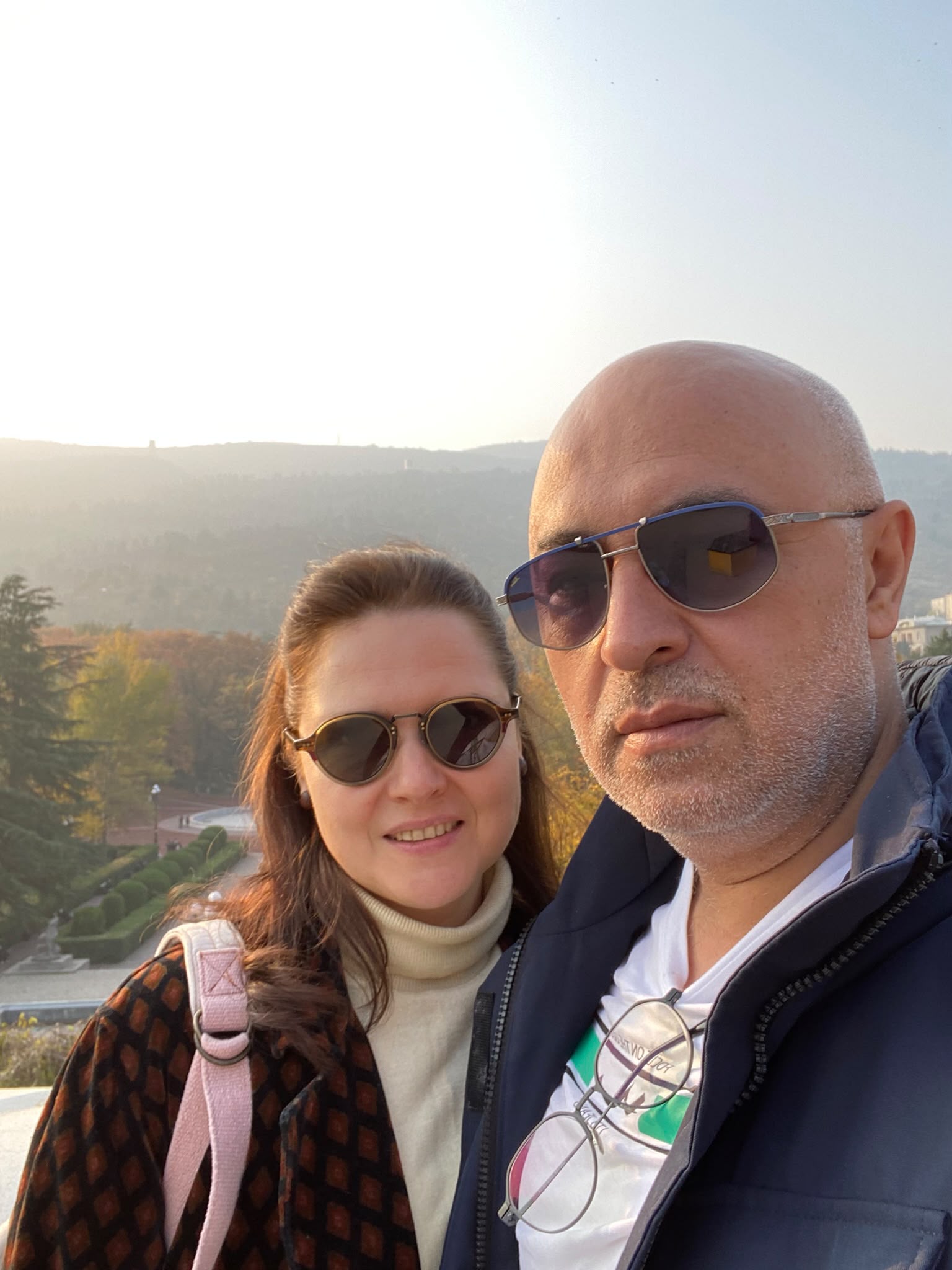
Tbilisi was both a familiar and a foreign city for me. With memories from Donetsk, St. Petersburg, and Moscow, I saw shadows of the old Soviet era in some streets; but with my current life from Marmaris, I loved the city's coffee, sunshine, and slow evenings. While exploring with Serdar, what stood out most were the balconies of Old Tbilisi, the view of Narikala, the scent of Abanotubani, the antique items of the Dry Bridge, and the warm service of Supra Turkish Restaurant.
I recommend 2-3 days for first-time visitors. Choose accommodation in the city center or near metro stations. Transportation is still affordable, but plan ahead for restaurant, museum, and bathhouse prices. To love Tbilisi, you shouldn't expect everything to be perfect; the city is a little broken, a little romantic, a little harsh, and a little very hospitable.
PREVIOUS TOPIC
NEXT TOPIC
Similar Threads
Write a Comment
Visitor Comments - 1 Comments
Hi there everyone, it's my first pay a quick visit at this website, and post is truly fruitful for me, keep up posting such articles or reviews.