


Georgian Historical Chronological Monument
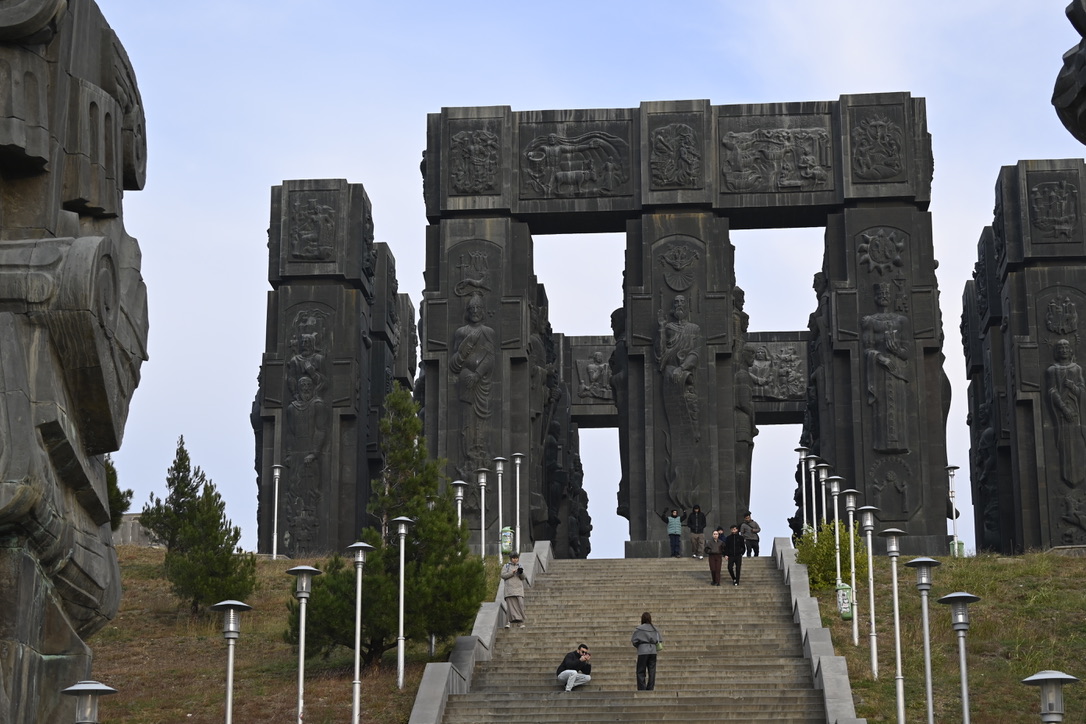
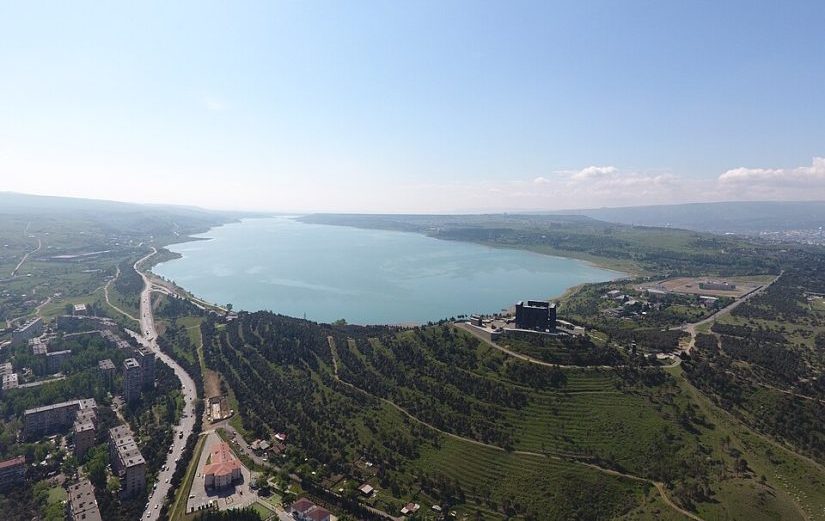
Georgiacapital of Tbilisi The Georgian Historical Chronology Monument (Chronicle of Georgia), built on a hill in the Georgia), is both an open-air sculpture gallery and a visual textbook depicting the country's identity. Its location overlooking the Tbilisi Sea, a height constantly swept by the wind, and panoramic views of the city make it a destination not only for art enthusiasts but also for photography enthusiasts. At first glance, it feels like the skeleton of a Gothic cathedral or the petrified chronicle of an ancient kingdom; as you approach, you see layers of Georgian history in the details of the reliefs, from royal crowns and cross motifs to grape clusters and battle scenes. For those wondering "where to begin?" in Tbilisi, it offers an experience far from crowded museums but equally instructive. It's like a threshold between the city center and nature; one side faces the region's early Christianity, the other the medieval kingdoms. At sunset, the stone's color deepens, and the reliefs absorb the light; at night, when the city lights come on, the monument transforms into a silhouetted scene. A half hour here is intense enough to whisper many stories in your ear, even without a guide. Moreover, admission is free and usually uncrowded. If you want to create an unexpected culmination in your Tbilisi travel plan, the “Georgian Historical Chronology Monument” is waiting for you.
Where and How to Get There?
The monument is situated on a hill above the artificial lake (reservoir) known locally as the "Tbilisi Sea" in northeastern Tbilisi. It can be reached by car from the city center in 20-30 minutes. You may need to take public transportation to the lakeside area and then walk a short distance; the slope can be steep in some sections. The most convenient way to get there is by taxi or car-sharing; prices are reasonable for the distance, and finding a ride back is easy. For those arriving by car, there are parking areas near the top. Simply search "Chronicle of Georgia" or "Georgian Historical Chronological Monument" in your navigation.
Brief History
The Georgian Historical Chronology Monument bears the signature of world-renowned sculptor and architect Zurab Tsereteli. The project, whose foundations were laid in the mid-1980s, took shape in the cultural climate of the final years of the Soviet Union and remained an open-air composition that long retained a sense of incompleteness. Paradoxically, this incompleteness gives the monument the effect of a living and growing narrative. The upper panels depict Georgia's kings, saints, and national heroes; the lower panels depict the people's daily lives, crafts, viticulture, and the cycle of war and peace. The adoption of Christianity in Georgia (especially the role of St. Nino) and the Bagratid legacy, which strengthened in the Middle Ages, are frequently emphasized themes in the reliefs. Tsereteli's approach combines classical narrative with modernist movement, transforming the monument into a "stone archive" that delves into the country's roots.
Architectural and Artistic Features
Creating a “block forest” effect on the site, the columns, reaching 30-35 meters tall, are levitated against the sky with the weight of the dark stone. Each column surface is covered in high reliefs carrying a different narrative layer. The upper sections feature rulers, cross and crown motifs, and iconographic scenes, while the lower sections depict agriculture, viticulture, wedding-ritual scenes, and campaign depictions. This two-layered structure balances the opposition of “state and religion above, people and daily life below,” reinforcing the idea of historical unity. Tsereteli’s figures are monumental and angular, deeply carved to create dramatic shadows. As the daylight progresses, the character of the reliefs changes; clear contours come to the fore in the morning, and soft transitions emerge in the evening. A small chapel stands at one end of the site; its austere architecture contrasts with the monument’s monumental language, offering the visitor a tranquil pause. The Tbilisi panorama and lake view act as the “frame” of the work; This is what makes the monument not just a sculpture but a site-specific installation.
Visit Information
Practical notes for those planning a visit:
- Entrance fee: Free.
- Visiting hours: As it is an open area, it is accessible throughout the day; daylight hours/golden hours are recommended for safety and light reasons.
- Best Time: Sunrise and sunset provide dramatic light on the reliefs; the midday heat and glare of summer can be harsh.
- Average Trip Duration: 45-90 minutes. If you're taking photos, it may take longer.
- Transportation: Taxis and carpooling are convenient from the center. A short but steep walk may be required after public transportation.
- Accessibility: The ground is uneven in some places; comfortable shoes are a must. The slopes may be challenging for those with limited mobility.
- Wind and Air: Due to its hilltop location, winds can be strong; bring extra layers, especially in winter.
- Facilities: There are limited kiosks/restrooms nearby; bring water and snacks.
- Security: The area is generally quiet; be careful around stairs and edges at dusk.
- Drone/Shooting: While a drone might be tempting for the wide angle, be sure to check local regulations and safety warnings.
Photography Tips and Tricks
The monument's central corridor offers a striking line of flight created by symmetrical columns; a wide-angle lens will capture a dramatic perspective. A 24-35mm range works well for capturing the upper reliefs; for detail, prime lenses of 50mm and above produce sweet results. The low ISO + tripod combination ensures sharpness, as the shadow play on the reliefs becomes more pronounced during the golden hour. Tbilisi Sea From the side facing the monument, it's possible to frame it with the lake and the horizon in the background; be careful to keep the horizon straight. For a panoramic cityscape, you can create a compression effect with a telephoto lens. If you're shooting for a long exposure on windy days, hang a weight to stabilize your tripod. Including a person in the frame to emphasize the human scale is very effective in conveying the columns' immense size. Cloudy weather reveals the texture of the reliefs with soft light, without excessive contrast; in harsh sunlight, a polarizing filter reduces glare.
Other Nearby Places to Visit
- Tbilisi Sea Shores: It's ideal for escaping the hustle and bustle of the city and relaxing by the water. Picnic and hiking trails are popular in the summer.
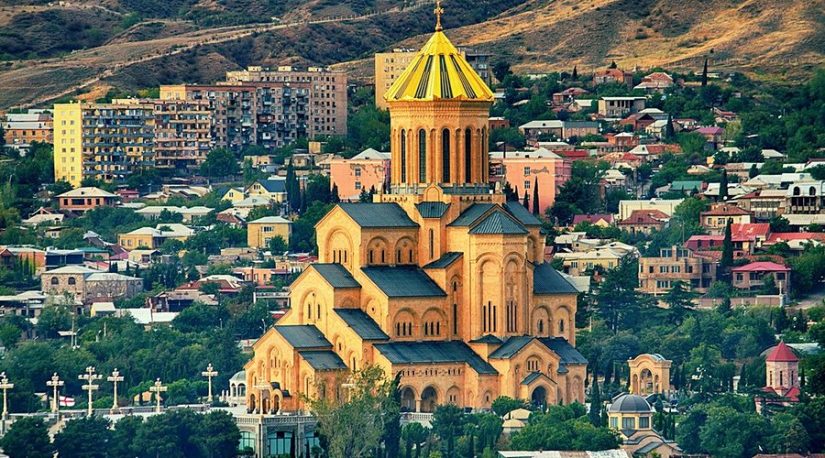
- Tsminda Sameba Cathedral (Holy Trinity): One of the city's most iconic religious buildings, its dome and courtyard are impressive in scale.
- Narikala Fortress and Kartlis Deda (Georgian Mother) Statue: Historical silhouettes overlooking the city from the top of Old Tbilisi; transportation by cable car is enjoyable.
- Abanotubani (Sulphur Baths): The city's thermal heritage, the domed baths, is also attractive for photography.
- Streets of Old Tbilisi: Narrow streets where you will capture the spirit of the city with wooden balconies, colorful facades and wine houses.
- Mtatsminda Park: City views from the Ferris wheel; a good spot especially for sunsets and night lights.
If you're ever in Tbilisi, I highly recommend visiting the Georgian Historical Chronology Monument. It's a unique experience to experience the city's history, religious symbols, and folk culture all in one open-air setting, guided by the wind and light. If you'd like to expand your Tbilisi itinerary, you can find more ideas in our "Places to Visit in Tbilisi" article and tailor your itinerary to your liking. Happy exploring!
PREVIOUS TOPIC
NEXT TOPIC

Similar Threads
If you're visiting Tbilisi for the first time, I think the best way to understand the city isn't to immediately wander through the streets of Old Tbilisi; it's to first plan where you'll stay, which hill you'll climb each day, and where you'll have dinner. I lived in Donetsk, St. Petersburg, and Moscow for many years, and now I'm used to a slower, sunnier life in Marmaris...

Supra Halal Turkish Restaurant is a popular restaurant serving halal Turkish and Middle Eastern cuisine, located on Davit Aghmashenebeli Avenue, one of the liveliest areas of Tbilisi. The address is approximately 130 Davit Aghmashenebeli Ave, Tbilisi. The restaurant offers selections from Turkish, Arabic, and Middle Eastern cuisines for breakfast, lunch, and dinner...
A tranquil escape from the hustle and bustle of Tbilisi, where the wind traces gentle waves on the water's surface: Tbilisi Sea. This large artificial lake, which locals call "Tbilisi Sea," is both a source of drinking water and a natural setting for those seeking to relax on weekends. Early in the morning, the silence that settles on the shore is filled with a few people casting their fishing lines...
The Mimino Film Characters Monument is a stop that will make you smile at first glance, but a few steps later leaves you with a sweet sense of nostalgia. You'll see three beloved characters from "Mimino," one of Georgian cinema's legendary films, together, as if they stepped right from the film set and landed in the heart of Telavi. The expressions on the bronze figures' faces, the folds of their coats, the details of their suitcases, and their seemingly gentle conversation...

I first arrived in Tbilisi's Old City in the late afternoon; crossing the Peace Bridge from Rike Park and turning into the stone streets, the city suddenly transformed into a place of glass balconies, the smell of sulfur, and the Narikala walls on the hill. Walking among the brick domes in Abanotubani, my shoes slipped on the wet stone; when I looked up, the Citadel was above, the Metekhi Church on the opposite slope, and the Kura River behind me. Understanding Tbilisi...

One of the best things about Tbilisi is that you can have fun to your heart's content without breaking the bank. For the price of a single cocktail in many European capitals, you can spend an entire night here. Inexpensive but high-quality handcrafted beer, affordable cocktails, friendly bars open until dawn, and venues with entrance fees that won't strain your budget; Tbilisi is the perfect nightlife destination for budget travelers...
Write a Comment
Visitor Comments - 0 Comments