









German Federal Parliament
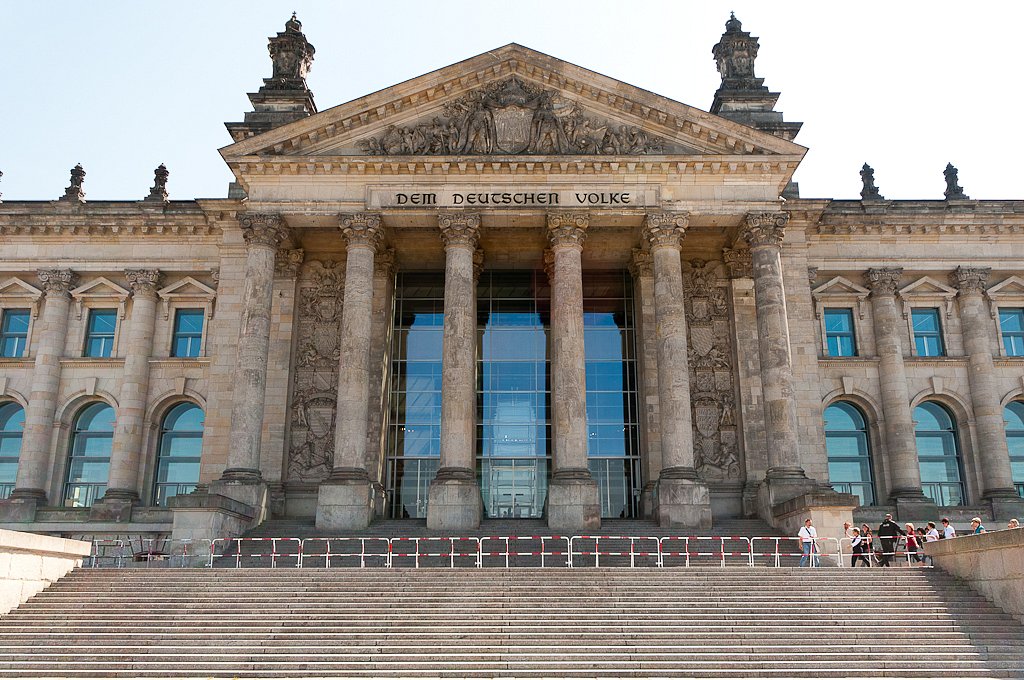
There are some buildings in Berlin that make you stop and think just hearing their names. Germany The Federal Parliament, or Bundestag, is just such a place. Many people still refer to it as the "Reichstag," but the story is broader. Because here, it's not just stone, glass, and steel that speak. Here, the very idea of democracy becomes visible. Even as you pass through the security gate, you touch contemporary history. Then, when you look up and see the glass dome, your rhythm changes. Light circulates across the metal surfaces, constantly renewing the space. Below, members of parliament work; above, visitors observe Berlin. When these two layers stand side-by-side, the city is read in a different way. Berlin If you're looking for cultural heritage on your trip, this is a great place to start.
Headlines
Where and How to Get There?
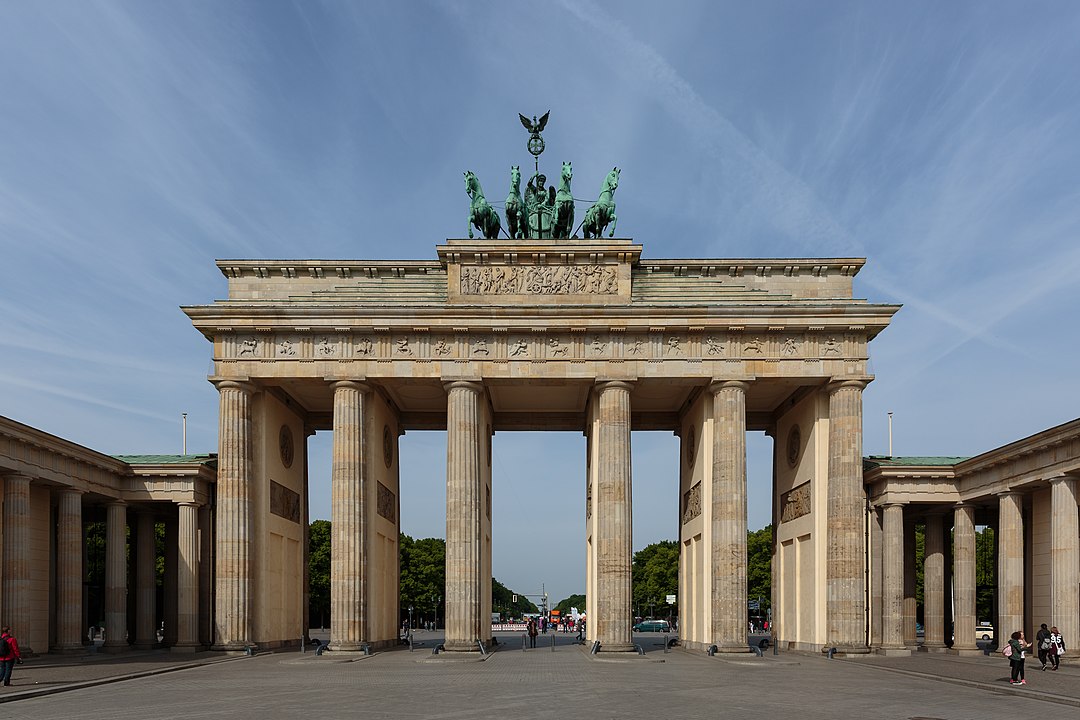
The German Federal Parliament is located in Berlin Mitte, on the edge of Tiergarten. Brandenburg GateYou can reach it in a few minutes on foot. If you prefer the U-Bahn, the Bundestag station on the U5 line is very close. For the S-Bahn, getting off at Brandenburger Tor station is practical. The walk from Berlin Central Station takes about fifteen minutes. Bus and tram connections are also quite extensive in the area. There are wide roads and parking areas for those who want to come by bicycle. Coming by car is possible, but parking is not always convenient.
Brief History
Today, the German Federal Parliament operates in the historic Reichstag building. The structure was built at the end of the 19th century for the imperial assembly. When it opened in 1894, it was considered the new political center of Berlin. The Reichstag Fire of 1933 is a turning point in German history. The building suffered heavy damage during the war years and remained desolate for a long time. During the Cold War, it became a silent symbol near the border. With the reunification of Germany, the relocation of the parliament to Berlin was again considered. A comprehensive renovation process began in the 1990s, modernizing the building. The glass dome became the most powerful symbol of this transformation. Today, the Bundestag is both a functioning institution and a visited heritage site.
Architectural and Artistic Features
The monumental language of the exterior is immediately apparent. Columns, sculptures, and pediments bear the traces of the imperial era. The inscription “Dem Deutschen Volke” (From the German People) at the entrance invites a confrontation with history. Inside, modern lines consciously engage in a dialogue with the old shell. The renovation project uses light almost as a building material. The glass dome is a powerful narrative that translates the idea of transparency into architecture. The mirror cone in the center of the dome directs daylight downwards. This system reduces general lighting and balances energy consumption. Ramps designed for visitors provide a gentle ascent. As you ascend, the streets of Berlin unfold like a map. On the terrace, you feel the wind, and the sounds of the city come from afar. In some sections, traces of the past have been deliberately preserved. These details make the visit to the German Federal Parliament more meaningful.
Visit Information
Visiting the German Federal Parliament is easy, but the rules are clear.
- Entry is often free, however registration may be required.
- Booking a reservation for the glass dome in advance will make things much easier.
- A security check will be conducted, and identification may be requested.
- Visiting hours vary seasonally, so keep your plans updated.
- Guided tour options are more extensive on some days.
- The early hours are quieter; the crowds start later.
- Do not carry large bags, as the inspection process may take longer.
- Accessibility measures are in place, and staff are generally helpful.
Photography Tips and Tricks
The most popular shot is taken from the grass with the dome as the center. Morning light makes the reliefs on the facade appear sharper. At sunset, the dome takes on golden tones and is very impressive. During blue hour, the building lights create a balanced contrast with the sky. Pay attention to the reflections while walking on the dome; the lines create a beautiful composition. The perimeter of the mirrored cone is ideal for those who love symmetrical photographs. If you are shooting with a phone, wide-angle mode captures the Berlin landscape well. The wind can get strong, especially on the upper terrace, so a light jacket is useful. After rain, the glass surfaces gleam, allowing you to capture dramatic shots. Be patient in crowds; you may need to try the same spot twice.
Other Nearby Places to Visit
After the Bundestag visit, the route naturally changed. Brandenburg It flows towards the gate. The nearby Holocaust Memorial stands out as a quiet stop. Tiergarten offers shady walkways for a short break. The Spree River bank is a beautiful spot for photos and relaxation. The modern buildings in the government district tell the story of contemporary Berlin. If you walk towards Unter den Linden, you'll experience the classic boulevard atmosphere. If you have time, it's a good idea to cross over to Museum Island. For the evening, the area around Potsdamer Platz offers various options.
If you go to Berlin, be sure to visit the German Federal Parliament. Walk under the glass dome and calmly observe the city from above. This experience takes Berlin's history to a more personal level. If you want to expand your trip, also read my article "Places to Visit in Berlin".
PREVIOUS TOPIC
NEXT TOPIC

Similar Threads
Write a Comment
Visitor Comments - 0 Comments