

Muğla Travel Guide 2026: Where to Stay, What to Eat, What to See?
Muğla shouldn't be thought of as a single city, but rather as small holiday universes, similar in character but with completely different rhythms. When planning a trip to Muğla, I first decide: sea, quiet bays, nightlife, history, or a little bit of everything? For a first-time visitor, 3 days. Marmaris, Akyaka And it provides a good introduction to the Dalyan route; for those who allocate 5-7 days. Datca, Bodrum And when you add Fethiye to the plan, the true richness of Muğla becomes apparent. Choosing a center is important for a short holiday: Marmaris is practical and lively, Akyaka is quiet and nature-oriented, Bodrum is more social, Datça is slower-paced, Fethiye and is strong in nature and activity.
Quick and Practical Information About Muğla
| Topic | My suggestion |
|---|---|
| How many days is enough? | I recommend at least 3 days for first-time visitors, and 5-7 days for those who really want to experience Muğla. |
| Where should we stay the first time? | Marmaris, Akyaka, or Fethiye would be easier to get to and plan routes for. |
| The best period | May, June, September, and early October. July and August are nice months for the sea, but they are crowded and expensive. |
| Card or cash? | Cards are convenient in town centers; I carry cash for coves, boats, markets, and small businesses. |
| Urban transportation | Since the distances between districts are long, having a car is a great advantage for short vacations. |
| Average daily budget | A budget traveler should plan for 1.500-2.500 TL, a mid-range traveler for 2.500-4.500 TL, and someone wanting a relaxing holiday should plan for 5.000 TL and above. |
| Security | Tourist centers are generally relaxed; however, it's a good idea to be cautious when returning from secluded beaches and coves late at night. |
| Log out | English is widely spoken in tourist areas; in villages and markets, communication in Turkish flows more naturally. |
The advantage of Muğla is that, on the same holiday, you can have breakfast by the Azmak River in the morning, enjoy the sea in Marmaris at noon, and have a river view in Dalyan in the evening. The disadvantage also comes from the same point; many places that seem close on the map can take longer than expected during summer traffic.
When is the best time to visit Muğla?
I consider the most balanced time for visiting Muğla to be the first half of June and September. The sea is warmer, businesses are open, but it's not as crowded as July and August. In Marmaris, Bodrum, and Fethiye, parking, beach spots, and restaurant reservations require extensive planning in the middle of summer. In Datça and Bozburun, while the crowds may seem calmer, the feeling of congestion increases, especially during evening rush hours, due to the narrow roads.
Muğla is not completely empty in winter; Marmaris center, HingeIn Akyaka and Bodrum, local life continues as usual. However, it's more sensible to wait until after April for bay, boat, and beach plans. For those who enjoy nature walks, photography, and tranquil routes, March and April are also lovely; just keep your expectations for the sea low.
How to get to Muğla?
The most practical gateways to Muğla. Dalaman and Milas-Bodrum airports. For those going to Marmaris, Akyaka, Dalyan, Datça and Fethiye, Dalaman; Bodrum, MilasFor the Güllük and Yalıkavak route, Milas-Bodrum would be more logical. When I plan to take the shuttle from Dalaman Airport to Marmaris Bus Station, I'm adding 420 TL to my transportation budget for the summer of 2026; this fee is included in the airport shuttle fare valid from May 18, 2026.
For those arriving by private car, Muğla is an enjoyable but demanding route. Even short distances can feel longer in the summer on routes like Marmaris-Datça, Marmaris-Bozburun, Fethiye-Ölüdeniz, and Bodrum-Yalıkavak. I wouldn't cram three distant towns into one day during a short vacation; a good route in Muğla means choosing a few places and exploring them at your own pace.
Transportation within Muğla city and between its districts.
In Muğla, "city transportation" is actually divided into two categories: transportation within districts and transportation between districts. Marmaris center, IcmelerIn Armutalan and Siteler, a shared taxi system works well. In Akyaka, walking and taking a short taxi might suffice. In Bodrum, walking in the center is enjoyable, but if you're going to be moving around the peninsula, the cost of a car or taxi will increase. In Fethiye, when planning the route between the center, Çalış, and Ölüdeniz, distance and seasonal traffic should be taken into account.
My practical rule is this: for a 3-day holiday, I choose only one destination; for 5 days or more... Rent a car I think so. If you're going to bays, villages, and ancient cities, a car provides freedom. But if your plans only include Marmaris center, İçmeler, Kaleiçi, the marina, the public beach, and boat tours, then a car isn't necessary.
How many days does it take to visit Muğla?
- 1 days: One day is too short for Muğla. I would plan my day around Marmaris center + İçmeler or Akyaka + Azmak + a short view of Gökova.
- 2 days: Day 1: Marmaris center, Kaleiçi, marina and İçmeler; Day 2: Akyaka, Azmak and optionally Cedar Island Or Dalyan would be more balanced.
- 3 days: My favorite plan for first-time visitors is the Marmaris, Akyaka, and Dalyan triangle. This route offers a blend of sea, nature, boat trips, and a brief historical experience all in one holiday.
- 5-7 days: Datça, Knidos, Bozburun-Selimiye, Fethiye-Ölüdeniz, and Bodrum could be added. However, at this point, a holiday divided into two regions instead of a single accommodation center would be more convenient.
Where to stay in Muğla?
There's no single answer to the question "where to stay?" in Muğla; the character of your holiday will change the answer.
- Marmaris: For first-time visitors, those wanting to go out at night, and those wanting boat trips and beach access in the same holiday, this is the most practical center. Siteler and Uzunyalı are suitable for those who want to be close to the beach; Armutalan for those seeking more economical accommodation; and İçmeler for those who prefer a quieter sea.
- Akyaka: I recommend it to those who love tranquility, the Azmak riverbank, short walks, and nature. It can get very crowded on weekends; that's why I prefer Akyaka during the weekdays.
- Datca: Muğla is a slower, less flashy place that requires a longer drive. Old Datça and the area around the center are good for first-timers; Palamutbükü and Mesudiye are suitable for those who want a sea-focused holiday.
- Bodrum: The area offers a vibrant social life, with plenty of restaurants, a marina, beaches, and nightlife. The center is ideal for those who prefer exploring on foot, Bitez caters to those seeking a more relaxed seaside holiday, while Yalıkavak and Türkbükü are for those with a higher budget.
- Fethiye: Ölüdeniz, Kayaköy, Butterfly Valley, Babadağ, and boat routes are ideal for those who enjoy activities. Staying in the center is practical for evening walks; staying in Ölüdeniz offers advantages for sea and nature activities.
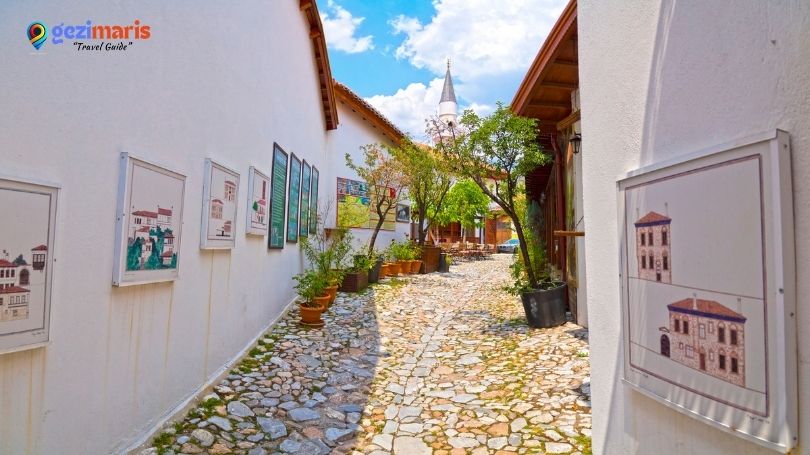
- Menteşe / Muğla city center: This should be considered for those who want culture, local food, and short excursions rather than a beach holiday. Muğla houses, Saburhane, Arasta, and Karabağlar Plateau offer a more local route. Muğla houses and chimneys are described as characteristic cultural elements of the province. Places to Visit in Muğla
Top Destinations
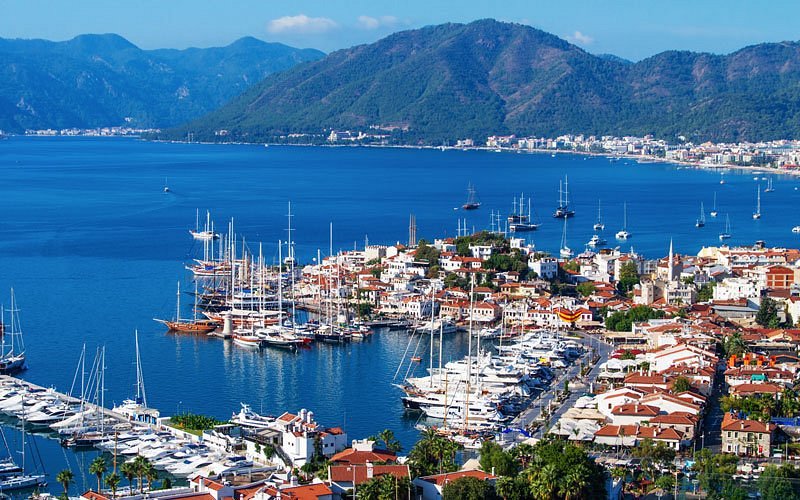
Marmaris: center, castle, marina and İçmeler
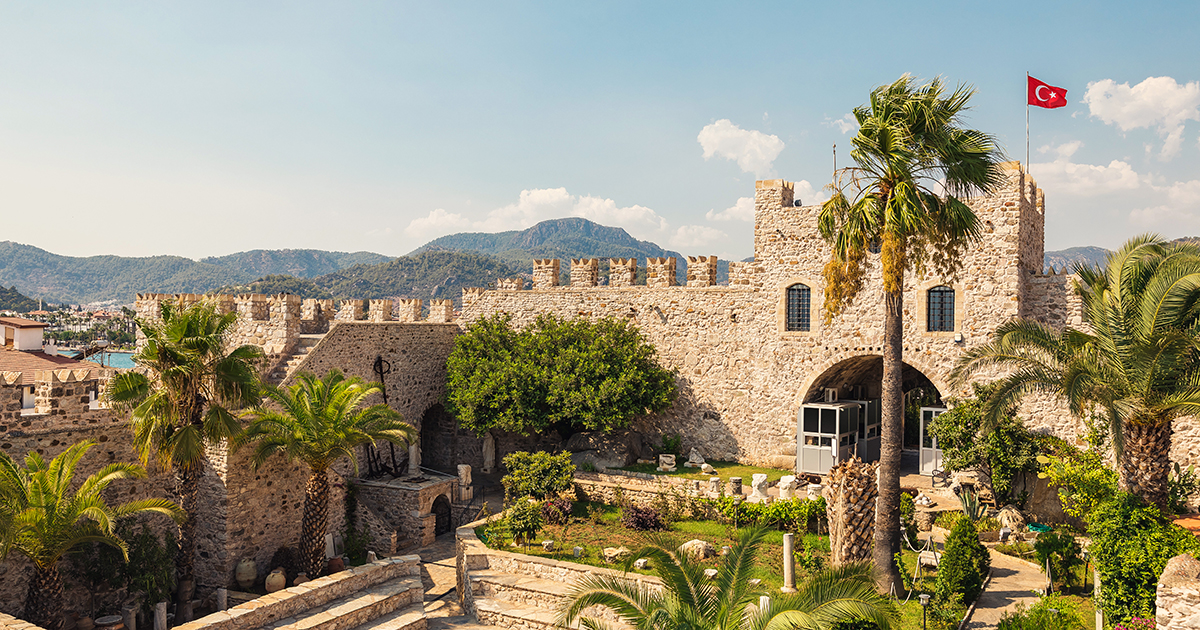
In my opinion, Marmaris is one of the easiest places to get used to Muğla. A morning walk on the beach, a midday swim in İçmeler, and an evening stroll through the marina and Kaleiçi (Old Town) easily fill your first day. The Marmaris Museum, located within the castle walls, offers a short but enjoyable cultural break; its collection includes artifacts from the excavations at Knidos, Burgaz, and the Emecik Apollon sanctuary.
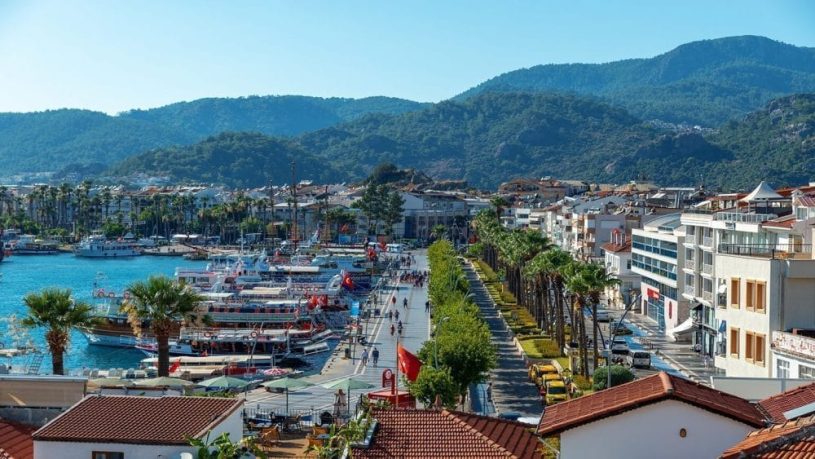
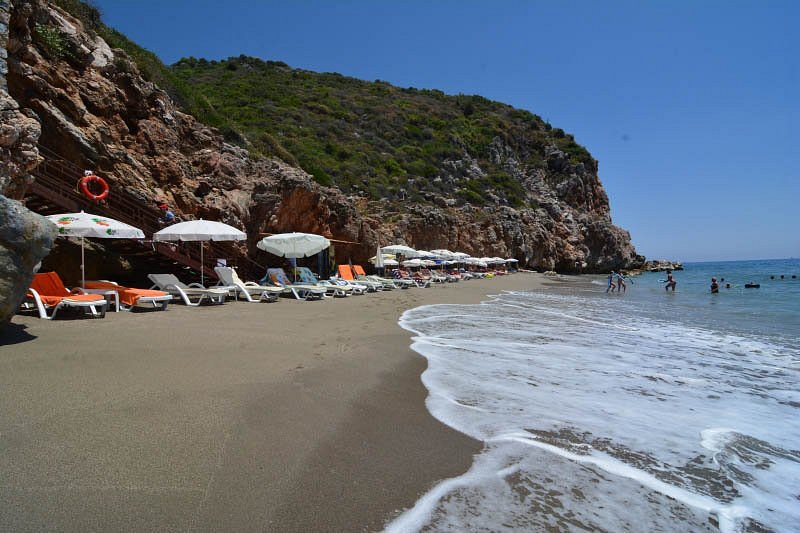
For swimming in Marmaris, go to İçmeler and Turunç. DomsFarm, Kumlubük and Paradise Island The İçmeler area stands out. If you have limited time, İçmeler is sufficient; if you have more time, a boat trip or a drive to the Turunç area would be more enjoyable.
Akyaka and Gökova: for those who want to slow down.
I see Akyaka as a breathing space for Muğla. A walk along the Azmak riverbank, a short boat trip, the view of Gökova, and a peaceful evening on the beach are all wonderful. In summer, it gets crowded on weekends; I find it better to plan your visit to Akyaka early in the morning or closer to sunset.
Dalyan and Kaunos: the river, rock tombs, and history.
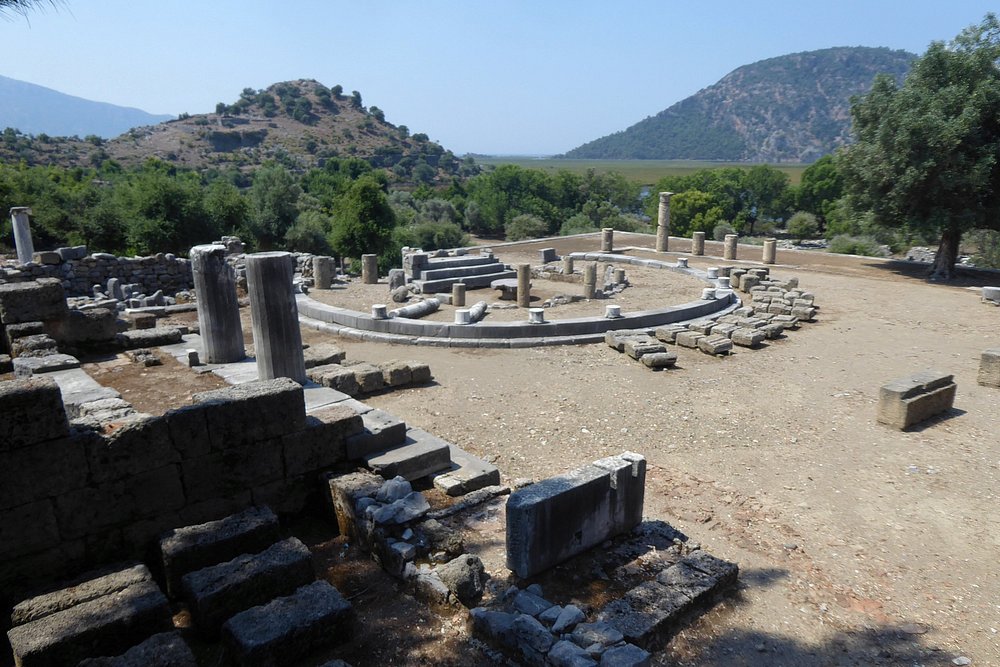
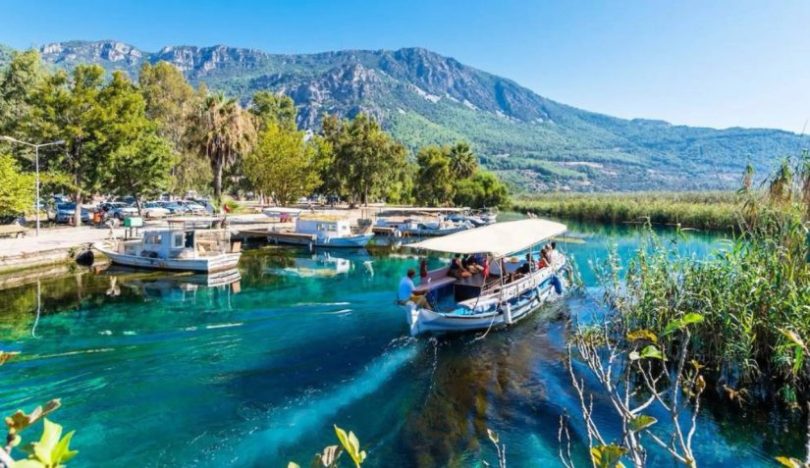
Dalyan, in Muğla, is a great option for those who want to get away from a seaside holiday and enjoy a riverside atmosphere. Kaunos Ancient CityLocated on the western bank of the Dalyan River, within the boundaries of present-day Çandır Village, Kaunos, an ancient port city, is now inland due to the formation of a delta.

Datça and Knidos: a long journey, a powerful feeling.
When going to Datça, you need to factor in the route. After Marmaris, a winding but scenic route begins. Old Datça, the central harbor, Palamutbükü, and Knidos all come together beautifully in the same holiday. If I plan to visit Knidos, I won't rush the day; especially in the summer heat, a hat, water, and comfortable shoes are essential.
Bodrum: castle, marina and social life.
Bodrum is the most social face of Muğla. Bodrum castle The Underwater Archaeology Museum strengthens the cultural aspect; the fortress stands out as a multi-layered historical structure included in the UNESCO World Heritage Tentative List.
Fethiye and Ölüdeniz: nature and activities
Fethiye is the nature and activity center of Muğla. Ölüdeniz, Kayaköy, Babadağ, Butterfly Valley, and boat tours can easily be spread over a few days. The biggest issues in summer are crowds and parking; getting there early makes a difference.
Milas, Stratonikeia and its surroundings
Muğla is not just about the sea. The area around Milas is very rich in ancient cities and local culture. Places like Beçin, Euromos, Labranda, and Stratonikeia should be on the itinerary of history lovers in particular. The 2026 price information includes Beçin, Euromos, Uzunyuva, and Stratonikeia. MuseumCard It seems valid; however, Sedir Island operates with a separate pricing system.
1, 2 and 3-Day Trip Itineraries for Muğla
A One-Day Muğla Itinerary: A First Look at Marmaris
I start my morning with a walk along the Marmaris coast. Then I head to Kaleiçi and the Marmaris Museum, and take a break around the marina towards midday. In the afternoon, it's good to go to İçmeler. For dinner, you can choose Uzunyalı, the marina, or İçmeler for a quieter meal.
2-Day Muğla Itinerary: Marmaris + Akyaka
The first day will include Marmaris center, Kaleiçi, İçmeler, and the marina in the evening. On the second day, we'll go to Akyaka for a walk along the Azmak riverbank, a short boat trip, and a view of Gökova. If time permits, a trip to Çamlı and Sedir Island can be planned on the way back. If I go to Sedir Island, I'll allocate a separate budget even if I have a Museum Card; according to 2026 prices, it's 250 TL with a discounted Museum Card, and 13 euros for foreign visitors.
3-Day Muğla Itinerary: Marmaris + Akyaka + Dalyan
If I have three days, I start to get a better feel for Muğla. A balanced plan would be Marmaris on the first day, Akyaka and Gökova on the second, and Dalyan and Kaunos on the third. This route doesn't spread out too much; it offers sea, river, and history. I find this triangle less tiring for first-time visitors compared to Bodrum-Fethiye.
What to eat in Muğla?
Muğla cuisine combines Aegean herbs with Yörük (nomadic) cuisine. I don't just see fish and meze as part of the meal; Muğla meatballs, göce tarhana (a type of soup), Muğla kebab, tarator-style black-eyed peas, caper sprout salad, saraylı (a type of pastry), and çıtımık (a type of bread) are also local flavors that should be part of the plan. The Muğla Provincial Directorate of Culture and Tourism also emphasizes that Menteşe cuisine features fresh herbs, dried vegetables, tarhana, keşkek (a type of stew), and meat-based dishes all together.
- Muğla meatballs: I look for it in the Menteşe area. Simple, unpretentious, well-cooked meatballs are the perfect meal for me during a stop in Muğla city center.
- Göce tarhana: It's more suited to winter, but it's an important delicacy for those interested in local cuisine. Göce tarhana is among the geographically protected products.
- Çökertme kebab: It's more commonly found in the Bodrum area. It's a satisfying main course made with a trio of potatoes, yogurt, and meat.
- Sea products: In Selimiye, Bozburun, Söğüt, Akyaka, Datça, and Bodrum, food is the biggest factor affecting the budget. If I'm going to eat fish, I ask about the price per kilo, the appetizers, and the cover charge upfront.
- Pine honey: It is one of the most classic Muğla products for souvenirs. Good options can be found in markets and producer stalls.
Where to Eat in Muğla? Restaurant and Region Recommendations
When choosing a restaurant in Muğla, I first look at the region. In Marmaris center, the area around the marina offers views and atmosphere, but prices rise faster. It's easier to find more local options with larger portions in Armutalan, İçmeler, and Hisarönü. In Akyaka, the Azmak riverbank is popular for breakfast and seafood; in Datça, the central harbor and Old Datça offer more enjoyable walking opportunities; and in Bodrum, the center, Bitez, Gümüşlük, and Yalıkavak all have completely different price levels.
If I'm planning a long meal in nature around Hisarönü, I look for sharing menus like chicken cooked in a tin can. In the summer of 2026, budget around 1.500 TL for a full menu and 800 TL for a half menu at such a table around Marmaris Hisarönü; the bill increases rapidly as the table gets bigger with salads and appetizers.
My practical meal strategy is this: a simpler meal at lunchtime, a more select menu for dinner. This way, the budget stays under control, and I avoid the fatigue of "paying tourist bills at every meal" in Muğla.
What to buy in Muğla?
When returning from Muğla, I like to pack heavy but meaningful things in my suitcase: pine honey, olive oil, almonds, Datça almond products, local soaps, small souvenirs with Milas carpet patterns, ceramics, and natural products. In Menteşe, I tend to find more small objects themed around Muğla chimneys and houses; in Bodrum, tangerine products; in Datça, almonds; and in Akyaka and Marmaris, handcrafted items with a sea theme.
When shopping at the market, bargaining should be done gently. Especially with food products, tasting, listening to the producer, and starting with small quantities are good ideas.
What to do in Muğla?
In Muğla, it's not enough to just mark the places to visit; you need to choose experiences.
My favorite experiences, in order of priority, are: an early morning walk along the beach, a short boat trip, a break by the Azmak River, sunset in Datça, a leisurely dinner on the Bozburun-Selimiye route, a river route in Dalyan, and a night walk around the marina in Marmaris.
Blue voyages are also one of Muğla's strengths. In official tourism descriptions, many bays and routes such as Marmaris, Turunç, Selimiye, Datça, Hisarönü, Göcek, Fethiye, and Ölüdeniz stand out among the blue voyage routes.
Mugla Nightlife
Nightlife in Muğla varies from district to district. Marmaris is more lively and touristy; Bodrum is more glamorous and expensive; Fethiye is more balanced; Akyaka is quieter; and Datça is more about dinner and beach walks.
In Marmaris, the Bar Street and the area around the marina cater to those who want to go out at night. For families or those seeking a quieter holiday, I find the Uzunyalı-İçmeler area more suitable, with its walking paths and venues offering light music. Prices in Bodrum can rise faster than in Marmaris; it's a good idea to clarify the menu, cover charge, and service conditions before sitting down at a restaurant.
Muğla Festivals and Events
In Muğla, events mostly revolve around the summer season, local products, maritime activities, culture and arts, and district festivals. Bodrum features concerts and art events, Marmaris focuses on sports and sea-related organizations, Datça boasts almond and culture-themed events, and Fethiye highlights nature and sports activities. Accommodation prices increase during festival periods; I don't leave hotel bookings until the last week during these times.
Muğla Holidays and Closing Dates
Public holidays, festivals, and long weekends directly affect prices and crowds in Muğla. Early booking is necessary, especially in Marmaris, Bodrum, Akyaka, Datça, and Fethiye, during Ramadan, Eid al-Adha, May 19th, August 30th, and the long weekends throughout the summer.
Closing days at museums and historical sites can change periodically. If I'm planning a cultural tour, I check the opening hours before leaving in the morning. Museum Card, Turkey For citizens of the Republic, the amount will be around 200 TL in 2026; however, it will not be valid in some places like Sedir Island, so a separate budget will need to be allocated for those.
Muğla Travel Budget and Current Prices
In Muğla, the budget varies significantly depending on which district you stay in. Marmaris and Fethiye can be kept at a mid-range; Bodrum and some beach areas will quickly increase the budget; and in Datça and Bozburun, travel and seasonal factors will determine the price.
| Expense item | Economic | intermediate level | Comfortable/Luxurious | My note |
|---|---|---|---|---|
| Dalaman-Marmaris shuttle service | 420 TL | 420 TL | Private transfer | I consider the service budget on a per-person basis; private transfer might be more sensible for a family. |
| MuseumCard | 200 TL | 200 TL | 200 TL + special tickets | If I were to plan a cultural route, I would definitely consider it; Sedir Island would be excluded. |
| Cedar Island | 250 TL / 13 euro | 250 TL / 13 euro | It increases with the boat tour. | Museum Card discounted entry and foreign visitor fees are considered separately. |
| Marmaris Public Beach Cafe | Sun loungers and umbrellas are free. | Cafe expenses are added. | Uzunyalı is a good option for a budget-friendly seaside break. | |
| Lunch | 300-600 TL | 600-1.000 TL | 1.000 TL+ | There's a big difference between a restaurant specializing in pita bread/meatballs and one that serves fish and meze. |
| Dinner | 600-1.200 TL | 1.200-2.500 TL | 2.500 TL+ | A seaside location, appetizers, fish, and drinks quickly add up to the bill. |
| Sharing a regional meal | 800-1.500 TL | 1.500-2.500 TL | 2.500 TL+ | In the Hisarönü area, tables set up like chicken in tin cans might be a sensible option for sharing. |
| Accommodation | 1.500-3.000 TL | 3.000-7.000 TL | 7.000 TL+ | Bodrum and its beachfront resorts set the bar very high. |
When calculating prices in Muğla, I always make two budgets: one for a "normal day" and one for a "holiday." Because the same beach, the same restaurant, and the same hotel can be completely different during holiday weeks.
Muğla Travel Map
Things to Consider When Traveling to Muğla
The biggest mistake in Muğla is trying to be everywhere on the same day. I don't consider going from Marmaris to Datça and then to Fethiye on the same day a good idea. Distances seem innocent on the map, but they're exhausting in summer traffic.
Bring cash with you. Cards may not always work smoothly at beaches, parking lots, boats, markets, and small village businesses. Water shoes, a hat, sunscreen, and a water bottle are lifesavers, especially on coves. Families with children should consider the speed at which the sea deepens, shade, and the availability of toilets and showers when choosing a beach.
It's a good idea to clarify the price upfront for taxis and private transfers. At beach and seafood restaurants, asking about details like cover charge, service, sun loungers, and minimum expenses before sitting down will reduce budget surprises.
Muğla isn't a place you can explore in a single vacation; it's a vast destination that reveals a different face with each visit. For first-time visitors, I recommend starting with the Marmaris, Akyaka, and Dalyan triangle; for longer vacations, add Datça, Bozburun, Bodrum, and Fethiye. June and September are more balanced for a beach holiday, while spring is quieter for culture and nature. Those who want to control their budget should choose accommodation close to the center but without ostentation, and reserve expensive dinners for a small but well-chosen table.
PREVIOUS TOPIC
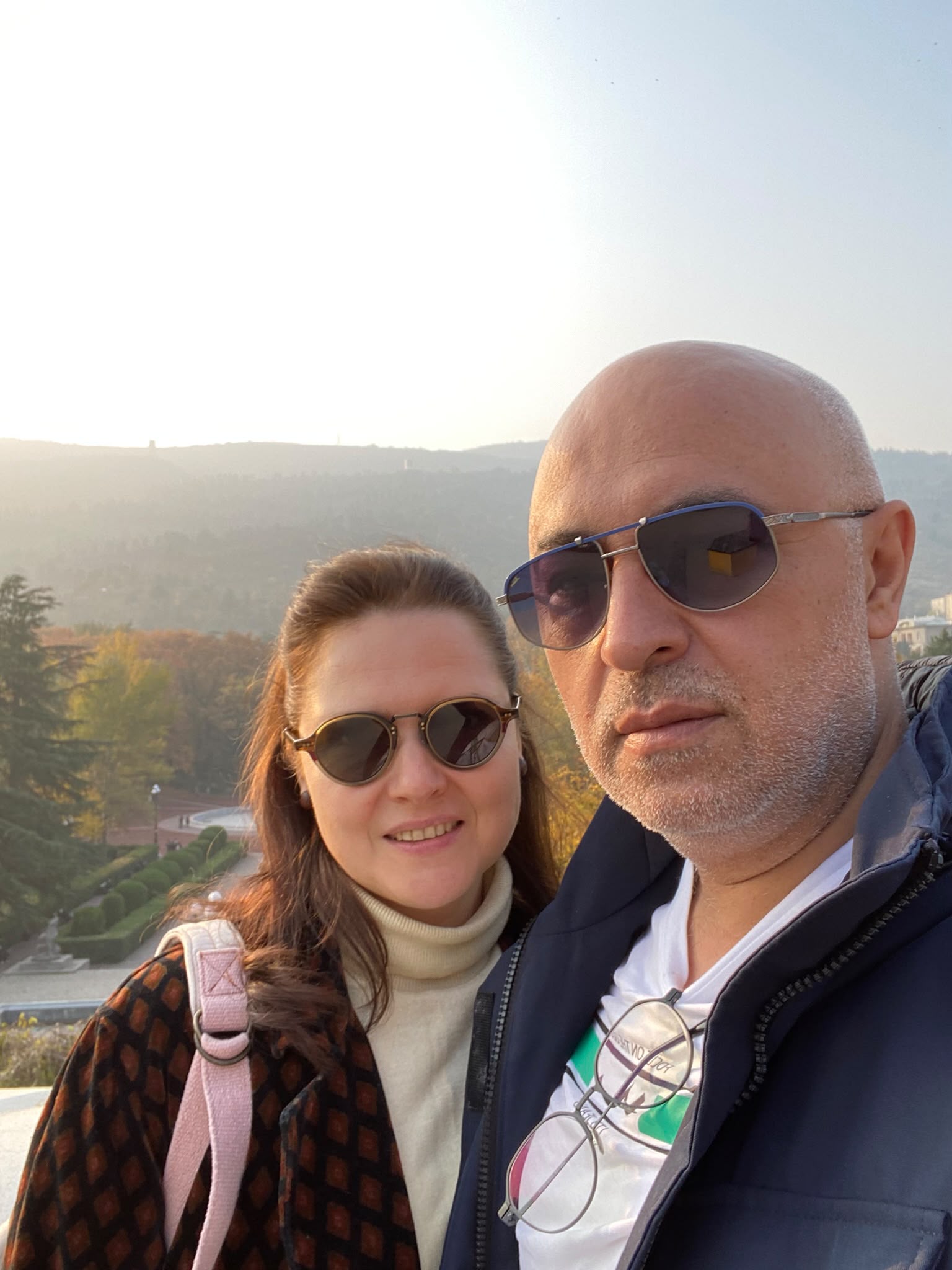
My wife Olga and I have made exploring new places whenever we get the chance a major part of our lives. For us, traveling isn't just about going from one city to another; it's about getting to know different cultures, getting lost in the streets, experiencing local life, and especially witnessing history in historical places. Our biggest motto in life is to travel, see, and accumulate what we learn. In every city we visit, we love tracing the castles, ancient cities, museums, old streets, and historical buildings. Because, in our opinion, every stone, every square, and every old building has a story to tell. On our trips with Olga, we enjoy following these stories the most. Sometimes in the quiet streets of a small town, sometimes on the walls of a castle that has defied centuries, and sometimes in an ancient city left behind by old civilizations, we find ourselves on a journey between the past and the present. For us, travel means creating memories together, seeing new places, touching history, and living life more meaningfully. Each trip gives us a new perspective and increases our desire to get to know the world more closely.
Similar Threads




Write a Comment
Visitor Comments - 0 Comments