

Kaunos Ancient City
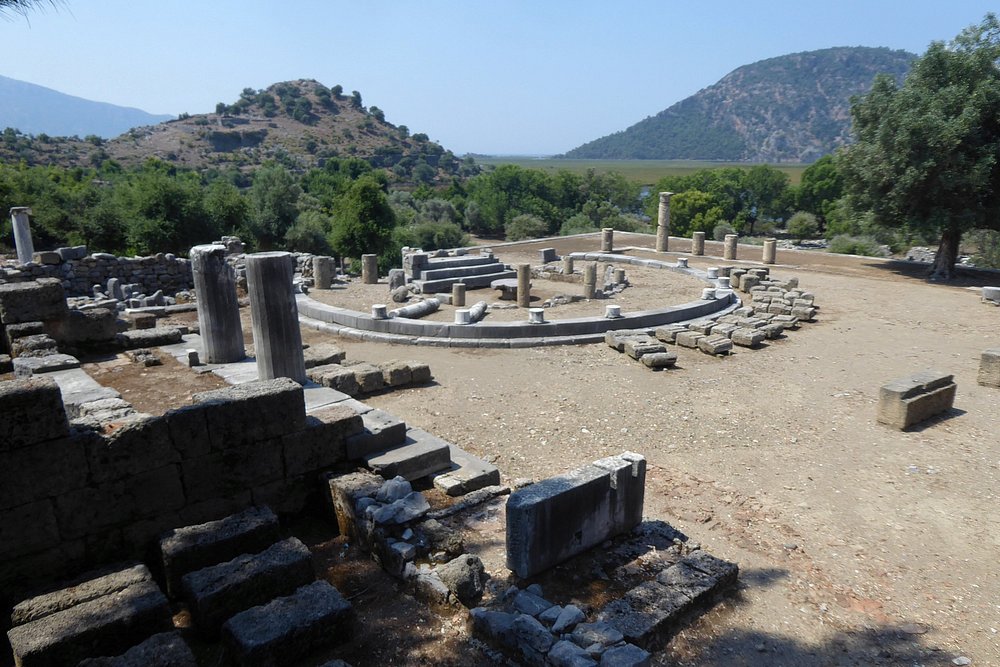
When you arrive in Dalyan, your eyes are first drawn to the river. Then the hillside on the opposite bank begins to speak. The tombs carved into the stone seem to gleam in the sunlight. Behind that scene lies the ancient city of Kaunos. Many people only remember it for its rock tombs. However, Kaunos presents a complete city plan. Its identity as a port city is evident in every stone. When the wind blows, the sound of the reeds blends with the ancient walls. As you walk, the smell of the sea diminishes, while the smell of the earth intensifies. A theater appears in one corner, the remains of a bathhouse in another. With every step, traces of a different era emerge. The ruins of Kaunos are where a trip to Dalyan meets "history." Moreover, the scenery constantly walks beside you.
Where and How to Get There?
Ancient City of Kaunos, Muğla, Oriya The ancient city is located near the town of Dalyan. It lies on the opposite bank of the Dalyan River. You can easily cross to the other side by boat from the center of Dalyan. Boats generally operate regularly in the direction of Kaunos. After reaching the pier, the walk begins; the path is clear. Alternatively, you can cross by small boat. The path leading to the ancient city then takes you to the ruins. The walk can be hot in the summer; morning hours are more comfortable. You might also see people arriving by bicycle, but the path is dusty in places. It may not always be possible to reach the site directly by private vehicle. The route starting from Dalyan already enhances the trip with its scenery.
Brief History
Kaunos is an ancient port city established in a border region. Carian and Lycian influences are felt side by side here. The city gained power through its proximity to trade routes. Over time, it was influenced by Persian, Hellenistic, and... Rome Traces accumulate. This multi-layered past is clearly visible in the planned streets. In ancient times, the harbor of Kaunos was directly connected to the sea. In subsequent centuries, the alluvium in the delta altered the coastline. As the waterways became shallower, the identity of the port city weakened. As the swamps increased, living conditions became more difficult. The city gradually retreated and began to be abandoned. The ancient city of Kaunos that you see today is a witness to this great transformation. That is why the Dalyan-Kaunos route tells a story of nature as much as history.
Architectural and Artistic Features
In Kaunos, the first structure that catches the eye is generally the ancient theater. The seating rows are arranged in harmony with the slope. The stonework is still visible on the stage side. From the theater, a view of the valley and delta opens up. Traces of the agora and public spaces are visible in the city center. The remains of the baths whisper of the daily life of the Roman period. In some sections, water channels and a cistern system are noticeable. The acropolis side is higher and offers a wider view. The walls simply illustrate the city's defensive structure. The necropolis areas show the burial culture of the region. The rock tombs form a strong silhouette on the opposite slope. These tombs are impressive with their rock-carved facades. Column-like details demonstrate the language of craftsmanship created with stone. In the ruins of Kaunos, "art" goes hand in hand with function.
Visit Information
A few important notes to ensure a comfortable visit to the ancient city of Kaunos.
- Go early in the summer, the heat will make hiking difficult.
- Wear comfortable shoes, the ground is stony.
- Take some water with you; you might be inside for a long time.
- Hats and sunscreen are very useful outdoors.
- Carry insect repellent, especially in the late afternoon.
- Tickets and times may vary depending on the season.
- Follow the signs; some paths branch off.
- Be careful on the theater steps, the stones can be slippery.
- Please do not leave trash; the area is fragile.
- Choose morning light for the photo; the shadows are softer then.
Photography Tips and Tricks
The most powerful shots in Kaunos photography are those from across the river. Capturing the tombs from the Dalyan coast is very impressive. Approaching by boat makes the tombs appear even more dramatic. In the ancient theater, climb to the upper rows for a wide-angle shot. You can create a composition by framing the stage arches. In the agora, try close-ups of the stone textures; the details will come out beautifully. The wind can pick up towards the acropolis, so keep your equipment steady. At sunset, the stone surfaces warm up, and the colors turn golden. Lowering the exposure slightly when shooting with a phone will reduce reflection. If you want to avoid crowds, weekday mornings are advantageous. A telephoto lens provides a cleaner frame when photographing the rock tombs. If you are shooting video, the sounds of birds and reeds create an atmosphere. katarIf you are using a tripod, be careful not to block the path.
Other Nearby Places to Visit
It's very easy to combine a trip to Kaunos with other stops in Dalyan. Dalyan River A boat tour along the way offers a different perspective on the scenery. Iztuzu BeachIt is a strong option for a seaside break. The Dalyan Delta offers a tranquil route for birdwatchers. Viewing the rock tombs again in the evening light is a unique pleasure. Koycegiz The lake shore is quieter for sunset. Sultaniye Thermal Springs are good for those seeking relaxation. Yuvarlakçay offers refreshing ice-cold water during the summer heat. The village markets around Ortaca are valuable for local flavors. If you have time, you can also enjoy the sea with tours of the surrounding bays. In this way, Muğla's balance of history and nature is spread over a full day.
The ancient city of Kaunos in Dalyan offers more than just "a trip." The language of the stones tells the story of the port city's rise and fall. Even the wind carries ancient tales as you sit on the theater steps. If you go to Dalyan, be sure to add Kaunos to your itinerary. You can also read our article on Places to Visit in Dalyan for new ideas.
PREVIOUS TOPIC
NEXT TOPIC
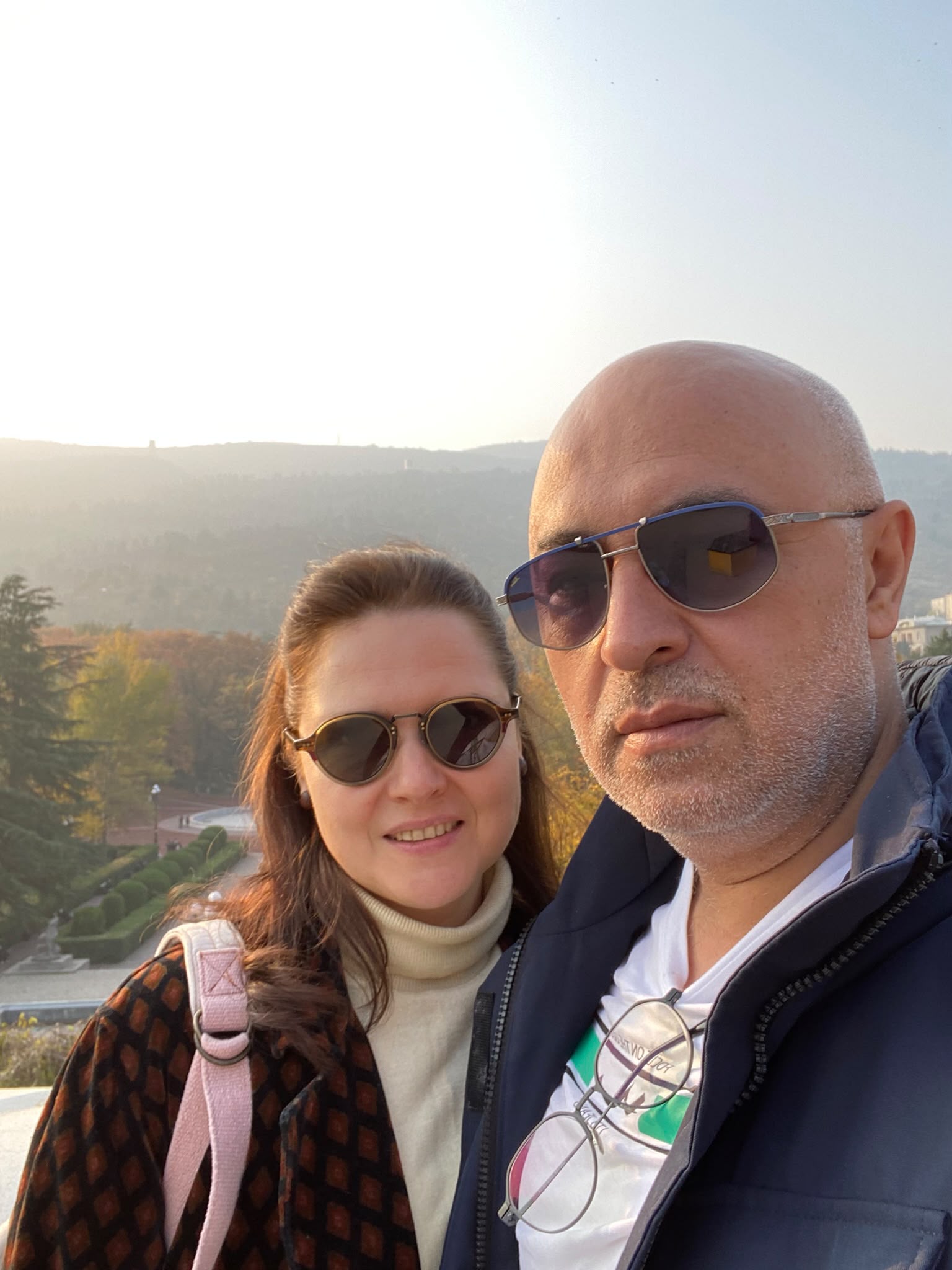
My wife Olga and I have made exploring new places whenever we get the chance a major part of our lives. For us, traveling isn't just about going from one city to another; it's about getting to know different cultures, getting lost in the streets, experiencing local life, and especially witnessing history in historical places. Our biggest motto in life is to travel, see, and accumulate what we learn. In every city we visit, we love tracing the castles, ancient cities, museums, old streets, and historical buildings. Because, in our opinion, every stone, every square, and every old building has a story to tell. On our trips with Olga, we enjoy following these stories the most. Sometimes in the quiet streets of a small town, sometimes on the walls of a castle that has defied centuries, and sometimes in an ancient city left behind by old civilizations, we find ourselves on a journey between the past and the present. For us, travel means creating memories together, seeing new places, touching history, and living life more meaningfully. Each trip gives us a new perspective and increases our desire to get to know the world more closely.
Similar Threads
Write a Comment
Visitor Comments - 0 Comments