
Lebanon Travel Guide
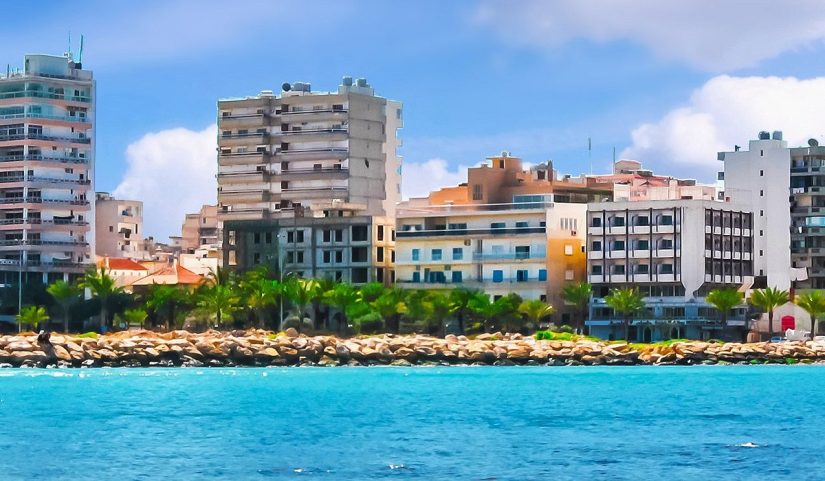
Lebanon, a small but influential country in the Eastern Mediterranean; Mediterranean It offers a rich mosaic of destinations, from vibrant coastal Beirut to mountain villages, from cedar forests to ancient ruins. Levantine culture, blended with French influences, combines with one of the Middle East's most exquisite cuisines. Lebanon offers a true "weekend getaway" with its diverse range of experiences within short distances. Europe, gives the feeling of “Middle East” on weekdays.
When to Go to Lebanon?
The ideal times to visit Lebanon are spring (April–June) and autumn (September–November). During these months, Beirut's sea breezes are pleasant, making it easier to explore ancient sites like Byblos and Baalbek. The coast is hot and humid in summer, while the mountainous regions (Faraya, Mzaar) are snowy in winter; January–February is ideal for those planning to ski. During religious and national holidays, the city's rhythm can change, with crowds and business hours adjusting accordingly.
How to Get to Lebanon?
TurkeyThe most practical way to get to Lebanon from [location] is by direct flight to Beirut Rafik Hariri International Airport. From the airport, you can reach the city by taxi or rental car. There are no trains within Lebanon; for intercity travel, you need shared taxis/minibuses and taxis. Rent a car preferable. Syria land crossings and Israil The border may be limited depending on current conditions; it is necessary to check official announcements before traveling.
What to Do in Lebanon?
- Beirut Corniche and Pigeon Rocks: Take a walk along the beach at sunset and sip your coffee while enjoying the view of Raouché.
- Gemmayzeh & Mar Mikhael: Discover the creative side of Beirut with designer shops, bars and galleries.
- Byblos (Jbeil): Explore the castle, market, and seaside restaurants in one of the world's oldest port cities.
- Baalbek Ruins: Rome One of the most magnificent temple complexes of the empire; a must if you are interested in architecture.
- Jeita Cave: A boat tour through this two-layered cave filled with stalactites and stalagmites is delightful.
- Harissa & Our Lady of Lebanon: Climb up by cable car and take photos with the view of the Gulf.
- Qadisha Valley & Cedar Forests (Bsharri): Take a walk in the valley of the monks and meet the cedar trees at the “Ceders of God”.
- Tripoli: See its souks, soap inns, and the Raymond de Saint-Gilles Castle.
- Tyre (Wall): Explore the ancient hippodrome and necropolis; the beaches are delightful in summer.
- Bekaa Valley wineries: Get to know Lebanese wines with a tasting tour; mezze is a must!
What to Eat in Lebanon?
Lebanese cuisine is famous for its mezze culture: hummus, mutabbal (babaganoush), tabbouleh, and fattoush are the stars of the table. For main courses, kibbeh, kafta, shish chicken, sayadiye (fish and rice), and samke harra are the highlights. For breakfast, try man'oushe (pita bread with za'atar); be sure to try the street food falafel and shawarma. For dessert, knefe, baklava, and mafroukeh are good options. For drinks, consider arak and Bekaa wines. If you'd like to delve deeper into Lebanese cuisine, check out our article "What to Eat in Lebanon?"; a mouthwatering list awaits.
What to Buy from Lebanon?
You can find za'atar, sumac, high-quality olive oil, pomegranate molasses, Tripoli's famous olive oil soaps, Lebanese coffee, arak, local wines, carpets and rugs, and cedar-themed handicrafts from Lebanon. The souks of Byblos and Beirut are good places to find unique designer items. For all our shopping tips, visit our "What to Buy from Lebanon" guide; we've compiled the best souvenirs.
Lebanese Nightlife
Beirut boasts one of the Middle East's most dynamic nightlife cities. Hamra, Gemmayzeh, and Mar Mikhael are packed with bars, live music venues, and clubs. In summer, the beach clubs on the seaside extend from day to night, and you'll find local touches on the cocktail menus. For a safe and enjoyable night, plan your reservations, transportation, and dress code in advance. Don't miss our article on "Lebanon Nightlife" for more venue recommendations and routes.
Lebanese Festivals and Fairs
| Event/Festival | Ay | DESCRIPTION |
|---|---|---|
| Baalbek International Festival | Summer months | Classical, jazz and world music concerts against the backdrop of ancient temples. |
| Byblos International Festival | Summer months | International artists on the stage of the port city. |
| Beiteddine Art Festival | Summer months | Opera, dance and theatre in the palace courtyard. |
| Al Bustan Festival | February–March | Classical music chamber concerts and thematic programs. |
| Beirut Marathon | Kasım | A great event that brings the rhythm of the city to running. |
| Tyre & South Festival | Write | Culture, art and folklore shows on the south coast. |
Lebanon Important Days and Holidays
| Date | Events |
|---|---|
| January 1 | New Year |
| April–May (variable) | Easter (According to the Catholic/Orthodox calendar) |
| Ramadan Feast (variable) | Religious holiday – 3 days |
| 1 May | Labor and Solidarity Day |
| 6 May | Martyrs' Day |
| 25 May | Kurtuluş Day |
| Eid al-Adha (variable) | Religious holiday – 4 days |
| 22 November | Independence Day |
| 25 Range | Noel |
| January 1 & January 7 (in some congregations) | New Year/Christmas celebrations |
Things to Consider When Traveling to Lebanon
- Visa & passport: Varies by nationality; check with official sources before traveling.
- Security: Follow current announcements for border areas and sensitive areas; stay away from political demonstrations.
- Currency unit: Lebanese pound (LBP) and USD It can be circulated together; it is practical to carry cash, keep small banknotes with you.
- Transportation: Taxis and shuttles are common; negotiate or clarify the price upfront.
- Electricity & internet: Interruptions may occur; power bank and eSIM/local line will do.
- Health: Prefer bottled water; take precautions against sun and heat.
- Clothing & culture: Dressing modestly in religious places is a matter of respect.
- Driving: Traffic can be heavy and aggressive; be careful if you are renting a car in the city.
- Tip: A 10–15% tip is welcome in restaurants and cafes.
- Contact: Arabic is the official language; French and English are widely understood.
Lebanon is a destination that hides vast experiences in its small area: meze by the sea one day, the scent of cedar in the mountains the next, a concert on an ancient stage in the evening… A memorable itinerary with its culture, cuisine, and energy. For a vibrant plan, be sure to check out our article on Places to Visit in Lebanon; we've compiled the best destinations on a single map.
