
Libya Travel Guide
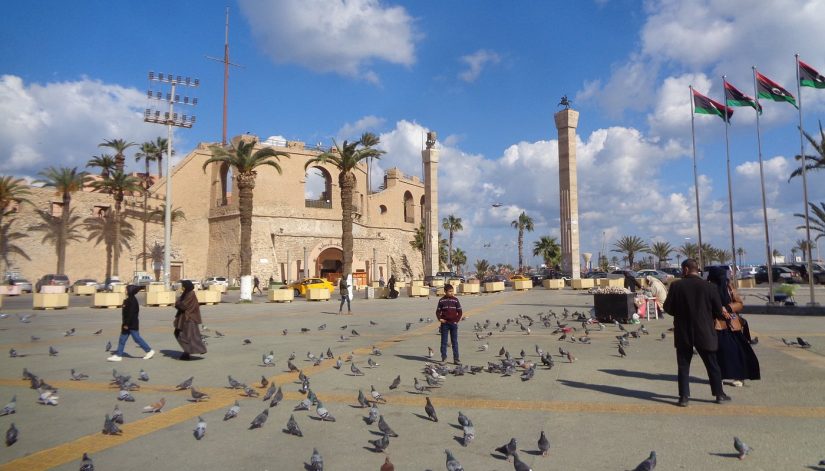
Mediterranean Libya, which lies between its shores and the endless sand sea of the Sahara, Rome With breathtaking ancient cities dating back to the 13th century, UNESCO-registered oases like Ghadames, traces of Berber culture, and rocky deserts that take on a golden hue at sunset, this route awaits exploration. Arabic is the dominant language in the country, where English, though limited, facilitates communication in major cities and tourist hotspots. The currency is the Libyan Dinar (LYD); the coasts have a Mediterranean climate and the interior has a desert climate.
When to Go to Libya?
The ideal times to visit Libya are spring (March–May) and autumn (September–November). During these periods, coastal Tripoli and Benghazi are both mild and Sahra Tours are more comfortable. During the summer months (especially July and August), temperatures inland exceed 40°C, making desert activities challenging. Although occasional rainfall occurs along the Mediterranean coast during the winter months, it's a good alternative for those who want to explore ancient cities without crowds.
How to Get to Libya?
TurkeyDirect or connecting flights are sometimes available from Libya; the most common gateways are Tripoli (Mitiga) and Benghazi (Benina). Flight schedules may vary depending on regional conditions, so be sure to check the current status and visa and entry requirements before purchasing your ticket. By road Tunus or Misir Entry is possible via border crossings; however, official announcements should be followed for road and border security reasons. Domestic flights, shared taxis (shuttle taxis), and private vehicles/drivers are the most practical options for intercity transportation within the country.
What to Do in Libya?
- Discover Leptis Magna: It is one of the best preserved cities in the Roman world, with the remains of the Septimius Severus Arch, forum, baths and port.
- Sunset in Sabratha: The theatre stage rising against the Mediterranean offers fascinating frames for photographers.
- Tripoli Old Town (Medina) & Red Fort Museum: Buildings dating from the Ottoman to the Italian period, narrow streets and a panorama of Libyan history in the museum.
- Time travel in the Ghadames Oasis: The labyrinthine streets, whitewashed houses and the traditional "upper city" texture that goes from roof to roof.
- Tadrart Akakus rock arts: See millennia-old rock paintings in the desert with a local guide; watch the stars at the sky camp.
- Berber villages in the Nefusa Mountains: A cultural break with stone houses, terraced fields and local handicrafts.
- Benghazi coastline: Evening walk, fish restaurants and cafe stops.
- Mediterranean beaches: The sea-sand-sun formula in coastal towns in the summer; quiet walks in the spring.
- Desert camping and 4×4 safari: Sunrise/sunset on the dunes and Berber campfire under the starry sky.
- Shopping at local markets: Wander the spice, date, and silversmith stalls in the Tripoli medina.
What to Eat in Libya?
Libyan cuisine North Africa and Mediterranean influences. Couscous bil-lahm (couscous with meat) is the centerpiece of almost every table. Usban (sheep intestines stuffed with a rice, liver, and herb mixture), Bazin/Bazeen (barley flour dough with meat sauce and harissa), Şorba (spicy meat soup), Mbattan (fried potatoes filled with minced meat), spicy fish stew on the coast, and roasted vegetables are common dishes. For desserts, Magrood (date dough), Asida, and fresh dates and almonds pair well with mint tea or Arabic coffee. To explore Libyan cuisine in more depth, be sure to check out our article "What to Eat in Libya?"
What to Buy from Libya?
The handicrafts forged in the desert offer inspiration when choosing souvenirs from Libya: Tuareg silver jewelry, rugs with Berber motifs, leather goods, high-quality olive oil, dates and date molasses, and spice blends (hararat). Buying and selling antiques and archaeological artifacts is prohibited; avoid undocumented historical objects. Don't forget the tradition of bargaining; it's especially reasonable in the shops within the medina. For those planning a shopping trip, we've compiled some tips in our What to Buy in Libya guide!
Libyan Nightlife
Nightlife in Libya is limited to tourist centers, moving at a more relaxed, local pace. Evenings in Tripoli and Benghazi are characterized by beachside strolls, hookah and tea gardens, and seafood restaurants. Larger hotels occasionally offer restaurant and cafe concepts with live music. Due to alcohol regulations and local sensitivities, bar and club culture is not widespread; moderation in dress and behavior is important. For detailed recommendations, check out our article on Libya Nightlife.
Libyan Festivals and Fairs
| Event/Festival | Ay | DESCRIPTION |
|---|---|---|
| Tripoli International Fair | Nisan | One of the oldest fair organizations in North Africa; trade and promotional events. |
| Ghadames Oasis Festival | October–November | A colourful gathering celebrating Berber culture, handicrafts, folk dances and local cuisine. |
| Sabratha Cultural Nights | Write | Concert and performing arts in the ancient theatre (program varies by year). |
| Sahara Desert Sports Events | Variable | Amateur-professional meetings with off-road, sand runs and camping themes. |
Note: Event dates may change from year to year due to security and organizational conditions; check the current calendar before going.
Libya Important Days and Holidays
| Date | Events |
|---|---|
| Eid al-Fitr (Hijri) | It changes every year |
| Eid al-Adha (Hijri) | It changes every year |
| Hijri New Year (Muharram 1) | It changes every year |
| Mevlid Kandili | It changes every year |
| 17 February | Revolution Anniversary |
| 24 Range | Independence Day |
Things to Consider When Traveling to Libya
- Follow the latest announcements: Visa, flight and security status are subject to change; check official sources before planning.
- Local sensitivities: A conservative society; moderation in dress is important, especially in the medina and rural areas.
- Cash usage: Card infrastructure may be limited; bring enough with you SOUND and carry spare foreign currency.
- Guidelines and permissions: For desert routes (Akakus, Ghat etc.) an authorized local guide and necessary permits are required.
- Heat and sun: It can be very hot during the day and cool at night in the desert, so bring water, a hat, sunscreen, and layers of clothing.
- Health precautions: Take your essential medications with you; choose bottled water and pay attention to hygiene.
- Photo shoot: Photography is prohibited in military/strategic areas and some public buildings; comply with local warnings.
- Driving and road conditions: A 4×4 vehicle, double spare tires, and convoy formation are recommended for desert roads.
- Cultural respect: Be friendly when negotiating; ask permission before taking photos of people.
Libya is a unique land, combining Roman heritage with the blue hues of the Mediterranean, Berber culture with the golden breeze of the Sahara. If you're looking to explore ancient cities in spring, gaze at the stars in the desert in autumn, or get lost in the spice-scented streets of the medina, Libya is the perfect destination for you. If you'd like to expand your plans, explore itineraries step by step with our guide to Places to Visit in Libya!
