
Tunisia Travel Guide
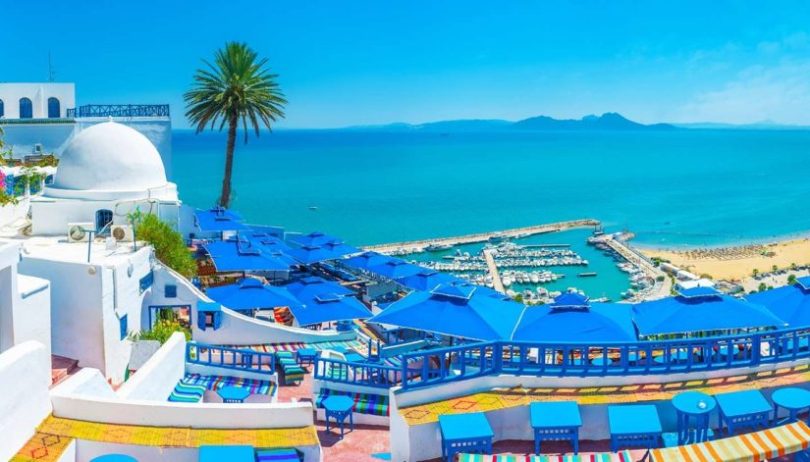
Tunisia, North Africa's gateway to the Mediterranean, is a city where layers of history overlap: Rome From the Bardo Museum, famous for its mosaics, to the UNESCO-listed Medina of Tunis, from the blue-and-white streets of Sidi Bou Said along the coast to the ruins of ancient Carthage, every step reveals a different era. This vibrant capital, where Arabic and French coexist, captures your heart from day one with its street cafe culture, spice-scented bazaars, and sea breeze.
When to Go to Tunisia?
The ideal times to visit Tunisia are spring (April–May) and autumn (September–November). The weather is mild during these months, and the coastal districts (La Marsa, Gammarth, Sidi Bou Said) are pleasant. Summer (June–August) is hot and humid; it's best to dedicate daytime visits to museums and the medina and evenings to the seaside. Winter (December–February) can be cool and rainy. Note that during Ramadan, some restaurants and cafes may be closed during the day, but the city takes on a festive atmosphere in the evenings. Most major festivals are held in the spring and summer.
How to Get to Tunisia?
IstanbulThere are direct flight options from Tunis-Carthage International Airport (TUN); Europe Transfers are also common. You can reach the city center from the airport in 15–20 minutes by taxi, or in 30–40 minutes by public bus and Métro léger (light rail). Trams, buses, taxis, and the TGM suburban train (Tunis–La Goulette–La Marsa line) are convenient for transportation within the city. For intercity travel, there are louages (shared minibuses) and trains. The currency is the Tunisian Dinar (TND); as dinars are not freely exchanged outside the country, be sure to exchange any excess cash at the airport with a receipt upon return.
What to Do in Tunisia?
- Get lost in the Medina of Tunis: Discover copper, perfume and jewelry stalls in bazaars like Souk el-Attarine, amid narrow streets, inns and historic gates.
- See the Zitouna Mosque: This historic mosque in the heart of the city expresses the spirit of the medina with its courtyard and columned porticoes.
- Go mosaic hunting at the Bardo National Museum: One of the most impressive mosaic collections in the Roman world is here.
- Reach out to the ruins of Carthage: The Antonine Baths, Byrsa Hill and the port ruins whisper of the power of the ancient Mediterranean.
- Dive into the blue-and-white dream in Sidi Bou Said: Mint tea on scenic terraces, photography in the streets, and a view of the sea at sunset are a must.
- Seafood tasting at La Goulette: Along the coast, rows of fish restaurants offer fresh menus.
- Tour the coastline with TGM: A nostalgic journey from central Tunis to Sidi Bou Said and La Marsa.
- Break in Belvedere Park: A breath of green in the city; ideal for a walk or a picnic.
- Experience the Hammam: Unwind with a scrub and foam ritual in traditional baths.
- Daily ancient getaway: If you have time, organize a tour to magnificent Roman cities like Dougga.
What to Eat in Tunisia?
Tunisian cuisine is a dance of spices, the sea, and olive oil. Brik (especially brik with eggs), lablabi, a hot street food made with chickpeas, ojja (mostly with sucuk/merguez) cooked in spicy tomato sauce, mechouia, a roasted pepper-tomato salad, couscous with plenty of vegetables, and harissa sauce made with roasted peppers are the stars of the table. Bambalouni (the famous ring dessert of Sidi Bou Said) and almond cookies are the desserts, while mint tea with pine nuts is a standout beverage. It's easy to find fresh fish and calamari daily by the sea. To explore Tunisia's culinary map further, check out our article on What to Eat in Tunis; surprising street food awaits you.
What to Buy from Tunisia?
Around the medina and Sidi Bou Said, ceramic plates and bowls, handcrafted copper and brassware, blue and white décor, harissa for olive oil and spicy lovers, Deglet Nour dates for those with a sweet tooth, traditional red cap chechia, hand-woven carpets and rugs, mosaic panels, and local musical instruments like the darbuka are popular. Bargaining is a natural practice; ask about shipping options for larger items. For a more comprehensive gift list, be sure to visit our What to Buy in Tunisia guide; we've highlighted the best markets.
Tunisian Nightlife
Nightlife in Tunis flows along two axes: the cafe-bars on Avenue Habib Bourguiba and the beach clubs and lounges in the La Marsa–Gammarth area along the coast. Live music and DJ sets are common on the scenic terraces of Sidi Bou Said; during the summer months, the ancient Carthage Amphitheatre comes alive with concerts. In the medina, afternoon teahouses and hookah lounges bring the local rhythm to life. Don't make any plans without visiting our article on Tunisia Nightlife, where we've compiled a list of the city's best venues from sunset to dawn.
Tunisian Festivals and Fairs
| Event/Festival | Ay | DESCRIPTION |
|---|---|---|
| Carthage Film Days (JCC) | October–November | Arab and Africa One of the most established festivals of cinema; screenings throughout the city. |
| Jazz à Carthage | Nisan | A series of concerts along the coast with international jazz artists. |
| Carthage Music Festival | July–August | Classical, world and local music concerts in the ancient amphitheater. |
| Tunisia International Book Fair | March–April | Fairs, talks and book signings that bring together the publishing world. |
| Medina Festival | Ramadan | Traditional music, shows and night events in the Medina. |
| Crafts and Design Fairs | All year round | Opportunity to discover ceramics, textiles and copper works of local artisans. |
Tunisia Important Days and Holidays
| Date | Events |
|---|---|
| January 14 | Revolution and Youth Day |
| 20 March | Independence Day |
| 9 April | Martyrs' Day |
| 1 May | Labor and Solidarity Day |
| 25 July | Republic Day |
| 13 August | Women's Day (Tunisia) |
| 15 October | Release Day |
| Varies according to the Hijri calendar | Eid al-Fitr (Eid al-Fitr) |
| Varies according to the Hijri calendar | Eid al-Adha (Eid al-Adha) |
| Varies according to the Hijri calendar | Hijri New Year, Mawlid al-Nabi |
Things to Consider for a Trip to Tunisia
- Money & exchange: Tunisian Dinars are exchanged in the country; keep your receipts.
- Clothing & culture: Choose clothing that covers your shoulders and knees in religious places and modest clothing in the medina.
- Security: Be careful with your bag/phone in crowded areas; avoid deserted streets late at night.
- Transportation: Ask for the taxi meter before getting into the taxi or discuss the fare upfront.
- Language: Arabic is the official language, French is very common; a few basic greetings will make your job easier.
- Photo: Do not take photos of military/official buildings; get permission for portraits of people.
- Health: In summer, sun and water consumption, fresh produce and clean stalls are important for street food choices.
- Tipping & bargaining: Small tips are common; bargaining is part of the culture in the bazaars.
Tunisia from ancient times to modern times Mediterranean With its rhythmic story, coastal towns, and spicy cuisine, it's a "love at first sight" destination. It's perfect for those seeking a combination of history, gastronomy, and a seaside holiday. If you'd like to plan your city stops, take a look at our article on Places to Visit in Tunisia; we've compiled the most beautiful viewpoints and hidden discoveries for you.
