
Badaling Great Wall of China
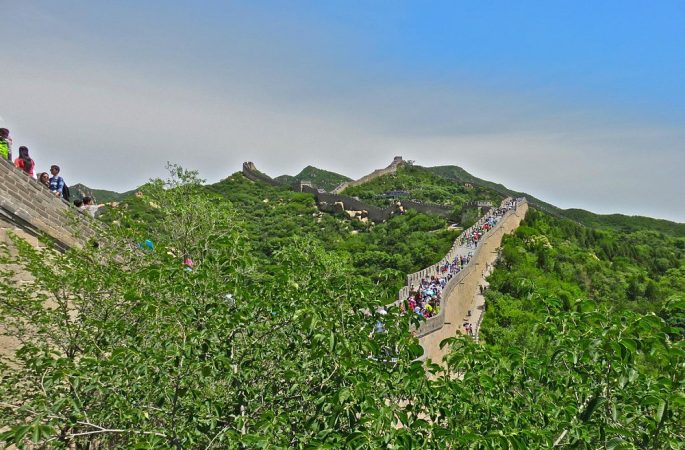
Badaling China As you set off towards the Great Wall, the city slowly recedes into the distance. Beijing's wide boulevards give way to hilly roads. The mountain lines become more distinct as you look out the window. After a while, a thin strip of stone becomes a faint trace on the horizon. As you get closer, you realize that this trace is actually a giant wall. Badaling is the best-known and most accessible section of the Great Wall of China. That's why most first-time visitors choose this section. The crowds might sound daunting, but the view makes you forget about it. As you climb the stairs, your breathing changes, your rhythm slows. When you reach the battlements, the wind leaves a cool trace on your face. Below, the valley stretches out, above, the wall clings to the mountains. Badaling Great Wall of China, Peking It's the most "complete" feeling of the trip.
Where and How to Get There?
Badaling Great Wall is located northwest of Beijing. Administratively, the area is considered close to the Yanqing side. The journey from the city center takes about an hour and a half on most days. Traffic congestion, especially on weekends, can extend this time. The most comfortable option is a daily tour service. If you are traveling by private car, leaving early in the morning is a great advantage. The bus option is budget-friendly, but the number of stops may increase. Train travel is also an option; plan your station connections accordingly. Directions are generally clear as you approach the entrance gate. However, having an offline map on your phone is helpful. Be sure not to miss the last train departures for your return.
Brief History
The Great Wall of China is not a single, continuous structure, but a long defensive network. The Badaling section is one of the most strategic crossings in this network. This section was fortified to control movements from the north. The Ming dynasty, in particular, laid the foundation for its present-day appearance. The use of stone and brick became widespread during this period. Towers played a critical role in surveillance and communication. Over time, wars, weather conditions, and neglect damaged the wall. Badaling is among the sections restored in the early period, making it one of the first sections opened to tourism. The current layout reflects both the historical context and the conservation approach. As you walk along, you feel how tangible the idea of "defense" is.
Architectural and Artistic Features
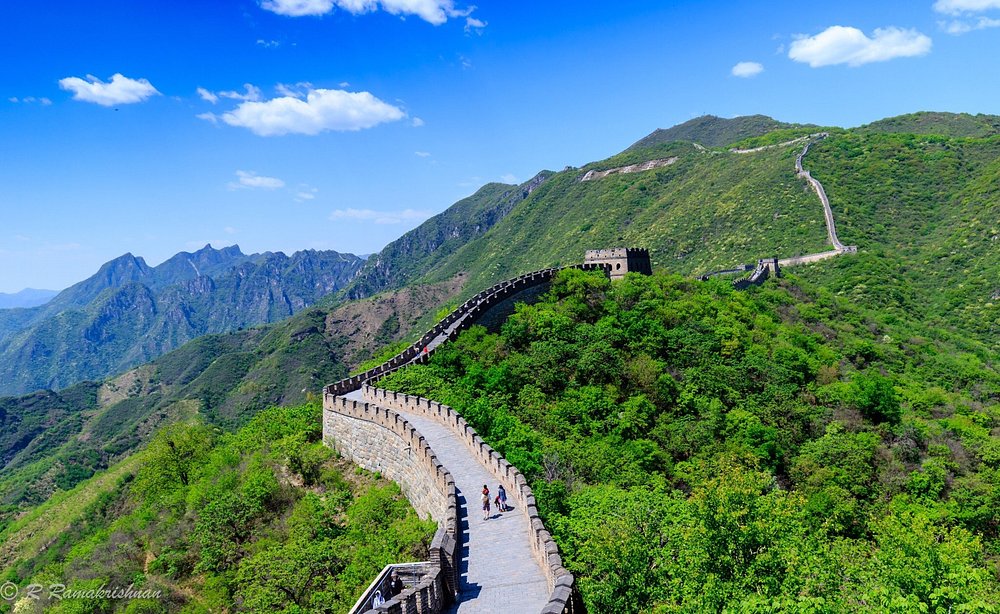
The Badaling Great Wall of China is a sharp line that follows mountain ridges. The wall rises in some places and slopes down into valleys in others. This ups and downs both challenges and enhances the walk. The height of the steps is not the same at every point, so the pace of your steps constantly changes. The battlements on top of the wall are openings designed for defense. The distance between the bastions clearly demonstrates the surveillance logic. In some bastions, the interior is spacious, allowing for short breaks. The erosion on the stone surface is reminiscent of thousands of steps. At corners, the perspective dramatically lengthens. A strong contrast is created between the dark stones and the clear sky. On foggy days, the wall seems to disappear into the mountains. On clear days, however, the line becomes a strip stretching to the horizon. This is exactly the image that comes to mind when one thinks of the Badaling Great Wall.
Visit Information
A trip to the Great Wall of China in Badaling is much more enjoyable with proper planning.
- The best time is early in the morning.
- Weekdays are generally quieter.
- Always wear a hat and sunscreen on sunny days.
- Bring plenty of water with you; the options listed above may be limited.
- Choose shoes with comfortable soles.
- The steps may be steep, don't rush.
- The cable car option makes some sections easier.
- Slow down the pace on the return journey to avoid straining your knees.
- The weather can be changeable, so bring a light jacket.
- Be careful with your belongings in crowded places.
- Get the map at the entrance; it will reduce route confusion.
- Set aside at least three hours, just stop and watch.
Photography Tips and Tricks
The strongest photos in Badaling come from where the wall zigzags. Place the line running from bastion to bastion in the center of the frame. Morning light softens the stone texture. Midday light hardens it, and shadows become sharper. In cloudy weather, colors are balanced, and details are more easily visible. Wide-angle shots better convey the scale of the wall. Panorama mode on your phone is ideal for capturing the mountain range. Waiting a few minutes during crowded moments helps. You'll capture the same frame more clearly when there's space. If the wind is strong, try to stay still. Your hands may get cold up there; thin gloves are good in winter. When shooting while standing on the steps, lean to the side. This way you won't obstruct the flow behind you. Moments when the fog clears are very brief, so be prepared. If you stay until sunset, plan your descent early. The return routes are more congested at certain times.
Other Nearby Places to Visit
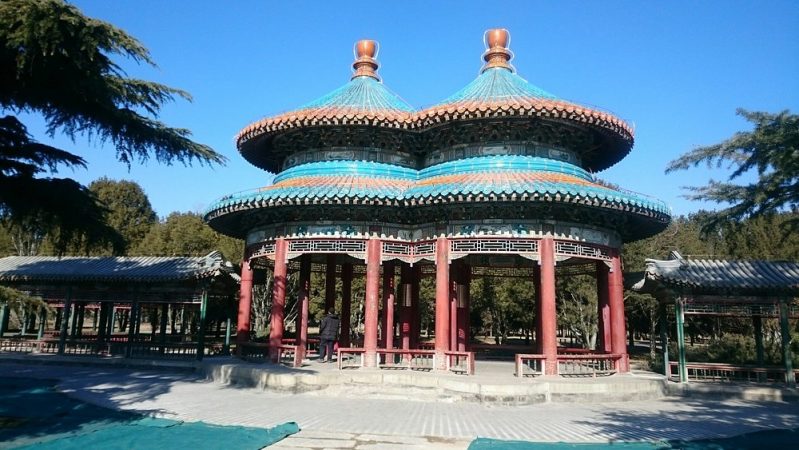
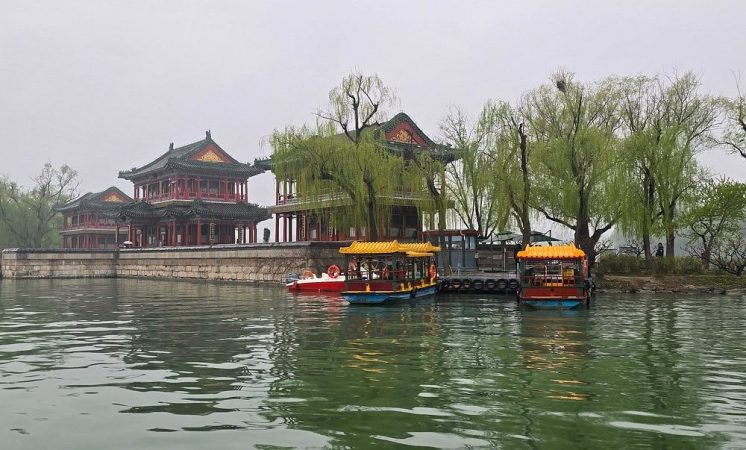
After Badaling, there are several more strong stops around Beijing. The Ming Tombs are frequently paired along the same route. For nature lovers, there are short hiking spots in the valleys. Upon returning to the city... Summer Palace It would be a calmer continuation route. Temple of HeavenIt would be good for those who want to see ritual architecture. Beijing Palace MuseumThe Hutong is the main stop that completes the imperial story. The Hutong streets offer a more local atmosphere at the end of the day. For dinner, a duck menu enhances the classic Beijing experience. Museum enthusiasts can extend the day with different collections in the center. These combinations balance the Beijing sightseeing plan.
Badaling on the Great Wall of China gives the strongest "I was here" feeling in Beijing. Walking on top of the wall creates a physical connection with history. Despite the crowds, the view and scale overwhelm everything.
If you go to Beijing, you absolutely must visit Badaling. Also, for more ideas, check out "Places to visit in Beijing"You can read my writing."
PREVIOUS TOPIC
NEXT TOPIC

Similar Threads
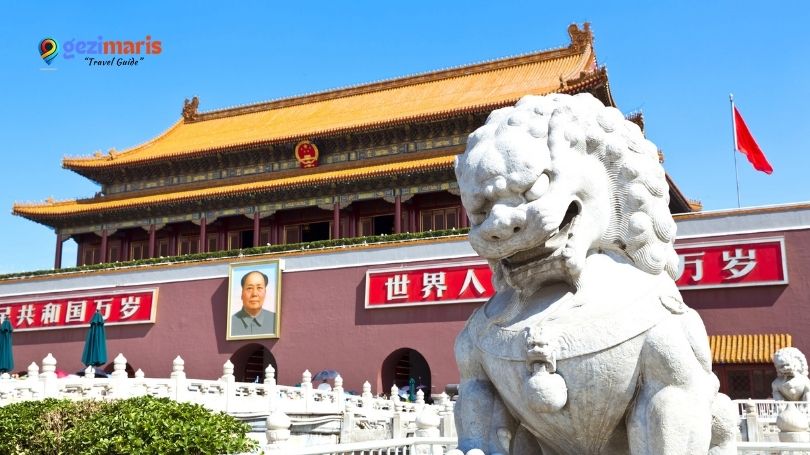
I don't approach Beijing as a short city break. When I want to fit the courtyards of the Forbidden City, the hutong streets, the temples, the local food, and the Great Wall of China into one itinerary, I allocate at least 3 full days, or 4 days for a more relaxed trip. For first-time visitors, I recommend staying around Dongcheng, Wangfujing, Dengshikou, or Qianmen. These areas are both historically...
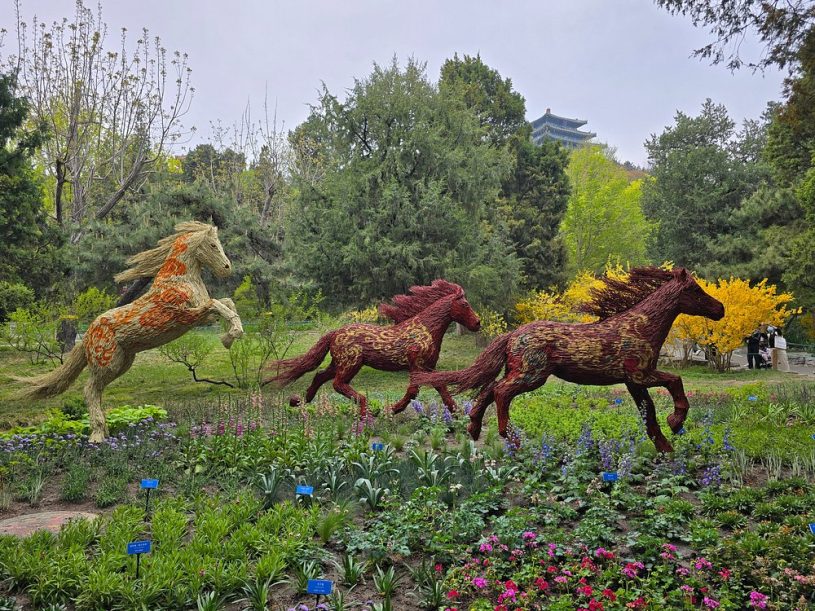
In Beijing, sometimes the best view comes from the most modest hilltop. As you approach Jingshan Park, the streets suddenly fall silent. Tree shadows leave a cool pattern on the stone pavements. Upon entering, the city noise seems to retreat a few curtains. Inside, there are people running, practicing tai chi, and elderly people chatting. A gentle breeze from above carries the scent of pine...
Beijing mornings are sometimes misty, sometimes bright and sunny. As you approach the Temple of Heaven park, the sounds of the city fade away. Your steps slow as you walk under the large plane trees. On one side, you see locals exercising. On the other, the scent of incense mixes with the wind. Then, the blue tiles begin to gleam in the distance. Rounded lines stand side by side with square courtyards. This contrast...
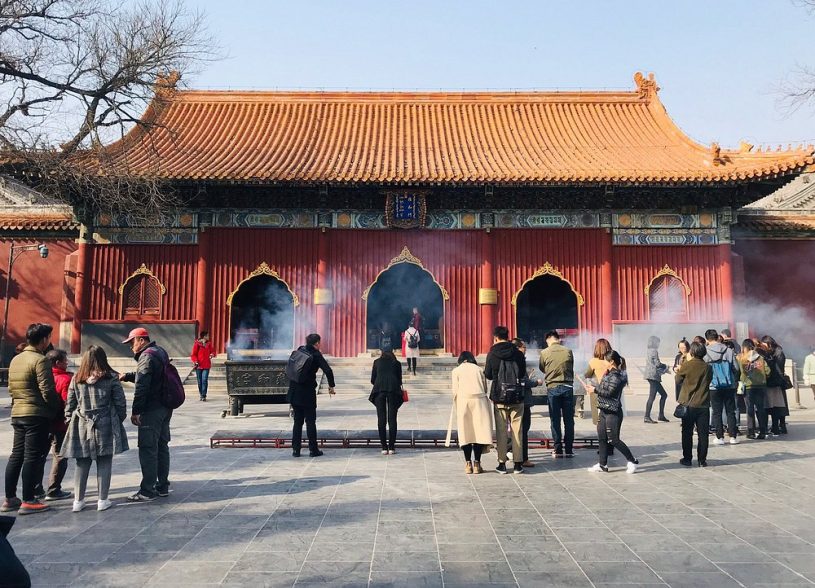
In Beijing's fast-paced city, sometimes all it takes is stepping through a door. As you approach the Lama Temple, the street noise softens, your steps become calmer. The scent of incense lingers in the air outside. Once inside, the red walls and gold details catch your eye. In the courtyards, people silently make wishes, their hands clasped together. In one corner, you hear a monk chanting, the rhythm settling in your heart. When you look up...
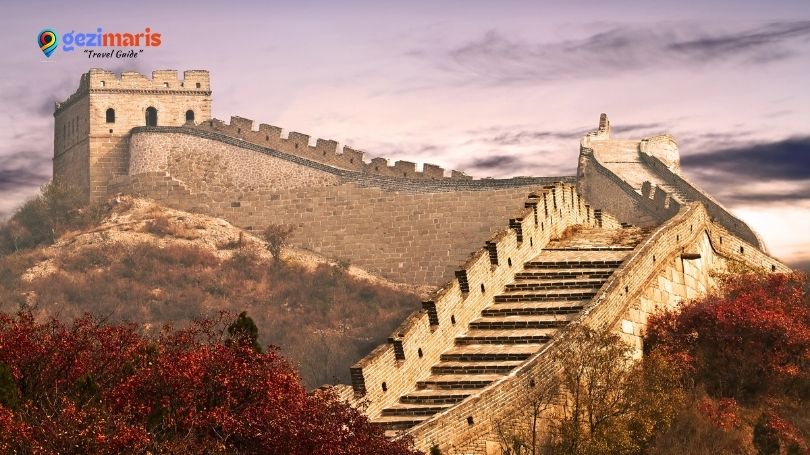
Beijing, the capital of China, is one of Asia's most magnificent cities with a history spanning over three thousand years. It offers a diverse range of attractions, from palaces where emperors once sat on their thrones to sections of the Great Wall nestled against the mountainside, and from tranquil temple courtyards to modern art districts. In this guide, we've explored the most popular destinations that travelers are most curious about, and each one...
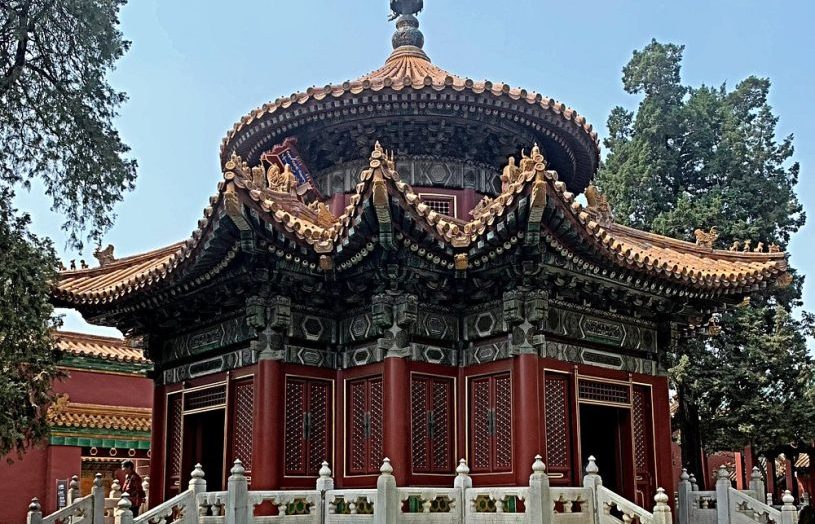
There are some places in Beijing where the sounds change the moment you step through the door. The Beijing Palace Museum is exactly one such place. While you hear car horns outside, inside you hear footsteps. The red walls soften the chaos of the city. The brightness of the yellow roofs is further enhanced by the sun. The courtyards are large, but they don't feel suffocating. Each passage through a door is like a new scene...
Write a Comment
Visitor Comments - 0 Comments