
Morocco Travel Guide
To someone planning a trip to Morocco for the first time, I would say in one sentence: Don't just go to Marrakech and come back. Marrakech the noise of the market, Fes Essaouira showcases the memory of craftsmanship, the coolness of the Atlantic, and Merzouga the quiet side of the country. If one of these is missing, the narrative of Morocco remains incomplete.
As someone living in Gaziantep, the most familiar thing to me in Morocco is the language of the bazaar. Just as in the Copper Bazaar you have to stand in front of the shop, pick up the product, and have a conversation with the shopkeeper, shopping in the medinas of Marrakech and Fes isn't done from afar either. However, here the streets are more complex, the smell of spices is sweeter, and bargaining takes longer.
I allocate 9-11 days for my first trip to Morocco. 3 days to Marrakech, 2 days to Fes, 1-2 days to Chefchaouen, Kazablanka Or I can leave you with one day in Rabat. If you have a desert plan, I'll add at least 3 more days, including the journey to Merzouga. Those who want a quieter route can go to Essaouira after Marrakech.
Price update: July 17, 2026. On this date, 1 Moroccan dirham is approximately equivalent to 5,06 Turkish Lira (TL). To simplify the calculation in my mind, I'll roughly assume 100 MAD is equal to 500 TL.
General Information About Morocco
| Information | My short note |
|---|---|
| capital | Discount |
| The largest city | Kazablanka |
| Official languages | Arabic and Amazigh |
| daily communication | Darija, a type of Moroccan Arabic, is spoken; French is common in tourist areas. |
| Currency | Moroccan dirham, MAD or DH |
| ACADEMIC AUTHORITIES | Constitutional monarchy |
| Population | According to the official census of 2024, 36.828.330 |
| Area | Different figures are seen in the sources depending on how Western Sahara is included in the calculation. |
| Hours | GMT+1 is used for most of the year, with temporary GMT application during Ramadan. |
| Phone code | + 212 |
| City police | 19 |
| Gendarmerie in rural areas | 177 |
| Health and emergency assistance | 141 |
| Practical travel time | 9-11 days for the first trip |
The official currency of Morocco is the dirham. Banknotes are issued in denominations of 20, 50, 100, and 200 MAD, so you might encounter problems getting change if you hand over a 200 MAD note for a small purchase. I always keep 10, 20, and 50 MAD banknotes in my pocket before going to the market. The time in Morocco is GMT+1; it's important to note that the time zone may change during Ramadan when planning your travels.
When to Go to Morocco?
I travel in Morocco in the spring or autumn. From late March to mid-May, you can walk around Marrakech, Fes, and the Atlas Mountains in light clothing during the day, but a light jacket might be necessary in the evenings. Late September to early November is also a comfortable time to explore the cities on foot.
The midday heat of Marrakech and Fes in July and August significantly slows down the trip. If I have to go during this period, I'd explore between 8:00 AM and 11:00 AM, leaving the afternoons for the riad courtyards or museums. Essaouira on the Atlantic coast is cooler and windier in the summer. For the Merzouga desert, I wouldn't choose mid-summer; March-May and September-November are much more balanced.
Ramadan has a special atmosphere, but restaurant options may decrease during the day, and museum and historical site opening hours may be shortened. For example, the Ben Youssef Madrasa, which is normally open from 09:00 to 19:00, closes at 16:30 during Ramadan.
How to Get to Morocco?
Gaziantep exit plan Istanbul I'll arrange them as connected flights. If I have to buy separate tickets, I'll put at least four hours between the Gaziantep-Istanbul flight and the Morocco flight; so that airport or baggage delays don't disrupt the entire route.
A direct flight from Istanbul to Marrakech takes approximately 5 hours and 15 minutes. According to the July 2026 schedule, there are eight direct flights per week on this route, operated by Turkish Airlines. On the Casablanca side, there may be more direct and connecting flight options.
I would start my international flight budget at 14.000-18.000 TL per person for a round trip. For example, for Fall 2026, a connecting flight from Istanbul to Casablanca could reach around 13.840-15.100 TL. For direct flights with baggage and those coinciding with weekends, the cost could be higher.
Marrakech Menara Airport is only 6 kilometers from the city center. Instead of haggling with a taxi driver, I prefer to take bus number 19 during the day. The bus runs approximately every half hour between 6:00 AM and midnight; a return ticket costs 50 MAD, and the journey takes 15-20 minutes depending on traffic.
The shuttle service from Rabat-Salé Airport to Rabat Agdal Train Station costs 25 MAD one way, 40 MAD round trip, and the journey takes 45-50 minutes. Agadir I pay 50 MAD for a one-way ticket and 80 MAD for a round trip on the Al Massira Airport shuttle; it takes about 50 minutes to get to the city center.
Visa and Entry Requirements in Morocco
Turkish citizens can visit Morocco for tourism purposes for up to 90 days. visa free They can enter. I don't get an e-visa, I don't apply at the consulate, and I don't pay a visa fee on arrival. The basic requirement is that the passport must be valid for at least six months from the date of entry into Morocco.
I keep my return ticket, initial accommodation reservation, and travel insurance on my phone so they can be accessed offline, just in case they're asked for at border control. Saving the hotel address not just by name but also with its location on a map is helpful; some of the riads in the medina aren't recognized by taxi drivers by name.
It's important not to exceed the 90-day period. Turkish citizens who overstay their legal limit may need to initiate additional procedures with the Embassy and Moroccan authorities for their departure. Therefore, for long-term plans, I also note the date on the entry stamp.
Cities and Regions to Visit in Morocco
Marrakech
This is the liveliest stop on a first trip to Morocco. I usually stay in Marrakech within the medina and divide my daytime sightseeing between the medina and Gueliz. Jemaa el-Fna Square transforms into a completely different place after sunset; the smoke from food stalls, orange juice carts, and musicians all appear simultaneously.
I usually go to the Youssef Madrasa in the morning at opening time. Entry for foreign adults is 50 MAD, and it's open from 9:00 AM to 7:00 PM during normal hours. For the Jardin Majorelle, you need to set aside 170 MAD; the garden opens at 8:00 AM, and the last entry is at 6:00 PM. Instead of trying to cram all the ticketed places into one day, I'd visit the madrasa one morning and the Majorelle another.
Fes
In Fes, I don't rely too much on my sense of direction. The streets of Fes el-Bali are more complex than those of Marrakech, and some passageways suddenly end right in front of a workshop or house door. I usually start my route from Bab Boujloud and head towards the Bou Inania Madrasa, Nejjarine, the area around Karaouine, and the Chouara tanneries.
When you go up to the terraces of the tanneries, the shop employees might offer you mint; the smell is really strong. They might say the terrace is "free" and then pressure you to buy leather goods on the way out. I always make it clear from the start that I'll only be looking at the view and won't be shopping.
Chefchaouen
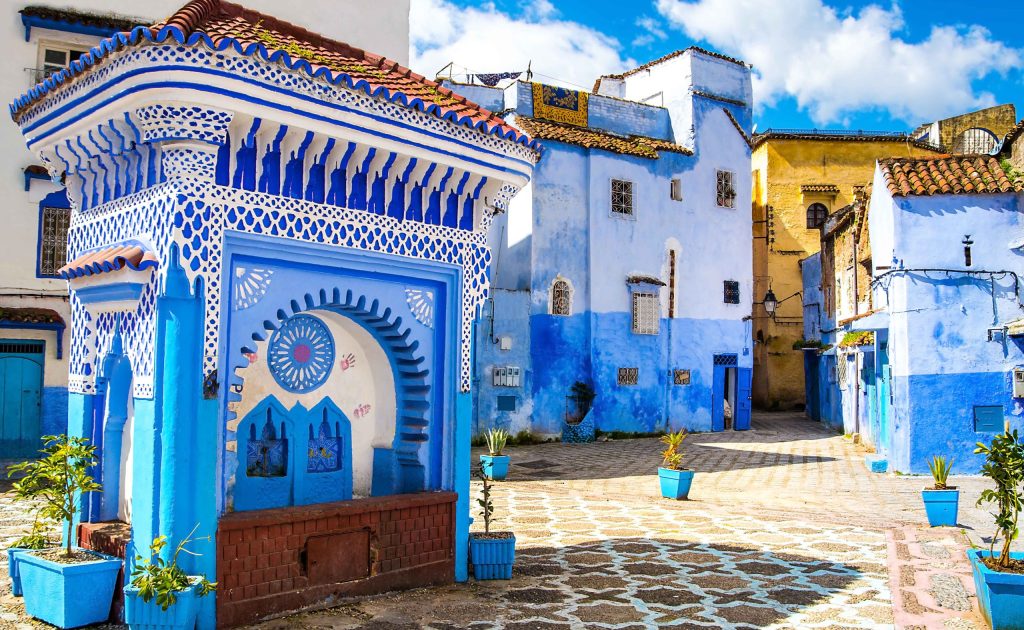
I don't just think of Chefchaouen for the blue wall photos. Early in the morning, I walk around Uta el-Hammam Square, the Kasbah area, and Ras el-Maa. In the afternoon, the main streets become noticeably crowded with day-trip groups.
Akchour Falls and Talassemtane National Park are the main nature trails around the city. If you don't plan on hiking, one night is enough for Chefchaouen; two nights are better for those who want to explore when the streets are empty in the morning.
Kazablanka
I would read Casablanca not as a classic medina, but as Morocco's large and bustling metropolis. My main stop in the city would be the Hassan II Mosque. The guided tour for foreign adults costs 140 MAD. Tours are available from Saturday to Thursday at 09:00, 10:00, 11:00, 12:00, 15:00 and 16:00; and on Friday at 09:00, 10:00, 15:00 and 16:00.
The mosque's outdoor area overlooking the Atlantic Ocean can be visited for free. I usually arrive at least 20 minutes before visiting hours; there can be last-minute rushing due to dress code checks and group arrangements.
Discount
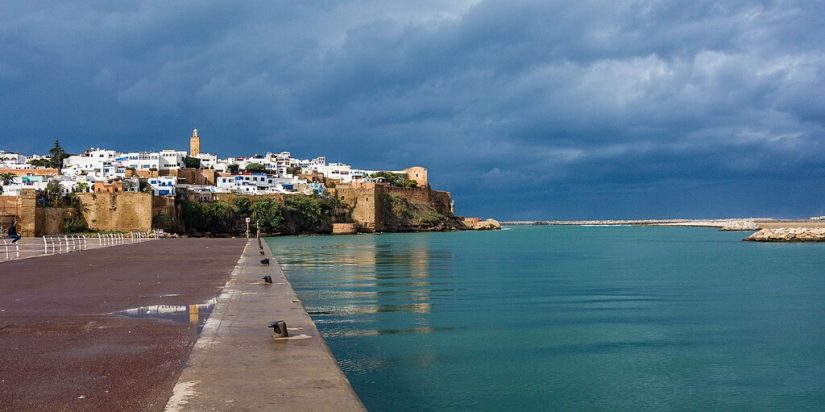
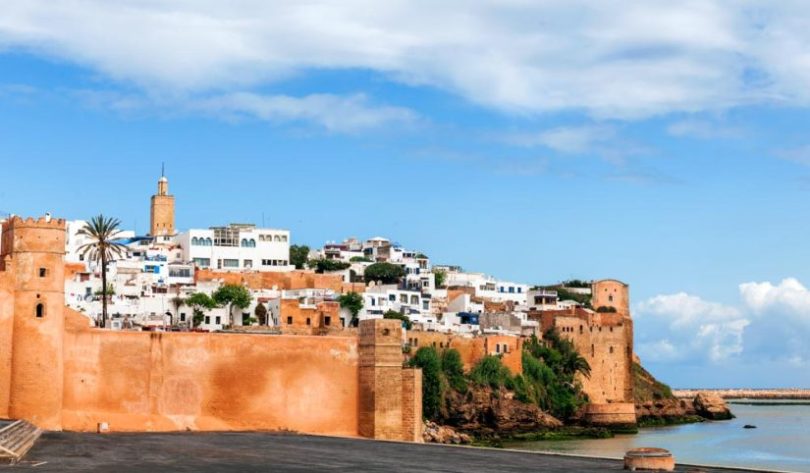
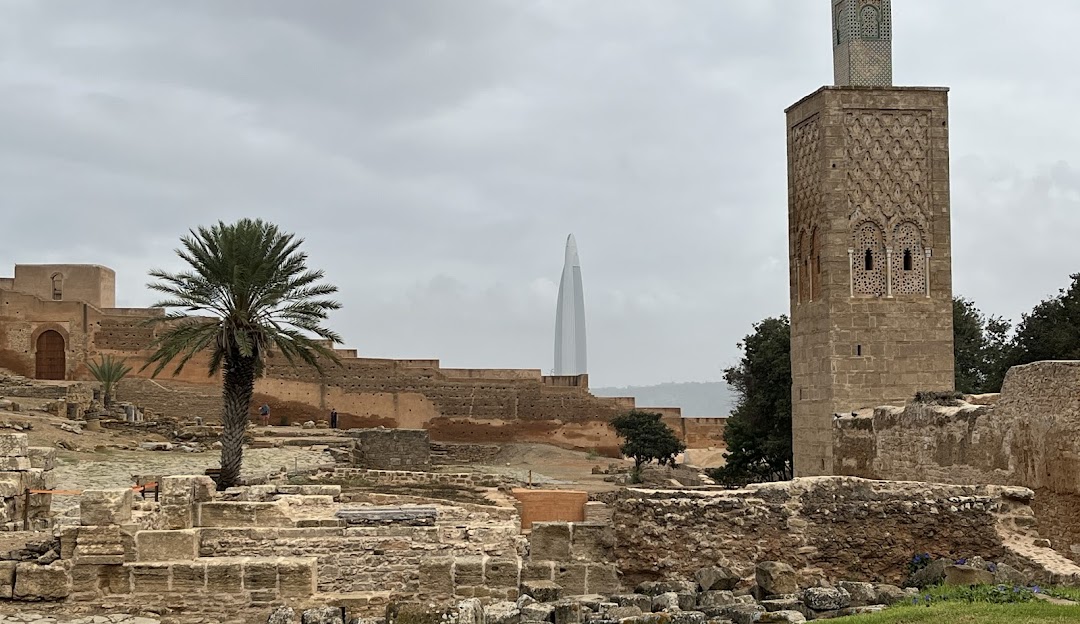
Rabat is a more orderly, calmer city, and easier to get used to for someone visiting Morocco for the first time. Kasbah des Oudaias, Andalusia The gardens, the Hassan Tower, and the Mausoleum of Mohammed V can all be seen in the same day. After the hustle and bustle of the souks in Marrakech, a stroll along the coast in Rabat is a refreshing experience.
Even if I don't stay overnight, I'll take a day trip from Casablanca by train. However, if I'm going to stay in the city during the Mawazine period, I'll sort out the train and hotel arrangements early.
Essaouira
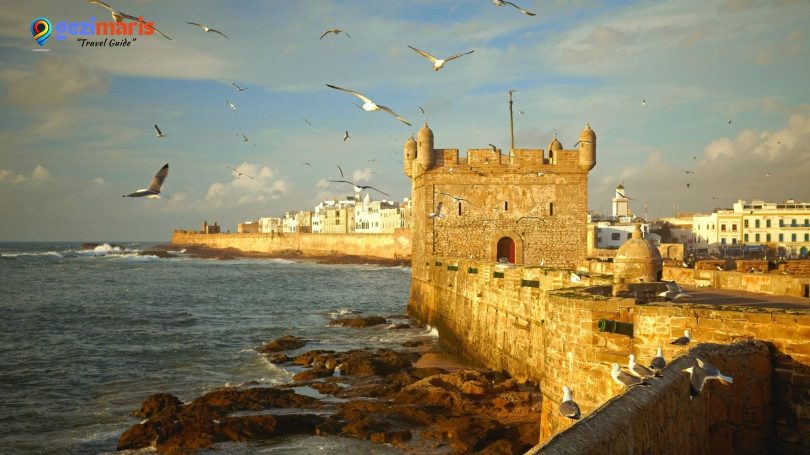
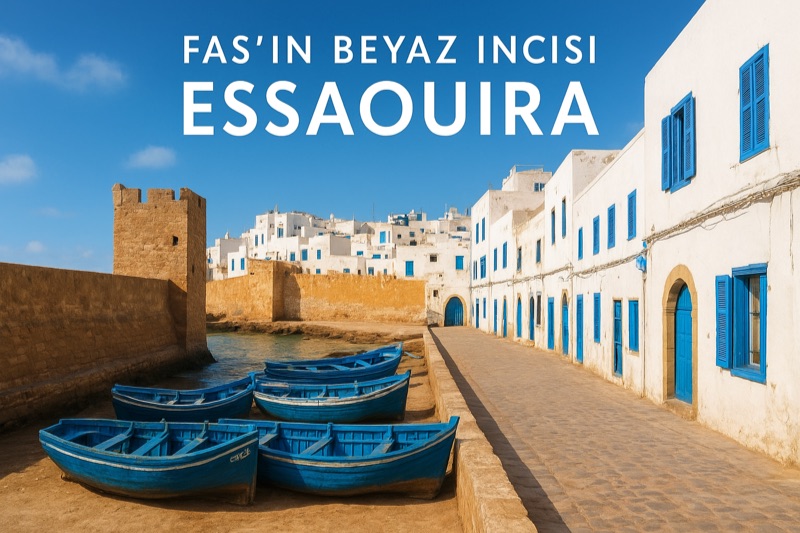
Essaouira is where I find respite on my Moroccan itinerary. The Medina walls, Skala du Port, the fishing port, and the long coastline are all within walking distance. The UNESCO-protected Medina is a walled port city planned in the late 18th century and is easier to navigate than other Medinas in Morocco.
You can choose your fish around the harbor and have it cooked on one of the small grills nearby. You need to finalize the price before ordering, whether it's per kilo or per plate. I wear a light jacket even in summer because the wind gets strong in the evenings.
Merzouga and Erg Chebbi
I wouldn't plan a day trip across the desert from Marrakech; although it looks close on the map, the road trip is very long. Marrakech-Merzouga group tours usually last three days. These include transportation, camping, dinner, breakfast, and a sunset camel ride. I would start the budget for group tours at around €85 per person, and for private options at €195. Lunch is usually paid for separately in most packages.
In the desert, the term "luxury camp" doesn't mean the same thing at every establishment. Before booking, I ask if the tent has a private bathroom, whether the sand dunes are accessible by car or camel, and whether the camp is actually located on Erg Chebbi.
What to Do in Morocco?
- I see Jemaa el-Fna at two different times: I do the first round before sunset and the second round after dinner. While taking photos in the square, snake charmers and costumed water vendors might ask for payment; it's more peaceful to talk to them before putting down the camera.
- I start my tour of the Fes medina in the morning: The streets are more spacious as the shop shutters open. At lunchtime, mules carrying loads, shopping groups, and guided tours fill the same narrow passageways.
- In Marrakech, I go up to the upper floor of the Ben Youssef Madrasa: Although the courtyard floor looks beautiful from below, the wooden student rooms and windows on the upper floor reveal the true scale of the building. I'm setting aside 50 MAD for entry.
- I will take a guided tour of the Hassan II Mosque in Casablanca. The interior of the mosque can only be viewed during organized visits outside of prayer times. The entrance fee of 140 MAD is approximately 708 TL.
- I watch the sunset from the city walls in Essaouira. I'll cross over to the Skala side in the afternoon and photograph the seagulls and fishing boats on the way back from the harbor. Because of the wind, I'll hold my phone with one hand by the wall.
- In Chefchaouen, I walk from Ras El-Maa towards the Spanish Mosque: The short climb near sunset offers a unified view of the city's blue landscape. For the dark part of the return journey, it's more convenient to carry a small flashlight instead of your phone's light.
- I'll clarify the contents of the package in writing in the desert: Even though camel walking, sandboarding, dinner and breakfast are included, lunches, drinks and gratuity can be added separately. A starting budget of 85 euros for a shared three-day tour is realistic.
What to Eat in Morocco
When I sit down to eat Moroccan food with my Gaziantep palate, the use of spices feels familiar, but the direction of the flavor is different. While in our cuisine, chili, tomato paste, and meat take center stage, in Morocco, cumin, cinnamon, ginger, saffron, dried fruits, and a sweet and salty blend are more prominent.
- Harira: A thick soup made with tomatoes, lentils, chickpeas, and spices. I budget between 8-20 MAD at local restaurants around Medina. It's a very satisfying start, especially in the evening, when served with dates or chebakia.
- Tajin: Both the dish itself and the conical pot in which it's cooked are called tajin. At a local restaurant, chicken, lemon, or vegetable tajin costs 45-80 MAD; at touristy terrace restaurants, it's normally 120 MAD and up.
- Couscous: I'll call around lunchtime on Friday. At local restaurants, setting aside about 50-90 MAD is enough for a large plate served with vegetables and meat.
- Tanjia: A slow-cooked meat dish typical of Marrakech. It reminds me of the patience required to cook the well-roasted kebab in Gaziantep. In traditional restaurants within the Medina, I would expect to pay between 80-140 MAD depending on the portion size and amount of meat.
- Msemen and sfenj: It's eaten for breakfast or as a snack on the street. Plain msemen costs 5-10 MAD, while those with honey or cheese are a bit more expensive. 3-8 MAD is enough for sfenj.
- Fish and seafood: In Essaouira harbor, I haggle over the price of sardines, calamari, or mixed grill before choosing my fish. Single portions range from 60-120 MAD, while large mixed platters come in higher bills.
In 2026, street food typically costs 5-20 MAD, a hearty street meal 30-50 MAD, a local restaurant meal 40-80 MAD, and a more regular tourist restaurant meal around 120-280 MAD per person.
In modern restaurants like Nomad in the Marrakech medina, the bill naturally increases. Starters begin at 80-90 MAD; with a main course and drinks, it's easy to reach around 200 MAD per person. I would reserve such a place for an evening with a view, not for every meal.
For lunch in Gueliz, I recommend Amal Center. The menu changes daily, service is available Monday to Saturday from 12:00 to 15:30, and it's closed on Sundays. It's especially good to go early for the couscous on Friday.
What to Buy in Morocco?
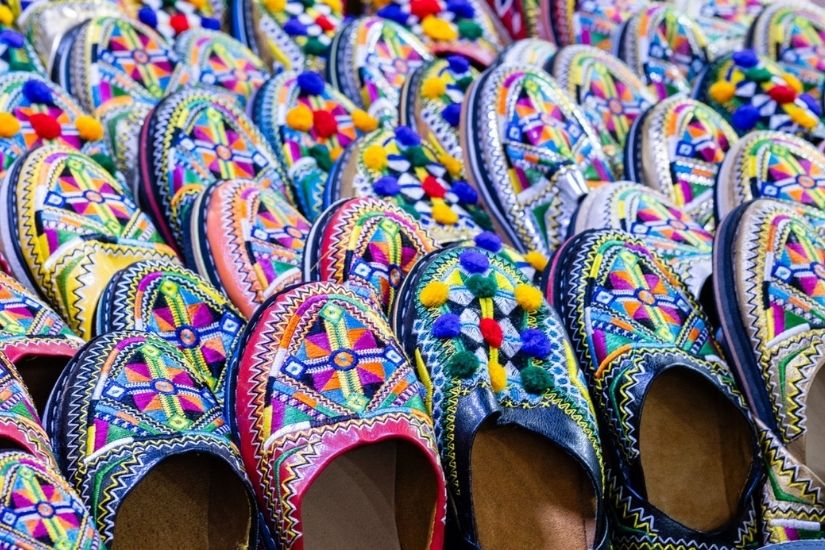
When shopping in Morocco, I don't make my decision at the first shop I see. The same leather bag, ceramic plate, or babouche slippers can appear a few streets later with different craftsmanship and price.
You can buy leather goods from Fez, ceramics from Safi, textiles from Chefchaouen, cypress wood boxes from Essaouira, spices and metal lanterns from Marrakech. I consider argan oil to be for both cosmetics and cooking; I don't buy products without the manufacturer, ingredients, and expiration date listed on the packaging.
My criterion for negotiation is this: I don't start much lower than the seller's initial price, but I don't accept the first price either. For example, for a medium-sized leather bag priced at 400 MAD, it's possible to start at 220-250 MAD and settle on around 280-320 MAD depending on the workmanship. I don't push this calculation too hard for items with high-quality craftsmanship, thick leather, or linings.
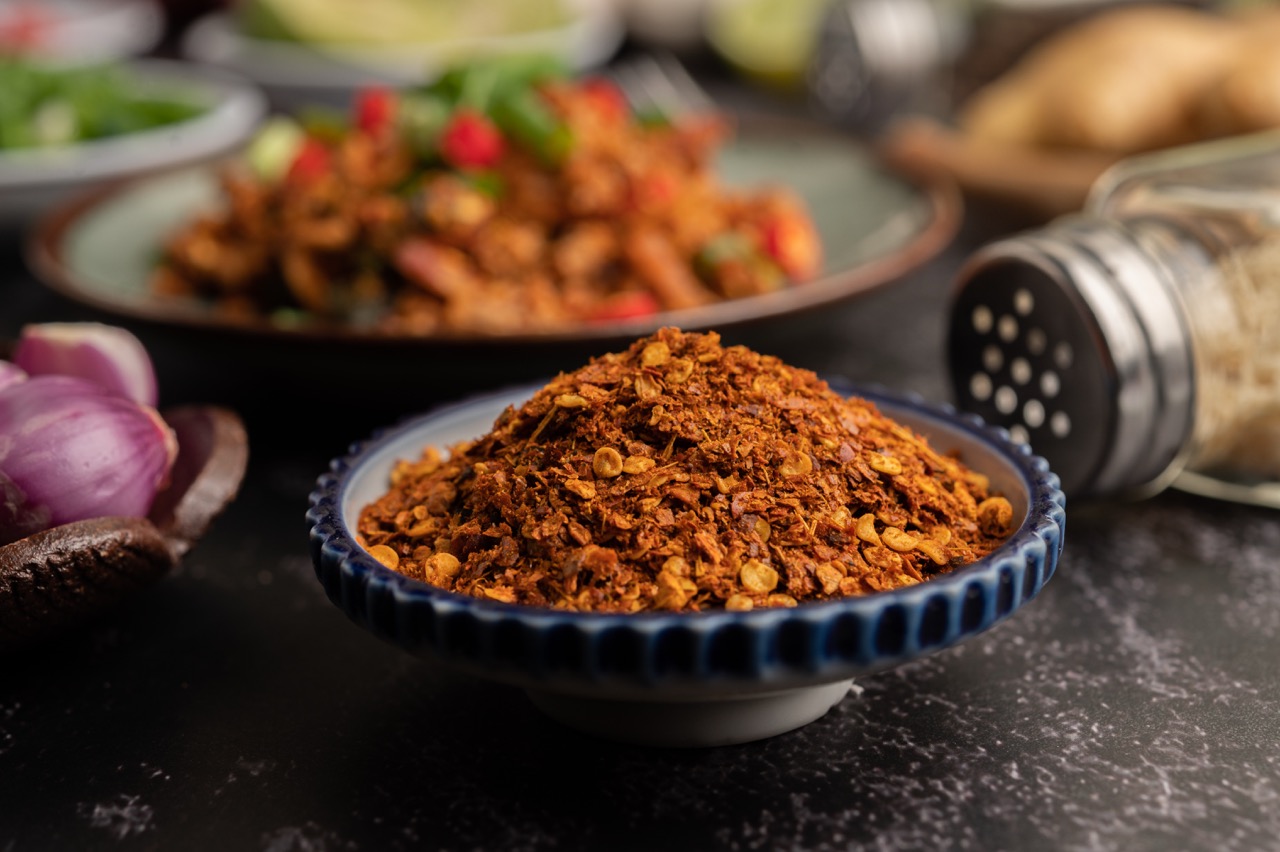
When buying spices, I look for the smell rather than the color. Choosing small 50 or 100-gram packets instead of large ones makes baggage handling and customs declaration easier.
Transportation in Morocco
Casablanca and Rabat in Morocco, CloseThe train system between Fez and Marrakech is quite convenient. I only use the bus on routes with trains if the schedule doesn't suit me.
Current examples show that a second-class train ticket from Casablanca to Marrakech costs approximately 102 MAD, from Rabat to Fes 80 MAD, and the Tangier-Casablanca Al Boraq high-speed train ticket is around 190 MAD. The Tangier-Casablanca journey by high-speed train takes about 2 hours and 10 minutes; the Casablanca-Marrakech route takes nearly 3 hours depending on the train type.
Second class on the train is sufficient for most journeys. However, in the summer heat or if I want a quieter carriage on a long route, I upgrade to first class. Since there is no separate baggage claim for large suitcases, the bag has to be placed on the shelves in the carriage or in the entrance area.
For connections to Essaouira, Chefchaouen, and Merzouga, where there are no trains, I use CTM or Supratours buses. A CTM ticket from Casablanca to Marrakech can start at around 100 MAD. The Essaouira-Casablanca route is 377 kilometers long, and the journey takes approximately 7-7 hours and 45 minutes, depending on schedules.
Small taxis within the city are called "petit taxis" and only operate within the city limits. I always ask the driver to turn on the meter before getting in. If they don't use a meter, I agree on the fare before closing the door. The initial fare quoted in front of airports and train stations is usually higher than the normal city fare.
Large shared taxis used between cities are called "grand taxis." Since they depart once they're full, their schedules are unpredictable; while useful for short regional trips, buses are more convenient for those with luggage and scheduled journeys.
Accommodation in Morocco
I spend at least one night in a riad in Morocco. A riad is a traditional city house where the rooms open onto an inner courtyard. From the outside, you see a plain wall and a small door; once inside, you're in a mosaic-covered courtyard. fountain and a rooftop terrace.
- Marrakech: For first-time visitors, the medina atmosphere is better, while Gueliz is more convenient for transportation and evening return. I would plan to spend 100-220 MAD for a hostel bed, 500-900 MAD for a simple riad room, and 1.200-2.500 MAD for a riad with a pool or a design-oriented layout.
- Fes: Bab Boujloud and the area around Batha make access to and from the medina easy. In Fes, the average nightly price for a riad is around $52; on busy weekends, it can approach $100. I would budget between 550 and 1.100 MAD for a well-located room with breakfast.
- Chefchaouen: Within Medina, simple guesthouses and smaller options are more common. Double rooms with rooftop terraces can range from 400-800 MAD, while more comfortable boutique hotels can cost 900 MAD and above.
- Essaouira: When I stay in Medina, I walk to the beach, the harbor, and the restaurants. However, due to the wind and humidity, I pay particular attention to reviews regarding heating, window insulation, and hot water in the room. I would budget 500-1.000 MAD for a mid-range double room.
- Casablanca and Rabat: Here, instead of a riad, I would choose a city hotel near a train station or tram line. For mid-range hotels, 700-1.300 MAD per night is normal, while for more comfortable chain options, 1.500 MAD and above is standard.
It might not be possible to reach the door of the ria within the Medina by car. Before making a reservation, I ask, "Where is the nearest drop-off point?" If a ria employee comes to meet me, I record the time and door name with a screenshot.
Morocco Currency and Budget Planning
Since the Moroccan dirham is a closed currency, I take my main currency in euros or dollars and exchange it at authorized currency exchange offices in the city. At the airport, I only exchange enough money for the initial transportation and minor expenses.
ATMs are common in cities. Visa and Mastercard are accepted at most hotels, some restaurants, shops, and gas stations; cash is needed in medina shops, small eateries, taxis, and markets. If a conversion to Turkish Lira is suggested during card payment, I will not accept it and will have the transaction processed in MAD (Material Interest).
International flight ticket Excluding these, I would set up the daily per-person budget as follows:
| Travel style | Daily budget | Approximate equivalent in Turkish Lira. | What can I do with this budget? |
|---|---|---|---|
| Economic | 500-750 MAD | 2.530-3.800 TL | Hostels or simple rooms, local restaurants, second-class trains, free and low-cost places. |
| intermediate level | 1.000-1.600 MAD | 5.060-8.100 TL | Breakfast riad, regular restaurants, a few toll buildings, train and taxi |
| Comfortable | 2.200 MAD and above | 11.100 TL+ | The boutique riad offers private transfers, fine restaurants, guided tours, and more convenient transportation. |
In this calculation, I'm distributing intercity transportation equally across each day. A day spent in Marrakech solely on foot and eating local food can cost under 500 MAD; however, adding a desert tour, private guide, or luxury riad could increase the budget several times over. The TL equivalents are calculated based on an exchange rate of approximately 1 MAD = 5,06 TL as of July 17, 2026.
Moroccan Festivals and Events
| Events | Period | City/Region | How do I make plans? |
|---|---|---|---|
| Mawazine, Rythmes du Monde | 19-27 June 2026 | Rabat and Salé | I had early plans for the transformation of Rabat into a venue for large open-air concerts, against the backdrop of the crowds around the station. |
| Gnaoua and World Music Festival | 25-27 June 2026 | Essaouira | I book my hotel early because accommodations in and around the Medina and the stage fill up quickly. |
| Rose Festival | Usually early May | Kelaat M'Gouna | I would add rose harvesting, local produce, and parades to the Dadès route. |
| Fez World Sacred Music Festival | Usually May-June | Fes | I choose accommodation near the medina when the concert schedule is announced. |
| Tan-Tan Moussem | The date may change every year. | So so | Sahra suitable for those who want to see the music, tent and equestrian shows of the communities |
Mawazine's 2026 schedule coincides with June 19-27, while the Essaouira Gnaoua Festival falls on June 25-27. Since the two events overlap, if I'm going to include them in the same route, I'll fix the day of my trip from Rabat to Essaouira in advance.
Morocco Public Holidays and Important Days
| Date | Importance |
|---|---|
| January 1 | New Year |
| January 11 | Anniversary of the Declaration of Independence |
| January 14 | Amazigh New Year |
| 1 May | Labor day |
| 30 July | Throne Feast |
| 14 August | The Recapture of Oued Ed-Dahab |
| 20 August | King and People's Revolution Anniversary |
| 21 August | Youth Day |
| 31 October | Unity Day |
| 6 November | Green Walk Anniversary |
| 18 November | Independence Day |
The dates of Eid al-Fitr, Eid al-Adha, the Islamic New Year, and Mawlid vary according to the Islamic calendar. Since banks, government offices, and some small businesses may be closed on official holidays, I usually complete currency exchange and intercity ticket transactions the day before. Fixed official holiday dates are published on Morocco's official government portal.
Things to Consider When Traveling to Morocco
- In Medina, some people who say "This road is closed," "The square is on the other side," or "The tannery can only be entered through this gate today" may be trying to direct you to a paid guide or shop. If the map isn't working, I ask the main shop owner or a uniformed employee.
- I download the offline map before going to the country. In Fes el-Bali, the GPS pointer can get lost in narrow passages; I also note down the name of the nearest gate to my accommodation.
- I never start driving before the meter is turned on. Asking "How much?" after the car has started moving leaves the bargaining power entirely up to the driver.
- I consider it normal for people I photograph in Jemaa el-Fna to ask for payment. We discuss the price before the photo, and then I pay with a small denomination.
- If there are no prices on the restaurant menu, I ask before ordering. I especially make sure to clarify whether I'm paying "per person" or "per plate" at fish markets, lunch breaks along desert routes, and tourist squares.
- I use bottled water instead of tap water. I choose busy counters where the products turn over quickly; I avoid salads and sauces that have been left out in the sun for a long time.
- I wear clothing that covers my shoulders and knees in mosques and religious buildings. Even in places that receive visitors, such as the Hassan II Mosque, it is necessary to be quiet during prayer times.
- I don't assess the Atlas Mountains and desert nights based on the daytime temperature of Marrakech. Because the temperature can drop significantly within a single day, I carry a light jacket and closed shoes.
- I haggle when shopping, but I won't go so low as to disregard the craftsmanship involved. I don't engage in lengthy bargaining unless I'm genuinely interested in buying the item.
- I don't think I can use my card everywhere. In Medina, carrying 300-500 MAD in cash daily for the market, taxis, and small restaurants is convenient; I don't keep the main amount in a single wallet.
I would start my Morocco itinerary with the crowds of Marrakech, slow down in the narrow streets of Fes, relax in the wind of Essaouira, and if I have time, finish in the tranquility of Merzouga. Such a route doesn't leave the country as just blue walls, colorful spices, and desert photographs.
For someone from Gaziantep, the bazaar culture, the relationships with shopkeepers, the slow-cooked meals, and the long conversations around the table are all familiar. However, Morocco's cuisine, which blends sweet and savory flavors on the same plate, the hidden inner world of the riads, and the changing pace from city to city offer a different kind of travel experience.
If it were my first time going, I would make a 10-day plan. Marrakech, Essaouira, Fes, Chefchaouen and Casablanca That's how I would plan it. Adding the desert would extend the trip to 13 days. Instead of trying to see everything in a shorter time, exploring two or three cities on foot, eating, and getting lost in the markets suits Morocco much better.
PREVIOUS TOPIC
NEXT TOPIC

Similar Threads

Write a Comment
Visitor Comments - 0 Comments