
Sela Travel Guide 2026: Where to Stay, What to Eat, What to See?
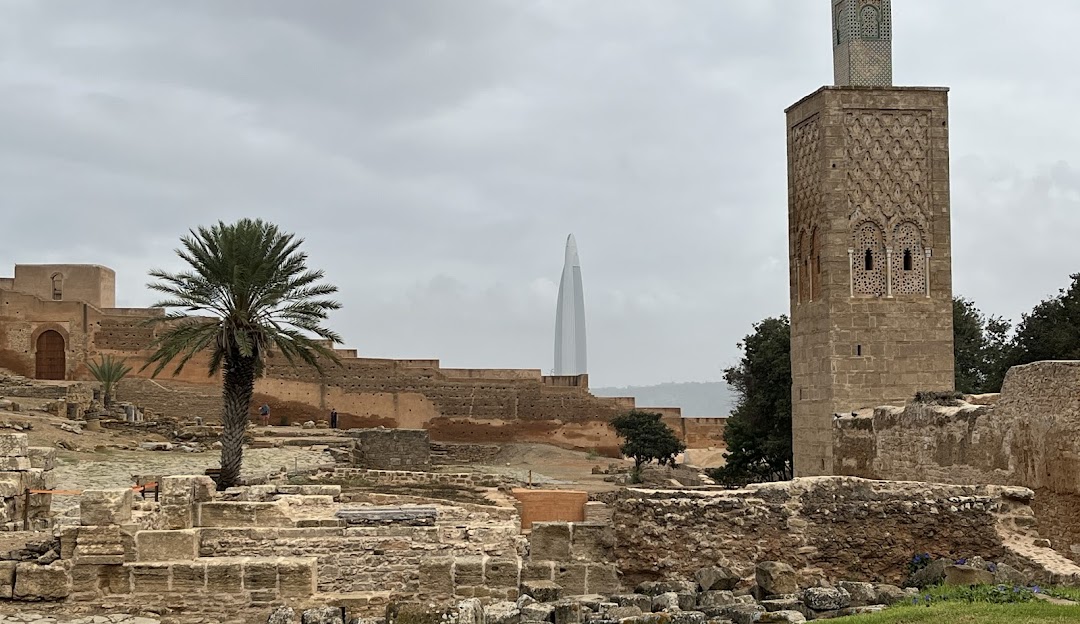
Sela Fas It should be considered a calm, authentic, and somewhat overlooked city that should be explored not alone, but side-by-side with Rabat. As someone accustomed to the rhythm of the bazaars, inns, streets, and tradesmen in Gaziantep, in Salah I would first go to the medina, then to the riverbank, and then... Discount I'll check the tram line connecting to that side. For first-time visitors, one full day is enough for Salé; if you consider Rabat as well, two days would be much more balanced. The most practical areas for accommodation are around Bouregreg Marina, riads near the Salé medina, and the Hassan-Medina line on the Rabat side.
Salé is less of a fast-paced tourist city and more of a Moroccan stop for "slow-paced exploration." That's its best part: in the morning you can explore the old gates and streets of the medina, stroll along the Bouregreg riverbank in the afternoon, and in the evening head to Oudayas in Rabat to enjoy the scenery.
Short and Practical Information About Salawat
| Hood | Practical Information |
|---|---|
| How many days is enough? | One day just for Salat, two days including Rabat, is ideal. |
| Where should first-time visitors stay? | Bouregreg Marina area or the Rabat Hassan–Medina line. |
| The best period | March–May and September–November are more enjoyable months; the sun can be strong in summer. |
| Currency | Moroccan Dirham, MAD. In the summer of 2026, 1 MAD is estimated to be around 5 TL; the exchange rate fluctuates daily. |
| Card or cash? | Cards are convenient in hotels and modern restaurants; cash is better in the medina, for small boat trips, markets, and taxis. |
| Urban transportation | Tram, walking, petit taxi, and short boat crossings along the Bouregreg coast. |
| Current transportation example | A single ticket on the Rabat–Sala tram costs 7 MAD. |
| Airport connection | The shuttle service from Rabat-Salé Airport to Rabat Agdal is 25 MAD one-way and 40 MAD round trip. |
| Security | Relax on main tourist routes; be careful with your bag and phone in crowded markets. |
| Log out | Arabic and French are widely spoken; in tourist areas, English is also used. |
When is the call to prayer (Selâ) made?
My favorite months for Salah would be spring and autumn. Because if you're going to do long walks in the medina streets, the cool air is a great blessing. March, April, and May have milder coastal weather, and you can explore the open spaces on the Rabat side more comfortably. September and October are equally balanced.
In summer, the Atlantic coast of Salé offers an advantage, but the medina and cobblestone streets can become overwhelming at midday. It's best to plan your itinerary for early morning and late afternoon during this period. In winter, the chance of rain increases; however, it's still not a bad time for travelers seeking tranquility.
The Rabat-Salaé route can be bustling with festivals and events throughout the year. Rabat's tourism promotion often highlights events like Mawazine and Jazz au Chellah; however, it's important to consider that hotel prices and crowds may increase during festival periods.
How to say Selâ?
The most practical way to enter Salé is via Rabat-Salé Airport. The airport's name itself includes Salé; so if you're entering Morocco through Rabat, you don't need to worry about a long transfer to Salé. A one-way ticket for around 25 MAD or a round-trip ticket for 40 MAD is sufficient for the airport shuttle service; the journey to Rabat Agdal takes approximately 45-50 minutes.
If you are coming from Casablanca, the most logical route is to take the train to Rabat and then the tram to the Salé area. ONCF is the main operator of intra-Morocco rail transport; Rabat, Casablanca, Fes and an important hub connecting with cities like Tangier.
After arriving in Rabat, the most convenient way to get to Salah is by tram. The ticket costs 7 MAD; with this ticket, you can transfer between lines within one hour after the initial verification.
Sela City Transportation
My approach to sightseeing in Salah is as follows: the medina and the historic gates are explored on foot, the connection to Rabat is by tram, and the riverbank is best explored on a leisurely walk. There's no need to rent a car; in fact, a car would be more of a burden around the medina.
The tram is the most convenient way to connect Salé to Rabat. A single ticket costs 7 MAD, so it won't strain your budget for a short trip. Remember to validate your ticket upon boarding; checks and fines are mandatory.
If you're going to use a taxi, opt for a petit taxi and clarify the fare before getting in. Late at night, with luggage, or after returning from the airport, a shuttle or hotel transfer might be more convenient than haggling. The small boats on Bouregreg are a pleasant experience; however, it's best to discuss the price before boarding.
How many days does it take to visit Sela?
- 1 days: The Salah Medina, Bab el-Mrissa, the area around the Great Mosque, Madrasah Abu al-Hasan, Borj Adoumoue, Bouregreg Marina, and the evening view of Rabat Oudayas.
- 2 days: First day in Salah, second day in Rabat: Kasbah des Oudayas, Hassan Tower, Mausoleum of Mohammed V, Rabat Medina and Chellah.
- 3 days: Sela + Rabat + Bouknadel Exotic Gardens or the coastline. This is the most comfortable plan for those who travel at a slow pace.
My suggestion is not to view Sala as just a place to spend half an hour while in Rabat. The city's true charm comes from lingering at the market gates, taking a close look at the medina walls, and watching the changing daylight on the Bouregreg riverbank.
Where can we stay in Sela?
When choosing accommodation in Salah, it's important to first understand the city's dynamics. If you're looking for tourist convenience, the Rabat area is more relaxed; if you prefer a local atmosphere and tranquility, the area around Salah's medina has more character. The area around the marina offers a balanced experience for those who want to explore both cities.
| Region / Hotel Type | Who is Suitable for? | Plus | Things to Consider | Price Level |
|---|---|---|---|---|
| Bouregreg Marina area | First-time visitors, couples | Practical location between Rabat and Salah. | Prices may be higher inside the medina. | Medium-high |
| Riads of the Sela Medina | Those who want a local atmosphere | Street texture and tranquility | Choosing the right location is important for late-night return trips. | Economic-middle class |
| Rabat Hassan | Short-term travelers | Close to main tourist attractions. | You can get to Sela by tram/taxi. | Medium |
| Rabat Medina / Oudayas area | Those who want to explore on foot | The view, the market, the coast are nearby. | Prices may increase in tourist areas. | Medium |
| Luxury marina hotels | Those seeking comfort | River, spa, restaurant, view | It increases the budget. | Moving in Berlin |
Hotel prices in Salé fluctuate rapidly depending on the season and occupancy. In 2026 searches, it was possible to see budget hotel options in Salé starting from around $38; however, this base price easily increases during summer, festival, and weekend periods.
Places to Visit in Salah
Sela Medina
The heart of Salé is the medina. Compared to the medina of Rabat, it feels more local, less polished, and more tranquil. As someone who enjoys morning walks in the Copper Bazaar in Gaziantep, I think the best time to visit the Salé medina is in the morning. The shops are just opening, and the streets are not yet tired.
In the description of the old medina by the Municipality of Salah, the city walls, gates, mosques, borj's, and tombs are treated as a vast heritage fabric; Bab el-Mrissa, Bab Fès, Bab Sebta, and Borj Adoumoue are prominent parts of this fabric.
Bab el-Mrissa
One of the most distinctive gates of Salé. Conceived as a sea gate, this structure evokes the city's old port and maritime history. Don't just pass by as a "photo spot"; lingering around the gate for a few minutes will give you a better understanding of why Salé has a different spirit than Rabat.
The area around the Great Mosque
The Great Mosque of Salah is one of the religious and historical centers of the medina. Since access inside the mosque may be limited for non-Muslim visitors, the best plan is to explore the exterior architecture and the surrounding streetscape. According to the municipality's account, the Great Mosque's original construction dates back to the 11th century, and it was later expanded and renovated.
Medersa Abu al-Hasan
A short but worthwhile stop within the Medina. If you appreciate the stonework, zellige, and courtyard designs of Moroccan architecture, this place might keep you entertained. In Sala, it's better to explore the smaller, densely packed heritage sites rather than expecting a large museum.
Borj Adoumoue
One of the old defensive structures near the sea. It shows that Salah was not just a city of medina streets, but also one shaped by the river, the ocean, and its defensive line. According to municipal records, Borj Adoumoue is one of the military structures dating from the Marinid period and was classified as a national heritage site in 1914.
Bouregreg Marina
The modern face of Salah begins here. Walking along the riverbank, you can see Salah on one side, Rabat across the way, and the silhouette of Oudayas a little further on… If you happen to be here in the late afternoon, the light is beautiful. The area around the marina is more organized than the medina for meals and coffee breaks, but the prices are also higher.
Rabat Side: Oudayas, Hassan Tower and Chellah
Coming as far as Salé and skipping Rabat would be an incomplete route in my opinion. The Moroccan National Tourism Office highlights Kasbah des Oudayas, Chellah Necropolis, Hassan district, museums, parks, and the coastline for Rabat.
If you are going to Chellah, pay 70 MAD for individual adult entry and 120 MAD for entry with audio guide. Discounts apply differently for children, students, and residents; there are also free entry options for visitors with disabilities.
1, 2 and 3-Day Trip Itinerary for Selâ
1-Day Prayer Route
- Morning: Arrive early in the Salah medina. Walk along Bab el-Mrissa, the area around the Great Mosque, and the Madrasah Abu al-Hasan. Keep breakfast simple: bread, olives, cheese, mint tea or coffee.
- Noon: Look for tajine, harira, or grilled fish at a local restaurant around the Medina. While food budgets in Morocco vary by city and location, the average traveler's daily food expenditure in Rabat is around 214 MAD; it's possible to get by on a lower bill at a local restaurant in Salah.
- Late afternoon: Go to Borj Adoumoue and Bouregreg Marina. Take a walk along the riverbank.
- Evening: Take the tram to Rabat and end your day with a view of Oudayas. Have 7 MAD ready for the tram fare.
2-Day Salah + Rabat Route
- Day 1: Salah medina, Bab el-Mrissa, Medersa Abu al-Hasan, Borj Adoumoue, the marina, and the Rabat coast in the evening.
- Day 2: Rabat Medina, Kasbah des Oudayas, Hassan Tower, Mausoleum of Mohammed V, Chellah. For Chellah, budget 70 MAD for adult entry.
3-Day Slow Route
- Day 1: Sela historical center.
- Day 2: Rabat is a classic route.
- Day 3: Bouknadel Exotic Gardens, a seaside walk, the marina, and a relaxing meal break.
This third day isn't a day for "finish sightseeing"; it's a day for absorbing the rhythm of Morocco's city life.
What to Eat in Salam?
In Salaat, food should be considered in conjunction with Rabat. On the local side, you'll find simpler, more home-style restaurants; while in the marina and Rabat areas, you'll find more upscale restaurant options.
- Tajin: With its meat, chicken, and vegetable variations, it's a staple dish in Morocco. Suitable for both lunch and dinner.
- Couscous: It can be a more traditional meal on Fridays. Servings with vegetables and meat are quite filling.
- Harira: Think of it like soup; it's especially good for those who want a light meal in the evening.
- Pastilla: A more unique flavor with a balanced sweet and salty taste. It might not be available everywhere, but if you come across it, it's worth a try.
- Mint tea: In Morocco, mint tea is as much a social drink as it is a meal. Just as I know how coffee prolongs conversations in Gaziantep, I can say that mint tea does the same in Morocco.
- Fish and seafood: Due to the influence of the Atlantic coast, fish is a good option on the Rabat-Salaé line. Prices are higher on the marina side; you'll get a more reasonable bill at a local restaurant.
Where to Eat Selâ? Restaurant Recommendations
| Location / Region | What to try? | Price Level | Best Time | Practical Note |
|---|---|---|---|---|
| Local restaurants in the Salah Medina | Tajin, harira, grilled | Economic | Noon | It's a good idea to carry cash. |
| Bouregreg Marina restaurants | Fish, seafood, coffee | Medium-high | Late afternoon / evening | The price increases for the view. |
| Cafes around Rabat Oudayas | Mint tea, dessert | Medium | Before sunset | It might be crowded. |
| Rabat traditional restaurants | Couscous, tajine, pastilla | Medium | Akşam | Reservations are useful during peak seasons. |
| Street bakeries and pastry shops | Bread, pastries, desserts | Economic | (Sabah | Practical for breakfast. |
Rabat's food scene is more visible than Salé's. Current travel articles highlight classic stops like Café des Oudayas and Dar Zaki, as well as modern restaurants around the marina; in Salé, I would stick more to the medina and local eateries.
What is the greeting (Selâ)?
Think of shopping in Selâ not as a "souvenir raid," but more like a relaxed stroll through the market.
- Ceramics and pottery: The Oulja handicrafts district can be a good stop for enthusiasts of ceramics and traditional production.
- Spice: Look for a good quality-price balance in products like ras el hanout, cumin, ginger, and saffron.
- Leather products: Small items such as bags, wallets, and slippers can be purchased.
- Mint tea set: The set of glasses, teapot, and tray makes a lovely gift.
- Sweet and dry food: Choose products that are packaged appropriately for airplanes.
Don't rush the negotiation. Gaziantep A rule I learned from the marketplace also applies here: the initial price isn't the final price, but respectful bargaining always leads to a better outcome.
What is the prayer (Selâ) performed?
One of the best things to do in Sela is not to quickly "tick off" tickets, but to switch rhythms between the two cities.
In the morning, stroll through the Salah medina. In the afternoon, slow down on the Bouregreg coast. In the evening, cross over to the Rabat side and enjoy the view of Oudayas. If you have time, allocate half a day to Chellah; you need to budget 70 MAD at the entrance.
Additionally, the small boat trips and marina walk around Bouregreg are one of the best ways to experience Salé alongside Rabat. This route is also excellent for photography: the old city walls, the river, the marina, and the Rabat skyline all come together in the same frame.
Sela Nightlife
Sela nightlife, Marrakech It's not as fast-paced as some places. It's more about having a quiet dinner, strolling around the marina, and visiting cafes or hotel bars in Rabat. If you're staying late, plan your return to your accommodation in advance.
The area around the marina feels more orderly for an evening stroll. In the Medina, it's better to stay on the main streets rather than venturing into side streets late at night.
Sela Festival and Events
The local religious and cultural rhythm of the Selâ is particularly felt in the traditions surrounding the Mawlid. In the municipality's account, the Sidi Abdellah ben Hassoun mausoleum and the candle procession tradition are mentioned as prominent aspects of local culture.
In Rabat, events like Mawazine and Jazz au Chellah stand out in the city's cultural calendar. Hotel prices may increase during these periods; booking early is safer, especially in Rabat city center and around the marina.
Greetings, Holidays and Closures
In Morocco, official and religious holidays can affect travel plans. During Ramadan, daytime eating and drinking patterns may change; the city comes alive after Iftar in the evening. On Fridays, some small shops may close during prayer times. Since small businesses in the Medina may have flexible hours, it's safer to plan your main sightseeing for the morning and afternoon.
At ticketed areas like Chellah, opening hours and access information may change seasonally; it's a good idea to check current times before you go. The Chellah ticketing system prices entry and audio guide options separately.
Sela Travel Budget and Current Prices
When budgeting for the Salaam-Rabat route for 2026, I would structure it like this: keep transportation costs low by using the tram, be flexible with accommodation depending on the area, and have one meal at a local restaurant and another at a more upscale restaurant.
| Expenditure Item | Economic | Intermediate Level | Comfortable / Luxurious | Not |
|---|---|---|---|---|
| Trams | 7 MAD | 7 MAD | 7 MAD | A single ticket is valid for one hour and works on a transfer basis. |
| Airport shuttle | 25 MAD | 25 MAD | 40 MAD round trip | Rabat-Salé Airport–Rabat Agdal line. |
| Chellah entrance | 70 MAD | 120 MAD | 300 MAD group guidance + introduction | Adult individual admission 70 MAD, with audio guide 120 MAD. |
| Local meal | 40–80 MAD | 80–150 MAD | 200+ MAD | Local restaurants in Salah are more affordable than those near the Rabat marina. |
| Daily food budget | 120–180 MAD | 200–300 MAD | 400+ MAD | The average traveler's daily food expenditure for Rabat is 214 MAD. |
| Accommodation | $38–$70 | $70–$150 | 200+ USD | Hotels in Salah can find low prices starting from around $38. |
| Daily total | 350–600 MAD | 700–1.200 MAD | 1.500+ MAD | Accommodation and restaurant choices determine the total. |
When calculating in Turkish Lira (TL), using an exchange rate of approximately 5 TL for 1 MAD in the summer of 2026 seems practical; however, there may be differences in exchange rates at currency exchange offices, banks, and card payment methods.
Sela Travel Map
Things to Consider During a Trip to Sela
Cash is essential in Salah. Cards might be convenient on trams and in large businesses, but cash is more convenient in the medina, small restaurants, boats, and taxis.
If you plan to include people in your photos inside the Medina, it's a good idea to ask permission. Don't be aggressive when bargaining; in Morocco, building relationships with shopkeepers is as important as the price.
For families with children, the route is mostly walking, so a break in the midday heat is essential. The medina floor and narrow streets can be tiring for older travelers. In areas like Chellah, access to certain sections may be restricted due to heritage site protection regulations.
Salé, in Morocco, is a city overshadowed by Rabat, but with its own medina, riverside, old gates, and local rhythm, it deserves a day of its own. For first-time visitors, one day is enough; a two-day plan, including Rabat, would be the most balanced. Transportation is easy, the tram is inexpensive, the medina is walkable, and the Bouregreg riverside is very enjoyable at sunset.
I would position Salé as a "quiet but characterful" stop on a Moroccan itinerary. It may not be as colorful as Marrakech or as grand as Fes, but when visited alongside Rabat, it reveals a calmer, more everyday, and more authentic side of Morocco.
