
Places to Visit in Berlin: 200 Must-See Destinations in the German Capital
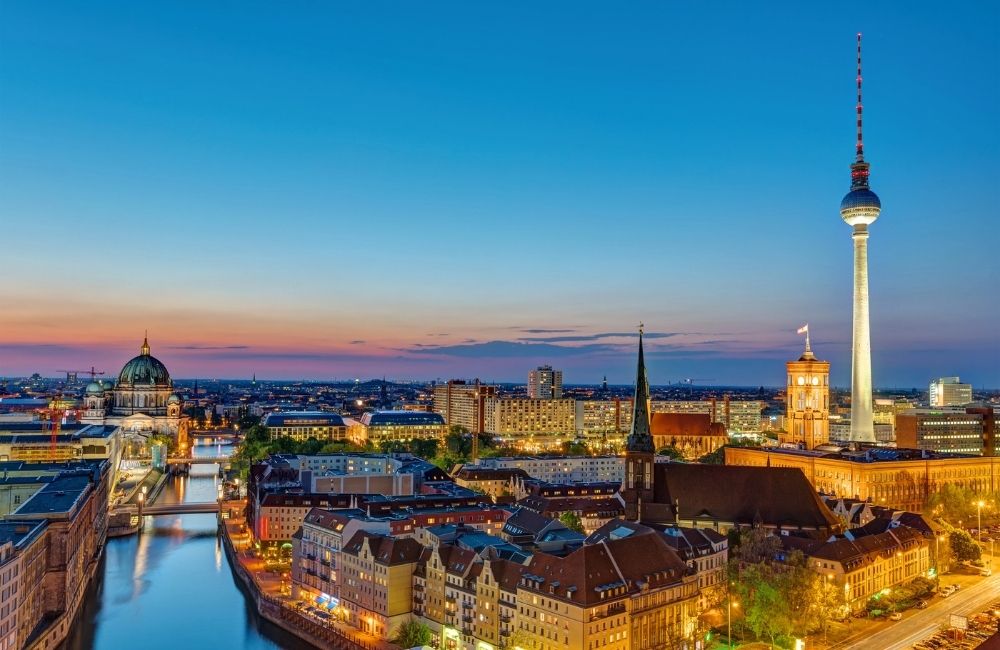
capital of germany BerlinWith its deep historical roots, rich cultural heritage, and innovative spirit, Berlin is one of Europe's most visited cities. From monuments bearing the scars of World War II to remnants of the Cold War era, from world-famous museums to lush parks, every corner holds a different story. History buffs, art lovers, nature enthusiasts, and adventurers; Berlin offers an experience for everyone. In this guide, we've compiled the top 200 must-see destinations in Berlin for travelers. We've created a comprehensive exploration route including museums, monuments, parks, historical sites, neighborhoods, and hidden treasures. Whether you're visiting Berlin for the first time or returning, this list will inspire you.
Historical Places to Visit in Berlin
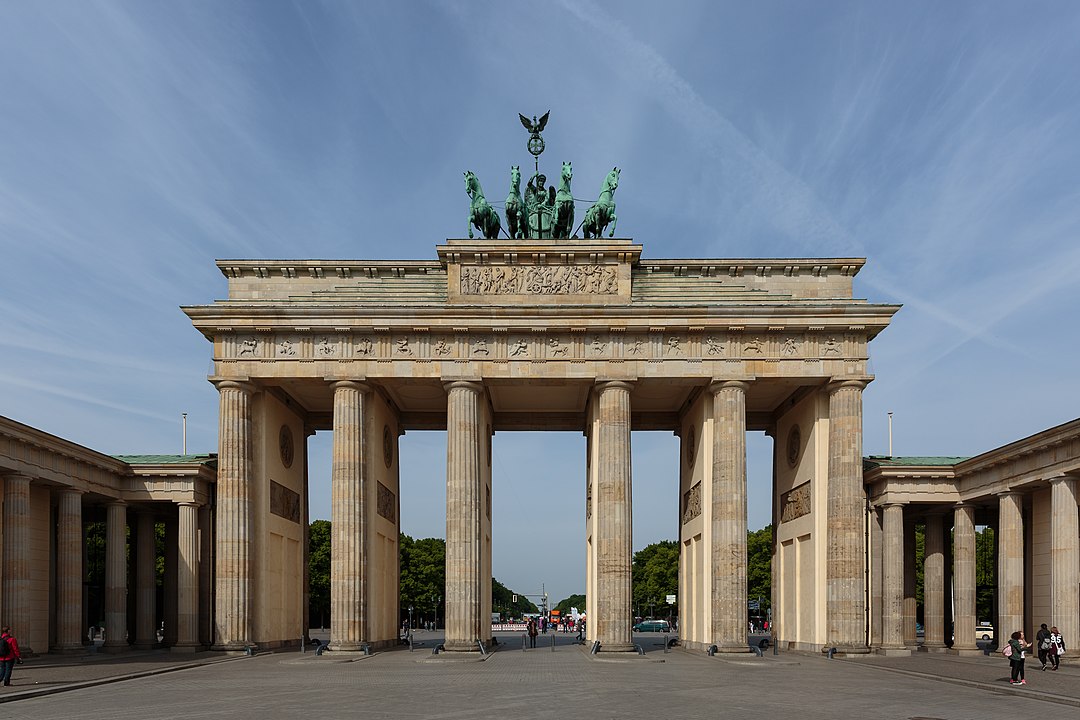
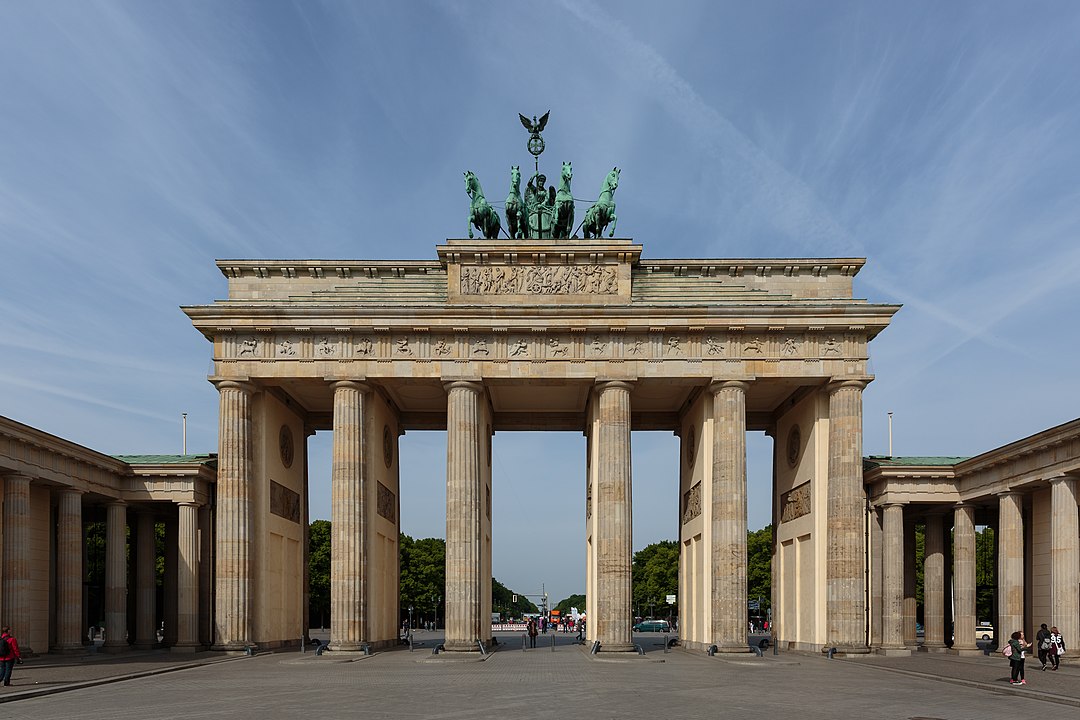
Brandenburg Gate
The first symbol that comes to mind when Berlin is mentioned. Brandenburg GateIt is the city's most iconic structure. Completed in 1791, this monumental gate rises at the western end of Pariser Platz square. Located directly on the border between East and West Berlin during the Cold War, it has become the most powerful symbol of Germany's reunification. Designed in neoclassical style, the gate is topped by a statue of Victoria, the Goddess of Victory, riding a chariot drawn by four horses. Its nighttime illumination creates a captivating atmosphere. Brandenburg Its entrance is one of the top spots where every traveler visiting Berlin takes a photo.
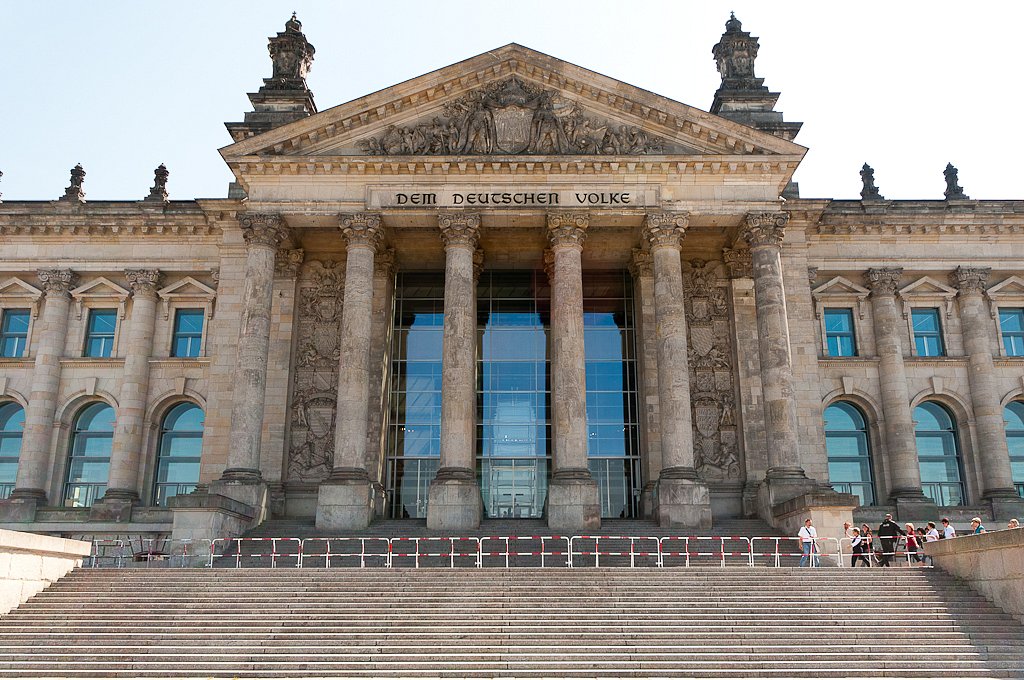
German Federal Parliament (Reichstag Building)
The heart of German democracy Reichstag The building has been the political center of Berlin since 1894. Severely damaged during World War II, it has been brought back to life with a glass dome designed by British architect Norman Foster. Visitors can ascend to the glass dome for free and enjoy a 360-degree view of Berlin. A panoramic view of the city accompanies you as you walk along the spiral ramp inside the dome. Online reservations are required in advance; it offers a spectacular experience, especially at sunset.
Topography of Terrorism
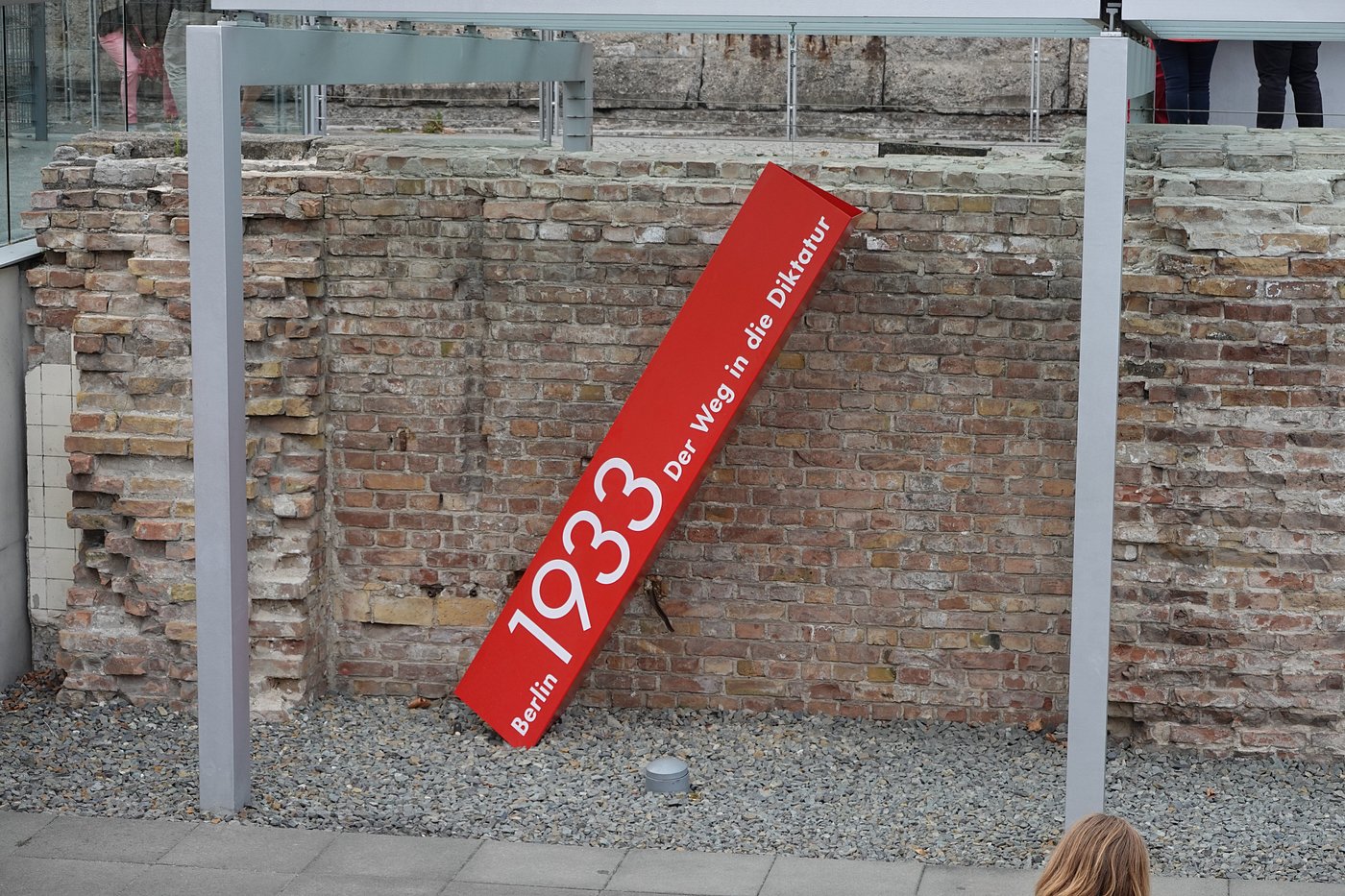
The Topography of Terror, documenting the dark history of the Nazi regime, is an open-air museum established on the site of the former headquarters of the Gestapo and SS. Located in the Kreuzberg district, this museum conveys the atrocities of 1933-1945 through photographs, documents, and information panels. The exhibition area consists of both indoor and outdoor sections; a preserved section of the Berlin Wall can also be seen here. Admission is free, and audio guides are available in numerous languages, including Turkish. It is a must-see stop for travelers interested in history, and the visit lasts approximately one and a half hours.
Holocaust Memorial
The murdered Europe This memorial, built in memory of the Jewish people, is located just south of the Brandenburg Gate. Opened in 2005, the memorial consists of 2.711 concrete blocks of varying heights and was designed by Peter Eisenman. The labyrinthine feeling created while walking between the blocks symbolizes a sense of getting lost and being alone. The information center located beneath the memorial displays the personal stories and documents of Holocaust victims. Entry to the open-air area is free at all times; visiting the underground information center is free, but closing hours should be noted.
Berlin Wall Memorial
Lying on Bernauer Strasse Berlin Wall MemorialIt houses some of the most striking remnants of the Cold War era. The preserved section of the wall that divided the city from 1961 to 1989 is on display, along with the watchtower and death strip. The visitor center recreates the atmosphere of the time with documentary films and interactive exhibits. Walking through the open-air exhibition, you can learn the stories of the people who lost their lives trying to cross the wall. This free memorial is one of the most impactful ways to understand Berlin's divided past.
Charlottenburg Palace
Charlottenburg Palace, Berlin's largest and most magnificent palace, was built at the end of the 17th century for Queen Sophie Charlotte of Prussia. Its rooms, decorated in Baroque and Rococo styles, captivate visitors with their porcelain collection and gilded ceiling decorations. The gardens behind the palace offer a peaceful strolling area, a blend of English and French garden styles. The Christmas market set up in the palace gardens during the winter months creates a special atmosphere. Although a little distance from the city center, it is easily accessible and a visit worth dedicating half a day to.
Checkpoint Charlie
Checkpoint Charlie, the most famous border crossing point between East and West Berlin during the Cold War, is now an open-air museum. Replicas of American and Soviet military checkpoints, along with historical photographs, reflect the tense atmosphere of the time. The adjacent Checkpoint Charlie Museum showcases the ingenious escape methods used to cross the wall. The area is quite touristy and surrounded by souvenir shops and cafes. While it's a great spot for a short break, its historical significance makes it a must-see in your Berlin itinerary.
Potsdamer Square
Once an empty battlefield, Potsdamer Square has been transformed into Berlin's most modern and dynamic square after reunification. Contemporary buildings designed by renowned architects such as Renzo Piano and Helmut Jahn, with their glass and steel structures, offer a forward-looking vision of the city. Sitting under the impressive glass roof of the Sony Center is a captivating experience, especially in the evenings with its play of light. A film museum, shopping centers, and numerous cafes are located here. It is one of the places that best conveys the contrast between Berlin's past and future.
Alexander Square
Alexanderplatz, Berlin's largest and most vibrant square, is the heart of the city. The World Clock, a relic from the East Berlin era, is the square's most recognizable landmark and a popular meeting point. It's surrounded by numerous shopping centers, hotels, and public transport links. Located right next to the Television Tower, the square is a popular starting point for many Berlin tours. With lively street musicians and vendors, it always has a bustling and energetic atmosphere.
Gendarmenmarkt Square
Gendarmenmarkt, considered Berlin's most elegant square, houses three magnificent structures: the German Cathedral, the French Cathedral, and the Konzerthaus concert hall. Established in an area settled by French Huguenot immigrants in the 18th century, the square, with its Neoclassical architecture, resembles an open-air art gallery. It hosts open-air concerts and events during the summer months. The Christmas market, held in December, is considered one of the most romantic Christmas markets in Europe. Sitting in the cafes surrounding the square and admiring its beauty is a pleasure in itself.
Palace of Tears
Located next to Friedrichstrasse train station, the Palace of Tears was a border crossing point during the Cold War where East Germans crossed into the West. It takes its name from the tears shed by families bidding farewell. Now a museum, it tells the human dimension of the division through striking documents, personal stories, and original artifacts. Admission is free, offering a deeply emotional experience. It's a little-known but incredibly impactful museum that anyone wanting to understand Berlin's history of division should definitely visit.
Victory Column (Siegessäule)
Rising in the heart of Tiergarten Park, the Victory Column was erected in 1873 to commemorate Prussia's military victories. Atop the 67-meter-high column is a gleaming statue of Victoria. Those who climb the 285-step spiral staircase are rewarded with breathtaking views of Tiergarten's greenery and the Berlin skyline. It becomes one of Berlin's most popular celebration spots, especially on New Year's Eve. The golden statue shimmering in the sunlight creates a striking sight even from afar.
Hackesche Höfe
Located in the Mitte district, Hackesche Höfe is Germany's largest courtyard complex, consisting of eight interconnected courtyards. Built in 1906, the building is notable for its Art Nouveau-style colorful ceramic facade. The courtyards house independent design shops, art galleries, cinemas, and cafes. Each courtyard has its own unique character; in one you might discover street artists performing, while in another you might find a quiet gallery. The atmosphere of the courtyards, especially when illuminated in the evenings, is captivating.
Hohenschönhausen Memorial Prison
Hohenschönhausen, the former Stasi detention center, reveals the darkest side of the Cold War era. Although located a little outside the city center, guided tours by former inmates offer a unique and unsettling experience. Seeing the cells, interrogation rooms, and isolation sections concretely demonstrates what totalitarian regimes can do to humanity. The building cannot be visited without a guided tour, and English-language tours are available. One of Berlin's most impactful museums, this is a visit that requires emotional preparation.
Oberbaumbrücke (Oberbaum Bridge)
The Oberbaumbrücke, connecting Kreuzberg and Friedrichshain over the Spree River, is Berlin's most photogenic bridge. Resembling medieval castles with its red brick Neo-Gothic towers, the structure was actually built in 1896. The U1 metro line running across the bridge adds an extra visual appeal. katarThe bridge, which was used as a border crossing point during the Cold War, can now be crossed by pedestrians, cyclists, and the metro. Photographs taken from the riverbank at sunset are postcard-perfect.
Neue Wache (New Police Station)
Located on Unter den Linden, the Neue Wache is Germany's central memorial dedicated to the victims of war and tyranny. Designed by Karl Friedrich Schinkel in 1818, the neoclassical structure houses a statue of Käthe Kollwitz holding her deceased son. Rain and snow cascading down from the open ceiling onto the statue create a powerful emotional impact. Offering a small but profoundly intense experience, this memorial leaves a deep impression even with just a few minutes' visit.
Führerbunker (Hitler's Bunker) Area
The site of the underground bunker where Hitler spent his final days and committed suicide appears today as an ordinary parking lot and residential block. Only an information board is visible above ground. There has been no deliberate attempt at memorialization; this policy reflects Germany's commitment to not glorifying Nazism. While the site is intriguing due to its historical significance, a visit doesn't include any physical structures to showcase. Nevertheless, the information board and the walk around it offer a thought-provoking experience for history enthusiasts.
Humboldthai Sanctuary Tower
Built for air defense during World War II, the Humboldthai Shelter Tower, although partially destroyed in the post-war period, still stands. The top of the remaining section offers views of Mitte and Prenzlauer Berg, and the structure, covered in wild vegetation, is a striking example of how nature has healed the scars of war. Guided tours of the underground sections can be taken, explaining the civilian shelter experience during the war. Located within Volkspark Humboldthai, this structure is for those who want to explore Berlin from a different perspective, deviating from the standard tourist route.
Bebel Square
Bebel Square, located on Unter den Linden, is the site of the Nazi book burning ceremony in 1933. Looking down through the glass floor panel in the center of the square, one can see an underground library made up of empty white shelves. This installation by Micha Ullman symbolizes the 20.000 books burned and is extremely striking. Humboldt University, St. Hedwig Cathedral, and the State Opera House are situated nearby. Although a short stop, its significance makes it one of Berlin's most thought-provoking locations.
Schloss Köpenick (Köpenick Palace)
Located on an island in the Dahme River, Köpenick Palace has a calmer and more intimate atmosphere than other well-known Berlin palaces. The Baroque-style palace houses a branch of the Kunstgewerbemuseum (Museum of Decorative Arts), showcasing Renaissance and Baroque furniture, silverware, and textiles. A stroll through the palace gardens overlooking the river is a peaceful experience. Combined with a visit to Köpenick's Old Town, it creates a delightful full-day program.
Boxhagener Square
Boxhagener Square, the heart of the Friedrichshain district, is a popular weekend meeting point for locals. An organic farmers' market is held there on Saturdays, and a flea market on Sundays. The cafes and bars surrounding the square create a lively atmosphere from morning till night. It's an ideal spot for those who want to experience authentic Berlin neighborhood life, far from the typical touristy atmosphere. Relaxing on the grass and reading a book or spending time in the children's playground in the park are also delightful options.
Liebermann Villa
The summer house of Impressionist painter Max Liebermann on the shores of Lake Wannsee is now open to visitors as a museum and garden. The villa displays the artist's works and life, while the garden on the lake shore seems to have sprung from one of his paintings. Viewing Liebermann's famous paintings depicting the garden while standing in the very garden offers a unique experience. It can be combined with other points of interest around Lake Wannsee. It is a quiet, small, and intimate museum, perfect for those seeking a Berlin experience away from the crowds.
Savigny Square
Savigny Square, located in the Charlottenburg district, is a symbol of intellectual and bourgeois Berlin. This elegant square, clustered around bookstores, antique shops, and galleries, is a meeting point for literary and artistic circles. The cafes and brasseries surrounding the square are ideal for long breakfasts and evening aperitifs. It's within walking distance of Ku'damm and reflects the sophisticated atmosphere of West Berlin. It's a great choice for a quiet and cultural break after the crowded tourist spots.
Dorotheenstadt Cemetery
Nestled quietly in the Mitte district, this historic cemetery is the resting place of some of Germany's most famous figures. Bertolt Brecht, Hegel, Heinrich Mann, and architect Karl Friedrich Schinkel are buried here. A peaceful stroll under the shade of the trees will introduce you to giants of German cultural and philosophical history. Like Paris's Père Lachaise Cemetery, it is both a monument and a park. Away from the crowds, it's a special place that invites contemplation and offers a different perspective on Berlin's cultural depth.
Sinti and Roma Genocide Memorial
Located in Tiergarten near the Brandenburg Gate, this monument commemorates the massacre of Sinti and other Christians by the Nazi regime. Rome It commemorates the victims of the genocide against their people. Designed by Dani Karavan, the circular pool is surrounded by a triangular stone platform with a fresh flower in the center. Violin music can be heard around the pool, and plaques bearing the names of the victims are displayed. This monument, with its deeply emotional and peaceful atmosphere, is often overlooked by tourists but is well worth a visit.
Grimm Central Library
The Jacob-und-Wilhelm-Grimm-Zentrum, belonging to Humboldt University, is Berlin's most impressive modern library. Its interior, with its stepped reading room and geometric layout, is a favorite among photographers. Open shelves, natural light, and minimalist design make it a highly inspiring workspace. Public access is available, and it's a must-see for architecture enthusiasts. Located near Unter den Linden, it offers an architectural delight even with a short visit.
Berlin City Hall (Humboldt Forum)
Opened in 2021, the Humboldt Forum is a massive cultural center located in the reconstructed Berlin City Hall. The Baroque-style reconstructed exterior presents an interesting contrast with the modern interior. It houses the Museum of Ethnology and... Asia The Art Museum collections are displayed here. The rooftop terrace offers spectacular views of Museum Island and Berlin Cathedral. It has rapidly gained popularity as Berlin's newest cultural attraction and is easily accessible thanks to its central location.
Bellevue Palace
Bellevue Palace is located on the banks of the Spree River, on the edge of Tiergarten. Germany This is the official residence of the President. Built in 1786, the Neoclassical structure is an elegant palace worth seeing from the outside, even if entry is not permitted. The spacious lawn and Tiergarten promenades in front of the palace offer a tranquil atmosphere. If the presidential flag is flying, it means the President is at the palace. It's a short but elegant stop that can be included in your itinerary during a visit to Tiergarten.
Köpenick Old Town
Located southeast of Berlin, at the confluence of the Spree and Dahme rivers, Köpenick is a charming suburban town that has preserved its medieval atmosphere. Köpenick Palace, with its Baroque interior and decorative arts collection, is open to visitors. The narrow streets of the old town, the fishermen's houses, and the riverside restaurants offer a peaceful atmosphere. It is also known for the famous story of the Captain of Köpenick. It is an ideal escape for a quiet day out, far from the noise of the big city.
World Time
Located in the center of Alexanderplatz, the Earth Clock is an iconic structure erected by East Germany in 1969, displaying all the time zones of the world. Its rotating superstructure features models of the planets. Used as a meeting point by Berliners, it is particularly striking at night with its illumination. Along with the Television Tower, it forms one of the two symbols of Alexanderplatz. It's an ideal meeting point for a short photo break and to observe the square.
Spandau Castle (Zitadelle Spandau)
Located in Berlin's Spandau district, the Zitadelle is one of Europe's best-preserved Renaissance castles. Built in the 16th century, the castle now serves as a museum, exhibition space, and event venue. It houses exhibits on medieval weapons, city history, and a bat sanctuary. During the summer months, it hosts open-air concerts and festivals. Although somewhat distant from the city center, it's easily accessible and offers a different side of Berlin for a half-day exploration.
Kollwitz Square
Located in the heart of Prenzlauer Berg, Kollwitz Square is the most elegant square in the district. It is named after the German painter and sculptor Käthe Kollwitz, and a statue of the artist stands in the square. The organic farmers' market, held every Saturday, is filled with fresh bread, cheese, flowers, and local produce. The cafes and restaurants surrounding the square are ideal for a delightful brunch. With its pastoral atmosphere and tree-lined streets, it offers a tranquil experience in one of Berlin's most livable areas.
Glienicke Bridge (Bridge of Spies)
Berlin and Potsdam The Glienicke Bridge, spanning the Havel River, is famous for being the location of spy exchanges between the United States and the Soviet Union during the Cold War. The middle of the bridge precisely marked the border between the two Germanys. This historic site, which was also the subject of Steven Spielberg's film Bridge of Spies, may seem like an ordinary bridge open to pedestrian and vehicle traffic today, but its meaning is profound. It can be combined with a day trip to Potsdam.
Jüdischer Friedhof Weißensee (Weissensee Jewish Cemetery)
Weissensee, Europe's largest Jewish cemetery, offers an impressive historical site with over 115.000 graves. Opened in 1880, the cemetery is notable for its Art Nouveau and Neoclassical mausoleums. Gravestones covered in trees and ivy silently tell the story of the passage of time. With its calm and contemplative atmosphere, it is one of Berlin's least known but most striking places. Men are required to wear headscarves during visits; entry is free.
Rathaus Schöneberg (Kennedy Public Square)
Schöneberg Town Hall, where US President John F. Kennedy delivered his "Ich bin ein Berliner" (I am a Berliner) speech in 1963, is a significant symbol of Cold War history. The square in front of the building is now called John-F.-Kennedy-Platz. Inside, photographs and documents related to Kennedy's visit are displayed. Because the building is still used as an active town hall, the interior can only be visited during limited hours. It's a short but historically significant visit.
Breitscheid Square
Breitscheid Square in the heart of West Berlin is a bustling square centered around the Kaiser Wilhelm Memorial Church. The Europa Center shopping mall and various hotels are situated around the square. The Christmas market, set up during the New Year's period, is one of Berlin's largest and most popular. The modern architecture of the square... fountain And this area, filled with statues, is a meeting point in West Berlin. Ku'damm is a natural stop for a break before or after shopping.
Tempelhof Airport (Former Tempelhof Airport Building)
Construction of Tempelhof Airport, begun in 1927 and expanded during the Nazi era, is one of the world's largest historical buildings. The massive, semi-circular terminal building reflects the architectural power and megalomania of its time. Playing a vital role during the Berlin Airlift, the airport closed in 2008. Guided tours allow visitors to explore the building's interior, underground tunnels, and control tower, offering a unique experience for those interested in architectural and aviation history.
Helmholtz Square
Helmholtz Square, one of Prenzlauer Berg's most authentic squares, is a beloved meeting point for the neighborhood's young families and creative community. It's surrounded by a children's playground, independent cafes, and small shops. Compared to Kollwitzplatz, it has a less touristy and more local atmosphere. In the evenings, the bars and small restaurants around the square come alive. It's the perfect place for those who want to experience Berlin's vibrant neighborhood culture in an authentic way.
Molecule Man Statue
Rising 30 meters in the middle of the Spree River, the Molecule Man sculpture is the work of American artist Jonathan Borofsky. Composed of three giant human figures leaning against each other, the sculpture symbolizes the three interconnected districts of Berlin. The perforated structure of the aluminum figures alludes to the molecular structure of the human body. It is best seen from Oberbaumbrücke and Treptower Park. One of Berlin's most iconic modern art installations on the Spree, it is a favorite among photography enthusiasts.
Berliner Funkturm (Radio Tower)
Built in 1926, the Berliner Funkturm is also known as West Berlin's own 'Eiffel Tower'. This 150-meter-high steel tower is located near the Messe Berlin exhibition grounds. Its 55-meter-high restaurant level and 126-meter observation platform are open to visitors. While not as famous as the Television Tower, its nostalgic structure and less crowded atmosphere offer a different viewing experience. Reflecting the industrial aesthetic of the 1920s, this tower is one of West Berlin's lesser-known landmarks.
Wannsee Conference House
The villa where Nazi officials held a meeting in 1942 to plan the systematic extermination of Jews now serves as a museum and educational center. Located on the shores of Lake Wannsee, this beautiful villa is deeply disturbing as it was the site of one of history's most horrific decisions. The exhibition details the conference documents, profiles of the participants, and the process of implementing the Holocaust. Admission is free. The contrast between the beauty of the lakeside and the dark history the building embodies leaves an unforgettable impression on visitors.
Haus am Waldsee
Located in the Zehlendorf district near Schlachtensee, this villa is a private museum hosting contemporary art exhibitions. The 1920s villa offers a peaceful setting for a modern art experience with its garden overlooking the lake. The changing exhibitions generally focus on international contemporary artists. The sculpture park in the garden is free to visit. Combined with a swim or walk in Schlachtensee, it makes for a wonderful day trip.
Berlin Hauptbahnhof (Main Train Station)
Opened in 2006, Berlin Hauptbahnhof is one of Europe's largest and most modern train stations. Its five-story glass and steel structure serves 300.000 passengers daily. Architecturally impressive, the station resembles a modern cathedral with its massive glass facade and open interior. Shopping opportunities, restaurants, and its proximity to the Reichstag and the Spree River make it worth visiting even outside of its transport links.
Schöneberg Gasometer
The former gas storage buildings rising in the Schöneberg district are impressive examples of industrial architecture. Their steel frame structure creates a striking silhouette, especially at night with the lighting. The surrounding EUREF campus reflects Berlin's future vision as a hub for sustainable energy and technology companies. Even from the outside, this industrial relic is worth photographing and is one of the symbols of Berlin's transformation story.
Invalidenfriedhof (Invalidenstraße Cemetery)
Invalidenfriedhof, Berlin's oldest military cemetery, is a historic site where important figures from Prussian generals to soldiers of the Weimar Republic and the Nazi era are buried. Much of it was destroyed during the Cold War because the Berlin Wall ran through it. Today, it is a peaceful memorial site, partially restored. It is easily accessible via a short detour from Hauptbahnhof (main train station).
Plötzensee Monument
Plötzensee is the site of the prison where the Nazi regime executed political prisoners. Between 1933 and 1945, more than 3.000 people were executed here. Today, the preserved remains of the execution chamber and a memorial wall are open to visitors. This remarkably simple yet powerful monument leaves a profound impact on visitors. It is located in the Wedding district, near Tegeler See, and offers free entry.
Ernst-Thälmann-Park and Monument
Located in the Prenzlauer Berg district, this park is notable for its enormous bust of Ernst Thälmann, a relic from the East German era. The size of the Soviet-style socialist realist sculpture and the residential blocks behind it vividly illustrate the urban planning of the GDR period. The park also features playgrounds and sports facilities. It is one of the rare places where you can still physically see the ideological legacy of East Berlin.
Flakturm Humboldthai
Located within Volkspark Humboldthai, this World War II bunker tower, in its partially ruined state, is the park's most striking feature. Climbing to the top offers views of Mitte and Wedding. Guided tours are available to explore the interior, explaining how civilians sought shelter there during the war. The concrete structure, surrounded by vegetation, is a powerful symbol of how the scars of war have blended into nature over time.
Rathaus Rotes (Red Town Hall)
Located near Alexanderplatz, the Rotes Rathaus (Red Rathaus) is one of Berlin's iconic landmarks, with its characteristic red brick facade. Completed in 1869, the building is the official office of the Mayor of Berlin. The terracotta frieze on the facade depicts scenes from Berlin's history. The interior is open to visitors during limited hours, and the grandeur of the Great Hall is well worth seeing. It's a stop that naturally complements a trip to Alexanderplatz and Nikolaiviertel.
Schloßbrücke (Palace Bridge)
The Schloßbrücke, where Unter den Linden connects to Museum Island, is one of Berlin's most beautiful bridges, designed by Karl Friedrich Schinkel. Eight marble sculptures line its railings, depicting warrior figures and mythological scenes. This elegant bridge over the Spree River offers spectacular views of Berlin Cathedral, Humboldt Forum, and Museum Island. It provides a perfect spot for a scenic continuation of the Unter den Linden walk and a great photo stop.
Sachsenhausen Concentration Camp Memorial
Located in Oranienburg, 35 kilometers north of Berlin, Sachsenhausen was built as a prototype of the Nazi concentration camp system. Between 1936 and 1945, more than 200.000 people were imprisoned here, and tens of thousands lost their lives. Today, it is preserved as a memorial museum; visitors can explore the barracks, execution area, and medical experiment rooms. It can be reached from Berlin in about an hour by S-Bahn and suburban train. It is an extremely important visit for those who want to gain a deep understanding of Holocaust history, but one that requires emotional preparation.
Religious Sites to Visit in Berlin
Berlin Cathedral (Berliner Dom)
Rising next to Museum Island, Berlin Cathedral is the city's most magnificent religious building. Completed in 1905, the Renaissance-Baroque cathedral, with its 98-meter-high dome, leaves its mark on the Berlin skyline. Its interior is filled with gilded mosaics, a massive organ, and the sarcophagi of the Hohenzollern dynasty. Climbing to the dome offers a panoramic view of Berlin; although the 270 steps are tiring, the view more than compensates. In the summer months, relaxing in Lustgarten Park in front of the cathedral and spending time by the river is a special pleasure.
Kaiser Wilhelm Memorial Church
Located at the beginning of Kurfürstendamm Boulevard, the Kaiser Wilhelm Memorial Church is a vivid reminder of the destructive power of war. Bombed during World War II, the church was deliberately left in its ruined state, and a modern blue glass chapel was added next to it. The contrast between the old and the new is striking, both architecturally and historically. The interior of the modern chapel is filled with a mystical atmosphere, illuminated by light filtering through thousands of blue glass panels. Situated in Breitscheidplatz square, the church is one of West Berlin's iconic landmarks.
St. Mary's Church (Marienkirche)
Located near Alexanderplatz, Marienkirche is one of Berlin's oldest surviving churches. Dating back to 1270, it showcases a beautiful example of Gothic architecture. The Dance of the Dead fresco inside is a rare and striking example of medieval art. Offering free entry, the church is situated right next to the Television Tower and is often overlooked. It offers a quiet and peaceful setting, well worth a short but meaningful visit.
Nikolaikirche (St. Nikolai Church)
Rising in the heart of Nikolaiviertel, the double-towered Nikolaikirche is Berlin's oldest church. Construction began in 1230, symbolizing the city's founding. Today, the church serves as a museum, hosting exhibitions on Berlin's medieval history and regular concerts. Its brick Gothic architecture is noteworthy. It's a few minutes' walk from Alexanderplatz and, when combined with a visit to Nikolaiviertel, makes for a short but enjoyable historical tour.
St. Hedwig's Cathedral
Located in Bebelplatz square, St. Hedwig's Cathedral is Berlin's oldest Roman Catholic church. It is notable for its round dome, designed with inspiration from the Pantheon in Rome. Completed in 1773, the building was damaged during World War II and subsequently rebuilt in a modern style. The interior has a simple and peaceful atmosphere. Bebelplatz, along with Humboldt University and the State Opera, is part of the Forum Fridericianum.
Gethsemane Church
Gethsemane Church in Prenzlauer Berg has gone down in history as a key center of the 1989 Peaceful Revolution. In the weeks before the fall of the Berlin Wall, the opposition movement gathered here and held candlelight vigils. Its red brick Neo-Gothic structure is also architecturally remarkable. The church remains an active place of worship today and hosts exhibitions commemorating the peace movement.
Gedächtniskirche (Memorial Church) Blue Chapel
Built in 1961 next to the Kaiser Wilhelm Memorial Church, the modern blue glass chapel is a design by Egon Eiermann. Light filtering through the walls, composed of thousands of blue glass blocks, creates a mystical and peaceful atmosphere inside. The changing shades of blue at different times of day are captivating. The contrast between the raw texture of the ruined old church and the modern chapel powerfully symbolizes the themes of war and rebirth.
French Cathedral (Französischer Dom)
Located on the north side of Gendarmenmarkt square, the French Cathedral was built in the 17th century by French Huguenots who sought refuge in Berlin. Its observation platform in the tower offers magnificent views of the square and surrounding area. Inside, the Huguenot Museum tells the history of the Protestant community that emigrated from France. Together with the German Cathedral opposite, it adds a symmetrical elegance to the square. Although the climb up the stairs is a bit tiring, the view from the top is well worth it.
New Synagogue (Neue Synagoge)
The New Synagogue on Oranienburger Strasse, with its golden Moorish-style dome, is one of Berlin's most striking religious buildings. Opened in 1866, the synagogue was damaged during the Kristallnacht pogrom and largely destroyed during World War II. Today, it serves as a museum and memorial center, partially restored. The exhibition inside tells the history of Berlin's Jewish community. The grandeur of the dome is striking even from afar and is a visual symbol of the city's multifaceted history.
Museums to Visit in Berlin
Museum Island
Museum Island, a UNESCO World Heritage site, houses five major museums on an island in the Spree River. The Pergamon Museum, the Bode Museum, the Old National Gallery, the New Museum, and the Old Museum are all located here. Ancient Greek, MisirIt houses unique artifacts from Babylonian and Byzantine civilizations. With a Museum Card, you can enter all museums with a single ticket, and this card is an economical option. Visiting all museums in one day can be quite tiring; therefore, it is recommended to choose two or three museums that interest you the most.
Pergamon Museum
Pergamon, the most popular museum on Museum Island, displays some of the most impressive artifacts from antiquity. Named after the ancient city of Pergamon in Anatolia, the museum houses magnificent reconstructions of the Ishtar Gate of Babylon, the Market Gate of Miletus, and the Altar of Pergamon. The blue-glazed bricks and reliefs of the Ishtar Gate, in particular, captivate visitors. The museum may be partially closed due to extensive restoration work; it is recommended to check the current status before visiting. TurkeyFor Turkish travelers, seeing the artifacts taken from there in their original locations is also a meaningful experience.
DDR Museum
The GDR Museum, offering an interactive experience of daily life in East Germany, is located on the banks of the Spree River, opposite Museum Island. Visitors can ride in a Trabant car simulation, tour a typical East German apartment, and touch period objects. The museum, which depicts how people lived, ate, drank, and listened to music during the Cold War, is a highly enjoyable experience, especially for young people and curious travelers. You can spend about an hour and a half happily in this small but richly detailed museum.
German Historical Museum
Located on Boulevard Unter den Linden, the German Historical Museum displays Germany's two-thousand-year history chronologically. Housed in the Baroque-style Zeughaus building and a modern annex designed by IM Pei, the museum boasts a rich collection spanning from the Middle Ages to the present day. Through weapons, clothing, documents, and works of art, it tells the story of pivotal moments in German history. Ideal for both history buffs and general culture enthusiasts, it is one of Berlin's most comprehensive historical museums.
New Museum (Neues Museum)
Located on Museum Island, the New Museum is particularly renowned for its Ancient Egyptian collection. Its most prized artifact is the 3.300-year-old Bust of Nefertiti, a reason in itself to visit. Meticulously restored by David Chipperfield, the building boasts a unique atmosphere where historical architecture is blended with modern museology. Its prehistory and early history collections are also extensive. Because the museum is often crowded, it's recommended to visit early in the morning or on weekdays.
Natural History Museum (Museum für Naturkunde)
Housing the world's largest dinosaur skeleton, the Berlin Natural History Museum is a fantastic discovery for science enthusiasts and families. The 13-meter-tall Brachiosaurus skeleton greets you in the museum's entrance hall. The mineral collection, bird specimens, and evolution exhibit are also worth seeing. Interactive exhibits provide hours of fun for children. Located on Invalidenstrasse, the museum is easily accessible due to its central location.
Computer Games Museum (Computerspielemuseum)
Located on Karl-Marx-Allee in Friedrichshain, the Computer Games Museum interactively showcases 60 years of video game history. It features over 300 exhibits and more than 30 playable stations, ranging from Pong to modern virtual reality games. Playing classic games on retro consoles is both a nostalgic and fun experience, offering a perfect alternative for children and teenagers, especially on rainy days. It's one of Berlin's most entertaining museums for anyone interested in gaming culture.
Old Museum (Altes Museum)
Designed by Karl Friedrich Schinkel, the Altes Museum is the most elegant example of Neoclassical architecture on Museum Island. Opened in 1830, the museum displays works of ancient Greek and Roman art. The Rotunda section, inspired by the Roman Pantheon, is an architectural masterpiece in itself. Sculptures, vase collections, and jewelry showcase the aesthetic sensibilities of the ancient world. While Pergamon and the New Museum are generally more popular attractions on Museum Island tours, the Altes Museum is the most architecturally impressive.
Bode Museum
Located at the confluence of the Spree River and the northern end of Museum Island, the Bode Museum, with its Baroque facade, offers a magnificent view when seen from the river. It stands out with its collection of Byzantine art, sculptures, and coins. Its sculpture collection, in particular, is among the richest in Europe. Even the museum's entrance hall is a work of art in itself. It is ideal for those seeking a peaceful museum experience due to its less crowded atmosphere.
Jewish Museum Berlin
Designed by Daniel Libeskind, the Berlin Jewish Museum offers a profoundly impactful space, both architecturally and in terms of content. The zigzag-shaped building, with its sharp angles and voids, symbolizes loss and absence. Inside, the exhibits document two millennia of Jewish-German history, telling stories through objects and personal narratives. Installations such as the Holocaust Tower and the Garden of Exile offer physically immersive experiences. Located in the Kreuzberg district, the museum is one of Berlin's most important cultural institutions.
German Technical Museum (Deutsches Technikmuseum)
Spanning 25.000 square meters in the Kreuzberg district, the German Technical Museum boasts a rich collection on aviation, railways, maritime history, and printing. The American aircraft on its roof symbolizes the Berlin Airbridge and is eye-catching even from afar. Life-sized locomotives, ships, and airplanes are on display. The adjacent Science Center Spectrum offers over 150 interactive experiments. It's a fantastic museum for those interested in technology and engineering, as well as families with children, offering a great opportunity to spend more than half a day there.
Deutsches Spionagemuseum (German Spy Museum)
Located near Potsdamer Platz, the Espionage Museum tells the history of espionage through interactive exhibits. It showcases espionage activities in Cold War-era Berlin, code-breaking machines, hidden cameras, and disguise techniques. Interactive sections such as the laser maze and code-breaking stations are fun for both adults and children. It's a great museum to understand why Berlin is known as the espionage capital. It's also an alternative destination to enjoy for a few hours on a rainy day.
Brohan Museum
Located near Charlottenburg Palace, the Brohan Museum showcases decorative arts from the Art Nouveau, Art Deco, and Functionalism periods. Filled with furniture, porcelain, glass, and paintings, this small but unique museum vividly presents the aesthetic sensibilities of the early 20th century. Its proximity to the Museum Berggruen makes it easy to visit both museums together. It's an excellent choice for those seeking a lesser-known but high-quality museum experience.
Allied Museum
Located in the Dahlem district, the Allied Museum documents the American, British, and French military presence in West Berlin during the Cold War. The original Checkpoint Charlie booth is on display here. The Berlin Airlift, the spy tunnel, and the role of the Western allies are explained in detail. Admission is free, and it is usually not very crowded. It is a little-known but extremely informative museum for those interested in Cold War history.
German-Russian Museum (Deutsch-Russisches Museum)
Located in the Karlshorst district, this museum is housed in the historic building where Nazi Germany's unconditional surrender was signed. The surrender ceremony, which ended World War II in Europe on May 8, 1945, took place in this hall. The original surrender hall is preserved and open to visitors. German-Soviet relations and the Eastern Front of the war are displayed in detail. Free to attend, the museum is a worthwhile destination for history enthusiasts, despite being far from the city center.
Hamburger Bahnhof (Museum of Contemporary Art)
Created by converting a former train station, Hamburger Bahnhof is Berlin's most important contemporary art museum. It exhibits works by artists such as Andy Warhol, Joseph Beuys, Anselm Kiefer, and Cy Twombly. Its spacious and bright exhibition halls are ideal for large-scale installations. Changing temporary exhibitions offer new discoveries with each visit. Its proximity to Berlin Hauptbahnhof makes it easily accessible. It is one of Berlin's must-see museums for modern art lovers.
Stasi Museum
Located in the Lichtenberg district, the museum, situated in the former headquarters of East Germany's secret police organization, the Stasi, reveals the inner workings of the surveillance state. The original office of Stasi head Erich Mielke is on display in its preserved state. Listening devices, hidden cameras, mail opening machines, and scent sample jars illustrate the extent of the surveillance technology. When visited together with the Hohenschönhausen Memorial Prison, it provides a complete picture of East Germany's repressive apparatus.
Brohan Museum
Located near Charlottenburg Palace, the Bröhan Museum focuses on the decorative arts of the Art Nouveau and Art Deco periods. Filled with furniture, glasswork, porcelain, and paintings, this small but meticulously curated museum vividly reflects the elegant aesthetic of the early 20th century. Along with the Museum Berggruen and the Scharf-Gerstenberg Collection, it forms Charlottenburg's museum triangle, offering a peaceful art experience as an alternative to the bustling Museum Island.
Georg Kolbe Museum
Located on the edge of the Grunewald Forest, this museum is housed in the former studio of German sculptor Georg Kolbe. Kolbe's bronze sculptures are displayed in the garden and the studio building. The building itself, constructed in the Bauhaus style, is a work of art. Changing temporary exhibitions also focus on contemporary sculpture. Along with the Olympiastadion and the Le Corbusier building, it forms the architectural and artistic triangle of West Berlin.
Museumsdorf Düppel (Düppel Museum Village)
Located near Zehlendorf, Düppel is an open-air museum that recreates 13th-century medieval village life. Wooden houses, farm fields, and old crafts are on display with live demonstrations. Children can participate in activities such as bread baking, wool spinning, and archery. Open only during the summer months, the museum village offers an educational and fun experience, especially for families with children. It's a relatively little-known but very enjoyable destination in Berlin.
Berggruen Museum
Located opposite Charlottenburg Palace, the Berggruen Museum exhibits works by giants of 20th-century art such as Picasso, Matisse, Klee, and Giacometti. Composed of works donated by private collector Heinz Berggruen, the museum boasts a small but exceptionally distinguished collection. Picasso's works from different periods are particularly noteworthy. Combined with a visit to Charlottenburg Palace, it makes for an excellent half-day program.
Berlin Wall Documentation Center
The Documentation Center, part of the Berlin Wall Memorial complex, is located in a multi-story building on Bernauer Strasse. From the rooftop terrace, you can enjoy a bird's-eye view of the protected section of the wall, the death strip, and the watchtower. Inside, the exhibition tells the story of the wall's construction and demolition through personal stories and archival footage. The terrace view allows you to see firsthand just how vast and impassable the wall strip was. It's a comprehensive visit that, along with the memorial area, requires at least two hours.
Art Centers to Visit in Berlin
East Side Gallery
East Berlin, the longest preserved section of the Berlin Wall. Side The gallery is a 1,3-kilometer-long open-air gallery. Painted in 1990 by 118 artists from around the world, the wall is home to magnificent graffiti dealing with themes of peace, freedom, and hope. Among the best-known works are Dimitri Vrubel's "Brotherly Kiss" and Birgit Kinder's "Trabant Crossing the Wall." Located on the banks of the Spree River in the Friedrichshain district, the gallery is open to visitors throughout the day. An ideal route for photography enthusiasts, this area reflects Berlin's most colorful and free spirit.
Old National Gallery (Alte Nationalgalerie)
The Old National Gallery on Museum Island houses some of the finest examples of 19th-century European art. The neoclassical, temple-style building is impressive even from the outside. Inside, works by masters such as Caspar David Friedrich, Claude Monet, Auguste Renoir, and Adolph Menzel are on display. The abundance of Impressionist and Romantic paintings offers a wealth of art that will keep art lovers entertained for hours. It is one of the most important stops to include in a Museum Island tour.
New National Gallery (Neue Nationalgalerie)
The New National Gallery, Mies van der Rohe's last masterpiece, is one of the purest examples of modernist architecture. With its massive glass walls and steel roof, the building seems to float in the air, showcasing 20th-century modern and contemporary art. Works by artists such as Picasso, Klee, Kirchner, and Dalí are included in the collection. Restored in 2021 by David Chipperfield, the building offers a double feast in terms of both architecture and art. Located near Potsdamer Platz, the gallery is a must-see for art-loving travelers.
Sammlung Boros (Boros Collection)
Boros, a collection of contemporary art housed within a massive concrete bunker dating from World War II, is one of Berlin's most unusual art venues. A private collection, the space can only be visited by prior reservation and guided tour. The contrast between the bunker's raw concrete walls and the modern artworks inside is captivating. Tours are usually booked weeks in advance, so early planning is essential. It's a unique and unrepeatable experience for art and history enthusiasts.
Berliner Philharmonie Castle Club Chamber Music Hall
The chamber music hall next to the Berlin Philharmonic building is designed for smaller, more intimate performances. Completed by Edgar Wisniewski, a student of Scharoun, the building is architecturally harmonious with the main hall. Concerts here are more affordable, offering the chance to see world-renowned musicians perform up close. It is an important part of the cultural axis around Potsdamer Platz.
Urban Spree Gallery and Culture Space
Urban Spree, near Warschauer Strasse, is a cultural hub offering street art, contemporary art exhibitions, and live music events. Converted from former industrial buildings, the space reflects Friedrichshain's creative spirit with its graffiti walls, open-air stage, and independent bookstore. During the summer months, it hosts open-air cinema and flea markets. It's the perfect place for those wanting to explore Berlin's independent art scene.
House of World Cultures
Located on the edge of Tiergarten, on the banks of the Spree, this striking building, with its characteristic curved roof, is one of Berlin's most recognizable modern buildings. Affectionately nicknamed the 'Pregnant Oyster' by Berliners, the building hosts international contemporary art, music, and performance events. The large pool in front and the Henry Moore statue add an aesthetic dimension to the view. With its changing exhibition and festival program, it offers a different experience with every visit.
Museumsinsel New Gallery (James-Simon-Galerie)
Designed by David Chipperfield, the James-Simon-Galerie opened in 2019 as the new entrance to Museum Island. Rising on the banks of the Spree River, this modern colonnaded structure blends ancient architecture with a contemporary interpretation. The building serves as a central hub for all museums on Museum Island, housing a café, museum shop, and temporary exhibition space. An architectural marvel in itself, it is one of the finest examples of the harmony between old and new in Berlin.
Pfefferberg Art and Culture Center
Created by transforming a former brewery in Prenzlauer Berg, Pfefferberg is a cultural complex housing art galleries, workshops, cafes, and event spaces. With its brick structures and courtyard, it's a beautiful example of the creative use of industrial heritage. It boasts a constantly vibrant atmosphere with changing exhibitions and performances. Its proximity to Schönhauser Allee makes it an ideal destination for exploring Prenzlauer Berg.
FEZ Berlin
Located in Wuhlheide Park, FEZ Berlin is Europe's largest non-profit center for children, youth, and families. It offers science workshops, theatre performances, space simulations, and creative play areas. Different thematic events are organized each season. With both indoor and outdoor activities, it guarantees fun regardless of the weather. A must-visit in Berlin. traveling with children It's a place that those who visit should definitely add to their itinerary.
Scharf-Gerstenberg Collection
This small museum in Charlottenburg is dedicated to surrealist and fantastic art. Its collection, ranging from Goya's engravings to works by Dalí, Max Ernst, and Magritte, is filled with pieces that push the boundaries of imagination. Located directly opposite the Museum Berggruen, the two museums can be visited together. It's one of Berlin's hidden gems for surrealist and fantastic art enthusiasts.
Kulturbrauerei
Kulturbrauerei, the former Schultheiss brewery in Prenzlauer Berg, is a cultural complex that boasts impressive brick buildings and is a remarkable example of industrial heritage. It houses a cinema, theatre, concert hall, cafes, and a GDR museum. Outdoor events are held in the courtyard during the summer months, and a Scandinavian-themed Christmas market in the winter. Even just strolling through the free-to-enter courtyard is enough to experience the historic atmosphere. It is located right in the heart of Schönhauser Allee.
Tempodrom
Located in the Kreuzberg district, Tempodrom is a multi-purpose event venue notable for its striking tent-shaped roof. It hosts concerts, shows, circus performances, and cultural events. With its acoustic quality and intimate atmosphere, it is one of Berlin's beloved concert halls. The Liquidrom thermal bath inside offers a unique saltwater swimming experience accompanied by underwater music and is also well worth a visit.
Martin-Gropius-Bau
Located in Kreuzberg, right next to the Topography of Terror Museum, the Martin-Gropius-Bau is one of Berlin's most prestigious exhibition spaces. Distinguished by its Renaissance-style decorations, the building hosts international art, photography, and culture exhibitions. Major exhibitions featuring artists such as Ai Weiwei and Frida Kahlo have been held here. Due to the constantly changing exhibition schedule, it's advisable to check the current program before visiting. With its architectural beauty and artistic content, it is a significant landmark on Berlin's cultural map.
Berliner Ensemble
The Berliner Ensemble, home to the legendary theatre company founded by Bertolt Brecht, is located on Schiffbauerdamm on the banks of the Spree River. This theatre, where Brecht's *The Threepenny Opera* was first performed, is one of the most important venues in German theatre history. Even from the outside, the building is striking with its Neobaroque architecture. For travelers who speak German, attending a performance will be a unique experience.
Berlin Philharmonic
Designed by Hans Scharoun, the Berlin Philharmonic is considered one of the world's finest concert halls. Home to the world-renowned Berlin Philharmonic Orchestra, the building represents the pinnacle of acoustic perfection with its amphitheater-style seating surrounding the stage. While its asymmetrical roof is striking from the outside, the interior creates a warm atmosphere with golden hues. Early booking is recommended as concert tickets sell out quickly. It's one of the ultimate cultural experiences music lovers can have in Berlin.
German State Opera House (Staatsoper Unter den Linden)
Located on Unter den Linden, the Staatsoper is one of Germany's most prestigious opera houses. Opened in 1742 and rebuilt several times, the building is notable for its magnificent Neoclassical facade. Inside, there is a hall with excellent acoustics and gold-gilded decorations. Programs featuring world-renowned orchestras and soloists run throughout the year. Even if you don't attend an opera or ballet performance, the building's exterior adds a special beauty to a stroll along Unter den Linden.
RAW Gelände
Located in the former railway repair workshop area of Friedrichshain, RAW Gelände is one of the most vibrant examples of Berlin's alternative culture scene. A climbing wall, skate park, open-air cinema, bars, and cultural events coexist in this post-industrial space. Abandoned buildings with graffiti-covered walls serve as an open-air gallery of street art. With its nightclubs and live music venues, it's a hub of Berlin's famous nightlife. A must-visit for travelers wanting to experience alternative and underground culture.
Science Center Spectrum
Located next to the German Technical Museum, Spectrum makes science fun with over 150 interactive experiments. You can discover the laws of physics firsthand by conducting experiments on optics, acoustics, electricity, mechanics, and perception. There are sections specifically designed for children and young people. This center, where visitors of all ages can learn while having fun for a few hours, is a perfect alternative on rainy days. A combined ticket with the Technical Museum is available.
C/O Berlin Photography Centre
In Charlottenburg America Located in the Haus building, C/O Berlin hosts world-renowned exhibitions in the field of contemporary photography and visual arts. It has hosted exhibitions by major photographers such as Annie Leibovitz, Martin Parr, and Helmut Newton. With its constantly changing exhibitions, each visit offers a different experience. It is one of Berlin's most important art venues for photography enthusiasts and visual arts lovers. Its proximity to Zoo station makes it easily accessible.
Parks and Natural Areas to Visit in Berlin
Tiergarten Park
Tiergarten, the green heart of Berlin, is one of the city's largest and oldest parks, covering an area of 210 hectares. Formerly a hunting ground for Prussian kings, today it's an urban oasis filled with walking paths, ponds, monuments, and sculptures. The Victory Column rises majestically in the center of the park, visible through the surrounding trees. It's a great place for cycling, picnicking, or renting boats. With its blooming gardens and shady paths in spring and summer, it's a favorite escape for Berliners.
Berlin Zoo
Founded in 1844, Berlin Zoo is one of Germany's oldest and one of the world's most biodiverse zoos. Housing approximately 20.000 animals representing over 1.200 species, its central location makes it easily accessible. The panda enclosure, elephant garden, aquarium, and nocturnal animals section are among its most popular attractions. Interactive play areas and educational programs are available for families with children. Spacious enough to spend a full day, it's an indispensable Berlin destination for nature and animal lovers.
Tempelhof field
Tempelhofer Feld, created by transforming the runways of the former Tempelhof Airport into a vast public park, is Berlin's most unique green space. This 386-hectare flat area is used for skating, cycling, kite flying, urban gardening, and picnics. The former airport building is one of the largest historic structures in Europe built during the Nazi era. On Sundays, it's packed with families, athletes, and social groups. The presence of such a large, open space in the heart of a metropolis is a tangible testament to Berlin's libertarian spirit.
Treptow Park
Treptower Park, stretching along the banks of the Spree River, is one of Berlin's most peaceful and impressive parks. At its heart lies the massive Soviet War Memorial, where 5.000 Soviet soldiers who died in World War II are buried. The 12-meter-tall statue of a soldier holds a child in his arms while a shattered swastika lies beneath his feet. The sheer size and solemnity of the memorial site are profoundly striking. The park is also a popular destination for boat trips, picnics, and riverside walks.
Gardens of the World (Gärten der Welt)
Located in the Marzahn district, the World Gardens is a fascinating park that brings together diverse garden cultures from around the world. China The park is divided into sections such as the Japanese Garden, Whale Garden, Oriental Garden, and Korean Garden. Each garden is uniquely designed with materials and plants brought from their original countries. It is at its most beautiful during the spring and summer months when the flowers bloom. Although it is far from the city center, it is easily accessible by subway and is ideal for a peaceful day out.
Berlin Botanical Garden
Spanning 43 hectares in the Dahlem district, the Berlin Botanical Garden is one of the world's largest and richest botanical gardens. Home to over 20.000 plant species, its giant greenhouses are filled with tropical plants. The Great Tropical Greenhouse, at 25 meters high, is the largest greenhouse in Europe and offers a tropical ambiance even in winter. The Botanical Museum within the garden is also informative about botany. It's a peaceful oasis where nature lovers and photography enthusiasts can lose themselves for hours.
Teufelsberg (Devil's Mountain)
Teufelsberg, an artificial hill created from the ruins of World War II, is one of Berlin's most mysterious spots, thanks to its abandoned NSA listening station. Rising in the Grunewald forest, the hill is a tangible remnant of Cold War espionage. Today, the domes, which have become a canvas for graffiti artists, are a draw for alternative art enthusiasts. From the top, panoramic views of Berlin and the surrounding forests can be seen. Guided tours of the station's interior offer fascinating insights into Cold War history.
Tierpark Berlin (East Berlin Zoo)
Tierpark, with its 160-hectare area, is Europe's largest landscaped zoo and is located around Friedrichsfelde Palace in former East Berlin. It is much larger and less crowded than Zoo Berlin. The animals are housed in spacious areas that resemble their natural habitats. African elephants, white rhinos, and Asian lions are among the most popular residents. There are large play areas and picnic spots for families. It's a perfect alternative to Zoo Berlin for those who want to spend a relaxing day surrounded by nature.
Mauerpark
Mauerpark, built on the site of the former Berlin Wall in the Prenzlauer Berg district, is one of Berlin's most beloved social gathering places. Its huge Sunday flea market offers everything from secondhand clothes to vintage records. The park's most famous event is Bearpit Karaoke: hundreds of people applaud as volunteers take the microphone and sing in the open-air amphitheater. In the summer months, the park comes alive with people picnicking, playing basketball, and slacklining. It's one of the best places to experience Berlin's community spirit and creative energy.
Lake Wannsee
Wannsee, located southwest of Berlin, is the city's largest and most popular inland lake. In the summer months, Strandbad Wannsee attracts thousands of Berliners, boasting one of Europe's largest inland beaches. It offers excellent conditions for sailing, canoeing, and swimming. Walking and cycling paths run along the lake's perimeter. Historically, the Wannsee Conference House holds particular significance as the site where the Holocaust was planned. It's a unique destination offering both beach enjoyment and historical sightseeing on a summer day.
The Spree River
The Spree River, which forms the arteries of Berlin, meanders through the city from east to west. Walking along the riverbank is a delightful experience, especially around Museum Island, Regierungsviertel, and Oberbaumbrücke. In summer, the riverside beach bars are an integral part of Berlin's unique culture. Boat tours offer a different perspective on the city from the water. Sitting by the river at sunset is one of the most peaceful activities for observing both the historical and modern face of Berlin.
Lake Schlachtensee
Located in the Zehlendorf district, on the edge of the Grunewald Forest, Schlachtensee is one of Berlin's cleanest and most tranquil lakes. Its forested shores offer a natural and unspoiled view. In the summer months, it's a favorite among locals for swimming, sunbathing, and picnicking. The walking path around the lake is approximately 5 kilometers long and offers an easy walk on flat ground. Compared to Wannsee, it's much less crowded and an ideal option for those seeking solitude in nature.
Britzer Garden
Britzer Garten, near Neukölln, is one of Berlin's most beautiful landscape parks, covering 90 hectares. It's filled with lakes, flower gardens, a rose garden, and various themed areas. The tulip festival, in particular, creates a captivating spectacle with hundreds of thousands of tulips in bloom. Children's playgrounds, a mini railway, and an animal shelter offer fun activities for younger visitors. It's an ideal escape for families and nature lovers looking for a peaceful day away from the hustle and bustle of the city center.
Peacock Island (Pfaueninsel)
Peacock Island, a small island in Wannsee accessible by ferry, is a romantic park and UNESCO World Heritage Site. Peacocks roaming freely throughout the island, a white castle, and rose gardens create a fairytale atmosphere. A summer retreat for Prussian kings in the 18th century, the island is now a protected nature reserve. Vehicle access is prohibited, and the island is accessible only on foot. In summer, there are beautiful grassy areas perfect for picnics. It's a unique destination for a few peaceful hours completely away from the hustle and bustle of the city.
Tegel Forest and Lake
Lake Tegel and the surrounding forest, located north of Berlin, are a popular area for water sports and nature walks. Sailing and canoeing are possible on the lake, and there are swimming areas along its shores. A stroll along the Greenwich Promenade pier is a pleasant experience. The Humboldt Palace in Tegel is also worth visiting in this area. Easily accessible from the city center via the U6 metro line, Tegel is ideal for a half-day nature break.
Friedrichshain public park
Volkspark Friedrichshain, Berlin's oldest public park, opened in 1846. With two artificial hills, a rose garden, a fairytale fountain, and expansive lawns, it's one of the city's most beloved parks. In the summer months, it hosts an open-air cinema and various events. Located on the border of Friedrichshain and Prenzlauer Berg, the park is heavily used by residents of both districts. It offers a family-friendly environment with jogging, picnic, and children's play areas.
Victoria Park and Waterfall
Located on the hill that gives its name to the Kreuzberg district, Viktoriapark is famous for its 24-meter-high artificial waterfall. The Neoclassical monument designed by Schinkel at the top of the park commemorates the Napoleonic Wars. The summit offers views of Kreuzberg and the surrounding districts. The park is particularly lively during the summer months when the waterfall is active. Situated on a natural elevation in the heart of Kreuzberg, this park is a welcoming green space that reflects the spirit of the district.
Lake Müggelsee
Lake Müggelsee, Berlin's largest lake, enchants with its natural beauty in the east of the city. Surrounded by forests, the lake offers ample space for water sports such as swimming, sailing, and canoeing. The Müggelberge hills on the southern shore are Berlin's highest natural point, and the lake views from the top are spectacular. It is easily accessible from the suburb of Friedrichshagen. Offering a world completely different from the bustling city center, Müggelsee is the perfect choice for a full-day nature getaway.
Muggel Hills (Muggelberge)
Müggelberge, Berlin's highest natural point, is the city's only true hill, standing at 114 meters high. Located in the forest south of Lake Müggelsee, the hills offer hiking trails and the Müggelturm observation tower, making it a wonderful destination for nature lovers. The tower offers panoramic views of the lake and forest. The hiking trails are well-marked and offer routes of varying difficulty levels. It's ideal for those who want to experience a real nature walk within the city.
Grain Park
Körnerpark, a hidden gem in the Neukölln district, is a small but elegant Neobaroque park and one of the city's most beautiful hidden gardens. Surrounded by ornate stone railings and staircases, the park resembles a miniature French garden. It houses a gallery and a café. It offers a captivating sight, especially during rose season when the flowers are in bloom. It's one of Berlin's hidden treasures, off the beaten path but sure to amaze when discovered.
Mühlenberg (Mill Hill) and Holländisches Viertel
The historic windmill district in Berlin's Prenzlauer Berg district offers a fascinating glimpse into the city's industrial past. The preserved historic windmills and surrounding traditional buildings evoke Berlin's rural heritage. This area, which can be explored along walking routes, is an interesting discovery for those seeking a different Berlin experience, deviating from the standard tourist route.
Pfaueninsel Park (Peacock Island Park)
This fairytale island in Wannsee was designed as a romantic getaway for Prussian kings. With its white castle ruins, rose gardens, and freely roaming peacocks, it's like something out of a fairytale. The island is only accessible by ferry, and motorized vehicles are prohibited. Located in a UNESCO World Heritage Site, the park offers opportunities for picnics and nature walks. It's a wonderful destination to escape the hustle and bustle of the city on a beautiful summer day and find peace and tranquility.
Lübbener Strasse and Görlitzer Park
Görlitzer Park, located in the Kreuzberg district, is a large green space at the heart of the daily life of locals. Built on the site of a former train station, the park is filled with picnic areas, playgrounds, and urban gardening projects. In summer, it has a lively atmosphere with barbecue enthusiasts, musicians, and jugglers. The surrounding streets, Lübbener and Wiener Strasse, are full of cafes and small shops. It is one of the areas that best reflects the bohemian and multicultural spirit of Kreuzberg.
Volkswagen Guide
Located in the Wedding district, Volkspark Rehberge is one of Berlin's lesser-known but much-loved parks, featuring a reindeer farm, ponds, and extensive wooded areas. Designed in the 1920s, the park is notable for its natural landscape and peaceful atmosphere. The open-air theatre hosts various performances during the summer months. Seeing reindeer roaming among cheetahs in the reindeer farm is an exciting experience for children. It's a nature reserve loved by locals, far from the tourist crowds.
Teltow Canal
The Teltowkanal, stretching south of Berlin, offers a tranquil route for cycling and walking. The paths along the canal create a romantic atmosphere, especially in autumn when the trees are in a riot of color. Historic industrial buildings and old windmills can be seen here and there along the canal banks. This route, stretching from Neukölln to Lichterfelde, is perfect for cycling tours. It's a worthwhile route for those who want to escape the city noise and enjoy a peaceful walk along the waterfront.
Schlossgarten Charlottenburg (Palace Garden)
Behind Charlottenburg Palace lies this magnificent garden, one of Berlin's most beautiful parks, a blend of French and English garden styles. The French section features geometrically patterned hedges, sculptures, and ornamental ponds, while the more naturally landscaped English garden offers relaxing tranquility with its peaceful ponds and winding paths. The Belvedere tea house and the New Pavilion within the gardens are also open to visitors. Entry to the gardens is free regardless of whether you have a palace ticket, and it is beautiful year-round.
Walking Route Around Großer Müggelsee
The hiking trail around Lake Müggelsee, Berlin's largest lake, is approximately 12 kilometers long and ideal for a full-day nature walk. Following forest paths and offering stunning lake views, this route provides a rich biodiversity for birdwatchers and nature photographers. Rest areas and small beaches are located along the route. It is easily accessible from the S-Bahn Friedrichshagen station.
Tegeler Fließ Nature Reserve
This nature reserve north of Berlin is one of the city's richest biodiversity areas. Covered in marsh meadows, stream beds, and grasslands, it is home to a rare natural habitat where herds of European water buffalo graze. Along the walking paths, stork nests, frog ponds, and various bird species can be observed. The presence of such a wild natural area within the city limits is one of Berlin's unique characteristics.
Havelhöhenweg Hiking Trail
This hiking trail along the Havel River is one of Berlin's most beautiful scenic routes. The approximately 10-kilometer route, stretching from Wannsee to Spandau, winds through forests offering spectacular views of the river valley. Several viewpoints and descents to the riverbank are found along the way. The difficulty level is moderate, with some sections featuring steep trails. It's one of the best options for those seeking a true nature walk experience in Berlin.
Lilienthal Park and Flight Hill
Located in the Lichterfelde district, this park houses the historic hill where aviation pioneer Otto Lilienthal conducted his glider experiments. The first controlled glider flights in human history, before the advent of powered flight, were made from this hill. A monument commemorating Lilienthal stands on the hill. This small but historically significant park is a special destination for aviation enthusiasts.
Kreuzberg Hill
This 66-meter-high hill, which gives its name to the Kreuzberg district, is located within Victoria Park. On top of the hill stands the Iron Cross monument designed by Karl Friedrich Schinkel, commemorating the victory in the Napoleonic Wars. An artificial waterfall cascades down the slopes, making it the park's most popular spot during the summer months. The summit offers panoramic views of Kreuzberg and the surrounding districts. A short but enjoyable climb allows visitors to experience both the spirit and history of the district.
Großer Tiergarten (English Garden)
Located in the southern part of Tiergarten Park, the English Garden offers a peaceful oasis with its natural landscape design. Winding paths, small ponds, and the shade of old trees create a romantic atmosphere. The café, designed as a tea garden, offers outdoor tea and pastries during warmer days. Away from the more crowded parts of the park, this area is one of Berlin's most tranquil corners for reading a book or quietly contemplating.
Bernauer Strasse Historic Walking Route
Bernauer Strasse, where the most dramatic section of the Berlin Wall runs, is an open-air walking route that tells the history of the wall step by step. Information boards, photographs, and preserved wall remnants line the street. The boards recount the stories of people who jumped from windows on the night the wall was built, those who escaped through tunnels, and those who lost their lives. The Berlin Wall Memorial and Documentation Center is also located on this street. This approximately two-kilometer-long route is the one that most profoundly conveys the history of Berlin's division.
Prinzessinnengarten (Princess Garden)
Prinzessinnengarten, which began as an urban gardening project in Kreuzberg, is a tangible example of Berlin's philosophy of sustainable living. Transformed from an empty plot into a community garden, it hosts organic vegetable cultivation, environmental education, and community gatherings. The garden café serves meals prepared with local and organic produce. It's an inspiring place for those who want to experience Berlin's innovative and eco-friendly spirit.
Havel River
The Havel River, which flows through western Berlin, is an important part of the city's natural beauty, with its lakes, forests, and beaches. Sailing, canoeing, and swimming opportunities are available along the river. The riverside cycling and walking paths stretching from Spandau to Wannsee create perfect routes for nature lovers. The rural village atmosphere, especially in the Kladow and Gatow districts, makes you forget that Berlin is a metropolis.
Domäne Dahlem (Dahlem Farm)
Domäne Dahlem, a real working farm in the heart of Berlin, is one of the city's oldest agricultural areas with an 800-year history. In this organically farmed area, fresh produce can be purchased directly from the farm. Children can feed the animals and experience farm life. Regular craft markets and seasonal festivals are held. It offers a unique spot for those seeking a rural experience in the middle of city life.
Wannsee lido
Opened in 1907, Strandbad Wannsee is one of Europe's largest inland beaches. Its sandy beach, over a kilometer long, attracts thousands of Berliners during the summer months. The retro-style restored entrance building creates a nostalgic atmosphere. The swimming area, sunbathing lawns, playgrounds, and sports facilities offer a full day of beach enjoyment. A favorite activity during Berlin's summer days, Wannsee beach combines a city break with a beach holiday.
Klunkerkranich (Rooftop Garden)
Tucked away in the rooftop car park of the Neukölln Arcaden shopping center in Neukölln, Klunkerkranich is a rooftop garden and bar that's one of Berlin's most unusual venues. It offers a community garden, live music, DJ sets, and sunset views all in one place. The rooftop offers panoramic views of Neukölln and the surrounding neighborhoods. Getting there requires a bit of an adventure, but once discovered, it's a rewarding experience.
Obersee and Orankesee Lakes
Located side-by-side in the Hohenschönhausen district, these two small lakes form one of Berlin's most tranquil bodies of water. Their tree-lined shores, walking paths, and small beaches make them ideal for swimming and picnics in the summer months. The villas surrounding the lakes reflect the elegant architecture of the late 19th century. Completely free from tourist crowds, these lakes are an undiscovered paradise for those seeking a peaceful day out with locals.
Lake Weißensee
Lake Weißensee in the Pankow district offers a tranquil nature break with its surrounding parks and walking paths. The Milchhäuschen café by the lake is a popular meeting point for enjoying coffee and pastries with a view of the water. In summer, Strandbad Weißensee beach offers swimming opportunities. Combined with a visit to the nearby Weißensee Jewish Cemetery, it makes for a meaningful half-day program.
Flughafensee (Airport Lake)
Located in the Tegel district near the former Tegel Airport, Flughafensee is known as one of Berlin's cleanest lakes. With its green-blue waters and surrounding forest, it offers a small natural paradise. There are various beach sections, including a nudist beach. The southern shore of the lake is protected as a birdwatching area. Although far from the city center, it is easily accessible and a perfect choice for a relaxing day of swimming.
Wuhlheide Public Park
Wuhlheide, near Köpenick, is one of Berlin's largest parks, covering an area of 84 hectares. It houses FEZ Berlin, one of Europe's largest non-profit children's and youth centers. The park features a miniature railway, a swimming pool, and forest walks. In the summer, concerts are held at the Kindl-Bühne Wuhlheide open-air stage. It's a versatile park, especially suitable for families with children, offering a great place to spend a full day.
Trümmerberg Insulaner and Planetarium
Insulaner Hill in the Schöneberg district is an artificial hill created from the rubble of World War II. The hill is home to the Wilhelm-Foerster-Sternwarte Observatory and Planetarium. The Planetarium offers fascinating shows under the stars, and sky observation is possible through telescopes from the observatory. The park surrounding the hill offers nature enjoyment with walking and jogging paths. It's a special spot worth exploring in Berlin for astronomy enthusiasts.
Malchower See and its surroundings
Located northeast of Berlin, Malchower See is one of the city's most rural areas, surrounded by farmland and a village atmosphere. The Naturhof Malchow ecological farm on the lake offers animal husbandry and nature education for children. Walking and cycling paths in the area pass through the countryside. It's an interesting alternative for those who want to discover Berlin's pastoral side beyond its metropolitan identity.
Volkspark Schöneberg-Wilmersdorf
This park, located on the border of Schöneberg and Wilmersdorf, is one of Berlin's hidden green spaces, with artificial hills and ponds created from post-war ruins. It's equipped with walking and jogging paths, children's playgrounds, and tennis courts. In spring, when the cherry blossoms bloom, the park transforms into a Japanese garden. It's ideal for those seeking a peaceful break in a neighborhood park atmosphere, away from the tourist routes.
Siegessäule Panorama Terrace
The panoramic terrace atop the Victory Column rewards those who climb the 285-step spiral staircase with a spectacular view. The green canopy of Tiergarten, the Brandenburg Gate, the Reichstag, and the distant Television Tower can all be seen in a single frame. The climb is physically demanding as there is no elevator, but the 360-degree Berlin panorama offered by the terrace is well worth the effort. Visiting at sunset is especially recommended.
pleasance
Lustgarten, stretching between Berlin Cathedral and the Altes Museum in front of Museum Island, is a beloved square-park where Berliners relax on sunny days. Its name means 'Garden of Pleasure' and it has served as a public space in the city since the 16th century. Its central granite fountain and the surrounding monumental buildings make it one of Berlin's most photogenic spots. It's a natural meeting place to take a break before or after a visit to Museum Island.
Planterwald Forest
Plänterwald, surrounding Spreepark, is one of Berlin's oldest forest parks. This forest, stretching along the Spree River, is full of walking and cycling paths. The riverside trails offer a peaceful atmosphere. The rusted amusement park ruins visible from the outer fence of the abandoned Spreepark create a mysterious landscape. Being adjacent to Treptower Park, the two areas can be explored together, creating a half-day nature program.
Potsdam Day Trip
Located just southwest of Berlin, Potsdam, with its Sanssouci Palace and gardens, is known as the Versailles of Prussia. This UNESCO World Heritage site, accessible in about 40 minutes by S-Bahn, is rich in attractions that could easily fill days of sightseeing. The terraces of Sanssouci, Netherlands The neighborhood, Cecilienhof Palace, and Glienicke Bridge are the most important stops. It's a must-see day trip itinerary to add to a Berlin visit.
Tempelhofer Feld Cycling and Skating Route
The runway of the former Tempelhof Airport offers the widest and flattest area for cycling and rollerblading in Berlin. The flat asphalt of the runways is paradise, especially for inline skating and longboarding enthusiasts. Windsurfing is also a popular activity on the runways. Bike rental points are available in the vicinity. Nowhere else in the world will you find such freedom to enjoy sports on an airport runway; this experience is unique to Berlin.
Großer Wannsee Beach Surroundings Cycling Tour
The cycle route around Lake Wannsee is a delightful route that winds through waterscapes, forests, and historic villas. Several stops are along the route, including Villa Liebermann, the Wannsee Conference House, Strandbad Wannsee, and the Peacock Island ferry. This approximately 20-kilometer tour, with its flat profile, is suitable for all fitness levels and is one of the best ways to experience Berlin's water and natural beauty by bike.
Krumme Lanke Lake
Located in the Zehlendorf district, right near the last stop of the U3 metro line, Krumme Lanke is one of Berlin's most easily accessible natural lakes. Its calm waters and clean shores, surrounded by forest, make it a popular swimming destination in the summer months. A walking path connecting it to the Schlachtensee offers a beautiful nature walk between the two lakes. Reaching the lake in just five minutes from the metro exit is a wonderful example of Berlin's ability to offer a life in harmony with nature.
Interesting Places to Visit in Berlin
Berlin Television Tower (Fernsehturm)
The Berlin Television Tower, at 368 meters tall, is the tallest structure in Germany and an iconic landmark of Alexanderplatz. Built by East Germany in 1969, the tower offers panoramic views of the entire city from its 203-meter-high observation platform. Dining in the revolving restaurant with a view of Berlin provides a unique experience. Booking tickets online is a smart idea to avoid queues. Visiting at sunset or at night, watching the dazzling Berlin creates an unforgettable moment.
Unter den Linden Boulevard
Unter den Linden, stretching from the Brandenburg Gate to Museum Island, is Berlin's most famous boulevard. Named after the two rows of linden trees lining its banks, this historic avenue has formed a prestigious axis of the city since the 17th century. Along the boulevard are Humboldt University, the State Opera House, the German Historical Museum, and various embassies. Ideal for exploring on foot, this route offers a step-by-step glimpse into Berlin's history and culture. A stroll under the shade of the trees is a particularly delightful experience in spring and autumn.
Hackescher Markt
Located in the heart of the Mitte district, Hackescher Markt is one of Berlin's most vibrant and cosmopolitan squares. Starting right outside the S-Bahn station, it boasts a constantly bustling atmosphere thanks to its cafes, street musicians, and proximity to the Hackesche Höfe. The souvenir and handicraft market held on Sundays is a popular attraction for visitors. Walking from the square towards Oranienburger Strasse and Rosenthaler Strasse is a perfect starting point for exploring Berlin's alternative culture.
Mitte District
Mitte, Berlin's historical and cultural heart, houses the vast majority of the city's most important landmarks. Major tourist attractions such as the Brandenburg Gate, Museum Island, Unter den Linden, Alexanderplatz, and Gendarmenmarkt are all located here. It's also a vibrant hub of modern life, with art galleries, boutique hotels, trendy cafes, and nightlife venues. Getting lost in Mitte is one of the best ways to understand the soul of Berlin. It's compact enough to explore on foot, yet rich enough to wander for days.
Kurfürstendamm Boulevard
Kurfürstendamm, or Ku'damm for short, is West Berlin's main shopping street, stretching 3,5 kilometers and renowned for its luxury shops, cafes, and theaters. Often compared to Paris's Champs-Élysées, this boulevard is also home to one of Europe's largest department stores, KaDeWe. Strolling along its tree-lined sidewalks, browsing the shop windows, and exploring the boutiques in the side streets is a delightful experience. It best reflects West Berlin's bourgeois lifestyle and its post-Cold War transformation.
Sony Center
The Sony Center in Potsdamer Square, with its futuristic glass roof designed by Helmut Jahn, is one of Berlin's most iconic modern architectural landmarks. The massive roof structure is illuminated at night with colorful lights, creating a captivating visual spectacle. Inside, it houses a film museum, an IMAX theater, cafes, and offices. The outdoor seating areas are a popular meeting point for Berliners and tourists, especially on summer evenings. It's a must-see for travelers seeking an experience completely different from traditional Berlin architecture.
Kreuzberg District
Kreuzberg, Berlin's most vibrant and multicultural district, is a stronghold of alternative lifestyles and street art. With a large Turkish immigrant community, the district is also home to Turkish markets, kebab shops, and baklava shops. Istanbul It has a vibrant atmosphere. While Oranienstrasse and the area around Kottbusser Tor are the center of nightlife, the banks of the Landwehrkanal are ideal for peaceful walks. Wall art and graffiti can be found at every turn. This is the district where you will feel Berlin's free-spirited, rebellious, and cosmopolitan nature most intensely.
Friedrichshain District
Friedrichshain, the most dynamic district of former East Berlin, is known for its young population and alternative culture. East Side Gallery, RAW Gelände, and countless bars and nightclubs are located here. The cafes and bars on Simon-Dach-Strasse create a lively atmosphere every evening. The flea market on Boxhagener Platz offers a local-friendly experience. Along with Kreuzberg, Friedrichshain forms one of Berlin's most energetic and creative districts, a favorite especially among young travelers.
Panorama point
Located atop the Kollhoff Tower in Potsdamer Platz, Panoramapunkt offers panoramic views of Berlin from the 24th floor via Europe's fastest elevator. The open observation deck provides a 360-degree city view from a height of 100 meters. As an alternative to the Television Tower, it is less crowded and the ticket price is more affordable. The exhibition area features photographs and information panels depicting the historical transformation of Potsdamer Platz. The view is particularly impressive on clear days.
Nikolai District (Nikolaiviertel)
Nikolaiviertel, Berlin's oldest residential district, recreates a medieval atmosphere. Restored in 1987 for Berlin's 750th anniversary, the neighborhood offers a journey into the past with its narrow cobblestone streets and half-timbered houses. The central Nikolaikirche, Berlin's oldest church, is now a museum. Small souvenir shops and traditional German cafes add a nostalgic feel to the area. Within walking distance of Alexanderplatz, it offers a short but charming break for exploration.
Prenzlauer Berg District
Prenzlauer Berg, the most beautifully restored district of former East Berlin, boasts a romantic atmosphere with its pastel-colored facades, linden-tree-lined streets, and stylish cafes. Particularly popular with young families, this district offers a lively neighborhood life around Kollwitzplatz and Helmholtzplatz squares. Kastanienallee street is famous for its boutique shops and cafes. The flea market and karaoke events in Mauerpark on Sundays are among the most popular activities in the district. It's a perfect choice for those who want to experience a quieter, greener, and more livable side of Berlin.
Grunewald Forest
Located west of Berlin, Grunewald, with its 3.000 hectares, is the city's largest forest and an ideal escape for hiking, running, and cycling. Its lakes, Wannsee and Schlachtensee, offer swimming opportunities during the summer months. The forest boasts rich wildlife, including deer and wild boars. Teufelsberg is also within its boundaries. For travelers seeking to escape the noise of the big city and connect with true nature for a few hours, it is Berlin's most valuable green space.
Karl-Marx-Allee
Designed as the showcase of East Berlin, Karl-Marx-Allee is a massive boulevard built in Stalinist Neoclassical architecture. The opulent apartment buildings lining its 90-meter-wide avenue represent some of the most striking examples of socialist realism. The buildings at Frankfurter Tor and Strausberger Platz are particularly noteworthy. Today, the avenue is lined with cafes, cinemas, and shops. Walking along this avenue, which served as East Germany's propaganda boulevard during the Cold War, means experiencing the ideological architecture of that era firsthand.
Warschauer Strasse
Warschauer Strasse, the main artery of the Friedrichshain district, is the epicenter of Berlin's nightlife. Leading to the RAW Gelände area, this street offers a vibrant energy filled with bars, clubs, and street art. It's easily accessible via S-Bahn and U-Bahn connections. The walking route leading to Oberbaumbrücke offers a pleasant experience with river views. Quiet during the day, this area transforms into a completely different place at night, making it a first stop for travelers wanting to experience Berlin's legendary nightlife.
KaDeWe (Kaufhaus des Westens)
Opened in 1907, KaDeWe is a source of pride for West Berlin, one of Europe's largest and most luxurious department stores. The most famous part of this enormous six-story department store is its gourmet floor on the top floor, where you can find hundreds of varieties of cheeses, charcuterie, desserts, and seafood from around the world. Even without shopping, simply visiting the gourmet floor is an experience in itself. It's located right next to the Wittenbergplatz subway station and should be combined with a visit to Ku'damm.
Berliner Unterwelten (Berlin Underworld)
Berliner Unterwelten tours, which allow you to explore Berlin's underground tunnels, bunkers, and secret passages, reveal the city's unseen layers. Different themed tours are available: World War II bunkers, Cold War tunnels, and escape attempts under the Wall are just a few examples. Guided tours are very popular, and it's recommended to book tickets in advance. Starting near Gesundbrunnen station, these tours reveal the dramatic history beneath Berlin's surface. It's a must-do activity for those seeking a unique and unforgettable Berlin experience.
Landwehr Canal
The Landwehrkanal, stretching through Kreuzberg, Neukölln, and Tiergarten, offers one of the most enjoyable routes for walking and cycling. The tree-shaded paths along the canal have a peaceful atmosphere, especially in spring and summer. The Paul-Lincke-Ufer district is popular for its cafes and riverside seating areas. Maybachufer, where the Turkish Market is located, is also on this canal. Boat or canoe rentals are also available on the canal. It's an ideal route to discover Berlin's calm and poetic side.
Maybachufer Turkish Market
The Turkish Market, held every Tuesday and Friday on the banks of the Landwehrkanal in the Kreuzberg district, offers one of Berlin's most colorful and authentic market experiences. Stalls selling fresh fruits and vegetables, spices, Turkish pastries, gözleme (Turkish flatbread), fabrics, and home textiles line the canal. A popular destination for both locals and tourists, this market is a vibrant reflection of Berlin's multiculturalism. After shopping, relaxing at a cafe by the canal is a delightful experience.
Friedrichstrasse
Friedrichstrasse, one of Berlin's best-known shopping and entertainment streets, cuts through the Mitte district from north to south. Galeries Lafayette Berlin, the Dussmann Department Store, and various fashion brands are located along this street. Friedrichstrasse Train Station, a border crossing point during the Cold War, and the Palace of Tears are also located here. Its intersection with Unter den Linden is one of Berlin's busiest junctions. It offers a combination of shopping and history.
Oranienburger Strasse
Located in the Mitte district, Oranienburger Strasse is a street known for the golden dome of the historic New Synagogue and its vibrant bar scene. Art galleries, design shops, and the remnants of the Tacheles art center line its length. Within walking distance of Hackesche Höfe, the street becomes particularly lively in the evenings. It is one of the most authentic streets reflecting Berlin's eclectic and cosmopolitan spirit.
Schöneberg District
Schöneberg, one of West Berlin's characteristic districts, is particularly known as a historical center of LGBTQ+ culture, especially around Nollendorfplatz. Rathaus Schöneberg, where John F. Kennedy delivered his famous 'Ich bin ein Berliner' speech in 1963, is also located in this district. The Saturday market at Winterfeldtplatz is among Berlin's best farmers' markets. The cafes and bars around Motzstrasse and Goltzstrasse offer a vibrant social life. It's perfect for an authentic and diverse Berlin neighborhood experience.
Neukölln District
Neukölln, one of the fastest-transforming districts in recent years, is a rising star in Berlin with its multicultural structure and young, creative population. The area around Weserstrasse and Sonnenallee is full of trendy cafes, independent galleries, and vintage shops. It boasts some of the city's most authentic döner and falafel shops. The shopping opportunities on Karl-Marx-Strasse and the Neobaroque garden of Körnerpark are among the district's surprises. It's a must-see area for those seeking a non-touristy, local, and vibrant Berlin experience.
Olympiastadion (Olympic Stadium)
Built for the 1936 Berlin Olympics, the Olympiastadion is Berlin's largest sports facility with a capacity of 74.000. Reflecting the monumental architecture of the Nazi era, the stadium also hosted the 2006 World Cup Final. While modern renovations have preserved its historical character, the structure can be visited on guided tours outside of match days. The stadium's roof offers panoramic views of western Berlin. It's a must-see destination for football and architecture enthusiasts.
Dahlem Museum District
Dahlem, in the Zehlendorf district, is known as Berlin's academic and museum district. While the collections of the Museum of Ethnology and the Museum of Asian Art have largely moved to the Humboldt Forum, the area still houses important museums such as the Brücke Museum and the Allied Museum. The Freie Universität Berlin campus is also located here. With its quiet streets and atmosphere completely different from the city center, Dahlem is a great choice for a peaceful cultural outing.
Badeschiff (Floating Pool)
Badeschiff, a swimming pool located inside a cargo ship docked on the Spree River, is one of Berlin's most creative entertainment venues. In the summer, you can swim in the river, sunbathe on the sandy beach, and enjoy cocktails accompanied by DJ sets. In winter, it's covered and serves as a heated pool and sauna. Located within the Arena Berlin complex, this venue is a tangible reflection of Berlin's innovative and unconventional spirit.
Jannowitzbridge and its surroundings
The Jannowitzbrücke over the Spree River is a popular spot for riverside walks and photography. The riverside path stretching from the bridge towards Museum Island and Oberbaumbrücke forms one of Berlin's most enjoyable walking routes. In summer, riverside bars and beach bars open. It boasts a central location with S-Bahn and U-Bahn connections, making it ideal for a peaceful break by the river.
Märchenbrunnen (Fairy Tale Fountain)
Located at the entrance to Volkspark Friedrichshain, Märchenbrunnen is a magnificent Neobaroque-style fountain complex built in 1913. It features sculptures of characters from the Brothers Grimm fairy tales: Cinderella, Snow White, Hansel and Gretel, among others, are placed around the fountain. In the summer months, when the water flows, it offers a captivating atmosphere, especially for families with children. Despite being one of Berlin's most beautiful fountains, it is rarely featured in tourist guides.
Schönhauser Allee
Schönhauser Allee, the main street of the Prenzlauer Berg district, is a great route for observing local life and the daily rituals of Berlin. The elevated U-Bahn line running along it creates a characteristic sight. Independent shops, second-hand bookstores, cafes, and small galleries line the street. Kulturbrauerei, a former brewery transformed into a cultural center and events space, is located here. During the Christmas season, the Kulturbrauerei Christmas Market is the district's most popular event.
Treptower Hafen (Port of Treptow)
Located on the banks of the Spree River at the edge of Treptower Park, the old port area comes alive in the summer months with riverside bars and café boats. The Molecule Man statue rises from the middle of the river and is one of modern Berlin's most recognizable sculptural works. Sitting by the river and enjoying the view is spectacular, especially at sunset. Treptower Park, the Soviet Memorial, and the riverside make for a complete half-day program.
Hansavietel (Hansa Quarter)
Designed by world-renowned architects as part of the 1957 Interbau exhibition, Hansaviertel is an open-air museum of modernist architecture. Residential buildings bearing the signatures of names like Le Corbusier, Alvar Aalto, Walter Gropius, and Oscar Niemeyer line the western edge of Tiergarten. Each building represents a different architectural vision. It is one of Berlin's most valuable discovery routes for architecture students and enthusiasts.
Le Corbusier Unit (Unité d'Habitation)
This massive residential block, designed by Le Corbusier and located near the Olympiastadion, is a prime example of modernist architecture. Completed in 1958, it is a city-within-a-city concept, housing 530 apartments. The rooftop terrace offers views of western Berlin. While limited access to the interior is possible as the building is still used as a residence, its exterior and common areas are architecturally worth examining.
Deutsches Currywurst Museum Area
Berlin's iconic street food, currywurst, is an integral part of the city's gastronomic identity. To understand the currywurst culture, it's essential to try this delicacy at the historic stalls on Ku'damm or Kreuzberg. Invented by Herta Heuwer in 1949, this dish consists of fried sausage served with ketchup-curry sauce and curry powder. Every Berliner has their own favorite stall, and this debate is a fun part of the city's social life.
Spreepark (Abandoned Amusement Park)
Spreepark, near Treptower Park, is an abandoned amusement park that closed in 2002 and has since been taken over by nature. The rusty Ferris wheel, moss-covered dinosaur sculptures, and tracks integrated with the forest create a mysterious atmosphere. For many years it could only be viewed from the outside; now it can be visited on limited guided tours, and there are plans to revitalize the area as a parkour park and cultural venue. It is one of Berlin's most photogenic and mysterious places.
Bergmannstrasse
Bergmannstrasse, the most charming street in the Kreuzberg district, is famous for its boutique shops, vintage stores, bookstores, and cafes nestled among lime trees. The Marheineke Markthalle indoor market is located on the street and is a great place to shop for fresh produce. Formerly part of West Berlin's border region during the Cold War, today this street is one of Berlin's most livable and enjoyable areas, showcasing Kreuzberg's bohemian atmosphere in its most elegant form.
Marheineke Markthalle
This covered market on Bergmannstrasse has been serving the residents of Kreuzberg since 1892. Inside, you'll find stalls selling fresh fruits and vegetables, butchers, cheese shops, bakeries, and small restaurants. It's a great place to stop by for lunch and try different cuisines. Modernized while preserving its historical structure, the market offers a local shopping experience far removed from the typical tourist atmosphere.
Arminius Marketthalle
The Arminius Markthalle in the Moabit district is a historic indoor market that opened in 1891. Its red brick Neo-Renaissance structure is impressive even from the outside. Inside, it houses small shops, cafes, and seasonal events. The Street Food Thursday event, held on Friday evenings, brings together flavors from around the world. It's a perfect gastronomic stop for those seeking a non-touristy Berlin experience.
Markthalle Neun (Market Market 9)
Markthalle Neun in Kreuzberg is one of Berlin's most popular gastronomic venues. Housed in a historic 1891 building, it features small producers, artisan bakeries, and local food stalls. The Street Food Thursday event, held on Thursday evenings, showcases street food from around the world and attracts large crowds. The farmers' market on Saturday mornings offers a more tranquil experience. It's a must-visit for exploring Berlin's food and drink culture.
Engelbecken Pool and Surroundings
Located on the border of Kreuzberg and Mitte, Engelbecken is a historic decorative pool that is an extension of the Landwehrkanal. Linden trees and benches line the water, which is covered in water lilies. The dome of St. Michael's Church rises from behind the pool, creating a peaceful scene. Away from the tourist crowds, it is one of Berlin's quietest corners for reading a book or contemplating.
Kottbusser Tor
Known as the heart of the Kreuzberg district, Kottbusser Tor is one of the most vibrant and colorful spots in multicultural Berlin. A place where Turkish, Arabic, and German cultures intertwine, this area is a gastronomic paradise with authentic kebab shops, baklava, and falafel stalls. It's also known for its nightlife venues and alternative bars. With its raw and unadorned atmosphere, it offers Berlin's truest and most unfiltered face.
Schillerpark and Mies van der Rohe Residential Complex
Schillerpark in the Wedding district is surrounded by a UNESCO World Heritage site featuring modernist housing designed by Bruno Taut in the 1920s. These buildings, with their colorful facades influenced by the Bauhaus and their functional designs, hold a significant place in architectural history and are protected as a World Heritage Site within the Berlin Modernist Housing Estates project. The park includes walking paths and children's playgrounds. It is a lesser-known but valuable UNESCO site for architecture enthusiasts.
Hufeisensiedlung (Horseshoe Housing Complex)
The Hufeisensiedlung in the Britz district is a horseshoe-shaped housing estate designed by Bruno Taut and Martin Wagner in the 1920s. A UNESCO World Heritage Site, it is one of the Berlin Modernist housing estates and a pioneering example of social housing architecture. With its colorful facades and organic form, it marks a turning point in urban planning history. It's a special discovery worth adding to the itinerary of architecture enthusiasts.
Winterfeldtplatz Market
The Winterfeldtplatz Market, held every Wednesday and Saturday in the Schöneberg district, is one of Berlin's finest and most atmospheric open-air markets. Fresh fruits and vegetables, flowers, cheeses, olives, fresh bread, and organic produce line the stalls. The Saturday market is particularly large and lively. The cafes surrounding the square are ideal for a post-market brunch. It's a must-do morning activity for travelers wanting to experience authentic Berlin life.
Marx-Engels Forum
Located between Museum Island and Alexanderplatz, this small park houses large bronze statues of Karl Marx and Friedrich Engels. This ideological monument from the East German era reflects the history of socialism through its surrounding stainless steel relief panels. The fact that the statues have become an ironic tourist attraction today is indicative of Berlin's complex relationship with history. It can be added to your itinerary as a short stop for taking photos.
Lichtenberg District
Lichtenberg, one of the characteristic districts of former East Berlin, is home to important destinations such as the Stasi Museum and Tierpark Berlin. Dong Xuan Center Asian market, Vietnam It is a huge covered market selling Asian products and offers a different cultural experience. The district's plattenbau (prefabricated) housing blocks vividly reflect the urban planning of the East German era. It is an interesting area to explore for those who want to deviate from the main tourist route and experience the authentic atmosphere of East Berlin.
Dong Xuan Center
This enormous covered market in Lichtenberg is also called Berlin's little Asia. Operated by the Vietnamese community, the center sells Asian food products, textiles, electronics, and household goods at extremely reasonable prices. Inside, the Vietnamese community... Tayland And Chinese restaurants offer authentic Asian cuisine. Weekend events and food festivals create a vibrant atmosphere. It's a unique destination for those seeking an unusual and multicultural Berlin experience.
Berlin is much more than a city. This metropolis, where history, art, nature, and freedom intertwine, rediscovers itself with every visit. The 200 destinations listed above are just a small part of the richness Berlin has to offer. Every neighborhood, every street, and every corner tells a different story. When planning your trip, prioritize according to your interests, put on your comfortable walking shoes, and prepare to explore this fascinating city step by step. Berlin awaits you with open arms.
PREVIOUS TOPIC
NEXT TOPIC

Similar Threads
There are moments in Berlin when the city's rhythm suddenly slows down. You feel exactly that as you approach the Brandenburg Gate. The sounds of the crowds take on a different tone in the shadow of the equestrian statue. On one side stretches Unter den Linden, on the other Tiergarten opens up. Photographers, street artists, cyclists all come into the same frame. But the gate's real power lies in the stones you see, which "say so much..."

As someone who came to Berlin from Istanbul, what I love most about this city is that, if I plan my itinerary correctly, I can switch between very different moods throughout the day. In the morning, around the Reichstag, I get the feeling of a regular, dignified European capital; at noon, art and history intensify on Museum Island; in the evening, when I move to Kreuzberg or Friedrichshain, the city suddenly transforms into a sea of street food, bars, and more...
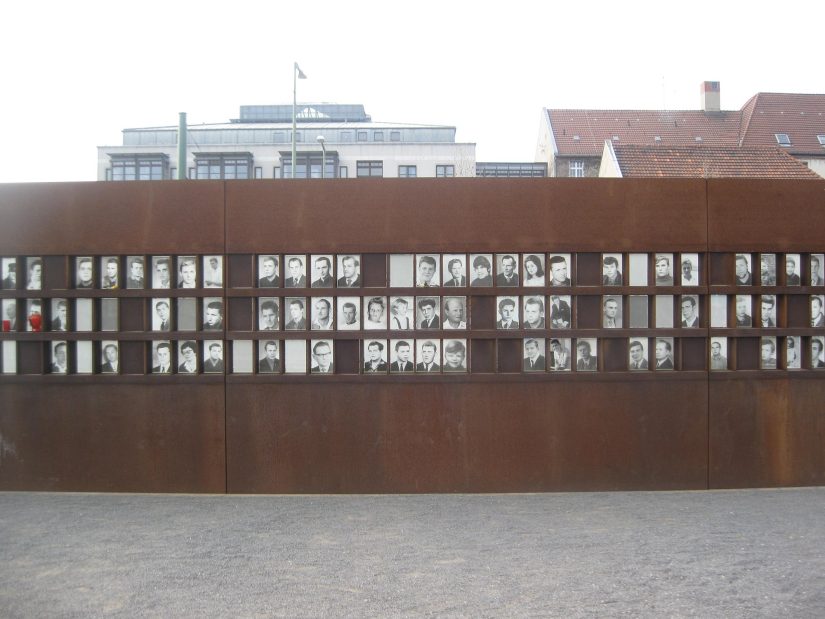
The Berlin Wall Memorial leaves a deep mark on Berlin's memory. Rising in the heart of the city, this monument speaks silently. Even the concrete, steel, and voids here gain meaning. Every step tells the story of two different worlds. The lines of the streets open a window to the past. No scene is exaggerated, yet it is powerful. The memorial invites the visitor into the safe silence of contemplation...

After a day of visiting museums and strolling the streets of Berlin, if you want to treat yourself to a warm, inviting, and varied dinner in the evening, Byblos Restaurant Berlin is the perfect place. Located at Spichernstraße 24 in the Charlottenburg-Wilmersdorf district, Byblos stands out as a stylish restaurant that blends modern and traditional Lebanese cuisine. (See TripAdvisor for more...)

While wandering through Berlin's historic streets, especially around Checkpoint Charlie, you might suddenly come across colorful plates, sushi rolls, and fragrant Vietnamese sauces… That's exactly the atmosphere Viet Checkpoint offers. Located at Zimmerstraße 23, the restaurant combines the refreshing, aromatic flavors of Vietnamese cuisine with Japanese sushi culture, making it the city's leading Asian restaurant...
There are some museums in Berlin where you can't speak for a long time after you leave. The Museum of the Topography of Terror is one of those places that establishes that silence most quickly. Upon entering, you are greeted not by a grand building, but by a stark reality. Open-air panels tell a stark story at street level. Photographs, documents, and maps don't allow you to look away. On one side, the city flows by, on the other...
Write a Comment
Visitor Comments - 0 Comments