
Antalya Travel Guide 2026: Where to Stay, What to Eat, What to See?
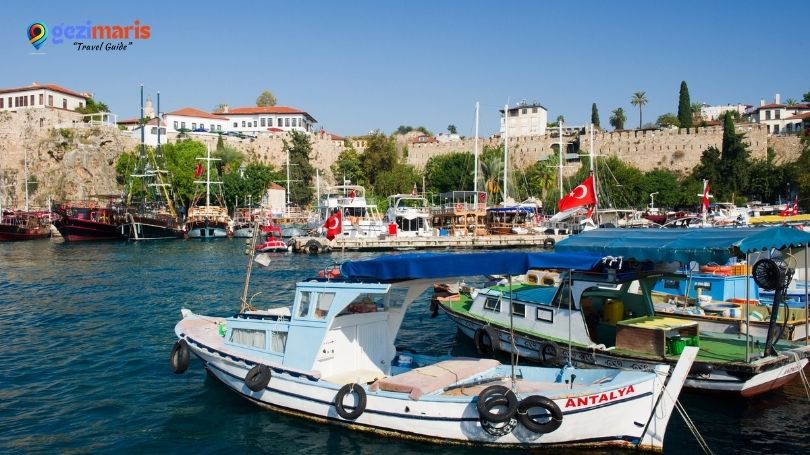
Looking at Antalya from Marmaris, the first thing I notice is this: it's not just a city of summer hotels; with the right itinerary, the streets of Kaleiçi, the cliff views, the ancient cities, the beaches, and the meal breaks, it's a powerful destination that can span several days. Mediterranean Travel plan. For first-time visitors, 2 days are enough to get to know Antalya city center; if you allocate 3 days, you can easily add surrounding stops such as Perge, Aspendos, or Phaselis to the program.
I plan my Antalya trip with two distinct mindsets: exploring the city center on foot, and taking a drive or tour to ancient cities/nature routes. If you're staying for a short time, Kaleiçi or Konyaaltı are the most practical areas to stay. If you want the sea, night walks, and easy access, Konyaaltı is better; if you want historical streets, restaurants, and a vibrant evening atmosphere, Kaleiçi makes more sense.
Quick and Practical Information About Antalya
| Hood | Practical Note |
|---|---|
| How many days is enough? | 2 days just for the city center; 3-4 days to add the ancient city and beach. |
| Where should first-time visitors stay? | Kaleiçi, Konyaaltı, Lara or Muratpaşa center |
| The best period | April-May and September-October; June-September for a seaside holiday. |
| Currency | Turkish lira |
| Card or cash? | Cards are widely accepted in the city center; cash is fine for small kiosks, the market, and some parking lots. |
| Urban transportation | Tram, bus, taxi, Rent a car and walking |
| Public transport budget | AntalyaKart fares are 42 TL for full fare, 50 TL for credit card fare, and 20 TL for student fare; transfers are free with AntalyaKart. |
| Daily budget | Budget: 1.500-2.500 TL; Mid-range: 2.500-4.500 TL; Comfortable travel: Over 5.000 TL |
| Security | Generally relaxed in tourist areas; classic caution is sufficient in deserted streets late at night. |
| Log out | Turkish; in tourist areas English and Russian frequently heard |
| Internet/power outlet | Turkey Type F socket; eSIM or local line practical for short stays |
When is the best time to visit Antalya?
For someone visiting Antalya for the first time, my definite recommendation would be April-May or September-October. The weather is suitable for walking, Kaleiçi is more breathable, and it's easier to wander on the stone pavements of the ancient cities. In summer, especially July-August, Antalya is beautiful, but the heat should be taken seriously; walking in open areas like Perge, Aspendos, or Termessos during midday hours can be tiring.
If you're coming with a focus on the sea, June to September is a safer time. Spring and autumn are more enjoyable for exploring the city center, culture, and food. Antalya quiets down in winter; Kaleiçi is beautiful for walks along the cliffs and restaurant experiences, but expectations for the sea are more limited.
How to get to Antalya?
The most practical way to get to Antalya is by plane. Antalya AirportIts proximity to the city center offers a great advantage for short holidays. There are public buses and trams connecting the airport to the city center; you should check the departure times via the AntalyaKart app or the transportation information line.
For those arriving by bus, Antalya Bus Terminal is convenient thanks to its connection to the city tram system. Marmaris, Fethiye, Eyebrow, Belts, Alanya If you're coming by private car, the D400 offers beautiful scenery in the summer, but you must consider the seasonal traffic. The coastal road, especially on Fridays and Sundays, can require patience.
If I'm visiting Antalya for a short city trip, I don't consider renting a car in the center essential. Kaleiçi, Işıklar, Cumhuriyet Square, and the harbor area are much more enjoyable on foot. However, if I'm adding Perge, Aspendos, Termessos, Phaselis, or Kemer to the same trip, a car saves a significant amount of time.
Antalya City Transportation
In Antalya, the most convenient way to get around the city center is by walking, taking the tram, and using a taxi if needed. On the tram, you can use AntalyaKart, contactless bank/credit cards, and disposable cards to pass through the turnstiles. A full fare with AntalyaKart costs 42 TL, a credit card costs 50 TL, and a single fare with a disposable card costs 46 TL; transfers are more convenient with AntalyaKart.
Walking is more sensible than driving within Kaleiçi. The streets are narrow, and parking stress is unnecessary. You can use the tram, bus, or taxi to get to Konyaaltı. Taking a taxi or car is more convenient on the Lara side, as the hotels and beaches are more spread out.
You shouldn't have any problems taking a taxi for short distances, but for the airport, Lara, Kundu, Belek For longer routes like these, it's a good idea to estimate the cost approximately beforehand. During the summer season, the exit from Kaleiçi and the Konyaaltı coastal road become congested in the evenings.
How many days does it take to visit Antalya?
- A one-day trip to Antalya would be a quick tasting experience. The plan could include a morning visit to Kaleiçi, Hadrian's Gate, the Fluted Minaret, and the harbor; an afternoon trip to Konyaaltı or Düden Waterfall; and dinner in Kaleiçi in the evening.
- Two days is a more balanced option for first-time visitors. You can dedicate one day to Kaleiçi, the cliffs, Konyaaltı, and museum/city attractions; and the second day to a Perge + Aspendos or Düden + Lara + shopping route.
- Three days best describes Antalya. The city center, the ancient city, and the sea each have their own unique atmosphere. My ideal Antalya city center plan is three days: one day in the city, one day in the ancient city, and one day for the sea and food.
- If you have 4-5 days, visit Kemer, Phaselis, Olympos, Çıralı. Side or surrounding routes like Termessos come into play. At this point, Antalya transforms from a city tour into a regional Mediterranean holiday.
Where to stay in Antalya?
When choosing accommodation in Antalya, the first question is: "Do I want to explore the city, enjoy the beach, or have a resort holiday?" Because Kaleiçi and Lara-Kundu are the same Antalya, but they offer completely different holiday experiences.
| Area | Who is Suitable for? | Plus | Things to Consider | Price Level |
|---|---|---|---|---|
| Old City | First-time visitors, couples, those who enjoy night walks. | Historic atmosphere, restaurants, harbor, easy walking access. | Parking and nighttime noise can be a problem on some streets. | Upper-middle |
| Kepez | For those who want a seaside vacation, hiking, a family vacation, or a city break. | Beach, cafe, transportation, spacious area. | It's crowded in the summer. | Medium |
| Lara | Those who want a beach, restaurants, and a more modern city atmosphere. | Relatively close to the airport, with a strong coastline. | More spread out compared to the center. | Upper-middle |
| Muratpaşa center | Those who want to balance transportation and budget. | Proximity to tram, shopping mall, and Kaleiçi (Old Town). | The holiday atmosphere isn't as strong as in Kaleiçi/Konyaaltı. | Middle economy |
| Kundu/Belek | For those who want a resort and all-inclusive holiday | Large hotels, swimming pool, beach, family comfort. | Detached from the city center | Upper-luxury |
In the summer of 2026, Antalya hotel prices vary greatly depending on the season, region, and hotel type. For July 2026, the average hotel price across Antalya could be around 5.100 TL; it could be even higher in the Konyaaltı area. For a short city trip, I prioritize location over luxury when choosing a hotel: a well-located, clean place in Kaleiçi or Konyaaltı with clear parking and transportation options is often a better choice.
Places to Visit in Antalya
Old City
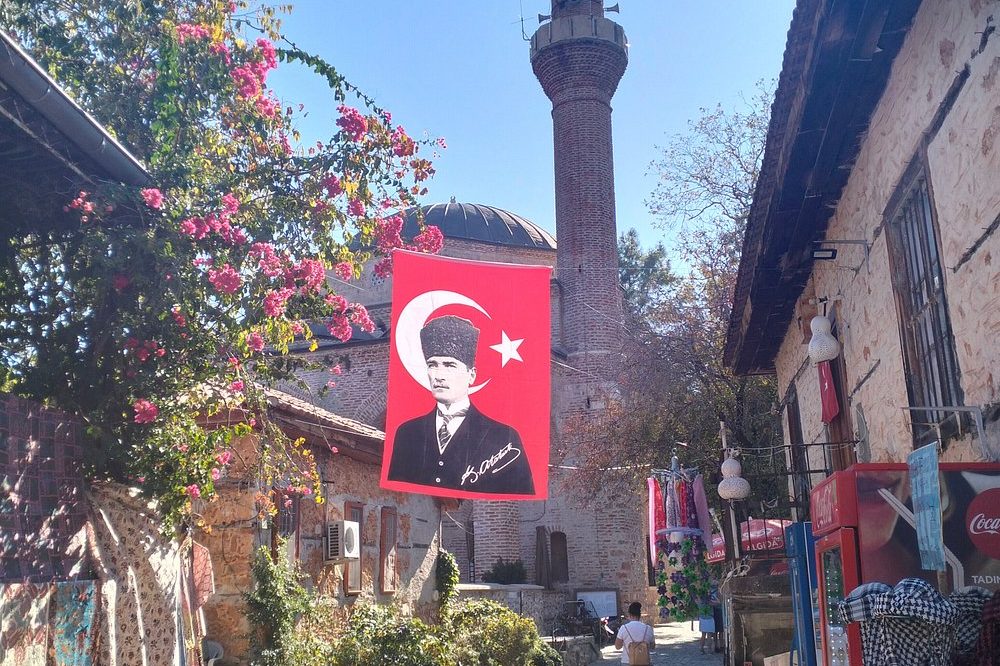
The heart of Antalya is still Kaleiçi. Bougainvillea-lined streets, restored historic houses, boutique hotels, restaurants, bars, small shops, and stone paths leading down to the harbor prevent it from being just a dry "old city." The Culture Portal also describes Kaleiçi as Antalya's main tourist attraction; the area around the Fluted Minaret, Hadrian's Gate, Hıdırlık Tower, and the Clock Tower are the main stops on this route.
It's best to explore Kaleiçi early in the morning or near sunset. The stone streets are tiring in the midday heat. For photography, the area around Hadrian's Gate, the streets leading down to the harbor, and the Hıdırlık area are great.
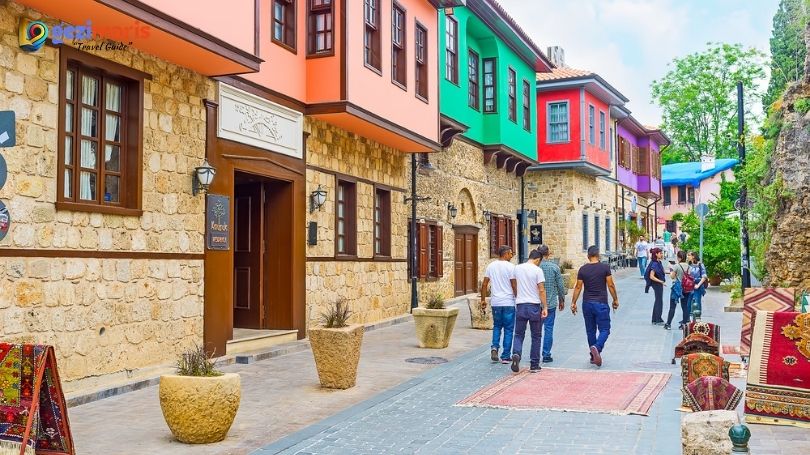
Hadrian's Gate
Hadrian's Gate is one of the iconic landmarks that everyone visiting Antalya for the first time should see. Also known as the Three Gates, this structure is in a very central location at the entrance to Kaleiçi (Old Town). I like to use it as a starting point for my route: enter through the gate, wander through the streets, and slowly make my way down towards the harbor.

Fluted Minaret and Republic Square
The Fluted Minaret is one of the most recognizable parts of Antalya's skyline. Along with the area around Cumhuriyet Square, it's ideal for a short city break. Spending 15-20 minutes here before heading to Kaleiçi is enough.
Kaleiçi Marina and Mermerli
Kaleiçi Marina is one of Antalya's most beautiful short walks. The marble-side area is a small but atmospheric option for those who want to swim in the sea in the summer. Because it's a narrow space, comfort might decrease in crowds; it's best to go early in the morning.
Konyaaltı Beach
Konyaaltı is one of the easiest options for those who want to swim in the sea in the center of Antalya. The long beach, promenade, cafes, and mountain views make it especially enjoyable at sunset. A realistic price for the summer of 2026 is around 300 TL for sun loungers/umbrellas at municipal facilities and 400-800 TL at private beaches.
Lara and the Cliffs
The Lara area offers a more modern, spacious, and in some aspects, more "urban" Antalya experience. The walks along the cliffs, the point where the Düden River flows into the sea, and the coastline are particularly beautiful in the late afternoon. Large parks and walking areas are a plus for families with children.
Duden Waterfall
When I think of a "nature break without venturing too far from the city" in Antalya, one of the first places that comes to mind is Düden. Lower Düden is more impressive for photography with its waterfall cascading into the sea. Upper Düden, on the other hand, offers more greenery and a pleasant walking experience. If you're going by public transport, it's a good idea to check the current route on the app, as routes can change; the Düden Waterfall's transportation page provides information on access via municipal bus lines.
Kurşunlu Waterfall
Kurşunlu is a bit further from Antalya city center, but it offers a stronger sense of nature. Aksu Municipality's promotional material describes the waterfall as cascading from a height of 18 meters and connected by small pools. In summer, it's better to go in the morning rather than the afternoon; the light will be beautiful, and you can walk before the crowds get too large.
Perge Ancient City
Perge is one of the most important ancient cities near Antalya city center. With its colonnaded street, agora, bath ruins, and extensive area, it requires at least 1,5-2 hours to explore. According to the 2026 price list, a ticket for foreign visitors to Perge is €11; for Turkish citizens... Museumcard That's valid. In summer, a hat, water, and comfortable shoes are essential.
Aspendos
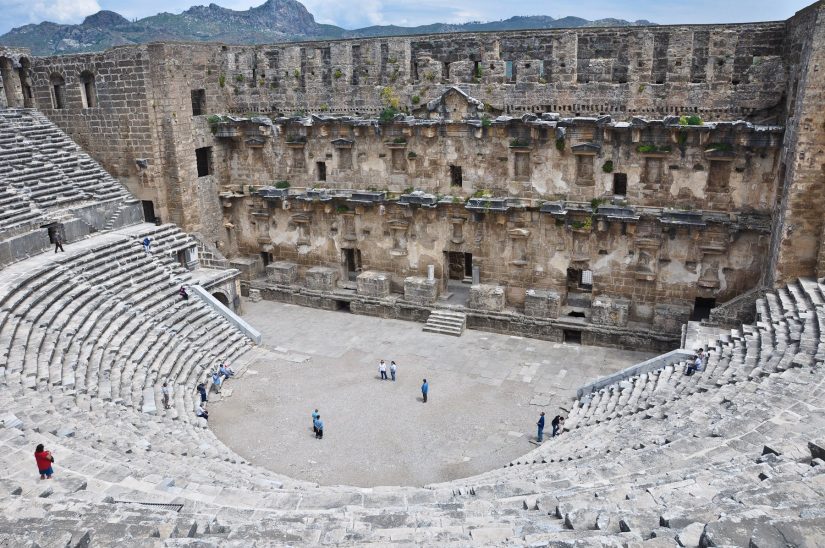
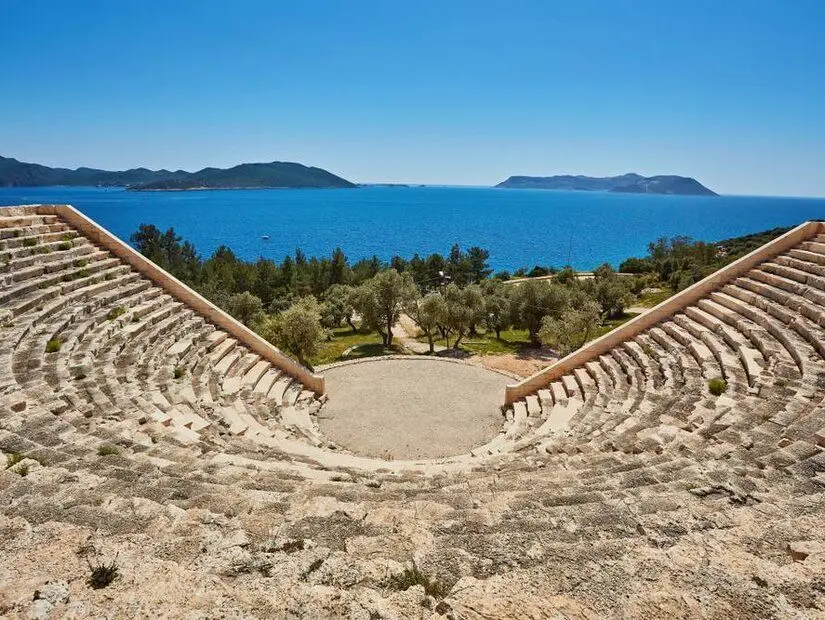
If I were to describe Aspendos in one sentence: it's the first stop for anyone wanting to see an ancient theater in the Antalya area. The well-preserved state of the theater is truly impressive. According to the 2026 price list, Aspendos costs €15; Turkish citizens can enter with a Museum Card. It makes perfect sense to include Perge in the same day; in fact, a route like Perge in the morning and Aspendos in the afternoon would flow smoothly.
Termessos
Termessos is one of Antalya's most special, yet least underestimated, routes. Due to its mountainous location, it's more tiring than a classic ancient city walk. According to the 2026 price list, Termessos costs €3, and the Museum Card is valid. I wouldn't go at midday in the middle of summer; I plan to go early in the morning with comfortable shoes.
phaselis
Phaselis, with its combination of ancient city and sea, is one of the most popular destinations around Antalya. It would be a great addition to your itinerary if you're planning to go towards Kemer. According to the 2026 price list, Phaselis costs €10 and the Museum Card is valid. If you plan to take a break by the sea, it's a good idea to bring a towel, water, and water shoes.
Antalya Museum and Alternative Museum Destinations
Antalya Museum is normally one of the city's most valuable cultural landmarks; however, I'm not including it as a central point in my 2026 plan. The official fee schedule lists Antalya Museum as "closed," and official sources mention the construction and renovation of a new Antalya Museum. Therefore, Kaleiçi, Antalya Necropolis Museum, Perge, and Aspendos are safer alternatives for the cultural route.
1, 2 and 3-Day Travel Itineraries for Antalya
1-Day Antalya Itinerary
- Morning: Enter Kaleiçi through Hadrian's Gate. Walk around the streets of Kaleiçi and the harbor area, passing by the Fluted Minaret and the Clock Tower. Take a coffee break in one of the side streets before heading down to the harbor.
- Noon: Antalya piyaz (bean salad) and shish köfte (meat skewers) would be a good lunch choice. If you prefer something lighter, a layered pastry (serpme börek) with ayran (yogurt drink) would also suit the city's atmosphere.
- Afternoon: Head to Konyaaltı Beach. Even if you don't go swimming, the walk along the beach and the mountain views are lovely.
- Evening: Dinner in Kaleiçi or Lara. End the night with live music or a relaxing stroll along the cliffs.
Points to mark on the map: Hadrian's Gate, Fluted Minaret, Kaleiçi Marina, Hıdırlık area, Konyaaltı Beach.
2-Day Antalya Itinerary
- Day 1: Kaleiçi + Konyaaltı + city center. It's more convenient to explore without a car on the first day.
- Day 2: Perge in the morning, Aspendos in the afternoon. If you have time on the way back, watch the sunset at Lara or Aşağı Düden. Renting a car or taking a day trip would be more efficient for this route.
Points to mark on the map: Perge, Aspendos, Lower Düden, Lara cliffs.
3-Day Antalya Itinerary
- Day 1: Kaleiçi, harbor, Konyaaltı.
- Day 2: Perge + Aspendos or Termessos.
- Day 3: Phaselis towards Kemer; a slower day with a break at the sea.
This three-day itinerary prevents you from seeing Antalya as just "hotels and the sea." It offers a balanced experience of the city's history, coastline, food, and nature.
What to eat in Antalya?
Taking first place in Antalya cuisine. Antalya piyaz It is written as follows: It differs from classic piyaz due to its tahini sauce; it goes very well with meatballs. Those trying it for the first time should be prepared for an intense tahini flavor.
- Shish köfte is the natural accompaniment to piyaz (onion salad). It doesn't have to be a luxurious meal; it's a simple but satisfying Antalya classic found in the right local restaurant.
- Serpme börek is especially good for breakfast or a late morning snack. The thinly rolled dough comes in cheese or minced meat options; served with tea or ayran (a yogurt drink), it feels more local.
- Pumpkin dessert takes on a whole new level in Antalya when served with tahini and walnuts. Sharing a single portion after a heavy meal might be more sensible.
- Hibeş is a hearty meze made with tahini, lemon, garlic, and spices. If you come across it at a fish or meze table, give it a try.
- Burnt ice cream is a small but delightful break, especially in hot weather. Those who like goat milk flavor will enjoy it even more.
Where to Eat in Antalya? Restaurant Recommendations
7 Mehmed
For those in Antalya seeking a more refined, classic, and locally-oriented meal, 7 Mehmet is a good option. The restaurant emphasizes that it offers flavors unique to Antalya with a simple yet meticulous approach to cooking. I would position it not as an economical meal, but as a "budgeted dinner in Antalya" option. Pumpkin dessert, meze, fish/meat dishes, and locally-inspired specialties make for a great evening plan.
- Area: Near Muratpaşa / Konyaaltı
- What can be tried? Meze, pumpkin dessert, local dishes
- Price level: Upper segment
- Best time: Dinner after sunset
- Practical note: Booking will be safer.
Piyazcı Ahmet
For those seeking a simpler, more local, and straightforward option for Antalya-style piyaz (bean salad) and meatballs, Piyazcı Ahmet is a good choice. The restaurant's story reveals it has been serving piyaz, meatballs, and pumpkin dessert since 1996. The bill should be calculated as "piyaz + meatballs + drink + dessert"; reviews from 2026 show bills exceeding 2.300 TL for four people's meatballs, piyaz, and drinks, so a price range of 1.000-1.500 TL for two is more realistic.
- Area: Muratpaşa / Altındağ
- What can be tried? Antalya piyaz (bean salad), shish kebab, pumpkin dessert
- Price level: Medium
- Best time: Early afternoon
- Practical note: Waiting times may occur during peak hours.
Börekçi Tevfik / Serpme Börek Stops
In Antalya, "serpme börek" (a type of Turkish pastry) is a great idea for a quick breakfast or a pre-lunch snack. Börekçi Tevfik is one of the most well-known places in the city for this delicacy; it stands out with its various types of "serpme börek," including those with curd cheese, white cheese, minced meat, and sweet fillings, according to different sources. When calculating the cost, setting aside a few hundred TL per person for börek and a drink is no longer surprising; a satisfying "serpme börek" break for two can easily reach the 700-1.000 TL range.
- Area: Kaleiçi / Muratpaşa area
- What can be tried? Cheese or minced meat filled pastry
- Price level: Medium
- Best time: Breakfast in the morning or late breakfast
- Practical note: It should be eaten hot; it's better on the spot than in a takeaway package.
Taverns and Bar-Restaurants in Kaleiçi
When choosing a restaurant in Kaleiçi, the view and atmosphere increase the price. Instead of just picking a random table, I look at the menu, table location, and whether there's live music or a cover charge. Especially on summer evenings, the bill quickly rises with a couple of drinks, appetizers, and a main course. If you want a more balanced option, it might be sensible to have dinner outside Kaleiçi first and then come inside for drinks.
What to buy in Antalya?
The most sensible things to buy in Antalya are local food and small Mediterranean souvenirs. If you want to go beyond tourist magnets, look for options like tahini, carob molasses, pomegranate sour sauce, bitter orange jam, olive oil, spices, and local nuts.
Kaleiçi is practical for souvenirs but has tourist-friendly prices. For more local shopping, markets and shops in the city center might be better. When buying food, I check the packaging, expiration date, and manufacturer information; especially in the summer heat, I don't leave chocolate, Turkish delight, and dairy products in the car for long periods.
For shopping, central shopping malls like MarkAntalya are practical; Kaleiçi, on the other hand, offers a smaller, souvenir-focused photo experience. Bargaining might be possible for some tourist items, but it's not very meaningful for food and labeled products.
What to do in Antalya?
Apart from the places to visit in Antalya, here are some of the best experiences that should be considered:
- Go for a cliff walk. A walk along the Lara and Işıklar line near sunset is the easiest way to understand Antalya.
- Get lost in Kaleiçi early in the morning. The streets are more photogenic and peaceful before the crowds start.
- Take a coffee break after your swim in the sea at Konyaaltı. The atmosphere is a blend of mountain views and a city beach feel.
- Spend a day exploring the ancient cities of Perge and Aspendos. You'll appreciate Antalya's historical power even more when you venture outside the city center.
- See the point where the waterfall flows into the sea at Düden. It's a short but effective stop for photos.
- Combine the ancient city and the sea at Phaselis. It makes for a wonderful day out, especially for those planning a 3-day or longer trip to Antalya.
Antalya Night Life
Antalya's nightlife is divided into two parts: Kaleiçi, with its bars, pubs, and live music; and Lara/Konyaaltı, with its more modern restaurant and bar scene. Kaleiçi is more lively, more touristy, and busier in the summer. The sound of music in the narrow streets, the crowds, and the space between tables might be enjoyable for some, but tiring for others.
For first-time visitors, I recommend starting the evening in Kaleiçi and ending it somewhere near the main street before it gets too late. For solo travelers and families with children, a walk along Konyaaltı beach or a quiet restaurant in Lara might be more comfortable.
Antalya Festivals and Events
In Antalya, the cultural calendar strengthens from summer to autumn. The 63rd International Antalya Golden Orange Film Festival is scheduled to take place between October 24-31, 2026. According to the municipality, the International Antalya Piano Festival is held every year in November.
Opera and ballet events in Aspendos are seasonally very valuable; for 2026, the Aspendos Opera and Ballet Festival is listed on Sanat Cepte (Art in Your Pocket) on September 12th. Since hotel prices and traffic in the city center can increase during festival periods, it's a good idea to book your accommodation early.
Antalya Holidays and Closing Dates
In Antalya, beaches, shopping malls, Kaleiçi (the old town), and tourist areas are generally more crowded during public holidays. Museum and archaeological site opening hours may change due to closing days, night museum hours, and events. For example, special events at sites like Aspendos can affect visiting hours; official museum announcements include these updates.
Since some museums and cultural attractions may be closed on Mondays, it's safer not to leave your cultural itinerary until the last minute. Beach, Kaleiçi walks, restaurant, and outdoor routes are less problematic on Sundays; the main issues are crowds and traffic.
Antalya Travel Budget and Current Prices
In Antalya, the budget varies completely depending on the type of holiday. If you explore the city center on foot, use public transport, and mainly eat local eateries, it can still remain reasonable. However, when beach clubs, luxury restaurants, taxis, and resort accommodations are added, the bill quickly increases.
| Expenditure Item | Economic | Intermediate Level | Comfortable/Luxurious | Not |
|---|---|---|---|---|
| Public transport | 42 TL full fare | 50 TL credit card | Taxi/transfer | AntalyaKart offers transfer advantages. |
| Coffee/tea break | 50-150 TL | 150-300 TL | 300 TL+ | Prices increase in Kaleiçi and along the coastal line. |
| A break for scattered pastries. | 300-500 TL per person | 500 TL+ | 1.000 TL+ for two people | It depends on how filling it is. |
| Meatball and onion salad | 500-800 TL per person | 1.000-1.500 TL for two people | Higher | According to reviews, the bill for Piyazcı Ahmet for four people can exceed 2.300 TL. |
| Konyaaltı/Lara beach | Free public beach | 300 TL municipality business | 400-800 TL private business | Sun loungers/umbrellas are optional. |
| perge | Museumcard | €11 for foreign visitors | Guided tour is extra. | Museum passes are advantageous for Turkish citizens. |
| Aspendos | Museumcard | €15 for foreign visitors | Event ticket extra | Times may change on event days. |
| phaselis | Museumcard | €10 for foreign visitors | Vehicle/parking extra | It is planned to include a sea break. |
| Hotel | 2.500-4.500 TL | 5.000-9.000 TL | 10.000 TL+ | The average salary in Antalya in July 2026 is around 5.100 TL. |
| Daily total | 1.500-2.500 TL | 2.500-4.500 TL | 5.000 TL+ | The per-person calculation will be clearer, excluding accommodation. |
In Antalya, I allocate my budget to three separate areas: transportation, food and drinks, and the sea/ancient cities. Because most people only look at the hotel price, but the beach, taxi, and dinner together are the main items that determine the holiday budget.
Antalya Travel Map
Things to Consider When Traveling to Antalya
In Antalya, the summer heat dictates your plans. Don't leave your visit to the ancient cities until midday; early morning or late afternoon is better. Bring water, a hat, sunscreen, and comfortable shoes.
Don't try to navigate Kaleiçi by car. It's more sensible to leave your vehicle nearby and walk instead of looking for parking. Late at night, typical city urgency is enough to get around the narrow and deserted streets.
Find out the price of sun loungers/umbrellas on the beach before you sit down. A free public beach is not the same as a privately run beach; adjust your expectations accordingly.
When using a taxi, especially for long distances like to the airport, Lara, Kundu, Belek, and Kemer, ask for an estimated fare beforehand. Public transport is economical, but it may not always be comfortable with luggage and children in the summer.
Konyaaltı and Lara are more comfortable for families with children; Kaleiçi can be challenging with strollers in some streets during the evening crowds. More hilly areas like Termessos require caution when carrying young children.
Antalya isn't just a summer city for swimming; with the right plan, it's a powerful route that combines history, food, beaches, nature, and the Mediterranean city atmosphere in 2-3 days. For first-time visitors, a 2-day plan centered around Kaleiçi and Konyaaltı is sufficient. Adding another day to the Perge-Aspendos or Phaselis route will reveal a completely different perspective on Antalya.
My clearest advice for Antalya is this: choose your hotel based on location, visit the ancient cities in the morning, explore Kaleiçi on foot, plan your beach budget in advance, and don't leave without trying Antalya piyaz (a local salad).
PREVIOUS TOPIC
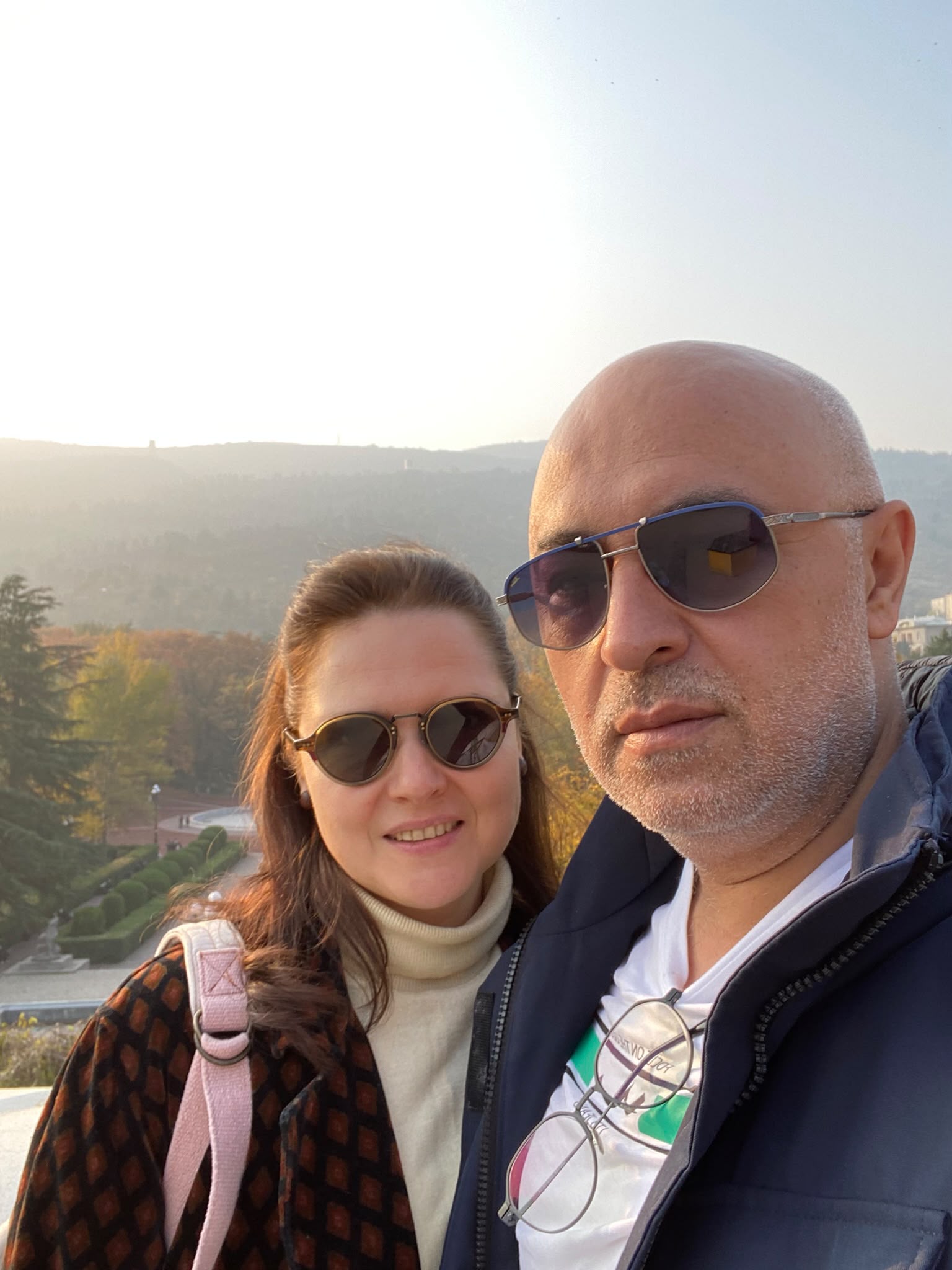
My wife Olga and I have made exploring new places whenever we get the chance a major part of our lives. For us, traveling isn't just about going from one city to another; it's about getting to know different cultures, getting lost in the streets, experiencing local life, and especially witnessing history in historical places. Our biggest motto in life is to travel, see, and accumulate what we learn. In every city we visit, we love tracing the castles, ancient cities, museums, old streets, and historical buildings. Because, in our opinion, every stone, every square, and every old building has a story to tell. On our trips with Olga, we enjoy following these stories the most. Sometimes in the quiet streets of a small town, sometimes on the walls of a castle that has defied centuries, and sometimes in an ancient city left behind by old civilizations, we find ourselves on a journey between the past and the present. For us, travel means creating memories together, seeing new places, touching history, and living life more meaningfully. Each trip gives us a new perspective and increases our desire to get to know the world more closely.
Similar Threads



Write a Comment
Visitor Comments - 0 Comments