

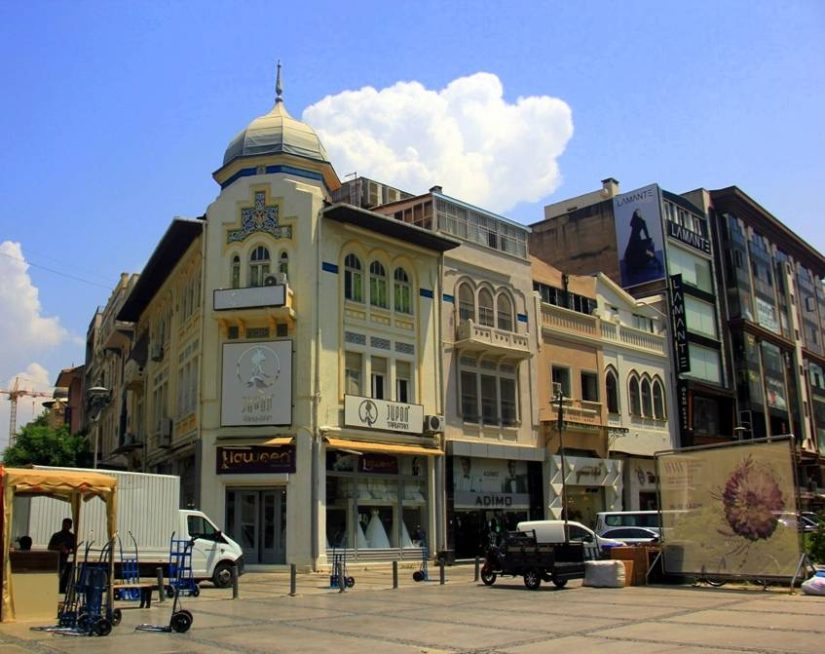

Akseki Ethnography Museum: A Gateway to the Living Culture of the Taurus Mountains
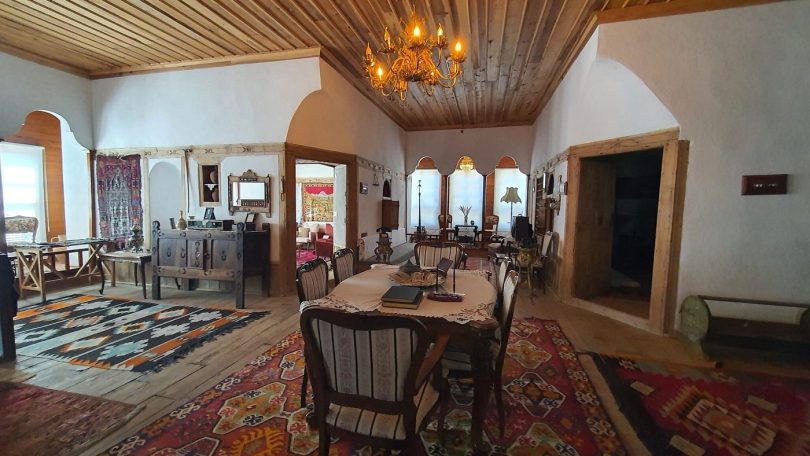
Akseki, The Ethnography Museum is a special stop that quietly tells the story of the Taurus Mountains' memory. The inland areas of Antalya offer a world very different from the coastal areas. Akseki is one of the most characterful settlements in this world. Mountain roads, stone streets, and old houses speak together here. The museum is the most organized and understandable form of this conversation. It is a small but valuable gateway for those curious about local life. Akseki stands out among places to visit for its cultural aspects. Here, not only old objects but also traces of daily life are seen. Clothing, kitchen utensils, and handcrafted products bring the past closer. Each display case gives clues about the simple life of the people of the Taurus Mountains. A museum visit is also a good starting point for understanding Akseki's architecture. For those seeking a different route in Antalya, this is a tranquil discovery.
Where and How to Get There?
The Akseki Ethnography Museum is located in the Akseki district of Antalya. The district is situated in the interior of the Taurus Mountains. Antalya It is possible to reach Akseki from the city center by private vehicle. The road follows the coastline towards the mountainous region. Therefore, the scenery constantly changes throughout the journey.
To Akseki Manavgat Transportation is also possible from this direction. A private vehicle is the most convenient option for visiting the museum. Public transportation options may vary depending on the time of year, so departure times should be checked in advance. Once you arrive in the town center, getting to the museum is usually easy.
Akseki's streets are quite suitable for exploring on foot. Therefore, a museum visit can be combined with a short tour of the town. Leaving your car in a central location might be a good option. This way, you can more easily appreciate the historical architecture of the surroundings.
Brief History
Akseki is one of the districts of Antalya that preserves its old settlement culture. Throughout history, the region has held importance on mountain routes. The Taurus passes have influenced local trade and migration culture, leaving strong imprints on the daily life of Akseki.
The Akseki Ethnography Museum aims to showcase this way of life and culture. The museum displays objects used by the local people, revealing the daily habits of the past. Each object reflects aspects of family life and production culture.
Traditional life has remained strong in the Akseki region for a long time. Villages, plateaus, and old houses have supported this culture. Handicrafts, agricultural tools, and textiles hold an important place. The museum is a stop that passes this heritage on to future generations.
Here, history is not told through great wars. Rather, it is understood through the language of homes, meals, and labor. In this respect, the museum offers an intimate historical experience. It is the right starting point for initial information about Akseki culture.
Architectural and Artistic Features
The Akseki Ethnography Museum has an atmosphere that is in harmony with the local architecture. The traditional architectural style of the region enhances the museum experience. The use of stone and wood is common in Akseki houses. These materials offer solutions suitable for the Taurus Mountains climate.
The houses in the region are mostly designed in a simple and functional style. Thick walls provide a cool interior in the summer, while wooden details add a warm character to the structure. This architectural approach is in harmony with the challenging nature of the region.
The pieces exhibited in the museum are also valuable from an artistic point of view. The handwoven textiles stand out with their richness of color and pattern. Traditional clothing clearly demonstrates regional taste. Copper vessels and wooden objects bear the marks of craftsmanship.
These objects are not merely functional items; they are also simple examples of local aesthetics. Craftsmanship, rather than ostentation, is emphasized in the ornamentation. This reflects the restrained character of Taurus culture.
The Akseki Ethnography Museum creates powerful narratives through small details. A kitchen utensil can evoke memories of an old dinner table. A woven fabric can bring to mind long winter evenings. Therefore, the museum is more meaningful when explored slowly.
Visit Information
It's helpful to know a few details before visiting the Akseki Ethnography Museum.
- The museum's current opening hours should be checked beforehand.
- Entrance fee information may change periodically.
- Visiting during the week might offer a more peaceful experience.
- Photography rules should be learned from the staff.
- Objects in exhibition areas should not be touched.
- Comfortable shoes should be worn for a museum visit.
- Akseki can be cool during the winter months.
- Spring months are ideal for visiting the district.
- The museum visit can be combined with a walk through the town center.
- It is an educational trip option for families with children.
It's important not to rush through the museum, because sometimes small objects tell the most powerful stories. Reading the labels makes the displayed pieces more meaningful. Those interested in local culture will have a pleasant time here.
Photography Tips and Tricks
The Akseki Ethnography Museum offers excellent opportunities for detailed photography. The handwoven textiles, in particular, are ideal for capturing colorful shots. Traditional clothing is one of the museum's most striking features. Wooden and copper objects also contribute to warm tones.
When taking photos, it's important to pay attention to the direction of the light. Remember that reflections can occur in glass display cases. When shooting with a phone, slightly changing the angle can be helpful. Flash use may not be suitable in some areas.
The streets of Akseki outside the museum are also valuable from a photographic perspective. The stone walls, old doors, and narrow paths look beautiful. The light is especially softer in the mornings. In the late afternoon, the stone surfaces take on warmer colors.
Focus on close-up details as much as wide shots. Door knockers, wood carvings, and textures can be impressive. These details make your Akseki travel album more unique. A short walk after the museum will increase the variety of photographs.
Other Nearby Places to Visit
A visit to the Akseki Ethnography Museum is easily enriched by exploring the surrounding areas. The town center, with its traditional atmosphere, is perfect for a short walk. The old houses closely reveal Akseki's cultural character. Walking through the narrow streets, you can better understand the local architecture.
The surrounding villages are also worth visiting. The settlements known for their distinctive button-shaped houses are particularly noteworthy. These houses strongly reflect the harmony of stone and wood. The regional architecture is one of the most unique aspects of Akseki's culture.
For nature lovers, the Taurus Mountains offer a unique beauty. The mountain roads, viewpoints, and cool air are impressive. In spring, the surroundings become even more vibrant. In autumn, the yellowing leaves provide a beautiful backdrop for photographs.
The Akseki sightseeing route offers a blend of culture and nature. Therefore, focusing solely on the museum may not be enough. Spending time exploring the surrounding area will make your trip more fulfilling. Even a short itinerary can leave a strong impression.
If you go to Akseki, be sure to visit the Akseki Ethnography Museum. It's a simple yet impressive stop to understand life in the Taurus Mountains. Also, if you're looking for more ideas for your trip, you can read our article on places to visit in Akseki.
My wife Olga and I have made exploring new places whenever we get the chance a major part of our lives. For us, traveling isn't just about going from one city to another; it's about getting to know different cultures, getting lost in the streets, experiencing local life, and especially witnessing history in historical places. Our biggest motto in life is to travel, see, and accumulate what we learn. In every city we visit, we love tracing the castles, ancient cities, museums, old streets, and historical buildings. Because, in our opinion, every stone, every square, and every old building has a story to tell. On our trips with Olga, we enjoy following these stories the most. Sometimes in the quiet streets of a small town, sometimes on the walls of a castle that has defied centuries, and sometimes in an ancient city left behind by old civilizations, we find ourselves on a journey between the past and the present. For us, travel means creating memories together, seeing new places, touching history, and living life more meaningfully. Each trip gives us a new perspective and increases our desire to get to know the world more closely.
Similar Threads
Write a Comment
Visitor Comments - 0 Comments