
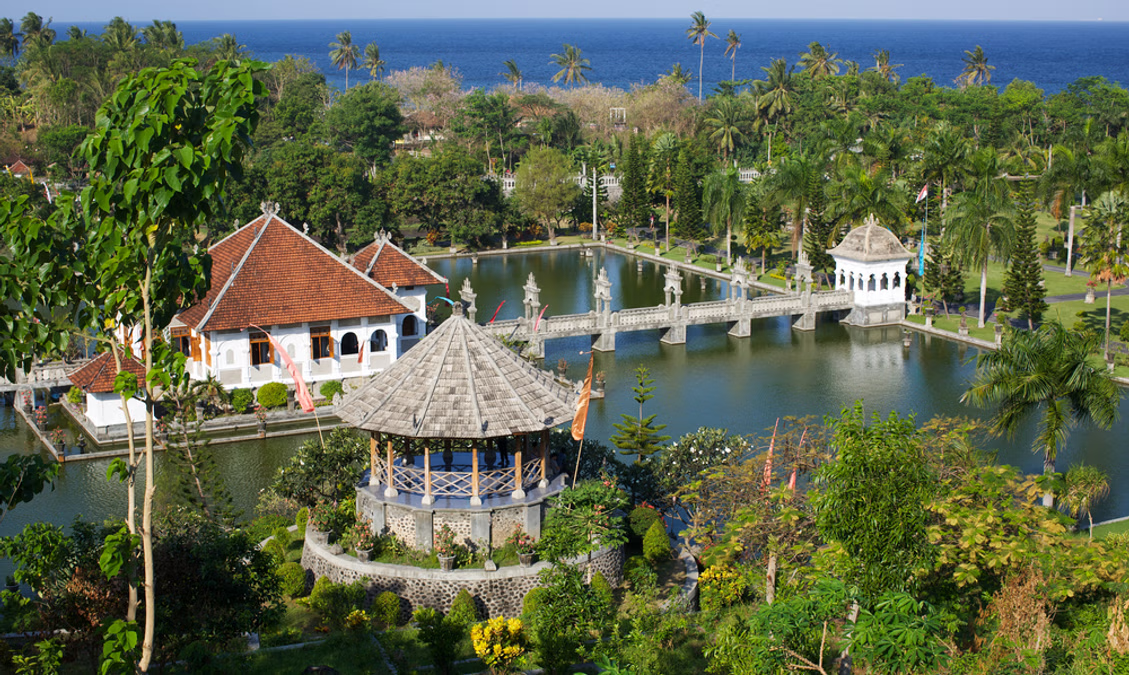
Tirta Gangga Royal Water Garden
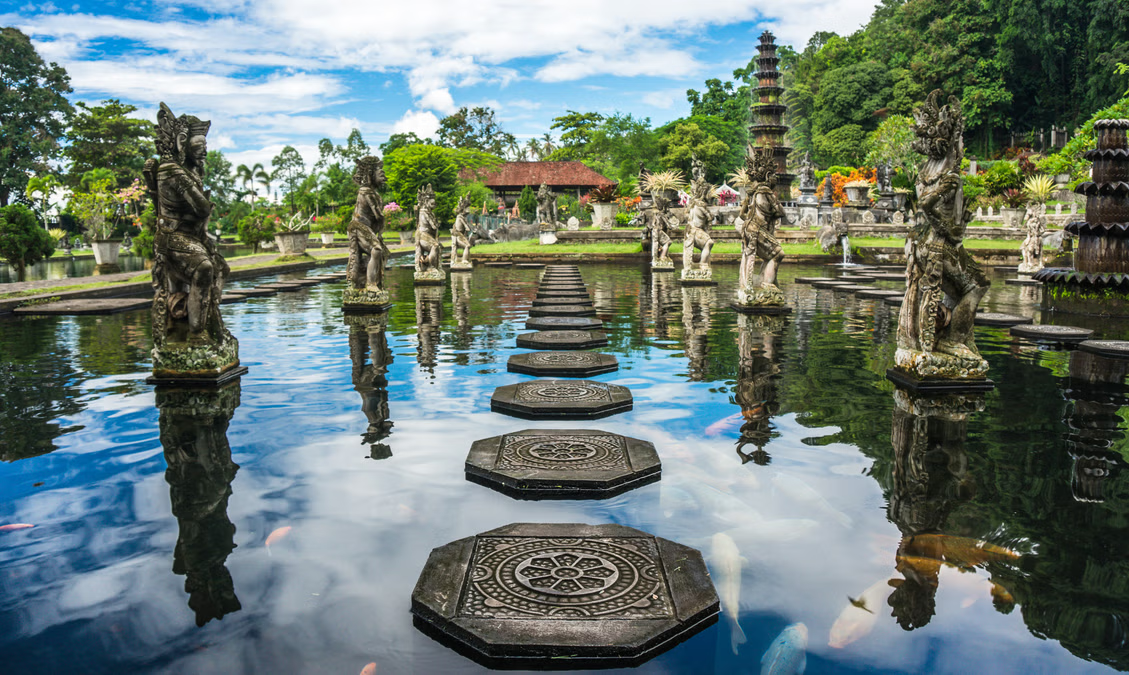
Tirta Gangga Royal Water Garden is a fairytale-like escape in eastern Bali: stone paths dancing in the shadows of the water, pools adorned with water lilies, and mythological guardian statues rising from every corner. The moment you take your first step, the light filtering across the surface and the vibrant colors of the koi fish instantly slow you down. Time flows differently here; the sound of water echoes through every step, and symmetry and rhythm permeate every frame. The mist that lingers over the pool in the early morning light sets a scene for photographers. As the day progresses, Karangasem The greenery of the countryside blends with the gray stones of the garden; the murmur of an 11-story fountain blends with the breeze from the rice fields. This place isn't just a visual feast; it's also a silent narrative of water culture, purification, and Bali's royal heritage. You can feel the coolness of the spring water in the swimming pools and mingle with the sculptures by walking down the stone steps. Every corner offers balanced compositions and frames filled with soft light. When you pause and listen for a moment, you'll realize how the harmony of water and stone instills a profound peace. In short, Tirta Gangga deserves a high place on your "must see in Bali" list.
Where and How to Get There?
Tirta Gangga Royal Water Garden is located in the village of Ababi, in the Karangasem region of eastern Bali. It typically takes 2–2,5 hours by private car from Ubud, 2,5–3 hours from the Canggu/Seminyak line, and approximately 45–60 minutes from the Amed coast. The most practical way to get there is to rent a car with a driver for the day or, if you're experienced, a scooter. Bali When planning your route, it's more efficient to connect Tirta Gangga with Lempuyang Temple and Taman Ujung on the same day. Because the roads are winding and narrow in places, setting off near sunrise reduces both traffic and crowds.
Brief History
Tirta Gangga was built in 1946 by Anak Agung Anglurah Ketut Karangasem, one of the last rulers of Karangasem. It takes its name from "Tirta," meaning "holy water," and "Gangga," referring to the Ganges, the sacred river of the Indian subcontinent. The complex, with its water fed from the Rejasa springs, was designed for both symbolic purification and daily use. Severely damaged by the eruption of Mount Agung in 1963, the structure was restored to its present appearance through meticulous restoration in the following years. It embodies Balinese aquatic culture, royal landscaping traditions, and Europe As one of the rare places where the influences of the region come together, it has gained a special place in the cultural memory of the island.
Architectural and Artistic Features
Tirta Gangga is a landscape that explores the Balinese Hindu cosmology of "balance and flow" through water. The garden's centerpiece is a magnificent 11-story fountain, surrounded by shallow pools, stone stepping stones, and guardian statues of gazing figures. Koi fish in the ponds add vibrant colors, while water lilies and aquatic plants soften the composition. Stone carvings, mythical creatures, and lotus-based motifs reflect Balinese artisanal traditions. Two separate swimming pools within the complex, filled with cool water from a sacred spring, offer a purification for locals and a refreshing respite for visitors. The planning logic is simple yet impressive: terraces, harmonizing the sloping terrain with symmetry, guide circulation by following the flow of the water. The result is a layout that is both meditative and photogenic.
Visit Information
The following practical notes will make your job easier:
- Opening hours: Generally open from early morning until sunset (mostly 08:00 AM–18:00 PM). May vary depending on season and local events.
- Entrance fee: A reasonable ticket price is charged; there may be a small additional charge for swimming pools. It's a good idea to have cash on hand at the ticket office.
- Best time: The first 1-2 hours after sunrise or late afternoon are the best times to visit in terms of both light and crowds.
- Swimming: The spring water is cool; bring a swimsuit, towel, and change of clothes if you plan on swimming in the pool.
- Dress and respect: This is not a place of worship, but a water garden considered sacred; modest dress and quiet behavior are encouraged.
- Parking and facilities: There is a parking area for vehicles. There are small cafes and restaurants, restrooms, and snack options around the garden.
- Fish food: Small food packages for koi fish can be sold, making it easier to get the fish into the frame, especially for photography.
- Guidance: Local guides are available at the entrance; a short tour makes it easier to appreciate the architectural details.
Photography Tips and Tricks
The zigzag lines formed by the stone steps, combined with the reflections on the water's surface, create a perfect foreground. Align the 11-story fountain with the centerline of the main pool to capture it symmetrically in a vertical frame. A polarizing filter controls glare and reflections on the water's surface, making the water lilies appear more vibrant. A wide angle gives the space a cohesive feel; you can isolate sculptural details with a lens around 50mm. Early morning mist and soft light create a silky texture on the water. Feeding the koi creates pops of color in the composition, but look for moments with low winds to avoid distorting the reflections. If you're going to try long exposures, a mini tripod and ND filter will do the trick. Flying a drone isn't always possible; check the rules beforehand and respect the crowds. Alternatively, you can capture a bird's-eye view from a high vantage point, from the terraces surrounding the garden.
Other Nearby Places to Visit
It's easy to enrich your East Bali itinerary. Lempuyang Temple (Gates of Heaven) is about 30–45 minutes away; it offers dramatic photos even on a cloudy day. Taman Ujung Water PalaceA perfect complement to your view of the royal landscape nestled in the sea. On the coast, black sand beaches and tranquil dive/snorkel spots await in Amed. Further inland, Sidemen Valley offers a peaceful escape with its terraced rice fields and traditional village life. A delightful end to the day is a welcome respite from the turquoise waters of Virgin Beach (Pasir Putih). If you have time, be sure to visit the small village markets around Karangasem and sample the local fruits.
If you want to understand the spirit of East Bali, be sure to add Tirta Gangga Royal Water Garden to your itinerary. This elegant blend of water, stone, and silence will add a layer of serenity to your Bali trip. If you're ever in Bali, be sure to visit. Also, for more ideas for your trip, visit Bali Travel Guide ve Places to Visit in Bali You can read our article.
PREVIOUS TOPIC
NEXT TOPIC

Similar Threads
Ujung Water Palace (Taman Ujung) is a unique water garden in the Karangasem region of eastern Bali, where the sea and mountains fit into the same frame. The moment you step inside, you enter a completely different time tunnel, surrounded by expansive pools, elegant bridges, and arches connecting the central pavilion (Bale Gili). Here, water is not just decoration; it reflects light and doubles the structures...
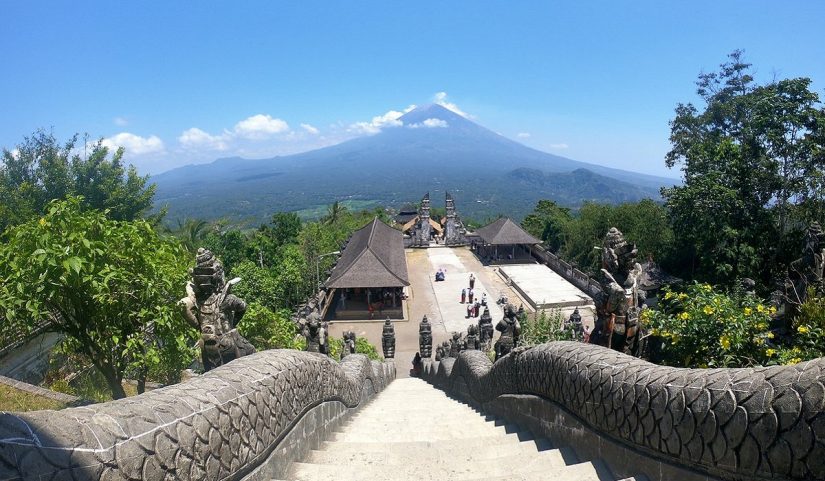
The Regency of Karangasem, stretching east of Bali, is one of the island's most characterful destinations, boasting misty rice terraces, diving-friendly coastlines, palace pools, and the majestic Mount Agung. From the black sand beaches of Amed and Tulamben to the water palaces of Tirta Gangga and Taman Ujung, from the tranquil coves of Candidasa to the hand-weaving workshops of Sidemen Valley, the Regency of Karangasem offers something for travelers seeking to escape the crowds...
Write a Comment
Visitor Comments - 0 Comments