
Suriname Travel Guide
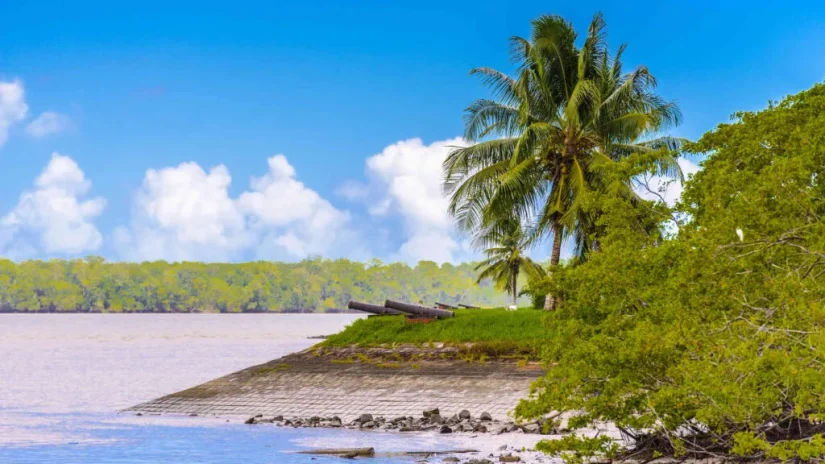
South AmericaLocated on the Atlantic coast northeast of Turkey, Suriname, with its multicultural heritage, tropical rainforests, and UNESCO-listed wooden architecture, is a treasure waiting to be discovered, especially in Paramaribo. Dutch is the official language, and Sranan Tongo is the vibrant sound of daily life. Hindi Stan, java, Africa ve Europe Suriname, where communities of different origins live together, offers many surprises to the traveler with its diversity from its cuisine to its festivals.
When to Go to Suriname?
Because Suriname is located on the equator, it's hot and humid year-round. It experiences two rainy seasons (roughly December–January and April–August) and two relatively dry seasons (February–March and August–November). The dry seasons are ideal for exploring nature, river cruises, and hiking in national parks. For city excursions, Paramaribo is accessible year-round, but be mindful of the temperature and rainfall. If you're looking for a festive atmosphere, Holi Phagwa in March, Keti Koti in July, or Independence Day on November 25th are the perfect destinations.
How to Get to Suriname?
TurkeyThere are no direct flights from [country/region] to Suriname; the most practical route is [route/direction]. Amsterdam via connecting flights to Johan Adolf Pengel Airport (PBM) in Paramaribo. For intra-regional transfers. Guyana (Georgetown) and Fransiz Guyanası Connections to Cayenne can also be considered. Within the country, intercity buses, shared minibuses, and especially river boats for inland areas are common. 4x4 vehicles are suitable for routes leading into nature. Rent a car It is frequently preferred.
What to Do in Suriname?
- Walking through the Historic Centre of Paramaribo: Discover the UNESCO heritage site with its wide-eaved wooden houses and cathedral-like texture from the colonial period.
- Fort Zeelandia and the Riverside: A sunset stroll along the Suriname River combines history and scenery.
- Commewijne Plantation Tour: Day exploration by bike or boat on the trail of old cocoa/sugar plantations.
- Peperpot Nature Park: Ideal for early morning bird watching and light walks.
- Brownsberg Nature Park: Get your fill of nature with waterfalls, lake views (Brokopondo) and forest walks.
- Raleighvallen & Voltzberg: For the curious, climbing granite peaks and experiencing the virgin rainforest.
- Galibi Nature Reserve: Chance to observe sea turtles coming to the beach to lay eggs during the season.
- Joden Savanne: The ruins of a 17th-century Jewish settlement are of interest to history buffs.
- Bigi Pan Wetlands: There is a high probability of seeing flamingos and pelicans by boat in the Nickerie area.
- Maroon Villages: Cultural experience, local crafts and hospitality along the Upper Suriname River.
What to Eat in Suriname?
Surinamese cuisine, Indian, Javanese (Japonya not, Endonezya Originating from Java, it blends African and European influences. Roti (meat/vegetable curry), saoto soup, moksi alesi (rice with mixed meat), pom (oven-baked dish), bara and pholourie (snacks), bakabana (fried plantains), BB met R (beans and rice), nasi/bami, and refreshing maracuya (markosa) juice are all must-try dishes. The local Parbo Beer and rum varieties are also popular. In our article What to Eat in Suriname, we've listed the best spots and hidden gems one by one; check them out!
What to Buy from Suriname?
Maroon and Indigenous communities' wood carvings, beadwork, colorful fabrics, baskets, and handmade jewelry make wonderful souvenirs. Local spice blends, coffee/cocoa products, and small-scale rums are also popular souvenirs. You can experience the culture of haggling in the markets of Paramaribo. In our What to Buy in Suriname guide, we've shared the most unique shopping spots and pricing tips.
Suriname Nightlife
Paramaribo is the busiest nightlife destination. Riverside bars, live music venues, casinos, and outdoor gardens are perfect for extending the evening. Bars filled with local music are packed on weekends, and terraced venues are a favorite on summer evenings. For safety, use taxis at night and avoid deserted streets. We've listed the best venues and live music nights in our Suriname Nightlife guide.
Suriname Festivals and Fairs
| Event/Festival | Ay | DESCRIPTION |
|---|---|---|
| Holi phagwa | Mart | The city is full of color during the festival of colors; family celebrations and concerts. |
| Evening Four Days | April/May | Evening parade event; cheerful processions with costumes and bands. |
| Keti Koti (Abolition of Slavery) | 1 July | Freedom celebrations, commemorations and cultural programs. |
| Suriname Independence Day | 25 November | Parades, concerts and fireworks displays. |
| Owru Yari (New Year's Eve) | End of December | “Pagara” (long-wick firecracker) traditions and New Year’s Eve enthusiasm in the streets. |
| Diwali | October/November | Festival of lights; ceremonies in temples and illuminations in the city. |
| China New Year | January/February | Dragon dances, red decorations and street celebrations. |
Suriname Important Days and Holidays
| Date | Events |
|---|---|
| January 1 | New Year |
| Variable | Holi phagwa |
| Variable | Eid al-Fitr (Eid al-Fitr) |
| Variable | Easter (Friday & Monday) |
| 1 May | Labor Day |
| 1 July | Keti koti |
| 10 October | Maroon Day |
| Variable | Diwali |
| 25 November | Independence Day |
| December 25–26 | Christmas (First and Second Day) |
Things to Consider When Traveling to Suriname
- Health & Vaccinations: Take mosquito protection seriously for tropical conditions; if you are traveling inland, consult your travel health department for any necessary vaccinations/medications.
- Security: Use taxis at night in major cities; do not carry valuables in plain sight.
- Currency: The Surinamese dollar (SRD) is used. Cards may not be accepted everywhere, so carry cash when traveling out of town.
- Language: The official language is Dutch; you'll also hear English and Sranan Tongo. Even simple greetings make communication easier.
- Electricity & Socket: A/B and C/F types can be seen; voltage can be both 110–127V and 220V universal adapter and carry converter if necessary.
- Clothes: Lightweight, sweat-proof, quick-drying clothing; a raincoat and closed-toe walking shoes are essential.
- Nature Tours: Go with a licensed guide; stick to marked trails on forest hikes.
- Border Crossings & Visa: Before you set off, as rules and fees are subject to change from official sources Check for current information.
Suriname is a destination etched in our memories with its wooden architecture, the rhythm of its rivers, the scent of the forest, and the bold flavors of its cuisine. It's a perfect fit for travelers who appreciate the balance of city and nature and are curious about intercultural richness. Plan your itinerary now and find your next inspiration. Detailed itineraries and map suggestions await you in our article "Places to Visit in Suriname."
