
Sydney Travel Guide 2026: Where to Stay, What to Eat, What to See?
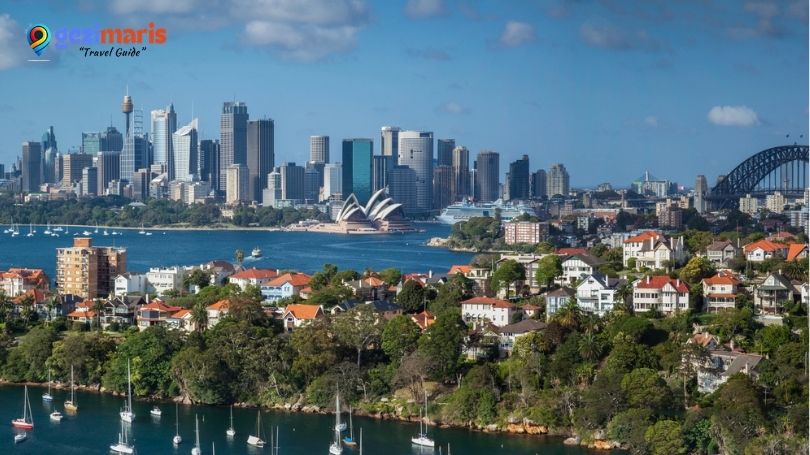
IstanbulWhen planning a trip to Sydney, the first thing I look at isn't the flight, but how to explore the city. Despite the long flight, the unfavorable season, and the strong currency fluctuations, Sydney is a very well-planned city when the right route is established: Circular Quay and The Rocks for harbor views, Bondi or Manly for sea air, and Surry Hills, Newtown, and Darlinghurst for food, drinks, and nightlife. Three days is ideal for a first-time visitor; two days are a rushed but satisfying experience, and four or five days are more relaxed for adding day trips to the beaches and the Blue Mountains. With a Turkish passport, it's also crucial to consider the visa aspect from the start; planning for tourist visits under the Visitor visa subclass 600 is the safest starting point.
Quick and Practical Facts About Sydney
| Topic | My practical grade |
|---|---|
| How many days is enough? | Three days for first-time visitors. Two days for a compact stay, four to five days for a relaxed pace. |
| Where will we stay the first time? | Circular Quay, The Rocks, CBD, Darling Harbor or Surry Hills. |
| The best period | September-November and March-May are more balanced months. December-February is summer, but it's expensive and crowded. |
| Currency | Australia Dollar, AUD. |
| Card or cash? | Cards are very common. I still carry a small amount of cash for small groceries and emergencies though. |
| Urban transportation | Use Opal or contactless cards to travel on trains, subways, buses, ferries, and light rail. |
| Average daily budget | Excluding accommodation, economy class is 80-120 AUD, mid-range is 140-220 AUD, and comfortable travel is over 250 AUD. |
| Security | Tourist areas are generally relaxed; however, it's a good idea to be extra cautious around beaches and parks late at night. |
| Log out | English. |
| Power outlet and internet | A Type I plug is being used. eSIM Or a local SIM makes sense. |
My favorite thing about public transport in Sydney is being able to use the same card for trains, ferries, light rail, and buses without the hassle of separate tickets. The daily upper limit for adult fares is AUD 19.30 Monday-Thursday, AUD 9.65 Friday, weekends, and public holidays, with a weekly upper limit of AUD 50; so using public transport comfortably for a 3-4 day trip keeps your budget in check.
When is the best time to visit Sydney?
I would recommend visiting Sydney for the first time in spring and autumn. The city comes alive between September and November, and the weather is more balanced for walking and beach excursions. March to May is a more relaxed time, both in the city center and on the beaches, as the summer crowds have dispersed.
December to February is Sydney summer. Beaches like Bondi, Manly, and Coogee are at their busiest, but accommodation prices, restaurant reservations, and flight costs also increase accordingly. Around New Year's, hotel prices rise sharply, especially in areas with harbor views.
The winter months, June to August, are quieter and still suitable for city sightseeing. If major events focusing on light, music, ideas, and gastronomy, like Vivid Sydney, coincide with this period, the city evenings become much more vibrant. In 2026, Vivid Sydney took place between May 22nd and June 13th.
How to get to Sydney?
My budget calculations for flights from Istanbul to Sydney no longer start with the optimism of "I'll find a cheap ticket." This route is long, the season has a significant impact, and school holidays drive prices up quickly. For summer searches, it's more realistic to consider the 60 TL range and above as a starting point; those who plan early, use flexible dates, and tolerate layover times can find better prices.
Sydney Kingsford Smith Airport is conveniently located near the city center, making transportation easy upon arrival. Choosing the airport train provides a quick route to the center, but here, in addition to the regular train fare, there's an extra AUD 18.61 airport station access fee for adults. This fee is not included in the daily or weekly Opal limits; for groups of two or more, especially with a lot of luggage, a taxi or ride-hailing app sometimes makes more sense.
On the taxi side, there's a flat rate of 60 AUD for a standard taxi and 80 AUD for a maxi-cab between Sydney Airport and the CBD. I consider this difference a comfort fee, especially for night landings and when I don't want to deal with luggage after a long flight.
Sydney City Transportation
In Sydney, the backbone of urban transportation is trains, ferries, and walking. I start my first day by walking around Circular Quay; the Opera House, Royal Botanic Gardens, The Rocks, and Harbour Bridge are all much better explored on foot. Ferries in Sydney are not just transportation; they function as an economical sightseeing tour. Taking a ferry from Circular Quay towards Manly, Watsons Bay, or Taronga Zoo is one of the most enjoyable ways to get to know the city. The official Sydney tourism website also highlights using the ferry from Circular Quay towards Taronga Zoo, Manly, and Watsons Bay.
Getting an Opal card isn't mandatory; contactless bank cards or digital wallets can also be used. However, I always make sure to use the same card for both tap-on and tap-off. If you use a different card, the system interrupts your journey and you lose the fare advantage. The airport train should be considered separately due to the access fee exceeding your daily limit.
I wouldn't recommend renting a car in the city center. Traffic flows on the left, parking is expensive, and the city is easily navigated by public transport and walking. Rent a car It makes more sense for those doing longer routes in the Blue Mountains, Hunter Valley, or along the coast.
How many days does it take to visit Sydney?
- 1 days: Circular Quay, outside the Sydney Opera House, Royal Botanic Garden, The Rocks, Harbour Bridge walk and in the evening Darling Harbour. This route is short but gives a signature view of Sydney.
- 2 days: The first day is spent at the port and in the city center, the second day a walk along the Bondi-Coogee coast or the Manly ferry route. I don't like squeezing both Bondi and Manly into a two-day plan; the city flows more enjoyably when you choose just one.
- 3 days: The most balanced plan. First day the harbor, second day the beach, third day Surry Hills, Newtown, museum and dinner. This is my favorite for a first-time visitor.
- 4-5 days: Taronga Zoo, Watsons Bay, the Blue Mountains, longer beach walks, and good restaurant reservations can be added to the list.
Where to stay in Sydney?
In Sydney, the area where you stay directly affects both your budget and the quality of your trip. I would tell a first-time visitor, "pay for transportation, not the scenery." The Circular Quay area is expensive but very practical for a first trip. Surry Hills is more local, has strong food and drink options, and is within walking distance of the center. Darling Harbour is easy for families, the CBD is efficient for business trips and short visits, and Bondi and Manly are more suitable for those seeking a seaside holiday feel rather than a city atmosphere.
| Area | Who is it suitable for? | Plus | Things to pay attention to | Price level |
|---|---|---|---|---|
| Circular Quay and The Rocks | First-time visitors, short trips | Close to the Opera House, Harbour Bridge and ferry docks. | Hotel prices are high. | Moving in Berlin |
| CBD | Business trip, short city tour | Close to train stations, light rail, shopping areas, and restaurants. | Some streets become quiet after work hours in the evening. | medium-high |
| Darling Harbor | Families, travelers with children | Aquarium, restaurant, walking area | Tourist prices may be high. | medium-high |
| Surry Hills | Food and drink enthusiasts, couples | The balance between cafes, brunch, bars, and restaurants is good. | Walking to the harbor can take a long time. | medium-high |
| Newtown | Those seeking a more economical and alternative spirit | Bar, vintage shop, world cuisines | For first-time visitors, it may be far from the port line. | Medium |
| Bondi and Manly | Beach-focused trip | Morning sea, walk, beach atmosphere. | Travel time to and from the city center is added. | medium-high |
Looking ahead to 2026, Sydney isn't a cheap city when it comes to accommodation. I find the range of 45-80 AUD for a hostel dorm bed, 130-220 AUD for a private hostel room, and 160-280 AUD for budget hotel chains to be realistic; these figures change rapidly depending on the season, events, and weekends.
Places to visit in Sydney
Sydney Opera House
Sydney's postcard-perfect landmark, but it shouldn't be seen as just a building to be photographed from the outside. For a first-time visitor, exploring the exterior early in the morning and then seeing it from different angles via the Royal Botanic Garden is the best starting point. Tickets for an interior tour are around 50-55 AUD for adults; the Architectural Tour for those interested in architecture costs 60-65 AUD.
Circular Quay
In my opinion, this is the heart of Sydney. The ferry docks, the Opera House, The Rocks, and the Harbour Bridge all converge at one point. Even if I'm tired after checking into the hotel on my first day, a short walk along Circular Quay allows me to connect with the city immediately.
The Rocks
With its cobblestone streets, pub culture, weekend markets, and Harbour Bridge views, it's one of Sydney's most characterful areas. I like to plan my visit here especially around sunset, rather than after the Opera House.
Sydney Harbor Bridge
BridgeClimb is expensive, but it's one of the most iconic experiences in the city. Between 2026-2027, adult prices for the Summit Climb rise to AUD 375 on weekdays and AUD 385 on weekends; therefore, I would categorize it as a "special experience if budget allows," rather than a "must-do" one. Walking across the bridge is still a very powerful experience as a more economical option.
Royal Botanic Garden
One of the best free stops for a more tranquil view of the Opera House. The Mrs. Macquarie's Chair side is particularly great for photos. It also works as a great respite from the city center for families with children.
Bondi Beach and Bondi to Coogee Walk
To understand Sydney's beach culture, Bondi is a must. I recommend not just sitting on the beach, but doing at least part of the Bondi to Coogee walk. The official city guide also highlights the Bondi to Coogee coastal walk.
Manly
Manly, accessible by ferry from Circular Quay, is an easy escape from Sydney's city center. It's more relaxed than Bondi, with a more "weekend town" feel. For me, the flow is ideal: ferry in the morning, beach at noon, and return in the late afternoon.
Darling Harbor
Practical for families, easy for evening strolls. SEA LIFE Sydney Aquarium, WILD LIFE Sydney Zoo and restaurants are all in this area. Traveling with children If I'm planning on going there, I'll include this route in the plan; if it's an adult trip and short duration, I'll prioritize the port route.
taronga zoo
Since it's accessed by ferry, it also offers a harbor view experience before visiting the zoo. The price at the gate for an adult ticket is 57 AUD, while the online price is around 51.30 AUD. It's a great option for families with children, but for short trips without children, it's worth considering whether to dedicate half a day to this experience.
Australian Museum and Art Gallery of NSW
To balance the budget, I make good use of the free cultural stops in Sydney. The Australian Museum offers free entry to its permanent exhibitions; general admission is also free for the Art Gallery of New South Wales. On rainy days or during the hottest afternoon hours, these two destinations save the day.
1, 2 and 3-Day Trip Itineraries to Sydney
1-Day Sydney Itinerary
I start my day at Circular Quay. The area around the Opera House, the Royal Botanic Garden, and Mrs. Macquarie's Chair will be my first stop. Around lunchtime, I'll head to The Rocks for a quick lunch break. In the late afternoon, I'll take in the view from the Harbour Bridge pedestrian walkway and end the day on the Darling Harbour or Barangaroo side.
Stops to be marked on the map: Circular Quay, Sydney Opera House, Royal Botanic Garden, Mrs Macquarie's Chair, The Rocks, Sydney Harbor Bridge, Barangaroo, Darling Harbour.
2-Day Sydney Itinerary
- Day 1: Harbor line. Opera House, The Rocks, Harbor Bridge, Barangaroo and Darling Harbour.
- Day 2: Beach day. Bondi in the morning, followed by part of the Bondi to Coogee walk. Alternatively, Manly ferry, Manly Beach and Shelly Beach. I don't cram two beach routes into the same day; in Sydney, the sea loses its beauty when you rush it.
3-Day Sydney Itinerary
- Day 1: Circular Quay, Opera House, Royal Botanic Garden, The Rocks and Harbor Bridge.
- Day 2: Bondi or Manly. If Bondi is chosen, there's a beach walk; if Manly is chosen, there's a ferry and Shelly Beach.
- Day 3: In the morning, visit the Australian Museum or the Art Gallery of NSW; at noon, Surry Hills; and in the evening, Newtown or Darlinghurst. By dedicating this day to food, drinks, and the local atmosphere, the city becomes more than just a sight.
What to eat in Sydney?
In Sydney, the food scene doesn't revolve around a single "local dish." The city is more about immigrant cuisines, brunch culture, seafood, modern Australian cuisine, and good coffee.
- Flat white: On the coffee side, Sydney is expensive but strong. In 2026, I consider the 5.50-7 AUD range normal for a standard flat white or latte; the price can go above 7 AUD when plant-based milk and a larger size are added.
- Brunches: Avocado toast, ricotta hotcake, egg dishes, and good coffee are the main morning routine in the city. A budget of 22-35 AUD for a brunch platter is sensible.
- Meat pie and sausage roll: An Australian classic. Good for a quick lunch. A satisfying snack for 15-20 AUD with coffee from a good bakery.
- Sea products: Oyster, barramundi, fish and chips, sashimi, and modern seafood restaurants are strong. I don't sit down without seeing the menu because prices rise quickly along the tourist harbor line.
Asian cuisines: Thai, Cantonese, Japanese, Korean and Vietnam Sydney has a very strong culinary scene. When looking for budget-friendly dinners, I check out Chinatown, Haymarket, Newtown, and Surry Hills.
Where to Eat in Sydney? Restaurant Recommendations
bills, Surry Hills or Bondi
A classic Sydney spot for brunch. Perfect for those who want to start their day with scrambled eggs, ricotta hotcakes, and coffee. The Surry Hills branch is especially good for experiencing the city's rhythm. Official Sydney tourism content also highlights Bills Surry Hills as one of Sydney's original breakfast spots.
Bourke Street Bakery, Surry Hills and other branches
A good stop for coffee, tarts, sausage rolls, and quick snacks. In Sydney in 2026, expecting a bill of 12-20 AUD per person for coffee and bakery items together is normal. Many small items on the menu start at around 6 AUD.
Chat Thai, CBD
Easily added to a shopping or city center itinerary. Suitable for those looking for a quick, central, and safe option with Thai food. Especially convenient during lunchtime or early dinner hours. Chat Thai's Westfield Sydney location and menu are featured in official Sydney tourism content.
Mr. Wong, CBD
A more upscale dinner option for Cantonese cuisine and dim sum. It's not cheap; I'd include it on my "I budgeted for a good dinner in Sydney" list. It's featured in official Sydney tourism content with over 60 dishes and a strong selection of dim sum.
Opera Bar, Circular Quay
It's great for the view, but not always the most comfortable option in terms of price-performance ratio. I'd rather have a drink or a short break here than a long meal. You need to sit down knowing that you're paying for the location.
What to buy in Sydney?
When buying things from Sydney, I prefer small, portable items that I'll actually use rather than heavy souvenirs.
Coffee beans, Australian wine (if suitable for carrying), local wine, quality designer items with Aboriginal art motifs, local cosmetic brands, beach towels, small surf culture items, and prints from museum shops are good options. The Rocks market is touristy but enjoyable for souvenirs; Newtown and Surry Hills are better for more boutique and characterful items.
It's important to pay attention to quality. Not every "Australian themed" product is locally produced. I specifically check the label, materials, and production information.
What to do in Sydney?
One of the best things to do in Sydney is to take a leisurely stroll through the city center. The walk from Circular Quay to the Royal Botanic Garden and then to Mrs. Macquarie's Chair is free but offers some of the most expensive views of the city.
A ferry route definitely needs to be added. In my opinion, the Manly ferry is one of the best value-for-money experiences in Sydney. BridgeClimb is expensive, but if your budget allows, it's an unforgettable city experience. As a more economical alternative, walking across the Harbour Bridge makes perfect sense.
On the beach side, Bondi is important not only for swimming but also for people-watching and understanding coastal culture. For swimming safety, it's necessary to stay between the flags and take lifeguard warnings seriously.
Sydney Nightlife
Sydney's nightlife isn't exactly "every street is open until dawn"; it can be enjoyable if you choose the right place, but chaotic if you go out unplanned. Surry Hills, Darlinghurst, Newtown, and the CBD area offer a stronger selection of bars and restaurants. The Circular Quay area is more scenic but the prices are higher.
I divide the evening plan into two parts: the first evening is quiet drinks with a harbor view, the second evening is dinner and a bar in Surry Hills or Newtown. It's a good idea to plan the return trip from the coastal areas to the center late at night in advance.
Sydney Festivals and Events
The Sydney calendar directly impacts travel budgets. Evenings are lovely during Vivid Sydney, but hotel prices and crowds increase. Vivid Sydney 2026 took place between May 22nd and June 13th.
Sydney Gay and Lesbian Mardi Gras is one of the city's biggest cultural events. The 2026 festival ran from February 13th to March 1st, with the parade taking place on February 28th. Early booking is particularly important during this period, especially for hotels in Darlinghurst, Oxford Street, and the city center.
The Sydney Royal Easter Show is a powerful event for families; in 2026 it was held at Sydney Olympic Park between April 2-13. It's great for family trips, but for short city tours, you should definitely set aside time to explore outside the city center.
New Year's Eve in Sydney is on another level. We're talking about periods when more than a million people gather around the harbor to watch the fireworks; accommodation and viewing spot planning is not left to the last week.
Sydney Holidays and Closures
In Sydney, public transport, event venues, and restaurant occupancy can vary during public holidays such as Christmas Day and New Year's Day. Easter During peak seasons and major events, restaurant reservations, museum opening hours, and ferry schedules should be checked carefully. Opera House tours may have different procedures on special dates such as December 25th and December 31st.
Some restaurants may charge an extra fee on Sundays and public holidays. When I'm in Australia, I always accept that a weekend or public holiday surcharge may be added to the menu price.
Sydney Travel Budget and Current Prices
| Expense item | Economic | intermediate level | Comfortable/Luxurious | Not |
|---|---|---|---|---|
| Coffee | 5.50-7 USD | 7-9 USD | Over 9 AUD | Flat whites are expensive in the city, but they're good. |
| Simple restaurant meal | 18-25 USD | 25-40 USD | Over 45 AUD | The average price for a decent restaurant meal is around 25 AUD. |
| Brunch | 20-25 USD | 25-35 USD | Over 40 AUD | Surry Hills and Bondi rise rapidly. |
| Fast food menu | 15-18 USD | 18-22 USD | Over 22 AUD | The cost of living in a city is high in 2026. |
| Public transport | Daily upper limit: 9.65-19.30 AUD | Weekly upper limit of 50 AUD. | Same | Airport access fee excluded. |
| Airport train surcharge | 18.61 AUD | 18.61 AUD | 18.61 AUD | It is added to the regular train fare. |
| Airport-CBD taxi | 60 AUD | 60 AUD | Maxi-cab 80 AUD | There is a fixed fee system. |
| Opera House tour | Exterior tour is free. | 50-55 USD | 60-65 AUD architectural tour | Domestic tours should be chosen according to budget. |
| taronga zoo | 51.30 AUD online | 57 AUD per door | Additional experiences are more expensive. | A strong option for families with children. |
| BridgeClimb | Pedestrian crossing is free. | 375-385 USD | It increases during special occasions. | Dedicated experience budget. |
| Hostel dorm | 45-80 USD | Over 80 AUD | Private room 130-220 AUD | It varies depending on the season. |
| Budget hotel | 160-220 USD | 220-280 USD | Over 300 AUD | CBD and port lines are expensive. |
In Sydney, excluding accommodation, I consider a budget under AUD 120 per day to be manageable but manageable, AUD 160-220 to be more comfortable, and above AUD 250 to be the level where I've added good restaurants and paid experiences. The biggest budget breakdown comes from hotels and paid activities; the budget grows rapidly when you include an Opera House tour, Taronga Zoo, and BridgeClimb in the same trip.
Sydney Travel Map
Things to Consider When Traveling to Sydney
Sydney is an expensive city. I always calculate the cost of seemingly small items like coffee, brunch, hotels, and airport transfers beforehand. Even "two coffees a day, one brunch, and one day of public transport" quickly adds up to over 50 AUD.
The sun can be intense. During the summer, carrying a hat, sunscreen, and water is essential. Swim between the flags on the beach; don't underestimate current warnings.
Restaurants may charge extra on weekends and public holidays. Card payments are common, but some places may add a card fee. Tipping is not mandatory; leaving a small extra tip for good service is a matter of personal preference.
For families with children, Darling Harbour, Taronga Zoo, and the Australian Museum are good options. For older travelers, the entire Bondi-Coogee trek can be tiring; choosing a shorter section is better.
Sydney isn't an easy city to get to from Istanbul; the flight is long, the budget is high, and visa and date planning are important. But with the right itinerary, it's a place that pays off. For a first-time visitor, I'd allocate three days, staying around Circular Quay or Surry Hills, dedicating one day to the harbor, one day to the beach, and one day to exploring the neighborhood and exploring food and drinks. If budget allows, you can add a tour of the Opera House or BridgeClimb; with a more controlled plan, you can still experience the city very well with free museums, bridge walks, ferry rides, and coastal routes.
