
What to Eat in Seydikemer?

Seydikemer, one of Muğala's most prestigious districts, nestled in the foothills of the Taurus Mountains, is a hidden paradise intertwined with history and nature. Nestled east of Fethiye and a key stop on the ancient Lycian Way, it stands out not only for its historical heritage but also for its culinary culture. Seydikemer cuisine is a blend of centuries-old Yörük traditions and the Aegean and Mediterranean It offers a multi-layered table where flavors blend together. Dishes prepared with natural and local ingredients give every visitor a warm, homey feeling. If you happen to be in Seydikemer, you should definitely try these unique flavors.
Kekekek
One of Seydikemer's most traditional dishes is keşkek. This dish is made by long-cooking wheat and meat and is often served at village weddings or important holiday feasts. The wheat is boiled in cauldrons for hours, then boned meat is added and pounded with wooden mallets until smooth. Keşkek is both filling and a symbol of unity.
Where to Eat?
- If you happen to come across a keşkek cauldron during the wedding season in the highland villages, you will definitely come across one.
- You can taste fresh keşkek from local women making it at the village market.
- It is served using traditional methods in local cuisine restaurants set up in shaded areas.
Leech Vaccine
While its name might seem surprising at first, leech soup is a vegetable and meat stew unique to Seydikemer. It's slow-cooked with beef, chickpeas, potatoes, and sometimes root vegetables like turnips. This slightly sour dish is served with yogurt.
Where to Eat?
- Take out daily at tradesmen's restaurants serving local cuisine.
- You have a high chance of finding a lady who cooks home-cooked meals in the villages.
ERİŞTE
Noodles, which hold a significant place in Aegean and Yörük culture, are also frequently found on Seydikemer tables. The hand-rolled dough is thinly rolled, chopped, and then dried. It's sautéed in butter before being served, topped with walnuts or white cheese. It's often enriched with village eggs.
Where to Eat?
- It is always on the menu in local food venues established by women's cooperatives.
- It is served as a hot appetizer in places that serve village breakfast.
Tandir Kebabı
This dish, made with lamb or beef cooked for hours in earthenware tandoors, is one of Seydikemer's most distinctive main dishes. The simple, unspiced cooking method highlights the meat's natural flavor. The meat falls apart in strands, melting softly on the palate.
Where to Eat?
- You can taste it by ordering in advance at farmhouses and village restaurants.
- In some mountain houses it is offered as a treat to guests.
Ply
Katmer is a popular dessert in Seydikemer cuisine. The thin dough is filled with plenty of butter and sometimes walnuts or tahini. Baked on a griddle, this dessert is served with a dusting of granulated sugar. It's a staple for breakfast and teatime.
Where to Eat?
- It can be found in bakeries and village patisseries that are open early in the morning.
- Breakfast is served hot in the lounge.
Ayran Vaccine Soup
This refreshing, yogurt-based soup is a classic on Seydikemer tables during the summer months. Ayran aşı soup, made with wheat, chickpeas, and yogurt, is served with mint and roasted pepper oil drizzled over it. Served cold, this delicacy is also frequently served at local summer festivals.
Where to Eat?
- At local food stands set up in the summer.
- It can be found daily in tradesmen's restaurants serving home-cooked meals.
Jingle Bell
Cıngırtlak is a hot appetizer or meze dish made with beef liver, peppers, and plenty of spices. This pan-fried dish is served with fresh bread. While it may be spicy, it's practically addictive for liver lovers.
Where to Eat?
- It is served as an appetizer in local restaurants with a raki-fish concept.
- It can be found in the food corners of some local markets.
Rose Dessert
Rose dessert, as its name suggests, is a syrupy dough-based delicacy shaped like a rose. Hand-rolled phyllo dough is wrapped with various fillings (walnuts, semolina, hazelnuts) and twisted into a rose shape. After being roasted in the oven, it's topped with lemon syrup.
Where to Eat?
- It is served fresh in local dessert shops.
- It is served with tea in village coffee houses.
Bergamot jam
This delicious jam, originating from the villages of Seydikemer, where citrus trees abound, is a favorite, especially at breakfast tables. The bitter peels are pre-boiled, then combined with sugar and boiled until a thick consistency is reached. Its aroma is intense and fragrant.
Where to Eat?
- On the tables served in organic village breakfasts.
- It is sold in jars at women's handicraft markets.
Ayran
In Seydikemer, Yörük ayran is a thick, intensely flavorful drink made by mixing yogurt with water, not water. Finely chopped fresh mint or thyme is sometimes added. It's the perfect way to cool off on a summer day.
Where to Drink?
- It is served homemade in the plateau villages.
- It is definitely available in places that serve village breakfasts.
Seydikemer is an unforgettable destination, not only for its stunning natural beauty and history, but also for the rich culture that permeates our tables. With these flavors, you'll experience both the nomadic culture and the genuine spirit of Seydikemer. If you happen to be in this beautiful town, don't just sample these dishes. Seydikemer Travel Guide Be sure to also check out our articles on Places to Visit in Seydikemer to fully explore the region.
PREVIOUS TOPIC
NEXT TOPIC
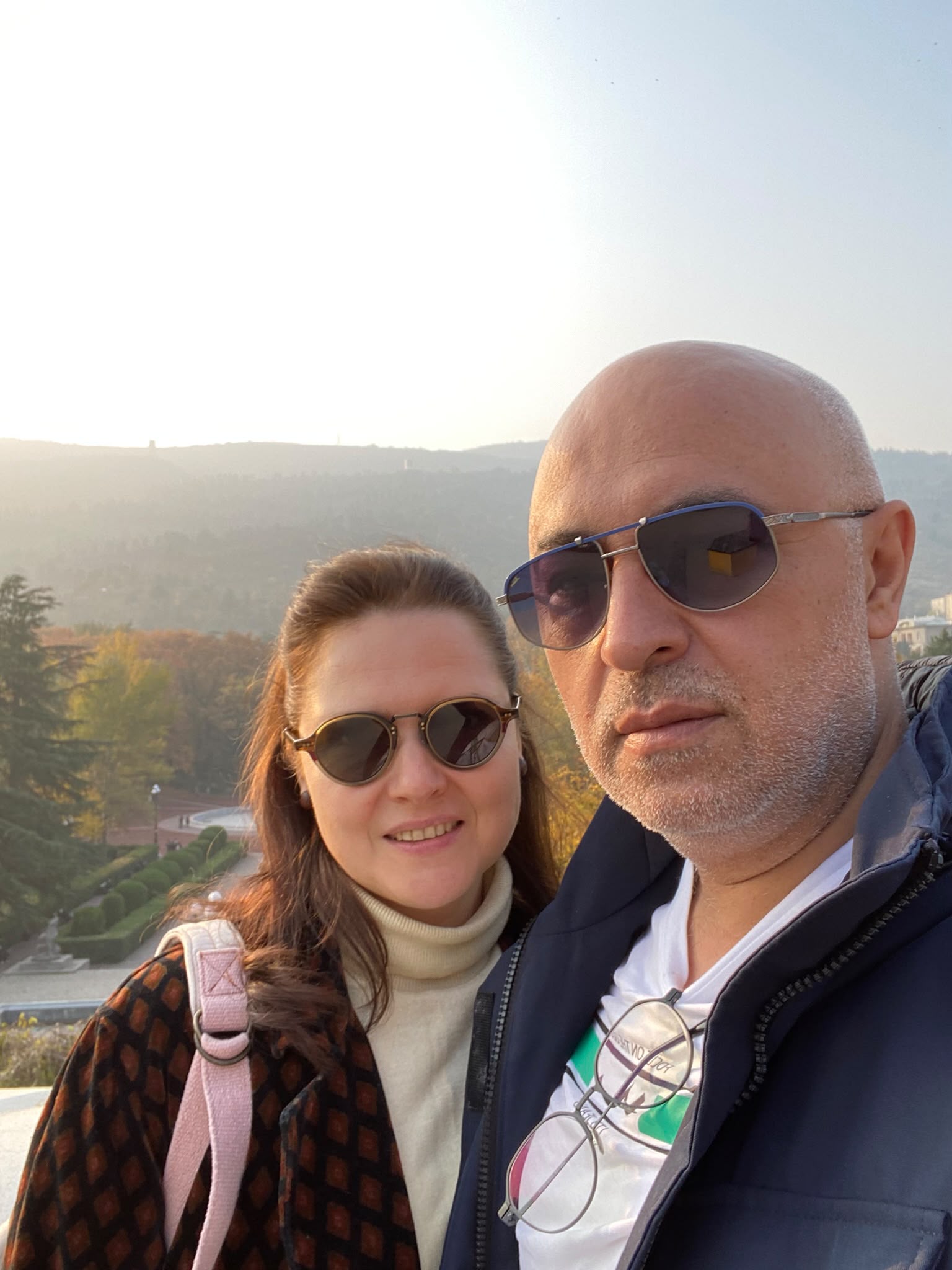
My wife Olga and I have made exploring new places whenever we get the chance a major part of our lives. For us, traveling isn't just about going from one city to another; it's about getting to know different cultures, getting lost in the streets, experiencing local life, and especially witnessing history in historical places. Our biggest motto in life is to travel, see, and accumulate what we learn. In every city we visit, we love tracing the castles, ancient cities, museums, old streets, and historical buildings. Because, in our opinion, every stone, every square, and every old building has a story to tell. On our trips with Olga, we enjoy following these stories the most. Sometimes in the quiet streets of a small town, sometimes on the walls of a castle that has defied centuries, and sometimes in an ancient city left behind by old civilizations, we find ourselves on a journey between the past and the present. For us, travel means creating memories together, seeing new places, touching history, and living life more meaningfully. Each trip gives us a new perspective and increases our desire to get to know the world more closely.
Similar Threads
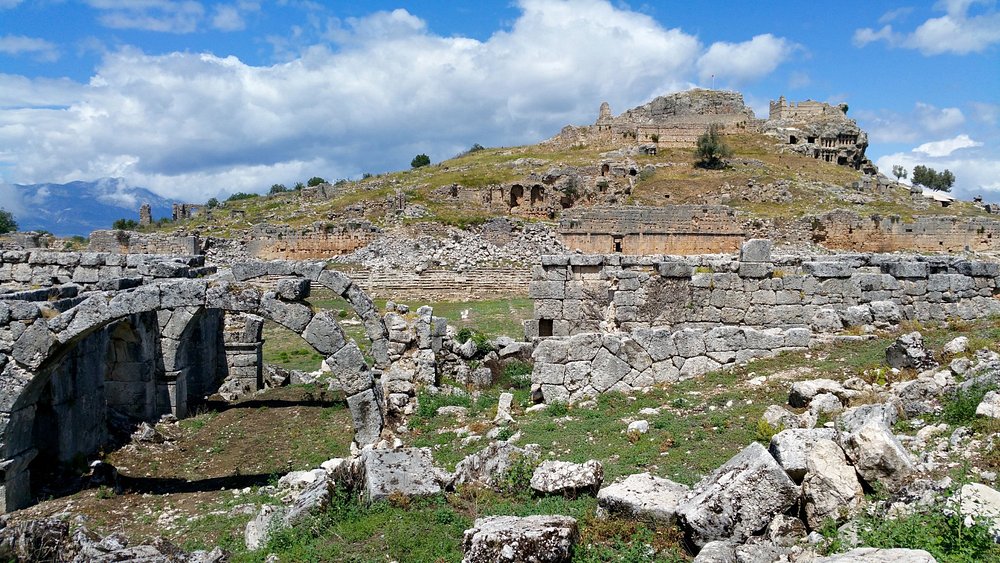
The road to the ancient city of Tlos first leads you to the silence of the valley. The surrounding mountains seem to preserve an ancient scene. Turning a corner, the rock tombs immediately reveal themselves. Then the rising acropolis catches your eye, stirring your emotions. Here, history doesn't lie flat like a book page; it's layered. Traces of Lycia, Rome, and Byzantium are in the same stone...
Write a Comment
Visitor Comments - 0 Comments