
Places to Visit in Rhodes: The Island's 195 Most Popular Destinations
Rising in the southeastern Aegean Sea, directly opposite Marmaris. RodosIt is the largest and arguably the most impressive of the Dodecanese islands. With its layers of history spanning thousands of years, from the ancient world to medieval knights, from the Ottoman period to Italian architecture, this island is a UNESCO World Heritage Site, while its turquoise bays, golden beaches, and lush valleys attract nature lovers. Fethiye Rhodes, easily accessible by ferry from Marmaris, is one of the most accessible Greek islands for Turkish travelers.
This guide compiles 195 of Rhodes' top destinations for you. Whether you want to embark on a journey through history in the shadow of knightly castles, soak up the sun in a crystal-clear bay, or stop time in an authentic Greek village, this comprehensive list will be your guide to making every moment in Rhodes unforgettable. From beaches to ancient cities, from mountain villages to medieval castles, this guide is a complete travel guide covering every corner of the island.
Historical Sites to Visit in Rhodes
Rhodes Old Town
Rhodes Old Town, one of Europe's best-preserved medieval walled cities, more than deserves its place on the UNESCO World Heritage List. Stepping into this area, surrounded by massive stone walls, feels like being transported back hundreds of years. Narrow cobblestone streets, Gothic arches, Ottoman fountains, and minarets intertwine to create a unique cultural mosaic. The Old Town contains over 200 streets and alleys; getting lost without a map is actually the best way to find yourself here. At night, the illuminated walls and streets offer a completely different, fairytale atmosphere than what you see during the day.
Knight's Castle (Grand Master's Palace)
Rising to the sky at the highest point of the Old Town, this colossal fortress is the undisputed symbol of Rhodes. Built in the 14th century by the Knights of Saint John on the foundations of an older Byzantine castle, it boasts over 150 rooms, but only about 20 are open to visitors today, furnished with mosaic floors, ancient sculptures, and medieval furniture. The palace's triple-walled system forms one of the strongest defensive structures in the Mediterranean, and from the tops of the towers, panoramic views of the entire Old Town and the Aegean Sea are offered. We strongly recommend reading its history beforehand; otherwise, you might miss the story this magnificent structure tells.
Knights Street (Ippoton Street)
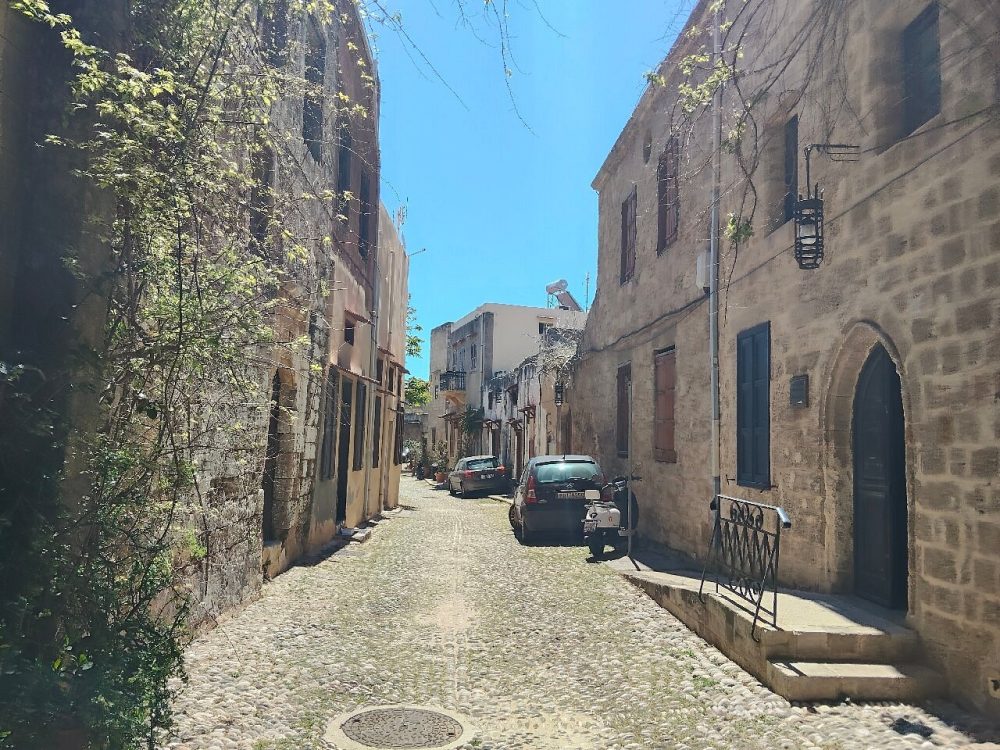
In the heart of the Old Town, this 600-meter-long cobblestone street leading to the Grand Master's Palace is one of the best-preserved streets of medieval Europe. Walking along this street, lined on both sides with knightly lodges representing different nations, you almost feel as if you can hear the footsteps of knights in armor. France, Spain, Italy, England ve Germany The lodges of countries like these are distinguished by their unique coats of arms on the doors and architectural details. Six-hundred-year-old stone facades and Gothic arches have survived almost intact to this day; there are no modern shops or signs on the street. Walking early in the morning, before the crowds arrive, is the best way to be alone in this time tunnel.
Acropolis of Rhodes (Monte Smith)
The ancient site rises on Monte Smith Hill, southwest of the city centre. akropolisThe site welcomes visitors with its Hellenistic-era remains. The three surviving columns of the Temple of Apollo are the most famous sight of the acropolis, and at sunset, they take on a golden hue, offering photographers unique shots. The area also includes a restored ancient stadium and a small theater; cultural events are occasionally held in the stadium. The fact that entry is completely free makes it a budget-friendly cultural destination. From the hilltop, one can see the Aegean Sea and... Turkey The panoramic view of the coastline is breathtaking, especially in the evening.
Mandraki Harbor
At the entrance to this harbor, where it was believed in antiquity that the legendary Colossus of Rhodes had stood, two bronze deer statues now stand. Mandraki is the island's liveliest and most bustling harbor, moored with hundreds of boats and yachts. The medieval windmills lining the harbor, the Castle of St. Nicholas at its end, and the lighthouse form Rhodes' most recognizable skyline. The promenade stretching along the coast offers a pleasant atmosphere with cafes and benches. It is also possible to reach Symi and other neighboring islands by daily boats departing from here.
Monument to the Colossus of Rhodes
The Colossus of Rhodes, one of the Seven Wonders of the Ancient World, was erected in 280 BC to represent the sun god Helios and reached a height of approximately 33 meters. Although it no longer stands today, destroyed in the great earthquake of 226 BC, its legend lives on. At the entrance to Mandraki Harbor, a small monument and information panels stand at the spot where the statue is believed to have stood. The story of this colossal structure, which pushed the boundaries of ancient engineering, will ignite your imagination as you stand here. The deer statues on either side of the harbor are thought to have been placed in memory of the Colossus.
Hippocrates Square
Hippocrates Square, the liveliest meeting point in the Old City, stands out with its Ottoman-era fountain in the center. The stone buildings surrounding the square are overflowing with cafes, souvenir shops, and historical structures. It is illuminated in the evenings. fountain The building facades give the square a fairytale atmosphere. This is the ideal stop to begin your exploration of the Old Town or to take a break after a tiring walk. The Gothic staircase of the Castellania building in the square is one of the most photographed spots.
Hippocrates Square
Hippocrates Square, the liveliest meeting point in the Old City, stands out with its Ottoman-era fountain in the center. The stone buildings surrounding the square are overflowing with cafes, souvenir shops, and historical structures. In the evenings, the illuminated fountain and building facades give the square a fairytale atmosphere. This is an ideal stop to begin your exploration of the Old City or to take a break after a tiring walk. The Gothic staircase of the Castellania building in the square is one of the most photographed spots.
Mustafa Pasha Bath
Tucked away from the tourist crowds in the narrow streets of the Old Town, this Ottoman bathhouse stands out with its authentic 16th-century architecture. Its domed structure, stonework, and hot and cold water rooms make it one of the best-preserved examples of Ottoman bathhouse culture in Rhodes. The bathhouse has been restored to a near-original state. Visiting hours may vary, so it is recommended to check in advance. Add it to your itinerary along with other Turkish-Islamic sites within the city walls to gain a glimpse into Ottoman daily life.
Rhodes Clock Tower (Roloi)
Located on one of the highest points of the Old Town, this clock tower is both a historical structure and a magnificent viewing platform. From the top floor, you can enjoy a 360-degree panoramic view of the entire Old Town, Mandraki Harbour, the city walls, and the blue Aegean Sea from a bird's-eye perspective. The entrance fee is symbolic and usually includes a complimentary drink. Visiting, especially at sunset, allows you to capture the most breathtaking view. The tower also offers one of the best photo spots on the island for photographers.
Lindos Acropolis
Rising above Lindos Village, overlooking the Aegean Sea, the acropolis is famous for the ruins of the Temple of Athena Lindia from the Hellenistic period. The climb takes about 20-30 minutes and can be quite tiring in hot weather; bringing plenty of water and a hat is essential. The panoramic view that greets you upon reaching the summit, with the turquoise waters of Saint Paul's Bay below and the endless Aegean blue all around, is worth every drop of water. The acropolis area is one of the rare archaeological sites that houses structures from ancient Greek, Hellenistic, and medieval knightly periods all together. The entrance fee is approximately 12 Euros, and it is recommended to go early in the morning as long queues can form during the summer months.
Ancient Kamiros
Perched on a hillside off the western coast of Rhodes, this ancient city, also known as the "Pompeii of Rhodes," is impressive for its Doric urban planning. One of the island's three major city-states in antiquity, Kamiros was mysteriously abandoned in late antiquity and rediscovered in the 1850s. Its regular street layout, agora, aqueducts, temple ruins, and residential foundations provide a textbook example of ancient Greek city life. The hilltop offers spectacular views of the Aegean Sea and the surrounding islands. Since there is no shade, it is recommended to bring a hat, sunscreen, and plenty of water in the summer.
Ancient Ialysos (Philimos)
Ialysos, built on the Filerimos Hill, is the last of the island's three ancient city-states and boasts layers from the Doric, Byzantine, and Knightly periods. The ruins of a Doric temple, a 14th-century Byzantine church, and a Knightly monastery restored by Italians stand side-by-side, offering a journey through 2.500 years of history. The Via Crucis, surrounding the giant cross on the hill, is an atmospheric walking route surrounded by cypress trees. The panoramic views covering the northwest of Rhodes, especially on clear days, extend all the way to the Turkish coast. Its proximity to Rhodes city center (just 15 minutes) makes it ideal for a half-day trip.
Filerimos Hill
This hill, home to the ruins of ancient Ialysos, is also known as one of the island's most beautiful viewpoints. It has been restored to a state close to its original form through Italian-era restorations. monasteryIt amazes visitors with its spacious gardens where azure peacocks roam freely. While walking along the pilgrim's path, you constantly feel the blue of the Aegean Sea and the panorama of the northwest coast beside you. Reaching the hilltop is easy by car, and there is ample parking. Taking photos with the peacocks creates unforgettable moments, especially for families with children.
Monolithos Castle
Perched atop a massive 236-meter-high rock formation on the southwest of the island, this medieval castle was built in the 15th century by the Knights of Saint John. While only remnants of the walls and the small white Agios Panteleimonas Chapel in the inner courtyard remain, the real magic lies in the breathtaking panorama. Visiting at sunset offers the opportunity to watch the sun set over the Aegean Sea behind the colossal rock silhouette, creating one of the island's most romantic moments. The climb to the castle is a short but steep path; comfortable shoes are essential. You can also descend to the beach just below the castle and swim in the sea.
Kritinia Castle (Kastellos)
This castle rises on a hill overlooking the sea on the west coast, Venice It bears traces of knightly architecture. From its walls, the clear blue of the Aegean, the island of Halki opposite, and the wild beauty of the west coast stretch as far as the eye can see. The knightly coats of arms on the castle's entrance gate are still legible, embodying the building's historical identity. Being one of Rhodes' lesser-known but equally impressive historical sites makes it a destination for exploration away from the crowds. It is recommended to include it in a west coast itinerary along with ancient Kamiros.
Feraklos Castle
Rising on a strategic hilltop above the village of Haraki, this Byzantine-Knightly castle boasts one of the largest castle grounds in Rhodes. Its location offers panoramic views of both Agathi Beach to the north and Haraki Bay to the south. Used by the Knights to protect the island's eastern coast, it was one of the last points to surrender to the Ottoman conquest. While the climb is somewhat challenging, the views from the summit and the historic atmosphere are rewarding. A relaxing break at Agathi Beach below after visiting the castle is the perfect combination.
Rhodes City Walls
The massive walls surrounding the Old City, totaling 4 kilometers in length, constitute one of the most impressive examples of medieval defensive architecture in the Mediterranean. Walking tours are organized in certain sections of the walls, offering views of the Old City's rooftops on one side and the moats and modern city on the other. Seven grand gates and numerous towers demonstrate the seriousness with which the defensive function of the walls was taken. Each gate has its own unique architectural character and historical story; the Amboise, Sea, and Saint Athanasios gates are the best known. The walls, illuminated at night, create a fairytale-like sight when viewed from the sea.
Amboise Gate
One of the most impressive entrances to the Old City, the Amboise Gate, with its double towers, deep moat, and knightly coat of arms, is a perfect example of medieval defensive architecture. The gate is named after Grand Master d'Amboise, who commissioned its construction in the 15th century. The interconnected gates and winding passageway reflect an ingenious defensive strategy designed to prevent the enemy from directly entering the city walls. Walking through the gate towards the Grand Master's Palace offers the most dramatic entrance to the walled city. The nighttime illumination of the gate and moat adds a unique atmosphere.
Marine Gate
This monumental gate, leading from Mandraki Harbour to the Old Town, is the historic crossing point where most visitors first step foot in Rhodes. Its Gothic arches, the relief of the Virgin Mary, and the surrounding towers offer a perfect backdrop for photographs. The moment you pass through the gate, the modern atmosphere of the harbour instantly transforms into a medieval ambiance; this transition is strikingly impressive. Inside the gate is a small square with information boards. Starting your exploration of the Old Town from here is the most logical route, both chronologically and geographically.
St. Nicholas Castle
This small fort, rising at the end of the breakwater at the tip of Mandraki Harbour, is the most photogenic spot in the harbor, along with its lighthouse atop. Built during the Knights' era as a strategic structure protecting the harbour from threats from the sea, walking along the breakwater offers a breathtaking view of both sides of the sea, and on windy days, the waves crashing against the rocks create an impressive spectacle. In the evening, when the lighthouse is lit, the silhouette of the fort and harbour takes on a romantic atmosphere. Be sure to include this spot as the final stop on your Mandraki walk.
Windmills (Mandraki)
Lining up along the Harbour of Mandraki, these medieval windmills were used during the Knights' era to grind grain unloaded from ships. Once numbering around ten, only three remain today; yet even these three form one of Rhodes' most recognizable silhouettes, with their stone shafts and conical roofs. Mediterranean The windmills, standing tall in the wind, are an indispensable photo spot of the harbor. Especially at sunset, the windmills, bathed in a golden hue, create a captivating tableau with the sea and castles in the background. It is delightful to stop at this point while taking an evening stroll in the harbor and imagine the ancient trade life.
Ottoman Library (Hafız Ahmet Ağa)
Located in the Old Town, directly opposite the Suleiman Mosque, this 18th-century library houses handwritten Qur'ans and other historical documents from the Ottoman period. A small but remarkably well-maintained structure, the library is a tangible reflection of Ottoman educational and cultural thought in this corner of the island. Its inner courtyard, with its fountain and garden, offers visitors a tranquil setting. The library is occasionally open to the public; on days it is open, seeing the handwritten manuscripts up close is a privileged experience. The combination of the Suleiman Mosque, the Mustafa Pasha Hammam, and the library forms a perfect route to understanding Ottoman Rhodes.
Medieval Moats of Rhodes
The deep moats surrounding the Old City walls are an impressive and often overlooked part of the medieval defense system. Today, the moats are filled with green spaces, walking paths, and even a mini-park where deer roam freely. Walking along the moat gives you the best understanding of the walls' immense size; their height is even more impressive when viewed from below. In some sections, stone bridges and gates create perfect photo opportunities. This walk from outside the Old City allows you to see the walled city from a completely different perspective.
Rhodes Lighthouse
Perched atop St. Nicholas Castle, this lighthouse is one of the most romantic spots in Mandraki Harbor. When lit at night, its light reflects on the harbor waters, creating a captivating scene against the backdrop of the castle silhouette. Walking to the lighthouse, situated at the end of the breakwater, offers the opportunity to see both sides of the sea simultaneously. The view is also excellent during the day; from here you can see all of Mandraki, the windmills, and the Old Town walls opposite. Stopping here before dinner to watch the sunset is one of Rhodes' most romantic experiences.
Castellania Building
Located in Hippocrates Square in the Old Town, this medieval building is a magnificent structure that served as a commercial court and stock exchange for the Knights. Its Gothic staircase and arched galleries are the most striking architectural elements of the square and a favorite for photographs. The ground floor houses shops and cafes; the upper floors occasionally host exhibitions and cultural events. A tangible testament to medieval commercial law and the knightly system of governance, the building deserves a detailed examination for history enthusiasts. Its proximity to the fountain in Hippocrates Square is an unmissable detail when exploring the square.
Rhodes Ancient Stadium
Located on the acropolis area of Monte Smith Hill, this ancient stadium was a sports arena with a capacity of approximately 800 people where athletic competitions were held during the Hellenistic period. Its restored structure largely retains its original dimensions, and the stepped seating rows are still usable. Walking on the track or sitting on the steps and imagining the ancient athletes allows you to physically connect with history. Visiting it together with the theater and temple ruins on the acropolis area offers a holistic ancient city experience. Free entry and its proximity to the city center make it a practical cultural stop.
Deer Statues of Rhodes
The bronze statues of a female deer (Elafina) and a male deer (Elafos) rising on two columns at the entrance to Mandraki Harbour are one of Rhodes' most well-known symbols and most photographed spots. The statues are thought to represent the deer, the island's protective animal; even today, deer roam freely in Rodini Park, continuing this tradition. The popular legend that the ancient Colossus once stood on these two columns sparks the imagination of visitors. Visible from both sides of the harbour, the statues offer different views under different lights during the day and night. An indispensable image for Rhodes postcards and souvenirs, this spot is a must-see for your photo album.
Kamiros Skala Pier
This small fishing pier near ancient Kamiros is known for being the departure point for daily ferries to the island of Halki. Several fisherman's taverns on the pier are famous for their seafood dishes prepared with the day's fresh catch, and the prices are much more reasonable than in tourist areas. Eating at the tables by the sea while watching the fishing boats offers one of Rhodes' most authentic gastronomic experiences. For those planning a day trip to Halki, ferries depart from here in the morning and return in the evening. Combined with a visit to ancient Kamiros, it creates a route that offers both the historical and gastronomic richness of the west coast.
Archangelos Castle Ruins
These Byzantine-chivalry castle ruins on a hilltop overlooking the village of Archangelos offer impressive panoramic views. While much of the walls are no longer standing, the remaining fragments and bastions allow you to imagine the castle's former grandeur. From the hilltop, you can see the village's red-roofed houses, the surrounding olive groves, and the Aegean Sea shimmering in the distance. The climb is short and easy; you can add it to your itinerary as a natural extension of your village tour. The view from the castle, especially at sunset, creates a captivating atmosphere.
Asklipio Castle
This knightly castle on the hilltop overlooking the village of Asklipio offers panoramic views of the village and surrounding valleys. Partially intact, the castle walls exhibit typical features of medieval defensive architecture. Its hilltop location allows for a cool breeze, making it a refreshing stop on hot days. Visited alongside the Church of Asklipio, it offers a comprehensive picture of the village's religious and military history. Due to its relatively unknown status, you will generally not encounter other visitors, making the experience even more special.
Knights Lodges of Rhodes (Old Town)
The buildings of the English, French, Spanish, Italian, German, Provençal, and Auvergne lodges lining the Avenue of the Knights vividly illustrate the multinational nature of medieval Europe. Each lodge displays its country's architectural style and coat of arms on its facade; comparing these details is an educational experience in itself. Most of the buildings are now used for administrative purposes, and their interiors are generally closed to visitors; however, even their exteriors can be examined for hours. The Italian and French Lodges are among the best-preserved and most magnificent. The silence of the street and the grandeur of the buildings make it easy to imagine medieval knightly life.
Italian Period Buildings (New City)
The Art Deco and Neoclassical Italian buildings lining the Mandraki Harbour are the most visible examples of Rhodes' 1912-1943 Italian-era heritage. The Governor's Residence, the National Theatre, the Post Office, the Police Station, and schools from that period are lasting traces of Italian architects on the island. These buildings speak a completely different architectural language from Gothic and medieval influences; Art Deco details, symmetrical facades, and wide avenues create a modern urban fabric. Many of the buildings are still used for their original functions. Examining these buildings one by one while walking along the harbour is like reading the recent history of Rhodes.
Hidden Courtyards of the Old City
The greatest surprises of Rhodes' Old Town are the inner courtyards hidden behind the street doors. Flower-adorned stone walls, ancient column fragments, mosaic floors, and small fountains make exploring these courtyards an adventure in themselves. Some courtyards belong to cafes or boutique hotels and are open to visitors; don't hesitate to peek inside when you see an open door. Each courtyard may bear traces of a different era—Byzantine, Ottoman, or knightly—this diversity enhances the thrill of discovery. Getting lost without a map in the Old Town is the most effective way to find these hidden courtyards.
Rhodes Ottoman Cemetery
This historic cemetery next to the Murad Reis Mosque reveals another poignant layer of the island's multicultural past with its tombstones dating back to the Ottoman period. The tombstones, bearing ancient Ottoman inscriptions, artistic decorations, and figurative motifs, are valuable examples from an art historical perspective. The cemetery's location by the sea offers a quiet and peaceful atmosphere. It reminds us that Rhodes is not only rich in Greek and chivalric history, but also possesses a four-hundred-year-old Ottoman layer. Visiting it together with the Murad Reis Mosque completes a tour of Ottoman heritage.
Rhodes Ancient Theatre
Located on the acropolis area of Monte Smith Hill, this small ancient theatre, restored with its white marble steps, hosts cultural events during the summer months. With a capacity of approximately 800 people, the theatre exhibits typical features of classical Greek theatre architecture, with its semicircular seating and orchestra area. Sitting here and gazing at the blue of the Aegean Sea, it's delightful to imagine that in ancient times, audiences watched performances with the same view. Visiting the acropolis, along with the stadium and temple ruins, offers a holistic experience. Concerts and theatre performances held here on summer evenings transform the ancient site into a vibrant stage.
Ruins of the Temple of Apollo
The Temple of Apollo, with its three surviving columns on the acropolis atop Monte Smith Hill, is the most famous and photographed remnant of Rhodes' ancient religious life. The Doric columns, bathed in gold at sunset, create a breathtaking tableau against the backdrop of the Aegean Sea. The temple is dedicated to the sun god Apollo (or Athena and Zeus according to some sources) and reflects its role as the island's religious center. The ruins are open to the public and admission is free. Its location at the highest point of the acropolis makes the panoramic view even more impressive.
Temple of Athena Lindia
This temple, located at the summit of the Lindos Acropolis, is dedicated to Athena, the goddess of the sea and war, and dates back to the 4th century BC. Its remaining columns and platform structure reflect the elegance and engineering prowess of Hellenistic architecture. Situated hundreds of meters above sea level, overlooking the Aegean Sea, this strategic location embodies the ancient Greeks' desire to worship their gods in the closest possible location. A key stop on any Acropolis visit, the temple is a perfect spot for taking photographs and contemplating the ancient world. Entrance is included in the Lindos Acropolis ticket price.
Lindos Ancient Theatre
Located on the southwestern slope of the Lindos Acropolis, this small ancient theater, carved into the rock, combines with its impressive sea view to form one of Rhodes' most unique archaeological sites. With a capacity of approximately 1.800 people, it was used for theatrical performances and public gatherings during the Hellenistic period. The rows of seats facing the sea offered the audience an endless blue backdrop behind the stage. The theater is free to visit as it is located outside the acropolis ticket area. It can be reached via a short detour when ascending or descending the acropolis from Lindos village.
Ancient Necropolis Sites of Rhodes
The ancient burial sites scattered throughout Rhodes are silent and often overlooked witnesses to the island's millennia-old history of settlement. The best-known necropolis is near Rodini Park, where monumental tombs carved into the rock can be seen. These tombs reflect the ancient Rhodians' beliefs about death and the afterlife through their architecture. Some burial chambers feature the typical columnar facade architecture of the Hellenistic period and are open to visitors. These sites, outside the popular tourist destinations, offer a profound historical discovery for archaeology enthusiasts.
Rhodes Grain Silos
In the Old City, near the city walls, the medieval granaries were strategically important structures that ensured the city's food security during sieges. Demonstrating not only the military but also the logistical aspects of Knights-era defense planning, these buildings were designed with thick stone walls and cool interiors to keep grain fresh for extended periods. Some of the granaries are now used as exhibition spaces or cultural venues. These lesser-known corners of the Old City should be visited as part of a detailed exploration route. They are tangible evidence of how comprehensive and thoughtful medieval city planning was.
Rhodes Knights Era Hospital
Now used as an Archaeological Museum, this magnificent 15th-century building was originally the hospital of the Knights of Saint John and is one of the largest medieval hospital buildings in the Mediterranean. The two-story structure's spacious courtyard, arched corridors, and enormous patient halls showcase the scale of medieval medicine. Built in Gothic style, the building is one of Rhodes' most impressive civil structures, with its stonework and window details. From the upper floors, the rooftops of the Old City are visible, and the ancient cannonballs in the courtyard serve as a reminder of the building's military past. Even independently of the museum's collection, the building's architecture alone is worth a visit.
View of Rhodes Clock Tower
Climbing to the observation deck of the Roloi Clock Tower, located at the highest point of the Old City, is the most impressive way to get a bird's-eye view of the entire Old City. The entrance fee is a symbolic amount and usually includes a complimentary drink, making the visit both affordable and enjoyable. From the terrace, a 360-degree turn reveals the city walls, minarets, the sea, and mountains in succession. Climbing at sunset allows you to capture the most breathtaking view, and watching the golden light fall on the rooftops is unforgettable. A top spot for photographers in Rhodes, the tower should be on every visitor's itinerary.
Rhodes Marina
Rhodes Marina, a modern yacht harbor, is a stylish area where luxury yachts are lined up and you can stroll along the shore. The cafes and bars surrounding the marina are popular meeting points for boating and enjoying the evening. Offering fuel, water, and maintenance services for sailors and boat owners, the marina is equipped to international standards. Unlike the historic atmosphere of Mandraki Harbor, it has a modern and cosmopolitan feel. A visit to the marina is enough to arrange daily boat charters or private sailing tours.
Northern tip of Rhodes (Akrotiri)
This headland, the northernmost point of the island, is located right next to the aquarium and, surrounded by the sea on three sides, offers a windy but incredibly impressive viewing area. At this point where the Aegean and Mediterranean seas meet, you can observe the color transitions created by different ocean currents. On windy days, the waves crashing against the rocks create a dramatic spectacle. There is a walking path around the headland that continues to Elli Beach. The feeling of standing at the very tip of the island is one of the rare experiences that tangibly conveys Rhodes' geographical identity.
Rhodes Old Port (Commercial Port)
The historic part of the commercial port, with its medieval walls, is both a vibrant transportation hub and a visually stunning historical site. Ferries to Symi, Halki, Kos, and the other Dodecanese islands depart from here; the port offers a blend of daily life and historical charm. The gates leading into the port from within the walls bear the traces of medieval trade. The large passenger ships in the port create a striking sight, especially during cruise season. A short walk along the walls while waiting for the ferry makes the wait enjoyable.
Rhodes City Hall
This building, a significant example of Italian-era architecture, was constructed in the Venetian Gothic style and is located just outside the Old Town, near the Port of Mandraki. Its Gothic arches, columns, and balcony on the facade reflect the medieval nostalgia of Italian architects in the building's original design. Today, the building is actively used for municipal services. The fountain and palm trees in the square beautify its surroundings. Stopping in front of this building during a walk along the harbor to examine its architectural details offers a brief glimpse into Rhodes' modern history.
Ruins of the Ancient Aqueducts of Rhodes
The remains of ancient aqueducts, scattered across various parts of the island, are important archaeological remnants that bear witness to the history of water engineering in Rhodes. Near Rodini Park... Kemer The remains are among the best preserved and can be easily seen when visiting the park. These structures were engineering marvels that met the ancient city's water needs by transporting water from mountain springs to the city. Rome Parts of the arches, dating back to the Hellenistic period, are still standing, and the stonework is impressive. It is a little-known but important discovery point in Rhodes for those interested in ancient infrastructure engineering.
Rhodes Medieval Tower Series
The watchtowers and defensive towers lining the Old City walls are strategic structures, each responsible for the defense of a different knightly nation. Comprising over 150 bastions and towers, the walls form one of the most extensive medieval defense systems in the Mediterranean. Each tower's facade bears coats of arms and inscriptions indicating its nation; discovering these details is an adventure in itself. From the tops of the towers, the moats, the city, and the sea can be seen from different angles. During walking tours of the walls, visitors can also enter the interiors of these towers and examine the defensive mechanisms up close.
Rhodes Olive Oil Mills
Along the island's west coast and inland, the remains of ancient stone olive oil presses stand as tangible reminders of Rhodes' millennia-old agricultural history. In some villages, particularly around Kritinia, Massari, and Afandou, these old mills have been restored and transformed into small museums or tasting points. Exhibits showcasing the traditional stone-press olive oil extraction process explain the ancient methods to modern visitors. Tasting freshly pressed olive oil on bread is the most direct way to experience the island's gastronomic identity. Those visiting during the harvest season in November and December have the chance to observe the active production process firsthand.
Rhodes Italian Period Water Reservoir
In the New Town, this little-known but impressive example of Italian engineering was built in the 1930s to establish the island's modern water infrastructure. The massive reservoir, constructed of concrete and stone, features Art Deco details reflecting the engineering aesthetic of the era. Although the building is no longer in active use, its exterior and surrounding area are still worth visiting. It is tangible evidence of how Italian-era infrastructure investments modernized the island. It's an unexpected discovery for those interested in the history of architecture and engineering.
Rhodes Industrial Heritage (Italian Period Factories)
In and around the New Town, the remains of industrial buildings from the Italian period bear the traces of the island's industrial development in the early 20th century. The ruined structures of tobacco factories, flour mills, and other production facilities are fascinating discovery points for those interested in industrial archaeology. Some buildings have been converted into cultural venues or exhibition spaces in recent years. These buildings are tangible remnants of the Italian administration's efforts to transform the island's economic structure. Hidden within the modern urban fabric, these structures are a reward for a keen observer.
Italian Period Houses in Rhodes
In the New Town, particularly in the area between Mandraki Harbour and Elli Beach, residential buildings constructed in Art Deco and Rationalist styles constitute beautiful examples of Italian-era civil architecture. With their symmetrical facades, rounded balconies, and geometric ornamentation, these buildings present a completely different architectural world from the medieval Old Town. Many of these structures are still used as residences today and are well-preserved. Examining the facades of these buildings while walking through the New Town means seeing the architectural trends of the 1930s adapted to the Aegean setting. For those interested in Art Deco architecture, Rhodes offers an unexpected and rich resource.
Ruins of Lardos Castle
Near the village of Lardos, these small castle ruins are a quiet corner of history hidden among greenery. Thought to date back to the Knights era, only fragments of walls and foundations remain; however, their location offers a peaceful exploration with views of the village. The castle is reached by a short walk, and entry is completely free. Its distance from tourist crowds makes it ideal for a quiet break for photography and contemplation. When visited together with the village of Lardos and its beach, it offers a chance to explore all the historical and natural beauties of the region.
Rhodes Sea Gate Square
Immediately after entering the Old City through the Sea Gate, this small square opens up, creating an atmospheric space surrounded by buildings from various periods. Information panels in the square summarize the history of the Old City and offer route suggestions to visitors. Sitting in the shadow of the walls, just behind the medieval gates, and listening to the sounds of the harbor, is one of the most impressive moments of entering the city. Narrow streets starting from the square branch off in different directions, leading to the labyrinthine structure of the Old City. Starting your exploration from this point allows you to gradually immerse yourself in the atmosphere of the Old City.
Museums to Visit in Rhodes
Rhodes Archaeological Museum
Located on the Street of the Knights, in the magnificent hospital building constructed by the Knights of Saint John in the 15th century, this museum houses the island's richest collection. Sculptures, ceramics, jewelry, and sarcophagi unearthed from the excavations of ancient Ialysos and Cambyses are displayed in chronological order. The most famous piece in the collection, a marble head sculpture depicting the sun god Helios, has even found a place in pop culture. The museum building itself is a work of art with its Gothic arches, spacious courtyard, and stonework. We recommend allocating at least two to three hours for your visit and using an audio guide.
Kahal Shalom Synagogue and Jewish Museum
Built in 1577, Kahal Shalom is the oldest synagogue still standing in Greece and one of the most poignant symbols of Rhodes' multicultural past. The small museum within the synagogue documents and recounts the history, daily life, and tragedy of the island's Sephardic Jewish community during World War II. Located in the Jewish Quarter (La Juderia) southeast of the Old City, the building, along with the monument in the square, offers a profound sense of historical awareness. The interior is simple yet impressive; the woodwork and religious objects are meticulously preserved. It is an important landmark demonstrating that Rhodes was not just about the Knights and the Ottomans, but that diverse communities lived together on the island for centuries.
Rhodes Museum of Modern Greek Art
Located in the Old Town, this museum presents exquisite examples of 20th-century Greek painting, sculpture, and engraving. The collection also includes works by some of Greece's most important modern artists, reflecting not only Rhodes' ancient but also its modern cultural identity. The museum building offers an interesting contrast: modern exhibition spaces housed within a medieval structure. Changing temporary exhibitions provide a new experience with each visit. It's a valuable destination for those seeking a different cultural perspective after visiting historical museums.
Rhodes Byzantine Museum
In the Old City Virgin Mary Church Located within the Our Lady of the Castle complex, this museum displays Byzantine icons, frescoes, and religious art. The church itself has a layered history, having served as a Catholic cathedral during the Knights' era, then as a mosque during the Ottoman period, and now functioning as a museum. The frescoes inside, with their layers from different periods, are particularly valuable to art historians. The ancient columns and architectural fragments in the museum's courtyard offer a brief overview of Rhodes' multifaceted history. It is recommended to include this museum in a tour of the Old Town, along with the Archaeological Museum.
Rhodes Folk Arts Museum (Folkloric Museum)
Located in the Old Town, this small museum showcases traditional Rhodian handicrafts, costumes, embroidery, and household items. It offers a short but informative visit to understand the island's daily life culture, wedding traditions, and craftsmanship. The ceramics, textiles, and agricultural tools on display are tangible remnants of Rhodian village life. The museum is housed in a medieval building, and the building itself is worth seeing. To the children It is an educational destination aimed at introducing traditional lifestyles.
Rhodes Maritime Museum
Located in the Old Town, this small but rich museum displays model ships, maps, nautical instruments, and photographs that shed light on Rhodes' millennia-old maritime history. Showcasing the island's relationship with the sea from antiquity to the modern age, the collection is a valuable resource for sea enthusiasts and history buffs. The section on naval battles during the Knights' era is particularly fascinating, filled with intriguing details. The museum is situated within the walls of the Old Town and is within walking distance of other museums. Even a half-hour visit is enough to grasp Rhodes' maritime identity.
Rhodes War Museum
This small museum documents Rhodes' experience during the Italian and German occupation, bombings, and liberation process in World War II, shedding light on some of the most dramatic pages of the island's modern history through photographs, documents, and personal belongings. The museum particularly documents painful events such as the deportation of the Rhodes Jewish community to concentration camps. While small in scale, its impact is significant; each photograph and document tells how the war changed the island. Its location in the Old Town makes it easy to incorporate into a history tour. Nestled between Rhodes' beautiful beaches and ancient ruins, this museum reminds visitors of the island's painful recent history.
Rhodes Paleontology Collection
For natural history enthusiasts, this small but fascinating collection houses fossil and mineral specimens found on the island. Shedding light on Rhodes' geological past, the collection includes fossils of marine life, samples of volcanic rock, and information about the island's formation process. While not comprehensive, it offers an informative experience for those curious about the geological history of the Aegean islands. It can also be considered an educational and fun activity for children. Visiting it on the same day as the Archaeology Museum allows for a combined experience of history and natural science.
Religious Sites to Visit in Rhodes
Suleiman Mosque
One of the most prominent traces of the Ottoman period in Rhodes, the Suleiman Mosque was built after Suleiman the Magnificent conquered the island in 1522. With its pink exterior and elegant minaret, it is an integral part of the Old Town skyline. The mosque is located at the upper end of Sokratous Street and overlooks one of the highest points in the city. Although its interior is generally closed to visitors, its exterior and the surrounding Ottoman structures tangibly showcase the island's 400-year-old Turkish-Islamic heritage. It is recommended to visit it together with the Ottoman Library, which is located directly opposite the mosque.
Tsambika Monastery
Perched atop a hill overlooking Tsambika Beach, this small Byzantine monastery is accessible only after a steep climb of approximately 300 steps. Dedicated to the Virgin Mary, the monastery has been a sacred place for women seeking to conceive for centuries. Although the interior is miniature, its icons and mystical atmosphere are deeply moving. The 360-degree panorama from the top stretches from the golden sands of Tsambika Beach to the shores of Kolymbia, offering one of the island's most impressive views. It is recommended to undertake the climb early in the morning or late afternoon, avoiding the hottest part of the day.
Tharri Monastery
Nestled deep within pine forests near the village of Laerma, this Byzantine monastery is adorned with 12th-century frescoes and is considered one of the oldest monasteries in Rhodes. Its location in the middle of the forest makes even reaching the monastery a journey of discovery; you arrive via pine-scented paths. The frescoes inside, with their vibrant colors and details preserved over centuries, have captivated art historians. Sitting in the monastery's small courtyard and listening to the silence of the forest offers spiritual tranquility. It is one of Rhodes' most valuable hidden treasures for those interested in religious structures and nature lovers.
Moni Skiadi Monastery
Located on a secluded hilltop near the village of Messanagros in southern Rhodes, this remote monastery has attracted visitors for centuries with its miraculous icon. Legend says that blood miraculously flowed from the icon, transforming it into a sacred pilgrimage site. The journey is somewhat long and involves dirt roads; however, the wild beauty of the island's unspoiled southern region will captivate you along the way. The monastery's simple structure and secluded location offer a sense of escape from the noise of the modern world. Adding it to a southern Rhodes village tour offers the chance to explore all the cultural and natural richness of the region.
Panagia Church (Lindos)
Located in the heart of Lindos village, this 14th-century church is adorned with extraordinary Byzantine frescoes in its interior, and despite its small size, it possesses immense artistic value. The frescoes depict scenes from the Bible with detailed color and figures; the ceiling decorations are particularly noteworthy. The black and white pebble mosaic floor in the churchyard is a unique art form of Rhodes and is worth seeing in itself. Entry is free, but photography inside is generally prohibited. Missing this small but magnificent church while exploring Lindos village would be a great loss.
Koimisis Theotokou Church (Asklipio)
This 11th-century Byzantine church in the village of Asklipio houses one of Rhodes' most important religious art treasures, with its stunning frescoes depicting scenes from the Bible. The vibrancy of the colors and the figurative details of the frescoes deeply affect the viewer, despite their age. The church's domed structure and stonework reflect the elegance of Byzantine architecture, blending simplicity with sophistication. The interior is quite small, allowing for close examination of the details of each fresco. When visited together with Asklipio Castle, the full historical and cultural richness of the village is revealed.
Cathedral of Evangelism
Located in the heart of Rhodes city, near Mandraki Harbour, this Italian-era cathedral, with its Gothic architecture, is a significant part of the island's skyline. Built in 1925 by the Italians to replace a demolished Knights-era church, its interior frescoes and stained-glass windows are impressive examples of religious art, creating a mystical atmosphere in the dim light. The cathedral's bell tower is easily recognizable and marks the city's religious center. It's an important cultural stop to make during a stroll through Mandraki Harbour.
Murad Reis Mosque and Mausoleum
Located near Elli Beach, this small mosque and its adjacent Ottoman cemetery are silent witnesses to Rhodes' multicultural past. Built after the Ottoman conquest of the island in 1522, the structure bears the name of Ottoman admiral Murad Reis. The ancient tombstones in the mausoleum garden, with their Ottoman inscriptions, are of interest to those who wish to read history. The mosque's small garden, with its palm trees and sea views, is a peaceful spot for a break. It is recommended to visit it along with the mosques in the Old Town to see how the Ottoman legacy spread to different parts of the island.
Agios Nektarios Church (Faliraki)
Although it dates from the modern era, this church, notable for its impressive size, colorful interior decorations, and elegant dome, is the most important religious building in the Faliraki region. The gilded icons, wall frescoes, and chandeliers inside showcase modern examples of Greek Orthodox church art. The church courtyard offers panoramic views of the Faliraki area. A short visit is recommended for those seeking a different cultural experience during a beach holiday. Especially if you happen to be there during Sunday services, you will have the chance to observe the Greek Orthodox worship tradition firsthand.
Church of Agia Triada (Kremasti)
This grand church in the town of Kremasti welcomes thousands of visitors every August during the Panayiri festival, hosting one of the island's largest religious festivals. The church's architecture is magnificent; its dome and bell tower stand out prominently in the town's skyline. During the festival, the area around the church is bustling with traditional music, dance, and food stalls. At other times of the year, it offers a calm and peaceful atmosphere. A central part of Kremasti's historical and cultural identity, this church is well worth a visit for those interested in religious architecture.
Suleyman Pasha Mosque
This mosque, another Ottoman-era place of worship in the Old Town, is a tangible testament to Ottoman-Rhodes relations despite its modest size. Its stone architecture and small minaret blend harmoniously with the surrounding medieval structures. The mosque is generally closed to visitors, but its exterior and surroundings are visible. Including it in a route exploring Ottoman traces in the Old Town is important for understanding the island's multicultural past. A tour of Ottoman heritage can be created by including the Suleiman Mosque, the Mustafa Pasha Hammam, and the Ottoman Library.
Ibrahim Pasha Mosque
Located in the Old City, near the Suleymaniye Mosque, this small Ottoman mosque stands out with its simple architecture and modest structure. Built as a neighborhood mosque during the Ottoman period, it blends seamlessly into the surrounding medieval streetscape. Its minaret occupies a prominent place in the Old City skyline and offers an interesting backdrop for photographs. Although the interior is closed to visitors, the exterior and courtyard are visible. Adding it to a tour of the multicultural heritage of the Old City is valuable for understanding the area's layered history.
Reşadiye Mosque
Another Ottoman-era place of worship located within the Old City, the Reşadiye Mosque, with its slender minaret, creates a unique atmosphere amidst the medieval streets. It holds historical significance as a reflection of Ottoman architectural tradition in this corner of the island. The narrow streets surrounding the mosque offer a unique architectural tapestry where Ottoman and Knightly-era structures intertwine. Many visitors pass by it without even noticing; it is a hidden treasure waiting to be discovered by a discerning eye. It is meaningful as part of a walking route that traces the Ottoman traces of the Old City.
Agia Agathi Church
This small white church near Agathi Beach is perched on a rocky hilltop and is one of Rhodes' most charming and photogenic churches. Its minimalist structure, pristine white walls, and the deep blue Aegean Sea create a classic Greek island postcard scene. The church doors are usually open; the interior is small but well-maintained and houses a few icons. A short climb away, it offers a cultural dimension to a day trip to Agathi Beach. katarAt sunset, the silhouette of the church merges with the orange light on the sea, creating a captivating scene.
Towns and Villages to Visit in Rhodes
Lindos Village
Located approximately 50 kilometers from the center of Rhodes, on the island's east coast, Lindos is a postcard-perfect village with its whitewashed houses and narrow stone streets. Since motor vehicles are prohibited in the village, exploring the labyrinthine streets and discovering hidden courtyards is essential. The view of the acropolis from the hilltop offers a different angle from every corner of the village, providing a fresh photographic opportunity. Boutique shops selling handmade jewelry and traditional Greek clothing add color to the streets, while cafes with rooftop terraces offer panoramic sea views. To visit Rhodes and not see Lindos means missing out on the soul of the island.
Archangelos Village
Archangelos, one of Rhodes' largest and most vibrant villages, offers an authentic Greek village experience with its traditional architecture, narrow streets, and hilltop castle ruins. Famous for its handcrafted leather boots and colorful ceramics, it's a pleasure to watch local artisans at work in their workshops. Sitting in a café in the village square and feeling the rhythm of local life allows you to discover a different side of Rhodes than the tourist areas. From the hilltop castle ruins, you can enjoy panoramic views of the entire village and the surrounding olive groves. Its proximity to Stegna Beach, just a few kilometers away, makes it easy to combine a village visit with a beach experience.
Embonas Village (Empona)
Nestled on the slopes of Mount Attaviros, Rhodes' highest mountain, this mountain village is known as the island's wine-producing center, and tasting the wines from the local vineyards is one of the most important experiences here. Every year in August, a traditional festival is held where locals perform dance shows in traditional costumes, and the squares are decorated in vibrant colors. Walking through the village's narrow streets, stone houses, flower-filled balconies, and traces of traditional life are everywhere. The local tavernas are famous for their mountain goat meat and homemade pasta. Embonas, also a starting point for climbing Mount Attaviros, is an indispensable stop on mountain and wine tours.
Siana Village
Located on the road to Monolithos, this charming village nestled on the mountainside is famous for its pine honey and souma (Rhodes' local grape pomace liqueur). Tasting local produce in the shops in the village's main square offers one of the most authentic experiences of Rhodian gastronomy. Its stone houses, small church, and the large plane tree in the square evoke a sense of time travel. It's an ideal stopover on the way to or from Monolithos Castle. From the village's elevated position, there are spectacular views of the western coast and the mountains.
Asklipio Village
Asklipio, one of the most beautiful and historically rich villages in southern Rhodes, is notable for its Knights-era castle on the hilltop and the extraordinary frescoes in the 11th-century Koimisis Theotokou Church. The frescoes depict biblical scenes in vibrant colors and are among Rhodes' most valuable examples of religious art. The village also boasts a small folklore museum showcasing traditional farming tools, household items, and costumes. From the castle, it's possible to enjoy a panoramic view of the village and the surrounding olive groves. For those seeking an authentic village experience away from tourist crowds, Asklipio is an ideal destination.
Lardos Village
Lardos, a large village located a few kilometers from the coast on the southeast of the island, boasts beautiful examples of traditional Greek architecture. Sitting under the enormous plane tree in the square and sipping coffee is the perfect way to experience the tranquil pace of village life. Strolling through its narrow streets, stone houses, and flower-filled balconies is delightful. The village tavernas are famous for their traditional Greek home-cooked meals; mousaka and souvlaki are particularly worth trying. Its proximity to Lardos Beach offers the opportunity to combine the village atmosphere with the pleasure of the seaside.
Kremasti Town
Located just south of Rhodes city, Kremasti is famous for its Panayiri festival, held every August, during which time the town is overflowing with thousands of visitors. With its authentic tavernas, medieval ruins, and extensive coastline, it's a place worth visiting year-round. The town square is a lively social space where locals gather in the evenings. Its proximity to Rhodes airport is a major advantage in terms of transportation. Buying fresh fruit, olive oil, and honey from the local markets is one of the most enjoyable activities in the town.
Afandou Village
Located just inland from the east coast of the island, Afandou is a village renowned for its hand-woven carpets and traditional handicrafts. Its name, Greek for "invisible," means that the village is hidden from view from the sea, a detail that protected it from pirates in ancient times. Sitting in one of the cafes in the village square and experiencing the rhythm of local life offers a peaceful escape from the tourist crowds. The nearby golf course, one of the oldest public courses in Europe, welcomes sports enthusiasts. Being just a few minutes from Afandou Beach, it's easy to complete your village visit with a relaxing beach outing.
Kolymbia Village
Known for its famous eucalyptus boulevard, created during the Italian period planning, this small coastal town is strategically located on the east coast of Rhodes. Its proximity to popular spots such as Tsambika Beach, Epta Piges, and Tsambika Monastery makes it an ideal base for accommodation. The town's eucalyptus corridor leading to the beach is a wonderful natural tunnel for photography and walking. Several restaurants and bars along the coast offer a relaxed resort atmosphere. Modern resorts blend seamlessly with traditional Greek village architecture.
Theologos Village
Located on the west coast, near the airport, this traditional village offers an authentic atmosphere with its stone houses, fountain in the square, and local tavernas. Walking through the village's narrow streets means discovering a Rhodian way of life largely untouched by modern tourism. The Farm of Rhodes is very close to the village, making it ideal for family outings. Its proximity to Theologos Beach also allows for a relaxing seaside experience. At sunset, you can enjoy magnificent views of the west coast from the village's highest points.
Kattavia Village
Located near the southernmost point of the island, this tranquil village sits on the route to Prasonisi and is an authentic settlement largely untouched by tourism. With its stone houses, the church in the village square, and a few traditional cafes, it offers a true Greek mountain village atmosphere. The locals are friendly and hospitable, enjoying conversations with travelers passing through the village. It's an ideal stopover before or on the way to Prasonisi. The surrounding farmlands and olive groves offer some of the finest examples of rural Rhodesian scenery.
Salakos Village
Nestled at the foot of Mount Profitis Ilias, surrounded by dense pine forests, this mountain village is a perfect starting point for nature walks. The village's most famous feature is its natural spring water, which flows from the rocks and is incredibly delicious; you absolutely must taste the water from its fountains. With its traditional stone houses, narrow streets, and the plane tree in the square, it offers a typical Rhodes mountain village atmosphere. The hiking trails climbing to Profitis Ilias start from here; walking along the pine-scented forest paths is refreshing. Several tavernas in the village offer homemade dishes and fresh salads at reasonable prices.
Apollonas Village
Nestled inland on a mountainside, this small village feels like time has stood still, thanks to its traditional architecture and tranquil lifestyle. Walking through its narrow stone streets, the aromas of food wafting from windows and the sounds of Greek music emanating from the houses reveal the village's soul. Surrounded by olive groves and vineyards, the village is a vibrant example of local agricultural culture. Tourist infrastructure is almost nonexistent, which helps preserve its authenticity. It's a great stop on a mountain village tour, located on the route between Embonas and Siana.
Laerma Village
Laerma, one of the largest villages in inner Rhodes, is known for its proximity to Tharri Monastery and is an ideal stop for a break before or after a monastery visit. Its location, surrounded by pine forests, provides the village with cool and clean air. Local tavernas are famous for their traditional delicacies such as mountain goat meat, fresh cheese, and homemade pasta. Sitting in the village square and listening to the silence of nature is a therapeutic experience for those seeking to escape the stress of city life. It is an important stop on village tours in the interior of Rhodes.
Kritinia Village
Located on the west coast, near the castle of the same name, this small village is famous for its olive oil and honey production. Sampling local produce at the few shops in the village square offers a close look at Rhodes' agricultural culture. Its location overlooking the west coast provides unparalleled sunset views; in the evening, it's possible to see the silhouette of Halki island from here. Visiting it along with the nearby castle makes for a perfect combination for a half-day west coast tour. Its quiet and non-touristy nature is a great advantage for those wishing to experience authentic village life.
Trianda Village (Ialysos)
This large settlement, very close to Rhodes city, is adjacent to the ancient ruins of Ialysos and is a fascinating area where modernity and history intertwine. While hotels and restaurants line the coastline, the traditional Greek village atmosphere remains inland. Filerimos Hill and the ancient ruins of Ialysos are easily accessible from here. Its proximity to Ixia Beach makes it a strategically important location. A stroll along the coast in the evening offers the best opportunity to witness a beautiful sunset.
Psinthos Village
Nestled in the interior of the island, nestled in the foothills of the mountains, Psinthos is a treasure waiting to be discovered by nature lovers, with its olive groves, pine forests, and spring waters. The large fountain in the village square flows continuously with fresh spring water from the mountains, perfect for cooling off on hot days. Its traditional stone houses and narrow streets embody all the characteristics of a typical Rhodian inland village. Homemade dishes and mezes prepared with freshly pressed olive oil should be sampled at the local tavernas. Its proximity to Epta Piges offers the possibility of planning a nature-focused day trip.
Maritsa Village
Located inland south of Rhodes city, this traditional village, with its tranquil square and lush green surroundings, offers a peaceful refuge for those seeking to escape the hustle and bustle of urban life. The village's old church and the traditional houses surrounding it deserve to be explored with a discerning eye. The hospitality of the locals extends even to strangers passing through the village. Surrounded by farmlands and olive groves, it reflects the authentic atmosphere of rural Rhodes. Its proximity to Rhodes city center (15-20 minutes) makes it a practical option for a short getaway.
Kalavarda Village
Located near ancient Kamiros on the west coast, this small village is a charming stopover for history buffs visiting the ancient city. The village's few small tavernas serve traditional Greek home-cooked meals in a simple yet delicious way. The church in the square and the old houses surrounding it bear witness to the village's long history. The quieter, less touristy nature of the west coast is palpable here; there's an authentic atmosphere, far from the crowds. Ancient Kamiros, Kritinia Castle, and Kalavarda form the natural stops along the west coast itinerary.
Koskinou Village
Located just south of Rhodes city, this village resembles an open-air museum with its colorful Lindos-style courtyards, pebble mosaic floors, and flower-decorated doorways. Walking through its narrow streets, each doorway reveals a different color palette and pattern. Home to some of the best examples of traditional Rhodian house architecture, it's a paradise for photographers. Even a half-hour visit is delightful with its small churches, square, and several traditional cafes. Its location on the way to Faliraki makes it an easily accessible stop.
Eleousa Village
Created with Italian-era planning, this settlement serves as an interesting time capsule with its abandoned Italian buildings and the large stone fountain in its square. Built in the 1930s by Italian administrators as a holiday resort, the buildings, though now in ruins, are remarkable for their architectural details. Its location amidst pine forests creates a mystical atmosphere that makes even reaching the village an adventure. The old church and school building, still standing next to the fountain in the square, reflect the lifestyle of the time. The abandoned structures offer a unique backdrop for photographers and explorers.
Messanagros Village
Messanagros, a mountain village in southern Rhodes, is one of the most authentic spots on the island with its stone houses, narrow streets, and traditional way of life. Almost untouched by tourism, observing the daily life of the locals in this village is a unique experience. The Moni Skiadi Monastery is accessible from this village; it's a natural starting point for a monastery visit. The olive groves and farmlands surrounding the village offer the purest form of rural Rhodes scenery. When included in a tour of the southern coast, it provides a chance to explore the full cultural richness of the region.
Lachania Village
In southern Rhodes, this once almost completely abandoned village has recently attracted alternative travelers with its restored stone houses and tranquil atmosphere. The village's old buildings are being brought back to life one by one, some being converted into boutique guesthouses or art studios. Walking through its narrow streets, you feel as if time has stopped; birdsong and the wind are the only music of the village. Its location on the road to Prasonisi offers the opportunity to add a cultural dimension to a beach-focused day. As one of the most successful examples of Rhodes' restored village heritage, it appeals to architecture enthusiasts.
Istrios Village
Istrios, one of the small villages of southern Rhodes, offers a typical Greek mountain village atmosphere with its stone fountain in the square and its enormous plane tree. The village still bears its ancient name, and this historical depth is felt in every corner. Sitting in the small café in the square and watching the villagers' daily conversations feels like time has stopped. The surrounding olive groves and farmlands provide a suitable setting for rural walking routes. Thanks to its proximity to Asklipio and Kiotari, it can be included in tours of the southeast coast.
Malona Village
Located near Archangelos, this small village is known for its citrus groves, olive trees, and traditional stone houses. Completely free from tourist crowds, you can experience the authenticity of local life firsthand. The village's small church and square make for an ideal stop for a short break. In spring, the scent of citrus blossoms fills the entire village, captivating visitors with its sweet atmosphere. Adding it to your Archangelos and Stegna Beach itinerary can create a coastal village combination trip.
Massari Village
Located inland on the east coast, Massari is a traditional Rhodian village renowned for its olive oil production. The village's olive oil presses are occasionally open to visitors, offering a close look at the production process. The old stone houses and courtyards you'll encounter while walking through its narrow streets are well-preserved examples of traditional Rhodian architecture. Chatting with locals at the café in the square is a great way to discover the non-touristy side of the island. Its proximity to Kolymbia and Tsambika allows you to add a cultural dimension to your beach day.
Asgourou Village
Located southeast of Rhodes city, this village, with its olive groves and farmlands, is a vibrant reflection of rural Rhodian life. Despite its proximity to the city, it has largely managed to preserve its traditional village character. The village church and the old houses surrounding it are of interest to architecture enthusiasts. It is possible to purchase products directly from local olive oil and honey producers. It is a practical rural exploration point that can be visited with a short detour on the way back to the center.
Damatria Village
Nestled in the interior, nestled among valleys, this modest village is a treasure waiting to be discovered, offering a tranquil life and natural beauty. The surrounding green valleys provide natural trails for hiking and cycling enthusiasts. Several of the village's old stone houses have been restored and now serve as guesthouses. Apart from the birdsong and the rustling of the wind, it's difficult to hear any other sounds; this silence has a therapeutic effect for those seeking refuge from city life. Adding this to inland village tours will allow you to discover the lesser-known face of Rhodes.
Kalithies Village
Located inland near Faliraki, this tranquil village is known for its traditional architecture and olive oil production. The narrow streets showcase typical Rhodian houses with stone walls, wooden balconies, and flower-filled courtyards. The small church and fountain in the square are the heart of the village's social life. Just a few kilometers from the bustling beach scene of Faliraki, it offers a completely different world. It's an ideal destination for those seeking to balance a beach holiday with cultural exploration.
Pastida Village
Located south of Trianda, near Rhodes Airport, this small village offers a short rural getaway with its authentic tavernas and local festivals. During the village's annual festivities, traditional music, dance, and food fill the square. Its stone houses and narrow streets are characteristic of a typical Rhodes inland village. Its proximity to the airport makes it a practical option for a short exploration before or after a flight. The tavernas in the village offer homemade Greek food at prices well below tourist rates.
Dimilia Village
Nestled inland amidst farmland, this modest settlement perfectly embodies the tranquil rhythm of rural Rhodes. Surrounded by olive groves and vineyards, the village comes alive, especially in autumn during the harvest season. A few of the village's old stone buildings are preserved examples of traditional Rhodian architecture. A rare stop for travelers, this spot offers a true sense of discovery. Added to the Epta Piges and Kolymbia route, it provides a perfect balance between inland and coastal areas.
Rhodes Mountain Villages Route
Starting from Embonas and connecting Siana, Monolithos, Kritinia, and Salakos, this informal route offers the opportunity to explore Rhodes' mountain villages in a single day. Each village boasts its own unique characteristics—wine, honey, souma, ceramics, or panoramic views—and a constantly evolving cultural fabric unfolds along the route. The winding mountain roads reveal a blend of the wild beauty of the west coast and the verdant valleys of the interior. Stopping at small village cafes along the way to sample local produce and chat with villagers is a delightful part of the route. Completed early in the morning and by evening, this route offers one of Rhodes' richest non-beach experiences.
Beaches and coves to visit in Rhodes
Rhodes Coastal Caves
Located at various points on the island, particularly along the south and west coasts, the sea caves harbor hidden beauties accessible by boat or swimming. The semi-submarine caves in Traganou are the most accessible; however, there are also caves waiting to be explored along the south coast. The play of light inside the caves, with the turquoise water reflecting off the stone walls, creates a captivating experience. Observing the underwater life at the cave entrances with snorkeling equipment is an adventurous activity. For safety, it is recommended to bring water shoes, a waterproof flashlight, and if possible, a swimming partner.
Fifty Beaches
Located right next to Rhodes city center, north of Mandraki Harbour, Elli Beach is the most practical option for those wanting to swim in the sea in the city. Offering a pebble shore, clear water, and opportunities for wave surfing, the beach is lined with cafes, showers, and changing rooms. Sunbeds in the public beach area cost around 5-7 Euros per person, and umbrellas are usually free. Diving towers and swimming platforms are also available at the western end of the beach; this area is quite lively during the summer months, a favorite spot for local youth. Its proximity to the center is a great advantage for those wanting to take a few hours off to the beach in the afternoon.
St. Paul's Bay
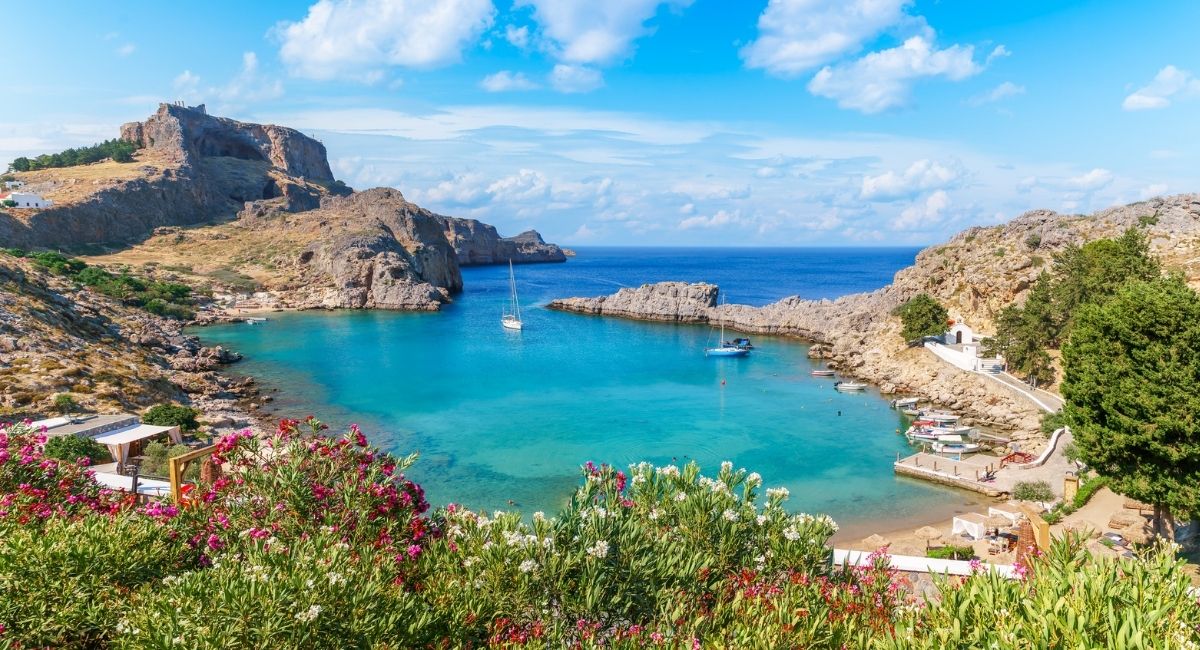
Located at the foot of the Lindos Acropolis, this bay, almost like an enclosed lagoon, is legendary as the place where Saint Paul landed in 51 AD to preach Christianity. The small white chapel on the bay's shore is a romantic spot where weddings are also held. With its turquoise waters, rocky surroundings, and sheltered nature, the sea is extremely calm and safe for swimming. A small sandy area and sunbeds are available; however, finding a spot can be difficult during lunchtime due to limited space. It's a perfect stop to cool off after visiting the Acropolis and is one of Rhodes' most iconic spots for photography enthusiasts.
Lindos Beach
Located just below Lindos Village, in the shadow of the acropolis, this sandy beach is ideal for families thanks to its shallow, clear waters. The road leading to the beach is single-lane, so there is significant traffic congestion, especially at lunchtime; arriving early is highly recommended. Free parking is limited; paid car parks nearby range from 5-10 Euros. Swimming in the sea with a view of the acropolis is one of Rhodes' most unique experiences. Sun loungers and umbrellas are usually provided as part of a restaurant deal, and your meal expenses will be credited towards the sun lounger fee.
Anthony Quinn Bay
This cove, where the famous Mexican-American actor Anthony Quinn is said to have fallen in love during the filming of "The Guns of Navarone" in 1961, is located approximately 3 kilometers south of Faliraki. Surrounded by rocks, its turquoise waters and rich underwater life make it a favorite among snorkeling enthusiasts; colorful fish, sea urchins, and interesting rock formations await you underwater. Pine trees surrounding the cove provide natural shade, but finding a spot after 10:00 AM is almost impossible due to limited sunbathing areas. Shower and changing facilities are available; paid parking is located nearby. The seawater is so clear that even the bottom several meters deep is easily visible from the rocks.
Tsambika Beach
Tsambika, one of Rhodes' most beautiful sandy beaches, is famous for its approximately 800-meter-long stretch of fine golden sand. Thanks to its shallow and warm waters, children can play safely for extended periods; the depth increases very slowly. Since there are no settlements around it, the focus is entirely on sun, sand, and sea. Prices for sunbeds and umbrellas range from 20-35 Euros depending on location; you can find more affordable options further back. The sea here will likely be the warmest you'll ever swim in on the island; those who don't like warm water should keep this in mind.
Faliraki Beach
Faliraki, Rhodes' most famous resort, boasts a wide sandy beach stretching for approximately 5 kilometers, offering opportunities for all kinds of water sports. Its shallow, gently sloping sea and well-organized facilities make it ideal for a long day at the beach. Along the beach, you'll find spots offering water sports such as jet skiing, parasailing, and banana boat rides. Faliraki is also famous for its nightlife, a favorite among young travelers and partygoers. It's easily accessible from Rhodes city center by regular bus services, and the northern end of the beach offers a more tranquil atmosphere.
Prasonisi Beach
Located at the southernmost tip of Rhodes, at the dramatic point where the island ends and two seas meet, Prasonisi is a paradise for windsurfers and kitesurfers. With its calm Mediterranean Sea on one side and the choppy Aegean Sea on the other, this dual character offers ideal conditions for water sports enthusiasts of all levels. In summer, the small peninsula is connected to the mainland by a narrow strip of sand, but in winter, when the tide rises, it transforms into a completely surrounded islet. The wind is often strong, so those coming for sunbathing should prefer the sheltered Mediterranean side. Although it takes about a 90-minute drive from Rhodes center, the unspoiled beauty of the southern coast is well worth the journey.
Afandou Beach
Stretching for approximately 4 kilometers along the northeast coast of the island, Afandou is Rhodes' longest beach and has been awarded the Blue Flag. Its sand-pebble texture, calm shallow waters, and palm-shaded areas make it an ideal beach for families. Thanks to its length, it doesn't feel crowded even in summer; it's always possible to find a quiet corner. The nearby Afandou Golf Course offers an additional activity for those who want to combine a beach holiday with sports. Enjoying fresh seafood at the tavernas lining the beach is an experience that will crown your beach day.
Stegna Beach
Stegna, a seaside extension of the village of Archangelos, is small and intimate. fishing village It offers a pleasant atmosphere. With its sandy beach, clear sea, and reasonably priced sunbeds, it is one of the most peaceful beaches in Rhodes. Two sunbeds and an umbrella are usually available for a reasonable price of around 10 Euros, making it a budget-friendly option. There are rocky areas at both ends of the beach, providing ideal conditions for snorkeling. In the evening, the fresh fish menus at the beach tavernas are the perfect ending to a day spent on the beach.
Agathi Beach
Nestled at the foot of Feraklos Castle, this small sandy cove is a favorite with families thanks to its turquoise waters and sheltered location. The fine golden sand and shallow sea provide a safe swimming environment for children. Sunbeds and umbrellas are available for rent on the beach; two sunbeds and an umbrella cost approximately 25 Euros. A small restaurant on the beach serves freshly prepared light meals and cold drinks. Descending to cool off after climbing the castle is an experience that makes this cove even more special.
Traganou Beach
Located south of Faliraki, Traganou is one of Rhodes' most interesting beaches, boasting both a sandy-pebble beach and natural caves along its coastline. Seawater seeps into the caves, forming small pools; this unique geological formation is a major draw for adventure seekers and photographers. The beach water is crystal clear and offers a rich underwater life perfect for snorkeling. The area is semi-organized; while sunbeds are limited, natural rock platforms are available for sunbathing. Exploring the sea caves by swimming provides one of Rhodes' most adventurous beach experiences.
Ladiko Beach
Located right next to Anthony Quinn Bay, Ladiko offers a wider, more accessible, and quieter alternative to its neighbor. With its small sandy coves, rocky sunbathing platforms, and clear waters, it's a charming beach perfect for enjoying all day long. The rocky edges offer ideal conditions for snorkeling and are a great spot for observing underwater life. The beach features organized sunbeds and umbrellas, as well as a beach bar. If you see the crowds at Anthony Quinn, heading here would be a smart choice.
Pefkos Beach
Just south of Lindos, this seaside resort, surrounded by pine trees, takes its name from the Greek word "pefko," meaning "pine." Its sandy beach, shallow waters, and sheltered nature make it ideal for families and those seeking a peaceful holiday. Small shops, cafes, and guesthouses lining the coast offer comfort without disrupting the village atmosphere. The rocky area at the southern end of the beach is perfect for snorkeling. It's an excellent alternative for those wanting to escape the crowds of Lindos and enjoy a more relaxed day at the beach.
Haraki Beach
Nestled in the shadow of Feraklos Castle, this semicircular bay is one of Rhodes' most picturesque beaches. Its clear waters, sandy-pebble mix, and sheltered location make it ideal for couples and those seeking a romantic getaway. The village of Haraki, behind the beach, offers a welcoming atmosphere with several tavernas and cafes. A dip in the sea after climbing up to Feraklos Castle instantly makes you forget your fatigue. Dinner at one of the beachside tavernas in the evening, enjoying the sea view, is the perfect ending to the day.
Kolymbia Beach
Located on the east coast of Rhodes, at the end of the famous eucalyptus-lined Italian-era boulevard, Kolymbia is a family-friendly beach with calm waters and organized facilities. Its lower population density compared to nearby Tsambika is a major advantage for travelers who choose it. The beach has a smooth sand-pebble texture and a shallow entry point, making it safe for children. Several restaurants and bars along the coast offer ample opportunities for a comfortable day out. Its proximity to Epta Piges and Tsambika Monastery means you can also add cultural excursions to your beach day.
Oasis Beach (Kallithea)
Nestled among the rocks in the Kallithea region, this small cove offers a comfortable beach experience with organized beach services. Its clear waters, sheltered location, and lack of wind make it ideal for families with children and those seeking a tranquil setting. Sun loungers and umbrellas are available, as well as a beach bar and food and beverage options. Due to the cove's small size, arriving early is advantageous; it can fill up by the afternoon. Its proximity to the Kallithea Thermal Springs allows you to visit both on the same day.
Mandomata Beach
Located near Faliraki, this beach, reached by descending a rocky path, is one of Rhodes' more pristine and secluded beaches. Its untouched nature, crystal-clear waters, and tranquil atmosphere make it a true haven of peace. There are no organized services on the beach; you need to bring your own food, drinks, and sunscreen. Water shoes are recommended due to the rocky bottom; however, the clarity of the water and the underwater views more than compensate for this minor inconvenience. For those tired of crowded beaches and seeking solitude in nature, it's one of Rhodes' hidden gems.
Nikolas Beach (Kallithea)
Located in the Kallithea area, this small beach, with its pebble structure and clean waters, is suitable for those seeking a quiet alternative. Organized facilities are modest; a few sunbeds and a simple canteen are available. Walking along the rocks behind the beach and exploring the natural rock pools offers an additional activity. Thanks to the small size of the cove and its location slightly inland from the main road, it is not affected by large crowds. Its proximity to the center of Rhodes makes it a practical option for a short beach break.
Tassos Beach
Tassos, one of Kallithea's hidden coves, is a charming beach that manages to stay away from the crowds thanks to its small size. Its mix of pebbles and sand, clear waters, and natural rocky surroundings offer perfect conditions for snorkeling. There are a limited number of sunbeds and umbrellas available on the beach. The sheltered nature of the cove means waves are rarely high, enhancing swimming comfort. Combining it with other beaches in the Kallithea area for a relaxing day trip makes for a delightful experience.
Vlycha Beach
This wide sandy and pebble beach, stretching between Lindos and Pefkos, is also known as the coastline of large resorts. Its organized structure, easy accessibility, and well-maintained facilities make it ideal for those seeking a comfortable day at the beach. Water sports equipment rental points line the beach. From the southern end of the beach, the Lindos Acropolis is visible, reminding you that you are immersed in history even while sunbathing. Non-hotel guests can also enjoy the public sections of the beach.
Kiotari Beach
Kiotari, stretching along the southeastern coast of the island, appeals to both beachgoers and water sports enthusiasts with its miles of sandy beach and calm, clear waters. Windy days offer ideal conditions for windsurfing; on calm days, the sea is as soft as a swimming pool. While large resorts offer beach services, there are also free public areas. The less crowded nature of Southern Rhodes guarantees a peaceful holiday experience. The sunset from the shore creates a captivating scene as the sun blends with the sea.
Kavos Beach (Pefkos)
Kavos, the most beautiful bay in Pefkos, offers a small sandy paradise surrounded by rocks. Thanks to its sheltered nature, waves are minimal and the water clarity creates perfect conditions for snorkeling. There are a limited number of sunbeds and umbrellas on the beach; arriving early is advantageous. It is possible to take photos from different angles by climbing over the rocks. Being within walking distance of other beaches in Pefkos offers the flexibility of changing bays during the day.
Glystra Beach
Tucked away between Lindos and Kiotari, just off the main road, this small sandy cove is renowned for its fine, golden sand. Its shallow waters and sheltered nature make it a safe swimming environment, especially for families with children. Free sunbathing areas are available in the shade of natural trees; organized services are limited. The cove's small size and relatively unknown nature make it one of Rhodes' most peaceful hidden gems. It's a wonderful stopover on the way back from Lindos.
Fourni Beach
Located near Monolithos, this pristine beach, accessible via dirt roads, reflects the wild beauty of Rhodes' west coast in its purest form. With its natural rock formations, crystal-clear waters, and complete solitude, it's a rewarding discovery for adventure seekers. There are no facilities or services on the beach; you must bring everything you need with you. Due to the choppy nature of the west coast, caution is advised when swimming on windy days. Combined with a visit to Monolithos Castle, it offers one of the most authentic experiences of the west coast.
Kopria Beach
Located on the south coast of the island, on the road to Prasonisi, this long stretch of beach is almost entirely deserted, offering a secluded seaside experience. The endless sand and wilderness are a paradise for those seeking solitude, accompanied only by the sound of waves and the wind. As there are no organized services, you will need to bring your own sunshade and food. Due to the strong winds on the south coast, it is recommended to check sea conditions beforehand. It can be a great stop for a short break on the way back from Prasonisi, or to enjoy the tranquility all day long.
Plimmiri Beach
Located on the south coast, between Kiotari and Prasonisi, Plimmiri offers a comfortable day out with its wide sandy beach and organized facilities. The sea is clear and shallow, providing a safe swimming environment for families with children. Several restaurants and bars line the beach, where you can enjoy fresh fish and meze. The more tranquil atmosphere of southern Rhodes is also felt here; it's an ideal alternative for those tired of crowded beaches. Thanks to its proximity to Prasonisi, it's possible to visit both locations in a single day.
Apolakkia Beach
Located near the village of Apolakkia at the southern tip of the west coast, this long stretch of beach is one of Rhodes' least visited. With almost no tourist infrastructure, it's a great option for those seeking solitude and natural beauty. It offers a long coastline with a mix of sand and pebbles; you'll usually only see a few people on the beach. Due to the windy nature of the west coast, caution is advised on choppy days. A trip combining the coast and inland areas can be planned by visiting the Apolakkia Reservoir Lake.
Theologos Beach (Ialysos Beach)
Located on the west coast, Theologos is easily accessible thanks to its proximity to Rhodes city. Its wavy nature makes it a favorite beach for windsurfers and watersports enthusiasts. Its wide sandy beach and long coastline also offer a wonderful setting for walks. Sunsets here are at their most spectacular; the sun setting over the Aegean Sea blends with a thousand colors. Several beach bars and restaurants along the coast cater to your needs throughout the day. Its proximity to the Farm of Rhodes allows for combining a family trip with beach enjoyment.
Ixia Beach
Ixia, one of the closest organized beaches to Rhodes town, is internationally renowned for kitesurfing and windsurfing thanks to its constant breeze. Luxury hotels line the coast, each with its own beach area; however, public sections are also available. While entry to the sea is easy on the pebble beach, water shoes provide comfort. Its location facing the west coast offers spectacular sunset views. Being only 10-15 minutes from Rhodes town center by bus or taxi makes it an ideal option for both sports and leisure.
Kremasti Beach
Its proximity to Rhodes Airport makes it a practical option, especially for those seeking a few hours of beach relaxation before or after a flight. With its wide sandy shore and well-maintained facilities, this beach is a popular choice among locals and relatively free from tourist crowds. The sea is clear and shallow, offering a safe environment for families. The cafes and tavernas lining the beach offer the opportunity to enjoy authentic Greek cuisine. A visit to the beach during the traditional festivals of Kremasti town can also be enriched with a cultural experience.
Fanes Beach
Located on the west coast, south of Kremasti, this long and wide beach is known for its windsurfing conditions and breathtaking sunset views. With limited organized facilities, the beach has largely preserved its natural state. Walking along the sand-pebble shoreline means breathing in the wild beauty of the west coast. Windy days create perfect conditions for water sports, while calm days offer a peaceful beach experience. Its non-touristy nature is a great advantage for those who want to feel the rhythm of local life.
Soroni Beach
The beach of Soroni, a small fishing village on the west coast, is an ideal stop for those who want to experience the pace of local life. Its wide sandy shores are perfect for walking, sunbathing, and swimming. The area around the beach comes alive during the village's traditional festivals. There are a few small establishments offering basic services on the beach; sufficient for those who don't seek luxury and prefer a natural environment. Its proximity to Butterfly Valley allows for combining a beach day with a nature excursion.
Kalathos Beach
Located north of Lindos, where the mountains meet the sea, Kalathos offers a tranquil coastal experience with its long pebble beach and clear waters. With few organized facilities, this beach is ideal for those seeking a peaceful day away from the crowds. The mountain views behind the beach make you feel like you're surrounded by nature, even while sunbathing. Entry to the sea is usually via pebbles; water shoes are recommended. Its location on the route between Lindos and Haraki makes it an easy stopover point.
Lardos Beach
This beach, an extension of the coastline of Lardos village, is a suitable option for a comfortable family holiday with its organized facilities and wide sandy-pebble structure. The sea is clear and shallow; children can swim safely. Restaurants and bars lining the beach cater to your food and drink needs throughout the day. Being within walking distance of Lardos village offers the opportunity to dine in a traditional Greek tavern in the evening. The mild climate of the southeast coast guarantees a pleasant beach experience from the beginning to the end of the season.
Genadi Beach
Located on the southern coast, in an area largely untouched by tourism, Genadi attracts those seeking tranquility with its miles of uninterrupted beach. Its sand and pebble beach, especially in the south, remains completely unspoiled and retains its natural beauty. Organized services are limited at the northern end of the beach; further south, the completely natural area begins. Windsurfing conditions can be ideal on windy days. For those seeking the undiscovered beauties of Rhodes' southern coast, Genadi is the perfect starting point.
Rhodes Coastal Promenade
The coastal promenade stretching from Elli Beach to Mandraki Harbour is Rhodes' most delightful promenade, offering stunning sea views. It's lined with benches, flowerbeds, palm trees, and small cafes; bustling at all hours, from morning joggers to after-dinner strolls. The aquarium is located at one end of the promenade, and the Old Town walls at the other, with a walk between the two points taking approximately 20-25 minutes. On windy days, the waves crashing against the rocks provide a refreshing sea breeze. It's one of those rare routes in Rhodes you could repeat daily without getting bored.
Rhodes Public Beaches
Across the island, numerous free public beaches, devoid of organized facilities, offer great alternatives for those seeking a budget-friendly holiday and wanting to escape the crowds. These beaches are usually small coves near villages, accessible by a slight detour from the main road, and are preserved in their natural state. You will need to bring your own umbrella, food, and water; however, in return, unspoiled nature and the azure sea await you. The south and west coasts have a higher concentration of such beaches. Keeping your spirit of exploration alive and discovering unmarked beaches can be one of the most rewarding moments of your Rhodes trip.
Rhodes East Coast Beach Tour
Starting from Faliraki and connecting the beaches of Anthony Quinn, Ladiko, Traganou, Tsambika, Stegna, Agathi, and Lindos, this coastal route offers the opportunity to discover the island's most beautiful coastlines in a single day. Each beach has a different character: sandy, pebbly, rocky, organized, or unspoiled, and the shades of the sea constantly change throughout the day. Stops can be made at settlements such as Archangelos, Kolymbia, and Lindos along the route. Even spending 30-60 minutes at each beach on this route, completed by car, makes a difference. Starting in Faliraki in the morning and watching the sunset in Lindos in the afternoon would be a perfect plan.
Anthony Quinn Cove Snorkeling Area
The clear waters of this rocky bay are home to one of Rhodes' richest underwater life, making it a natural aquarium for snorkeling enthusiasts. Colorful fish species, sea urchins, starfish, and interesting rock formations await discovery with a mask and snorkel. The rocks at the entrance to the bay offer natural platforms to start swimming from, and rich life can be observed even at a depth of a few meters. The water clarity is so high that every detail on the bottom is clearly visible from the surface. Water shoes and a mask are a must; with this equipment, you can explore every corner of the bay.
Kallithea Snorkeling Area
The Kallithea region, where thermal springs flow into the sea, is an excellent snorkeling spot thanks to its rocky seabed and crystal-clear waters, offering a variety of marine life. Octopuses, moray eels, various colorful fish species, and sea sponges live among the rocks and reveal themselves to observant eyes. The temperature difference around the thermal springs attracts different marine creatures to the area, increasing biodiversity. Snorkeling alongside the thermal spring entrance is a practical combination of cultural sightseeing and marine exploration. You only need to bring your own equipment or rent it from nearby rental points.
Ladiko Bay Snorkeling Spot
Ladiko, right next to Anthony Quinn, is a less crowded snorkeling spot with rich marine life along its rocky edges. The rocky outcrops on either side of the bay create cavernous passages and hidden passages underwater, providing a natural refuge for marine life. Visibility is excellent thanks to its clear waters, allowing you to discern many details even from the surface. The transition points between the sandy and rocky areas are where the richest biodiversity is found. Sunbathing on the sandy beach after snorkeling offers the perfect relaxation following your exploration of the sea.
Rhodes Underwater Caves (Traganou)
The partially submerged natural caves at Traganou Beach form one of Rhodes' most unique and adventurous exploration spots. Sunlight filtering through the cave entrances creates mesmerizing light plays on the water's surface and stone walls. Swimming in the natural pools inside offers a surreal experience where the underwater and above-water worlds intersect. The caves are limited in depth and can be explored safely by experienced swimmers; however, it is important to check wave conditions beforehand. Water shoes, a waterproof flashlight, and, if possible, an underwater camera are essential for this adventure.
Rhodes Aquarium
Located at the northernmost tip of the island, this building, constructed in the 1930s in the Italianate architectural style, serves as an aquarium, a hydrobiology museum, and a marine research center. It offers a rich collection of Mediterranean marine life; sea turtles, seals, various fish species, and other marine creatures can be observed here. The aquarium section on the lower floor, with its dark corridors, creates an underwater atmosphere and is particularly fascinating for children. Its location at the northernmost point of the island means it has sea views from three directions. Being within walking distance of Elli Beach, it offers the opportunity to combine an aquarium visit with a beach experience.
Kontiki Beach (Rhodes City)
Located south of Elli Beach, within walking distance of the city centre, this small beach offers a tranquil seaside experience favored by locals and often overlooked by tourists. The pebble beach provides a comfortable seaside experience with its clear water and organized facilities. Sun lounger rates may be more affordable than at Elli, and it's much less crowded. Its accessibility from city hotels is a great advantage for those wishing to spend a few hours in the afternoon. The sunset from the beach, combined with the city skyline in the background, creates a beautiful tableau.
Zephyros Beach
Located on the west coast of Rhodes, directly opposite Elli, Zefiros stands out with its sunset views and more tranquil atmosphere. Its sandy-pebble surface offers a comfortable environment for swimming, and it's within walking distance of the city center. Cafes and restaurants line the beach; it's possible to enjoy dinner by the sea while watching the sunset. Thanks to its west-facing location, the afternoon sun hits the beach directly, allowing for sunbathing until late hours. It's a practical and city-centered alternative for those who want to escape the crowds of the east coast.
Parks and Natural Areas to Visit in Rhodes
Kallithea Thermal Springs
Designed in 1929 by Italian architect Pietro Lombardi in the Art Deco style, this thermal spring complex captivates with both its architectural and natural beauty. The mosaic-decorated rotunda, arched galleries, palm gardens, and terraces overlooking the sea create one of the island's most photogenic spots. Originally used as a thermal treatment center during the Italian era, the complex now serves as both a cultural venue and a beach after extensive restoration. Snorkeling is possible in the clear waters between the rocks; the area also hosts weddings and events. Its proximity to Rhodes city center (just 10 minutes away) makes it a perfect choice for a half-day trip.
Butterfly Valley (Petaloudes)
Located 27 kilometers from the center of Rhodes, this humid valley is a unique natural area where thousands of Panaxia (Jersey Tiger) butterflies gather to breed during the summer months. Walking through the valley, accompanied by maple (liquidambar) forests, small waterfalls, wooden bridges, and stone paths, offers a peaceful experience for those seeking solitude in nature. To avoid disturbing the butterflies, silence, clapping, and using flashlights are kindly requested; maintaining this delicate balance is everyone's responsibility. The valley is also home to one of Europe's only natural oriental maple forests. The entrance fee is symbolic, and a small natural history museum can also be visited within the area.
Seven Springs (Epta Piges)
Located between Kolymbia and Archangelos, this natural paradise is a captivating area where seven separate springs converge to form a small lake. The most famous experience is walking through a dark and narrow, 186-meter-long tunnel to reach the lake in water that cools up to your ankles. Peacocks roam freely, and giant plane trees provide shade, making it perfect for cooling off on a hot day. The tunnel experience can feel claustrophobic; an outdoor path is also available for those who are uncomfortable. With picnic areas and a small café, this natural wonder offers one of Rhodes' most enjoyable half-day trips for families and nature lovers.
Farm of Rhodes
Located near the village of Theologos, this interactive farm nestled amidst greenery is a must-see destination in Rhodes, especially for families with children. It offers the opportunity to interact closely with, pet, and feed lemurs, ostriches, donkeys, goats, rabbits, and many other animals. Animal trainers provide information about each species and ensure a safe and interactive environment. It's also possible to stroll the farm's extensive grounds, explore natural ponds, and spend time in the picnic areas. Many families cite this farm as one of the primary reasons for returning to Rhodes.
Rodini Park
Located just 3 kilometers from Rhodes city center, Rodini is considered by historians to be one of the world's first landscape parks, with a history dating back to ancient Roman times. This green oasis, where peacocks roam freely, plane and eucalyptus trees provide shade, and streams flow, acts as a natural air conditioner on hot days. Within the park, you'll find remnants of a Roman aqueduct and rock-carved tombs. With picnic areas, walking paths, and children's playgrounds, it's a perfect family park. It's ideal for those who want to escape the concrete and stone density of Rhodes city and get lost in greenery for a few hours.
Mount Profitis Ilias
Profitis Ilias (798 m), the second highest peak on Rhodes, is covered in dense pine forests and is the coolest and greenest area of the island. The Italian-era hunting lodges Elafos and Elafina still stand as nostalgic structures on the mountainside, offering a fairytale atmosphere along with the surrounding forest paths. Hiking trails of varying difficulty levels offer routes suitable for both amateur and experienced hikers. Acting as a natural air conditioner for travelers seeking relief from the summer heat, the mountain is refreshing with its cool air and pine scent. Reaching the summit via routes starting from the village of Salakos rewards you with panoramic views of the island.
Mount Attavios
Attaviros, the highest point on Rhodes at 1.215 meters, offers a challenging but highly rewarding climb for experienced hikers. Starting from the village of Embonas, the approximately 3-4 hour route follows rocky paths and goat trails to the summit. At the top lie the ruins of the ancient Temple of Zeus; dedicated to the king of the gods, this temple holds symbolic importance due to its location at the highest point of the island. On clear days, even the island of Crete is visible from the summit; this panorama instantly erases all the fatigue of the climb. Starting early in the morning and completing the descent by midday is the best strategy to avoid the heat.
Apolakkia Dam Lake
Located in southern Rhodes, near the village of Apolakkia, this artificial lake surprises visitors as an unexpected natural area in the island's interior. The paths around the lake offer a calm and peaceful environment for birdwatchers and hikers. The surrounding flowers and bird diversity are at their peak, especially in the spring months. The mountain scenery reflected in the lake's calm waters provides a perfect backdrop for photography enthusiasts. A combined inland-coastal trip can be planned by visiting Apolakkia Beach as well.
Monolithos Sunset Point
The sunset viewed from Monolithos Castle on the west coast offers one of Rhodes' most dramatic and unforgettable views. From the top of the massive rock formation, the dark silhouette of the castle walls remains in the foreground as you watch the sun slowly set over the Aegean Sea. The sky, taking on shades of orange, pink, and purple, combines with the sunlight meeting the sea to create a breathtaking tableau. Arriving at the castle at least half an hour before sunset is important to secure the best position. This experience will be one of the most memorable moments of your Rhodes trip.
Faliraki Water Park
Faliraki Water Park, one of the most fun activities on the island, especially for families with children, promises a full day with dozens of water slides, a wave pool, a lazy river, and children's areas. The park is one of the largest water parks in Europe and offers areas suitable for all age groups. Queues can form at popular slides, especially at lunchtime; it's recommended to arrive as soon as the park opens. Locker service costs €2, and food prices in the park are reasonable. It's a perfect alternative for families who want to add a day of variety to their beach holiday.
Rhodes Municipal Bath Garden
The small garden surrounding the bathhouses in the Old City is a tranquil retreat amidst stone walls, ivy, and greenery. Slightly off the beaten path, this corner is ideal for escaping the crowds and enjoying a few minutes of peace and quiet. Benches in the garden provide a comfortable setting for reading a book or simply admiring the medieval walls. The domes and stone details on the exterior of the bathhouse are elegant examples of Ottoman architecture. You'll feel rewarded when you discover this hidden gem during your walk through the Old City.
Lahanokampos Hiking Route
This inland nature trail offers a chance to explore the rural beauty of Rhodes, passing through olive groves, pine forests, and villages. The old stone bridges, fountains, and abandoned farmhouses you'll encounter along the route bear witness to the island's agricultural past. The moderately challenging trail is suitable for both walking and cycling and can be completed in approximately 2-3 hours. Since shade is limited along the way, early morning or late afternoon hours are preferable in summer. It's a perfect discovery route for nature lovers and those curious about the island's interior.
Profitis Ilias Nature Walk
Profitis Ilias, one of the island's densest forested areas, offers a variety of hiking trails winding through Italian-era hunting lodges. The paths, shaded by pine trees, are cool and refreshing even in the summer heat. The hiking routes are designed with varying difficulty levels; options range from short family walks to challenging mountain climbs. The Elafos and Elafina lodges, both Italian-era structures, are nostalgic stops along the way. The most popular routes start from the village of Salakos, where you can enjoy refreshing spring water after your hike.
Kamiros – Kritinia Coastal Road
This scenic route along the western coast offers constantly changing coastal panoramas from ancient Kamiros to Kritinia Castle. Accessible by car, bicycle, or partly on foot, the route passes through some of Rhodes' least touristy but most scenic areas. Along the way, you'll find views of small coves, cliffs, and pine forests. The Kamiros Skala pier is a perfect stop for a break and a meal of fresh fish. Driving along this route, especially at sunset, offers the chance to watch the sun set over the Aegean Sea from ever-changing angles.
Rhodes Southern Coastal Route
This coastal road from Kiotari to Prasonisi passes through some of the island's most secluded and pristine beaches, reaching the point where the two seas meet at the southern tip. Along the route, you'll pass small villages such as Genadi, Plimmiri, Kattavia, and Apolakkia, each offering a charming stop for a short break. While much of the road is paved, the final sections are dirt roads. Upon arriving in Prasonisi, the dramatic view where the two seas meet is the reward for the entire journey. Completing this route early in the morning and by evening offers the opportunity to discover all the beauty of southern Rhodes in a single day.
Rhodes Pine Forests
The pine forests covering the island's interior and mountainous regions play a critical role in the ecological balance of Rhodes, acting as the island's oxygen reservoir and green heart. The forests in Profitis Ilias, the foothills of Attaviros, and the southern parts offer ample space for hiking, cycling, and nature observation. The resinous scent of pine trees creates a refreshing effect even on hot days, and the air temperature in the forest is several degrees lower than on the coast. These forests are the source of the island's famous pine honey, and beekeeping activities are intensively carried out in the forest edges. Taking a day off from the beach and walking in the green shade of the forest will add a different dimension to your Rhodes experience.
Rhodes Eucalyptus Boulevard (Kolymbia)
This tree-lined tunnel, a striking example of Italian urban planning, is a nearly kilometer-long path leading to Kolymbia beach. The branches of giant eucalyptus trees intertwine to form a natural arched corridor, captivating those who walk along it. The trees on either side of the path are planted at regular intervals; this symmetry is a reflection of Italian engineering aesthetics. The play of light and shadow, especially in the mornings when sunlight filters through the leaves, is perfect for photography. Walking along this boulevard on your way to Kolymbia beach will provide an unforgettable start to your beach day.
Rhodes Eucalyptus Grove
Eucalyptus trees, planted in various parts of the island as part of the Italian-era reforestation program, have today reached enormous sizes and given Rhodes' vegetation its unique character. Besides the famous eucalyptus boulevard in Kolymbia, shaded areas created by these trees can be found in many parts of the island. Walking under the eucalyptus groves in the summer heat creates a natural air conditioning effect and is accompanied by a pleasant scent. These trees are living and growing examples of the island's Italian-era landscape heritage. The Kolymbia boulevard is the most impressive and most photographed example of this heritage.
Rhodes City Walking Route
Starting from Elli Beach and encompassing the aquarium, Mandraki Harbour, the New Town squares, the Old Town walls, and Monte Smith Hill, this walkable route offers the opportunity to explore all the historical and geographical layers of Rhodes in a single day. The approximately 8-10 kilometer long trail presents a constantly changing landscape, from modern buildings to medieval streets, ancient ruins to the seaside promenade. Numerous rest stops, cafes, and viewing terraces can be found along the route. The ideal plan is to start early in the morning and finish by evening; walking through the shady streets of the Old Town during the hottest hours is refreshing. Travelers who complete this route will have grasped the soul of Rhodes in the most comprehensive way.
Rhodes Harbor Sunset Point
The sunset viewed from the western end of Mandraki Harbour offers the most spectacular and romantic glimpse of the sun setting over the Aegean Sea. The silhouette formed by the windmills and St. Nicholas Castle merges with the golden and orange light of the setting sun to create one of Rhodes' most iconic views. Those strolling along the harbour naturally head to the western end each evening to witness this spectacle. Benches along the shore and coffee breaks make this experience even more comfortable. Spending your last evening in Rhodes at this spot is the perfect way to say goodbye to the island.
Rhodes Windmill Viewpoint
The old windmills in Mandraki Harbour attract visitors both as historical structures and as panoramic viewpoints. Walking along the breakwater where the windmills are located means seeing the boats in the harbor on one side and the open sea on the other. The stone bodies and conical roofs of the windmills, centuries-old structures resisting the Aegean winds, are perfect subjects for photography. Especially in the early morning and late evening, the angle at which the light hits the windmills allows you to capture the most impressive shots. This spot, a natural part of a harbor walk, is a classic stop that every visitor to Rhodes should visit.
Rhodes West Coast Sunset Route
Rhodes' west coast is a natural amphitheater for watching the island's most spectacular sunsets, with countless viewpoints stretching from Ixia to Monolithos. Each evening, the sun's descent into the Aegean Sea paints the west coast in shades of orange, pink, and purple; this riot of color is experienced from a different perspective at every point. Kritinia, Monolithos, and Kamiros Skala are three of the most popular sunset spots, each offering a unique silhouette. Driving along the coast and stopping at the most opportune moment to coincide with sunset creates a spontaneous yet unforgettable experience. Spending at least one evening on the west coast during your Rhodes trip means discovering the island's most romantic side.
Rhodes Photo Route
The narrow streets of the Old Town, the silhouette of Mandraki Harbour, the white houses of Lindos, the sunsets of the west coast, and the stone texture of the mountain villages are just a few of the elements that make Rhodes a rich framing paradise for photographers. The sunrise and sunset hours, known as the golden hour, offer the most dramatic lighting conditions on the island; the Old Town walls, windmills, and ancient ruins take on a completely different appearance in this light. The illuminated walls, harbour, and Old Town streets are perfect locations for night photography. Drone use may be restricted in some areas; it is recommended to research this beforehand. Following this photographic route will allow you to fill your travel album with professional-grade shots.
Art Centers to Visit in Rhodes
Rhodos Ceramic Workshops (Archangelos)
The village of Archangelos is the center of Rhodian handicrafts, with a centuries-old tradition of ceramics. Watching local artisans shape their pottery by hand on the potter's wheel is a close look at the island's craft culture. Some workshops offer visitors the opportunity to make their own pottery; this interactive experience is particularly memorable for children. Authentic Rhodian ceramics can be purchased as souvenirs from the workshop shops. Combined with a village tour of Archangelos, it creates a culturally rich half-day.
Rhodes Leather Workshops (Archangelos)
In Archangelos, handcrafted leather boots made using traditional methods are Rhodes' most famous handmade products. The artisans showcase the process of cutting, sewing, and shaping the leather in their workshops, a process that fascinates onlookers. Each boot is unique because it is handmade, and custom sizes can be made to order. By visiting the workshops, you can see how a centuries-old tradition is kept alive in the modern world. Buying a pair of handmade leather sandals or boots as an authentic souvenir from Rhodes will be an unforgettable memory.
Soroni Folklore House
Located in the village of Soroni, near the Valley of Butterflies, this small museum displays artifacts, photographs, and handicrafts related to traditional Rhodian village life. Housed in an old village house, the museum's rooms are furnished with original furniture and decorations, giving visitors a tangible glimpse into life a century ago. Traditional farming tools, kitchen utensils, wedding attire, and religious objects are significant pieces of the collection. Combined with a visit to the Valley of Butterflies, it creates a half-day experience showcasing the region's natural and cultural richness. The entrance fee is symbolic and well worth a visit to support the villagers' efforts to preserve this heritage.
Rhodes National Theatre
Built during the Italian period, this theatre building is one of the most striking pieces in the Italian architectural complex in the Mandraki Harbour area. Its Art Deco-influenced facade, symmetrical design, and spacious entrance hall reflect the Italian architectural style of the 1930s. Today, the building continues to host cultural events, including concerts, theatre performances, and exhibitions. Stopping in front of this building to examine its architectural details while walking along Mandraki Harbour is an important stop for understanding the Italian period of the island. It can be included in a tour of Italian-era buildings along with the Governor's Residence and the Post Office.
Interesting Places to Visit in Rhodes
Socratic Street
Sokratous, the main shopping street of the Old City, is a vibrant axis of commerce stretching from Hippocrates Square to the Solomon Mosque. It is lined on both sides with shops selling souvenirs, natural sponges, spices, ceramics, and handmade jewelry. The cobblestone pavement and wooden-shuttered shop fronts evoke the atmosphere of a medieval bazaar. Bargaining is part of the culture here and offers a fun experience. Even after the shops close in the evening, the illuminated street provides a charming setting for a stroll.
Rhodes New Market (Nea Agora)
Located near Mandraki Harbour, this market building, constructed in the Italianate style, is notable for its hexagonal plan and central courtyard. Inside, it's bustling with shops, fishmongers, butchers, souvenir shops, and cafes; you can feel the rhythm of local life here. The arched galleries and clock tower on the building's exterior are elegant examples of Art Deco architecture. Buying fresh fish and vegetables in the morning is the most authentic experience of a local market. It's a practical stop for both shopping and a coffee break during a walk along the harbour.
Rhodes Golf Course (Afandou)
Overlooking the Aegean Sea, this 18-hole golf course opened in the 1970s and is one of the oldest public courses in Europe. Its seaside location offers the privilege of playing golf while enjoying the turquoise Aegean Sea. The course has difficulty levels suitable for both professional and amateur golfers, and equipment rental is available. Being within walking distance of Afandou Beach allows you to combine a golf party with beach enjoyment. It is a unique experience for those who want to combine sports and vacation in Rhodes.
Rhodes Wine Route
This informal route, connecting Embonas, Siana, Kritinia, and other mountain villages, allows you to visit local vineyards and small, family-run wineries. Wines made from local grape varieties such as Athiri and Mandilaria reflect the island's unique terroir. Wine tastings at the vineyards offer local cheeses, olives, and honey alongside the wine. The route can be completed in about half a day by car and is enriched with views of the west coast. Even travelers who are not wine enthusiasts will greatly enjoy the village atmosphere and gastronomic experience of this route.
Rhodes Honey Route
Pine honey, harvested from the island's pine forests, is world-renowned for its unique aroma and is one of Rhodes' most valuable local products. You can sample fresh honey and learn about the production process at beekeepers' sales points in Siana and surrounding villages. The dark color and intense aroma of pine honey offer a completely different taste experience than flower honey. Chatting with beekeepers means witnessing one of the most authentic aspects of Rhodes' agricultural culture. Honey, along with olive oil and souma, forms the trio of authentic souvenirs you can buy from Rhodes.
Rhodes Souma Experience
Siana village's famous local liqueur, souma, is a potent spirit distilled from grape pomace and an integral part of Rhodes' gastronomic identity. Tasting this authentic drink in the village cafes and small shops is the most intimate way to experience the island's distilling culture. Souma is usually served with appetizers; it pairs perfectly with local cheese, olives, and dried fruit. Those wishing to witness the production process can observe the active distillation if they visit the village during the harvest season (autumn). The flavor combination that emerges when tasted with Siana's pine honey is one of Rhodes' most unique gastronomic experiences.
Menecleous Street
Representing the quieter, more sophisticated side of the Old Town, this street is a preferred alternative to the noisy Bar Street, offering quality bars, a stylish atmosphere, and a vibrant nightlife. Cocktail bars nestled between stone-walled buildings add a modern touch to medieval architecture. In the evenings, dim lighting and jazz music create a captivating atmosphere. Those seeking a more mature and relaxed evening away from the tourist crowds prefer this street. Those who discover it at the last minute regret missing out on this side of Rhodes sooner.
Rhodes Night Silhouette (Old City Walls)
At night, the illuminated Old City walls offer a fairytale-like and unforgettable sight when viewed from the sea. The stone walls, towers, and gates, lit up with yellow and orange lights, create a dramatic contrast against the dark sky. The best view is from Mandraki Harbour or the opposite shore; be sure to add this point to your night walking route. For those who want to take photographs, a tripod and long exposure technique yield the best results. Rhodes at night is perhaps even more captivating than its daytime face.
Rhodes City Walls Walking Tour
Walking tours along the Old City walls offer one of Rhodes' most unique and impressive experiences. From the top of the walls, you can see the red roofs and minarets of the Old City on one side, and the moats, palm trees, and modern city on the other. Tours usually start from the Grand Master's Palace and are scheduled at specific times; advance information is required. The width of the walls allows several people to walk side-by-side in some sections; in narrower sections, single file is required. This walk offers both a bird's-eye view of Rhodes and the opportunity to closely examine the engineering details of the walls.
Kritinia Observation Point
This natural viewpoint near Kritinia Castle, overlooking the west coast and the island of Halki opposite, offers one of the island's most beautiful panoramic views. On clear days, you can see Tilos, Symi, and even other distant islands. Islands It is even visible from here. For photographers, this spot offers a perfect framing, especially at sunset; the dance of colors as the sun sets over the Aegean Sea between the islands is mesmerizing. Roadside parking is available and there is no entrance fee. It is a natural resting point on the west coast route, on the journey between ancient Kamiros and Kritinia Castle.
Tsambika Hill Viewpoint
This viewpoint, reached on the way up to Tsambika Monastery, offers panoramic views of the golden sands of Tsambika Beach to the south and the coastline stretching to Kolymbia to the north. Even before reaching the monastery, the view from this intermediate point is breathtaking and well worth a break. Located midway through the most challenging part of the climb, this platform is ideal for both resting and taking photos. When climbed in the early morning, the sun illuminating the sea creates a spectacular view. Combined with a visit to the monastery, it provides both a natural and spiritual experience.
Halki Island Viewpoint
Visible from the west coast of Rhodes, particularly from the Kamiros Skala and Kritinia areas on clear days, the island of Halki presents an inviting silhouette with its pastel-colored houses and tranquil atmosphere. Accessible by daily ferries from the Kamiros Skala pier, Halki is a perfect option for a day trip to the island from Rhodes. The island's silhouette, as seen from the shore, offers a romantic view, especially at sunset. Even if you don't go to Halki, it's enjoyable to see the island from different angles while traveling along the west coast. These viewpoints make up one of the most photogenic stops on the west coast route.
Symi Island Viewpoint
Symi, visible from the northwest coast of Rhodes on clear days, is known as one of the most photogenic islands in the Aegean, with its neoclassical houses and sprawling harbor. Accessible by catamaran from Rhodes harbor in about an hour, Symi is a must-see day trip option to add to your Rhodes itinerary. The island's silhouette, viewed from the shore, is particularly captivating in the morning light, with pastel colors reflected on the sea surface. Observing Symi from viewpoints on the northern coast of Rhodes provides a tangible sense of the geographical connection between the islands. This view proves that Rhodes is impressive not only for its own beauty but also for the geographical unity it forms with its neighboring islands.
Rhodes Mangrove Area
Located on the southern coast of the island, this small wetland attracts the attention of naturalists and birdwatchers as an unexpected ecosystem in Rhodes. Flamingos, herons, and various migratory bird species can be observed in this area, especially during the spring and autumn months. Due to the delicate ecological balance of the area, it is important to visit quietly and carefully. For photographers, a zoom lens and patience are key to capturing the best shots. When added to a southern coast tour, it offers a different experience, adding a natural science dimension to the beach and history-focused excursion.
Rhodes, with its 195 destinations listed in this guide, is one of the richest, most multifaceted, and most deserving of exploration islands in the Aegean. A new discovery awaits around every corner, a different story in every bay, and a different time period in every village. Walk in the shadow of ancient ruins, swim in crystal-clear bays, taste local wines in mountain villages, and get lost in medieval streets.
either Marmaris Whether you come for a day trip via a short ferry ride from Fethiye, or plan a week-long holiday, you can experience all the colors of the island with the suggestions in this guide. Rhodes is an island that shows a different face in every season, offering a new surprise with every visit.
Remember: those who visit Rhodes once, always return.
My wife Olga and I have made exploring new places whenever we get the chance a major part of our lives. For us, traveling isn't just about going from one city to another; it's about getting to know different cultures, getting lost in the streets, experiencing local life, and especially witnessing history in historical places. Our biggest motto in life is to travel, see, and accumulate what we learn. In every city we visit, we love tracing the castles, ancient cities, museums, old streets, and historical buildings. Because, in our opinion, every stone, every square, and every old building has a story to tell. On our trips with Olga, we enjoy following these stories the most. Sometimes in the quiet streets of a small town, sometimes on the walls of a castle that has defied centuries, and sometimes in an ancient city left behind by old civilizations, we find ourselves on a journey between the past and the present. For us, travel means creating memories together, seeing new places, touching history, and living life more meaningfully. Each trip gives us a new perspective and increases our desire to get to know the world more closely.
Similar Threads
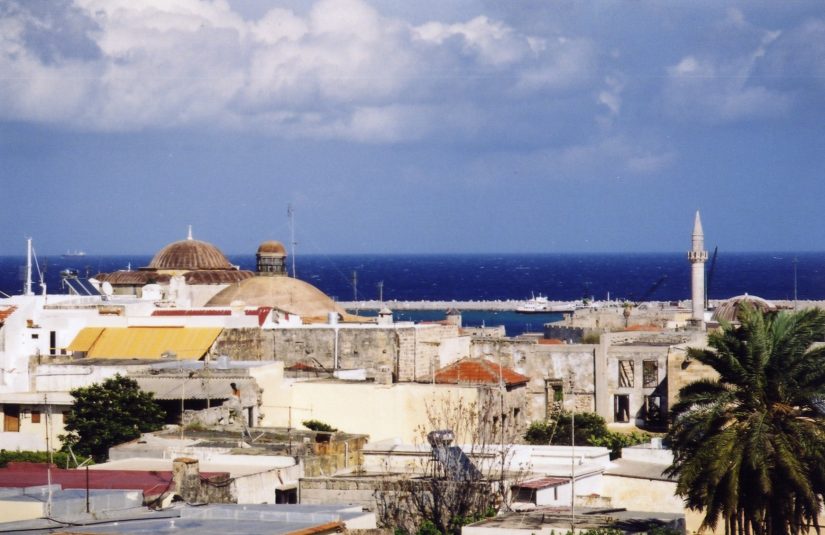
Living in Marmaris, Rhodes doesn't feel like a "distant country," but rather like a neighbor where you can catch a ferry in the morning and have coffee in the medieval streets in the afternoon. That's how I love Rhodes most: walking from passport control towards Mandraki, with the stone walls on one side, the Aegean light on the other, and that familiar coastal feeling from Marmaris in the background...
Taking the ferry from Marmaris to Rhodes in 50 minutes is almost like going to a neighborhood in our country. I've made this trip so many times over the years that I now have a neighborhood-by-neighborhood answer in my head for where to eat good food on the island. Rhodes' tourism industry is huge, so there are few places selling mediocre cuisine with flashy signs...
Write a Comment
Visitor Comments - 0 Comments