
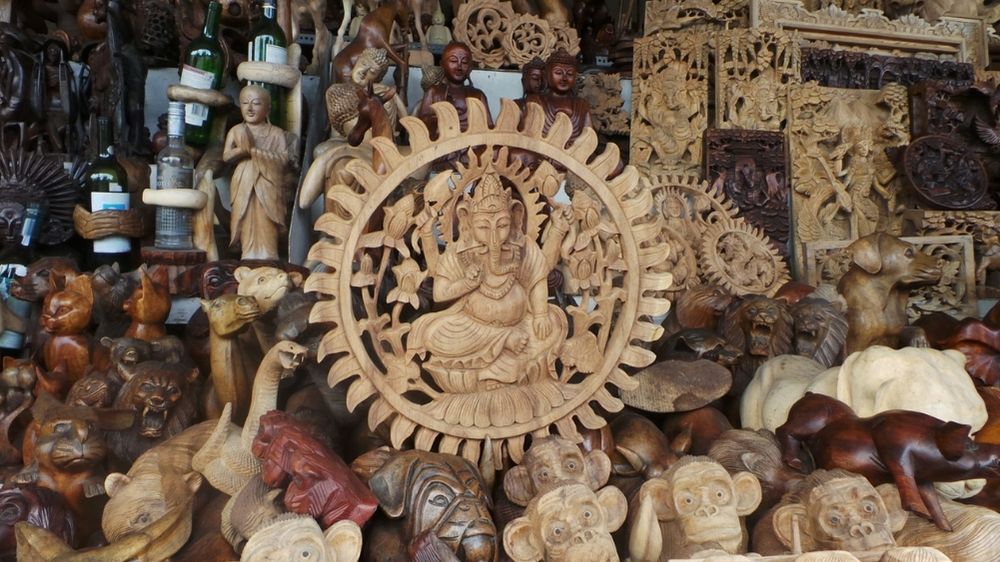
Puri Lukisan Museum
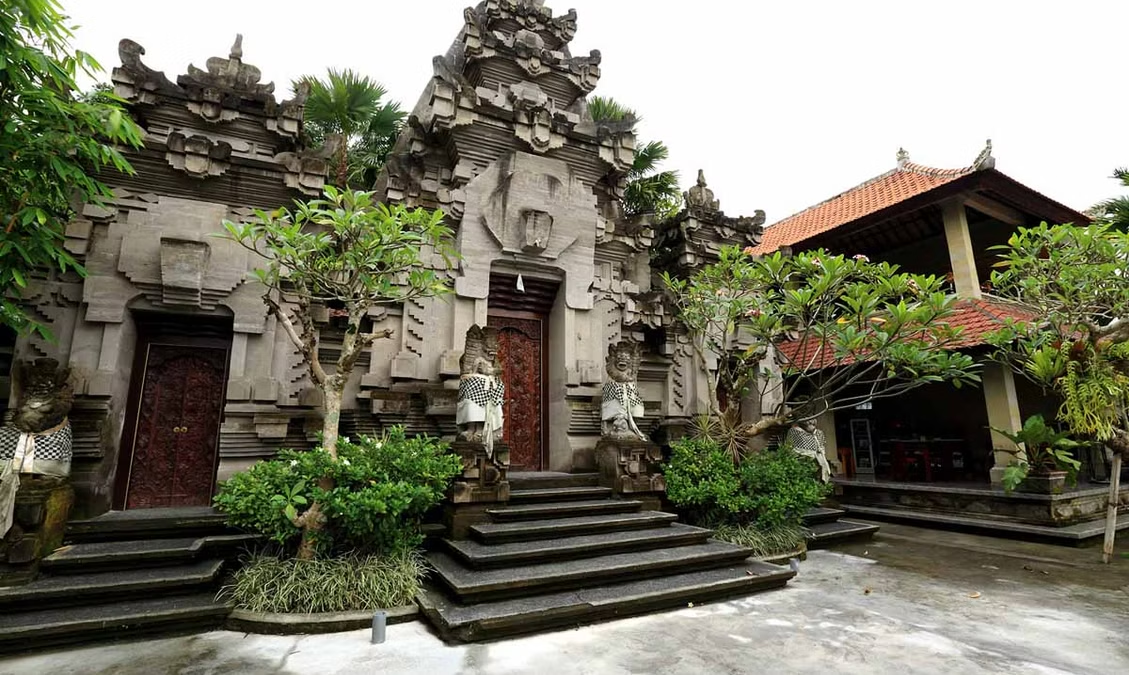
Tucked away in the heart of Ubud, Puri Lukisan Museum evokes the spirit of Bali through paintings, sculptures, and the serenity of a meticulously landscaped tropical garden, a haven where time passes slowly. The moment you step inside, you enter a world where libellas hover over lotus ponds, shaded by traditional Balinese door carvings. This museum is a unique stop not only for the paintings on the walls, but also for understanding Bali's visual language, rituals, and the aesthetics of daily life. As you wander through the quiet pavilions, you immediately sense how Ubud pioneered art movements. Brushstrokes, fairytale figures, and meticulous patterns merge with the island's mythology. One of the first places that comes to mind when one thinks of "Ubud museums," Puri Lukisan appeals to both art enthusiasts and cultural travelers. The coolness beneath the shaded verandas is an ideal escape from the midday heat. The small yet exquisite collection offers a "less is more" experience, offering an intense artistic journey without much effort. As you sip your coffee in the museum's cafe, the tranquility of the garden gently accompanies your visit. If you're planning a cultural itinerary in Ubud, Puri Lukisan Museum is one of the most elegant gateways to Bali's visual memory.
Where and How to Get There?
Puri Lukisan Museum is located on Jalan Raya, the main thoroughfare of Ubud. Ubud on, Ubud Palace It's within walking distance of Puri Saren Agung and the Saraswati Temple. If you're staying in central Ubud, you can walk to the museum in 5–10 minutes. Taxis, ride-hailing apps like Grab/Gojek, or renting a scooter are common transportation options in Bali. Because parking is limited, walking from the center is generally more practical. If you're starting from Ubud Market, a short walk west along Jalan Raya is sufficient. If you're coming from further afield, the main road to Ubud from Denpasar and Canggu can be busy, so choosing morning hours will be advantageous for both traffic and museum crowds.
Brief History
Puri Lukisan Museum was founded in the mid-20th century as the product of a collaboration between members of the Ubud dynasty and European artists who had lived in Bali for many years. The aim was to preserve, develop, and pass on Balinese painting and sculpture to future generations. The "Pita Maha" movement, which emerged in Ubud in the 1930s, supported local artists and brought traditional styles to modern expressions; the signature of this period is clearly evident in the museum's collection. Among the individuals behind the idea, Tjokorda Gde Agung Sukawati, one of Ubud's prominent princes, and artists Rudolf Bonnet and Walter Spies are frequently mentioned. Since its opening, the museum has been considered one of the most important archives of Balinese visual culture and has become a vital source of Ubud's "art village" identity.
Architectural and Artistic Features
The museum comprises several pavilions set within a garden reflecting the elegant details of Balinese architecture. The entrance's "candi bentar"-style slit door and richly carved wooden doors set the tone from the very first step. Inner courtyards, lotus ponds, frangipani trees, and stone sculptures provide a relaxing experience, both for the stroll and for the viewing experience. The collection ranges from figurative compositions evoking traditional "wayang" (shadow puppetry) aesthetics to everyday Bali The exhibition ranges from scenes depicting life, from mythological narratives to detailed nature depictions. Fine brushwork, symmetrical patterns, and a saturated color palette are striking. Examples of volcanic stone and woodwork are seen in the sculpture section, with forms reminiscent of ritual masks and temple decorations prominent. The pavilions' high ceilings and balance of indoor and outdoor spaces offer a cool viewing experience in the tropical climate. The overall setup creates a breathtaking circulation with a "gallery + garden" rhythm: After viewing an intense series in one hall, you relax on a shaded veranda overlooking the garden.
Visit Information
The museum is conveniently located within Ubud's art trails and is generally open every day of the year. The following helpful tips will help you plan:
- Opening hours: It is usually open between 9:00 am and 6:00 pm. (Check the current hours before going, as they may change on public holidays and special events.)
- Ticket: Adults are charged a fee, and student/child discounts are occasionally available. Sometimes a drink coupon is included with your ticket; be sure to confirm at the ticket office.
- Guidance: Staff can provide brief information about the halls, and guided tours are available during busy periods. Follow the hall descriptions to explore at your own pace.
- Average trip duration: 60–90 minutes; varies depending on the density of the exhibition and the time you spend in the garden.
- Facilities: There is a cafe, gift shop, and clean restrooms. Air conditioning may be limited in some rooms; there are shaded relaxation areas in the garden.
- Accessibility: Although the garden paths are flat, the pavilions are accessed by several steps; assistance may be helpful for visitors with limited mobility.
- What to take? Light clothing, comfortable shoes, a water bottle, and mosquito repellent will ensure comfort in Ubud's climate.
Photography Tips and Tricks
The edge of the lotus pool, with its reflections on the water surface, makes for stunning shots in the morning light. The carved wooden doors are a perfect backdrop for portraits and detail shots. Framing the interior courtyard with stone statues creates a sense of depth. Flash use is generally limited in halls; raising the ISO and shooting from a steady position yields better results. Frame the garden in soft afternoon light to capture the rich colors. A wide-angle lens helps you capture the pavilions' architecture and their relationship with the garden. If you're looking to avoid the crowds, go near opening time or an hour before closing time; fewer visitors will be in your frame. The seating areas in the cafe, with a green backdrop, are perfect for warm portraits in natural light.
Other Nearby Places to Visit
Planning Puri Lukisan on the same day as Ubud Palace and the Saraswati Temple is easy; all three are just a few minutes' walk away. If you're looking to expand your art itinerary, the Neka Art Museum and Blanco Renaissance Museum offer strong collections of modern and classical Balinese art. If you're looking for nature and scenery, Campuhan Ridge Walk offers a pleasant stroll at sunset. Ubud Market is a vibrant spot for local handicrafts and souvenirs. If you have a little more time, Monkey Forest is a short scooter ride away; however, it's worth remembering to respect dress and behavior within the temple area.
If you'd like to experience Ubud's artistic spirit and experience Balinese culture through paintings, Puri Lukisan Museum is the perfect place for you. If you're in Ubud, be sure to stop by. For more ideas for your trip, you can also read our article on Places to Visit in Ubud.
PREVIOUS TOPIC

Similar Threads

Ubud, Bali's cultural and natural center, isn't a beach town, so getting to Ubud is actually a two-stage process: first you arrive in Bali, then you travel inland to Ubud. The most practical method for most travelers is a flight + land transfer combination; when searching for Ubud flight tickets, people usually select Bali/Denpasar (DPS) as their destination and plan their transfer after landing...
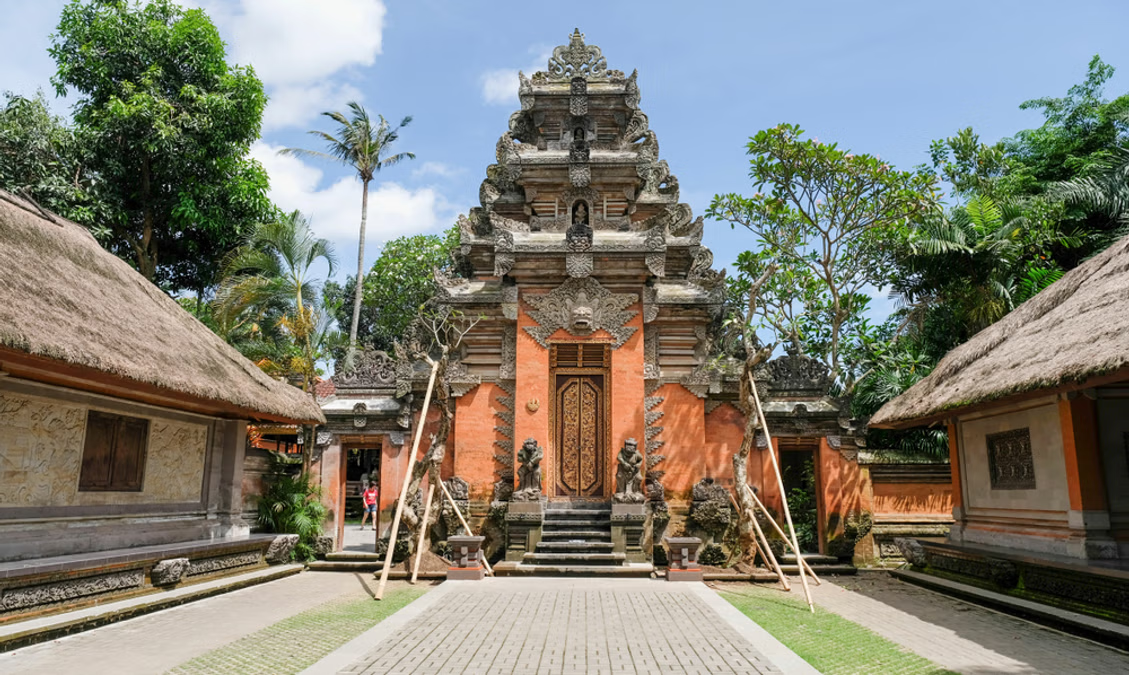
In the heart of Ubud lies a place where hundreds of people pass by every day, but time slows down once you step inside: Ubud Palace. The murmur of the crowds suddenly gives way to the echo of gamelan music as you enter; frangipani flowers fill the air with their sweet fragrance, and stone carvings play with shadows, catching the sunlight. This is just a visit...
Ubud, which embodies the spirit of Bali in a calmer, more "local" tone, takes on a completely different energy at night. Here, nightlife is shaped not by a single "street of clubs," but by small but characterful venues catering to different tastes. In some places, conversations stretch on over cocktails, in others, karaoke fills the night with laughter, and in others...
Ubud, considered the heart of Bali, is a place that immediately captivates you with the green of its rice fields, the scent of temple incense, and the handicraft workshops you encounter at every turn. While wandering around here, you don't just collect sights; you also find answers to the question "What to buy in Ubud?" at every turn. Because in Ubud, the gift-giving culture is so intertwined with daily life...
Ubud is a gastronomic paradise where the green of rice terraces, the tranquility of temples, and the spirit of art workshops blend together. This small town in the heart of Bali offers a culinary scene where not only yoga and meditation flourish, but the scent of tropical spices and wood smoke permeates the streets. Ubud's local cuisine includes ingredients such as coconut, lemongrass, kencur, kafir lime, galangal, and chili...
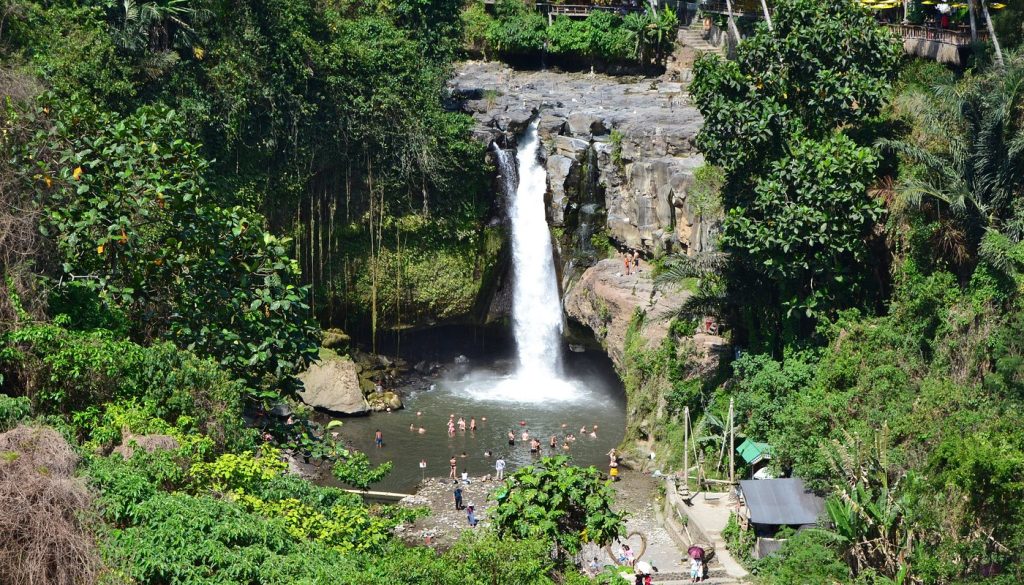
In the verdant heart of Bali, nestled among rice terraces, lies Ubud, a town filled with art galleries and yoga studios. Ubud offers a tranquil yet inspiring route, where you can experience Indonesian Hindu culture at its most vibrant. With its temples, waterfalls, handicraft markets, and nature walks, Ubud is a perfect spot to slow down...
Write a Comment
Visitor Comments - 0 Comments