






What is Oktoberfest? A Festival Full of Beer, Culture and Fun

Oktoberfest was founded in 1810 Bavaria It is a folk festival that started with the wedding celebration of Prince Ludwig. Initially held with horse races, this celebration has turned into a huge event over the years. MunichThe festival, held in , has become one of the most important symbols of traditional Bavarian culture over time. Today, Oktoberfest is considered the world's largest beer festival. It attracts visitors not only from Germany but from all over the world. The festival begins every year in mid-September and ends on the first Sunday in October. Beer tents, concerts, costume parades and funfairs await visitors at the event. Oktoberfest is a powerful combination of both entertainment and cultural heritage.
Headlines
Where and When is it Done?
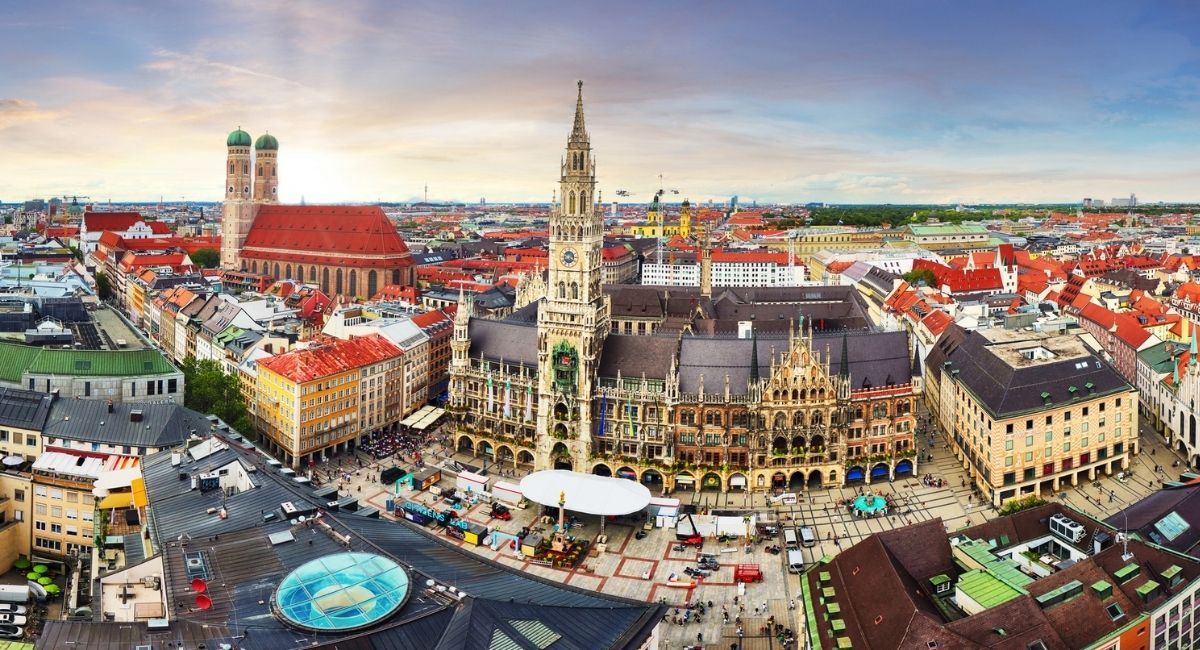
Oktoberfest is held in Munich, a city in southern Germany. The event takes place on a large 42-hectare area called the “Theresienwiese”. This area is transformed into a giant beer tent, amusement park and market area during the festival. The Oktoberfest dates for 2025 are planned for September 20 – October 5. Approximately 6 million visitors come to Munich each year for this festival. The busiest days of the festival are usually the weekends. Going early in the morning is an advantage to avoid the crowds. The average daily visitor count can reach 400.000, so planning is important.
What to Do at Oktoberfest?
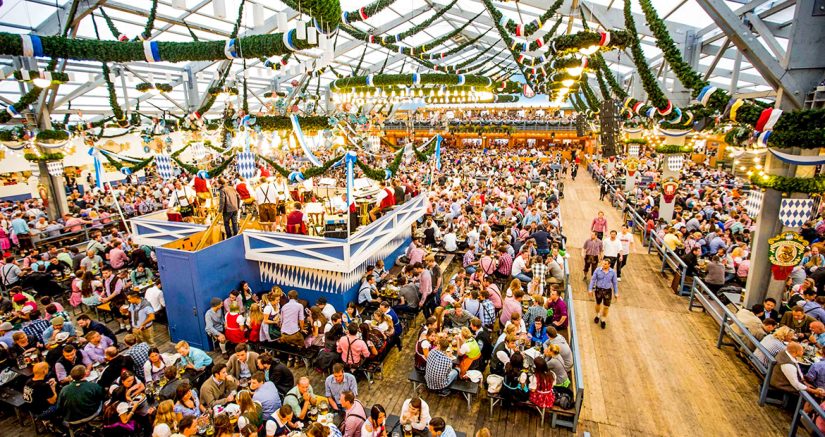
At the heart of the festival are beer tents, each serving a different brand of beer. Traditional dress is worn: women wear Dirndl, men Lederhosen. The amusement park features giant swings, a Ferris wheel, and bumper cars. Parades, bands, and dance performances continue throughout the day. Tuesday is Family Day; çocuklar Special events are held for.
What's in the Beer Tents?
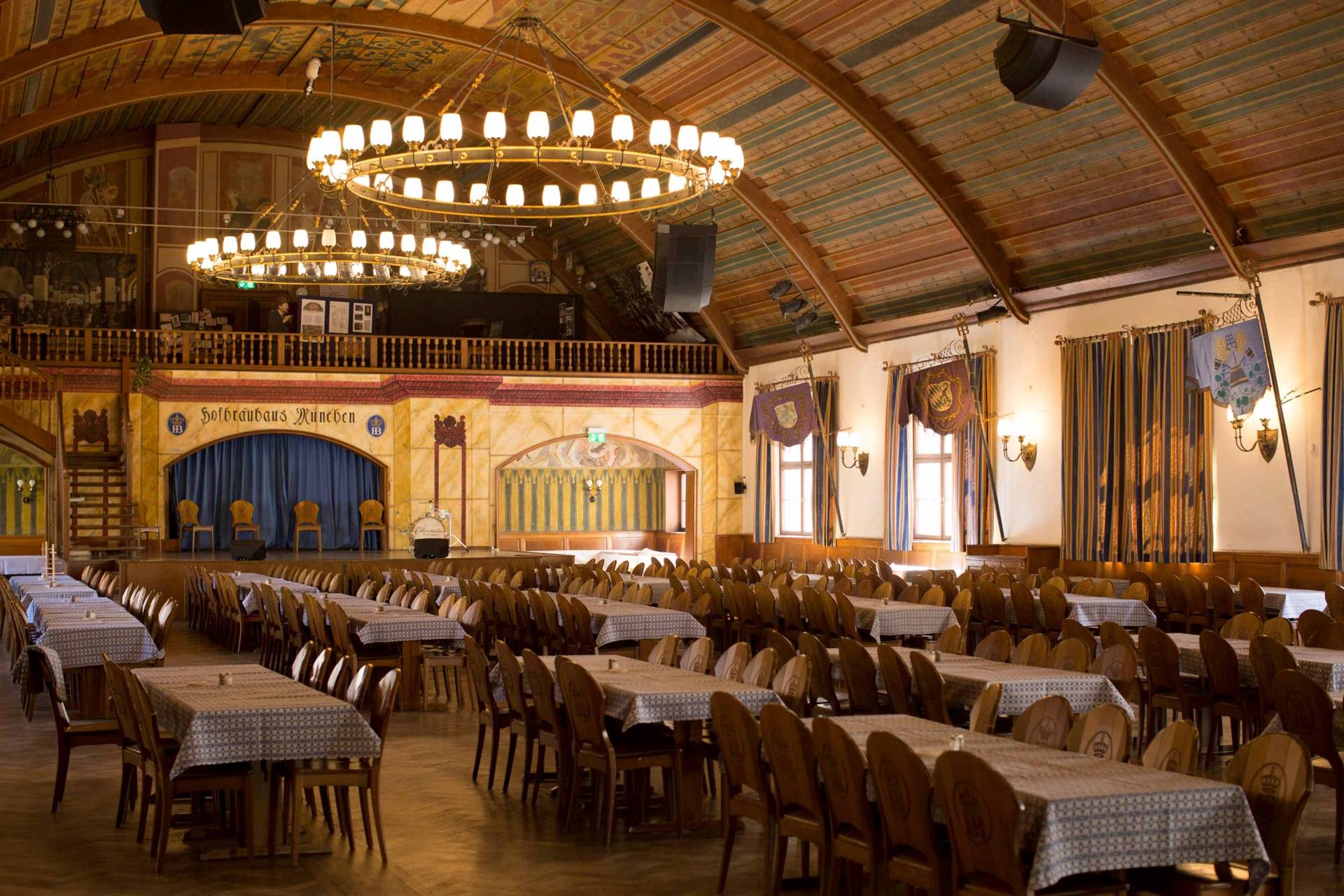
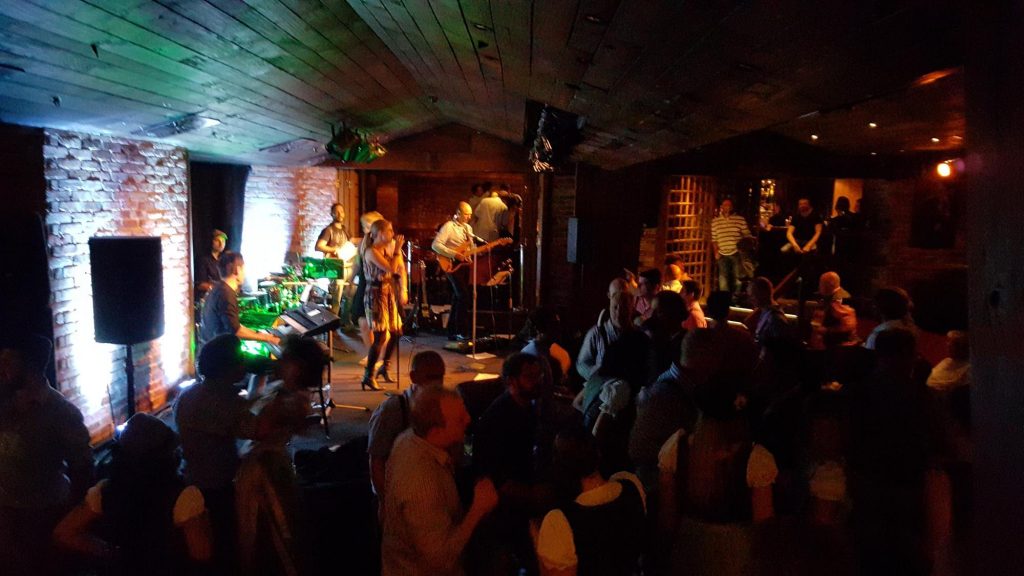
There are 14 large and 20 small beer tents set up in the Theresienwiese area. Each tent has a different brewer and theme. Visitors drink beer, sing and dance in the tents in traditional dress. Live bands provide non-stop entertainment in each tent. Some tents require reservations, and morning hours are more relaxed.
Traditional Clothing and Events
One of the symbols of Oktoberfest is the traditional clothing. Women wear Dirndl and men wear Lederhosen to experience the festival spirit. Throughout the day, Bavarian culture is introduced with traditional music, folklore shows and dances. In addition, on the first day of the festival, the mayor opens the first barrel symbolically.
Family Days and Children's Activities
Tuesdays are celebrated as “Family Day” at Oktoberfest. Ferris wheels, mini trains, cotton candy and fun games are offered for children. Ticket prices are more affordable on these days and the atmosphere is calmer. An ideal atmosphere is provided for families, and security guards are on every corner.
What to Eat, What to Drink?
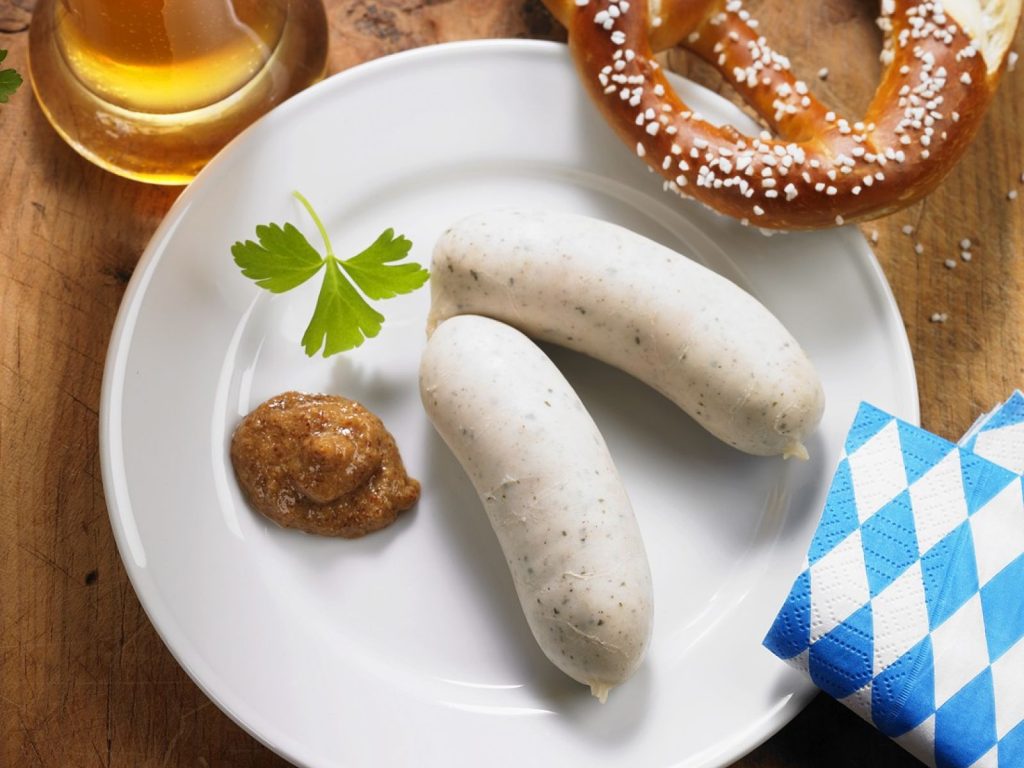
The festival only serves beers from Munich’s six traditional breweries. The best-known are Hofbräu, Augustiner, Paulaner, Spaten, Löwenbräu and Hacker-Pschorr. Bratwurst (sausage), chicken, pork shank and pretzels are the highlights of the meal. Apple strudel, crepes and almond fudge are popular desserts. Special menus for vegetarians are available in many tents.
Oktoberfest Special Beer Brands
The festival only serves the products of 6 traditional Munich-based breweries. The brands Augustiner, Hofbräu, Paulaner, Löwenbräu, Spaten and Hacker-Pschorr are in the foreground. Each beer has its own serving, tasting and traditional glass.
Beer is usually served in 1-litre “Maß” glasses.
Tastes of German Cuisine
The festival serves bratwurst (grilled sausage), schweinshaxe (pork shank), and fried chicken. Side dishes such as large pretzels, sauerkraut, and potato salad are also popular. Meals are served at stands and inside tents on the festival grounds.
Vegetarian and Dessert Options
For vegetarians, mushroom spätzle, cheese buns and potato-based dishes are available. The most popular desserts are apple strudel, crepes and sugared almonds. Many tents also offer gluten-free or vegan alternatives.
How to Get to Oktoberfest?
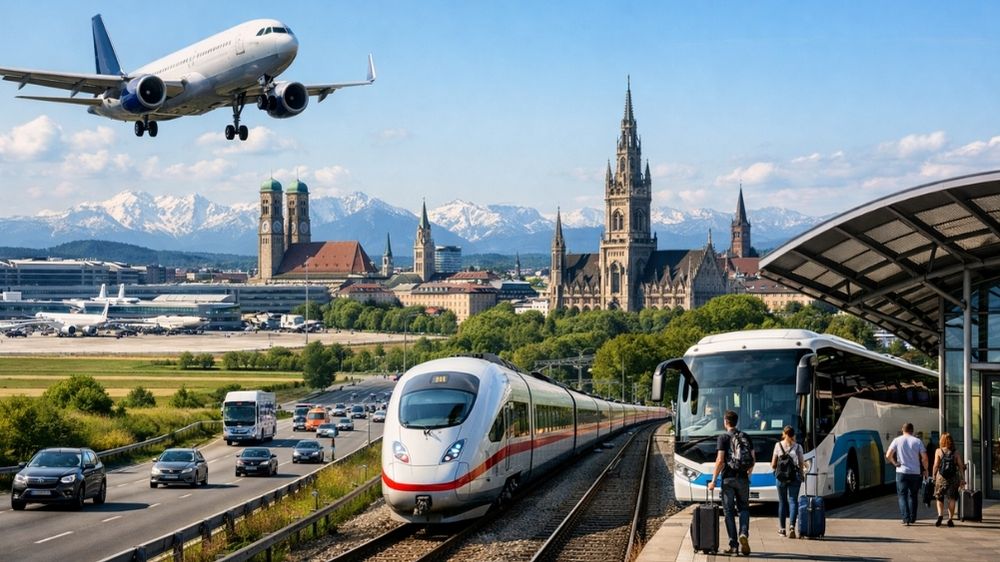
From central Munich, you can reach Theresienwiese by underground line U4 or U5. There are also tram and bus options, but the underground is faster. Entry to the festival area is free, but there are security checks. Large bags are not allowed; small backpacks are preferred. It is recommended to book accommodation at least 6 months in advance.
Practical Information for Visitors
- The festival starts every day at 10:00 am, tents usually close at 23:30.
- Weekends are very crowded, weekdays are more relaxed.
- Shops renting traditional clothing are common throughout the city.
- It is recommended that you bring cash, an ID card and a change of clothes.
- The festival is very safe for families with children.
- Solo travelers also feel comfortable and safe.
Tips for Those Who Want to Experience Oktoberfest
- Popular tents: Hofbräu, Augustiner, Schottenhamel fill up early.
- In order to enter the tents that have been reserved, the entrance time must be adhered to.
- Reservations typically open in early summer and sell out quickly.
- Going early gives you the advantage of both finding a table and attending more events.
- Don't forget to drink plenty of water to prevent a headache after drinking too much beer.
- Consuming carbohydrate-rich meals will help reduce the effects of alcohol.
Oktoberfest offers much more than just beer. Bavarian culture, friendship and enthusiasm form the basic spirit of this festival. You will experience music, dance, tradition and taste. When planning your next trip, be sure to consider Oktoberfest. Experiencing this festival in Bavaria is an unforgettable experience. Europe it could be a memory.
PREVIOUS TOPIC
NEXT TOPIC

Similar Threads
Write a Comment
Visitor Comments - 0 Comments