

Mauritania Travel Guide
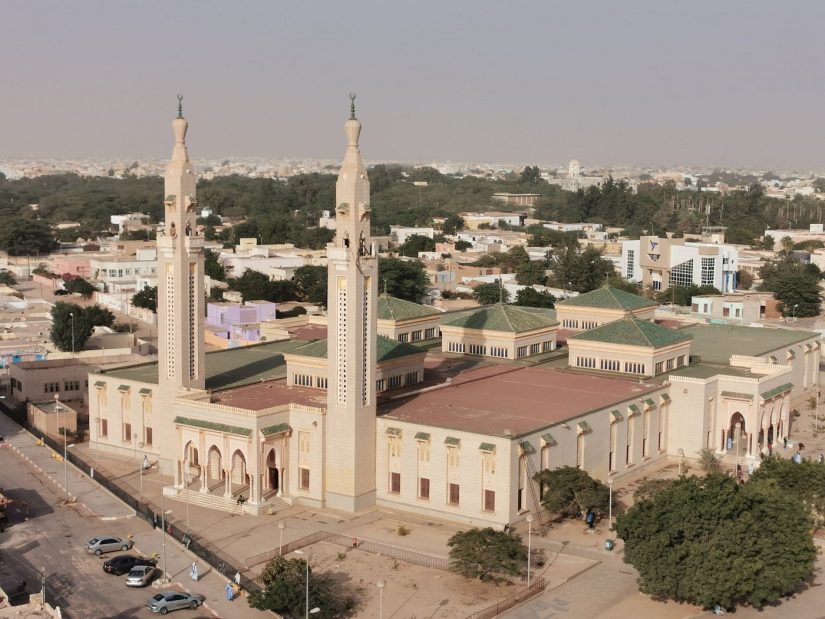
Where the Sahara meets the ocean, Mauritania is a land of ancient caravan routes, wind-sculpted sand seas, and a cool breeze blowing in from the Atlantic. With UNESCO-listed ancient cities like Chinguetti and Ouadane, the bird sanctuaries of Banc d'Arguin National Park, and the wild landscapes along the railway line, Mauritania offers a powerful appeal to travelers who cherish their sense of discovery. Arab-Berber and Africa In daily life, where cultures blend, conversations accompanied by mint tea (“atay”) are combined with humble but genuine hospitality.
When to Go to Mauritania?
Mauritania has a desert climate: very hot summers and mild winters. The most pleasant period is between November and March, when temperatures are milder. Sahra Tours are more comfortable, and the coastal breezes are refreshing. Migration periods (autumn and winter) are prime for birdwatching at Banc d'Arguin. During religious periods like Ramadan and Eid al-Adha, the circadian rhythm slows down; the experience in Mauritania is different, but some businesses may have limited opening hours.
How to Get to Mauritania?
TurkeyFrom Mauritania, connecting flights usually take you to Nouakchott–Oumtounsy Airport. Major hubs in Northwest Africa (e.g. KazablankaIt is possible to find connections via (Dakar, Las Palmas). For long distances within the country, intercity minibuses and 4x4 vehicles are available. Rent a car Local air connections are preferred. Obtain up-to-date information as road and safety conditions can vary on desert routes; permit or checkpoint procedures may apply in some areas. Check current requirements from official sources before traveling to Mauritania, as visa and entry rules may change over time.
What to Do in Mauritania?
- Meet Chinguetti's manuscripts: Feel the spirit of Mauritania, with its medieval libraries and narrow streets wrapped in sand.
- Head to Ouadane and the Adrar Plateau: See the different faces of the desert among stone cities, palm trees and canyons.
- Bird watching at Banc d'Arguin: Explore the lagoons on a boat tour in this national park, home to thousands of migratory birds.
- Sunset at Nouakchott fish market: Photograph the moments when colorful pirogues come ashore; follow the rhythm of the Atlantic.
- The legend of the railway: The natural landscapes surrounding the long freight trains on the Nouadhibou–Zouérat line provide iconic shots for photography enthusiasts.
- I Am Amera monolith: Embark on a route deep into the desert to see one of the largest granite blocks in the world.
- Camping in the Sahara: Stay under the starry night with Berber music and atay (mint tea) by the fire.
- The coast of Nouadhibou and Cap Blanc: Walk along the ocean, cliffs, and wind-sculpted beaches.
- Silver craftsmanship in local bazaars: Check out Tuareg-inspired jewelry, leather goods, and indigo-dyed melhfa fabrics.
- Participate in the tea ceremony: Experience Mauritanian hospitality up close with the three-cup atay ritual.
What to Eat in Mauritania?
Mauritanian cuisine offers the simple yet satisfying flavors of the Sahara. Along the coast, fish and rice combinations are prominent, while mafe-like stews with peanut sauce and tandoori-style mechoui with lamb or camel meat are also featured. Local delicacies like couscous and lakh, prepared with dates, milk, and semolina, also feature on the table. Sparkling atay (mint tea) is an almost invariable accompaniment to every meal. To explore the flavors of Mauritania in more detail, be sure to check out our article "What to Eat in Mauritania?" to whet your appetite even further.
What to Buy from Mauritania?
Silver and Tuareg-inspired jewelry reflecting Saharan culture, leather goods, indigo-dyed melhfa and boubou fabrics, dates, and tea sets are among the most popular choices. The markets in Nouakchott and Atar are ideal for bargain shopping. If you'd like to bring the colors of the desert with you on your return, check out our guide on what to buy in Mauritania; we'll help you choose the most unique pieces.
Mauritania Nightlife
Nightlife in Mauritania is quiet and limited due to its conservative cultural structure. Some hotels in larger cities offer evenings with live music, and cafes have local music traditions (e.g., melodies accompanied by tidinit) where small gatherings take place. Most social gatherings are long conversations around the atay after sunset. For more suggestions and up-to-date tips, Mauritania Nightlife Visit our article; let's capture the rhythm of the night together.
Mauritania Festivals and Fairs
| Event/Festival | Ay | DESCRIPTION |
|---|---|---|
| Festival of the Old Cities (Villes Anciennes) | Generally November–December | Rotating cultural and musical events in ancient cities such as Shinkit, Vadan, Tisit or Uvalata. |
| Nouakchott Culture Days | Variable | City events focusing on local crafts, music and gastronomy. |
| Sahara Desert Encounters | Variable | Desert sports, camping and local music gatherings; regional scale events. |
Mauritania Important Days and Holidays
| Date | Events |
|---|---|
| Varies according to the Hijri calendar | Eid al-Fitr (Eid al-Fitr) |
| Varies according to the Hijri calendar | Eid al-Adha (Eid al-Adha) |
| Varies according to the Hijri calendar | Mawlid Kandili (Mawlid) |
| Varies according to the Hijri calendar | Hijri New Year |
| 28 November | Independence Day |
Things to Consider When Traveling to Mauritania
- Safety and route plan: Conditions can be variable in desert crossings and border areas; check current warnings and travel with a local guide.
- Dress code and cultural sensitivity: Dress conservatively and ask for permission when taking photos, especially in smaller settlements.
- Health: Get a hat, sunscreen, electrolytes for the sun and heat, and get pre-travel vaccination and medication recommendations from your doctor.
- Currency unit: Ouguiya (MRU) is used; card acceptance may be limited, so carry sufficient cash.
- Contact: French and Hassaniya Arabic are common; simple expressions make it easier.
- Transportation: A 4×4 vehicle and experienced driver are a great advantage on desert routes; plan to stock up on fuel and water.
- Documents and permits: Check passports, visas and regional permits where necessary; have your documents ready at checkpoints.
- Respect for the environment: Adopt a leave-no-trace approach to dunes and sensitive coastal ecosystems.
Mauritania, a destination that nurtures the spirit of discovery, offers the silence of the desert, the breeze of the Atlantic, and the wisdom of ancient cities. If you're looking for unique experiences beyond the crowds, Mauritania is for you. For the next step, visit our article on Places to Visit in Mauritania, and we'll fine-tune your itinerary together.
PREVIOUS TOPIC
NEXT TOPIC

Similar Threads
Write a Comment
Visitor Comments - 0 Comments