
Places to Visit in Milas: Top 88 Destinations
Muğlapearl of MilasWith its rich historical heritage stretching from ancient times to the present day, breathtaking natural beauty, and authentic Aegean way of life, Milas attracts thousands of travelers every year. This ancient city, which served as the capital of the Carian civilization, boasts 27 ancient cities, dozens of bays and beaches, Ottoman-era artifacts, and unique natural areas within its borders. Whether you are a history buff, a nature enthusiast, a gastronomy lover, or a sea lover, Milas offers a rich variety to satisfy everyone. In this guide, we have compiled 88 of Milas's most popular destinations to help you create a comprehensive travel plan. From the mystical waters of Lake Bafa to the sacred hills of Labranda, from the turquoise bays of the Gulf of Gökova to the panoramic views of Beçin Castle, get ready to discover all the beauties of Milas.
Historical Places to Visit in Milas
Euromos Ancient City
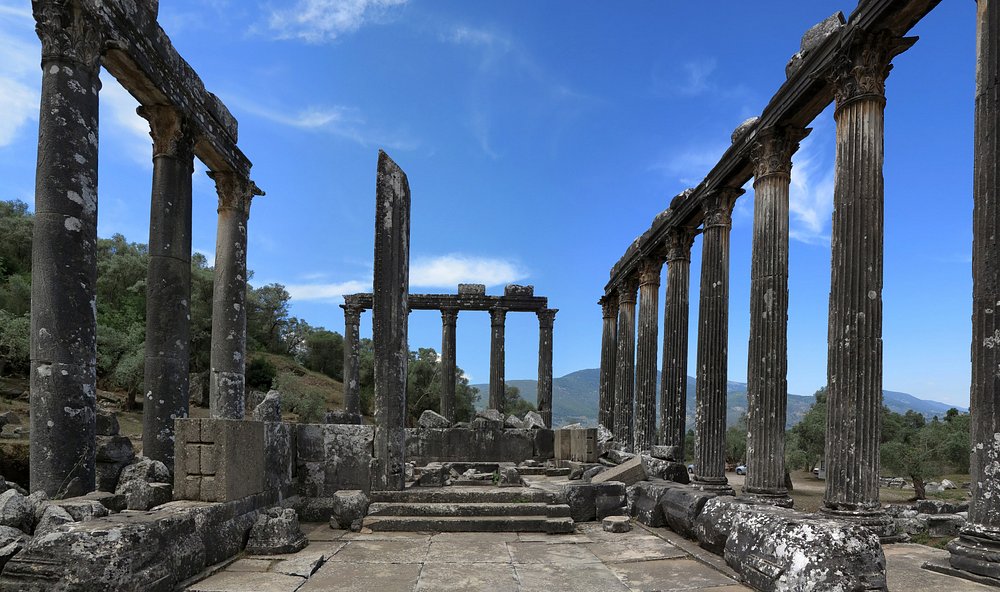
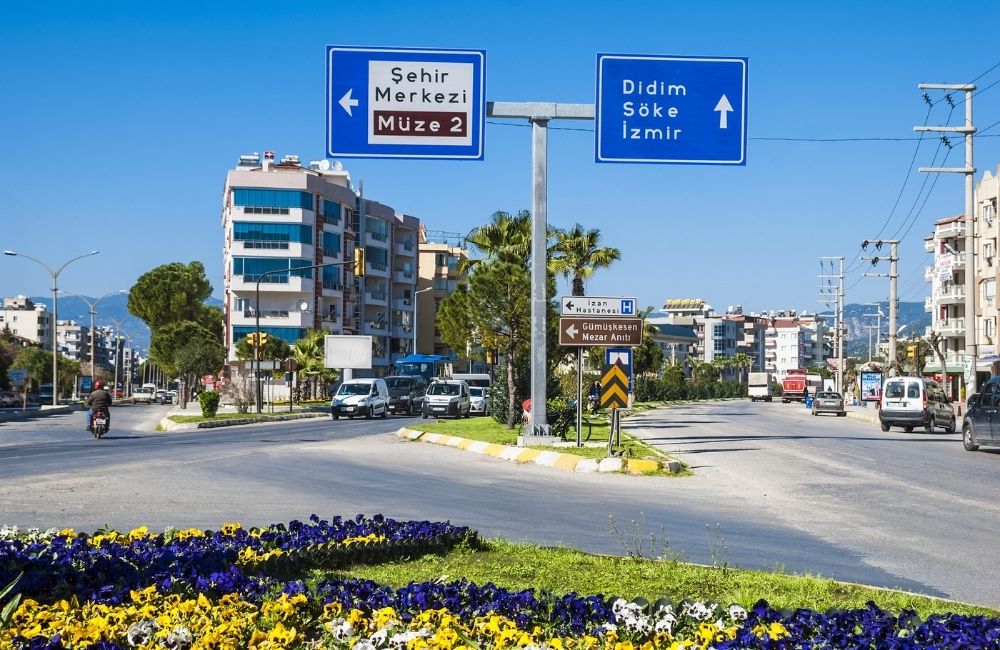
Euromos Ancient City is an archaeological site located approximately 10 kilometers from the center of Milas, on the Milas-Söke highway, and is home to one of the most impressive ruins of the Carian region. The most striking structure of the city is the Temple of Zeus Lepsynos. Korint With its 16 columns, it is one of the best-preserved temples in Anatolia. Euromos, a powerful city-state in antiquity, also welcomes visitors with its agora, theater, and city walls. The temple columns rising among olive trees create a magical atmosphere, especially in the morning and late afternoon. Due to its location on the road, it is an easily accessible stop on the Milas-Bodrum route. For those interested in antiquity, this city is a unique open-air museum showcasing the splendor of the Carian civilization.
Becin Castle and Archaeological Site
Beçin Castle, rising on a hill overlooking the Milas plain, is a historical settlement that served as the capital of the Menteşeoğulları Principality. Dating back to the Byzantine period, the castle consists of two sections: an inner and an outer castle, and its approximately 3-kilometer-long walls present an impressive sight. The remains of a mosque, madrasa, hammam, and residences within the inner castle provide important clues about the city life of the time. The lifelike figures in the Beçin Madrasa offer visitors a unique experience that strikingly conveys the historical atmosphere. The panoramic view of the Milas plain from the top of the castle is breathtaking and makes for an ideal spot for photography. Beçin, a must-visit for history and nature lovers, is one of Milas's most valuable cultural heritage sites.
Iasos Ancient City
The ancient city of Iasos, located on the coast in the Kıyıkışlacık neighborhood of Milas, boasts a rich history dating back to the Carian period. Situated on a peninsula, Iasos is known as a port city renowned for its seafaring and fishing activities. Remains of the agora, bouleuterion, theater, and fish market can still be seen, and archaeological excavations are ongoing. Walking among olive trees and touching ancient stones is a unique experience that bridges the gap between the past and the present. With its stunning sea views, Iasos is one of the rare ancient cities that attracts both history enthusiasts and nature lovers. Free entry makes this unique ancient city accessible to everyone.
Emin Aga Mansion
Emin Ağa Mansion is a historic Milas house built in 1890 and restored and converted into a museum. Located at the entrance of the Hekatomnos Mausoleum, the mansion functions as an atmospheric museum showcasing regional clothing and traditional objects. Bearing the characteristics of traditional Milas civil architecture, the building reflects the construction technology of the period through the use of stone and wood materials. While walking through the mansion, visitors experience the exhibits that recreate 19th-century Milas life, giving them a sense of touching history. Visiting it together with the Hekatomnos site creates a comprehensive museum experience. Emin Ağa Mansion is an elegant showcase of Milas's living culture from the past to the present.
Hoca Bedrettin Madrasa
Hoca Bedrettin Madrasa is an important architectural structure dating back to the Menteşeoğulları period, shedding light on the educational history of Milas. Showcasing the characteristic features of the Beylik period architecture with its stonework and geometric decorations, the madrasa reflects the educational philosophy of the time. The courtyard and surrounding rooms offer clues about the daily flow of life within the madrasa. Located near the city center of Milas, the madrasa can easily be included in a historical walking route. It serves as an important reference point for those interested in pre-Ottoman Anatolian Turkish educational institutions. The madrasa is tangible evidence of the cultural vibrancy of Milas during the Beylik period.
Gumuskesen Monument
Gümüşkesen Monument, Rome Built during the Roman period and considered a smaller replica of the famous Mausoleum of Halicarnassus in Bodrum, this impressive monument stands in the heart of Milas city center. With its 12 Corinthian columns, it is a rare example of ancient funerary architecture. Distinguished by its two-story structure, the monument features a burial chamber on the lower level and a gallery surrounded by columns on the upper level. Its easily accessible location in the center of Milas makes it a must-see during a city tour. As one of the most important remains of the ancient Mylasa necropolis, Gümüşkesen offers valuable information about Roman-era funeral traditions. Illuminated in the evening, the monument takes on a unique atmosphere and has rightfully earned its place among the iconic landmarks of Milas.
Berberini Mausoleum
The Berberini Mausoleum is a remarkable funerary structure dating back to the Roman period, located in the necropolis of ancient Mylasa. Along with the Gümüşkesen Monument, it constitutes one of the important examples of ancient funerary architecture in Milas. Its architectural details and construction techniques offer valuable information about Roman-era funerary culture and the tradition of monumental tombs. Its proximity to the city center allows for a walking tour along with other ancient ruins. Its relative obscurity compared to Gümüşkesen is an advantage for those seeking a more tranquil exploration experience. The Berberini Mausoleum is a complementary point of interest for understanding the ancient funerary architecture of Milas.
Hekatomnos Mausoleum and Sanctuary
The Hekatomnos Mausoleum, belonging to Hekatomnos, the Satrap of Caria, is an extraordinary archaeological site discovered in 2010 on Hisarbaşı Hill and considered one of the most important mausoleums of antiquity. Also known as Uzunyuva, this sacred site is captivating with its rich mosaics and architectural details that showcase the splendor of the Carian civilization. The mausoleum has been preserved and transformed into a modern museum, allowing visitors to explore it comfortably. The Emin Ağa Mansion Museum, located in the entrance area, offers a charming collection of regional clothing and objects. The adjacent Milas Carpet Museum is also worth a visit. Museumcard Accessible via this route, this area is one of Milas' most prestigious cultural destinations.
Ancient City of Herakleia (Latmos)
The ancient city of Herakleia, situated on the shores of Lake Bafa at the foot of the Beşparmak Mountains, is one of the best-preserved cities of the Hellenistic period. The 6,5-kilometer-long city walls surrounding the city, reinforced with 65 towers, reflect the grandeur of the military architecture of its time. The remains of the Temple of Athena, the agora, the bouleuterion, and the ancient theater bear witness to the city's rich cultural life. The agora in the city center is one of the rare structures that has survived intact to this day, with its first floor and shops intact. Its location on the lake shore provides a unique natural setting for the ancient ruins. Herakleia, where history and nature meet most beautifully in Milas, is a destination that should be on every traveler's list.
Labranda Ancient City
The ancient city of Labranda, located 14 kilometers northeast of Milas at an altitude of 750 meters above sea level, is an ancient settlement that was one of the most sacred religious centers of the Carian region. This sacred site, home to the Temple of Zeus Labraundos, experienced its most glorious period in the 4th century BC during the reign of Satrap Mausolos. Monumental staircases, banquet halls (andrones), stoas, and the temple terrace showcase the city's rich architectural heritage. Although the mountain path leading to the ancient city is challenging, the scenery and history encountered upon arrival are well worth the effort. A popular resting point on nature trails, Labranda brings together travelers passionate about trekking and history. This sacred site, the center of the double-headed axe cult of Caria, is one of the best examples illustrating Milas' importance in the ancient world.
Axe Gate
The Baltalı Gate, the only surviving remnant of the ancient city walls of Mylasa, is one of Milas' most recognizable symbols. Named after the double-faced axe (labrys) relief on its keystone, this arched gate dates back to the 1st century BC. In ancient times, it served as the starting point of the sacred road leading from Milas to the Temple of Zeus in Labranda. Intertwined with Roman-era aqueducts, the structure is a valuable archaeological remnant preserved within the urban fabric. Easily accessible from the center of Milas, the Baltalı Gate offers a rich historical experience in a short visit. The double axe motif, a symbol of the Carian civilization, makes this gate one of Milas' indispensable photo spots.
Haci Ali Agha Mansion
The Hacı Ali Ağa Mansion is a two-story historic Milas house built in 1868 and meticulously restored in 2005. A beautiful example of traditional Milas civil architecture, the mansion reflects the lifestyle of its time with its woodwork and stone walls. The presence of a gallery on the ground floor showcasing the works of the famous cartoonist Selçuk Turan adds an artistic dimension to the mansion. This elegant structure, which you might encounter while walking through the narrow streets of Milas, is a place everyone can visit thanks to its free entry. It is a must-see for those interested in Ottoman-era civil architecture and traditional Aegean life. The mansion is a fine example of successful restoration efforts aimed at preserving the historical urban fabric of Milas.
Colluoglu Inn
Çöllüoğlu Han is a historic Ottoman inn built in 1719 that served for centuries as the commercial, religious, and administrative center of Milas. Spanning 1050 square meters, the inn, with its central stone-paved courtyard and surrounding two-story rooms, is a beautiful example of traditional inn architecture. It has been brought back to life through a restoration project jointly undertaken by Milas Municipality and Muğla Governorship. Restored along with its surroundings, the inn has revived Milas' historical commercial fabric. This structure, where caravans used to stay during the Ottoman era, now hosts cultural events. Çöllüoğlu Han is an indispensable destination for those wishing to explore Milas' rich Ottoman heritage.
Hungarian Houses
The Hungarian Houses are historic residences lined up side-by-side on Milas' main street, representing elegant examples of 19th-century civil architecture. This group of three houses is among the best examples reflecting the architectural character of traditional Milas houses. The harmonious use of stone and wood showcases the construction techniques and aesthetic sensibilities of the period. One of the houses has been restored by the municipality and opened for cultural use. Easily noticeable on the street while exploring Milas' historical urban fabric, these buildings are ideal for a short stop. For those interested in Ottoman-era civil architecture, the Hungarian Houses offer a striking vantage point.
Murat Salih Menteşe House
Murat Salih Hinge The house is a historic mansion located on Milas' main street, exhibiting the characteristics of traditional Milas civil architecture. The stonework, wooden projections, and decorations on the facade reflect the aesthetic sensibilities of the period. Offering clues about the living culture of the Menteşeoğulları era, the house is an interesting stop for those wishing to explore the historical layers of the city. Its location on the street makes it easily accessible for visits and photographs during a walking tour. This building, encountered while strolling through Milas' historic houses district, is a living witness to the traditional fabric before urban transformation. For those interested in history and architecture, Menteşe House is one of Milas' hidden gems waiting to be discovered.
Hermias Statue
The Hermias Statue is a striking sculpture representing a figure from the ancient Carian period, displayed in the city center of Milas. Symbolizing Milas's importance during the ancient Mylasa era, this work allows you to come face-to-face with history in the city squares. The statue is a beautiful example of how ancient artifacts can be preserved within a city. Appearing during a walk in the center of Milas, this work is ideal for a brief stop and photo opportunity. Bringing the cultural richness of ancient Caria to the city square, the statue is a meeting point between modern Milas and the ancient world. It is a symbolic work reminding travelers that history can be encountered at every corner of Milas.
Latmos Rock Tombs
Latmos Rock Tombs, Bafa Lake Nature Park Within its borders, these are thousands of years old funerary monuments carved into the cliffs of the Beşparmak Mountains. Accessible via trails starting from the area around Kapıkırı Village, the tombs are so dense that you'll see a rock tomb wherever you look. This archaeological site, combined with lake and mountain views, offers unique photo opportunities for photographers. Latmos, an important funerary culture area in ancient times, deeply affects visitors with its mysterious atmosphere. The rock paintings and markings encountered during the hike reveal the importance of the region in prehistoric times. For those who want to combine nature walks with an interest in archaeology, the Latmos Rock Tombs are a route not to be missed.
Aga Mosque
Ağa Mosque, located in the Hacıapti neighborhood of Milas, is a historical place of worship built by Abdülaziz Ağa. Distinguished by its marble mihrab and minbar, the mosque also attracts visitors with its handcrafted wooden carvings inside. A graceful example of Ottoman-era mosque architecture, the building stands out with its use of traditional materials and decorative details. Its central location makes it easily accessible while strolling through Milas' historic streets. The mosque's peaceful atmosphere offers an ideal respite from the daily hustle and bustle. Showcasing the diversity of Milas' religious architecture, Ağa Mosque adds a cultural dimension to any city tour.
Milas Aqueducts
The Milas Aqueducts are impressive engineering structures dating back to the Roman period and were part of the city's ancient water distribution system. They can be seen at various points in the city center. Kemer The ruins reveal the advanced infrastructure of ancient Mylasa. The aqueducts, intertwined with the Baltalı Gate, are vivid witnesses to ancient urban planning. Rising amidst modern structures, these ancient aqueducts create a striking contrast between the past and the present. They offer a unique opportunity for those who want to closely observe the mastery of Roman engineering in water transport technology. Easily accessible from the city center of Milas, the aqueducts are an important stop that will add value to your historical discovery walks.
Ahmet Gazi Mausoleum and Madrasa
The Ahmet Gazi Mausoleum and Madrasa, belonging to Ahmet Gazi, one of the founders of the Menteşeoğulları Principality, is an important structure representing Milas's Menteşe-era heritage. The mausoleum and its adjacent madrasa exhibit the characteristic features of 14th-century Anatolian Turkish architecture. Reflecting the aesthetic sensibilities of the period with their stonework and geometric ornamentation, the structures shed light on the educational and spiritual life of the principality era. Its proximity to Beçin Castle allows for a comprehensive historical tour by visiting both destinations together. These structures, holding a special place within Milas's Seljuk and Beyliks-era heritage, are an indispensable stop for travelers interested in Anatolian cultural history. The mausoleum and madrasa are a beautiful reflection of Milas's multifaceted historical richness.
Sinuri Ancient City
Sinuri Ancient City, one of the 27 ancient cities around Milas, is an important archaeological site dating back to the Carian period and used as a sacred area. The remains of a temple dedicated to Zeus Sinuri clearly reveal the religious function of the city. Hidden among olive trees, the ruins offer a calm and peaceful atmosphere waiting to be discovered. Inscriptions found in the ancient city provide valuable information about the social structure and religious rituals of Carian society. It is an ideal destination for those who want to experience an authentic archaeological journey away from tourist crowds. Sinuri rewards curious travelers as one of the hidden treasures on Milas's ancient heritage map.
Ancient City of Olymos
The ancient city of Olymos, located near Milas, is one of the important settlements of the Carian civilization. Built on a mountainside, the city reflects the architectural understanding of its time with its walls and temple ruins. Playing a significant role in the political history of the Carian region, Olymos maintained close relations with Mylasa. Walking among the ruins, it's possible to enjoy the Aegean view and trace the footsteps of antiquity. One of its greatest advantages is that it offers a tranquil exploration experience, far from the crowds of large ancient cities. For those wishing to delve deeply into Carian history, Olymos is a valuable stop to add to their Milas itinerary.
Pidasa Ancient City
Pidasa Ancient City, one of the ancient settlements surrounding Milas, is a Carian city situated in mountainous terrain, largely awaiting discovery. The city's city walls, tower ruins, and foundation traces reveal the defense strategies and settlement plan of antiquity. The ruins, integrated with the natural landscape, offer constant surprises during walks and exploration. The minimal tourist infrastructure provides an opportunity to experience the ancient city in its natural state. For archaeology enthusiasts and off-road lovers, Pidasa offers an exciting discovery route. A significant link in understanding the richness of ancient cities in the Milas region, Pidasa is a treasure trove for amateur archaeologists.
Bargylia Ancient City
Bargylia Ancient City is an ancient Carian settlement located on the Milas-Güllük road, which was important as a port city. Its location by the sea shows that the city was deeply intertwined with trade and maritime life. The remains of the city walls, agora, and theater testify to how vibrant a center it once was. Its proximity to Güllük offers an ideal combination for those who want to plan a seaside holiday and a historical trip at the same time. The natural beauty surrounding the ancient city allows you to enjoy the scenery while exploring the ruins. Bargylia is one of the most impressive representatives of Milas's ancient coastal heritage.
Kindya Ancient City
Kindya Ancient City, located near Milas, is a small but significant Carian settlement known for its cult of Artemis Kindyas. The remains of a temple dedicated to Artemis clearly reveal the role this city played in the religious life of the region. Hidden in a rural area, the ruins offer a peaceful route that can be explored on a nature walk. The Kindya festivals, frequently mentioned in ancient sources, are evidence of the city's recognition in the ancient world. While wandering among olive groves and maquis vegetation, it is possible to come across ancient stone blocks and wall remnants. Kindya is an important point of reference for those who want to understand the religious geography of Caria.
Ancient City of Keramos
The ancient city of Keramos is an ancient Carian port city located near the present-day town of Ören, on the coast of the Gulf of Gökova. Believed to have taken its name from ceramic production, the city was renowned for pottery and trade in antiquity. Remains of harbor structures, city walls, and residential buildings indicate that the city was once a vibrant trading center. Its location on the coast allows you to enjoy the view of the gulf while exploring the ancient ruins. Its integration with the town of Ören allows you to combine a beach holiday and an ancient city visit in a single day. Keramos holds a special place among the ancient heritage sites on the gulf coast of Milas.
Temple of Zeus Karios (Hisarbaşı)
The Temple of Zeus Karios is an ancient place of worship rising on a podium east of Hisarbaşı Hill in the Hisarbaşı neighborhood of Milas. Dedicated to Zeus Karios, the chief god of Caria, its single Corinthian-capped column remains standing, adding historical depth to the city's skyline. The temple's location indicates its significant place in the sacred topography of ancient Mylasa. The panoramic view of the Milas plain from Hisarbaşı Hill offers a bonus that makes the visit even more enjoyable. This site, a center of religious ceremonies in antiquity, is a critical reference point for understanding the Carian belief system. With its accessible location in the city center, the Temple of Zeus Karios offers a short but impressive historical break.
Ören Ancient Theatre
The Ören Ancient Theatre is an impressive ancient structure located among the ruins of the ancient city of Keramos in the town of Ören, offering stunning sea views. Its semi-circular seating steps bear the traces of the theatrical performances and meetings held here in ancient times. The panoramic view of the Gulf of Gökova from the upper rows of the theatre evokes the same magnificent view enjoyed by the audience in ancient times. When visited alongside Ören Beach, the experience of enjoying the sea and exploring the ancient city creates a perfect blend. Sitting in the theatre area at sunset is one of the moments that most intensely captures the ancient atmosphere. The Ören Ancient Theatre is one of the most impressive pieces of ancient heritage on the coastal area of Milas.
Milas Bedesten
Milas Bedesten, as one of the Ottoman-era commercial structures, is an important part of the historical bazaar fabric in the city center. A reflection of the covered market tradition, the bedesten showcases the commercial architecture of the period with its domed structure and stone walls. Inside, there are shops selling traditional handicrafts, local products, and souvenirs. Along with Çöllüoğlu Han and Arasta, the bedesten forms the historical commercial district of Milas and is a valuable heritage preserved within the urban fabric. This structure, where silk, spices, and valuable fabrics were bought and sold during the Ottoman period, continues its commercial vibrancy today. For those who want to combine shopping and history in Milas, the bedesten is a must-see stop.
Hydisos Ancient City
The ancient city of Hydisos, located in the Milas region, is an archaeological site bearing traces of Carian civilization and still being researched by archaeologists. The city's ruins offer significant insights into Caria's small-town structure and social organization. City walls and building foundations, waiting to be discovered within the natural landscape, reward patient explorers. The fact that Milas is home to 27 ancient cities proves how densely populated the region was in antiquity. Hydisos, as one of the pieces of this rich mosaic, attracts the attention of history enthusiasts. With its relatively unknown location, this ancient city is one of Milas' hidden treasures awaiting in-depth exploration.
Ancient City of Passala
The ancient city of Passala, one of the Carian settlements around Milas, is an important archaeological site showcasing the region's high concentration of ancient cities. Among the city ruins, walls, building foundations, and ceramic fragments offer valuable clues about daily life during that period. Situated in mountainous terrain, Passala offers a unique blend of nature walks and archaeological exploration for travelers with a spirit of discovery. For those wishing to understand the vast network of Carian settlements, this small but significant ancient city forms a crucial piece of the puzzle. The absence of tourist infrastructure allows visitors to experience the ancient city in its pristine state. Passala is a hidden heritage site that adds depth to Milas's collection of ancient cities.
Becin Bathhouse
Beçin Hamam is a historical bathhouse located within the Beçin Castle settlement area, shedding light on the daily life of the Menteşeoğulları period. Reflecting the classic Turkish bath plan with hot, cold, and lukewarm sections, the structure documents the hygiene and socialization culture of the era. The dome structure and water channels are still visible, offering interesting details for architectural enthusiasts. When visited together with Beçin Castle, the madrasa, and other structures, it provides a complete picture of urban life during the Beylik period. The stonework and spatial arrangement of the bathhouse showcase the unique solutions of pre-Ottoman Anatolian Turkish architecture. Beçin Hamam is a point of discovery for those interested in history and architecture, delving into the depths of Milas.
Sodra Ancient City
The ancient city of Sodra, nestled on the slopes of the Beşparmak Mountains, is a small but atmospheric Carian city among the ancient settlements surrounding Milas. Among the city ruins, one can see city walls, building foundations, and fragments of sarcophagi. Its location on the mountainside makes the hike to the city challenging but the views rewarding. Completely free from tourist crowds, Sodra is ideal for those seeking a true discovery experience. It is a valuable reference point for understanding the living conditions and architectural preferences of Caria's small towns. The ancient city of Sodra is a hidden gem that reveals the depth of Milas's rich ancient urban heritage.
Milas Republic Square
Milas Cumhuriyet Square is a vibrant meeting point located in the heart of the city, reflecting the pulse of daily life. Surrounded by cafes, restaurants, and shops, the square is a favorite spot for both locals and visitors, serving as the center of Milas' social life. Enjoying tea or Turkish coffee under the shade of the plane trees in the square and soaking up the city atmosphere is one of the most enjoyable moments of a Milas experience. In the evenings, the square becomes a lively and friendly place where families and young people gather. Starting your city tour from the square and extending towards the surrounding historical buildings offers a logical route plan. Cumhuriyet Square is an intimate urban space where you can observe Milas' daily life up close.
Gulluk Castle
Güllük Castle is a historical structure located on the seafront in the town of Güllük, shedding light on the region's defense history. The castle ruins are notable for their location, highlighting Güllük's strategic importance as a port city. Observing the surroundings from its sea-facing walls helps understand the defense strategies of the ancient era. Combined with the colorful fishing boats and seaside cafes in Güllük harbor, the castle creates a nostalgic photo spot. Accessible with a short walk, the castle is a pleasant stop that will add a historical dimension to your visit to Güllük. Offering a combination of sea, history, and a coastal town atmosphere, Güllük Castle is one of the symbols of Milas' coastal heritage.
Ancient City of Khalketo
The ancient city of Khalketor, one of many ancient cities around Milas, is an archaeological site that demonstrates the extensive settlement network of the Carian civilization. Located in mountainous terrain, the city ruins, walls, and building foundations reflect the defense and settlement strategies of the period. Remaining outside of major tourist influxes, this ancient city offers a tranquil and unspoiled exploration experience. Combined with nature walks, it provides both physical activity and historical discovery. For those interested in archaeology, Khalketor offers a valuable opportunity to delve into the depths of the Carian geography. One of the hidden treasures waiting to be discovered among Milas' 27 ancient cities, Khalketor rewards patient travelers.
Ancient City of Hydai
The ancient city of Hydai is a small but historically significant site in the Milas region, bearing traces of Carian settlements. The ruins offer researchers important clues about Carian community structure and settlement patterns. Hidden within a natural landscape, the remains create an exciting route for travelers with a spirit of exploration. The olive trees and maquis vegetation surrounding the ancient city offer a pleasant nature experience during walks. Hydai, demonstrating how organized and planned even the small cities of the Carian civilization were, helps us better understand the ancient heritage of the region. With its relatively unknown location, Hydai is one of the hidden gems in Milas's collection of ancient cities.
Milas Tannery
The Milas Tannery is a historical craft area dating back to the Ottoman period, where traditional leather processing art is practiced. The architectural structure of the tannery area is an important cultural heritage element reflecting the industrial and commercial life of the era. For those who want to trace the traditional crafts of Milas, this area is a window into the city's commercial past. Its central location allows for exploration on foot, along with other historical structures. Seeing the reflections of Ottoman-era craft traditions within the urban fabric contributes to understanding Milas' multifaceted history. The tannery area is an interesting discovery point for those interested in industrial archaeology and craft history.
Milas Arasta Bazaar
Milas Arasta Bazaar is a restored historical market area that keeps the Ottoman-era trading tradition alive. Renovated along with the Çöllüoğlu Inn, the bazaar revives the traditional trading atmosphere with its small shops and handicraft workshops. Milas carpets, handmade jewelry, local food products, and souvenirs are among the main products that can be found here. While shopping in this bazaar, where the historical texture is preserved, you can also examine the architectural details and stonework. You can also have the opportunity to learn about traditional production processes by chatting with local artisans. Arasta Bazaar is a perfect destination for those seeking both shopping and a cultural experience in Milas.
Religious Sites to Visit in Milas
Firuz Bey Mosque (Kurşunlu Mosque)
Firuz Bey Mosque, built in 1394 by Hoca Firuz Bey, the governor of Menteşe, is one of Milas's most valuable religious and architectural structures. Also known as the Kurşunlu Mosque among the locals, it was referred to as the Gök Mosque by Evliya Çelebi due to its blue-veined marble cladding. With its inverted T-plan scheme, it represents an important transitional period in Western Anatolian mosque architecture. Its intricately carved marble entrance, magnificent tile decorations, and stained glass windows captivate visitors. Its convenient location near the center of Milas makes it easily accessible during a city tour. Reflecting the architectural mastery of the Menteşeoğulları period, this mosque is one of the most brilliant examples of Milas's cultural heritage.
Sheikh Bedrettin Mausoleum
The Tomb of Sheikh Bedrettin is a small but significant pilgrimage site dedicated to Sheikh Bedrettin, the Qadi of Simavna and one of the most controversial and influential figures in Ottoman history. Located on the road to Milas, the tomb bears the traces of this 15th-century thinker's presence in the region. Known for his egalitarian ideas, Sheikh Bedrettin's connection to Milas adds an interesting layer to the city's history. The area surrounding the tomb, with its peaceful atmosphere, is an ideal place for a short break and contemplation. It offers a particularly meaningful visit for those interested in Ottoman history and intellectual history. Reflecting Milas' spiritual and cultural richness, the tomb adds a valuable link to the city's historical route.
Belen Mosque
Belen Mosque is a historical place of worship located on Hisarbaşı Hill in Milas, dating back to the 14th century. Taking its name from the word 'belen', meaning high place, the mosque is notable for its wooden ceiling supported by columns repurposed from antiquity. The Corinthian column capitals demonstrate the interesting architectural style of reusing ancient materials. The walls, a mixture of stone and brick, are left unplastered, clearly reflecting the building's historical texture. Repaired in 1750, the mosque acquired its present appearance with the addition of its minaret in 1811. For those wishing to explore the rich history of Milas layer by layer, Belen Mosque is an important point of visit.
Great Mosque of Milas
Milas Grand Mosque, built in 1378 by Ahmet Gazi of the Menteşe dynasty, is one of the largest and oldest mosques in the district. Constructed of brick and stone, its exterior has been left unplastered to reveal the original materials. The walls clearly show the reuse of materials from a Roman-era church. It is an important example of the transition from flat roofs to domes in Western Anatolian mosque architecture. Located in the Hocabedrettin neighborhood, the mosque underwent restoration between 1879 and 1912 and is open for worship today. To understand Milas' religious architecture, the Grand Mosque is a must-see.
Haji Ilyas Mosque
The Hacı İlyas Mosque is an important mosque structure among the historical religious buildings of Milas, dating back to the Menteşeoğulları period. The combination of traditional materials and repurposed antique building elements summarizes Milas' multifaceted history in a single structure. The mosque's modest yet elegant architecture reflects the simple beauty of the Anatolian mosque tradition from the Beylik period. Its central location makes it within walking distance of other historical buildings. While still serving as a place of worship, the mosque also offers a tranquil environment for those seeking spiritual peace. The Hacı İlyas Mosque is an elegant structure that makes a valuable contribution to Milas' religious architectural collection.
Church of the Tail
The Church of the Tail (Kuyruklu Kilise) is a remarkable church ruin rising on a rocky outcrop, one of the Byzantine-era religious structures around Lake Bafa. Used as a retreat by Byzantine monks, this structure reflects the religious architecture of its time with its remnants of wall paintings and architectural details. Accessible from the Kapıkırı and Herakleia areas, the church is an interesting stop on the nature trail. The silhouette of the church, combined with the lake view, creates a mysterious and peaceful atmosphere. Located in the Lake Bafa region... monastery The structure, an important link in the church route, is particularly valuable for those interested in Byzantine archaeology. The Tail Church is one of Milas' hidden treasures of Byzantine heritage waiting to be discovered.
Seven Monastery
The Monastery of the Seven is a Byzantine-era structure located in the Beşparmak Mountains above Gölyaka Village in Milas. Its accessibility is challenging, but its views are rewarding. The monastery complex, consisting of two churches, a chapel, a cistern, and monks' cells, is skillfully nestled among the rocks. The frescoes on the ceilings and walls of the hermitages are valuable works of art depicting the life of Jesus, the Saints, and the Virgin Mary. Reaching the monastery requires approximately an hour's hike; it is recommended to bring water and snacks. Upon reaching the summit, the panoramic view of Lake Bafa and its surroundings will make you forget all your fatigue. For adventure seekers and those passionate about historical exploration, the Monastery of the Seven offers one of the most rewarding routes in Milas.
Museums to Visit in Milas
Milas Museum
The Milas Museum is an important cultural institution that sheds light on the rich history of Milas, exhibiting artifacts unearthed from ancient cities in and around the district. Opened to the public in 1987, the museum offers both indoor and outdoor exhibition spaces in its two-story building within a garden. Gold artifacts from the Stratonikeia excavations, oil lamps from Iasos, and various statue heads are displayed in showcases. Column capitals, sarcophagi, and architectural fragments arranged in the garden create an open-air museum atmosphere. For those who want to understand Milas's millennia-old history under one roof, the museum is an ideal starting point. You can explore the historical fabric more meaningfully by beginning your city tour at the Milas Museum.
My Chocolate Bodrum Chocolate Museum
My Chocolate Bodrum The Chocolate Museum is located within the borders of Milas and is especially popular with families. çocuklar It offers a fun museum experience designed for children. It's possible to explore the history of chocolate, its production processes, and its place in different cultures through interactive exhibits. You can also have a creative experience making your own chocolate in the workshops inside the museum. The visuals and tasting activities that pique children's curiosity make it an ideal program for family vacations. It's a perfect option for those who want to add a sweet break to their historical and natural tours of Milas. With its educational and entertaining nature, the Chocolate Museum is a destination that appeals to different age groups.
Selçuk Turan Cartoon House
The Selçuk Turan Cartoon House is a unique cultural and artistic space showcasing the works of Selçuk Turan, one of the masters of Turkish cartoon art. Located on the lower floor of the Hacı Ali Ağa Mansion, the gallery offers an unexpected and delightful surprise for those interested in cartoon art in Milas. The exhibited works skillfully blend social criticism, observations of daily life, and a humorous perspective. Open to everyone with free entry, the space allows you to add a colorful break to your journey through art and history. Encountering contemporary art within a historic mansion creates an interesting contrast between tradition and modernity. It's a beautiful example demonstrating that Milas is not just about ancient ruins, but also a vibrant cultural center.
Milas Carpet Museum
The Milas Carpet Museum is a unique museum showcasing world-famous Milas carpets and telling the history of this traditional handicraft. Located within the Hekatomnos Mausoleum area, the museum houses carefully preserved examples of Milas carpets and rugs from different periods. The patterns and motifs of the hand-woven carpets, colored with natural dyes, reveal the richness of Anatolian cultural heritage. The museum offers an educational experience for those who want to learn carpet weaving techniques and the meanings of regional patterns. The nomination of Milas carpet weaving to the UNESCO Intangible Cultural Heritage list proves the universal value of this tradition. For those interested in handicrafts and textiles, the Milas Carpet Museum is a must-see cultural destination.
Fish Market Open Air Museum
The Fish Market Open-Air Museum, located in the heart of Milas city center, is a small but fascinating open-air collection showcasing artifacts from antiquity. Column capitals, sarcophagus fragments, and architectural elements unearthed from surrounding excavations are on display here. Integrated with the fish market area, this exhibition offers a surprising experience, allowing you to encounter history even during your daily shopping. Free to access, it's a beautiful example of how history breathes in every corner of Milas. It's truly difficult to find another city where local life and ancient heritage are so intertwined. A must-visit on Milas's urban history route, this place offers a short but impactful cultural experience.
Parks and Natural Areas to Visit in Milas
Bafa Lake Nature Park
Bafa Lake Nature Park, one of Milas's most captivating natural treasures, welcomes visitors in every season. Once a bay of the Aegean Sea in ancient times, this area was separated from the sea by the alluvium carried by the Büyük Menderes River over centuries, forming its present-day lake form. The monastery ruins, ancient cities, and rock paintings surrounding the lake offer a unique blend of natural beauty and historical texture. A paradise for birdwatchers, the park is home to hundreds of bird species, especially flamingos. At sunset, the silhouettes of the islands on the lake and the reflections of the Beşparmak Mountains create unforgettable views. An indispensable stop for photography enthusiasts, nature lovers, and history buffs, Bafa Lake offers a magnificent starting point for your Milas experience.
Incirli In Cave
İncirli İn Cave, located approximately 15 kilometers from Milas, is an 8.000-year-old natural wonder hidden within the unique natural beauty of Gökçeler Canyon. The stalactites and stalagmites inside the cave, with their magnificent forms created by thousands of years of natural processes, transport visitors to another world. The spacious entrance hall, the corridors that narrow as you proceed, and the underground pools give the cave a mystical atmosphere. katarEven the short walk to reach the cave is a delightful nature experience in itself. Named after the fig trees surrounding it, this cave is an ideal discovery point for families and adventure seekers. For those who want to explore the underground world of Milas, İncirli İn is a destination not to be missed.
Gokceler Canyon
Gökçeler Canyon, one of the most impressive examples of Milas' natural beauty, offers a valley experience adorned with every shade of green. The stream flowing through the canyon, along with various waterfalls and natural pools, creates a perfect trail for trekking enthusiasts. When considered together with surrounding destinations such as İncirli İn Cave and Koyun Pond, it creates a full-day nature route. Starting the day with breakfast at the facilities at the canyon entrance, followed by a nature walk, is one of the favorite programs for travelers. Walking through a lush green valley accompanied by the sounds of birds is therapeutic for those who want to escape the stress of city life. Gökçeler Canyon is one of the brightest stars of nature tourism in Milas.
Five Finger Mountains (Mount Latmos)
The Beşparmak Mountains are an impressive mountain range rising north of Milas, famous for their mythological tales. Known as Mount Latmos in ancient times, these mountains attract mythology enthusiasts as they are home to the legend of Endymion. They offer excellent trails for nature sports lovers with their trekking and mountaineering routes. The view of Lake Bafa at the foot of the mountains creates a magnificent natural backdrop accompanying the hike. The rock formations, endemic plant species, and wildlife provide a rich research area for naturalists. The Beşparmak Mountains, as one of the most magnificent representatives of Milas' natural heritage, await adventure seekers.
Salt Lake Bird Sanctuary
Tuz Gölü Bird Sanctuary, located near Milas, is an important wetland that hosts hundreds of bird species, especially during migration periods. It offers the opportunity to observe flamingos, pelicans, herons, and many other bird species in their natural habitat. A paradise for nature photographers and birdwatchers, this area is enriched with different species in every season. It offers a peaceful environment where you can spend hours birdwatching with your binoculars and camera. When considered together with Lake Bafa, the richness of wetlands in the Milas region becomes even more apparent. Tuz Gölü, which nature lovers should definitely add to their Milas itineraries, is one of the most valuable areas in the region in terms of biodiversity.
Sheep Pond
Koyun Göleti is a charming natural area located in the Gökçeler Canyon region, offering a peaceful resting place surrounded by natural beauty. Encompassing lush greenery, the pond provides an ideal setting for picnics, nature photography, and relaxation. When planned in conjunction with İncirli İn Cave and Gökçeler Canyon, it makes for a delightful stop on a full-day nature route. Walking around the pond, accompanied by the sounds of birds, is a therapeutic experience for those seeking to escape the stress of city life. The tranquility of the water and the harmony of the surrounding greenery create a perfect atmosphere for those seeking meditation and peace. Koyun Göleti is one of the enjoyable and relaxing stops on Milas's nature routes.
Sarıçay Valley
Sarıçay Valley, located in the inland areas of Milas, is a lush green valley offering excellent trails for nature enthusiasts. The stream flowing through the valley, with its diverse plant species and birdlife, creates a rich ecosystem for nature observers. The hiking trails vary in difficulty, with routes suitable for both beginners and experienced hikers. The valley's peaceful atmosphere also provides an ideal setting for outdoor activities such as meditation and yoga. In spring, the blooming vegetation adds a colorful appearance to the valley, offering unique photo opportunities. Sarıçay Valley is one of the finest examples of Milas's potential for nature tourism.
Twin Islands
The Twin Islands (Ikizce Adası) are twin islands rising above Lake Bafa and containing the ruins of a Byzantine-era monastery. Their location on the lake creates a mystical atmosphere, especially amidst the morning mists, captivating visitors. The church and monastery ruins on the islands bear traces of the religious life of the region during the Byzantine period. They can be reached by boat or canoe. IslandsThe islands of İkizce are one of the most popular stops on lake tours. The diverse birdlife around the islands offers an opportunity to closely observe the richness of the lake's ecosystem. As one of the most striking symbols of Lake Bafa's mysterious beauty, İkizce Islands add a captivating layer to your Milas itinerary.
Olive Groves Around Milas Airport
The centuries-old olive groves surrounding Milas-Bodrum Airport are the first natural beauty that greets you upon arrival in the region. The paths winding through the endless olive trees immediately convey the deep-rooted olive-growing culture of Milas. Some farms near the airport organize tours offering olive harvesting and olive oil pressing experiences. During the harvest season in autumn and winter, the groves provide an opportunity to closely observe the local production process. Even a short walk through these groves before or after your flight allows you to enjoy nature. The olive groves are a natural heritage site that sets a green backdrop for both the beginning and the end of your Milas trip.
Lake Bafa Bird Watching Spots
Bafa Lake Birdwatching Points are nature observation areas located in various parts of the lake's shore, offering the opportunity to observe different bird species at different times of the year. The arrival of migratory birds at the lake in spring and autumn keeps the observation points active in every season. Flamingos, pelicans, herons, sandpipers, and hundreds of different species can be observed for hours with binoculars. For professional birdwatchers, the lake's diverse ecosystems and freshwater-saltwater transition zones offer a rich variety. Observing birds by the lake in the early morning hours, accompanied by the sounds of birds, is one of the most peaceful ways to connect with nature. Bafa Lake birdwatching points constitute one of the brightest examples of Milas's ecotourism potential.
Lake Bafa Monastery Islands
The Monastery Islands in Lake Bafa are mysterious small islands rising from the lake's waters, housing the ruins of a Byzantine-era monastery. Accessible by boat, these islands form one of the most impressive elements of the lake's landscape. The frescoes and architectural traces in the monastery ruins document the presence of Byzantine monastic life in this region. The clear lake waters surrounding the islands also offer ideal conditions for kayaking and canoeing. At sunset, the silhouettes of the islands on the lake create priceless photo opportunities. The Monastery Islands add a mystical and historical layer that completes the Lake Bafa experience.
Beaches and coves to visit in Milas
Haydar Bay
Haydar Bay, located in the Bozbük district of Milas, is a hidden paradise distinguished by its unspoiled nature. With its turquoise, crystal-clear sea, fine sandy beach, and lush greenery, it is truly a natural wonder. Reaching the bay requires walking the last kilometer of a trail or driving an off-road vehicle; however, this short adventure is amply rewarded by the view upon arrival. The bay is devoid of any commercial establishments, requiring you to bring your own food and drinks, which also contributes to its preservation of pristine nature. On calm days, the clarity and color of the water are beyond words. For those seeking peace and quiet away from the crowds, Haydar Bay is one of Milas's most precious secrets.
Oren Beach
Ören Beach is a long and wide sandy beach located in Ören, one of the oldest settlements in Milas, right next to ancient ruins. With its shallow sea, soft sand, and surrounding facilities, it's an ideal beach option for families. Swimming near the ancient city ruins offers a unique experience combining historical atmosphere with beach enjoyment. The fish restaurants lining the coast are delicious places to enjoy fresh seafood. The view of the ancient ruins from the sea at sunset is one of the most captivating moments in Ören. For those who want to satisfy their curiosity about history and vacation at the same time, Ören Beach is an ideal choice.
Bozbük Beach
Bozbük Beach is a peaceful coastline located in a tranquil coastal village south of Milas, distinguished by its unspoiled nature. Its turquoise, clear waters and small-scale layout make it an ideal alternative for those seeking to escape crowded beaches. The village's traditional architecture, stone houses, and fishing harbor create an authentic Aegean atmosphere. Walking along the beach, swimming, and relaxing in the small cafes are among the main pleasures of Bozbük. The surrounding nature trails offer the opportunity to combine a beach holiday with an active nature experience. Bozbük is a perfect choice for those wishing to discover the calm and friendly side of Milas.
Akbük Bay
Akbük BayAkbük, one of Milas' most popular coastal destinations, is a favorite among holidaymakers with its clear sea, green pine forests, and tranquil atmosphere. Covered in the turquoise waters of the Aegean Sea, the bay offers perfect conditions for swimming, snorkeling, and boat trips. With free entry, you can sunbathe on the pebble beach and enjoy nature. The surrounding boutique hotels and guesthouses offer comfortable accommodation options. Away from the crowds of Bodrum but with equally high-quality sea, Akbük is an ideal escape for those seeking peace and quiet. Especially for families with children, its warm and shallow sea provides a safe swimming environment.
Gulluk Bay and Town
Güllük, a charming coastal town in Milas, attracts visitors with its fishing tradition, clean beaches, and tranquil lifestyle. The fishing harbor in the town center offers an authentic Aegean scene with its colorful boats and small stalls selling fresh fish. Along the coast, you can enjoy fresh seafood at the numerous fish restaurants. Güllük's historic buildings and traditional stone houses are beautiful details that allow you to closely observe the region's cultural heritage. Taking a walk on the beach at sunset is one of the town's most enjoyable rituals. With its clean air, friendly atmosphere, and affordable holiday options, Güllük stands out as one of the paradise corners of the Aegean.
Cokertme Bay
Çökertme Bay, located in the Gulf of Gökova, is a tranquil bay village famous for its golden sandy beach and clear waters. A popular stop for boat tours, Çökertme is easily accessible by both land and sea. The clean and unspoiled nature of the beach provides a perfect setting for those wishing to enjoy the sea all day long. The presence of small guesthouses and fish restaurants in the bay offers options for both day visitors and those staying overnight. In the evenings, you can explore other bays and islands in the surrounding area with sunset boat tours. For those seeking a peaceful holiday in one of the calm and unspoiled bays of the Aegean, Çökertme is an ideal destination.
Zeytinlikuyu Beach
Zeytinlikuyu Beach, named after the centuries-old olive trees surrounding it, is a Milas beach that stands out with its natural beauty and tranquil atmosphere. Ideal for those seeking a peaceful environment away from the crowds, this beach is notable for its unspoiled nature. You can combine the enjoyment of the sea with nature by having a picnic in the shade of the olive trees. Its clear water and clean shoreline offer ideal conditions for swimming and sunbathing. Access to the beach is relatively easy, and it can be easily reached by private vehicle. One of Milas' hidden beaches, Zeytinlikuyu is poised to become a favorite for nature and sea lovers.
Akçapınar Bay
Akçapınar Bay, described as a hidden paradise in Milas, is a captivating bay destination with its clear sea and unspoiled nature. A favorite for those seeking tranquility and escape from the crowds, its peaceful atmosphere makes it a true sanctuary. The surrounding greenery and rocky formations create a natural amphitheater-like appearance, adding depth to the landscape. Offering ideal conditions for swimming, snorkeling, and nature photography, the bay also has features that will please adventure seekers. Although access is somewhat challenging, this contributes to the preservation of the bay's natural structure. Akçapınar, one of Milas' hidden paradises waiting to be discovered, promises an unforgettable seaside experience, especially during the summer months.
Kapıkırı Beach
Kapıkırı Beach, located near Kapıkırı Village on the shores of Lake Bafa, is a popular destination for holidaymakers thanks to its golden sand and tranquil atmosphere. Its proximity to the ancient city of Herakleia adds a historical depth to the beach. Seeing the silhouettes of the ancient walls and temple ruins while relaxing in the sun is an experience unlike any other beach. You can sample local delicacies at the small cafes along the shore and watch the breathtaking sunset in the evening. Camping is also available, offering a unique experience surrounded by nature. Kapıkırı Beach is one of the rare destinations that combines history and sea enjoyment.
Gulluk Fishing Harbor
Güllük Fishing Harbor is a picturesque port located in the heart of Güllük town, where traditional fishing culture is vividly preserved. The harbor, lined with brightly painted fishing boats, offers unique photo opportunities for photography enthusiasts. The sale of fresh fish from the boats returning early each morning creates a lively market atmosphere in the harbor. Tasting delicacies caught just hours earlier at the fish restaurants lining the shore offers an unforgettable gastronomic experience. Watching the sunset while enjoying tea in the harbor in the late afternoon is one of Güllük's most enjoyable rituals. Güllük Fishing Harbor is a Milas destination that embodies the authentic Aegean harbor culture in its purest form.
Gulf of Gokova
Gökova Bay, located south of Milas, is one of the most beautiful bays in the Aegean Sea and a popular destination for boat tours, diving, and nature sports. Surrounded by turquoise, clear waters, the bay is a favorite route for sailors and sea enthusiasts worldwide. The coves lining the bay each offer a unique paradise, making the exploration process endless. Sea turtles and Mediterranean The bay, home to endangered species such as seals, also stands out for its ecological importance. You can explore the hidden coves, blue caves, and swimming spots of the bay with boat tours organized from Milas. Gökova Bay offers an unforgettable experience for those who want to crown their Milas holiday with a passion for the sea.
Pigeon Bay
Güvercinlik Bay, located on the coastline of Milas, is a tranquil bay that stands out with its turquoise sea and natural beauty surrounded by pine trees. A popular stop for boat tours, the bay is also accessible by land, making it an ideal option for day visitors. Swimming and snorkeling in its clear waters are among the most enjoyable activities in the bay. You can enjoy lunch with fresh fish and meze at the small businesses around the bay. The view of the bay at sunset creates the perfect backdrop for a romantic evening. Güvercinlik continues to be a favorite of holidaymakers every summer as one of Milas's seaside paradises.
Peksimet Village Beach
Peksimet Village Beach is an undiscovered coastline located in a small village near Milas, distinguished by its tranquility and natural beauty. Ideal for those seeking a peaceful escape from crowded beaches, it reflects the simplicity of local life. Its small and intimate atmosphere makes it a perfect getaway for families and couples. The village's traditional architecture, stone houses, and hospitable people combine the beach experience with a cultural exploration. The clarity of the sea and the cleanliness of the sand highlight the greatest advantages of small-scale beaches. Peksimet is one of Milas's little-known but much-loved coastal secrets.
Gurcamlar Beach
Gürçamlar Beach, as its name suggests, is a quiet, lesser-known beach in Milas, surrounded by pine forests. Preserving the unspoiled beauty of nature, this beach offers a peaceful and tranquil seaside experience. You can cool off in the shade of the pine trees and then dive into the clear sea. It's a hidden paradise for those who want to escape crowded tourist beaches. Thanks to its natural shaded areas, it's possible to protect yourself from the sun without needing an umbrella. Gürçamlar promises one of the most peaceful and natural beach experiences on Milas's coastline.
Bozalan Village
Bozalan Village, one of the most popular villages in Milas, stands out as a destination known for its organic farming, natural life, and traditional Aegean village culture. The village, where the famous Aegean goat cheeses and olives are grown, is a perfect gastronomic stop for those who want to taste local flavors firsthand. The village's stone houses, narrow streets, and gardens offer an opportunity to experience traditional life away from the stresses of modern life. You can visit organic farms to see the olive oil production process up close and buy fresh produce. For those who want to experience the most authentic version of village breakfast tradition, Bozalan is one of the most impressive addresses in Milas. For nature and gastronomy enthusiasts, this village is an indispensable stop that completes the Milas experience.
Mersindere Bay
Mersindere Bay, located on the coastline of Milas, is a tranquil bay that stands out for its natural beauty and has not yet been opened to mass tourism. The surrounding forest and rocky shores give the bay a wild yet captivating character. Swimming in its clear waters, fishing from the rocks, or simply listening to the sounds of nature are the main activities in the bay. Mersindere, a popular stop for boat tours, is also advantageously located for land access. Taking your picnic supplies and spending the whole day in the bay is enough for an unforgettable day in nature. Mersindere, one of Milas' hidden bays waiting to be discovered, should be on the list of nature-loving travelers.
Kazıklı Bay
Kazıklı Bay is a small bay located on the coastline of Milas, known for its calm and clean sea. Its location away from crowded resorts makes it an ideal choice for those seeking a peaceful day at the beach. The natural landscape surrounding the bay creates a beautiful view to complement swimming and sunbathing. The mixed pebble and sand beach enhances the clarity of the water, offering a visual feast. Accessible by boat tours, the bay is also a convenient stopover for sea exploration routes. Kazıklı Bay, one of Milas' hidden coastal treasures, awaits nature and sea lovers.
Kaplankaya Bay
Kaplankaya Bay, named after the rocky formations in the area, is an impressive natural bay known for its crystal-clear waters. Boasting some of the cleanest waters in the Aegean, the bay offers perfect conditions for diving and snorkeling. Its proximity to the Six Senses Kaplankaya resort makes it attractive to both luxury vacationers and day visitors. The natural pools formed by the rocks provide safe swimming areas for children. It's also possible to explore other nearby bays by walking along the paths around the bay. Kaplankaya Bay is an unforgettable destination offering some of the most breathtaking sea views in Milas.
Towns and Villages to Visit in Milas
Çamiçi Town
Çamiçi is a strategic stop on the Milas-Söke highway, where the road to Lake Bafa and the ancient city of Herakleia branches off. The small restaurants and cafes in the town offer ideal places for a roadside break. The surrounding olive groves and natural landscape create the first impressions of the nature route that begins from the town. Following the road branching off from Çamiçi when heading towards Herakleia and Kapıkırı is a practical starting point for your exploration route. Fresh produce and local foods can be found at the town's local markets on weekdays. Çamiçi is a modest but functional stop that opens the door to the natural and historical routes in the interior of Milas.
Kıyıkışlacık Fishing Village (İasos)
Kıyıkışlacık is a small and charming Aegean village built on the site of the ancient city of Iasos, steeped in fishing tradition. Colorful fishing boats line the village's small harbor, and fresh fish stalls are set up every morning. Along the coast, you can enjoy the freshest flavors from the sea at the modest fish restaurants. The intertwining of ancient city ruins with village life creates a unique atmosphere where history is encountered at every turn. The village's calm and friendly ambiance makes it an ideal refuge for those seeking to escape the crowds of large resorts. Kıyıkışlacık is a hidden gem offering one of the most authentic village experiences in Milas.
Turgut Village and its surroundings
Turgut Village, located in the rural areas of Milas, is a charming settlement offering the opportunity to experience traditional Aegean village life in its most authentic form. The village's stone houses, narrow streets, and gardens have largely preserved their character from the winds of modernization. The surrounding olive groves, almond orchards, and farmlands provide an opportunity to observe traditional agricultural activities that form the basis of the village economy. The village breakfast tables feature fresh cheese, homemade jam, and dishes cooked in olive oil, reflecting the simple yet delicious side of Aegean cuisine. The hospitable villagers offer visitors a warm welcome and sincere conversations, reflecting the hospitality of the Aegean. Turgut Village is the perfect destination for those who want to discover the rural beauties of Milas and find peace by escaping city life for a while.
Bozbük Neighborhood (Historical Village)
Bozbük, located on the coast south of Milas, is a charming coastal village known for its traditional stone houses and tranquil lifestyle. With structures dating back to the Ottoman era preserved, the village is an open-air museum for those interested in architectural history. Fishing boats in its small harbor and the promenade along the coast add an authentic Aegean atmosphere. The surrounding bays and natural beaches make for ideal starting points for day trips to the sea. Staying in the small guesthouses in the village allows visitors to experience local life more closely. Bozbük welcomes visitors as a timeless haven of peace on the Milas coast.
Selimiye Village
Selimiye Village, located west of Milas and situated right on the seafront, is a hidden Aegean paradise known for its proximity to the Bodrum Peninsula. Its natural beaches, stunning sea, and restaurants offering the finest flavors of Aegean cuisine have made it a favorite among holidaymakers. The village's small scale, unlike crowded resorts, offers a friendly and peaceful atmosphere. Walking along the coast, boat trips along the shore, and swimming are among the main activities. The village restaurants will delight your palate with fresh fish, olive oil-based herb dishes, and homemade desserts. Selimiye, one of the most attractive and comfortable coastal villages of Milas, awaits discovery.
Golyaka Village
Gölyaka Village, located north of Milas at the foot of the Beşparmak Mountains, is a charming mountain village that serves as the starting point for the road to the Yediler Monastery. The pine forests and mountain views surrounding the village create a perfect setting for nature walks. A break in the village before climbing to the Yediler Monastery, relaxing at the local coffee house, is an ideal opportunity to recharge your energy. The village's traditional lifestyle, stone houses, and gardens offer a close look at the Aegean mountain village culture. In spring, the blossoming fruit trees give the village a colorful appearance. Gölyaka, as one of the most attractive and accessible mountain villages of Milas, should be on the itinerary of nature lovers.
Karakaya Village
Karakaya Village, located in the inland areas of Milas, is a tranquil Aegean village where traditional life is preserved. Offering a typical Aegean village landscape with its stone houses, olive groves, and gardens, Karakaya is one of the rare settlements untouched by modernization. The nature trails surrounding the village offer ideal routes for those wishing to explore the beauty of the rural landscape. It's possible to purchase organic products such as olive oil, cheese, and honey directly from the villagers. Drinking tea under the plane tree in the village square and chatting with the villagers provides one of the most authentic experiences in Milas. Karakaya is a hidden gem of Milas for those interested in rural tourism and local culture.
Kapıkırı Village
Kapıkırı Village is a fairytale Aegean village nestled among the ruins of the ancient city of Herakleia on the shores of Lake Bafa. Ancient walls, temple ruins, and rock tombs intertwine with village houses, creating a feeling of time travel. It offers both accommodation and gastronomic experiences with its lakeside guesthouses and seafood restaurants. It's possible to reach the Latmos rock tombs and monastery ruins via trails starting from the village. The play of light on the lake, especially at sunrise and sunset, creates unique photographic opportunities. With its tranquil atmosphere and authentic character, Kapıkırı is one of the most romantic and peaceful corners of Milas.
Milas, TurkeyAs one of the districts with the most layered historical texture, Milas holds a unique story in every corner. From the magnificent ancient cities of Caria to the elegant inns of the Ottoman era, from the mysterious monasteries of Byzantium to the turquoise bays of the Aegean, this rich mosaic transforms Milas from just a trip into a complete discovery experience. The 88 destinations included in this guide reflect only a portion of what Milas has to offer; because there are many more surprises waiting to be discovered in the narrow streets of this ancient city, among the olive groves, and on the mountain slopes. You can use this list as a reference when planning your trip and create a customized route according to your interests. Milas awaits you as a unique destination that enchants with its history, breathtakingly beautiful in its nature, and delights the palate with its cuisine. Discover Milas for an unforgettable Aegean experience and be captivated by the magic of this ancient city.
NEXT TOPIC
My wife Olga and I have made exploring new places whenever we get the chance a major part of our lives. For us, traveling isn't just about going from one city to another; it's about getting to know different cultures, getting lost in the streets, experiencing local life, and especially witnessing history in historical places. Our biggest motto in life is to travel, see, and accumulate what we learn. In every city we visit, we love tracing the castles, ancient cities, museums, old streets, and historical buildings. Because, in our opinion, every stone, every square, and every old building has a story to tell. On our trips with Olga, we enjoy following these stories the most. Sometimes in the quiet streets of a small town, sometimes on the walls of a castle that has defied centuries, and sometimes in an ancient city left behind by old civilizations, we find ourselves on a journey between the past and the present. For us, travel means creating memories together, seeing new places, touching history, and living life more meaningfully. Each trip gives us a new perspective and increases our desire to get to know the world more closely.
Similar Threads
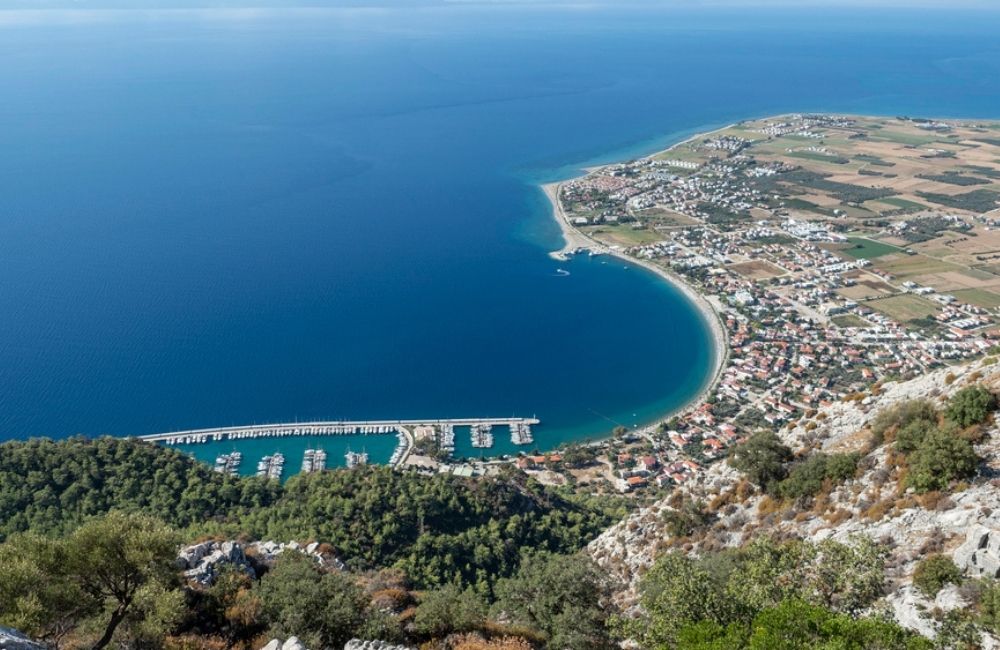
Located in the southwest of the Aegean, Milas, a long-established district of Muğla, is a delightful destination to explore thanks to its proximity to Bodrum, ancient cities, olive groves, and tranquil Aegean town atmosphere. Surrounded by Bodrum to the west, Yatağan and Menteşe to the east, the Aydın line to the north, and the Gulf of Güllük to the south, Milas is ideal for those who want to be close to both the sea and history.
The road to the Euromos Ruins quickly takes you away from the crowds. As you drive across the Milas plain, the scent of olives fills the car. Pine lines and gentle hills appear on the horizon. Then the stones begin, very clearly. Suddenly, you are approaching the heart of an ancient city. There is no ostentation here, but the effect is great. The wind blowing through the columns seems to carry the ancient...
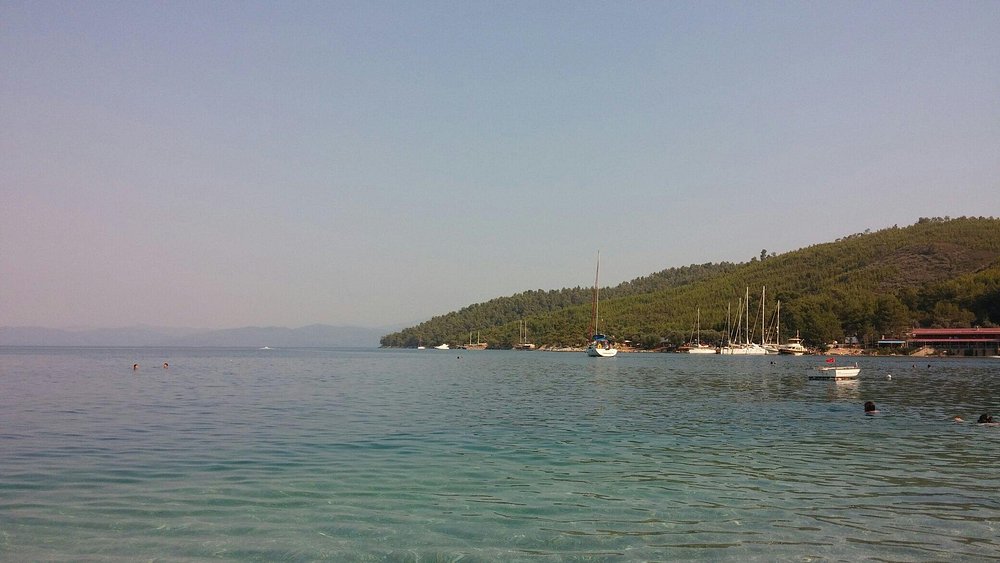
Those visiting Akbük Bay for the first time usually say the same thing: "Is this really Muğla?" Because the bay immediately makes you forget the noise of the city. The scent of pine trees begins as soon as the road ends. The color of the sea rivals any known blue. Finding shade on the shore is a problem in many places. In Akbük, shade is like a gift from nature. The sound of the water gently silences your busy thoughts. The tranquility of the bay...
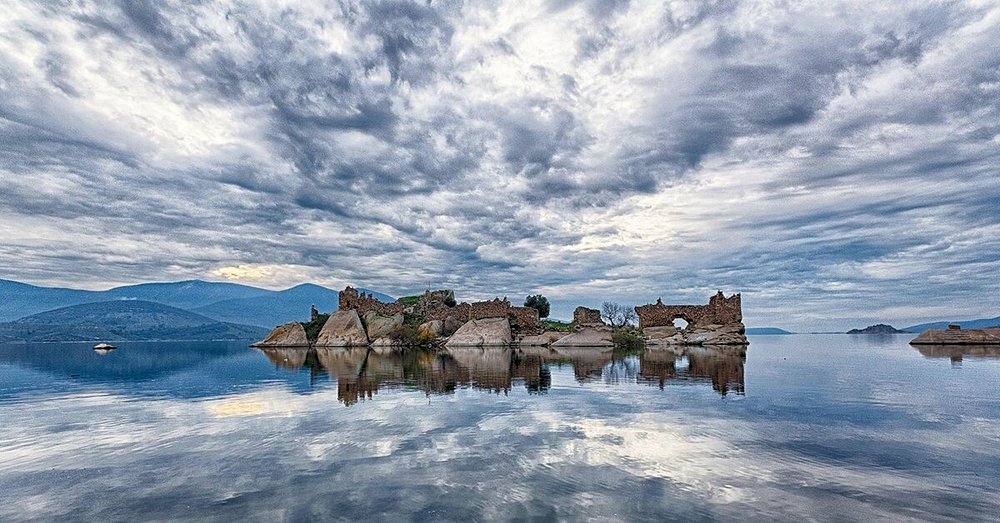
The moment you arrive at Bafa Lake Nature Park, the atmosphere changes. The sound of reeds spreads across the lake with the wind. Mount Latmos rises like a grey wall on the horizon. Boats glide slowly across the water. Olive trees generously distribute shade along the shore. Suddenly, the hurried rhythm of the Aegean is left behind. Here, time flows more slowly amidst the stones and water...
Write a Comment
Visitor Comments - 0 Comments