
What to Eat in Mahibadhoo?

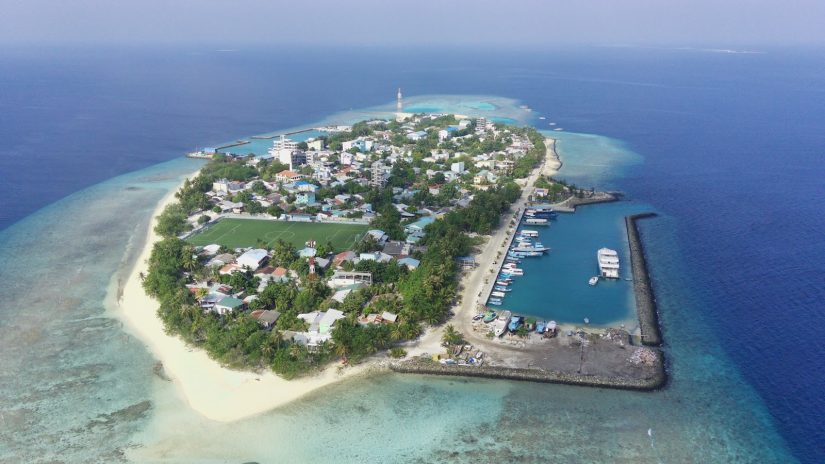
If you're wondering what to eat in Mahibadhoo, here's the good news: For a small island, the plate is quite large. Located in the Maldives' Alif Dhaal Atoll MahibadhooSurrounded by coral reefs, Mahibadhoo is an island that thrives on fishing. Consequently, Mahibadhoo's local cuisine is based almost entirely on seafood, coconut, and light yet aromatic spices. The tranquility of island life, the azure lagoons, the boats returning from fishing in the evening, and the scent of freshly cooked fish, blends well with gastronomy here. For travelers seeking a Mahibadhoo foodie guide, the island offers a blend of local Maldivian cuisine and flavors influenced by neighboring countries. If you enjoy dining at local tables during your travels, every plate you eat on Mahibadhoo will be a small window into the island's authentic life.
Garudhiya
Garudhiya is one of the simplest yet most characteristic answers to the question of what to eat in Mahibadhoo. This clear fish soup, based on fresh tuna, water, salt, and perhaps a touch of lemon, plays a vital role in the islanders' daily lives. As you raise the bowl to your nose, you're first struck by the salty scent of the ocean, followed by the warmth of the light fish vapor. It's usually served with rice, thin breads called roshi, or dried fish; instead of simply drinking the soup plain, you're creating a small feast in the bowl. Among Mahibadhoo's regional dishes, garudhiya is versatile enough to be served for breakfast, lunch, and dinner. If you're looking for a light yet nourishing soup, especially after a sun-drenched dive or boat tour, garudhiya is a savior.
Local Restaurants Around the Port
The best places to try garudhiya are the small, family-run restaurants near the harbor. Early in the morning, the first pots of soup of the day begin to boil next to the fishing boats returning. Sitting at a table with the locals at these less elegant establishments, with their plastic chairs but warm smiles, allows you to experience the food alongside the island's daily life.
Mas huni
A Mahibadhoo dining guide wouldn't skip breakfast; mas huni is perhaps the island's most beloved morning delicacy. Finely crumbled smoked or fresh tuna is blended with grated fresh coconut, finely chopped onion, lemon juice, and sometimes a touch of chili pepper. This hand-mixed mixture has a smooth yet grainy texture; slightly sweet from the coconut, filling from the tuna, and refreshing with the onion and lemon. Mas huni is usually served with roshi, which you tear off small pieces of roshi and press into the mas huni to eat. If you're a traveler wondering what to eat in Mahibadhoo, you should start at least one morning with a leisurely breakfast of mas huni and tea.
Restaurants of Family Hostels on the Island
The best way to experience mas huni is to visit one of the small restaurants in the island's family guesthouses. Breakfast in these guesthouses is usually homemade, with freshly cleaned fish and freshly grated coconut. Served in a more natural setting than in touristy restaurants, mas huni offers a great introduction to Mahibadhoo's local cuisine.
Fihunu But
Considering it's an island in the middle of the ocean, it would be a grave injustice to leave without grilled fish. Fihunu mas is a fish dish rubbed with spices and grilled, leaving the exterior slightly caramelized and the interior juicy. The marinade is typically made with garlic, turmeric, hot peppers, lemon juice, and sometimes fresh herbs. As this mixture penetrates the flesh of the fish, the meat, once cooked, exudes a blend of spices and the sea flavor in every bite. The spices, mingling with the smoke rising from the grill, and the gentle breeze in the evening create an atmosphere you can't resist. It's usually served with rice, roshi, or a light vegetable side dish. For those who prioritize seafood in their Mahibadhoo food guide, fihunu mas deserves a top spot on their list.
Grill Stands by the Beach
For Fihunu Mas, the small grill stalls near the beach are quite appealing. As the sun sets in the evening, fish lined up over a charcoal fire are a feast for the eyes and the nose. Sitting in your chair, stepping onto the sand, eating freshly cooked, slightly spicy, smoky fish is one of the most enjoyable answers to the question of what to eat in Mahibadhoo.
Mas Riha
Mas riha is a classic of Maldivian cuisine and holds a special place among Mahibadhoo's regional dishes. Its base is tuna and coconut milk, topped with onions, garlic, ginger, turmeric, curry mixtures, and sometimes a touch of chili pepper. Slowly simmering, the dish acquires a creamy texture thanks to the coconut milk, while the fish's texture softens and integrates with the sauce. Mas riha is usually served with white rice, roshi, or toast, allowing you to savor every last drop of the sauce. When you smell it, the scent of coconut and spices mingles with the salty sea air, enveloping you like a tantalizing cloud. If you're looking for both local and familiar flavors in your Mahibadhoo food guide, mas riha offers a good balance.
Kukulhu Riha
While fish plays a key role here, there's also a strong alternative for chicken lovers: kukulhu riha. Its base consists of tender chicken pieces cooked in a spicy tomato and coconut sauce. Prepared with spices like turmeric, cumin, coriander, black pepper, and chili pepper, this dish boasts a more intense and powerful spice profile than mas riha. The sauce is thick and flows slowly when you insert a spoon; when poured over the rice, it envelops each grain, enveloping it individually. Its aroma, slightly smoky, tomatoey, and spicy, spreads like a warm wave across your palate from the first bite. If you're looking for a quick break from seafood while wondering what to eat in Mahibadhoo, kukulhu riha is a solid and satisfying option.
Kulhi Boakiba
Kulhi boakiba is an interesting dish among Mahibadhoo's local dishes, sitting somewhere between a snack and a main course. It's made like a thick cake batter by mixing finely ground fish, grated coconut, onion, pepper, and various spices. This mixture is baked or pan-fried, leaving a lightly browned exterior and a soft, intensely flavorful interior. When sliced, the interior is firm yet moist, and the fish, coconut, and spices blend seamlessly into every bite. Served with a lemon wedge or a light sauce, the flavor balance is even more exquisite. It's a staple for islanders at special occasions, evening teas, and dinner parties.
Tea Time Snacks at Island Cafes
Small cafes in the island center are a good place to try kulhi boakiba. It's especially common to find slices of it freshly baked, still slightly warm, on the counter at afternoon tea time. A few slices of kulhi boakiba served on a plastic tray with hot tea makes for an affordable and very local snack option in the Mahibadhoo food guide.
Bajiya
Bajiya is a densely stuffed little snack, similar to a Maldivian-style pastry. The dough is filled with tuna, onion, coconut, and a mixture of spices, then folded into a triangle or circle, and fried in oil. Crispy on the outside, soft and slightly juicy on the inside, the crispness of the dough is first apparent upon biting into it, followed by the intense fish and coconut flavors of the filling. While researching what to eat in Mahibadhoo, you'll often find this delicious treat on the street or in small bakeries. Usually enjoyed with tea, bajiya is a perfect choice for a quick break during the day. It's especially delicious when served hot, so fresh it might burn your hands but so delicious you won't want to give it up.
Gulha
Gulha, with its small but flavorful fish balls, earns a solid place on Mahibadhoo's food guide. Small balls of dough are filled with a mixture of grated or crumbled tuna, coconut, onion, and spices, and fried into small round balls. While the exterior turns golden brown, the interior remains soft and filling. Because they're bite-sized, once you start eating, it's hard to stop; the plate can be emptied in no time. It doesn't even need any sauce; it's flavorful and filling enough on its own. Savoring the island with a plate of gulha and a cup of tea is especially enjoyable while watching the sunset from the beach.
Bis Keemiya
Bis keemiya, a fried food that looks somewhere between a pastry and a crispy roll, is filled with vegetables and sometimes a small amount of fish. The thin dough is filled with a mixture of cabbage, carrots, onions, and light spices; sometimes a small amount of tuna is added as well. It's rolled up and fried in oil, leaving a thin and crispy exterior and a soft, vegetable-filled interior. Among Mahibadhoo's local dishes, it's a slightly more subtle alternative, with a more subdued fish flavor but still retaining a local flair. It's ideal for those who prefer a light snack without being overly spicy. Served with tea, it can even replace a small meal.
Saagu Bondibai
When asking what to eat in Mahibadhoo for dessert lovers, saagu bondibai is a must-try. Its main ingredient is tapioca, a finely textured bean-like mixture, accompanied by coconut milk, sugar, and sometimes a hint of cardamom or vanilla. Slowly cooked, the mixture takes on a thick yet fluid consistency; when you dip a spoon in it, you can see the jiggly texture of the tapioca grains. Its flavor has a familiar flavor reminiscent of rice pudding, but thanks to the coconut, it takes on a much more tropical and refreshing character. Served slightly chilled, it makes a refreshing dessert on hot, humid island evenings. It's one of the best options on the Mahibadhoo dining guide, satisfying your sweet tooth without overwhelming your stomach after a meal.
Kurumba
When it comes to drinks on Mahibadhoo, one of the first things that comes to mind is Kurumba, or fresh, young coconut water. The tops of thin-shelled, young coconuts are cut off, and you drink the clear, slightly sweet water directly from the shell. The first sip leaves your mouth with a fresh, slightly sweet, but never sticky, slightly hazelnut-like flavor. After drinking, crack the shell and you can scoop out the soft, gelatinous white flesh with a spoon and eat it. Especially on a hot day, returning from the beach or walking around the island, Kurumba is a very healthy and natural alternative to sugary drinks. When thinking about what to eat and drink on Mahibadhoo, fresh coconut is definitely one of the first things you should try.
Fruit Stands Along the Beach
The best places to sample Kurumba are the small fruit stalls along the beach. Young coconuts are piled high, and vendors expertly remove the tops with a knife. Walking along the beach with a frozen coconut in hand is one of the small but unforgettable details that completes the Mahibadhoo experience.
In short, Mahibadhoo's local cuisine is comprised of simple yet characterful flavors blended with fresh fish, coconut, light spices, and the relaxed rhythm of island life. The garudhiya, mas huni, fihunu mas, hedhikaa-style snacks, and tropical desserts we've featured in this Mahibadhoo food guide are prime examples that bring the island's spirit to the plate. What you eat here isn't just filling; it's also a part of the daily life of the islanders, with the sounds of fishing boats, waves, and fishing boats. If you're planning your itinerary for this small Maldivian island, I recommend planning your meal breaks with as much attention to the sea and the beach. To further enrich your trip, check out our "Mahibadhoo Travel Guide" and "Places to Visit in Mahibadhoo" articles and combine these culinary stops with other island experiences.
PREVIOUS TOPIC
NEXT TOPIC

Similar Threads
Write a Comment
Visitor Comments - 0 Comments