


Places to Visit in Estonia

The pearl of the Baltic countries Estonya, with its fairytale nature, historical cities and digital infrastructure, is entering the radar of more and more travelers every year. Offering medieval streets, lush forests and technological innovations, this northern Europe The country is like an open-air museum for those who love to explore. Especially the charming atmosphere of Tallinn, the natural beauty of Lahemaa National Park and the peaceful ambiance of the coastal towns make Estonia an unforgettable destination. If you are planning to get to know different cultures, get lost in historical textures and have a holiday surrounded by nature, Estonia is waiting for you!
Historical Places to Visit in Estonia
Maiden Tower
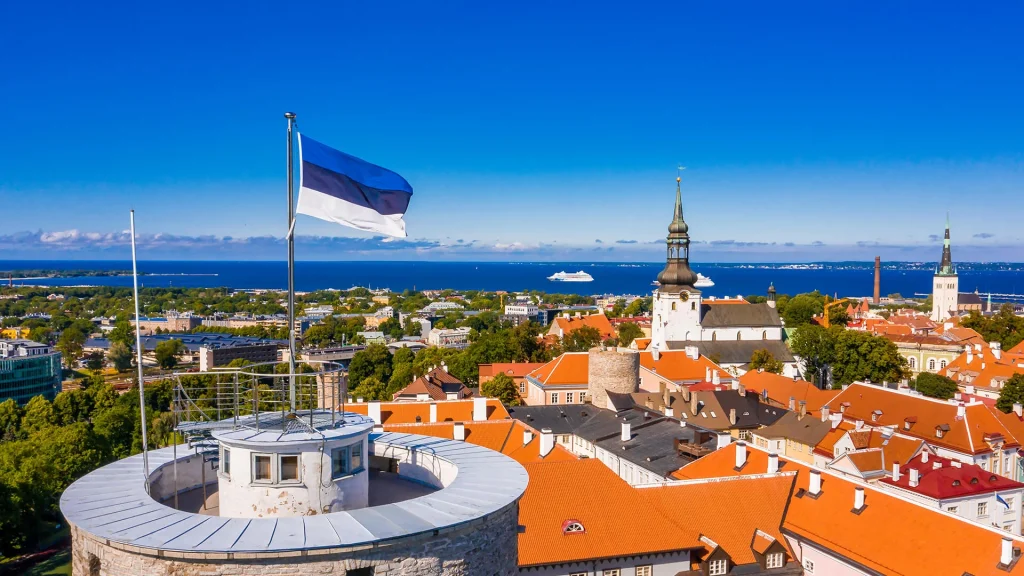
One of the buildings that best reflects Tallinn's fairytale-like medieval atmosphere Virgin Tower, rising on the city's historical walls, offers its visitors both traces of the past and unique views. Built for defense purposes in the 14th century, this tower has taken on different functions over time as a prison, residence and warehouse; today, it has become a cultural meeting point with the museum and cafe inside. With its legendary name and impressive location on the walls, Virgin Toweris a must-see stop for travelers who want to experience history, landscape and history all together in Tallinn.

Barclay de Tolly Mausoleum
Located in southeastern Estonia, near Tartu, the Barclay de Tolly Mausoleum is a must-see for travelers looking for a historically and architecturally impressive stop. Michael Andreas, a Russian general who played a major role in the Napoleonic Wars Barclay de TollyThis monumental structure, built in memory of , draws attention with its classical style while also shedding light on the multi-layered history of Estonia. Located in quiet nature, the mausoleum offers its visitors both a cultural and spiritual experience with its historical atmosphere and peaceful surroundings.

Epping Tower
Located between the fascinating walls of Tallinn, the capital of Estonia, dating back to the Middle Ages Epping Tower, offers an unforgettable stop for travelers seeking history and adventure. This impressive tower, once built to defend the city, has been restored and transformed into an interactive museum that offers visitors the opportunity to experience armor, weapons and medieval life. For those who want to experience the historical atmosphere of Tallinn firsthand and step into the past while climbing the tower stairs, Epping Tower has a special place among the places to visit in Estonia. Don't forget to add this historical tower to your route for an enjoyable and educational exploration.

Kalvi Mansion
Located on the northern coast of Estonia, with a peaceful view of the Baltic Sea, Kalvi Manor is an elegant getaway that combines history and nature. Dating back to the 15th century, this impressive structure, one of the oldest manor houses in Estonia, offers a journey through time with its stone architecture, spacious gardens and romantic atmosphere. Today, Kalvi Manor is used as a hotel and event venue, offering a unique experience for both accommodation and exploration. Blending nostalgia with luxury, this historic manor is a candidate to be a favorite among travelers looking for tranquility and elegance.

Keller Theatre
Tallinn's underground art stop Keller Theatre, is the ideal address for travelers looking for an unforgettable atmosphere different from the classical theater experience. Located in a historical cellar, this unique theater hall offers a mysterious and fascinating experience with its impressive plays staged among dark stone walls. Specializing in detective, thriller and psychological drama genres, Keller Theater is one of the rare art centers that carry the cultural fabric of Tallinn underground. For anyone looking to spend an art-filled evening in the city, Keller Theater is a unique stop worth discovering.

Kiiu Vassal Tower
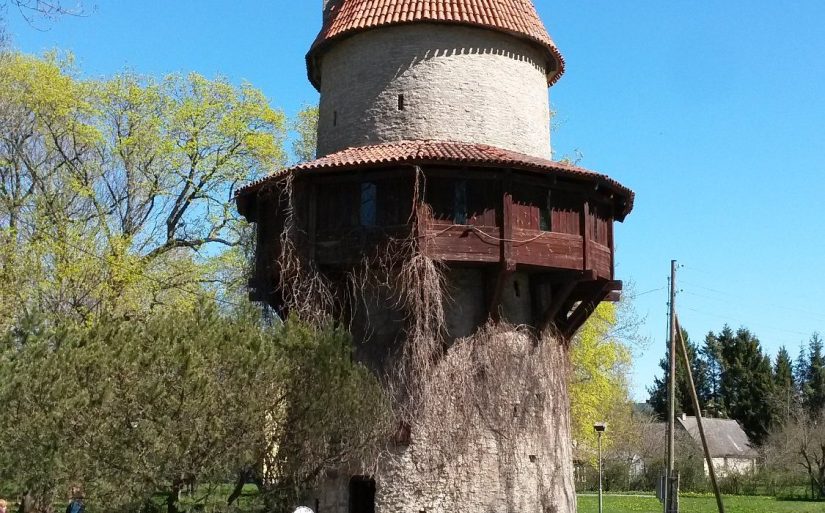
Located in northern Estonia, about an hour’s drive from Tallinn, the Kiiu Vassal Tower awaits travelers with a fondness for history as one of the elegant defensive structures of the Middle Ages. Built in the 16th century, this small but impressive tower is the best-preserved “vassal tower” (knight’s tower) in Estonia. With its cylindrical structure, narrow staircases and fortification rooms, the tower bears traces of the past and draws attention with both its architectural and historical aspects. If you are looking for a different and authentic stop, the Kiiu Vassal Tower invites you to a pleasant journey through time.
Kirna Mansion
Located in the heart of Estonia, in the Järva region, Kirna Manor is a special stop that draws attention not only with its historical architecture but also with its mystical atmosphere that has gained fame with its healing energy. This elegant 18th-century manor used to be home to nobles, and today it welcomes visitors who want to have a peaceful break surrounded by nature and a spiritual experience. With its colorful flower gardens, walking paths and historical texture, Kirna promises a unique experience both spiritually and culturally. This special place where silence and energy meet should definitely be on the traveler's itinerary.

Kreenholm District and Kreenholm Textile Factory
Located on the banks of the Narva River in eastern Estonia, the Kreenholm District and the Kreenholm Textile Factory offer a fascinating exploration route for travelers interested in industrial heritage. Founded in the 19th century as one of the largest textile factories in Europe, Kreenholm has left its mark on Estonian history not only industrially but also socially and culturally. With its own workers’ quarters, hospital and schools, this area functions like a small city and today takes visitors on a journey through time with both its architectural aesthetics and its impressive past.

Maasilinn Castle
Located in the east of Saaremaa, the largest island in Estonia, near the historic village of Loona, Maasilinn Castle is a fascinating medieval ruin hidden in silence. Built by the Livonian Order in the 14th century, this castle has been shaken by wars and rebellions over time, but today it has become an impressive stopover with its stone walls that bear traces of the past. Offering its visitors both a peaceful atmosphere and a journey full of history with its location intertwined with nature, Maasilinn Castle is one of the authentic and worth-exploring routes. It is like an open-air museum frozen in time for history enthusiasts.

Narva Town Hall
Estonia's Rusya Located in the historic city of Narva on the border, Narva Town Hall is among the important structures that add value to the cultural silhouette of the city with its Baroque architecture and elegant details. Built in the 17th century, this impressive building has survived the wars and the ravages of time and continues to reflect the historical spirit of Narva. Drawing attention with its wide square and towered silhouette, Narva Town Hall is one of the must-see stops in Estonia for architecture enthusiasts and history enthusiasts. If you want to add a characteristic and aesthetic structure, Narva Town Hall welcomes you at a point where the past meets the present.

Narva Zodiac Signs
Narva, the historic city of Estonia located on the Russian border, draws attention with the Narva Bastions, one of the most impressive structures in the east of the country. These magnificent defensive towers, part of Narva Castle, have risen as silent witnesses reflecting the strategic importance of the region for centuries. The bastions, which bear strong traces of medieval architecture, are an ideal stop for both history enthusiasts and travelers who want to embark on a cultural journey accompanied by impressive landscapes. Standing out with its historical texture among the places to visit in Estonia, Narva Bastions offers an unforgettable experience for those who want to discover the rich past of the country.

Pika Jala Gate Tower
Located in the fairytale Old Town of Tallinn, the capital of Estonia, the Pika Jala Gate Tower is a historical structure that carries the impressive traces of the Middle Ages to the present day. This tower, which takes its name from the steep slope meaning “Long Leg”, was built as one of the important parts of the city wall system protecting the city. Used both as a defense and a transition point, the Pika Jala Gate Tower rises among narrow stone streets and squares surrounded by Gothic buildings, giving visitors the magic of the past. If you are looking for an original experience intertwined with history and architecture in Estonia, be sure to add this impressive tower to your route.

Saaremaa Mill
Saaremaa, the largest island in Estonia, fascinates with its cultural richness as well as its natural beauty, while the traditional Saaremaa windmills, which have become one of the symbols of the island, offer visitors a nostalgic window into the past. These historic windmills, especially located in Angla Village, are among the unique structures that reflect Estonia's rural life and old agricultural culture. These windmills, which adorn the photo frames with their wooden structures, unique architecture and wings dancing with the wind, add a historical touch to the peaceful atmosphere of Saaremaa.

House of Blackheads
Located in the old town of Tallinn, the historical capital of Estonia, the House of the Blackheads is a unique structure that draws attention with both its architecture and the interesting story behind it. Home to the “Brotherhood of the Blackheads”, a group of single merchants and sailors in the Middle Ages, this historic building fascinates those who see it with its Gothic details and ornate façade. For travelers who want to discover the cultural richness of Tallinn, the House of the Blackheads is an original stop that bears traces of the past.

Tallinn Horse Mill
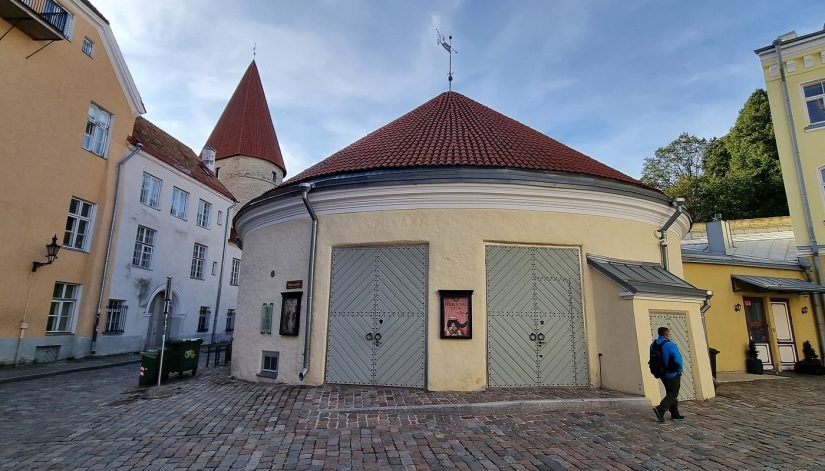
For those looking for a different and original discovery in the historical streets of Tallinn, the Horse Mill is an impressive structure that brings extraordinary traces of the past to the present. Built in the 14th century, this round stone building stands out as one of the rare mills that operated using horse power with the technology of the period. Offering traces of daily medieval life beyond the classical towers and city walls, the Tallinn Horse Mill fascinates its visitors with its historical function as well as its architecture. Today, this unique venue hosts exhibitions, theater performances and cultural events and is among the lesser-known treasures of Tallinn.
Tallinn City Hall
Located in the heart of Tallinn, the eye-catching capital of Estonia, Tallinn City Hall fascinates its visitors as one of the most impressive examples of medieval architecture. Being one of the oldest surviving Gothic city halls in Europe, this structure brings life to Raekoja Plats (City Hall Square) in the historic center of the city with its elegant silhouette. For travelers who want to take a journey through history, architecture and culture in Estonia, Tallinn City Hall is both a visual feast and a gateway to the past. Visiting this historical building while exploring Tallinn is one of the most impressive ways to experience Estonia’s deep-rooted heritage.

Tallinn City Wall
In Tallinn, the capital of Estonia, one of the structures that makes you feel the magic of the Middle Ages is the Tallinn City Wall. This impressive defensive wall, which began to be built in the 13th century, was built to protect the city from external threats and over time has become an inseparable part of Tallinn's historical identity. Today, this structure, which is approximately 1,9 kilometers long and has more than 20 towers, offers visitors both a visual feast with its impressive architecture and a fascinating journey into the city's past. One of the places to visit in Estonia where you can feel the historical atmosphere most strongly, the Tallinn City Wall is an unmissable stop for photography enthusiasts and history enthusiasts.

Tartu German Cultural Institute
Located in Tartu, the cultural capital of Estonia, the Tartu German Cultural Institute stands out as a special stop that sheds light on the country’s multicultural past. Operating in cooperation with the University of Tartu, the institute aims to preserve and promote the German heritage in Estonia. Enriched with historical documents, cultural events and research studies, the structure inspires both visitors with academic interests and travelers who want to discover Estonia’s ethnic diversity. For those looking for a different cultural window, the Tartu German Cultural Institute is a quiet but meaningful discovery point.
Toolse Castle
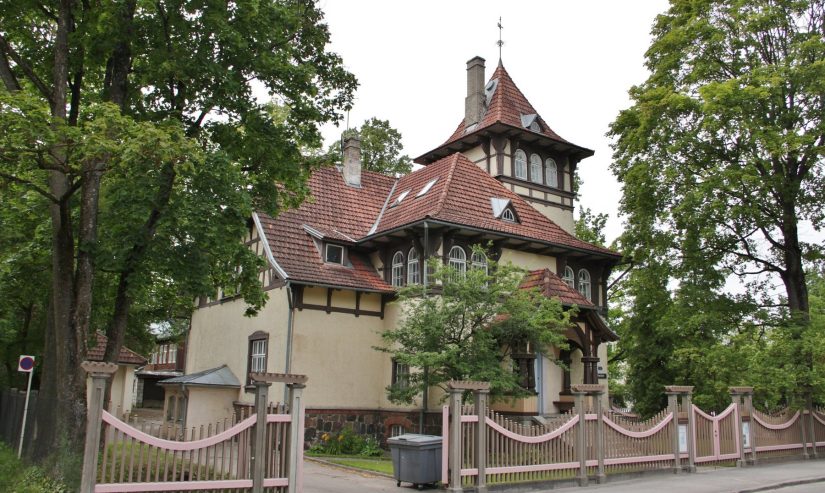
Located on the northern coast of Estonia, surrounded by the cool winds of the Baltic Sea, Toolse Castle fascinates travelers with a spirit of discovery with its mysterious atmosphere and impressive view. Built in the 15th century, this coastal castle was once an important defense point against pirates and invaders. Although it is in ruins today, it offers visitors a whisper of the past with its stone walls and silhouette rising against the sea. For those who want to have an experience that is both intertwined with nature, Toolse Castle stands out as a quiet but impressive route.

Toompea Hill
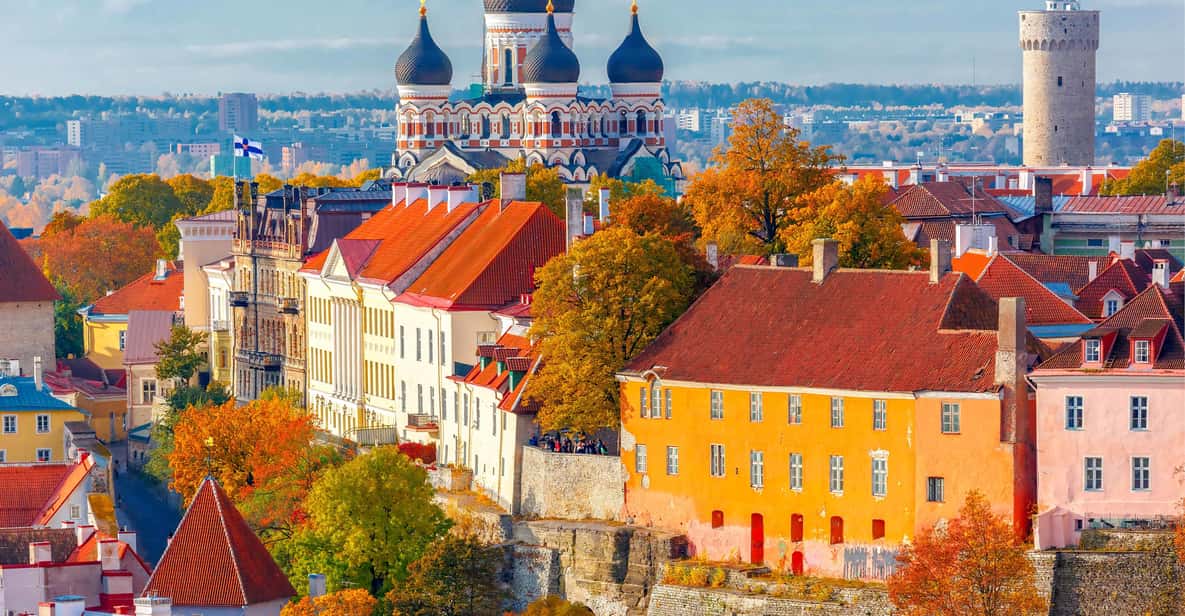
Located in the heart of Tallinn, the capital of Estonia Toompea Hill, is a unique stop that fascinates both history buffs and landscape enthusiasts. Considered the administrative center of Estonia for centuries, this impressive hill is a point where time has stood still with its medieval buildings, stone streets and panoramic city views. Dominating the skyline of Tallinn, Toompea stands out not only for its historical texture, but also for shedding light on Estonia's cultural and political past.

Ungru Mansion
Located on the west coast of Estonia, near the city of Haapsalu, Ungru Manor is a mysterious stop that attracts travelers with its elegant architecture and sad story. Built in the late 19th century, this impressive manor was designed with inspiration from the Merseburg Palace in Germany and was abandoned to its fate before it was completed. Although it lies in ruins today, it offers visitors a fairytale world frozen in time with its magnificent stonework and romantic atmosphere. For those looking for a different and impressive experience among places to visit in Estonia, Ungru Manor is an unforgettable discovery point that brings together photography and history.

Vastseliina Bishopric Castle Ruins
Located in southeastern Estonia, surrounded by lush green hills and forests, the Vastseliina Bishopric Castle Ruins offer an impressive discovery point for both history and nature lovers. Built in the 14th century, this magnificent castle was of great importance as both a defensive and religious center during the Middle Ages, and today it continues to fascinate visitors with its mystical atmosphere and panoramic views. For travelers who want to feel the traces of the past step by step and witness the deep history of Estonia while walking among the ruins, Vastseliina Castle is an original and peaceful stop that should definitely be added to the route.

Religious Buildings to Visit in Estonia
St. Bridget's Monastery (Pirita Klooster)
Located in Tallinn, the capital of Estonia, at a point where nature and history intertwine, St. Bridget's Monastery (Pirita Klooster) attracts attention with its peaceful atmosphere and impressive ruins. Built in the 15th century, this monastery monasteryAlthough dilapidated over time, it proudly retains the traces of its Gothic architecture. Surrounded by lush forests and quiet walking paths in Tallinn's Pirita district, this historic structure is a must-see destination in Estonia for both photography and history enthusiasts seeking a spiritual retreat.

St. Catherine's Church
Located in the old town of Tallinn, the historical capital of Estonia, St. Catherine's Church stands out as a quiet and impressive stop that deeply feels the spirit of the Middle Ages. Built in the 13th century, this Gothic building is not only one of the oldest churches in Tallinn, but also stands out with its architecture that brings the mystical atmosphere of the past to the present. As you walk along this historical area along St. Catherine's Pass, the church rising between the stone walls offers both spiritual peace and cultural discovery. St. Catherine's Church, which stands out with its elegance and historical texture in Estonia, is an ideal stop for travelers who want to discover the quiet but impressive side of Tallinn.

St. Nicholas Orthodox Church
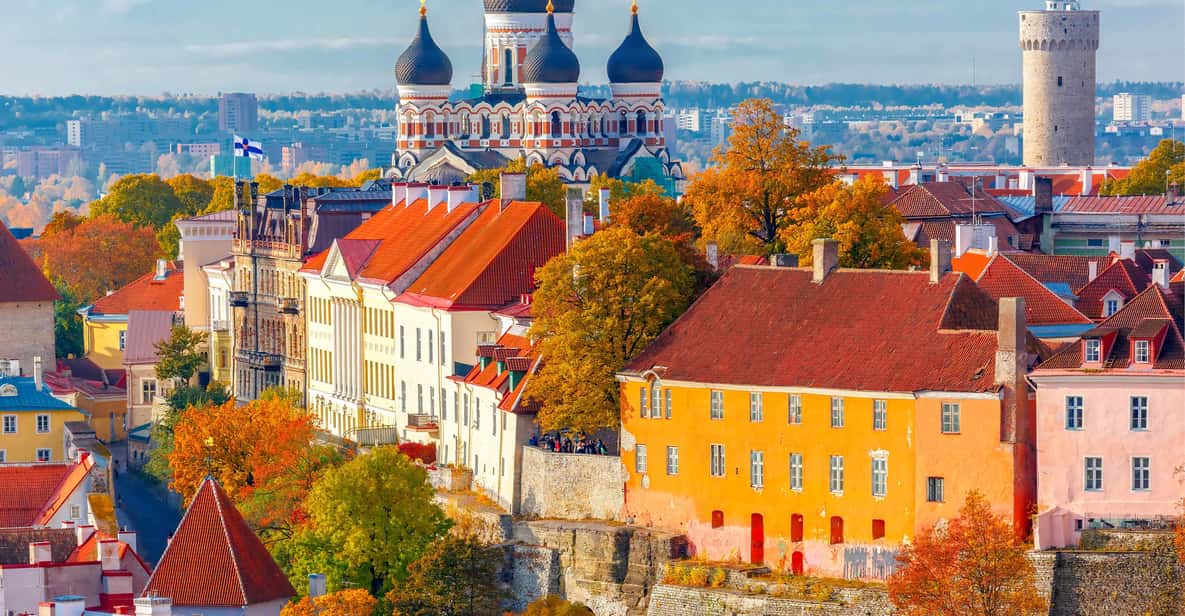
Located in Tallinn, the capital of Estonia, the St. Nicholas Orthodox Church stands out among the elegant structures that reflect the spiritual and cultural richness of the city. Drawing attention with its golden domes and impressive architecture, this Orthodox church is one of the important religious structures that bear witness to Tallinn's multicultural past. With its quiet atmosphere, detailed icons and traditional Orthodox architecture, it offers its visitors both a visual and spiritual experience. If you are looking for a peaceful break, the St. Nicholas Orthodox Church is a special stop that will impress you both aesthetically and spiritually.

St. Olaf Church
The St. Olaf Church, which has left its mark on the skyline of Tallinn, the capital of Estonia, is a fascinating structure in terms of both religion and architecture. Built in the 12th century and once thought to be the tallest structure in the world, this Gothic church is an essential stop for travelers who want to discover the historical fabric of Tallinn. Watching the magnificent view of the Baltic Sea and the Old Town from the observation point reached by climbing the narrow stairs offers an unforgettable Tallinn experience. St. Olaf Church, which stands out with both its historical depth and breathtaking panorama, is one of the rare stops that will enrich your route.

St. Peter and St. Paul Catholic Cathedral
Located in the heart of Tallinn, the capital of Estonia, the Catholic Cathedral of St. Peter and St. Paul is an important religious building that stands out with its elegant architecture and historical atmosphere. Built in the 19th century, this impressive cathedral is one of the rare examples that carry the Catholic traces of Tallinn's multicultural structure to the present day. Reflecting the simple yet magnificent lines of the neoclassical style, the cathedral appeals to both architecture enthusiasts and travelers seeking spiritual peace. Offering both an aesthetic and cultural experience, this cathedral is one of the stops that will add meaning and depth to your city exploration.

Beit Bella Synagogue
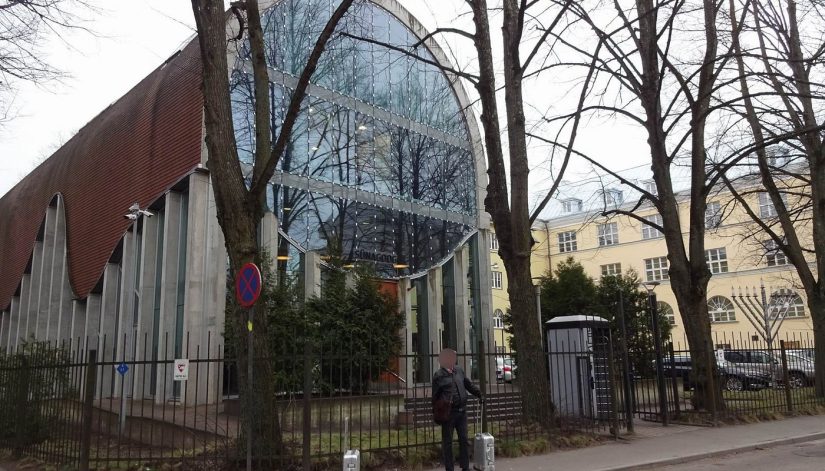
Located in Tallinn, the capital of Estonia, the Beit Bella Synagogue is a modern and meaningful place of worship that reflects the country’s Jewish heritage. Opened in 2007, this synagogue holds an important position both architecturally and culturally as a symbol of the revival of the Jewish community in Estonia. Drawing attention with its simple and contemporary design, Beit Bella is not only a place of worship, but also a meeting point that carries a message of tolerance, history and social unity. For travelers who want to explore different faiths and cultures, the Beit Bella Synagogue offers a meaningful and peaceful stop.
Dominican Monastery
The Dominican Monastery, one of the hidden historical treasures in Tallinn, the capital of Estonia, is a fascinating stop that brings the mystical atmosphere of the Middle Ages to the present day. Built in the 13th century, this impressive structure stands out as one of the oldest stone buildings in Tallinn and is also an important symbol of religious and cultural heritage. Located between narrow stone streets, the monastery gives its visitors a sense of time travel with its silence and spiritual atmosphere.

Cathedral of the Transfiguration of Our Lord
In Tallinn, the capital of Estonia, the Cathedral of the Transfiguration of Our Lord, one of the impressive structures that reflect the historical spirit of the city, is an important Orthodox place of worship that attracts attention with its elegant architecture and spiritual atmosphere. Built in the 18th century, this cathedral appeals to both the eye and the soul, especially with its blue domes, gilded icons and detailed ornaments. Located close to Tallinn's Old Town, the structure offers visitors a peaceful break with its tranquility and historical texture. For travelers looking for both a spiritual experience and a cultural discovery among the places to visit in Estonia, the Cathedral of the Transfiguration of Our Lord is a must-see stop.
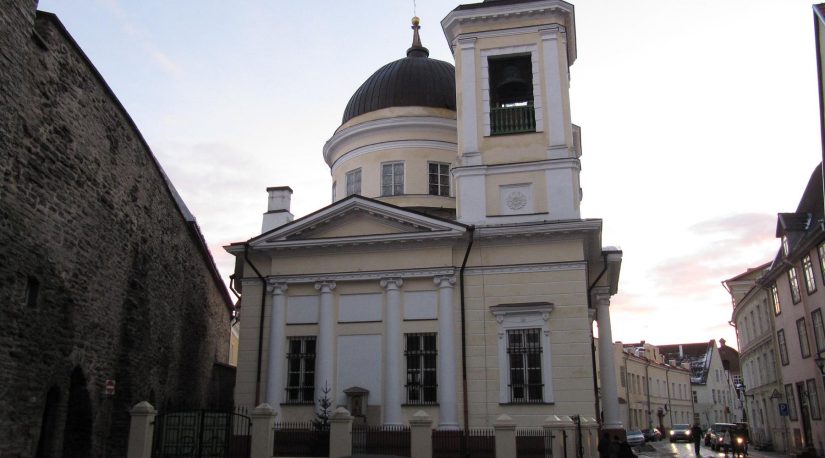
Elizabethan Church
Located in Tartu, a cultural city in southern Estonia, the Elizabeth Church fascinates visitors with its elegant Baroque architecture and historical atmosphere. Built in the 18th century, this magnificent Lutheran church was named after Russian Empress Elizabeth II and played an important role in Tartu’s religious and cultural life. The church’s high tower adds elegance to the city’s skyline, while the detailed decorations and peaceful atmosphere inside offer a unique experience for travelers looking for a spiritual break. For those looking to explore the history and architecture of Estonia, the Elizabeth Church is a hidden gem in the heart of Tartu.

Evangelical Lutheran Church of Estonia
The Evangelical Lutheran Church of Estonia, which holds an important place in the religious and cultural identity of Estonia, is a meaningful structure that draws attention with both its historical roots and architectural simplicity. This church, traces of which can be found in many cities of the country, especially in Tallinn, reflects the faith world of the Estonian people and their religious journey from the Reformation to the present day. Offering a spiritual stop to visitors with its wooden details, simple interior and peaceful atmosphere, this structure also provides the opportunity to get to know Estonia's Protestant heritage up close. For travelers who want to make a religious and cultural discovery in Estonia, the Evangelical Lutheran Church is a profound and calm stop.
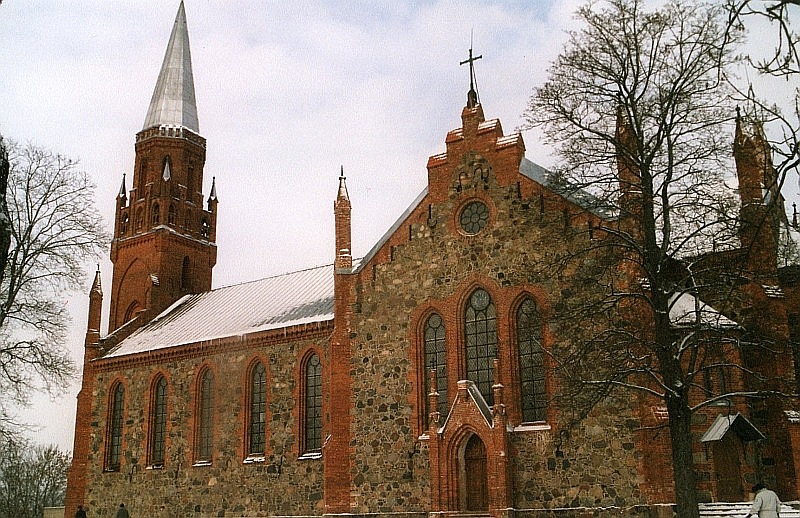
Carlisle Church
Located at the foot of Toompea Hill in Tallinn, the capital of Estonia, Kaarli Church is an impressive place of worship that stands out with both its architectural grandeur and historical significance. Built in the late 19th century, this Lutheran church offers a visual feast to its visitors with its neo-romantic style, spacious interior, and wall frescoes by the famous Estonian artist Johann Köler. Holding an important place in Estonia's cultural and religious identity, Kaarli Church appeals to both those looking for a spiritual stop and those interested in architectural beauty while exploring Tallinn. If you are looking for a meaningful stop, Kaarli Church should definitely be added to your route.

Cathedral of the Resurrection of the Lords
Located in the historic city of Narva in northeastern Estonia, the Cathedral of the Resurrection of the Lords is one of the most important Orthodox structures that stand out with its impressive architecture and spiritual atmosphere. Built in the late 19th century, this magnificent cathedral is both a religious and cultural treasure with its domes, frescoes and detailed icons. Shedding light on Narva’s multi-layered history, this sacred structure offers its visitors a deep peace and aesthetic discovery in silence. Standing out with its mystical atmosphere and architectural elegance among the places to visit in Estonia, the Cathedral of the Resurrection of the Lords is a must-see stop, especially for travelers looking for cultural depth.

Narva Alexander Cathedral
Rising in the historic city of Narva in eastern Estonia on the Russian border, the Alexander Cathedral of Narva is an impressive Orthodox place of worship that fascinates visitors with its magnificent architecture and deep spiritual atmosphere. Built in the late 19th century, this cathedral was named after Russian Tsar Alexander II and adds an elegant touch to the Narva skyline with its red brick structure and majestic domes. It offers a meaningful and aesthetic experience with both its architectural elegance and its location intertwined with history. For travelers who want to experience history, culture and peace together, the Alexander Cathedral of Narva is a must-see stop.

Padise Monastery
Located in one of the peaceful rural areas of Estonia, Padise Monastery fascinates travelers as a fascinating stop where history and nature intertwine. Built by Cistercian monks in the 14th century, this impressive stone structure was used both as a religious center and for defense purposes over time. Today, restored and opened to visitors, Padise Monastery stands out with its tranquility and historical atmosphere among places to visit with its Gothic architecture, quiet courtyard and lush nature surrounding it. Padise Monastery is a unique route for those who want to touch Estonia's past and make a peaceful discovery.

St. Mary's Cathedral
Located on Toompea Hill in Tallinn, the capital of Estonia, St. Mary's Cathedral invites you to a historical and spiritual journey as one of the oldest churches in the country. Built in the 13th century, this impressive structure reflects the elegant combination of Gothic and Baroque architecture, while shedding light on Estonia's religious past. The tombstones belonging to local nobles, impressive wood carvings, and the panoramic view of Tallinn offered when you climb the tower offer visitors both a cultural and visual feast. For travelers who want to experience history, architecture, and peace together in Estonia, St. Mary's Cathedral is a must-see stop.

St. Peter's Church
Located in Tartu, the cultural capital of southern Estonia, St. Peter’s Church is one of the impressive buildings that reflect the city’s religious and architectural heritage. Built in the 19th century, this neo-Gothic Lutheran church stands out in the city’s skyline with its high tower and elegant red brick façade. The peaceful atmosphere inside, the colorful stained glass windows and the historic organ offer visitors both a spiritual respite and an aesthetic experience. For travelers seeking both architectural elegance and cultural depth, St. Peter’s Church is one of Tartu’s quiet but impressive stops.

Church of St. Simeon and St. Anne
Located in the port area of Tallinn, the capital of Estonia, the Church of St. Simeon and St. Anne is a hidden gem that will add meaning to your exploration of the city with its elegant architecture and peaceful atmosphere. Built in the 18th century, this Orthodox church is a fascinating structure both architecturally and spiritually with its pastel-colored façade, traditional domes and delicate details. Located in a quiet spot away from the hustle and bustle of the city, the church offers an ideal stop for travelers looking for both a historical and religious break. Standing out with its elegance and simplicity in Estonia, the Church of St. Simeon and St. Anne is a worthwhile stop for those who want to experience the multicultural structure of Tallinn.

Museums to Visit in Estonia
Arsenal Estonian Weapons Museum
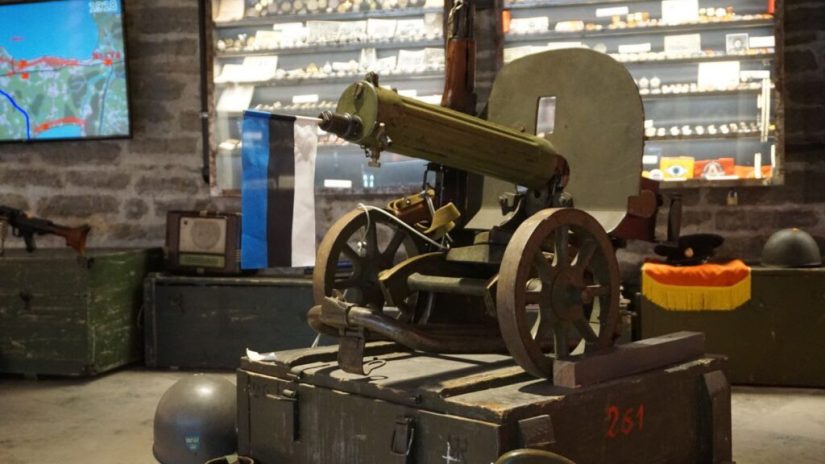
Located in the heart of Tallinn, the Arsenal Estonian Weapons Museum is a unique discovery for travelers interested in military history and weapons technology. Although located in a small area, it has a variety of Russian, German and other origins. army It houses a large collection of weapons, bayonets and knives. Thanks to this impressive exhibition, visitors can closely examine the weapons technologies of different periods and cultures. For those looking for historical and cultural depth among the places to visit in Estonia, the Arsenal Estonian Weapons Museum is an important stop that sheds light on Tallinn's rich past.
Peter the Great House Museum
The Peter the Great House Museum in Tallinn, the capital of Estonia, is a unique stop for both history buffs and travelers seeking cultural discovery. This modest house, where Tsar Peter I of Russia stayed during his visits to Tallinn in the 18th century, has now been transformed into an impressive museum reflecting the lifestyle and historical relations of the period. Enriched with original items, period furniture and personal details belonging to the Tsar, the museum sheds light on Estonia’s multi-layered past.

Estonian Film Museum
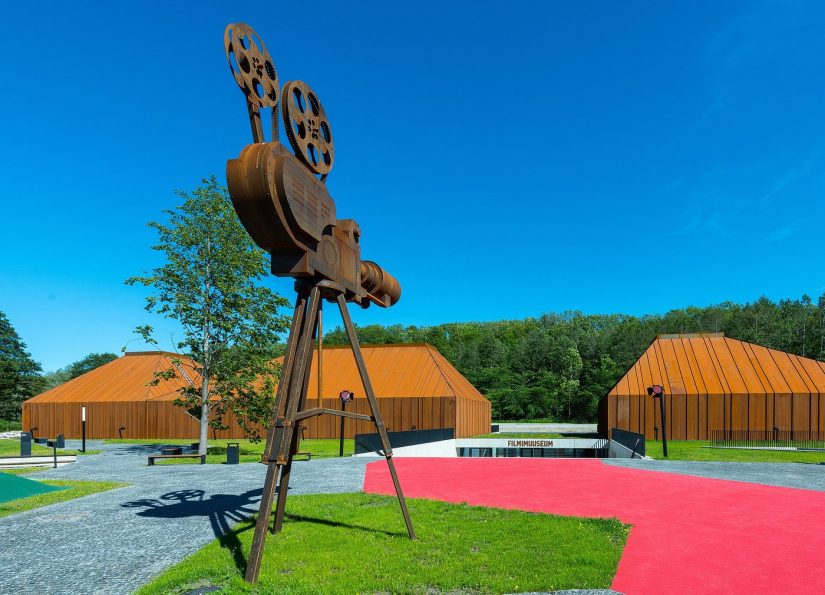
Located in Tallinn's Maarjamäe Palace park, the Estonian Film Museum offers a unique experience for film enthusiasts and culture enthusiasts. The museum, which is reached via an impressive red-carpeted film street, offers the opportunity to explore the history of Estonian cinema and the filmmaking processes in detail. The permanent exhibition “Take One” conveys the stages of a film’s creation to visitors, from script writing to editing, from lighting to sound. You can also examine early motion picture cameras in the illusion room and experience the magic of filmmaking by shooting your own short film in the green screen studio. The museum, which also draws attention with its 210-person cinema and conference hall, is a must-see stop for travelers looking for a cultural discovery in Tallinn.
Estonian History Museum
Rising with its elegant silhouette on the coast of Tallinn, the Estonian capital, Maarjamäe Palace houses the Estonian History Museum, which both captivates with its architecture and provides a profound insight into Estonian history. Built as a summer residence in the 19th century, this impressive structure now offers visitors rich and interactive exhibitions on Estonia's independence process, political history, and the formation of its national identity. Its permanent exhibition, "My Free Country," and children The museum, with its special "Children's Republic" section, promises both an informative and entertaining experience and is a must-see cultural destination in Estonia. For history buffs, Maarjamäe Palace is an elegant gateway to Estonia's past.

Estonian National Museum
Located in Tartu, the cultural capital of Estonia, the Estonian National Museum (Eesti Rahva Muuseum) offers an impressive museum experience that sheds light on the country’s history, folk culture and identity. This huge complex, notable for its modern architecture, houses a wide range of rich collections from traditional Estonian life to the cultures of the Finno-Ugric peoples. With interactive exhibitions, traditional clothing, handicrafts and multimedia presentations, visitors are taken on an enjoyable journey between the past and the present. For travelers looking for both cultural depth and contemporary presentation among places to visit in Estonia, the Estonian National Museum is a stop not to be missed.
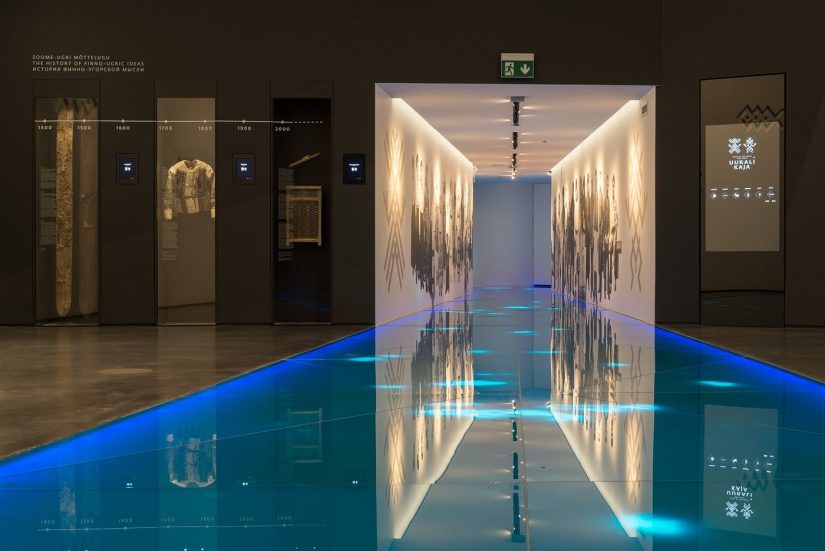
Photo Museum
Located in the charming old town of Tallinn, the capital of Estonia, the Museum of Photography is a hidden gem worth discovering for travelers interested in the visual arts. Housed in a historic building dating back to the Middle Ages, the museum offers a fascinating journey through the history of photography in Estonia, from its past to the present. Enriched with old cameras, archival photographs and interactive exhibitions, the collection promises to be an artistically and culturally inspiring experience.

KGB Prison Cells
Located on Tallinn's historic Pagari Street, the KGB Prison Cells are a striking museum reflecting the dark side of the Soviet era. This building was used as a preliminary investigation center by the Soviet secret service NKVD and then the KGB in the 1940s and 1950s. During Estonia's struggle for independence, many politicians, intellectuals and ordinary citizens were interrogated, tortured and imprisoned here. Visitors, bodrum Through the corridors and cells on the first floor, they can closely experience the traces of the oppressive regime of the period. The KGB Prison Cells are a fascinating and educational stop for travelers looking to gain a deeper understanding of Estonia's recent history.
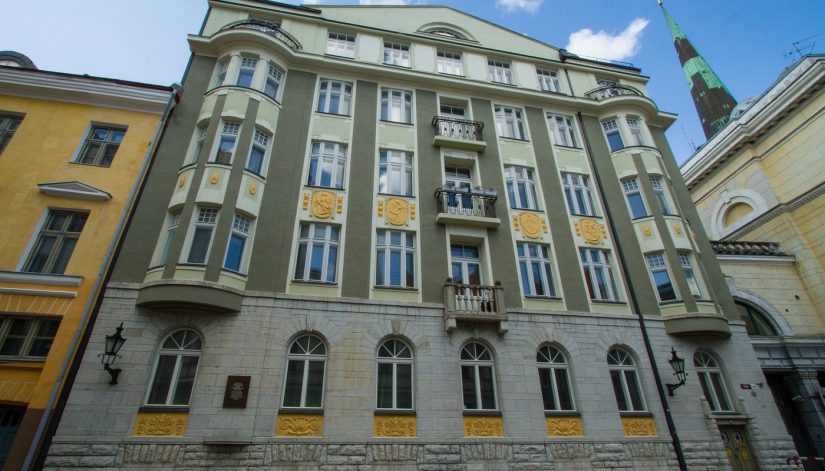
KGB Museum
As visitors wander through the rooms in the museum, they discover with astonishment how a surveillance network was established behind an ordinary hotel. Foreign guests watched by KGB agents, rooms equipped with secret listening devices and hidden documents reveal the dark side of the period. The museum is not only a historical site, but also a powerful experience that makes one think about individual freedoms and privacy. For travelers who want to delve into the unseen layers of the past in Tallinn, this stop is both an informative and shocking discovery opportunity.
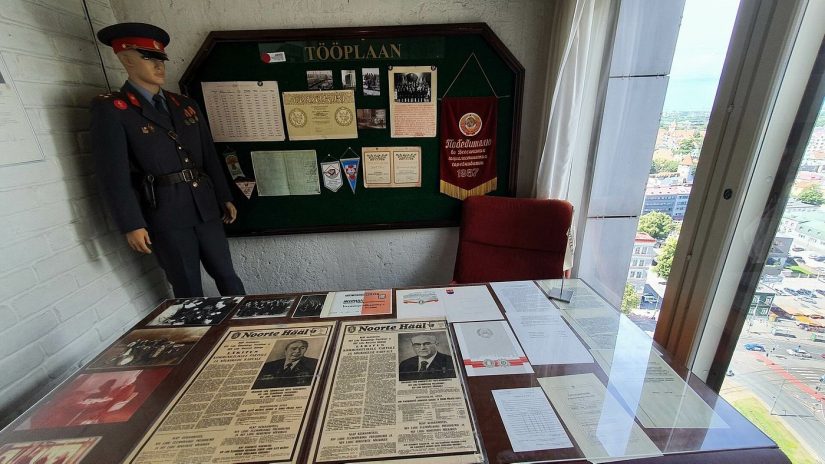
Red Tower (Pärnu)
Located in the popular coastal city of Pärnu in Estonia, the Red Tower is one of the oldest structures in the city that has survived from the Middle Ages and is a magnet for history enthusiasts. Built in the 15th century for defense and dungeon purposes, this impressive tower has become an important symbol that sheds light on Pärnu's past. Drawing attention with its characteristic brick structure, the Red Tower has a special place among the places to be discovered in Estonia, both architecturally and culturally.

Kumu Art Museum
One of the places where art is at its heart in Estonia Kumu Art Museum, is a modern and impressive stop to discover in Tallinn. Kumu, which serves as the main building of the Estonian Art Museum, fascinates its visitors with both its contemporary architecture and rich collections. This prestigious museum, which displays the artistic development of Estonia from the past to the present, is a treasure trove for art lovers with its wide range of works from classical works to modern interpretations. For those who want to embark on a cultural journey in Estonia, Kumu Art Museum offers not only an exhibition space but also an inspiring experience.

Lydia Koidula Memorial Museum
Located in Pärnu, Estonia, the Lydia Koidula Memorial Museum is a unique cultural destination dedicated to the life and works of poet and writer Lydia Koidula (1843–1886), a key figure of the country's national awakening. Housed in the Pärnu Ülejõe School building, built in 1850 and where Koidula lived from 1850 to 1863, the museum offers visitors the opportunity to experience the literary and social atmosphere of 19th-century Estonia. By presenting the lives and works of Koidula and her father Johann Voldemar Jannsen (lyricist of the Estonian national anthem) in the context of the national awakening, the museum also provides important information about the educational and journalistic activities of the period. For travelers looking for a cultural and historical exploration in Estonia, the Lydia Koidula Memorial Museum offers an in-depth experience in the tranquil atmosphere of Pärnu.
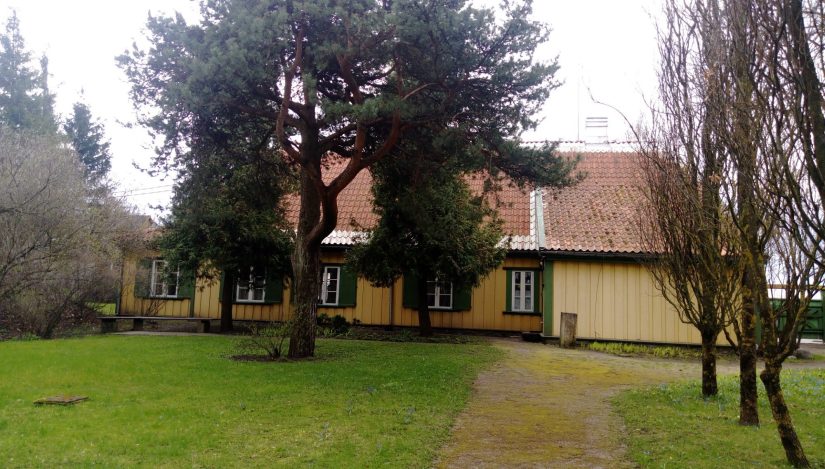
Saaremaa Museum
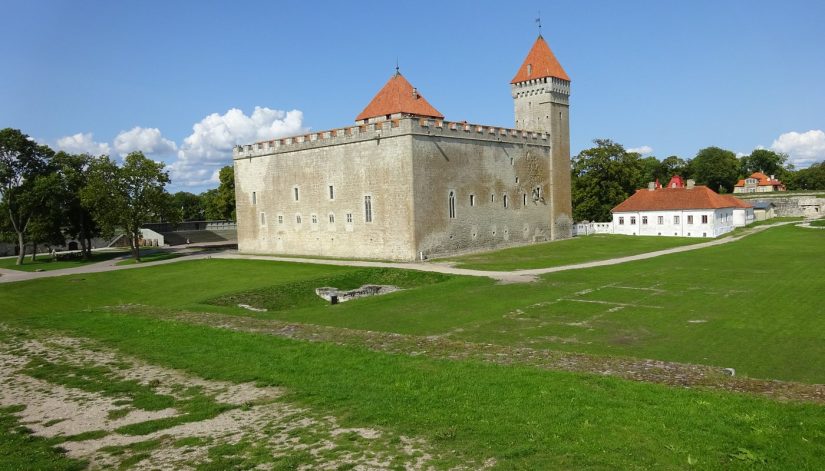
Located within the historic walls of Kuressaare Castle on Estonia's largest island, Saaremaa, the Saaremaa Museum offers a unique stop for travelers who want to discover the island's rich nature and history.
Built in the 14th century, this impressive castle stands out as one of the best-preserved medieval structures in the Baltic region, while the museum's collections cover a wide range of topics from Saaremaa's geological formation to its cultural heritage.
The nature section provides information about the island's rock structure, climate and coastline, while the history section explains Saaremaa's past in detail. Interactive exhibits designed especially for children provide visitors with an entertaining and educational experience. For those looking for both a historical and cultural journey among the places to visit in Estonia, the Saaremaa Museum is a treasure waiting to be discovered.
Sillamae Cultural Center
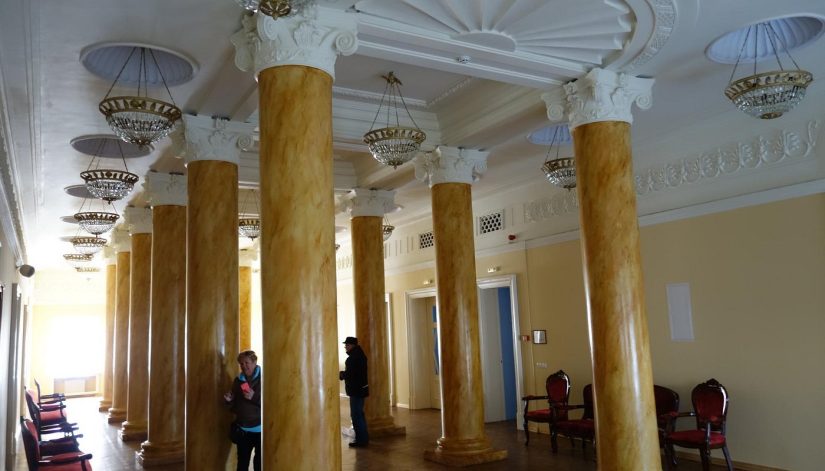
Located in the north-east of Estonia on the Baltic Sea coast, the city of Sillamäe is a destination that stands out with its architecture and cultural texture. Located in the heart of the city, the Sillamäe Cultural Centre (Sillamäe Kultuurikeskus) attracts visitors with its impressive building reflecting the neoclassical architecture of the Soviet period. This centre hosts a wide range of cultural activities, from theatre performances to concerts, exhibitions to dance events. Additionally, the building's architectural details and historical atmosphere are worth exploring for photography enthusiasts and history buffs. For travelers visiting Sillamäe, the Cultural Center is a must-see stop to experience the city's artistic and historical heritage.
Tallinn Museum of Knighthood Orders
While exploring the historical fabric of Tallinn, the Tallinn Museum of Knighthood located at Kuninga Street 3 showcases the rich history of knighthoods around the world. This unique collection, which displays more than 700 medals, stars, chains and other decorations, covers royal, princely and religious orders as well as national decorations. The museum offers visitors an interactive experience with guided tours and activities such as special knighthood ceremonies for children. For travelers who want to embark on a cultural journey in Tallinn, this museum is a unique stop that delves into the depths of history.
Museum of Banned Books (Keelatud Kirjandus)
For those who want to embark on an extraordinary exploration of the historic streets of Tallinn, the Museum of Banned Books (Keelatud Kirjandus) stands out as one of the most unique cultural stops in Estonia. This impressive museum, which displays books that have been subject to censorship, prohibition or destruction in different periods and geographies, offers its visitors not only literary but also social and political awareness. The story of the ban behind each book reminds us of the value of freedom of expression, while shedding light on cultural diversity and intellectual freedom. If you are looking for a different and thought-provoking experience, the Museum of Banned Books should definitely be added to your itinerary.

Streets and Squares to Visit in Estonia
Kohtuotsa Viewpoint
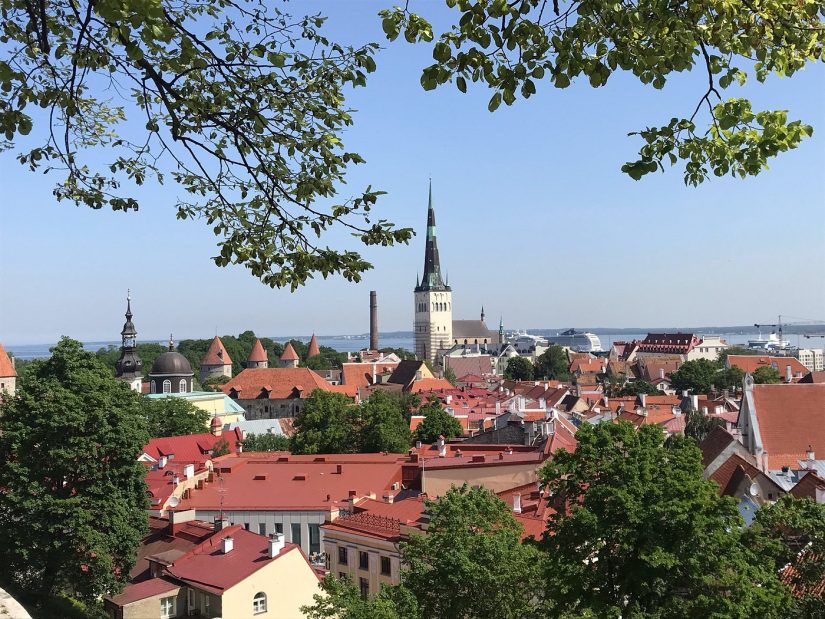
Located on the northern slope of Tallinn's historic Toompea Hill, Kohtuotsa Viewpoint is one of the most impressive points offering panoramic views of the city. From here, it is possible to observe the red-tiled roofs of the Old Town, the soaring church spires and the skyline of modern Tallinn all at once. The second reason to use the Finlandiya The blue of the Gulf, the port area and the Pirita district can also be clearly seen from this point. Offering uniquely beautiful views at all times of the year, even in different weather conditions, Kohtuotsa is a must-visit stop in Tallinn for photography enthusiasts and landscape-loving travelers.
Rataskaevu Street
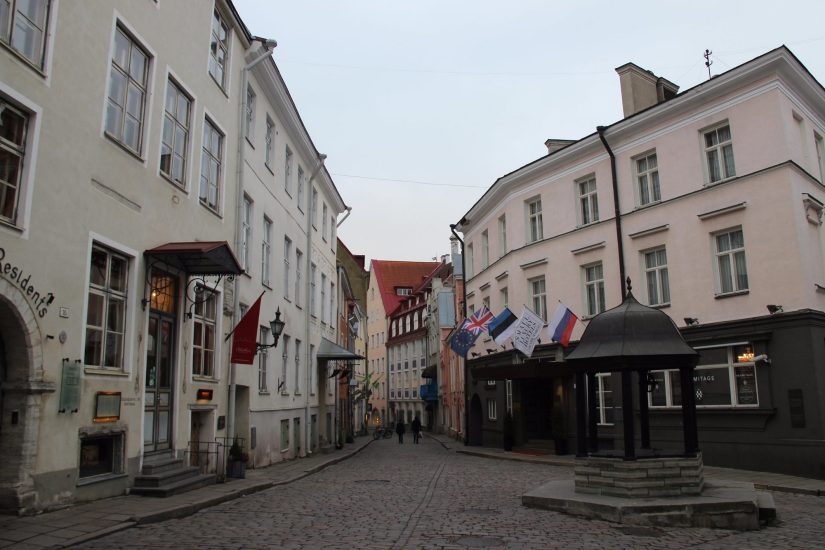
Located in the charming Old Town of Tallinn, the capital of Estonia, Rataskaevu Street gives the feeling of traveling back in time with its stone-paved streets, historical buildings and atmosphere full of legends. This narrow street, which still preserves the spirit of the Middle Ages, draws attention not only with its architecture but also with the Rataskaevu Well, which has become the subject of urban legends. The cafes, restaurants and boutique hotels located around the street offer visitors a relaxing and authentic experience. Standing out with its tranquility, historical texture and romantic atmosphere among the places to visit in Estonia, Rataskaevu Street is a special route that must be followed while exploring Tallinn.
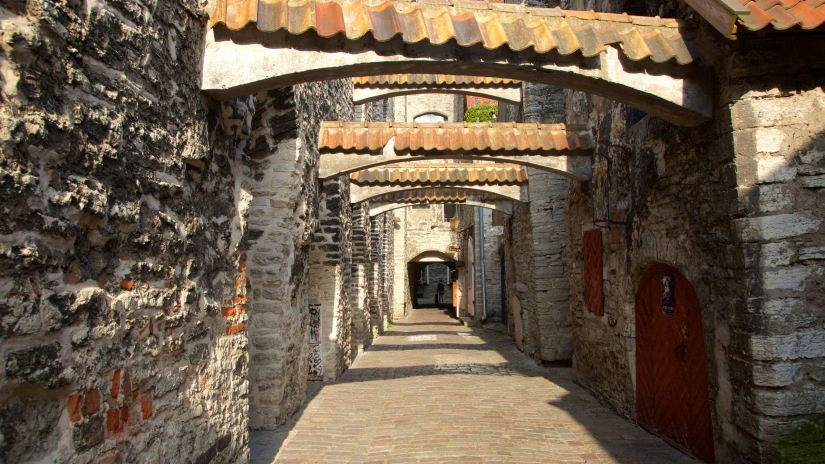
St. Catherine's Pass
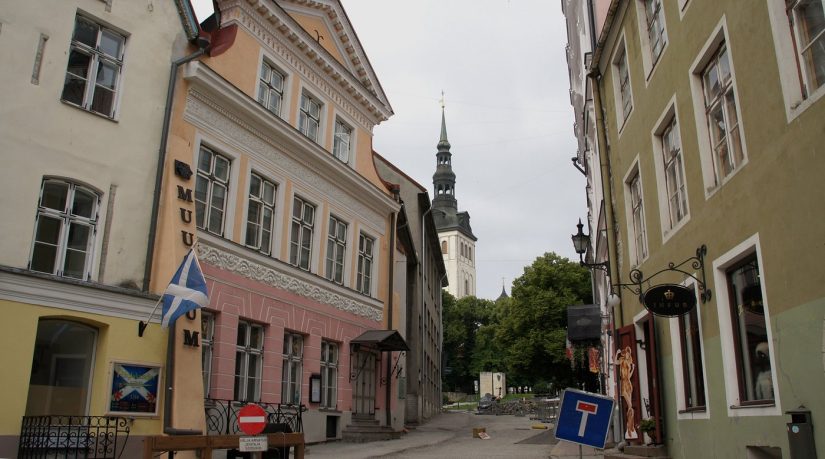
St. Catherine's Pass (Katariina Käik), one of the places that best reflects the historical texture of Tallinn, is a fascinating pass that brings the atmosphere of the Middle Ages to the present day. This narrow, cobblestone road, connecting Vene and Müürivahe streets in the Old Town, passes through the southern end of the more than 700-year-old St. Catherine's Monastery.
The south side of the pass is lined with buildings dating mainly from the 15th to 17th centuries. These structures house craft workshops, offering visitors the opportunity to closely observe the production of traditional Estonian crafts such as ceramics, glass and textiles.
St. Catherine's Pass is a must-see for travelers exploring Tallinn's medieval architecture and art. Here, you can experience the intricacies of handicrafts while following the traces of history and gain a deep understanding of the city's cultural heritage.
Tallinn TV Tower
One of the symbols of Tallinn, the Tallinn TV Tower is the tallest structure in Estonia with a height of 314 metres. In 1980 Moskova Built to broadcast the sailing races of the Olympics, the tower is now a popular tourist attraction offering visitors panoramic views of the city and its surroundings.
The tower's 170-metre-high observation deck is an ideal spot to admire Tallinn's historical heritage and the unique view of the Baltic Sea. Additionally, the restaurants and exhibition areas here offer visitors both delicious food and cultural experiences.
Tallinn TV Tower has an important place among the places to visit in Estonia with its architecture and the impressive views it offers. It is a must-visit stop for travelers who want to get a bird's eye view of the city and create unforgettable memories.

Tartu Town Hall Square
Located in the heart of Tartu, the cultural and student city of Estonia, Tartu Town Hall Square has a unique atmosphere blended with history and liveliness. With its colorful buildings, lively cafes and iconic leaning fountain “Kissing Students”, this square is an ideal stop for travelers looking to observe local life and take a relaxing break. Crowned by the elegant architecture of Tartu Town Hall, this area is the starting point for a cultural journey through southern Estonia.

For travelers who want to explore the historical fabric of Tallinn, Pikk tänav, or “Long Street,” offers a fascinating experience. This approximately 700-meter-long street, one of the main arteries of the Old Town, starts from Toompea and extends to the sea gate, inviting you to a journey through time with its medieval architecture.
While walking along Pikk tänav, you will have the opportunity to explore important historical buildings such as the 15th-century Great Guildhall, the Old KGB Headquarters and St. Olaf's Church. Additionally, the restaurants and cafes on the street are ideal for both tasting local delicacies and enjoying this historical atmosphere.
For travelers who want to follow the traces of the past and get to know the cultural heritage in Tallinn, the capital of Estonia, Pikk tänav stands out as a stop not to be missed.

Viru Square
Located in the heart of Tallinn, the capital of Estonia, Viru Square is a vibrant and dynamic spot where modern life meets historical heritage. As one of the gates to the Old Town, this square is an ideal starting point for both shopaholics and travelers who are just starting to explore the city. Surrounded by luxury hotels, cafes, stores and cultural centers, Viru Square attracts attention with its lively atmosphere at all hours of the day. Also located right next to the historical Viru Gate, it makes this place a bridge between Tallinn's past and present. Among the places to visit in Estonia, Viru Square is one of the must-see stops for travelers who want to get a feel for city life and get to know Tallinn up close.

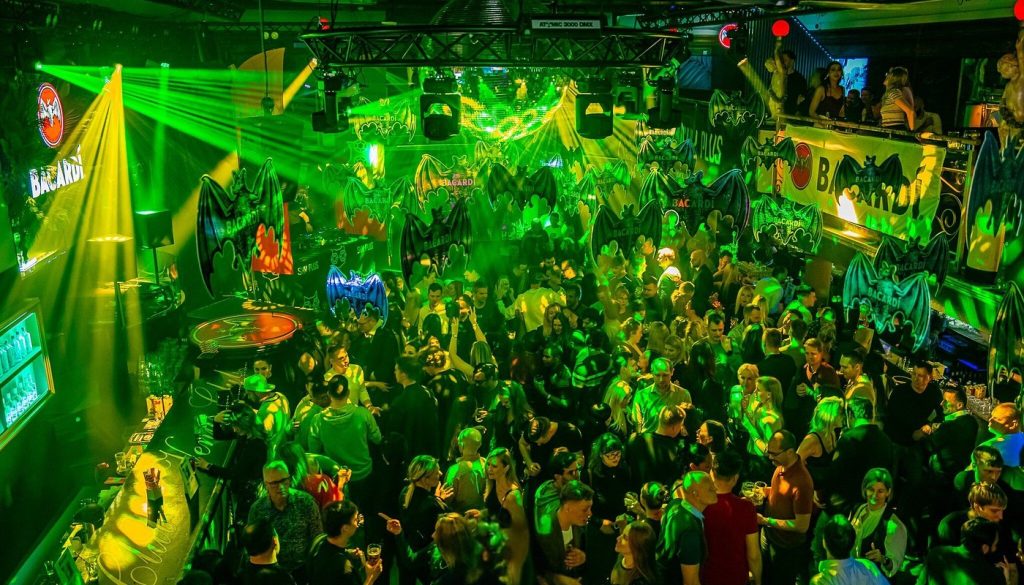
Places to visit in Estonia are not limited to historical buildings; the country also offers travelers a versatile experience with its nature, cultural events and modern city life. From the historic streets of Tallinn to the art-filled atmosphere of Tartu, from the peaceful nature of Saaremaa to the cross-border culture of Narva, Estonia is full of routes that appeal to every taste. Getting to the country is quite easy; Tallinn International Airport offers direct flights from many European cities, while urban transportation can be easily provided by tram, bus and walking. It will be useful to pay attention to the weather conditions while traveling, to know that credit cards are widely used in city centers and to plan according to public transportation hours. In addition, the nightlife in Tallinn and Tartu can be discovered in a very colorful and safe way. To learn about the hidden beauties of Estonia, transportation tips and other important information to pay attention to Estonia Travel Guide You can check out our detailed article.
PREVIOUS TOPIC
Similar Threads
Write a Comment
Visitor Comments - 0 Comments