












What to eat in Abu Dhabi?
United Arab Emiratescapital of Abu DhabiAbu Dhabi is a city that dazzles with its skyscrapers and coastline, while subtly captivating with its cuisine. The salty winds of the Gulf, the spicy heat of the desert, and the ancient tales of pearl trade all come together on the same plate. The answer to the question "What to eat in Abu Dhabi?" is not simply to "fill your stomach"; it's about tasting a culture, from the caramel taste of dates to the aroma of saffron, from the fibrous texture of slowly cooked meats to the smoky glow of charcoal fires. The city's food routine blends beautifully with daily life; tea and light snacks in the mornings, hearty rice dishes around lunchtime, and sharing appetizers and seafood in the evenings. My favorite thing about preparing this Abu Dhabi food guide was being able to feel both the traditional traces of the Arabian Peninsula and the diversity that comes with being a port city in a single bite. If you're curious about "Abu Dhabi's regional dishes," the following flavors best capture the spirit of the city.
Headlines
- 1 Makbus: The Emirati Interpretation of Spicy Rice
- 2 Haris: The Flavor of Wheat and Meat Cooked with Patience
- 3 Sâlûne: Gulf-style stew cooked in a pot
- 4 Tirit: A Meat Feast on Bread
- 5 Balâlît: A Bold Encounter of Sweet and Salty
- 6 Shawarma: The City Rhythm of Spicy Wraps
- 7 Falafel: The Crispy Delight of Chickpeas
- 8 Hammur Grill: The Fishy Scent of the Gulf
- 9 Samboosa: A Satisfying Filling in a Thin Dough
- 10 Arabian Coffee and Dates: The Taste of Hospitality
- 11 Karak Tea: Spicy, Milky, and Warm.
- 12 Lukaymat: Crispy on the outside, soft on the inside sweet bites
- 13 Date Desserts: Natural Sweetness from the Fruit of the Desert
Makbus: The Emirati Interpretation of Spicy Rice
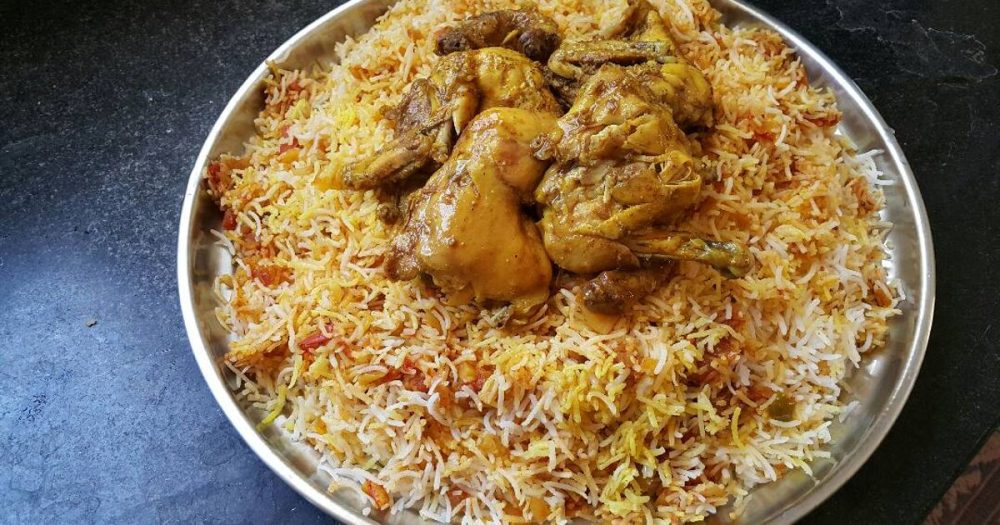
Makbus is one of the first main dishes that comes to mind when considering what to eat in Abu Dhabi; because the aroma created by the combination of saffron, cardamom, cinnamon, and dried lemon spreads as soon as the plate is placed on the table. It is usually cooked with chicken, lamb, or fish, and the rice is prepared so that each grain absorbs the color of the spices while remaining separate. Sometimes, sweet touches like raisins or roasted onions are added, which prevents the dish from being one-dimensional and gives it a more "layered" flavor. Since makbus is considered a symbol of hospitality in homes, it is also served in large plates suitable for sharing in restaurants. The best part is that the refreshing accompaniment, like yogurt, balances the intensity of the spices; one bite is warm, the next cool. In this Abu Dhabi food guide, makbus is one of the options that best showcases the traditional side of the city.
Where to eat Makbus?
If you're looking for traditional flavors, family-run businesses in the city's older areas, often displaying signs that say "Emirati cuisine," usually offer the best choices. Especially in Al Batin and its surroundings, the home-style restaurants serve makbus with less of a "touristy" touch and a more balanced spice balance. Along the marina and waterfront, the portions are presented more elegantly, but you'll still find options with strong flavors. Going around lunchtime increases your chances of catching the moment the pot is just opened; the rice will be al dente and the meat juicier. Seeing a crowd of locals is a good sign; Abu Dhabi's regional cuisine often shines where locals frequent.
Haris: The Flavor of Wheat and Meat Cooked with Patience
Haris is a dish that appears simple at first glance, but its flavor deepens with each spoonful; the long simmering of wheat and meat together gives it a silky texture. Its texture is somewhere between a dense soup and a puree; it melts in your mouth, leaving an almost creamy feeling. The drizzle of clarified butter and a touch of black pepper enhance the dish's calm character. Haris finds its place especially on special occasions and at large gatherings; it's perfectly suited to the culture of "sharing." If you're looking for an option that isn't overly spicy and won't upset your stomach, it's a safe yet very local answer to the question of what to eat in Abu Dhabi. It's at its best when served very hot and accompanied by fresh bread.
Sâlûne: Gulf-style stew cooked in a pot
Salauna is a type of stew reminiscent of home cooking, where vegetables and meat (or seafood) come together in a pot. The sauce is thickened by adding cumin, turmeric, and sometimes chili peppers to tomatoes, onions, and garlic. When vegetables like potatoes, zucchini, and carrots are added, it becomes a hearty and warming dish. In some places it's served with rice, in others with bread; the flavor is enhanced by dipping the bread into the sauce. In this Abu Dhabi food guide, saluna stands out as an unpretentious yet characterful option. Especially on cool evenings, the gentle warmth of the spices momentarily slows down the pace of the city.
Tirit: A Meat Feast on Bread
Tirit is a traditional dish embodying the idea of "great flavor with few ingredients," prepared with layers of bread that soften and absorb the sauce. Pieces of bread are soaked in broth, topped with a mixture of meat and vegetables, and each bite reveals a different texture. The best part of this dish is how the sauce permeates the bread, leaving a distinct flavor in each layer; ordinary from the outside, unforgettable once you eat it. Some versions also include legumes like chickpeas, increasing both protein and satiety. For those asking what to eat in Abu Dhabi, tirit is definitely one of the dishes that embodies the spirit of "communal gathering" at the local table. The spiced oil drizzled over it deepens the dish and keeps the palate lingering for a long time.
Balâlît: A Bold Encounter of Sweet and Salty
Balâlît is a very interesting dish where thin noodles are flavored with sugar, saffron, and cardamom, and served with an omelet-like egg topping. At first, you might wonder "is it sweet or salty?", but after a few bites, you realize the duality is actually harmonious. The sharp yet delicate aroma of saffron permeates the soft texture of the noodles, leaving a warm flavor in your mouth. It's usually eaten for breakfast or late breakfast; a light but memorable starter. Among Abu Dhabi's regional dishes, balâlît is one of the most unique examples showcasing the city's traditional taste. It's perfect for those who have a sweet tooth but prefer balanced flavors over purely sugary tastes.
Shawarma: The City Rhythm of Spicy Wraps
Shawarma is a quick yet delicious option you can find at any time of day in Abu Dhabi; it's prepared by marinating thinly sliced meat with spices and cooking it by turning it. The feeling of it being the "right bite" comes when the outside is slightly crispy and the inside remains juicy, and when combined with the sauce, an appetizing aroma spreads. It's usually made into a wrap with garlic sauce, pickles, and french fries; each bite reveals a mix of sour, salty, and spicy flavors. Shawarma is a good bridge for any Abu Dhabi food guide because it's both authentic to the local palate and practical for the traveler. Best of all, the aromas rise instantly with the steam from the warm flatbread, making you feel "at home" even amidst the street hustle and bustle. If you're looking for a quick answer to the question of what to eat in Abu Dhabi, shawarma is often the right choice.
Where to Eat Shawarma?
Shawarma shops are quite lively on the city's main streets and near business districts; it's especially easy to get fresh service in the late afternoon. Small shops with queues of locals are usually the best sign, as shawarma is a truly competitive delicacy in this city. Places that pay attention to the meat ratio and sauce balance in the wrap tend to receive more positive reviews. If you don't want too many spices, it's helpful to specify this when ordering; good places can adjust the spice balance to your liking. If you choose a refreshing drink like ayran (a Turkish yogurt drink) to accompany it, the intensity of the spices will be felt more mildly.
Falafel: The Crispy Delight of Chickpeas
Falafel is a snack with a golden, crispy exterior and a soft, herb-flavored interior; it's prepared with a mixture of chickpeas and spices. The aroma of cumin, coriander, and herbs hits your nose as soon as it comes out of the hot oil, instantly making you hungry. It's usually eaten wrapped in flatbread with tahini sauce, tomatoes, and pickles; this creates a creamy yet crispy contrast in every bite. For those wondering what to eat in Abu Dhabi and looking for light options, falafel is a great alternative; moreover, it provides energy throughout the day without feeling heavy. The best falafel is one that is cooked without being dry inside and has a balanced, not overpowering, spice blend. Served with a tangy salad or a sauce like pomegranate molasses, the flavor is even more vibrant.
Hammur Grill: The Fishy Scent of the Gulf
Seafood holds a special place in Gulf cuisine; hammur is a frequently featured fish with firm flesh and a distinct flavor. When grilled, it's lightly browned on the outside but juicy on the inside, and served with lemon, the flavor is even more "clean." In some places it's prepared with a spicy marinade, in others just salt, lemon, and a little oil; I prefer the plain version because the fish's own flavor is more pronounced. Served with rice or roasted vegetables, the dish is complete and filling without feeling heavy. In this Abu Dhabi food guide, grilled hammur is one of the dishes that best reflects the city's coastal character. If you love the smell of the sea, this dish is a perfect answer to the question of what to eat in Abu Dhabi.
Where to eat Hammur?
The safest route for fish is to fish restaurants near the coastline and cooking points near the fish market; freshness is everything here. Fresh produce turns over faster around lunchtime, so going early is advantageous. At places with a "grilled" option on the menu, you can ask about the spice level and adjust it to your taste. In places frequented by locals, portions are usually more generous, and the fish comes less "hidden" with sauce. Using the accompanying lemon sauce sparingly is a good way to preserve the fish's natural aroma.
Samboosa: A Satisfying Filling in a Thin Dough
Samboosa is a triangular pastry filled with meat, cheese, or vegetables; it's crispy on the outside and soft on the inside. When bitten into while hot, you can hear the crispness of the pastry, followed by the spicy filling spreading across your palate. Some places have a more intensely spiced filling, others a simpler one, making it a delightful discovery to try at a few different locations. It's often served with a sour sauce or yogurt-based accompaniment, which balances the rich texture. If you want to answer the question of what to eat in Abu Dhabi from the "snack" perspective, samboosa is both a practical and delicious option. It's especially good for a short break from the city's hot pace, particularly during walks.
Arabian Coffee and Dates: The Taste of Hospitality
Arabic coffee is a light-colored, cardamom-flavored drink meant to be sipped slowly; it's often served with dates. The first sip reveals a slight bitterness, followed by the refreshing aroma of cardamom, perfectly balanced by the honeyed sweetness of the date. In Abu Dhabi, this pairing isn't just a drink; it's the most elegant way to say "welcome." Different types of dates exist; some are softer and caramelized, others drier and more intensely flavored. It's no coincidence that this duo is included among Abu Dhabi's regional dishes, as it holds a significant place in the city's cultural memory. When preparing an Abu Dhabi food guide, it's essential to try this treat at least once, calmly, and experience the rhythm of the city.
Karak Tea: Spicy, Milky, and Warm.
Karak tea is a tea brewed with milk and enriched with spices; it is particularly known for its cardamom and sometimes a touch of saffron. The aroma that wafts the moment you hold the cup is appetizing in itself; a sweet warmth travels down your throat as you sip. It's enjoyed at any time of day in the city; a quick start to the morning, a short break at lunchtime, and accompanying long conversations in the evening. The sugar content can be high in some places, but in most places it's possible to ask for less sugar, allowing the character of the spices to be more clearly revealed. On the beverage side of the "what to eat in Abu Dhabi" question, karak tea is one of the easiest ways to experience "local daily life." With a small snack alongside, even a simple break becomes a small ritual.
Lukaymat: Crispy on the outside, soft on the inside sweet bites
Lukaymat is a dessert made by frying small dough balls and pouring a thick, date syrup-like sauce over them. It's served hot, with a thin, crispy exterior and a soft, cottony interior; when you bite into it, you first feel a crunch, then a sweet, melt-in-your-mouth texture. Sometimes sesame seeds are sprinkled on top, and sometimes a hint of saffron is added, elevating the dessert beyond the ordinary and giving it a more "Gulf" feel. The best part is that it doesn't become heavy and overwhelming like a syrupy dessert; even though the portion is small, the satisfaction is immense. In this Abu Dhabi food guide, Lukaymat is a local signature for dessert lovers. If you want to give a "sweet ending" to the question of what to eat in Abu Dhabi, try to get it at its hottest and freshest.
Where to eat Lukaymat?
For dessert, both the crowded dessert spots in shopping malls and the small, bakery-style shops in neighborhoods offer excellent options. The easiest way to tell if it's fresh is if the lukaymat is served warm and the outside isn't greasy. Places that are described as "not too heavy" in local reviews usually have a good balance of sugars and don't overpower the dessert's aroma. It's also a good idea to order the sauce separately; this way you can adjust it to your taste. If you have some karak tea on the side, the spicy warmth complements the dessert very well.
Date Desserts: Natural Sweetness from the Fruit of the Desert
Dates are a cornerstone of Abu Dhabi's dessert scene; even as a snack on their own, they offer a powerful flavor. Date cakes, date paste cookies, and date-filled pastries are common throughout the city; each carries the natural caramel-like taste of dates in a different texture. Some sweets are enriched with cinnamon and cardamom, while others rely solely on the aroma of dates; I find the spiced ones more "local." Date-based treats feel more balanced than heavier, syrupy options, making them comfortable to eat even in hot weather. Within Abu Dhabi's regional cuisine, dates are like a symbol that unites both the past and the present. For those seeking "natural sweets" when asked what to eat in Abu Dhabi, date-based options are definitely the right choice.
It's difficult to answer the question "What to eat in Abu Dhabi?" with just one dish; the city offers both traditional Emirati cuisine and the diversity that comes with being a port city. Slow-cooked dishes like Makbus and Haris showcase the city's patient and hospitable side, while options like shawarma and falafel are a delicious part of the daily routine. Seafood like grilled hammur brings the sea breeze to the plate and deserves a separate page in this Abu Dhabi food guide. For dessert, the warm crunch of lukaymat or the natural sweetness balance of date-based treats complete the meal beautifully. If this article has whetted your appetite, let's get started when planning your itinerary. Abu Dhabi Travel Guide You can also check out the articles on Places to Visit in Abu Dhabi and match culinary hotspots with tourist attractions. This way, you can experience both the city's scenery and its cuisine in the same day, truly enjoying Abu Dhabi.
PREVIOUS TOPIC
NEXT TOPIC

Write a Comment
Visitor Comments - 0 Comments