
São Paulo Travel Guide 2026: Where to Stay, What to Eat, What to See?
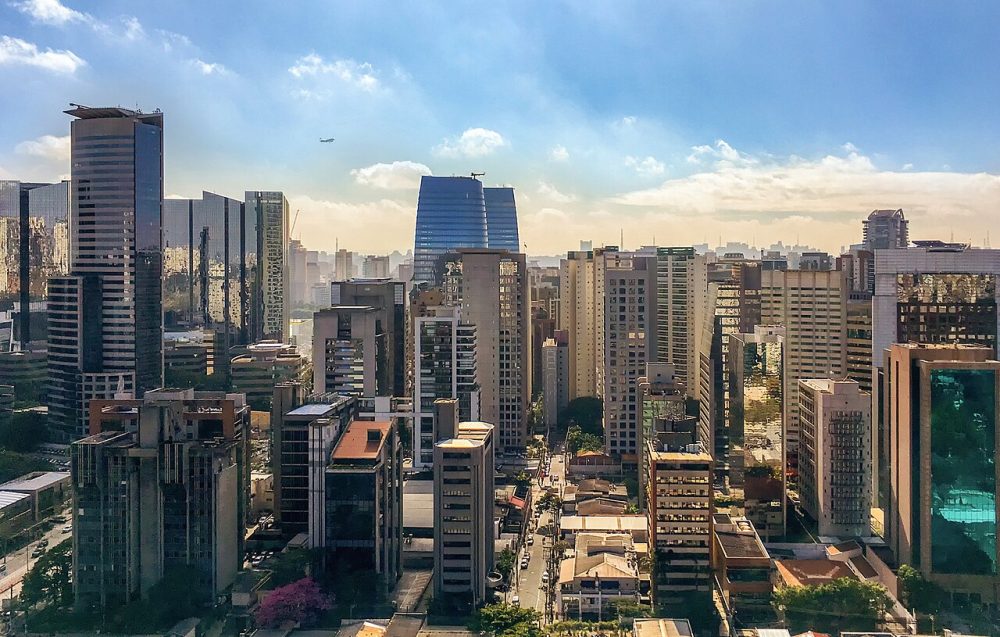
IstanbulAs someone accustomed to long flights, crowded metro stations, and the pressure to manage time efficiently during business trips, when planning my first trip to São Paulo, I'd sum it up in one sentence: stay in the right neighborhood, plan your itinerary area by area, and avoid unnecessary adventures in the evenings. São Paulo isn't a postcard-perfect city like Rio; it's a metropolis that reveals itself through its street art, restaurants, huge parks, museums, and unique neighborhood character. For a first-time visitor, 3 days is a very good start. Choosing accommodation around Paulista, Jardins, Pinheiros, or Vila Madalena makes both transportation and evening planning easier.
Quick and Practical Information About São Paulo
| Hood | My practical grade |
|---|---|
| How many days is enough? | Three days for first-time visitors, 4-5 days for food and museum-focused sightseeing. |
| Where should we stay the first time? | Avenida Paulista, Jardins, Pinheiros, Vila Madalena |
| The best period | It is more comfortable between April-May and September-November. |
| Currency | Thailand Reali, R$ |
| Card or cash? | Cards are very common; a small amount of cash is fine for small market and street shopping. |
| Urban transportation | Metro, train, walking, taxi app |
| Average daily budget | Budget R$ 180-300, mid-range R$ 350-650, casual travel R$ 800+ |
| Security | It's important to avoid carrying your phone around while walking and to steer clear of deserted streets at night. |
| Log out | Portuguese. English doesn't work well everywhere. |
| Visa | Turkish citizens are exempt from visa requirements for stays of up to 90 days in Brazil. |
When is the best time to visit São Paulo?
I don't just consider the heat when calculating mid-summer in São Paulo; rain and the event calendar are also important. December to March can be hotter, more humid, and prone to downpours. However, city life never stops. For someone with a busy schedule of cafes, restaurants, museums, and shopping, bad weather won't completely ruin their trip.
If it were my first time going, I'd choose April-May or September-November. The weather is more stable, and the hiking days are more enjoyable. Hotel prices and city traffic can increase during periods like Lollapalooza in March and Virada Cultural in May. In 2026, Virada Cultural was held on May 23-24, with a free 24-hour program and over 1.300 activities. If I happen to be there during such a period, I'd book my central accommodation early.
How to get to São Paulo?
The most practical route from Istanbul to São Paulo is a direct flight. Turkey The Republic of Turkey's Ministry of Foreign Affairs states that Turkish Airlines operates 7 flights a week between Istanbul and São Paulo; therefore, for someone who doesn't want to waste time with transfers, a direct flight would be my first choice.
The city's main international airport is Guarulhos, or GRU. There are three options for getting to the city center: train, app taxi, or private transfer. If my flight lands during the day and my luggage is manageable, I would seriously consider the train option. On the metro and train side, a single ride costs R$ 5,40 according to the 2026 fare, while on the city bus it's R$ 5,30. This is a very strong price advantage by a large city standard.
When I arrive late at night, exhausted from a long flight and with a large suitcase, using a taxi app makes more sense. São Paulo traffic is like Istanbul's; the journey from the airport to the Paulista or Jardins area can sometimes take 45 minutes, sometimes almost 1,5 hours.
São Paulo City Transportation
In São Paulo, planning your route around the metro is a lifesaver. For me, the most convenient lines are those connecting to the Paulista area, Luz, Pinheiros, and Vila Madalena. I base my metro and train ticket prices on the R$ 5,40 range; if I plan to use it several times a day, I also check the 24-hour options. The SPTrans fare includes a 24-hour integrated ticket for R$ 27,28, which is worth keeping in mind if you plan a day with many transfers.
Avenida Paulista is best explored on foot. One of the city's most enjoyable days is when Paulista is closed to vehicle traffic on Sundays and filled with pedestrians, cyclists, and street performers. According to municipal announcements for 2026, the Ruas Abertas service for Paulista and Liberdade will be open from 9:00 AM to 4:00 PM; I try to time my trip to coincide with this.
My basic rule for taxis and app-based services is simple: I don't hail cars from the street late at night; I use the app for directions. I also avoid holding my phone for extended periods on the curb in crowded tourist areas.
How many days does it take to visit São Paulo?
- If you only have one day, you should only see São Paulo briefly. The most sensible route would be Paulista and MASP in the morning, Ibirapuera or Liberdade in the afternoon, and dinner at Pinheiros-Vila Madalena in the evening.
- If I have two days, I would dedicate the first day to the Paulista, MASP, Jardins, and Augusta areas; and the second day to Centro, Pinacoteca, Farol Santander, Liberdade, and Mercado Municipal.
- If you have 3 days, the city will settle down. On the third day, Ibirapuera, MAC USP, Vila Madalena, Beco do Batman And I'd add Pinheiros restaurants. My ideal São Paulo plan would be 3 nights and 4 days; it would leave you breathless with culture, food, and neighborhood sightseeing.
Where to stay in São Paulo?
- Avenida Paulista and Consolação: This is the most practical area for first-time visitors. The metro, museums, cafes, shopping, and ease of returning home at night all come in one package. Anyone familiar with the Taksim-Şişli line in Istanbul will easily understand the rhythm here.
- Gardens: A more comfortable, organized, and secure option. Great for restaurants, boutiques, cafes, and walks. I recommend it for those with a mid-to-high budget.
- Pine trees: This is one of my favorite areas for food, bars, coffee, and local life. Those who want to see São Paulo not just through museums but also through its vibrant neighborhoods will feel more comfortable here.
- Vila Madalena: It's suitable for those who want street art, bars, and nightlife. However, planning the return trips with the app is more convenient.
- Center: Farol Santander is strategically located for Theatro Municipal, Pinacoteca, and Mercado Municipal, but for a first-time visitor with security concerns, I would be more selective about overnight accommodation.
| Area | Who is it suitable for? | Price level | Not |
|---|---|---|---|
| Paulista | First-time visitors | Medium | Transportation is very convenient. |
| Gardens | Those who want comfort | medium-high | Restaurants and shopping are strong. |
| Pinheiros | Food and drink focused traveler | Medium | Evening plans are good. |
| Vila Madalena | Nightlife and street art | Medium | Be careful when returning at night. |
| Centro | Historical route focused tour | Middle economy | Good during the day, cautious at night. |
Places to visit in São Paulo
Avenida Paulista and MASP
I recommend that anyone visiting São Paulo for the first time start their trip on Paulista. Because that's where the city truly reveals itself: the museum, the office towers, the street crowds, the cyclists, the coffee shops, the bookstores. I'd budget for MASP's 2026 entrance fee at R$ 75; it has free entry on Tuesdays and is closed on Mondays.
Ibirapuera park
A breathing space for the city. It functions more like an inner-metropolitan escape than the large park feel of Istanbul. Good for a morning walk or an afternoon break after a museum visit.
Pinacoteca of São Paulo
One of the best museum stops in the Luz area. I'd budget for R$ 40 for a full ticket and R$ 20 for a half ticket in 2026; free entry on Saturdays and the second Sunday of every month.
Santander lighthouse
Centro is great for both city views and experiencing historic buildings. Entry in 2026 was R$ 45, half ticket R$ 22,50; open Tuesday-Sunday 09:00-20:00. Going closer to late afternoon is better for the view.
Freedom
Japanese and Eastern Asia Known for its atmosphere, it's a pleasant neighborhood for food and grocery shopping. It gets very crowded on weekends. I aim to be here around lunchtime, then head to Centro or Paulista.
Batman's Alley
A street art stop in Vila Madalena. It's more convenient for photos in the morning or on weekdays. It doesn't deserve a whole day on its own, but it fits very well into the Pinheiros-Vila Madalena route.
Municipal market
Fruit, sandwiches, pastries, and a touristy market atmosphere. Prices might seem high compared to the surrounding area; I prefer to take a short break here rather than do extensive shopping.
Football Museum
For those interested in football, this is a great half-day stop on the Pacaembu side. In 2026, a full ticket is R$ 24, a half ticket is R$ 12; it's free on Tuesdays.
Ipiranga museum
For history and architecture lovers, it's a bit outside the city center, but worthwhile if you plan your trip well. There's free entry on Wednesdays and the first Sunday of every month.
1, 2 and 3-Day Travel Itineraries for São Paulo
1-Day São Paulo Itinerary
- Morning: Avenida Paulista, the area around the Trianon, MASP's exterior architecture, and a museum tour.
- Noon: Coffee and quick lunch around the Paulista area.
- Afternoon: Ibirapuera Park or Liberdade.
- Evening: A restaurant in Pinheiros, followed by a short break at the bar.
Stops to be marked on the map: Avenida Paulista, MASP, Parque Trianon, Ibirapuera, Pinheiros.
2-Day São Paulo Itinerary
- Day 1: Paulista, MASP, Jardins, Rua Oscar Freire, Augusta area.
- Day 2: Pinacoteca, Luz, Farol Santander, Mercado Municipal, Liberdade.
I plan my trip to Centro for the morning. It's much easier to explore in daylight, with bags and phones readily available. In the evening, it's more comfortable to head to Liberdade or Pinheiros.
3-Day São Paulo Itinerary
- Day 1: Paulista and Jardins.
- Day 2: Centro, Pinacoteca, Farol Santander, Mercado Municipal, Liberdade.
- Day 3: Ibirapuera, MAC USP, Vila Madalena, Beco do Batman, Pinheiros.
The third day was the day São Paulo truly felt like a "real city" for me. Parks in the morning, street art in the afternoon, good food in the evening; this combination more clearly describes the city's character.
What to eat in São Paulo?
In São Paulo, the food scene isn't limited to a single cuisine. Cuisines from different regions of Brazil, Japanese influence, Italian immigration, modern chef restaurants, and street food all coexist in the same city.
- Cheese bread: Practical for breakfast or with coffee. Small, cheesy, and best eaten warm.
- Drumstick: Fried chicken-filled snack. A quick meal solution.
- Pie: It's tried around markets and bazaars. You might find versions with cheese, minced meat, or bacalhau (a type of Turkish pastry).
- Feijoada: A hearty classic made with black beans and meat. More suitable for lunch.
- Picanha and churrasco: A strong option for meat lovers.
- Mortadella sandwich: Mercado Municipal's touristy yet intriguing classic.
- Açaí: A sweet and refreshing break on hot days.
- Brigadier: A Brazilian classic for those with a sweet tooth.
Where to Eat in São Paulo? Restaurant Recommendations
- A Casa do Porco, Centro: One of the most talked-about restaurants in São Paulo. It offers modern Brazilian cuisine with a focus on pork. Reservations and timing are important. I would categorize this as "the only place I would use my one special meal." It's also featured in the Michelin guide.
- Mocotó, Vila Medeiros: A strong contender for northeastern Brazilian cuisine. Since it's far from the city center, it's best to consider this as a separate meal. Going with a group and sharing a few dishes makes more sense.
- Bar da Dona Onça, Copan: Centro offers a good option combining Brazilian home-style cooking with a bar atmosphere. It's worth considering for the feijoada, coxinha, and sharing plates.
- Mercado Municipal, Centro: A classic stop for mortadella sandwiches and pastel. I wouldn't consider it a main course here, but rather a "tourist tasting" experience. Prices might be higher than a typical neighborhood restaurant.
- Restaurants in Liberdade: It's good for ramen, sushi, pastries, and Asian markets. Be prepared for queues on weekends.
- Pinheiros and Vila Madalena: Coffee, bars, modern Brazilian restaurants, and international cuisine make this the most relaxed evening spot. For a first-time visitor, planning dinner here is often more convenient than in the Centro area.
What to buy in São Paulo?
I think of shopping in São Paulo not as buying souvenir baskets, but as experiencing the city's culture.
- Coffee: Brazilian coffee is one of the most sensible souvenirs.
- Havaianas: It's touristy, but practical.
- Liquor: Local options for those planning to transport alcohol.
- Books and design products: The bookstores and museum shops along Paulista are good.
- Japanese and Korean market products: You can buy snacks, tea, sauces and cooking products from Liberdade.
- Local cosmetics and soap: Brazilian brands like Granado are practical for small gifts.
The area around 25 de Março is popular for budget shopping, but it's crowded and requires caution. I go there during the day for short periods without carrying valuables.
What to do in São Paulo?
One of the best things to do in São Paulo is to switch neighborhoods. A cultural route on Paulista in the morning, a walk in Ibirapuera in the afternoon, and dinner in Pinheiros in the evening all offer a layered experience of the city in a single day.
Visiting Paulista on a Sunday is a good idea. When the street is open to pedestrians, street music, bicycles, families, and tourists all mingle. For museum lovers, MASP, Pinacoteca, Museu do Futebol, and Museu do Ipiranga easily fill a city tour. If you're a foodie, dedicating a day solely to restaurants and coffee wouldn't be an exaggeration.
São Paulo Nightlife
For nightlife, my first choices are Pinheiros, Vila Madalena, the area around Rua Augusta, and Jardins. Vila Madalena is more relaxed, bar-focused, and lively. Pinheiros offers a better balance of food, cocktails, and modern venues. Rua Augusta is more chaotic, more energetic, and can sometimes feel more tiring.
I don't walk long distances on my way home at night. I use the app to call a car, and I check the license plate before getting in. Holding your phone on the sidewalk while waiting outside a bar is one of the most unnecessary risks you can take in São Paulo.
São Paulo Festivals and Events
São Paulo is a city full of events year-round. Around March, there are major music festivals, followed by Virada Cultural in May, Pride events in June, and throughout the year, biennials, art fairs, design and gastronomy events. The city becomes more expensive and crowded during festival times; I don't usually leave hotel reservations until the last week during those periods.
Choosing the right route is crucial for large, free events like Virada Cultural. Even if the program is great, you need to plan your return late at night in advance. I'll especially consider the fact that the 2026 Virada Cultural is held on May 23-24, with a free 24-hour program, when planning my budget and accommodation.
São Paulo Holidays and Closing Dates
In Brazil, public holidays and major events affect the rhythm of the city. During Carnival, streets, transportation, and hotel prices can change. Around Christmas and New Year's, some museums and restaurants may close. I should also note that MASP is closed on Mondays; it will also be closed on December 24-25 and December 31-January 1.
Using free museum days can significantly ease the budget, but it also increases queues and crowds. If I find a free day on a short trip, I go early in the morning; if there are long queues, I switch to a paying day.
São Paulo Travel Budget and Current Prices
São Paulo isn't a cheap city, but with the right plan, it's manageable for someone coming from Istanbul. When calculating my expenses for 2026, I'd base it on the following: metro/train fare R$ 5,40, bus R$ 5,30, MASP (Malatya Metropolitan Municipality Park) R$ 75, Pinacoteca R$ 40, Museu do Futebol (Istanbul's football club) R$ 24, and Farol Santander (Istanbul's lighthouse) R$ 45.
| Expense item | Economic | intermediate level | Comfortable/Luxurious | Not |
|---|---|---|---|---|
| Metro/train | 5,40 BRL | 5,40 BRL | 5,40 BRL | One-way ticket |
| Bus | 5,30 BRL | 5,30 BRL | 5,30 BRL | One-way ticket |
| Coffee and snacks | BRL 15-30 | BRL 30-55 | R$ 60+ | It varies depending on the neighborhood. |
| Simple lunch | BRL 35-60 | BRL 70-120 | R$ 150+ | A service fee may apply. |
| Museum | Free day - R$ 40 | BRL 40-75 | R$ 75+ | MASP R$ 75 |
| Application tools | BRL 25-60 | BRL 60-120 | R$ 150+ | It depends on traffic and time of day. |
| Accommodation | BRL 180-350 | BRL 400-800 | R$ 900+ | Increases during activity period |
| Daily total | BRL 180-300 | BRL 350-650 | R$ 800+ | It varies depending on whether accommodation is included or excluded. |
My mid-range São Paulo budget would be: 2-3 public transport trips a day, one museum, a good lunch, a decent restaurant in the evening, and a coffee break. At this pace, excluding accommodation, a budget of R$ 350-650 seems realistic.
São Paulo Travel Map
Things to Consider When Traveling to São Paulo
In São Paulo, you should explore with a sense of urban instinct, not fear. Some habits I brought from Istanbul come in handy here: not leaving your phone on the table, not hanging your bag on the back of a chair, not walking down deserted streets at night, and not carrying your wallet in your back pocket in crowded places.
Official travel advisories for Brazil recommend caution due to high crime rates and potential violence in cities; they also strongly advise carrying a copy of your passport and a photo ID. I keep my passport in the hotel safe and a copy and digital copy of my passport with me.
On the health side travel insurance Essential. Power outlet type, mobile internet, and offline maps are also small but important details. For those who don't speak Portuguese, translation apps make life easier when finding restaurants and transportation.
São Paulo isn't exactly a city that immediately captivates you at first glance. But by staying in the right neighborhoods and dividing your itinerary into Paulista, Centro, Ibirapuera, Liberdade, Pinheiros, and Vila Madalena, the city becomes much more understandable. Three days is ideal for first-time visitors; those who enjoy food, museums, and neighborhood exploration will have a more satisfying trip with 4-5 days. My advice for São Paulo is clear: focus on culture and neighborhood tours during the day, and good food and a safe return plan in the evening.
