
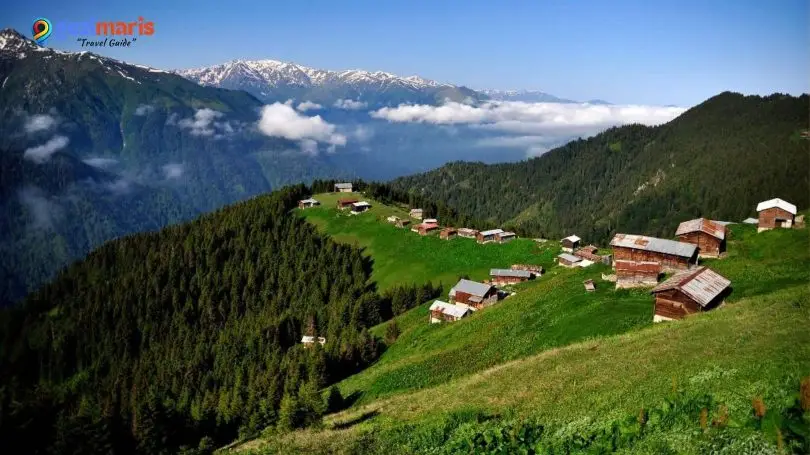

Rize Travel Guide 2026: Where to Stay, What to Eat, What to See?
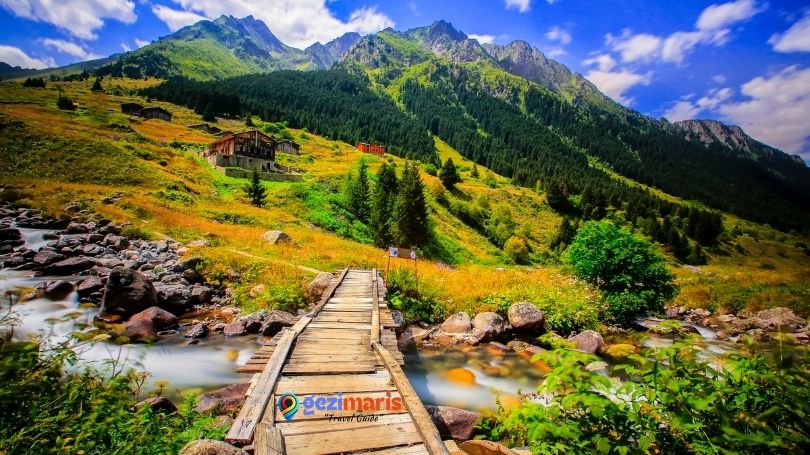
The best part about visiting Rize is this: you can start your day with a cup of strong tea in the city center, cool off in the Fırtına Valley around noon, and then disappear into the fog on the road to Ayder in the late afternoon – a completely different day. Since I live in Rize, this is always the plan Oğuzhan and I make most often; we keep the city center short and dedicate the main time to the valleys, plateaus, and tea plantations. For first-time visitors, 2 days is enough to capture the essence of Rize; if you allocate 3 days, you can more easily explore the Ayder, Zil Kale, Palovit, Huser, and Çayeli areas. For accommodation during a short trip... Rize For nature-focused trips, the Çamlıhemşin-Ayder route is more practical.
Quick and Practical Information About Rize
| Topic | My suggestion |
|---|---|
| How many days is enough? | 2 days of the basic route, 3 days of more enjoyment. |
| Where should first-time visitors stay? | Central or Çamlıhemşin |
| The best period | May, June, and September; summer for the highlands. |
| Card or cash? | Cards are common in the city center, but I carry cash in the highlands. |
| Urban transportation | Minibuses/taxies are convenient in the city center, but private cars are easier for the highlands. |
| Daily budget | Economical level: 1.500-2.000 TL, Mid-range: 2.500-4.000 TL |
| Is it suitable for children? | Yes; caution is needed on the Zil Castle, waterfall, and plateau roads. |
| Luggage note | A raincoat, spare shoes, and a thin fleece are essential. |
When is the best time to visit Rize?
In my opinion, this is the most beautiful time of year in Rize. late May-June ve SeptemberThe greenery is vibrant, the air isn't too oppressive, and the ascent to the highlands becomes more enjoyable. July and August are the busiest months; traffic and parking issues become more pronounced around Ayder, Fırtına Valley, and Zil Kale. In winter, the city center, Çayeli, and the coastal area are suitable for travel, but it's essential to check road and weather conditions for the higher plateaus.
Rize Provincial Culture and Tourism Directorate's "must-do" list includes Rize Castle, Tea Market, Ayder, Zil Castle, sunset in Huser, and rafting on Fırtına River. Kemer Bridges, Haremtepe tea gardens, Laz böreği (a type of pastry), Rize kavurması (a type of stew), and Çayeli kuru fasulye (a type of dried bean dish) are among the notable stops.
How to get to Rize?
The most practical option for getting to Rize. Rize-Artvin AirportUsing Havaş from the airport to Rize city center is very convenient for short trips; according to the current example from 2026, the Havaş fare from Rize city center to the airport is 220 TL, and the journey takes approximately 45 minutes.
Trabzon Those arriving via the coastal route can also use the Rize-Trabzon municipal bus line; the 2026 fare is announced as 160 TL for adults and 65 TL for students. If you are coming by private car, the coastal road is easy; the parts that require the most attention are the plateau roads such as Çamlıhemşin, Ayder, Huser, Pokut, and Gito.
Rize City Transportation
In Rize city center, daily life revolves around shared taxis (dolmuş). In 2026, the short-distance fare for city center shared taxis was 30 TL for adults and 35 TL for long-distance fares. Shared taxis are sufficient for sightseeing within the city center, but for routes like Fırtına Valley, Zil Kale, Palovit, and Ayder, renting a car or using a local tour is more sensible.
When Oğuzhan and I are going to Çamlıhemşin from the center, I usually leave early in the morning. Because by midday, there are more tour vehicles in the valley, and it becomes difficult to stop at the photo spots.
How many days does it take to visit Rize?
- If you have 1 days: Plan your itinerary to include Rize city center, the Tea Market, the Botanical Tea Garden, Rize Castle, and the Çayeli-Haremtepe route.
- If you have 2 days: The first day can be spent in the city center and Çayeli; the second day can include Fırtına Valley, Şenyuva, Zil Kale, Palovit Waterfall, and Ayder.
- If you have 3 days: Dedicate the third day to a more nature-focused route such as Huser sunset, Pokut-Sal, Gito-Badara, or Cascade Valley.
Where to stay in Rize?
During my short trips to Rize, I categorize my accommodation areas as follows:
| Area | Who is it suitable for? | Plus | Attention |
|---|---|---|---|
| Rize Center | First-time visitors, short trip | The airport, beach, restaurants, and transportation are all easily accessible. | Going back and forth to the highlands every day can be tiring. |
| Çamlıhemşin | Nature-focused travelers | Storm Valley, Zil Castle, close to the Ayder line. | Prices increase rapidly during the season. |
| overnights | Those who want a highland atmosphere | Morning fog, hot springs, nature scenery. | It may be crowded and there may be parking congestion. |
| Cayeli | For those who enjoy food and tea garden routes. | Dried beans, Haremtepe, coastal line | Nighttime mobility is limited. |
| nut | For those who want peace, architecture, and a valley excursion. | Waterfall Valley and stone mansions | It remains more local compared to the center. |
Places to visit in Rize
Rize Castle
A short but effective stop in the city center. I like to bring first-time visitors here because you get a glimpse of Rize's sea, city, and mountains all at once. It's even more beautiful around sunset.
Tea Market and Botanical Tea Garden
You can't visit Rize and leave without buying some tea. The Tea Market is more touristy; the Botanical Tea Garden, on the other hand, is a quieter option for enjoying the view and taking a tea break. The Tea Market and the Botanical Tea Garden are also included in the KTB's list of places to visit.
Haremtepe / Çeçeva Village
This is one of the best-known spots for those who want to take photos of tea gardens. I prefer the early morning hours here; the light is softer, and it's easier to stand by the roadside.
Storm Valley
The energy of Rize changes here. The sound of the stream, arched bridges, rafting facilities, and wooden structures along the roadside create a vibrant atmosphere. Black Sea It gives a feeling. In KTB's "must-do" recommendations, rafting on the Fırtına River and photographing the arched bridges are particularly emphasized.
Silver Kale
One of the most impressive stops overlooking the Storm Valley. If you're going with children, you need to be careful on the stairs and viewpoints inside the castle. I schedule Zil Castle for the same day as Palovit Waterfall; the route makes much more sense that way.
Palovit Waterfall
The sound of the water is loud, the area is damp, and the stones can be slippery. It gets very crowded in the summer, so it's best to go early in the morning.
Ayder Plateau
Although Ayder has transformed from its former tranquil mountain retreat into a more touristy destination, it remains one of the main stops that first-time visitors to Rize want to see. In 2026, the entrance fees for Ayder were announced according to vehicle class: cars 195 TL, motorcycles 130 TL, minibuses 585 TL, midibuses 975 TL, and buses 1.950 TL.
Huser Plateau
People go there for the sea of clouds and the sunset. Don't underestimate the road and weather conditions; fog can descend suddenly. If your own vehicle isn't suitable, using a local transfer is safer.
Hazelnut Waterfall Valley
Stone mansions, riverside views, and a more tranquil Rize make this a beautiful route for those who want to experience it. It's one of the places Oğuzhan and I prefer when we want to get away from the crowds.
1, 2 and 3-Day Travel Itineraries for Rize
1-Day Rize Itinerary
Start your morning with Rize bagels and tea. Then visit Rize Castle, the Tea Market, and the Botanical Tea Garden. For lunch, head to Çayeli for a break on dried beans and roasted meat. In the afternoon, take photos among the tea gardens in Haremtepe, and return to the center in the evening.
2-Day Rize Itinerary
- Day 1: Rize city center, Tea Market, Botanical Tea Garden, Rize Castle, Çayeli and Haremtepe.
- Day 2: Storm Valley, Şenyuva Bridge, Zil Castle, Palovit Waterfall, Ayder. If I have energy left, Huser sunset in the evening.
3-Day Rize Itinerary
- Day 1: Central and Çayeli.
- Day 2: Storm Valley, Zil Castle, Palovit, Ayder.
- Day 3: Huser, Pokut-Sal, or Çağlayan Valley. I always dedicate the third day to a quieter place; Rize isn't just a city for "places to visit," it also wants you to slow down a bit.
What to eat in Rize?
Çayeli Beans
Çayeli beans, TurkeyAs one of the most special and famous bean varieties, it grows in the cool, high plateaus of the Black Sea Region. Known for its unique aroma and flavor, this bean stands out from other bean types with its large, round, and white grains. One of the most distinctive features of Çayeli beans is that they do not fall apart even when boiled for a long time and cook to perfection, making them a preferred ingredient, especially in dried bean dishes. Also usable in various dishes such as soups and pilafs, Çayeli beans enrich tables with their crisp texture and flavor. katar. This bean, which is the favorite of not only the local people but also the cuisines all around Turkey, is one of the indispensable parts of our culinary culture.
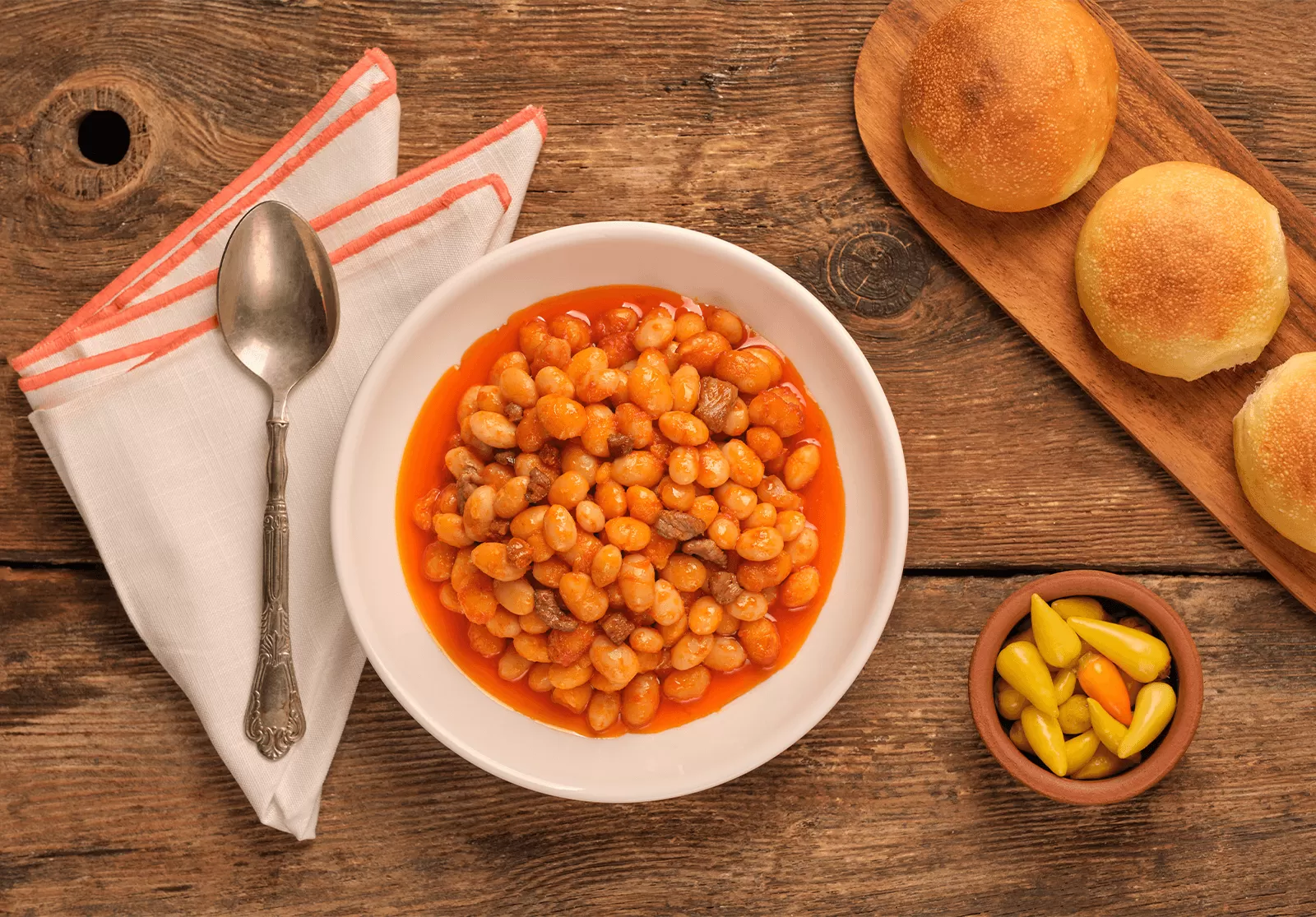
Çayeli Beans
Brother-in-law's delight
Enishte's delight is one of the cultural and traditional desserts of the Black Sea region and especially Rize, and has a special meaning as it has been presented as a gift to the groom's family at weddings for years. Prepared with simple ingredients such as plenty of butter, sugar, egg yolk and flour, this dessert is known for its thick consistency and sweetness. The distinguishing feature of enishte's delight is that it is rolled up longitudinally and is an indispensable part of the groom's bundle. Enishte's delight, which continues to be produced using traditional methods, attracts great attention from both the locals and tourists visiting Rize. It is valuable not only as a delicious snack, but also as a symbol reflecting the rich cultural heritage of the region.
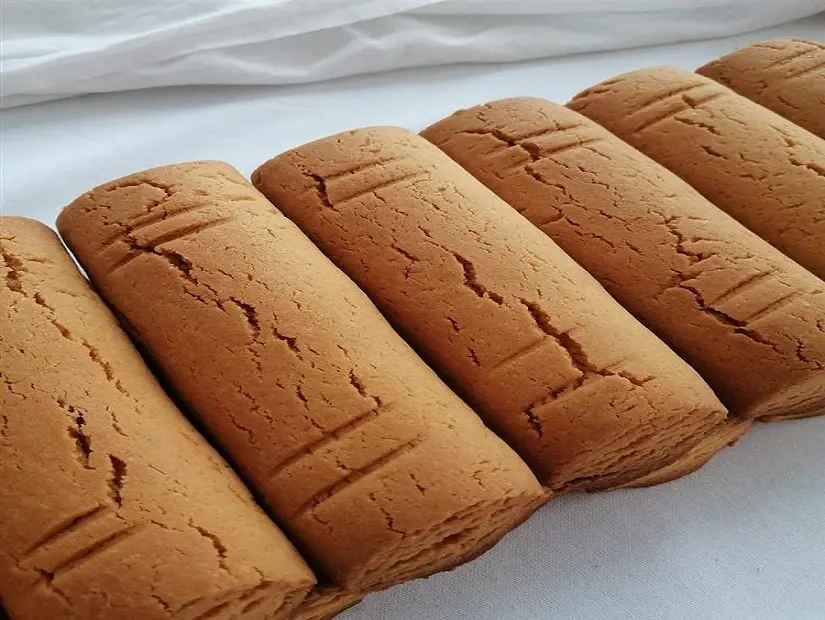
Brother-in-law's delight
Dried Beans with Meat
Meat and bean stew is an indispensable part of Rize cuisine, and is especially associated with the Çayeli district. Prepared with local ingredients, this dish is made by combining dried beans, beef, tomato paste, butter, and carefully selected spices. Cooked for a long time, the meat and bean stew achieves a perfect consistency as the beans become incredibly tender and the ingredients blend perfectly. One of the most distinctive features of this dish is the unique aroma and flavor imparted by the butter. It is usually... Egypt Served with bread, Rize's meat and bean stew is both filling and leaves an unforgettable taste in the mouth. This famous dish from Rize is highly appreciated by both locals and visitors.
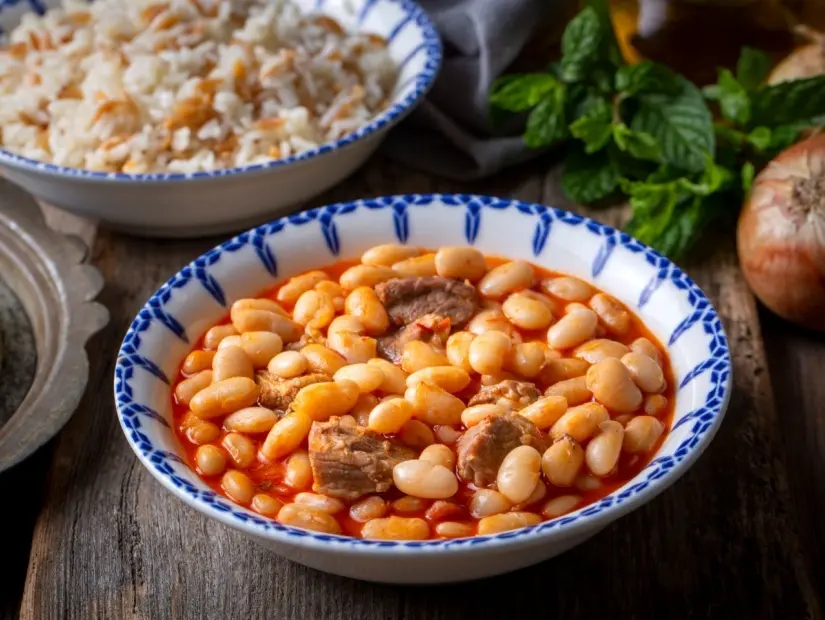
Dried Beans with Meat
Anchovy Stir Fry
Hamsi Çığırtması is one of the most unique and popular flavors of the Black Sea cuisine, and is a traditional dish especially for those living on the Rize coast. Fresh anchovies are kneaded with chard, onion, corn flour and suet and usually fried. The secret of this dish's flavor lies in the harmonious blending of fresh anchovies with plenty of greens and spices. Hamsi Çığırtması is a very healthy dish thanks to the high amount of omega-3 fatty acids it contains. In addition, this dish, made with fibrous vegetables, supports the digestive system. Hamsi Çığırtması, which is usually served with pickles and salad, can be consumed both hot and cold. This nutritious and delicious dish is an important reflection of the Black Sea's rich culinary culture and is a taste that must be tried.
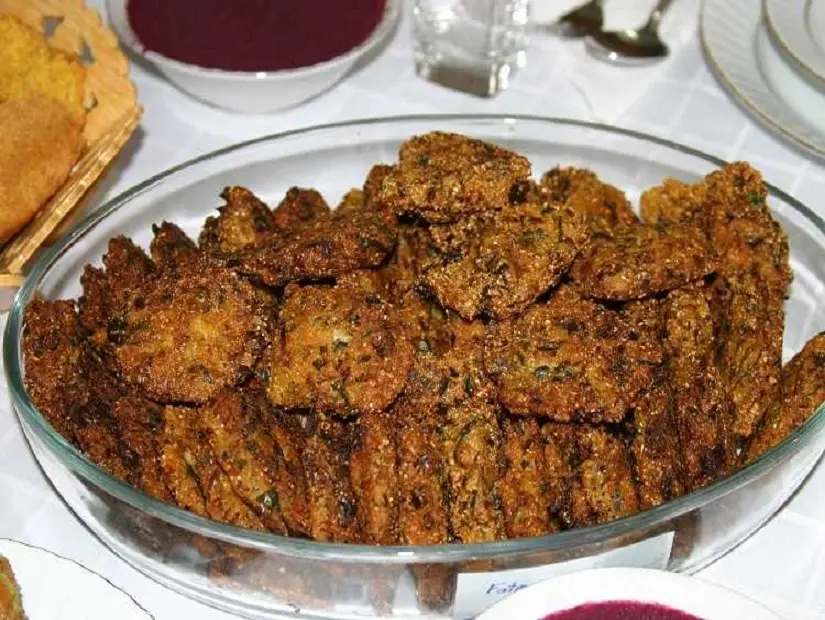
Anchovy Stir Fry
Anchovy Handle
Anchovy arm is a traditional and indispensable delicacy for those living on the coast of Rize. It is prepared by kneading fresh anchovies with plenty of greens such as chard, onion, dill and parsley and cooking them in the oven or on the stove. Anchovy arm is a very healthy dish thanks to the high amount of omega-3 fatty acids anchovies contain. In addition, the fibrous vegetables in it help regulate the digestive system, making anchovy arm both a nutritious and filling option. This dish, usually served with pickles and salad, can be consumed both hot and cold. Anchovy arm stands out as a special dish that reflects the richness and originality of the Black Sea cuisine and attracts the attention of those who come to the region.
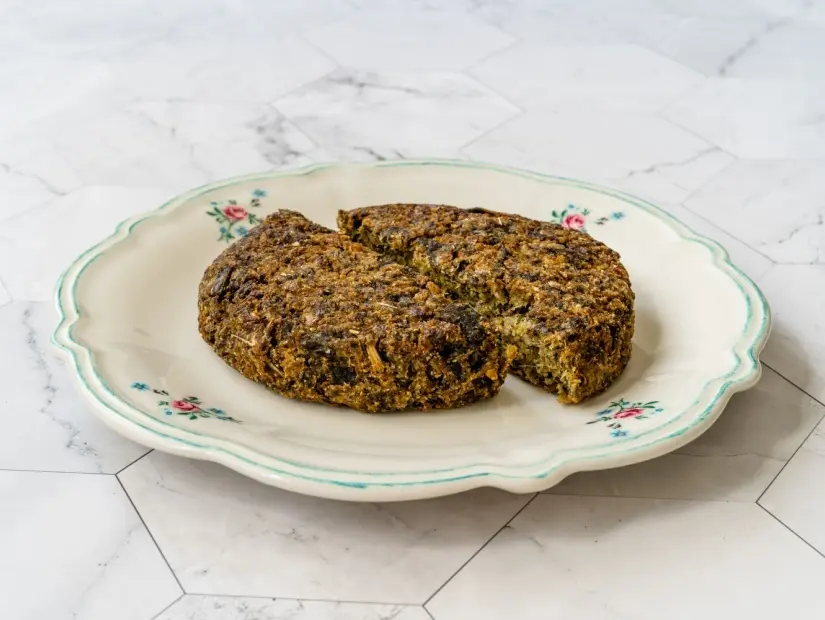
Anchovy Handle
Anchovy Rice
Anchovy pilaf is one of the most iconic and popular dishes of the Black Sea cuisine and is consumed with great pleasure in Rize. This unique flavor, where fresh anchovies are blended with rice, has become a classic for those living on the Black Sea coast. After the anchovies are cleaned of their bones, they are coated in corn flour and fried. Then, they are fried with rice, onion and various spices and cooked by adding water. The prepared pilaf is served together with fried anchovies. The secret of Rize anchovy pilaf is hidden in the unique aroma of fresh anchovies coming from the sea, the consistency of the rice and the perfect harmony of spices. This dish, usually served with pickles and lemon, offers a taste that is both filling and leaves a mark on the palate. Anchovy pilaf, which is made frequently especially in the winter season when anchovies are abundant, takes its place on the tables as one of the most beautiful examples of the rich culinary culture of the Black Sea.
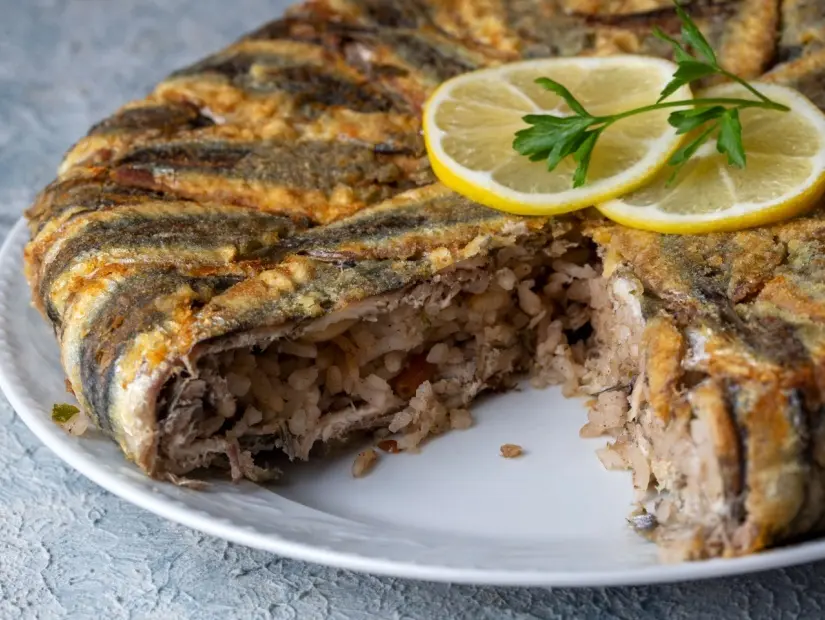
Anchovy Rice
Kale Soup
Black cabbage soup is a flavor that is always on the table during the cold winter months of Rize and is unique to the climate and rich vegetation of the region. Prepared by cooking black cabbage, bulgur, onion, garlic and various spices for a long time, this soup leaves a wonderful taste on the palate as the cabbage softens and the flavors of all the ingredients blend together. One of the most distinctive features of Rize black cabbage soup is the satiety and long-lasting effect that the bulgur adds to the soup. In addition, the fact that black cabbage is rich in vitamins and minerals makes this soup not only delicious but also an extremely healthy option. Black cabbage soup, usually served with cornbread, is among the favorites of both locals and tourists visiting Rize.
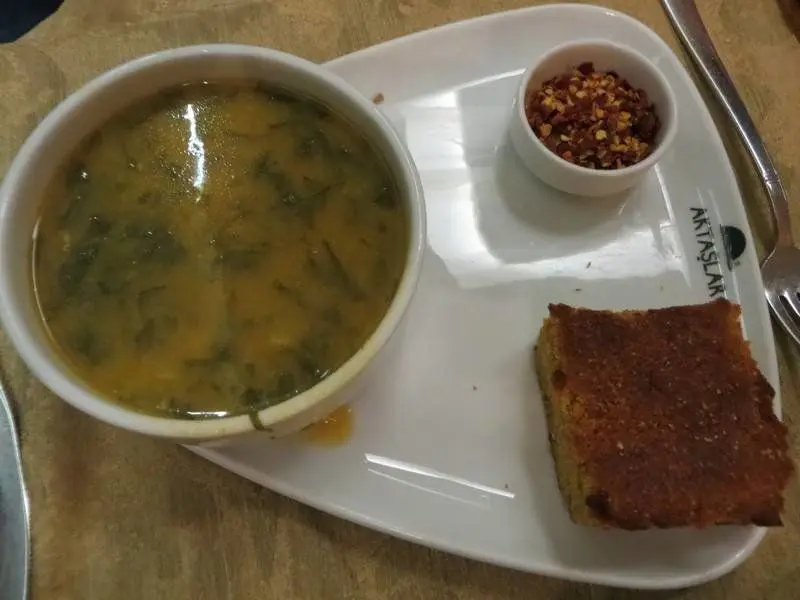
Kale Soup
Korkoto Soup
Korkoto soup is one of the most popular traditional flavors of Rize cuisine, especially decorating tables in the winter months. Prepared with the large-grained corn grown in Rize, called “korkota,” this soup is one of the dishes that best reflects the rich culinary culture of the region. Korkota grains are softened by boiling in plenty of water and then flavored with various spices. In some regions, it is cooked with yogurt, and in some places, it is cooked with meat and served in different flavors. Korkoto soup is known for being filling and nutritious. The corn in it provides energy by providing plenty of fiber and carbohydrates, while the version made with yogurt also meets the need for calcium. This special soup is greatly appreciated by both locals and visitors as a part of the rich and healthy cuisine of the Black Sea.
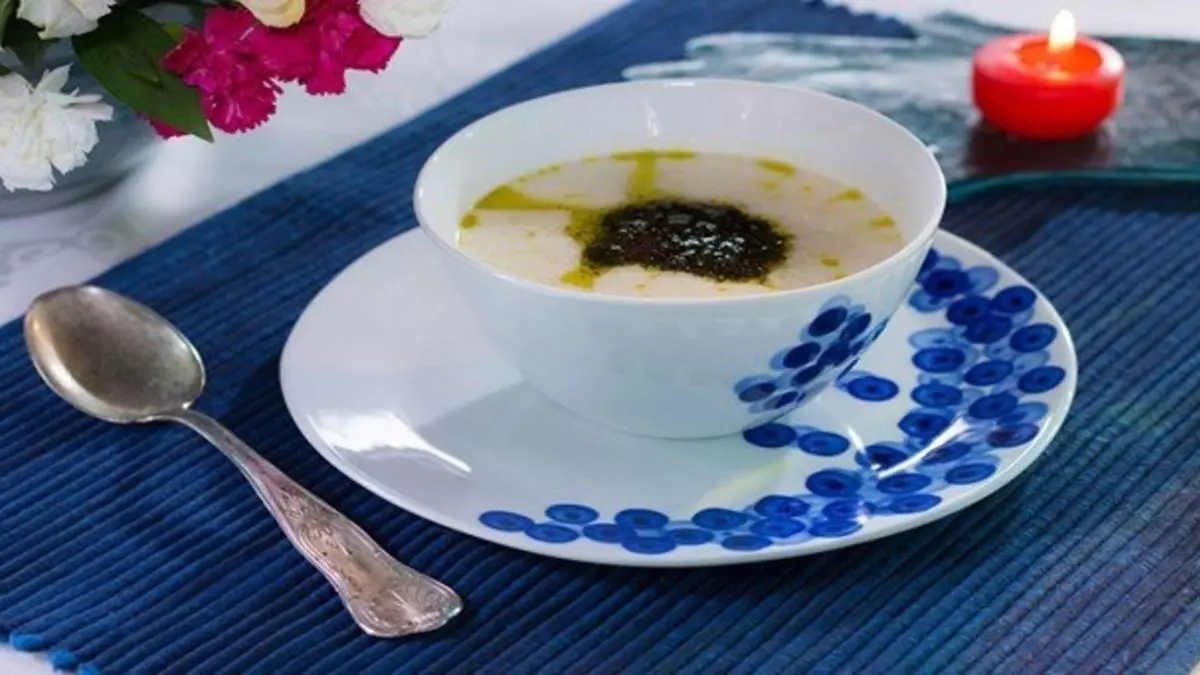
Korkoto Soup
Cornbread
Cornbread is one of the most basic and indispensable flavors of the Black Sea cuisine and is presented in perfect harmony with the local dishes of Rize. Produced in accordance with the climate and geography of the region, this bread is prepared using corn flour, water, salt and sometimes sourdough. Baked in traditional stone ovens, cornbread has a crispy exterior and a soft texture on the inside. Consumed especially for breakfast with butter and cheese, cornbread also harmonizes wonderfully with flavors such as anchovy pilaf, cabbage rolls and kavurma in the Rize cuisine. With its nutritious and filling structure, it stands out as an indispensable part of the Black Sea tables.
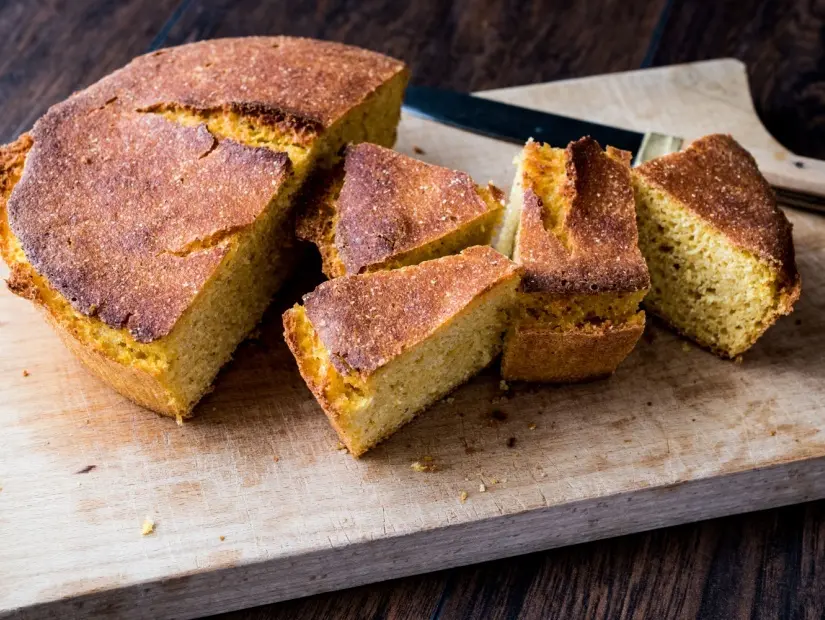
Cornbread
Chard Pan
Chard tavalı is one of the most popular dishes of the Black Sea cuisine and one of the prominent regional dishes of Rize. Prepared with fresh chard, onion, egg, corn flour and spices, this flavor can be enjoyed both for breakfast and as an accompaniment to main dishes. Chard is first boiled, then finely chopped and mixed with other ingredients, fried in a pan and served hot. The secret of the flavor of Rize chard tavalı is hidden in the unique aroma of fresh chard, the delicious bitterness of the onion and the consistency provided by the corn flour. This dish, usually served with pickles and salad, offers a healthy and filling alternative. The fact that chard, which comes from the rich vegetation of the Black Sea, is rich in vitamins and minerals makes chard tavalı a nutritious and valuable dish.
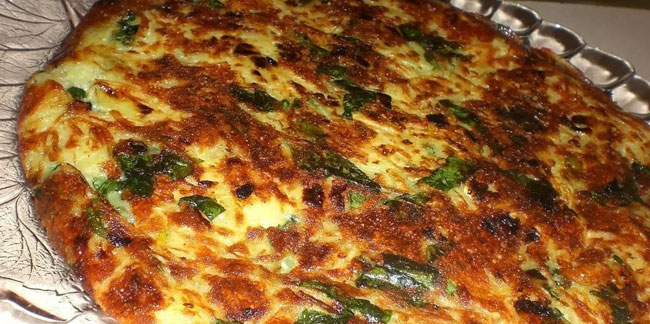
Chard Pan
Pumpkin Dessert with Molasses
Molasses pumpkin dessert stands out as one of the unique and special flavors of Rize cuisine. This dessert, prepared especially using Rize's large and sweet pumpkins, leaves an unforgettable taste on the palate when combined with the rich aroma of the local molasses. The pumpkins are boiled for a long time to make them soft and then dipped in molasses to sweeten them. This method allows the pumpkins to fully absorb the intense flavor of the molasses. Molasses pumpkin dessert, which can be consumed both hot and cold, is usually served garnished with walnuts or hazelnuts. It offers a healthy option with its richness in natural sugar and vitamins as well as its flavor. This dessert, unique to Rize, stands out as a flavor that reflects the rich culinary culture of the Black Sea in its sweetest form.
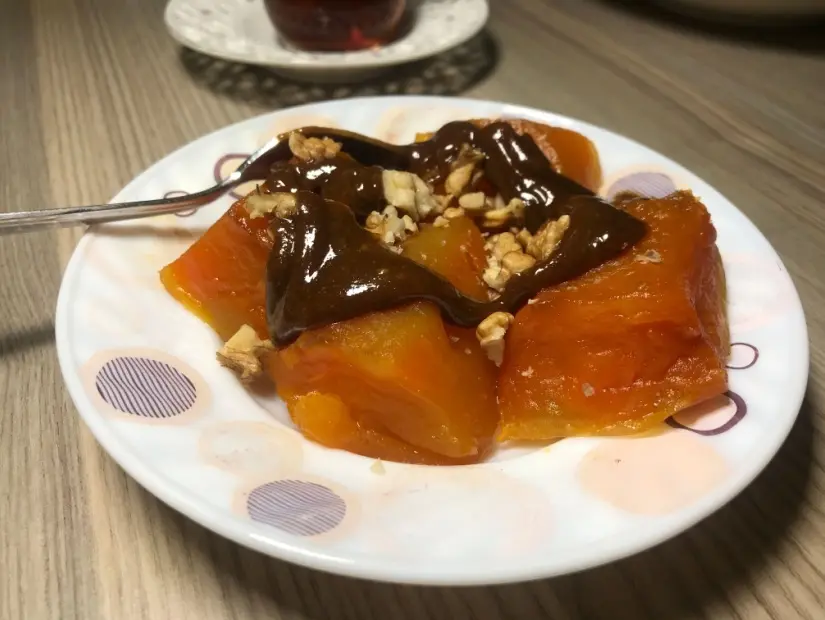
Pumpkin Dessert with Molasses
Rize Roast
Rize kavurma is one of the most special and popular flavors of the Black Sea cuisine. Protected by a geographical indication, this dish is prepared meticulously using traditional methods, entirely from beef. Slowly cooked in copper pots over a wood fire, Rize kavurma softens the meat down to its fibers thanks to the long cooking process, giving it a unique flavor and a texture that melts in the mouth. The secret of this flavor lies in the quality of the meat used, the advantages provided by the copper pots it is cooked in, and the slightly smoky aroma added by the wood fire. Rize kavurma, which is usually served with traditional side dishes such as cornbread, butter, and pickles, stands out as a flavor that is both filling and leaves a mark on the palate. It also holds an important place as a food that can be stored for a long time and is an energy store for people living in the harsh natural conditions of the Black Sea.
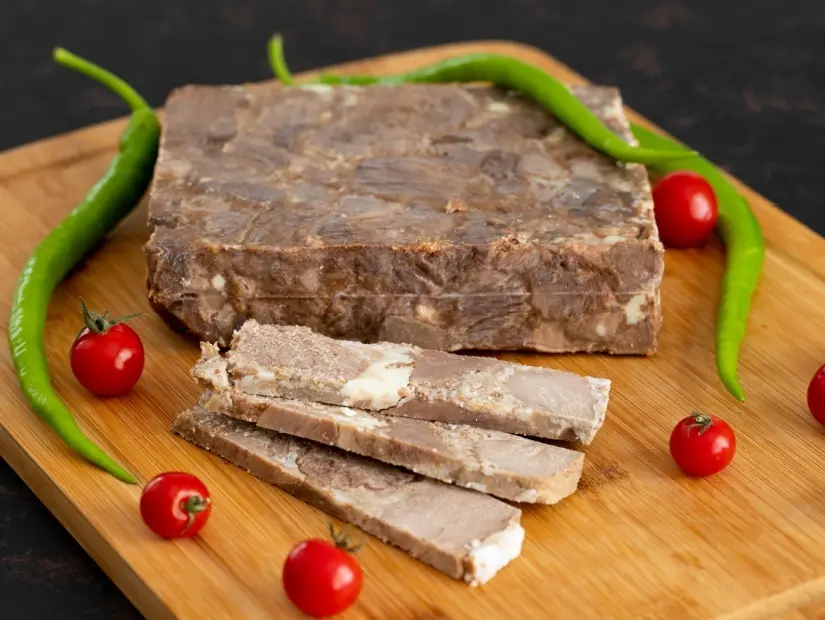
Rize Roast
Rize Muhlama
Rize muhlama is one of the most famous and popular flavors of the Black Sea cuisine. This traditional dish, known in Rize and its surroundings for centuries, is prepared with kolot cheese, butter, corn flour, salt and water. Cooking it in a copper pan suitable for contact with food and serving it with a wooden spoon ensures that muhlama preserves its unique flavor. The secret of Rize muhlama lies in the careful selection of fresh and quality ingredients and its preparation with traditional methods. Served hot, muhlama is preferred as a filling and very tasty meal, especially in the winter months. This unique flavor specific to Rize has won the appreciation of both locals and tourists, and can be found in many restaurants and eateries in the city.
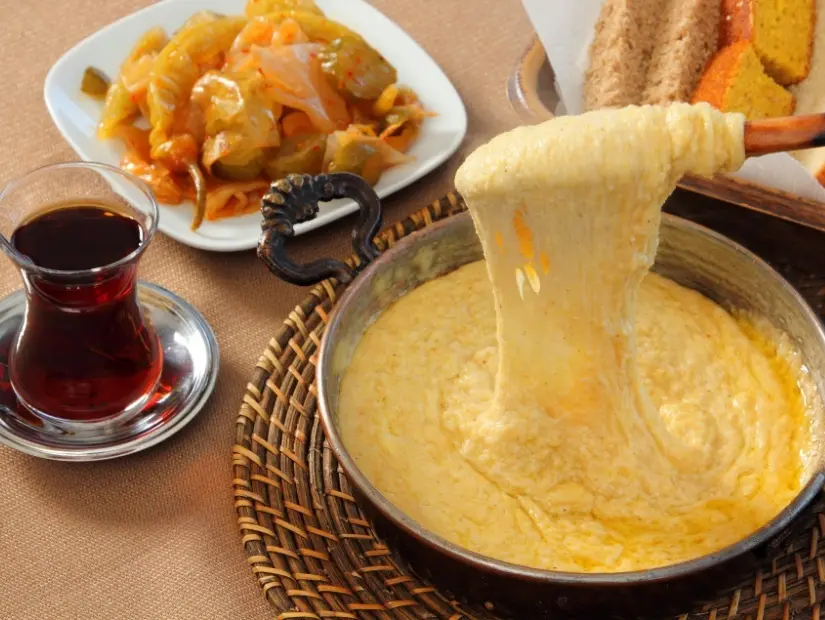
Rize Muhlama
Rize Pepecura
Pepeçura has an important place in Rize as one of the most unique and popular desserts of the Black Sea cuisine. Prepared using black grapes, corn flour, sugar and water, this dessert has the consistency of pudding and leaves a light and aromatic taste on the palate. The elements that make pepeçura special are the aroma of fresh and fragrant black grapes, the thickening feature of corn flour and the balanced sweetness of sugar. Pepeçura, made with special grape varieties grown in Rize, can be consumed both hot and cold. This dessert, usually served garnished with walnuts or hazelnuts, is greatly appreciated by both locals and tourists visiting the region. Pepeçura is one of the flavors that reflect the rich culinary culture of the Black Sea in the sweetest way.
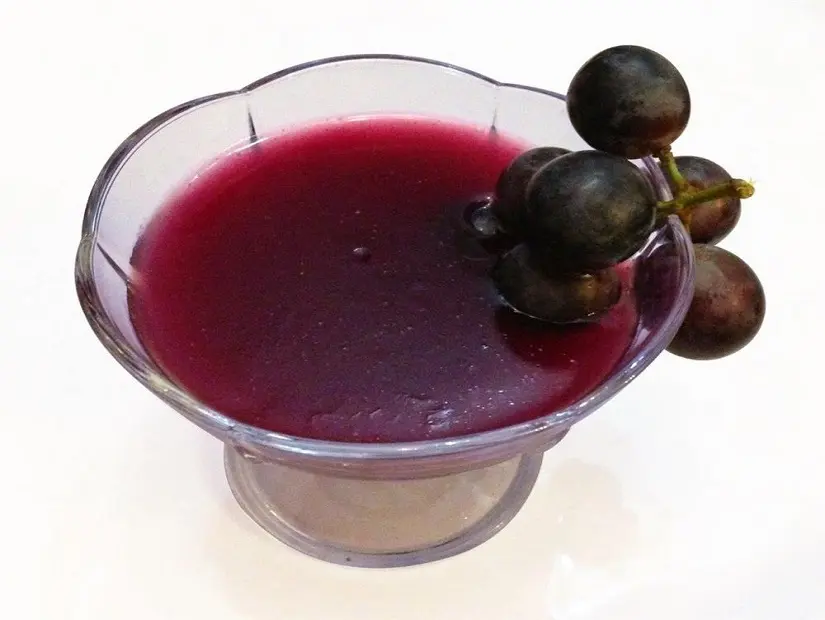
Rize Pepecura
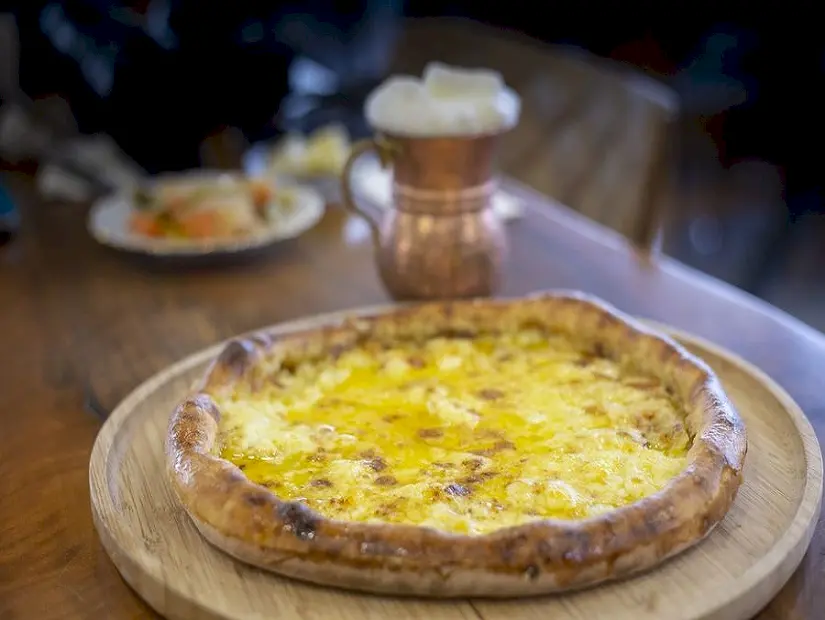
Rize Pita
Rize pide, which has been made for centuries especially in the Derepazarı district, is one of the indispensable flavors of the Black Sea cuisine. This pide, which is unique to the region, is prepared with completely natural ingredients and its production technique is meticulously applied by masters. One of the most important features of Rize pide is that it is made using pure butter and natural spring water. This pide preserves its freshness and warmth for a long time by being served without cutting. There are many different varieties such as open minced meat, closed minced meat, mixed, roasted and plain, each of which leaves a different taste on the palate. With its structure that is both filling and keeps you full for a long time, Rize pide stands out as a part of the cultural heritage of the region. You can find the opportunity to taste different varieties of this unique pide in various restaurants and bakeries of Rize, especially in the Derepazarı district.
Rize Bagel
Rize simit has become an indispensable part of breakfasts and tea times, and is one of the symbols of Rize. Unlike other simits, this simit is sesame-free and is prepared using flour, yeast, salt, water and black grape molasses. After the dough is kneaded, it is combined with grape molasses and baked in the oven, which creates its unique aroma and crispy texture. The origin of Rize simit dates back to the 1930s and is protected by a geographical indication. The unique taste it gains thanks to grape molasses distinguishes it from other simits. This flavor, which attracts great attention from both the locals and tourists visiting Rize, leaves an unforgettable mark on the palate, especially when consumed for breakfast or with tea.

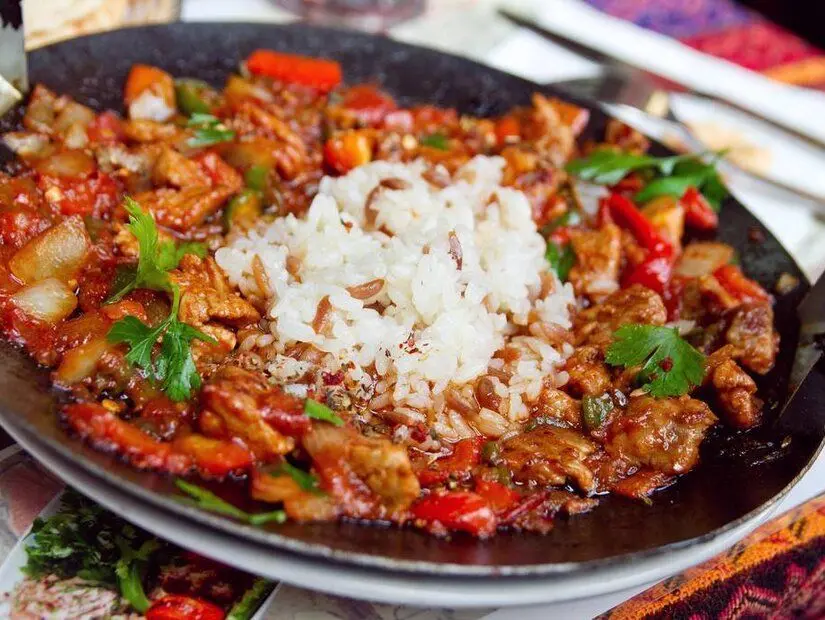
Sac Roasting
Sac kavurma is one of the most popular and satisfying dishes of the Black Sea cuisine and is also highly appreciated in Rize. This dish, which is prepared using lamb meat raised especially in the highlands, is cooked on a sac using traditional methods. Lamb meat is roasted on a sac with onion, tomato, pepper and plenty of butter for a long time, ensuring that the meat acquires a soft and delicious consistency. The secret of Rize sac kavurma lies in the intense aroma that comes from fresh and natural ingredients and the rich taste that butter gives. This dish, usually served with bulgur pilaf and pickles, can be consumed hot or cold and finds its place on the tables as one of the traditional flavors of Rize cuisine.
Pickle Pan
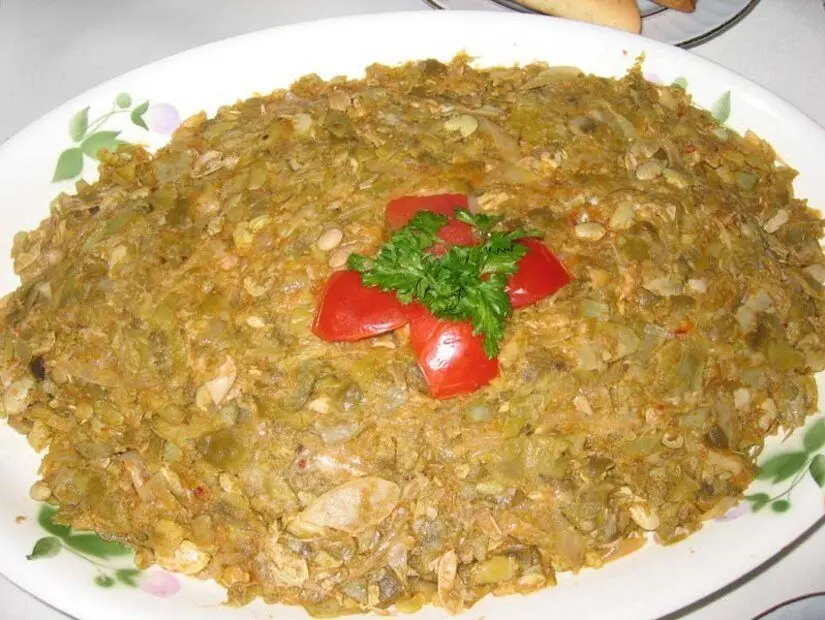
Pickle tavalı is a filling and delicious local dish of Rize, consumed frequently especially in the winter months. Pickles made from vegetables grown in the cool climate of the region are prepared by roasting them with plenty of onion and oil. The sour and salty taste of the pickle, the slight bitterness of the onion and the consistency given by the oil, leave a unique taste on the palate. Pickle tavalı, which can be consumed both hot and cold, is usually served with corn bread and is among the indispensable dishes of the Black Sea cuisine. Its practical preparation and the fact that it can be made with different types of pickles make pickle tavalı a preferred dish for both locals and visitors.
Where to Eat in Rize? Restaurant Recommendations
Çayeli Hüsrev
This is one of the best-known places when it comes to Çayeli's dried bean dish. Their official menu includes options like dried beans, Rize-style roast meat, kale rolls, chef's plate, rice pilaf, and Laz böreği (a type of pastry). Prices vary seasonally, so it's a good idea to check the current menu before you go.
Lale 1973, Çayeli
In Çayeli, this is one of the frequently mentioned addresses for bean stew and roasted meat. In a sample 2026 menu, the famous bean stew is listed at 270 TL, shepherd's roast at 400 TL, roasted meat pide at 325 TL, and Laz böreği at 125 TL.
Rize City Center Tradesmen's Restaurants
In the city center, local restaurants specializing in home-style cooking and stews are good options at lunchtime. If Oğuzhan and I are taking a short lunch break in the center, we like to leave with soup, stew, rice, or rice pudding without lingering too long.
Ayder and Fırtına Valley Facilities
The view is beautiful, but prices can be higher than in the city center. Breakfast, muhlama (a local dish), trout, kavurma (a type of stew), and desserts are particularly popular on this route. It's a good idea to check the menu before ordering during peak season.
What to buy in Rize?
One of the most sensible things to buy from Rize is... tea Coming soon. For souvenirs, consider packaged tea, special blends, Anzer honey, Rize fabric/feretiko products, Rize bagels, roasted meat, and local sweets. Anzer honey, Rize tea, and feretiko workshops are specifically mentioned in the KTB list.
When buying tea, I ask not only about the brand but also about its strength. Not all teas are suitable for everyone; some are stronger and more potent, while others are milder.
What to do in Rize?
One of the best things to do in Rize is to head to the tea gardens early in the morning. Then, take a break by the stream in the Fırtına Valley, take photos of the arched bridge, try rafting if you want, and wait for the sunset in Huser in the evening.
Rafting prices vary depending on the course; in the 2026 sample prices, a 6 km classic course was listed at 1.000 TL, while longer/more exciting courses ranged from 1.100-1.500 TL.
Rize Nightlife
Nightlife in Rize isn't club-and-bar focused like in bigger cities. In the city center, beach walks, tea gardens, cafes, and quiet dinners are more authentic. In Çamlıhemşin and Ayder, evening falls early; the restaurant or fireplace/terrace area of your accommodation becomes the main focus of the night.
Rize Festivals and Events
During the summer months, plateau festivals, local cultural events, and sporting events take center stage. Seasonal events can occur around Huser, Ayder, İkizdere, Hemşin, and Çamlıhemşin. I try not to book a hotel before finalizing the dates for an event, as prices can rise rapidly during festivals and holidays.
Rize Holidays and Closing Dates
In Rize, since open-air routes are predominant, planning is affected more by weather, road conditions, holiday crowds, and seasonal intensity than by classic museum closures. This includes the Rize Atatürk House Museum. Museum Card The website states that it is free and open; furthermore, the Rize Atatürk House Museum and Rize Museum appear as free in the Ministry of Culture and Tourism's fee list. (google)
Rize Travel Budget and Current Prices
| Expense item | Economic | intermediate level | bullshit |
|---|---|---|---|
| Airport-city center Havaş | 220 TL | 220 TL | Taxi/transfer |
| City minibus | 30-35 TL | 30-35 TL | Taksi |
| Rize-Trabzon bus | 160 TL | 160 TL | Special vehicle |
| Ayder car entrance | 195 TL / vehicle | 195 TL / vehicle | 195 TL / vehicle |
| Rafting | Around 1.000 TL | 1.100-1.300 TL | 1.500 TL and above |
| Çayeli dried bean example | 270 TL | 400-600 TL including side products. | Increases according to the menu. |
| Museum | There are free options. | There are free options. | There are free options. |
Prices can vary depending on the season, establishment, official rates, and crowds; it's especially a good idea to double-check prices for plateau areas, activities, and restaurants before your trip.
Rize Travel Map
Things to Consider When Visiting Rize
The most important factor in Rize is the weather. A day that starts sunny in the morning can turn rainy in the afternoon. Fog, mud, and sharp bends on the mountain roads can be tiring. Extra caution is needed when traveling with children at Zil Kale, Palovit, and other high viewpoints. In summer, leaving early in the morning is a great advantage for parking and traffic in Ayder and Fırtına Valley.
Rize isn't a place to be explored quickly; it's a city that slows down the pace of life with its tea, rain, streams, plateaus, and cuisine. If it's your first time, allocate two days; however, my suggestion is to stay three days and dedicate one day to a quieter valley or plateau route. Staying in the city center makes transportation easier, but staying in the Çamlıhemşin-Ayder area will allow you to wake up closer to nature.
PREVIOUS TOPIC

We see the scent of the sea in Marmaris and the refreshing mountain air of Rize, mingled with greenery, as two beautiful destinations in our lives. We are Tuğba and Oğuzhan, two travelers who hit the road whenever we get the chance, enjoying getting lost in the streets of new cities, tracing the footsteps of the past in historical places, and truly breathing in the air of nature. We don't just describe the places we visit; we try to share them as we have personally experienced them. From the silent corridors of a museum to the foggy bends of a mountain road, from coastal towns to historical squares, we convey every point we see through our own eyes, in a sincere and understandable language. For us, travel is not just about seeing new places, but also about getting to know different cultures, feeling local life, and returning with a little story from every route. In the content we write on Gezimaris, our aim is to offer readers more than just classic information. We try to answer questions such as what to pay attention to in the places we visit, which places are truly worth seeing, and which routes are more enjoyable, based on our own experiences. Our lives, stretching from the warm shores of Marmaris to the cool highlands of Rize, give us the opportunity to closely observe both sea and nature-focused travels. In short, we are a couple who love to travel; we take notes, photograph, and feel the places we visit, and we sincerely share these experiences. In each of our articles, we aim to bring the reader a little closer to the road, spark their curiosity, and leave behind truly useful travel notes.
Similar Threads
Write a Comment
Visitor Comments - 0 Comments